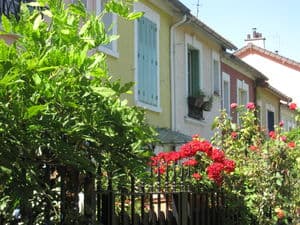
This weekend, our feet led us to La Mouzaïa, in the 19th arrondissement.
The outer arrondissements of Paris still hold traces of the villages annexed in 1860, saved in part by the ground beneath them: it made it impossible to tear them down and put up tall buildings in their place! Phew, that was a close one!
The neighborhood of la Mouzaïa is one of those villages, just like la Butte aux Cailles, which is dear to my heart.
Let’s go see for ourselves…
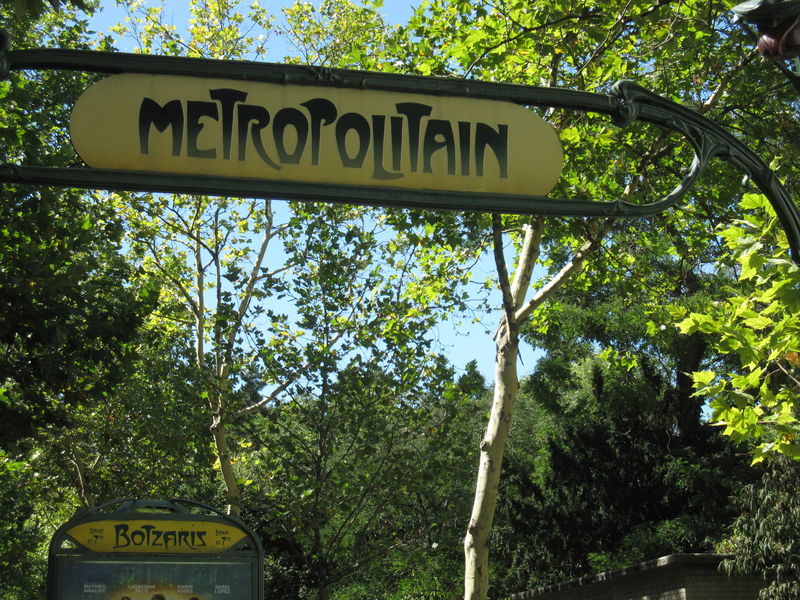
The easiest way to get there is to take the metro to Botzaris, then wander down the little lanes known as “villas” on either side of rue Mouzaïa.
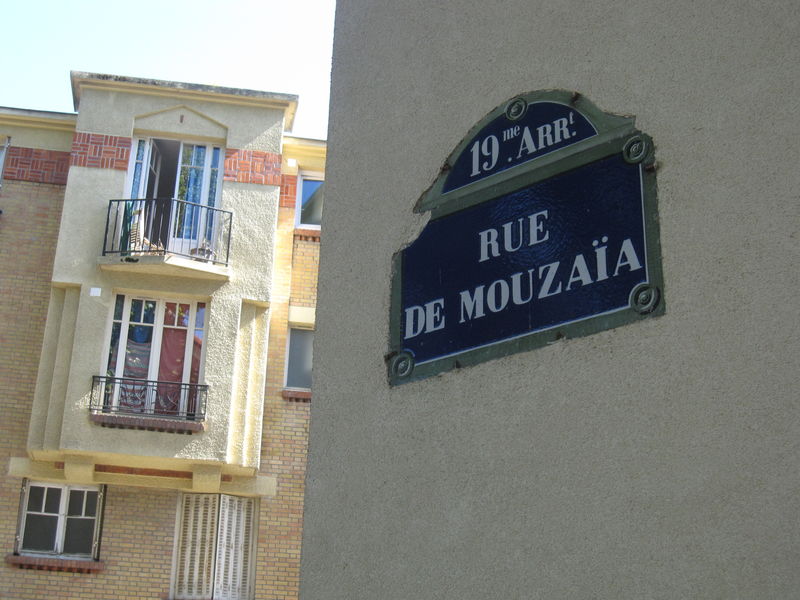
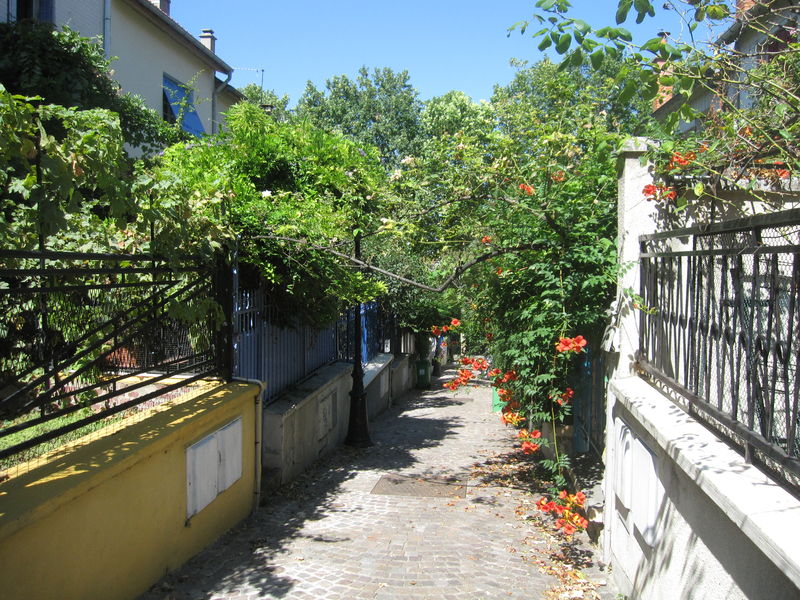
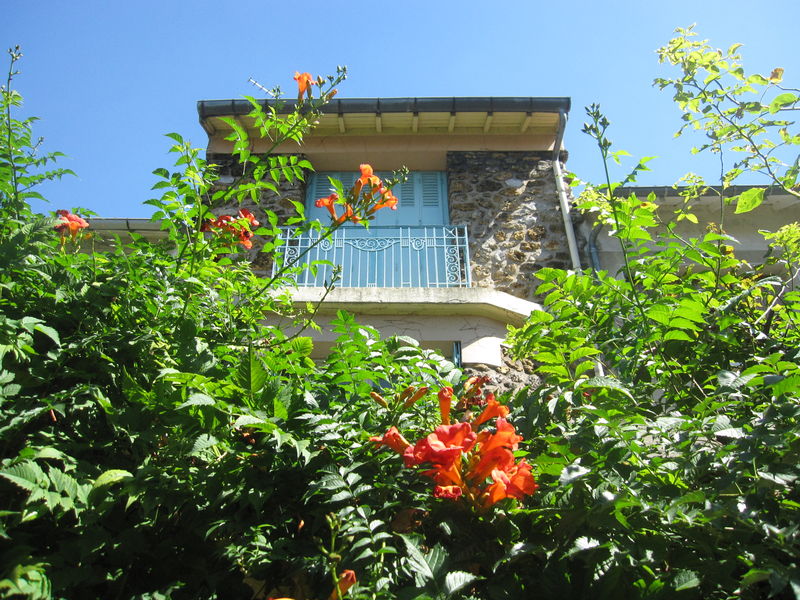
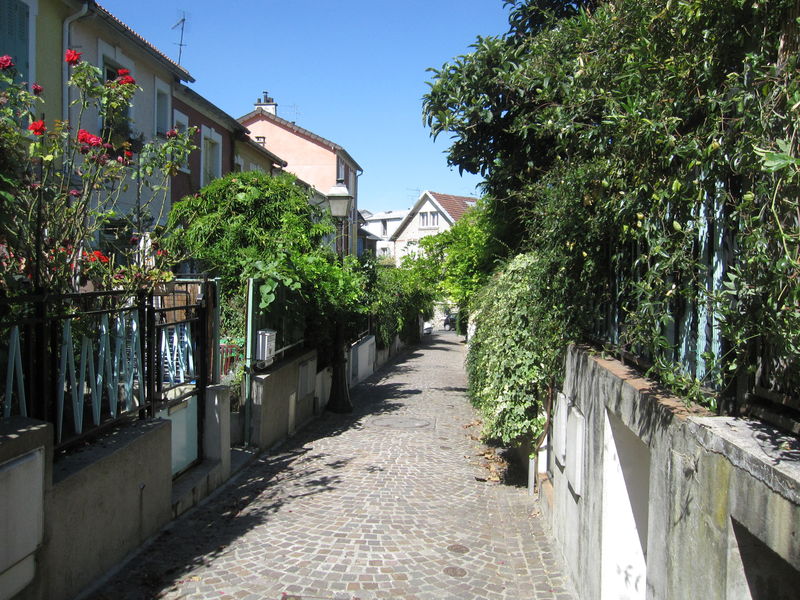
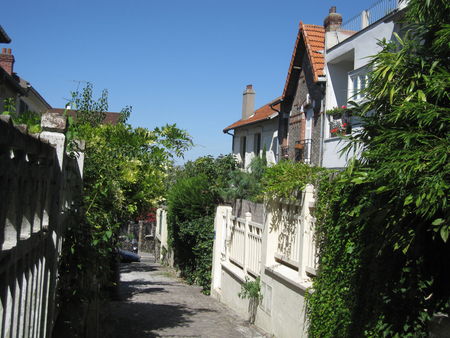
A little history: The neighborhood was built over one of the largest gypsum quarries in Paris, on the butte du Beauregard overlooking the city, where mining began in the Middle Ages. It’s a perfect example of how the outer arrondissements took shape after they were annexed to Paris in 1860. Private developers and public authorities had a shared interest in dividing up and developing whole swaths of the city without City Hall having to do the building itself.
The neighborhood’s pattern of small, individual houses is a direct result of what lies beneath: the ground is riddled with quarry tunnels and too unstable to support large buildings.
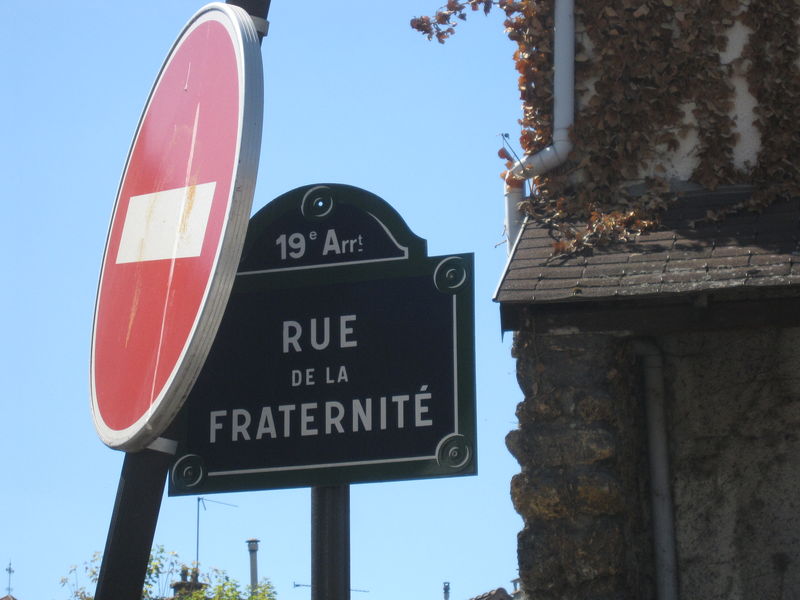
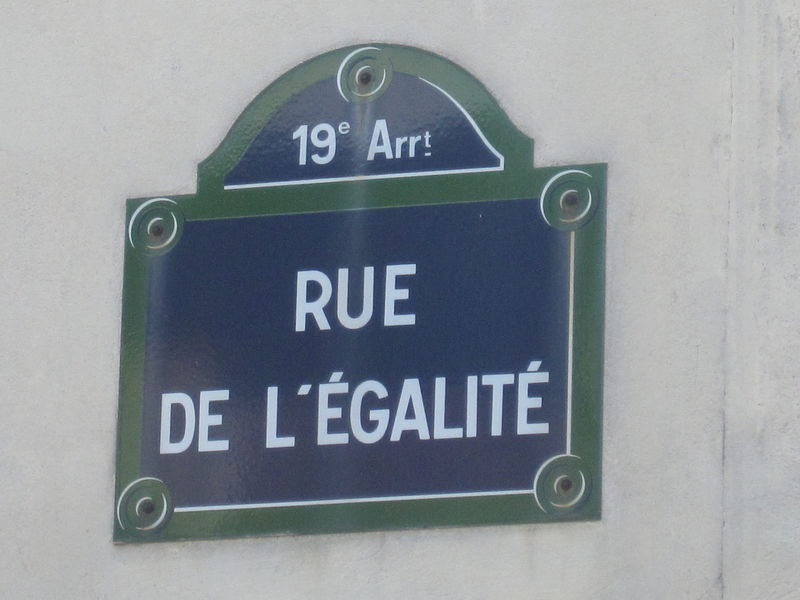
The houses were originally built for workers of modest means. That unstable ground is why the little houses are so low: just one or two stories at most.
See you tomorrow ;)