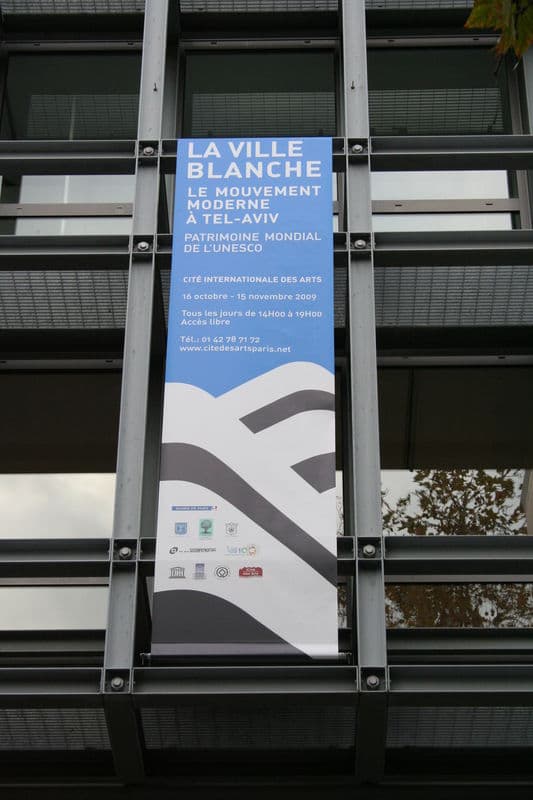
Through November 15
The Modern Movement in Tel Aviv
On July 3, 2003, the “White City” of Tel Aviv was added to the UNESCO World Heritage List for the following reasons:
– the site is the largest urban center in the world to encompass a group of buildings constructed in the International Style between 1931 and 1948, along with buildings constructed in the postwar modern style between 1948 and 1960
– the size of the site and its remarkable uniformity
– located in the heart of a metropolitan area, the site is highly visible to the public
– the city clearly shows how the various strands of the Modern Movement came together. The local architects trained at avant-garde schools in Europe and brought what they learned back with them, adapting it to the local climate and cultural traditions and creating a unique architectural language.
It was Sir GEDDES, a pioneer of modern urban planning, who laid down the principles for the city’s layout; to him, the city was the pinnacle of human creation. The final plan, known as Plan 58, was ratified in 1938.
TEL - AVIV Then and Now
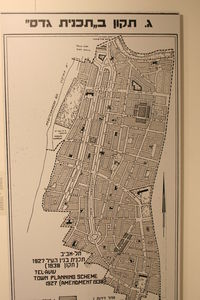
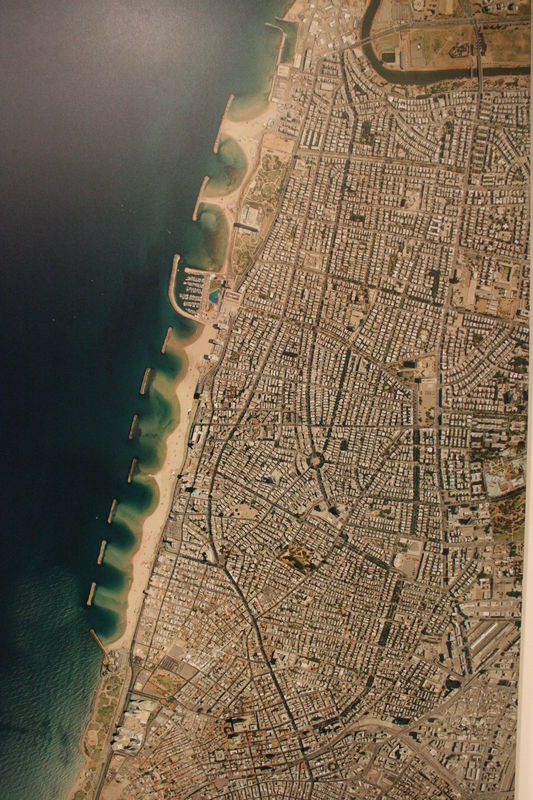
Here are the key features:
– main streets: running parallel to the sea, these are the main routes for north–south traffic and the main shopping streets (24 m wide)
– secondary streets: broad residential streets that serve as secondary routes for east–west traffic (20 m wide)
– quiet residential streets 15–16 m wide
– pedestrian passages connecting the main streets to the interior gardens
Local architecture and how it adapts to the climate (take a look at the digital displays under each photo: they’re incredibly informative and show how the buildings are put together, one plan at a time)
KRUSKAL House
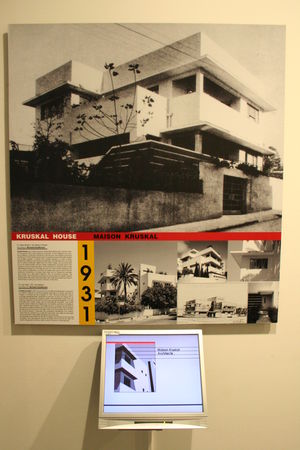
This building shows the first use of awnings to respond to the climate (they block the high summer sun but let the low winter sun in).
AGINSKY House
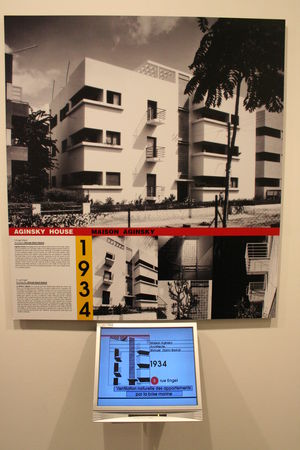
The architect worked for Le Corbusier for a year. The building is broken up into separate sections, with the eastern block jutting out to catch the sea breeze from the west.
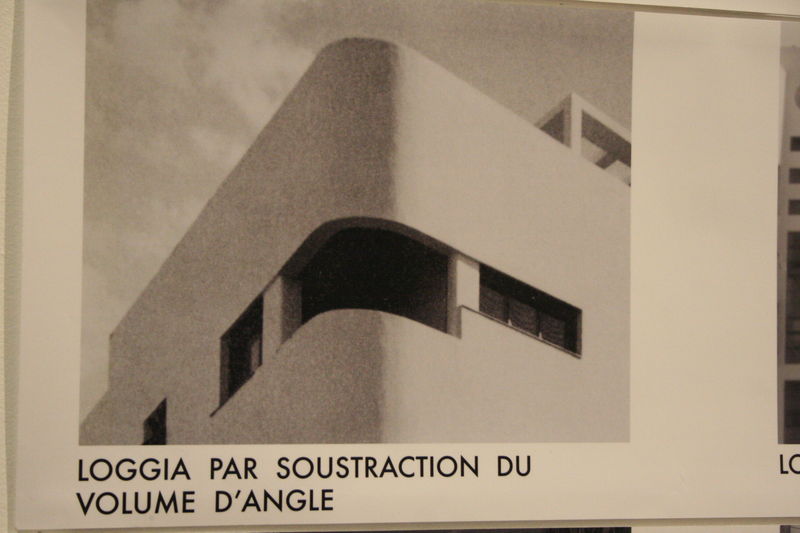
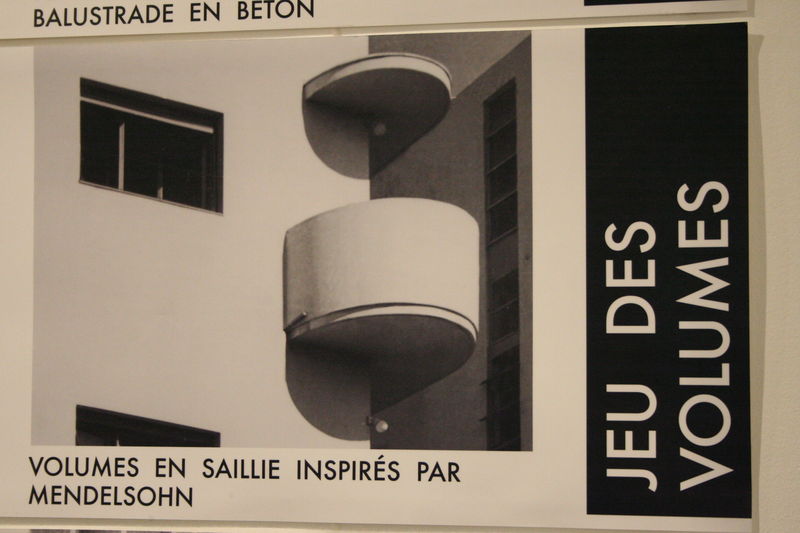
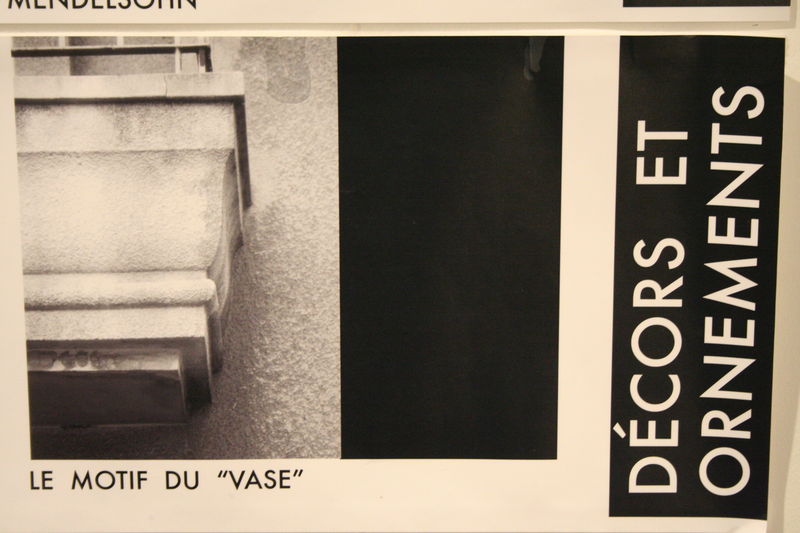
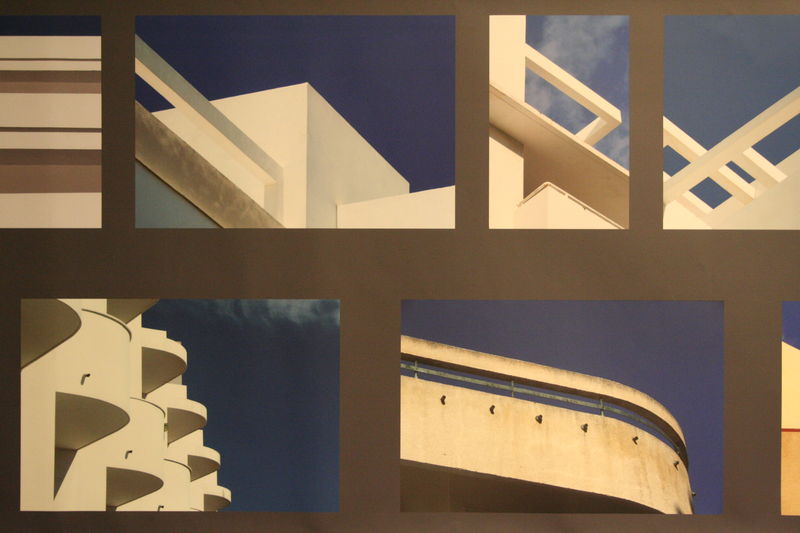
A few examples of the architecture and its characteristic details:
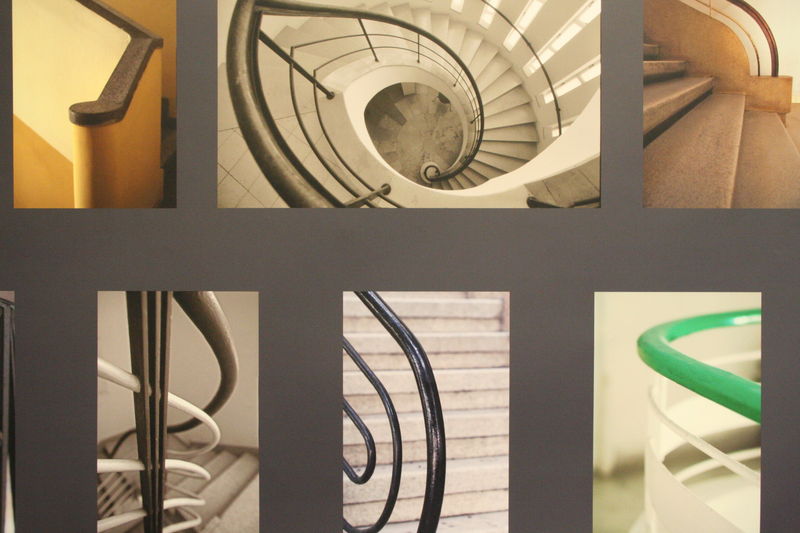
And to wrap up,
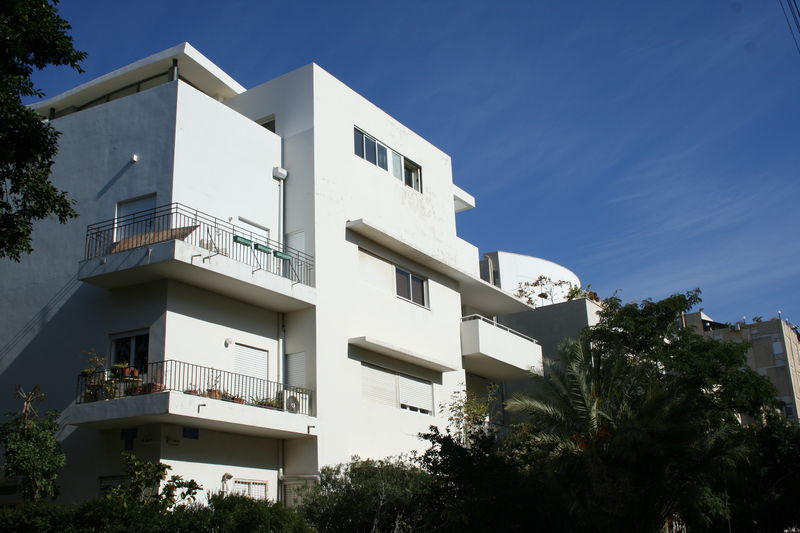
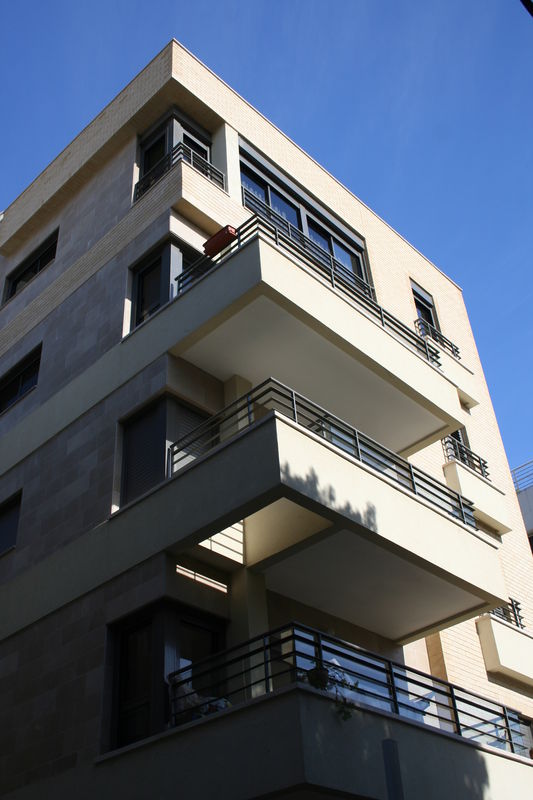
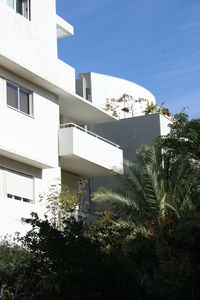
a few photos of my own of the White City’s beautiful architecture
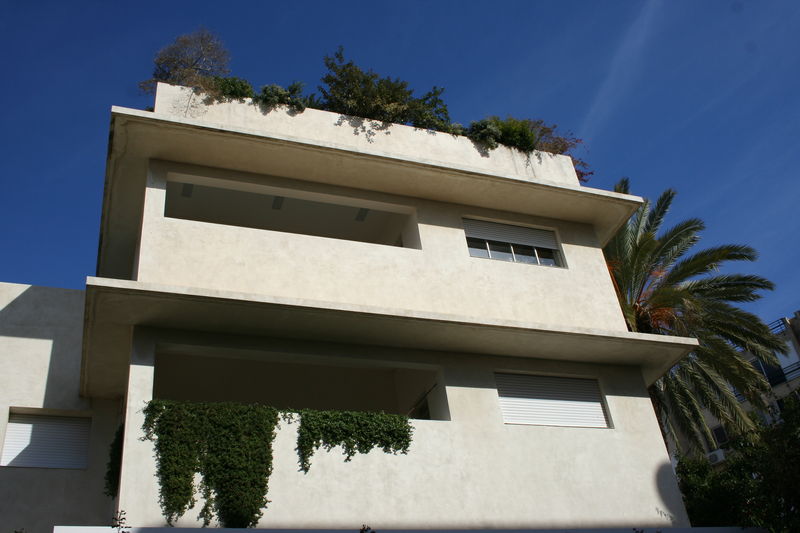
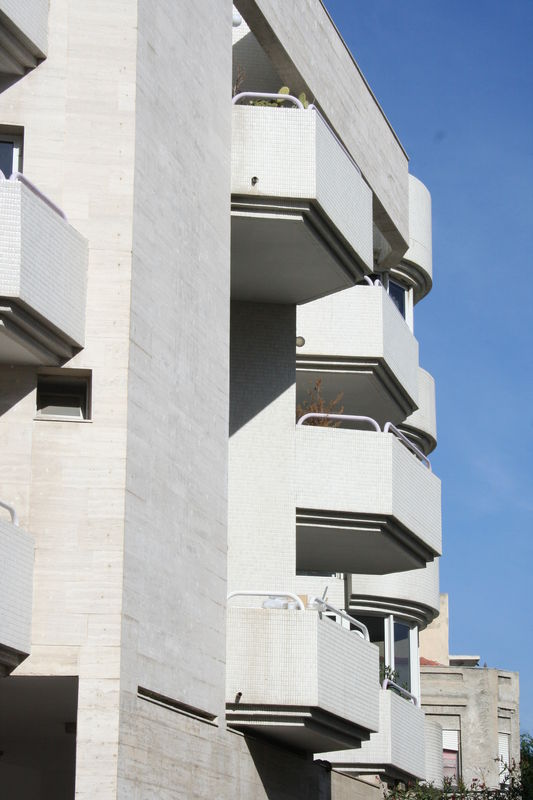
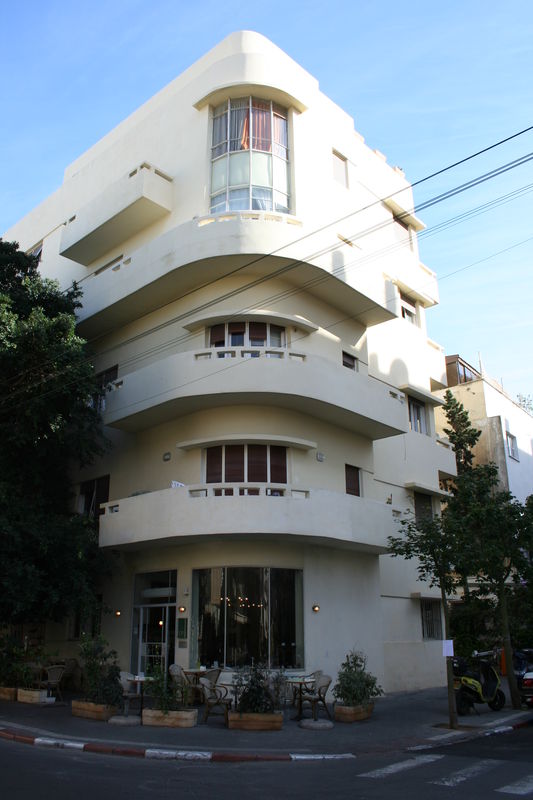
Visitor information: October 16 to November 15, 2009
Daily, 2pm–7pm
18, rue de l'Hôtel de Ville, 75180, Paris Cedex 04. Phone: (33)1 42 78 71 72