This morning, the bright blue sky gave me an irresistible urge to wander around Paris, as I so often love to do ... except I hadn’t counted on the bitter cold catching me by surprise!
Frozen fingers, hands that wouldn’t move, blurry vision!
So, first up, the fruits of my superhuman efforts! Go easy on me ...!
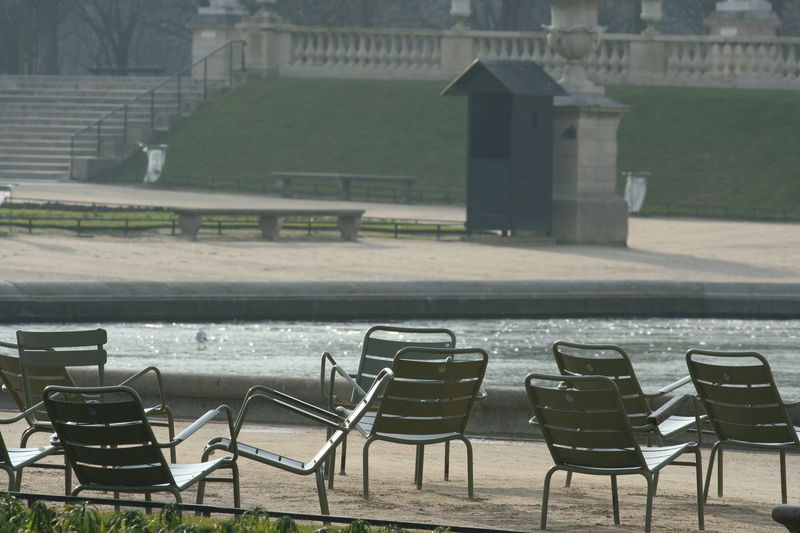
a garden you’d expect to be empty ...
and yet, the lovebirds are here ...
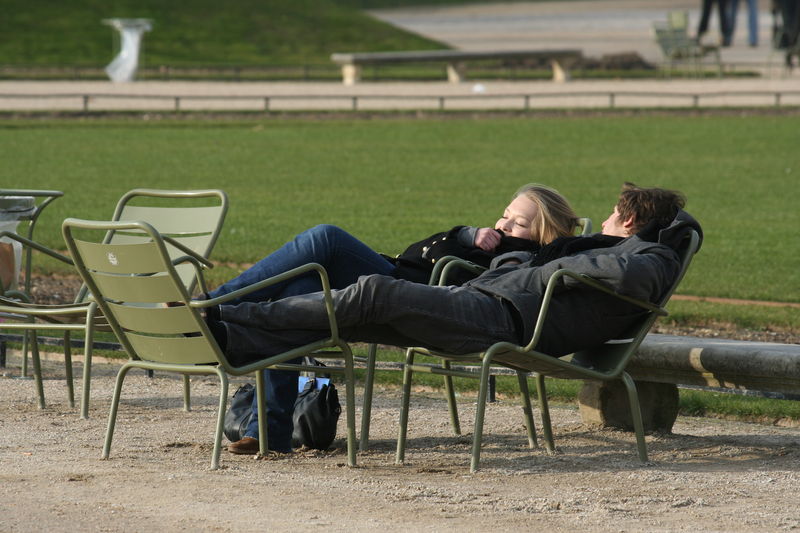
all bundled up and snuggled against each other ...

under the watchful eye of the police!
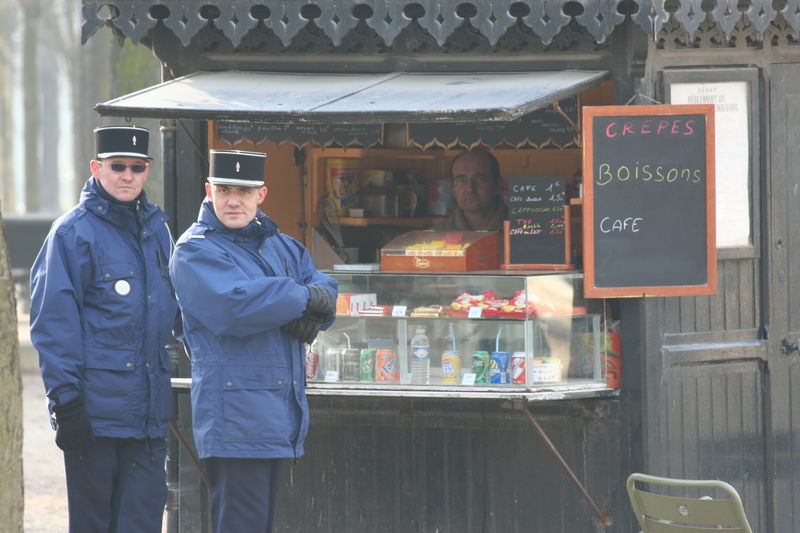
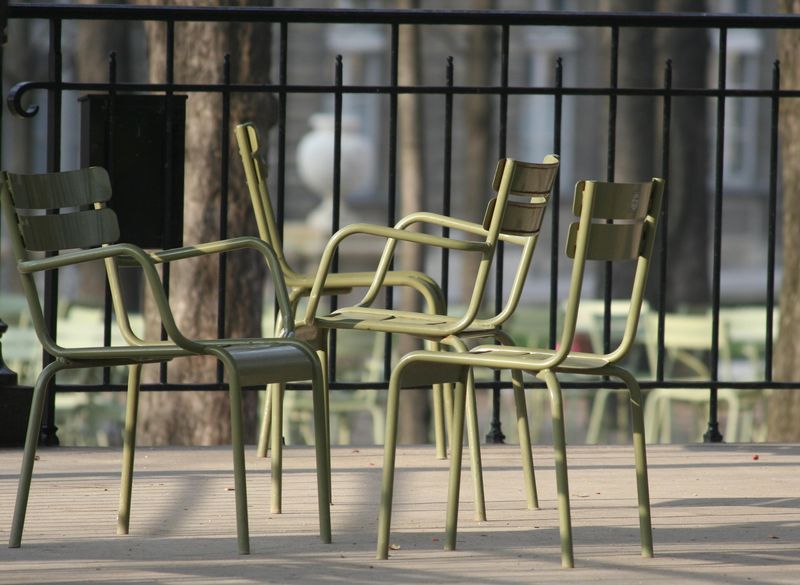
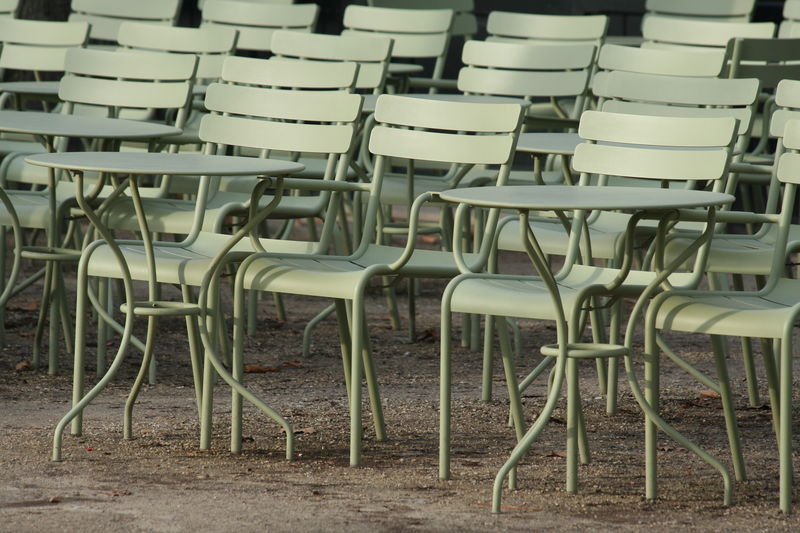
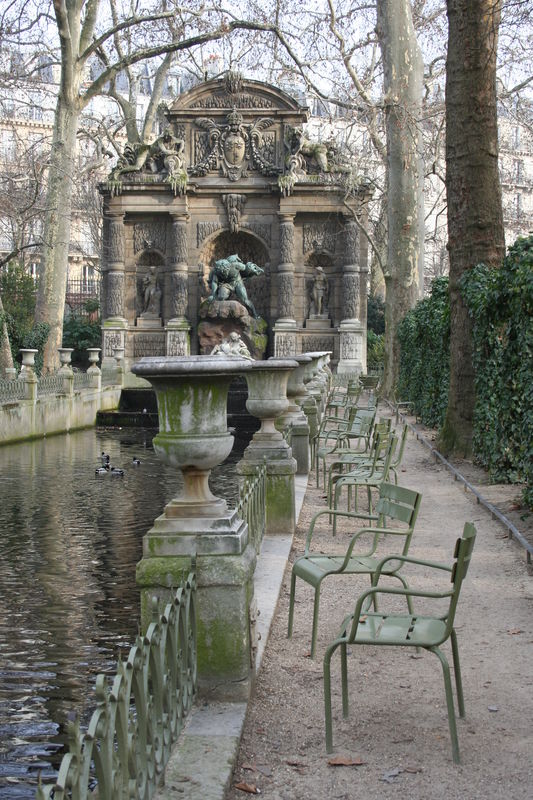
those famous chairs are here too ...
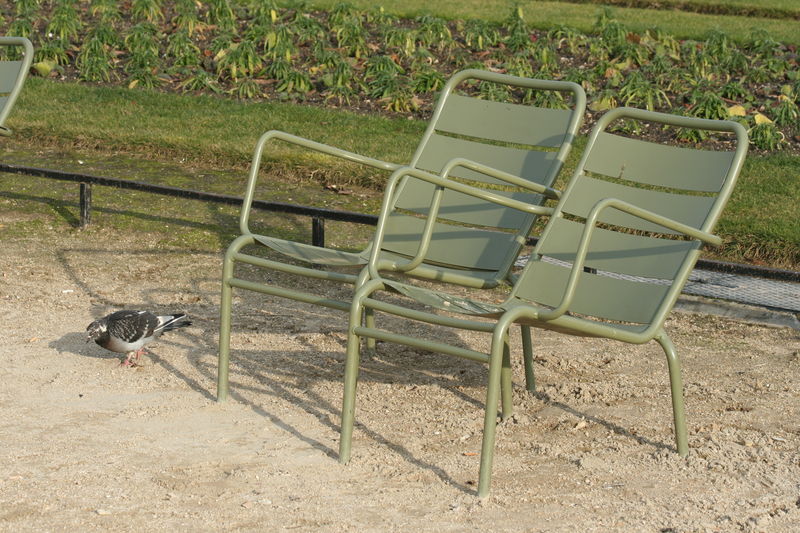
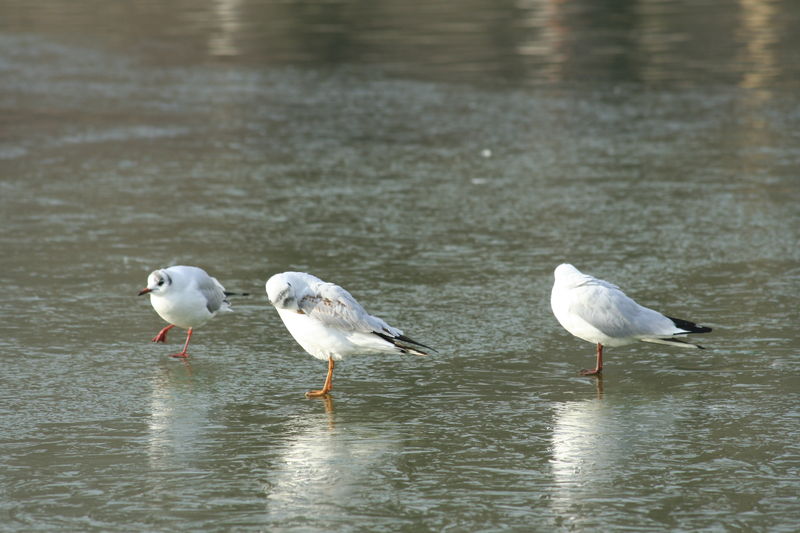
a few birds too ... out on the frozen pond
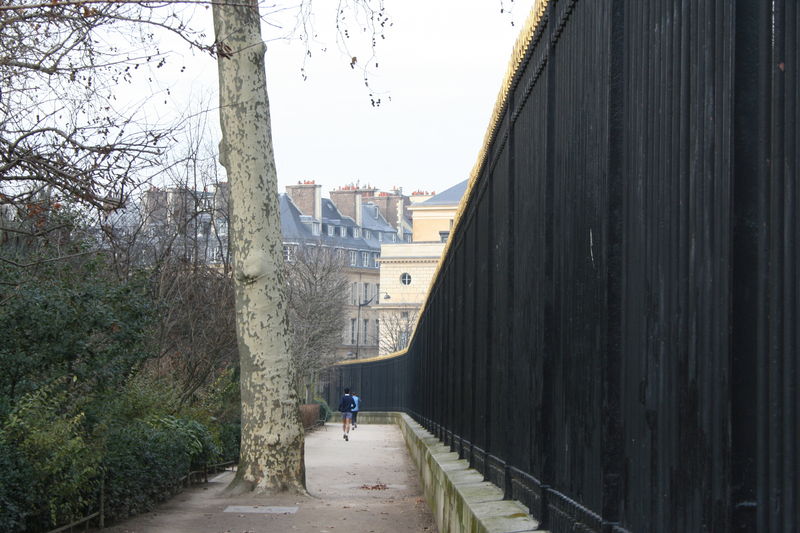
and then there are a few tireless joggers!
And next up, a little history ...
It was Marie de Médicis (1573–1642) who created the forerunner of today’s Jardin du Luxembourg.
She dreamed of escaping the intrigues of the court, then based at the Louvre, and decided to settle in this neighborhood on the outskirts of Paris, near the Carthusian monastery. It took her several years to buy the mansions on the land she had her eye on, notably the one belonging to the duc François du Luxembourg (1612), who gave the garden its name, as well as part of the monastery, which took seven years of tough negotiations to secure. It wasn’t until after Marie de Médicis died, when the entire Carthusian estate was sold (1792), that the gardens could really expand. The view then stretched all the way to the Observatoire. A large plant nursery and a botanical garden followed soon after.
Around 1630, Marie de Médicis had a grotto built in the garden, but only the part known as the “fontaine Médicis” survives. Its façade had three niches separated by columns and was topped by a pediment bearing the coats of arms of France and the Médicis family, flanked by river figures sculpted by Biard. A wall decorated with arches extended from it. Part of it was destroyed, though, when rue de Médicis was cut through in 1862. The fountain was moved, and today only one niche remains. Later additions set off the elegant original statues, most notably a pool by Alphonse de Gisors that now makes this one of the loveliest spots in the garden for a stroll.
The garden shrank considerably during Haussmann’s sweeping overhaul of Paris, which brought the estate’s brief heyday to an end. Haussmann tore through the garden by widening rue de Vaugirard and cutting through to create boulevard Saint-Michel.
Well, I’ll leave you there. My blanket, hot water bottle, and tea are calling ... now to wait for snow ...!