I’ve already told you what I thought about the first metro station Lorant picked ... HERE ...
So let’s move on to station No. 2!
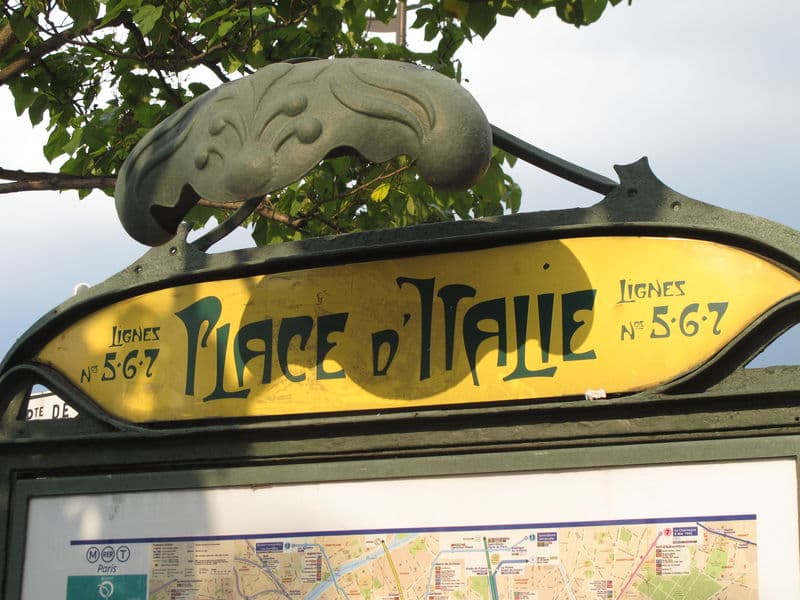
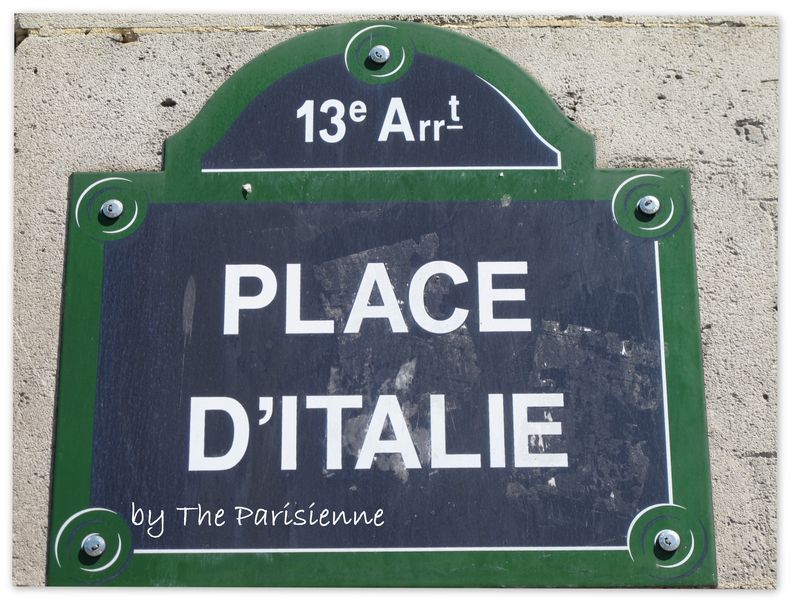
My heart just about bursts with joy, because it’s Place d’Italie, where I grew up and where I found myself coming back as an adult ...!
But here’s the thing ... before getting into the history of this Paris landmark, Lorant Deutsch really tears into the place. So I feel obliged to answer him point by point ...!
Apparently, Place d’Italie is “oddly shaped and badly laid out”—ugly, in short—with a town hall tucked away from the square and structures looming over the shopping center like “cranes frozen in place at an abandoned construction site” ...
So here’s Place d’Italie through the eyes of The Parisienne!
So, the town hall ... here it is ...
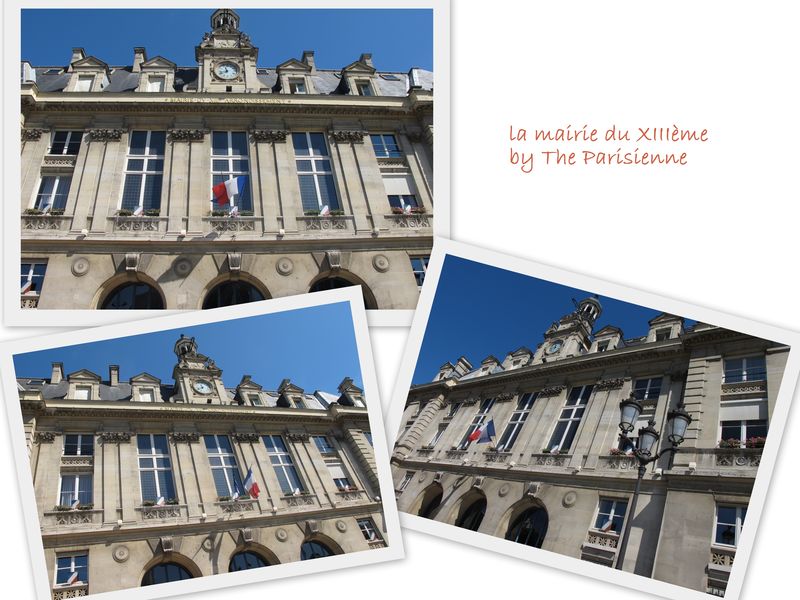
standing proud against that blue Paris sky!
And as for those structures that look like abandoned cranes ...
well, personally, I think they’re airy and original!
And then there’s something else at Place d’Italie ...
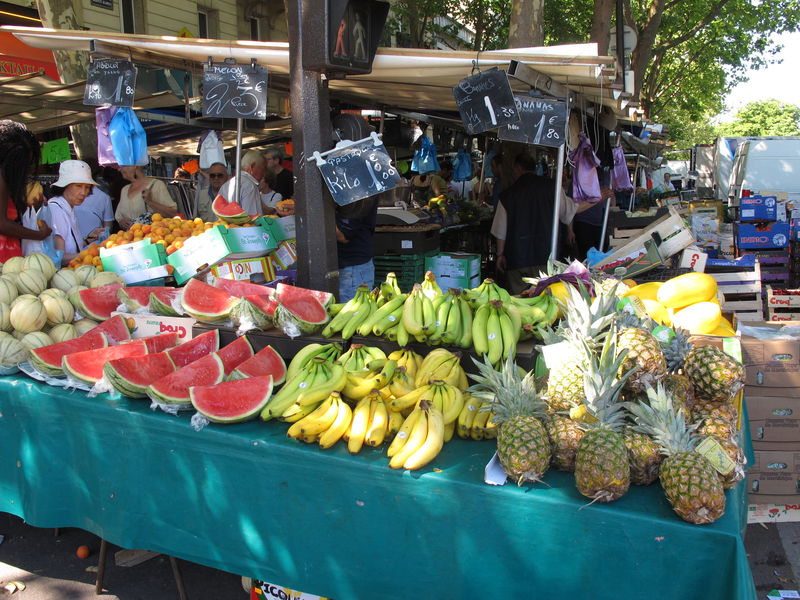
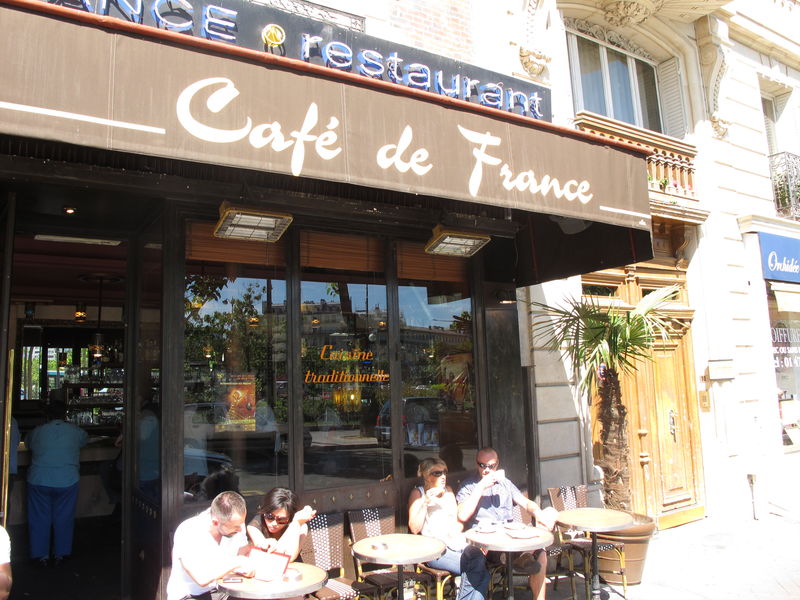
Life, plain and simple ...!
So, dear Lorant, do be a little more “charitable” toward this square, which has lived and changed over the centuries, mostly for the better and only occasionally a little for the worse!
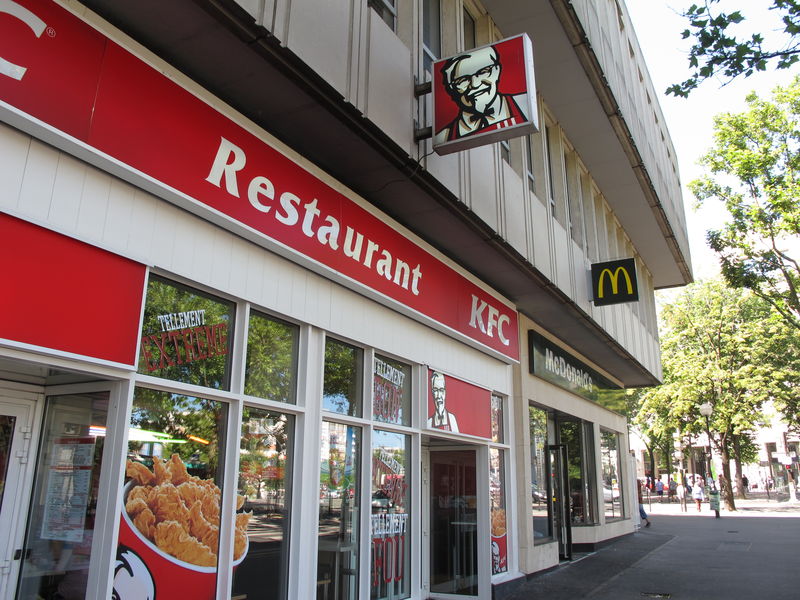
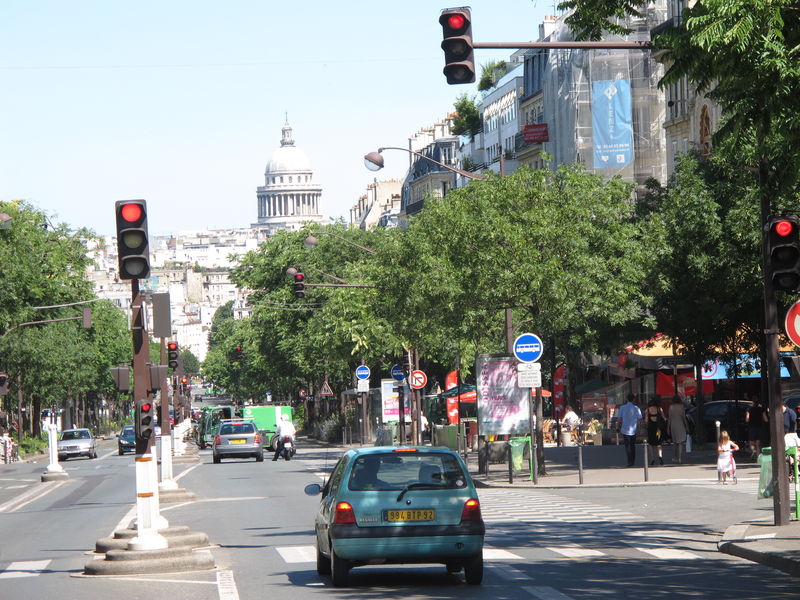
Now let’s head down Avenue des Gobelins toward Mouffetard, following in the footsteps of the “Roman citizen who came from Rome to Lutèce” ...
Turn onto rue Monge at the bottom of Avenue des Gobelins and you’ll come to the entrance to the arènes de Lutèce, a place that gave people just what they wanted back then: a chance to have fun and be entertained!
And “the traveler’s eye is immediately drawn to a gigantic structure: the amphitheater”
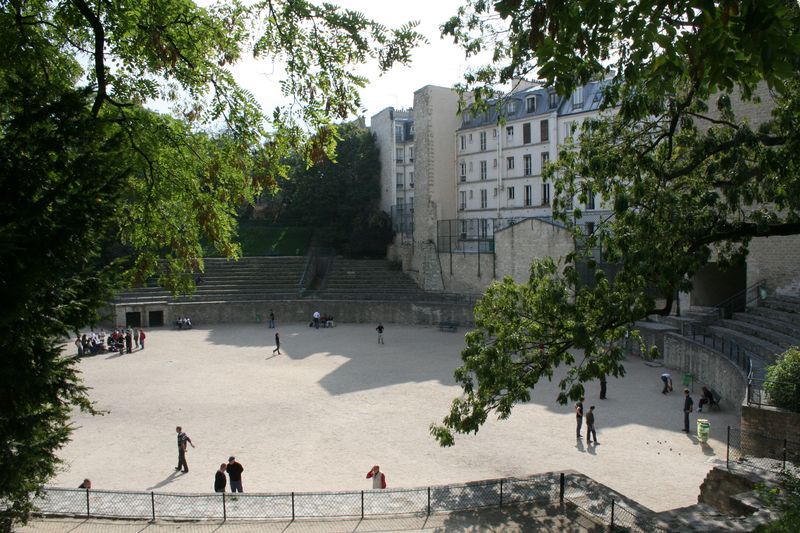
But what became of this place ...?
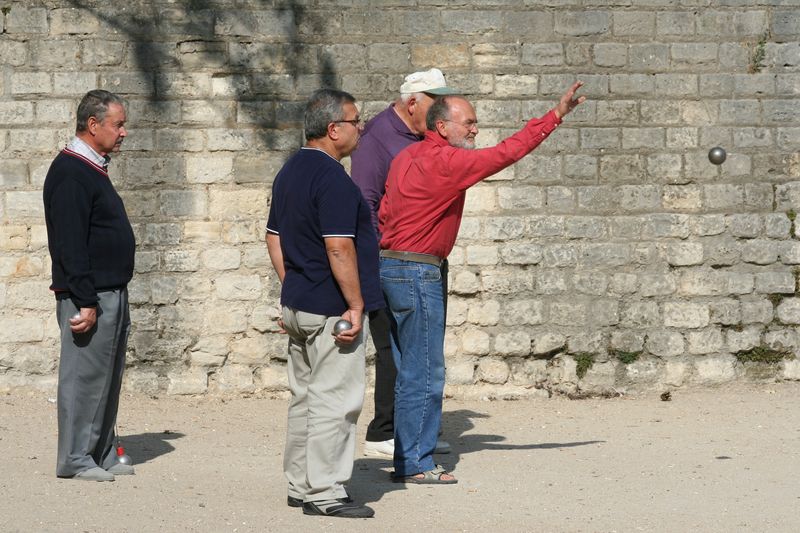
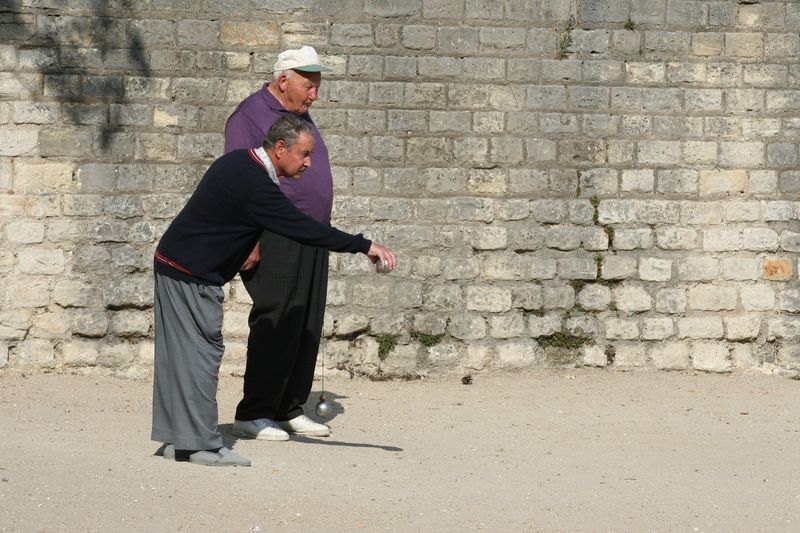
Lorant Deutsch asks us a question: how long have people been playing boules in the arènes de Lutèce?
One thing’s for sure: they’re still playing there! These photos are proof!!
This arena has a long history ... Destroyed during the barbarian invasions of 280, the amphitheater first became a cemetery, then was filled in after Philippe Auguste’s city wall went up in the early 13th century.
But that was before Haussmann came along and cut through to create rue Monge: the arena resurfaced, but City Hall didn’t get too worked up about it! Luckily, Victor Hugo decided to save these remnants of the past, and he did!
Lorant then tells us the story of the Roman cardo, now rue Saint Jacques, and of the remains of the baths, the most visible of which can be seen at the musée de Cluny, but also in the cellar of a restaurant in the Latin Quarter: le Coupe Chou!
And to see all the sites Lorant Deutsch mentions, just zoom out on the map and you’ll see all the blue dots pop up!
See you next week for station No. 3!!
View Metronome on a larger map
View Metronome on a larger map