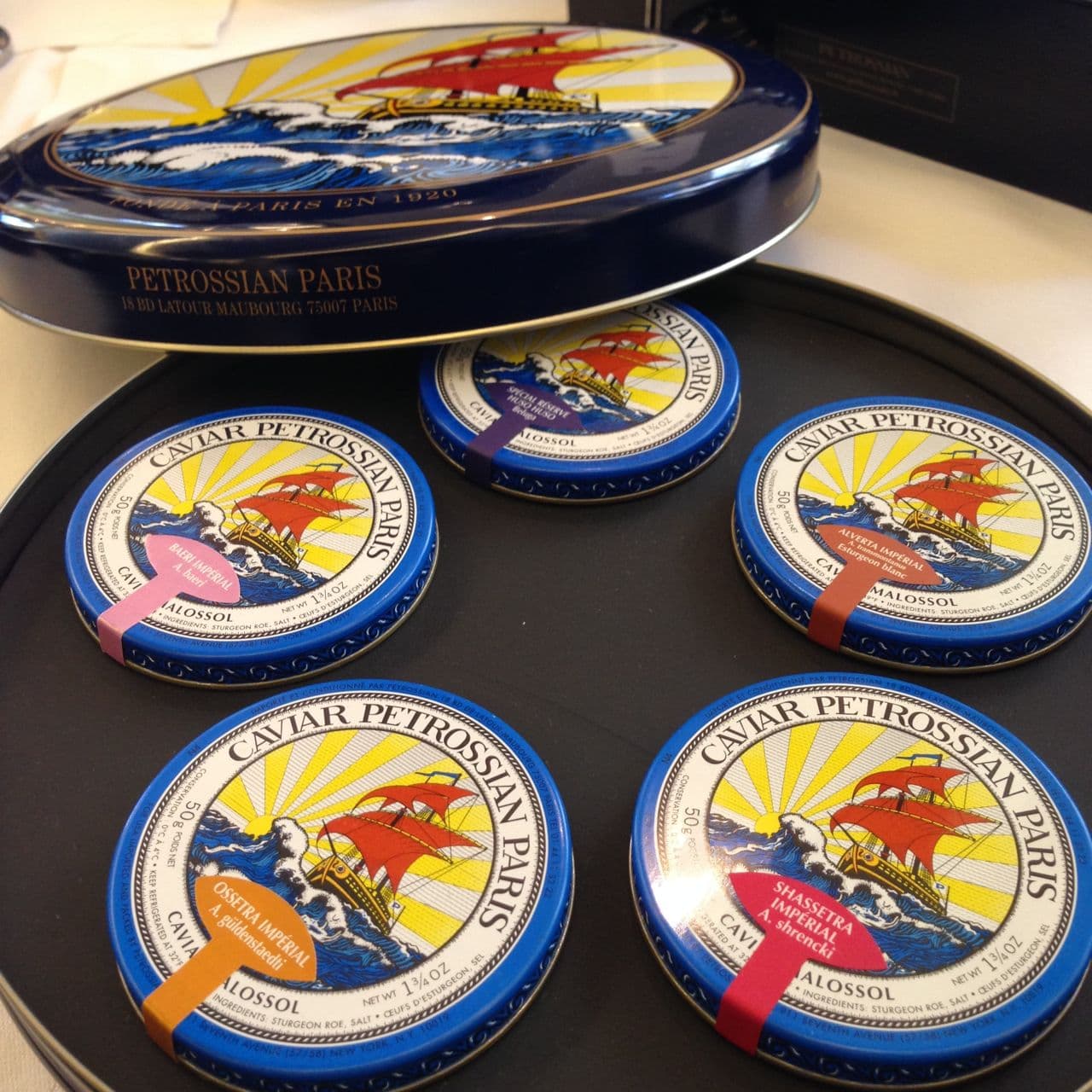
It wasn’t until I tried Petrossian’s range of caviars that I realized there wasn’t just ONE kind of caviar—there were MANY!
The flavors are worlds apart, depending on where the fish come from, the type of roe, and which farms are selected.
A trip around the world for my taste buds, too. First off, this visit put an end to one assumption of mine: caviar comes from Russia, or maybe Iran. Not at all!
I learned that caviar now comes exclusively from farmed fish, whether they’re raised in open waters or in tanks.
And those farms are all over the world, with much of the caviar coming from Israel and Bulgaria, though there’s still a French caviar from Aquitaine.
Contrary to what I’d imagined, caviar comes in all sorts of flavors.
It can be briny or buttery, with a finish that lingers or fades quickly.
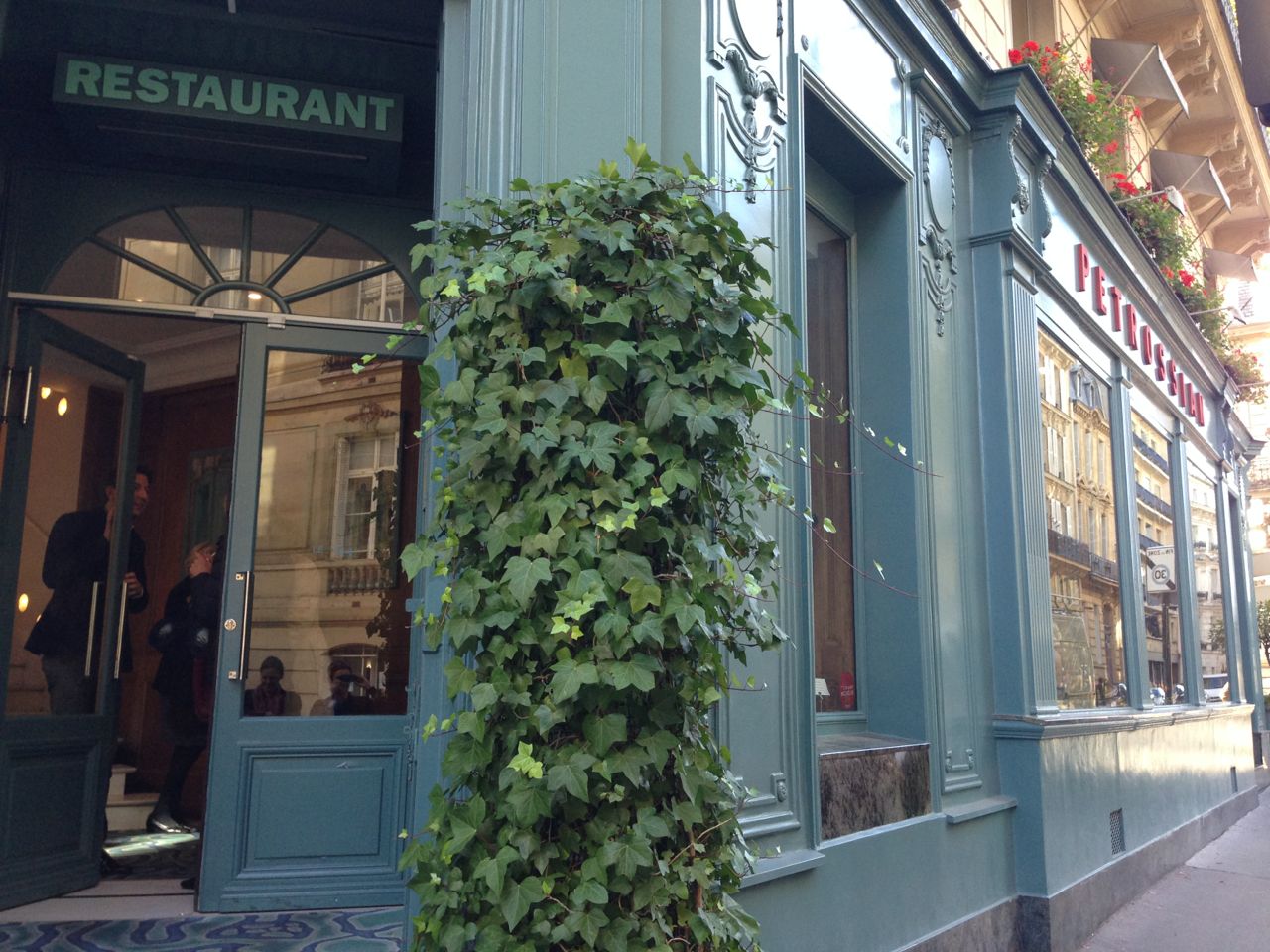
 So it was on avenue de la Tour Maubourg that I discovered all this variety: 12 flavors, four types of sturgeon, and just as many places around the world they come from.
So many things go into the quality of this black gold: the eggs, their size, their color, their texture; then the flavor at first taste: briny or buttery. And finally, how it tastes on the palate and how long the flavor lingers. It all reminds me so much of wine tasting.
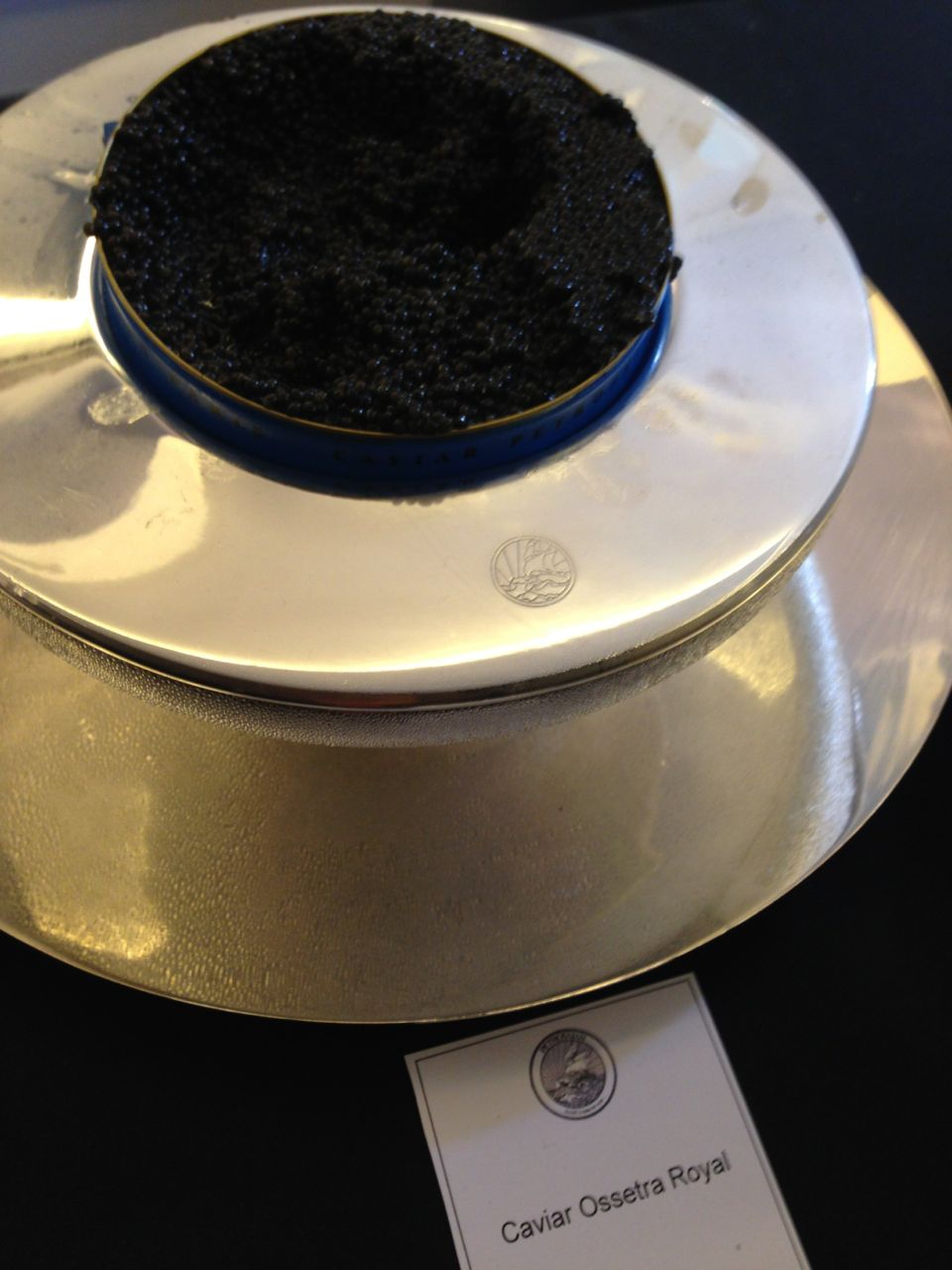
So here’s my favorite, by far: the Ossetra from Israel. Dark roe with a slight crunch and a mild, buttery taste without a hint of brininess.
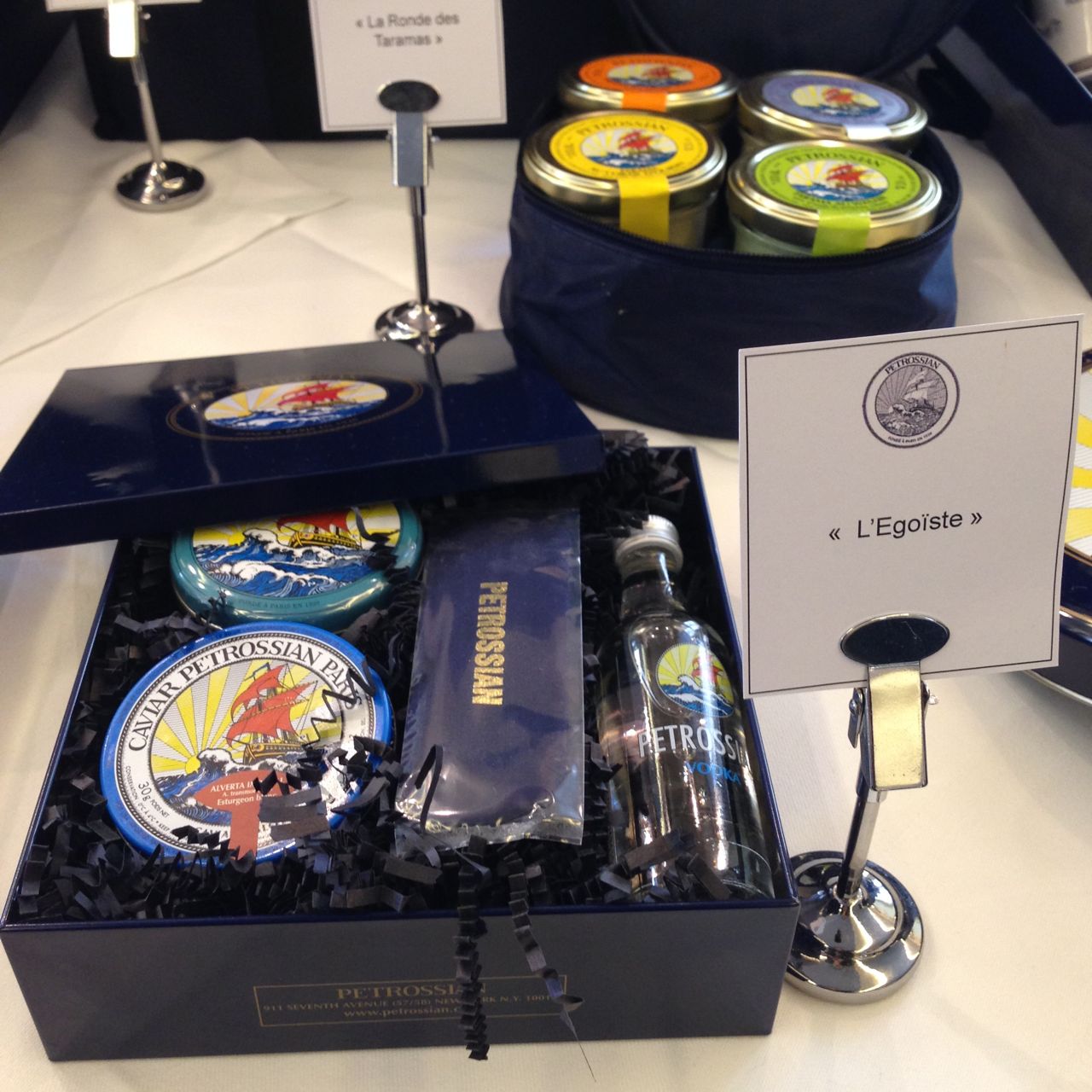
There you have it! And Petrossian now offers affordable tasting sets with individual portions, perfect for a first try on your own or with someone else!
18 Bd de Latour-Maubourg, 75007 Paris