The centre Pompidou has two exhibitions on right now that have everyone talking.
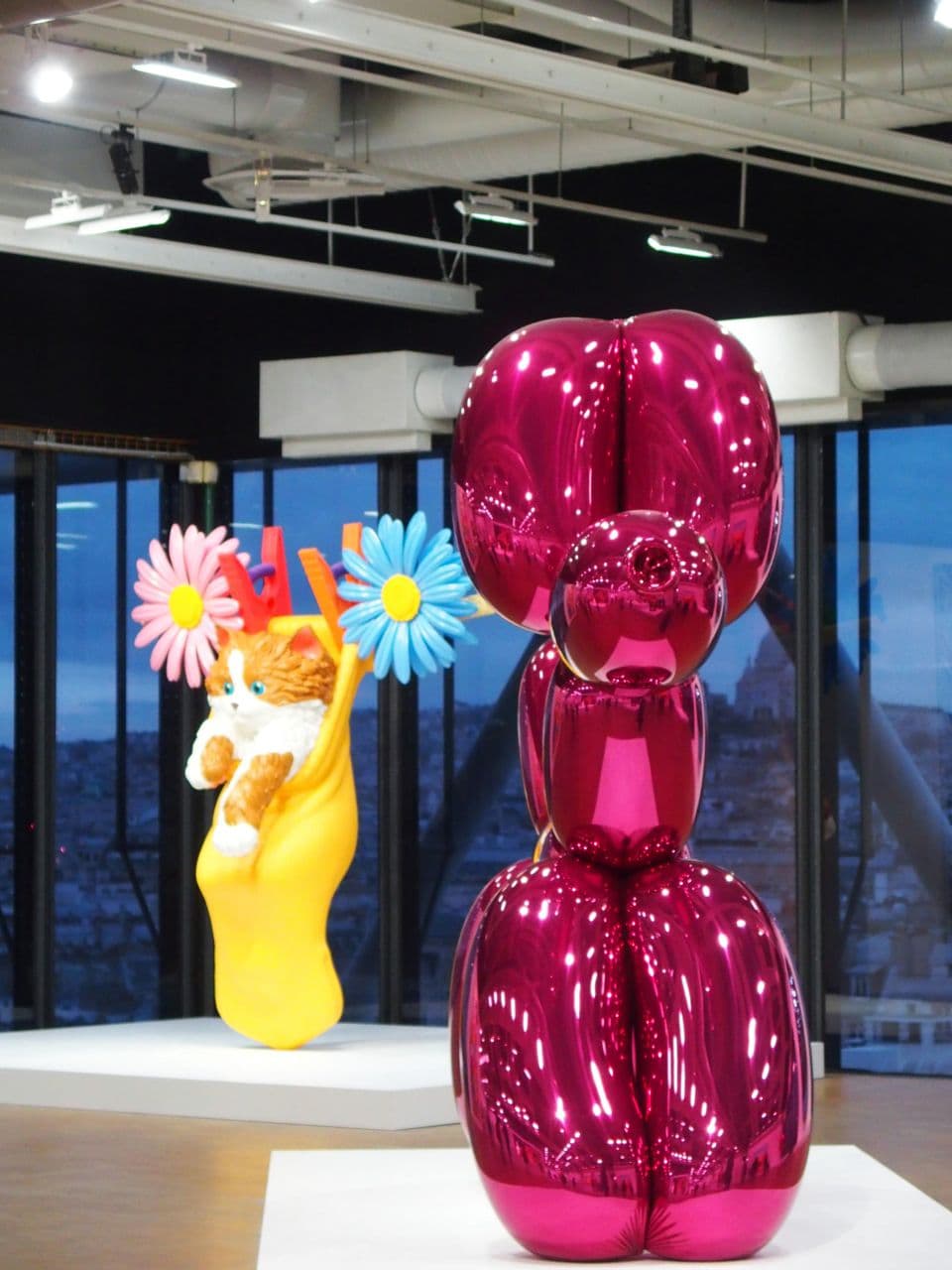
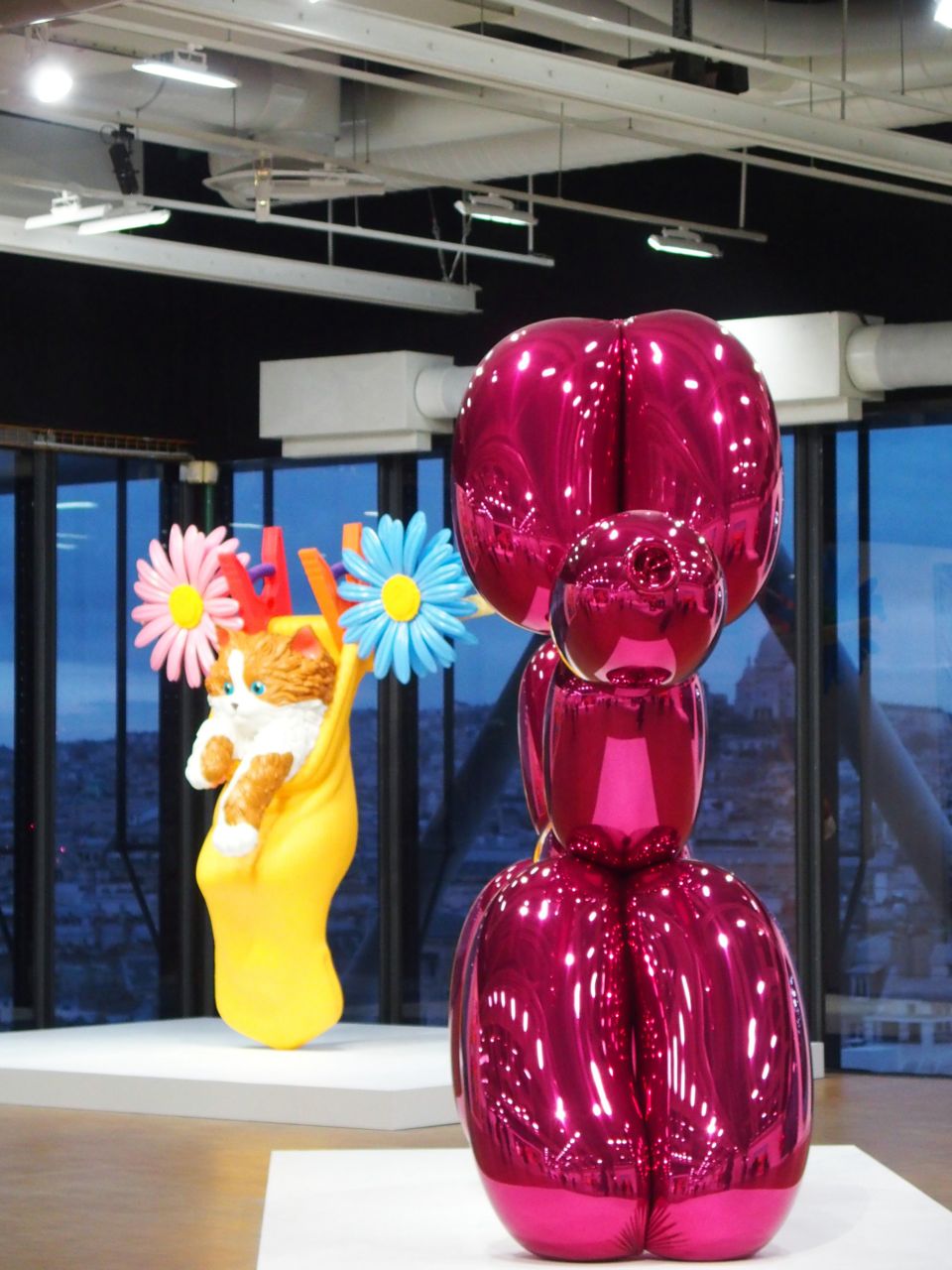
Jeff Koons is famous around the world, both in museums and in galleries, where his work sells for a fortune. If you had to name just one of his works, it would invariably be his giant balloon dog, which has taken over Twitter and Instagram since the exhibition opened and stirred things up at Versailles, too!
Marcel Duchamp is a familiar name, but he’s often reduced to one or two of his most famous works, like “Fountain”, otherwise known as his “urinal fountain”, or his Mona Lisa with a mustache.
When you see these two exhibitions back to back, it’s only natural to want to compare them, or at least draw some parallels between the two paths they took, artistic or otherwise!
I started with Jeff Koons.
What got him started? The paintings on display in his father’s gallery home decor store.
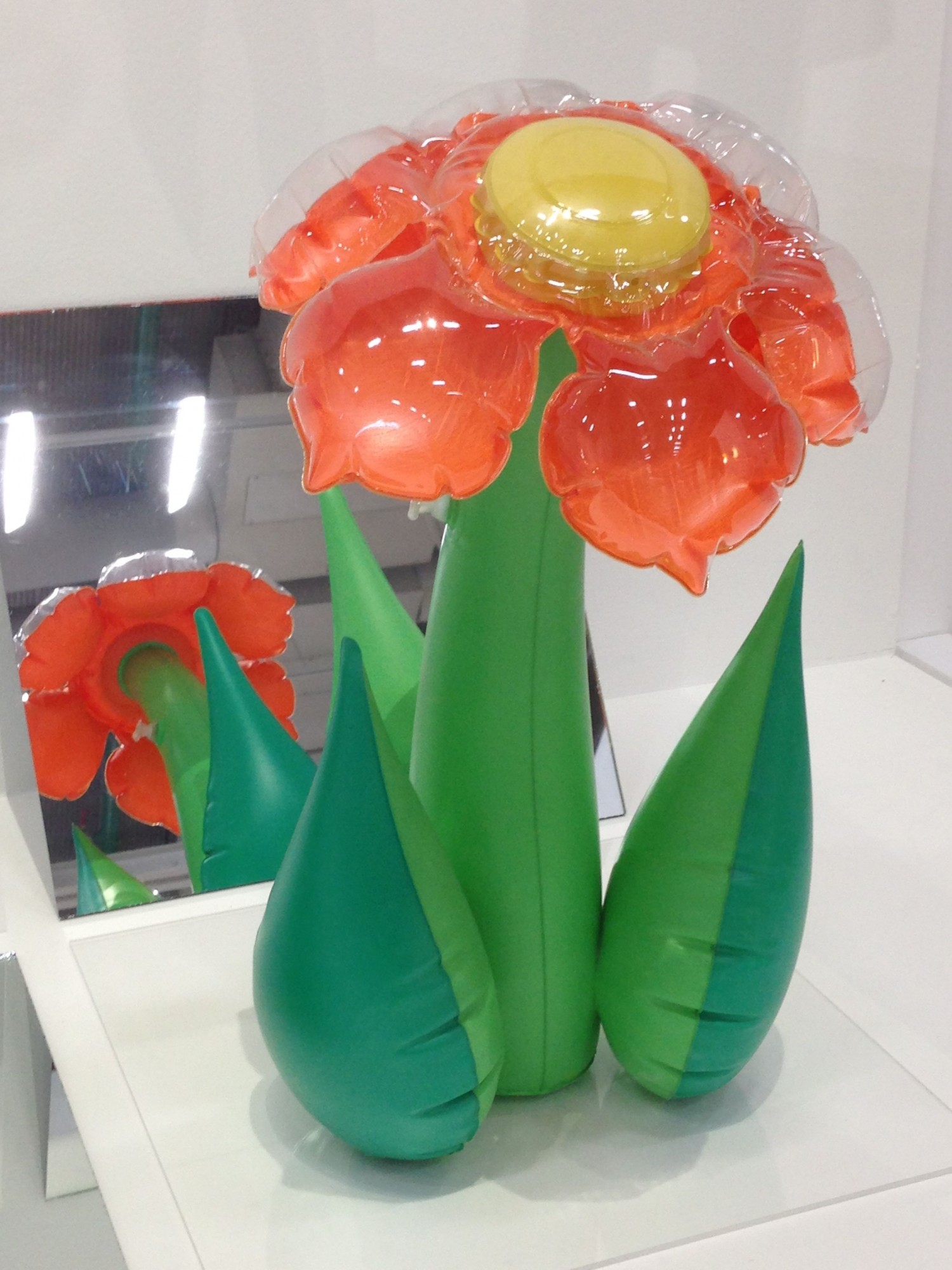
But what’s considered his first artwork? The “inflatables”. In other words, colorful inflatable toys set on mirrors… Fine.
Second phase: “The new”.
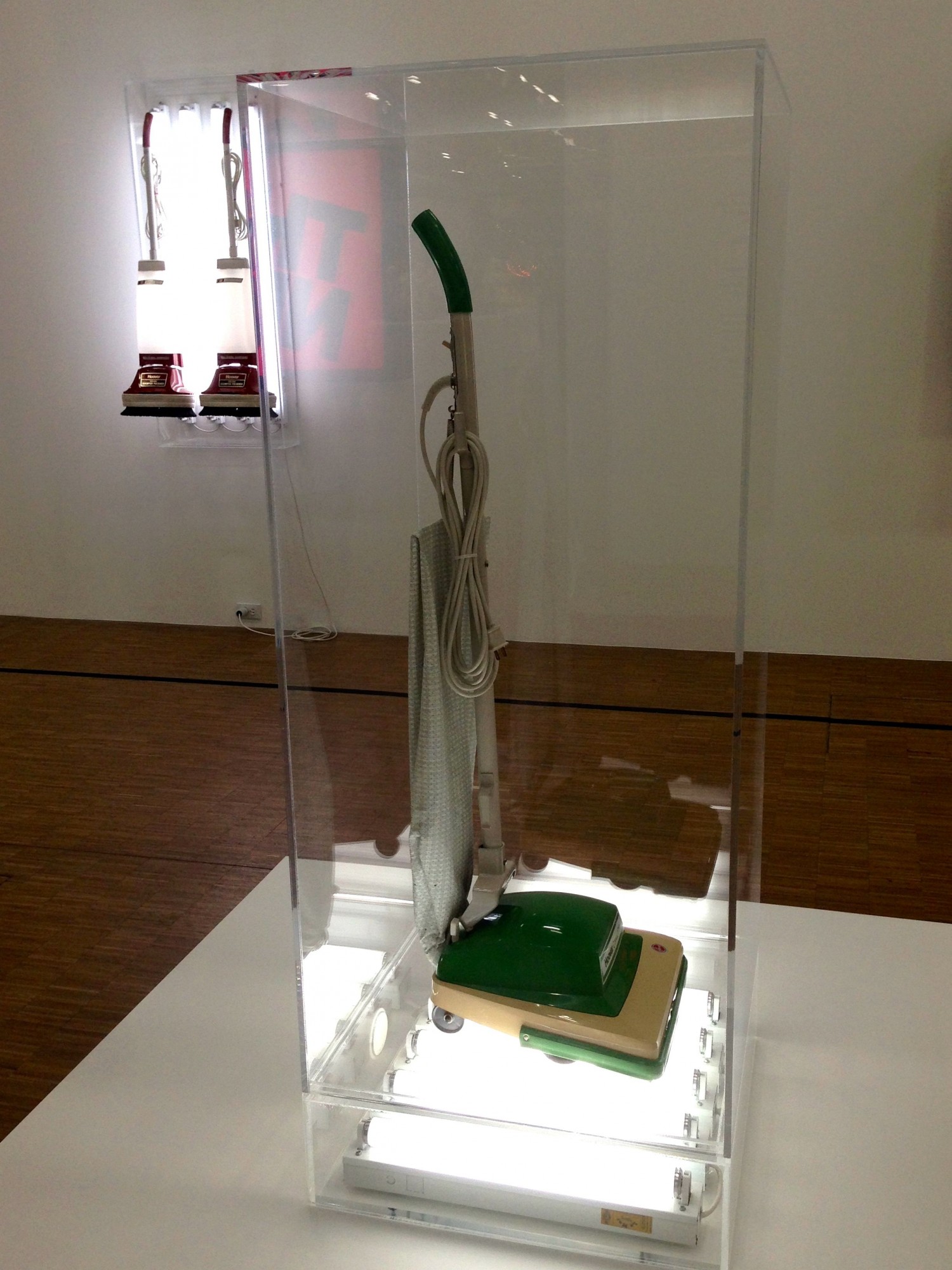
“The vacuum cleaner … seems to sum up his vision of American society, with its household practicality, its dream of personal success, and its relentless pursuit of the new.” This time it’s vacuum cleaners, arranged with extreme symmetry in Plexiglas cubes or set on glowing neon tubes… All right, then.
And on we wander through this world of familiar objects, reinvented to varying degrees or repurposed to convey messages I’ll leave you to judge for yourselves.
What looks light isn’t necessarily light: an inflatable boat completely encased in metal to turn it into a heavy sculpture.
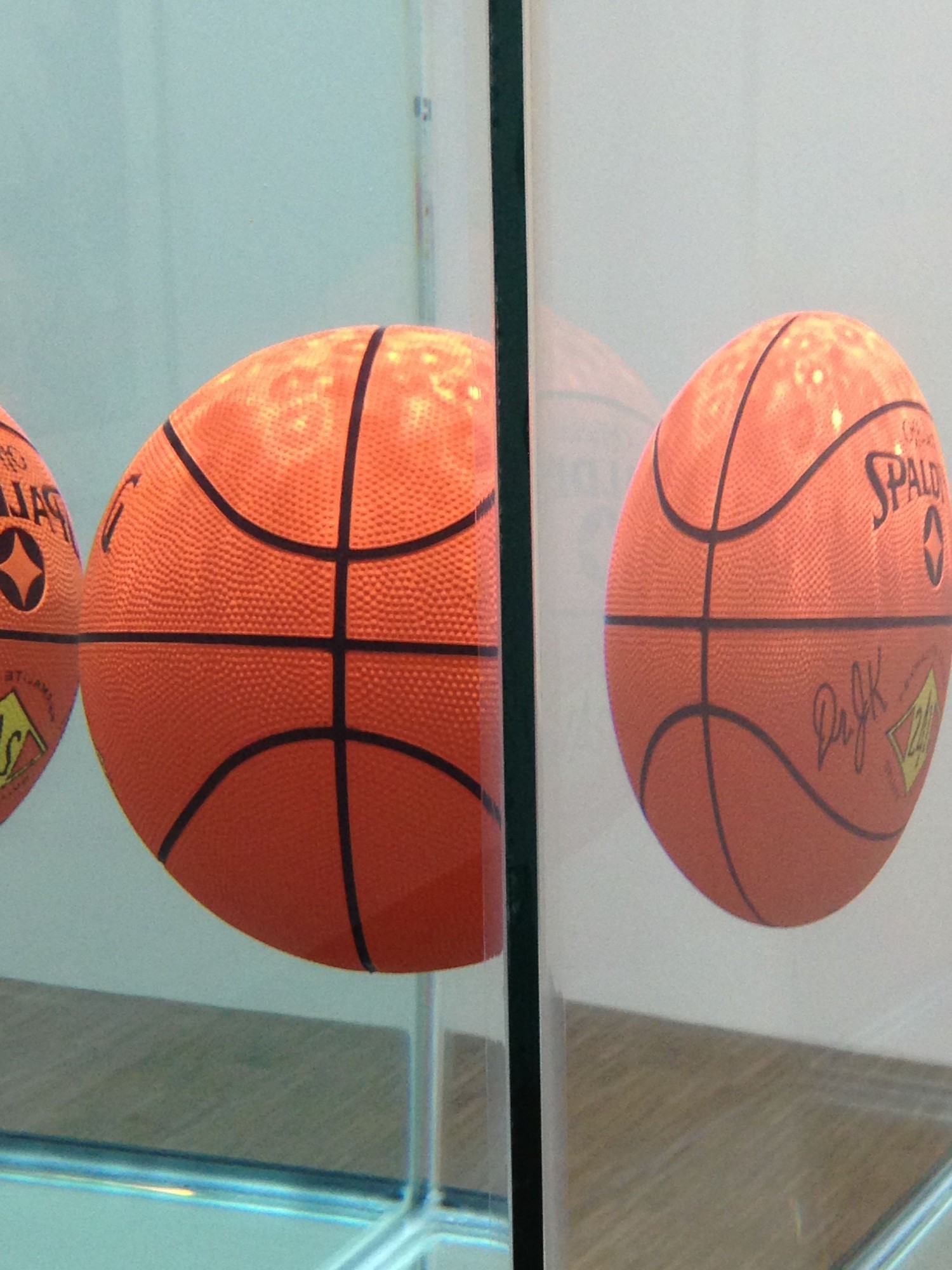
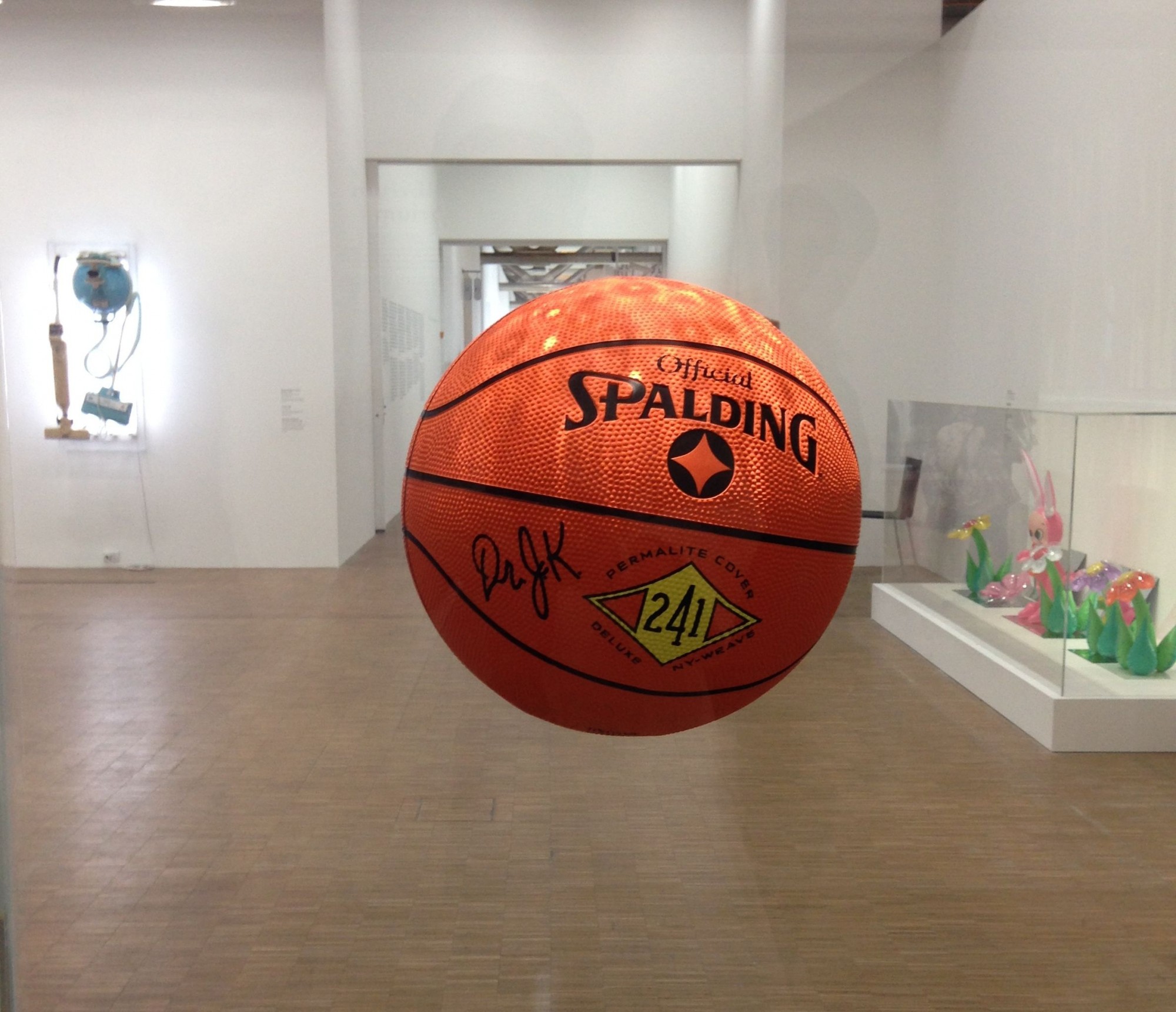
Basketballs suspended in water, “parables of the state of balance we all seek”… Okay.
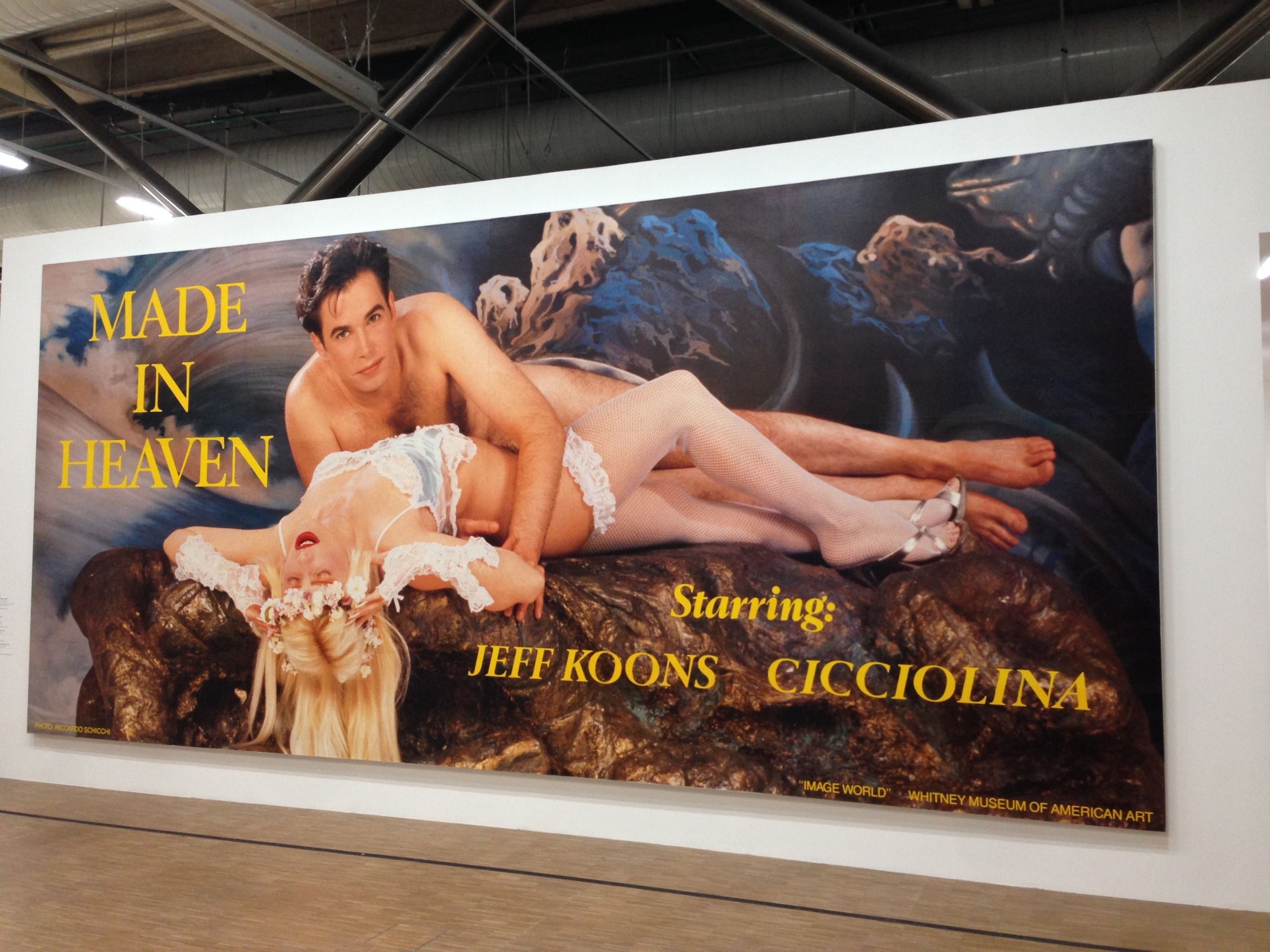
Oh, I almost forgot: there’s also a period devoted to his wife, la Cicciolina. Apparently I missed the room that was off-limits to anyone under 18…
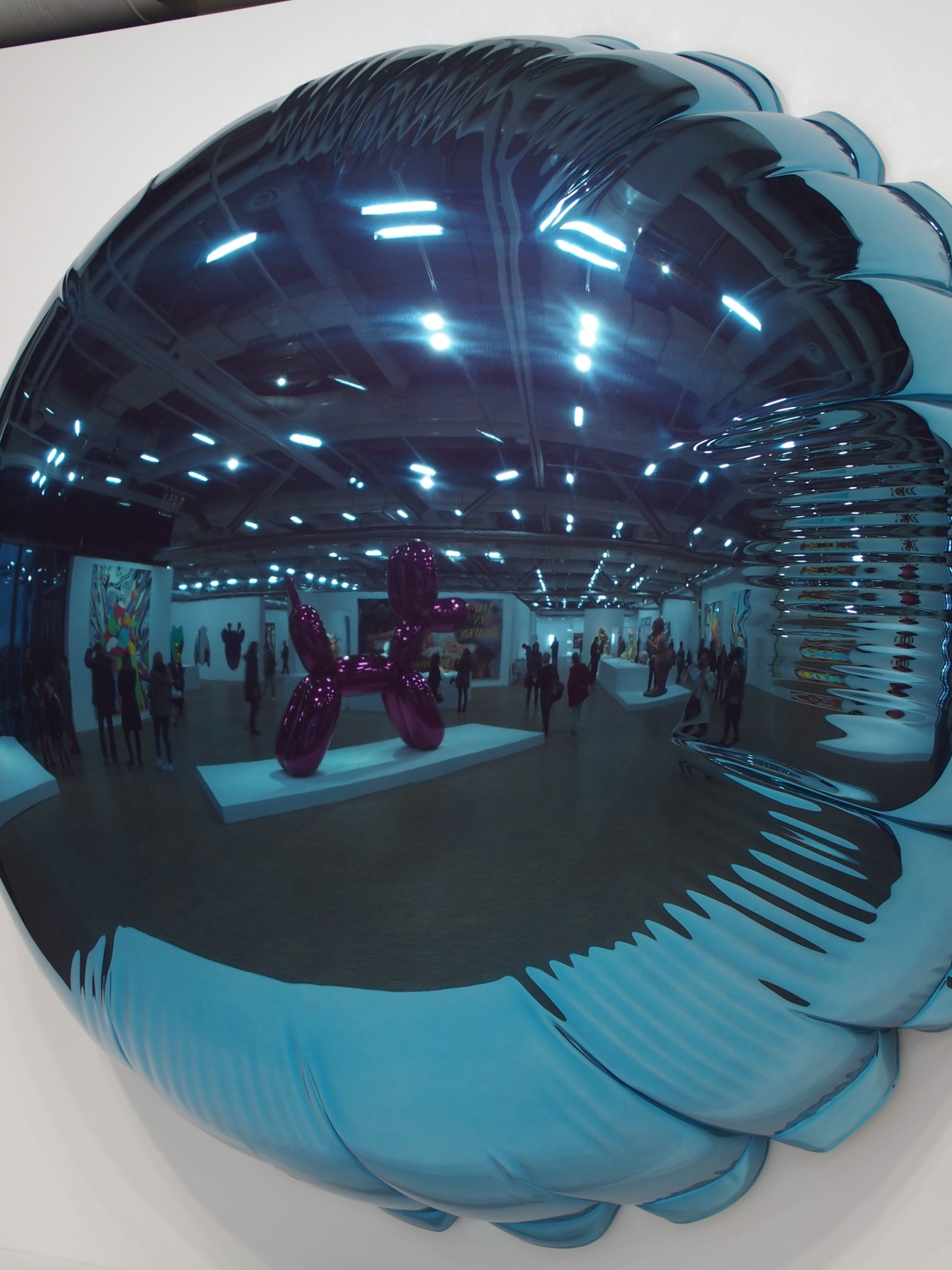
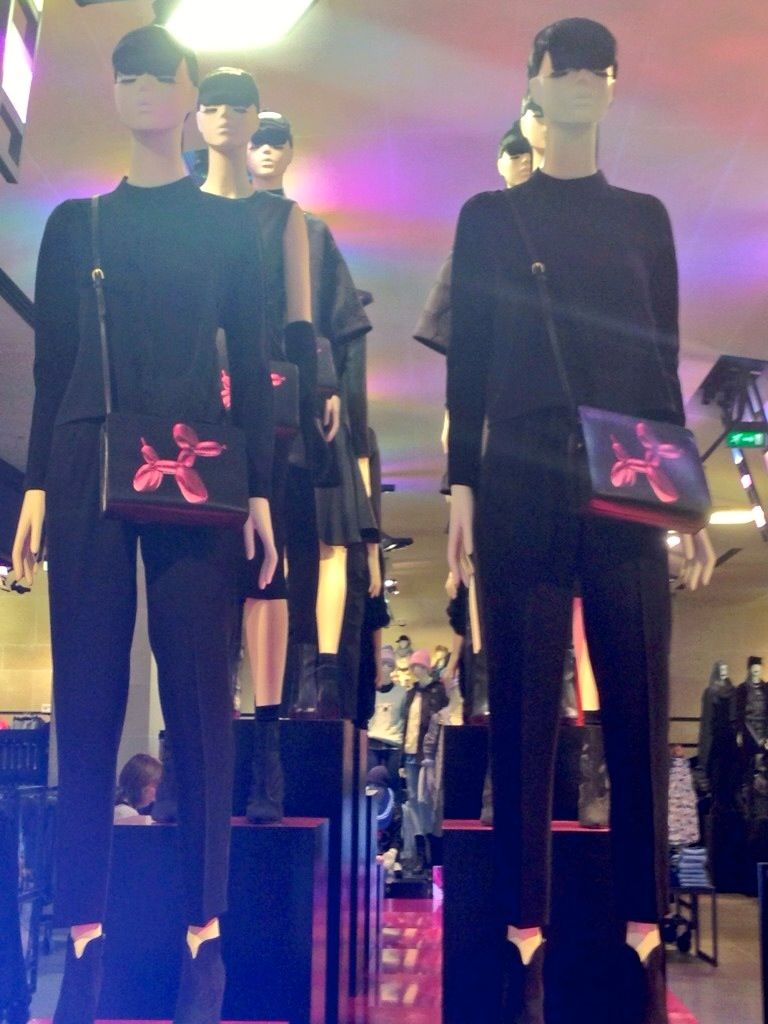
So Jeff Koons’s first work was made of colorful inflatables, and his crowning achievement was a giant pink balloon dog. And there it is, everywhere you look, of course.
I did my own take on it, too.
Now let’s move on to Marcel Duchamp.
You won’t see his urinal, but you’ll discover his whole long, rich artistic career, as I did, or rediscover it if you already know his work beyond the Mona Lisa with a mustache.
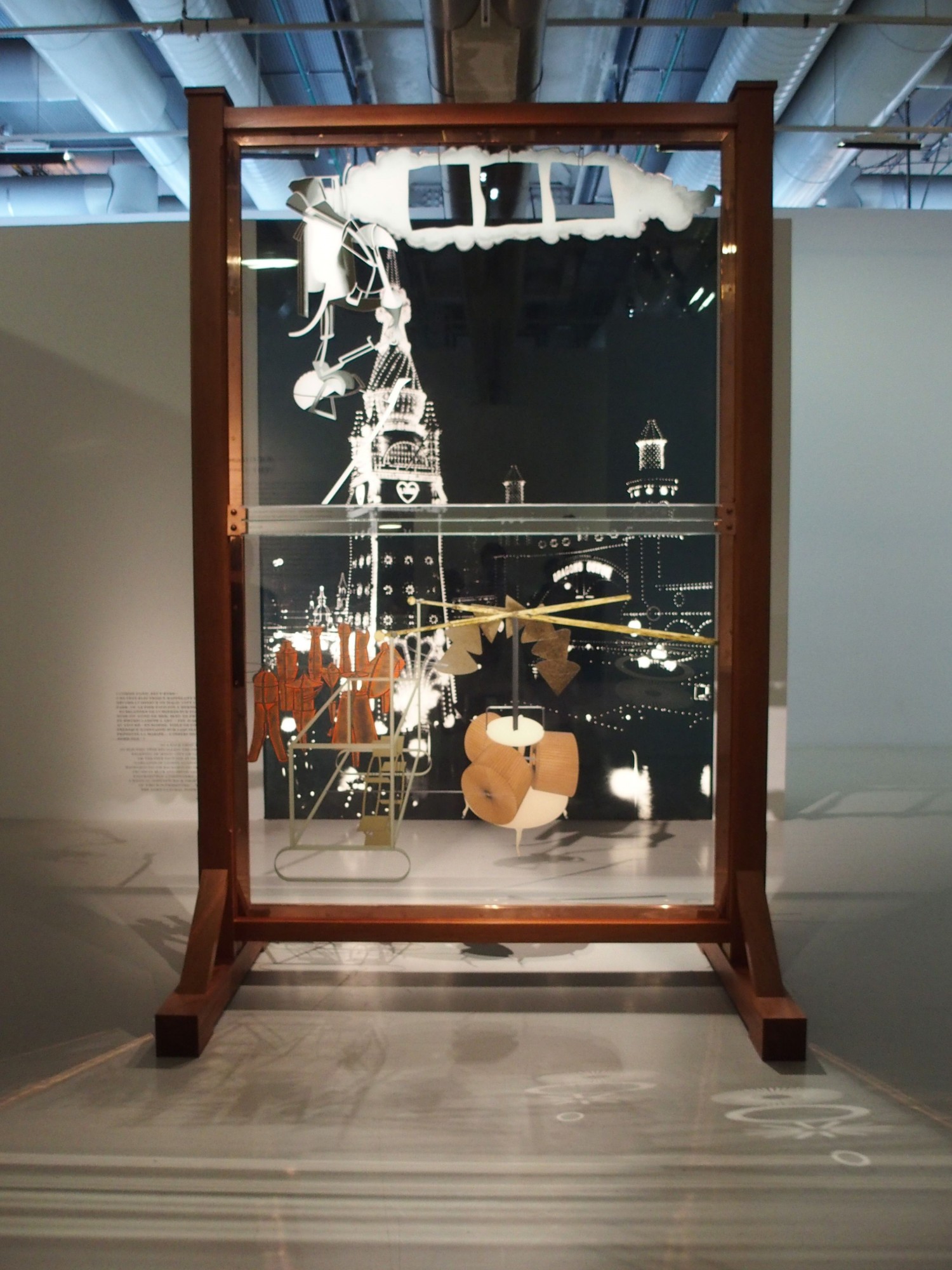
He starts out drawing inspiration from his artistic family and the great masters, only to break away and find his own path, culminating in his great work, which can still leave you scratching your head: The Large Glass.
The “ready made”? That was him. Everyone who later tried to follow in his footsteps put their own spin on what he’d started. But you get to see the real artistic and intellectual quest that led him there.
The cartoons he draws, following in his brother’s footsteps, show the connection he makes between a work and its commentary, or even its title.
Then comes his visit to the 1905 Salon d’automne, where there’s a retrospective of Manet, “the great man,” and where the colorful works of Matisse and Derain spark the scandal of the “Cage aux fauves” (“cage of wild beasts”).
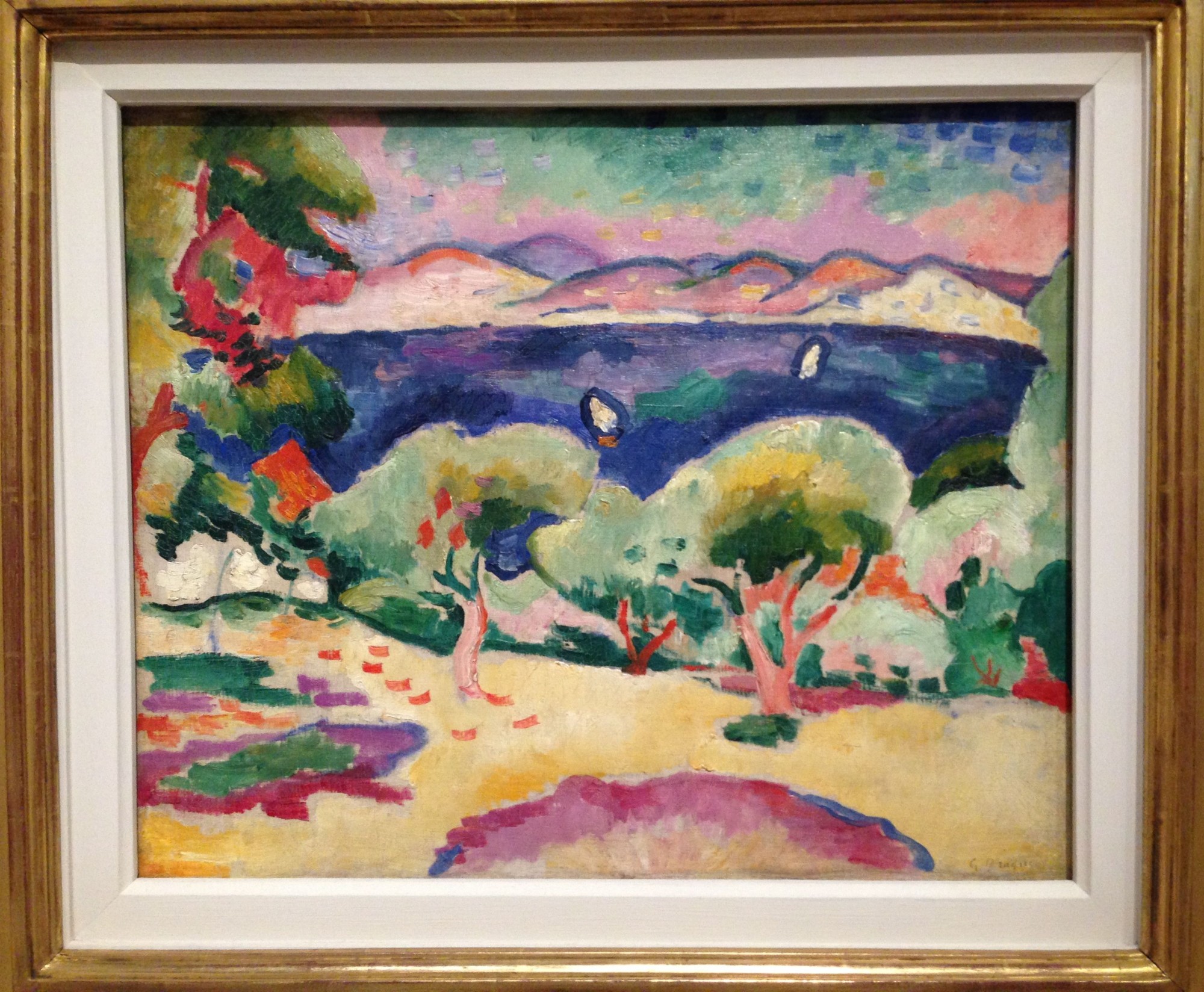
Deeply inspired by Cézanne, he goes on to explore Fauvism and Cubism.
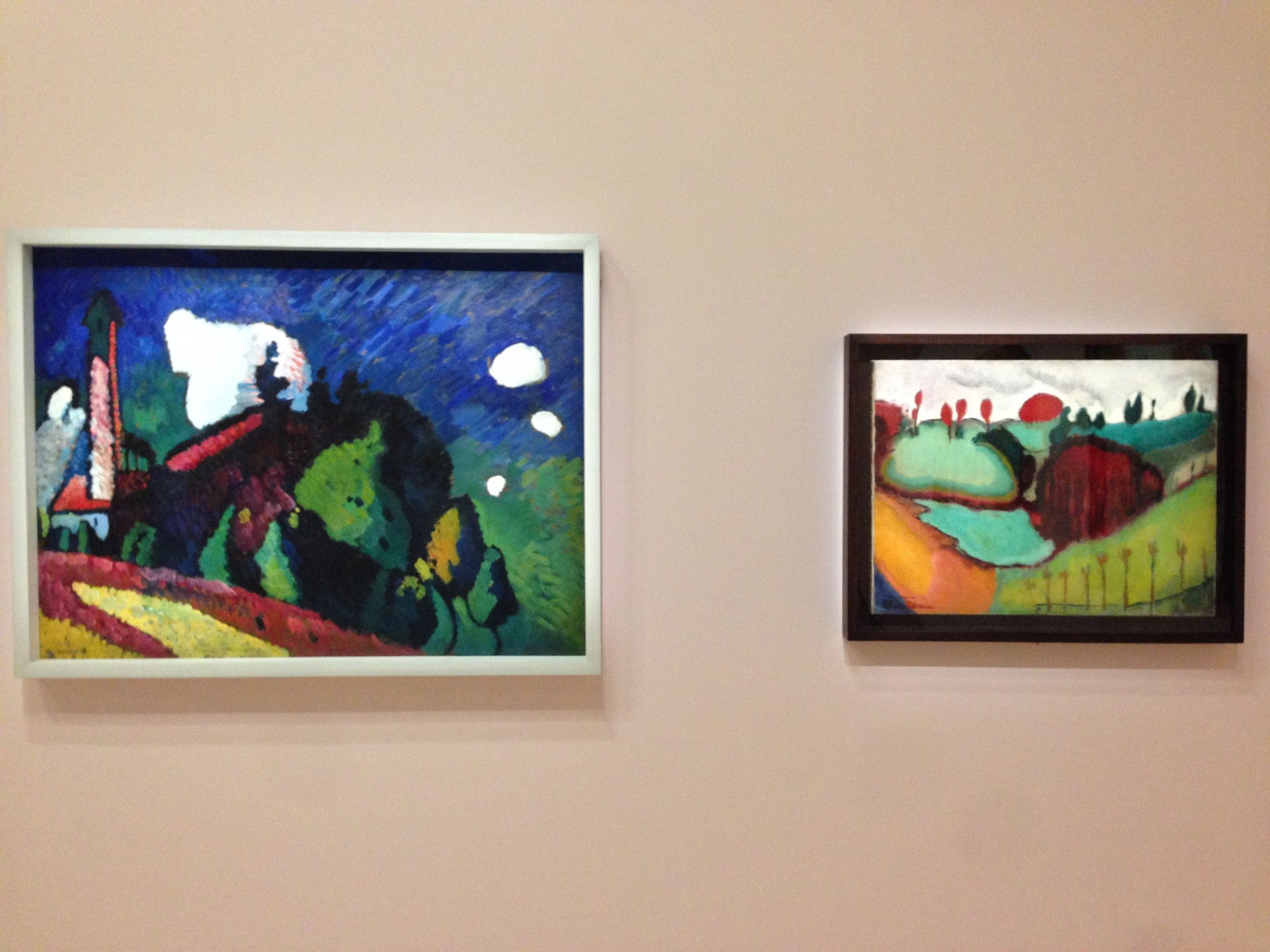
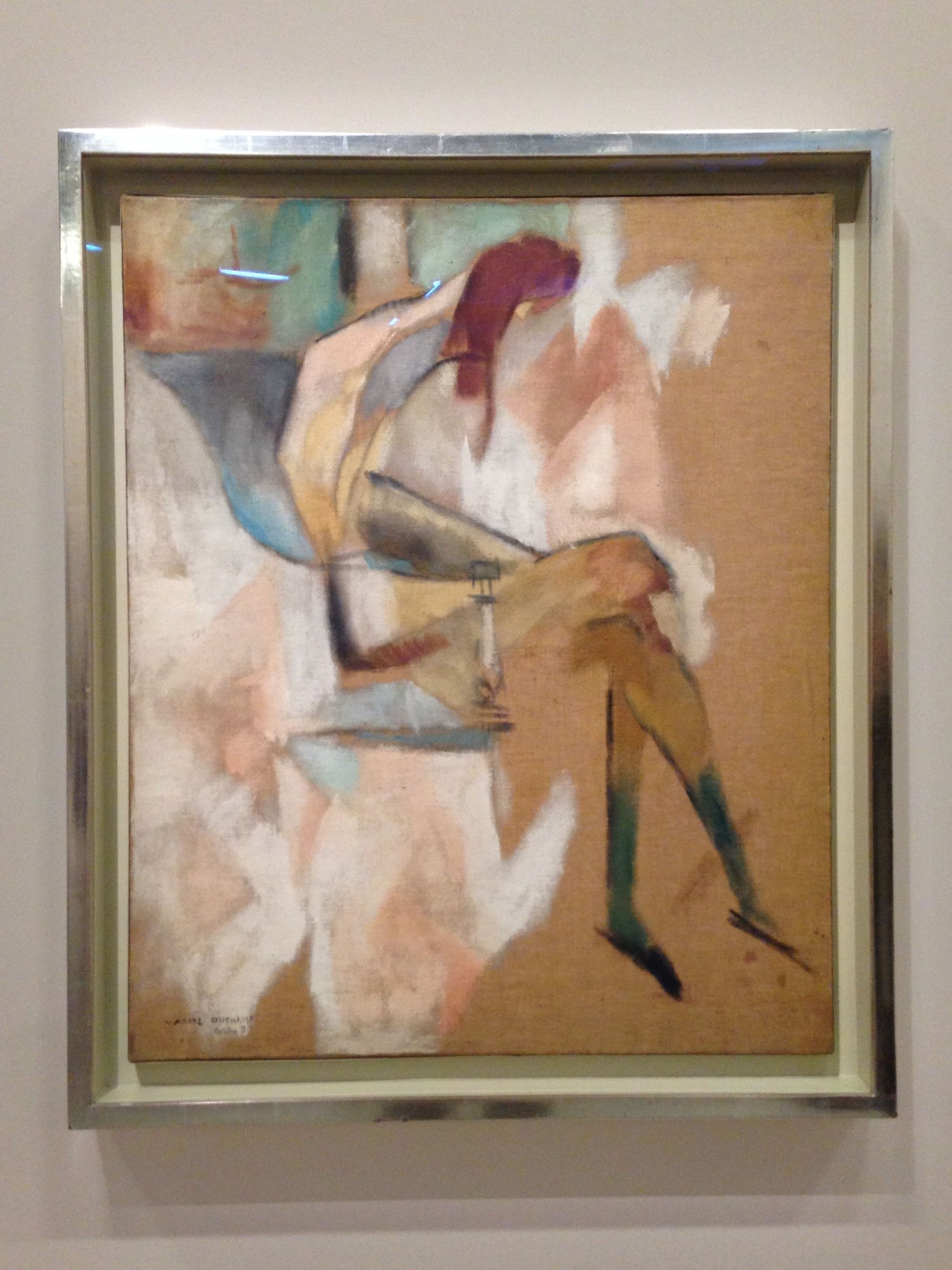
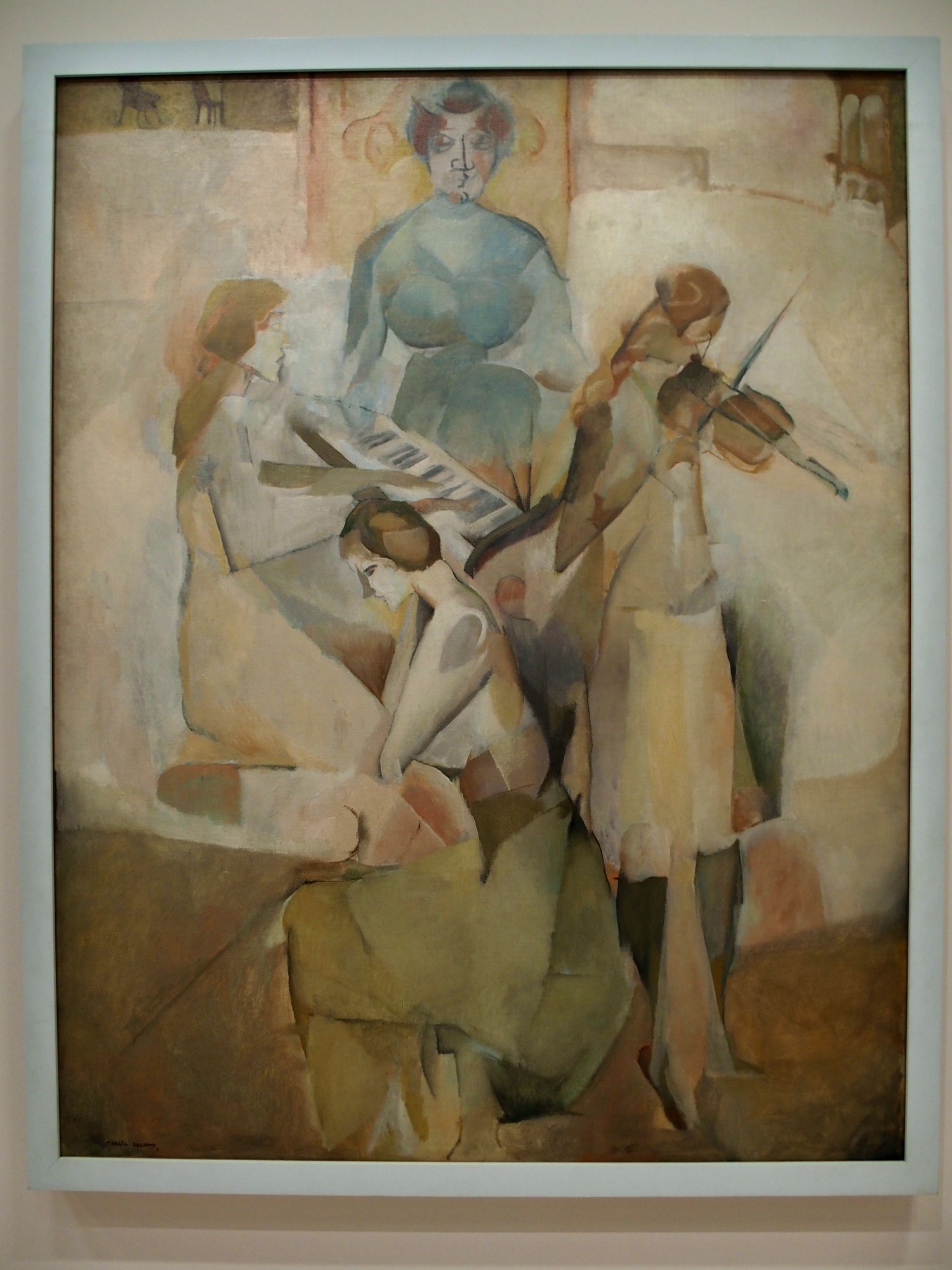
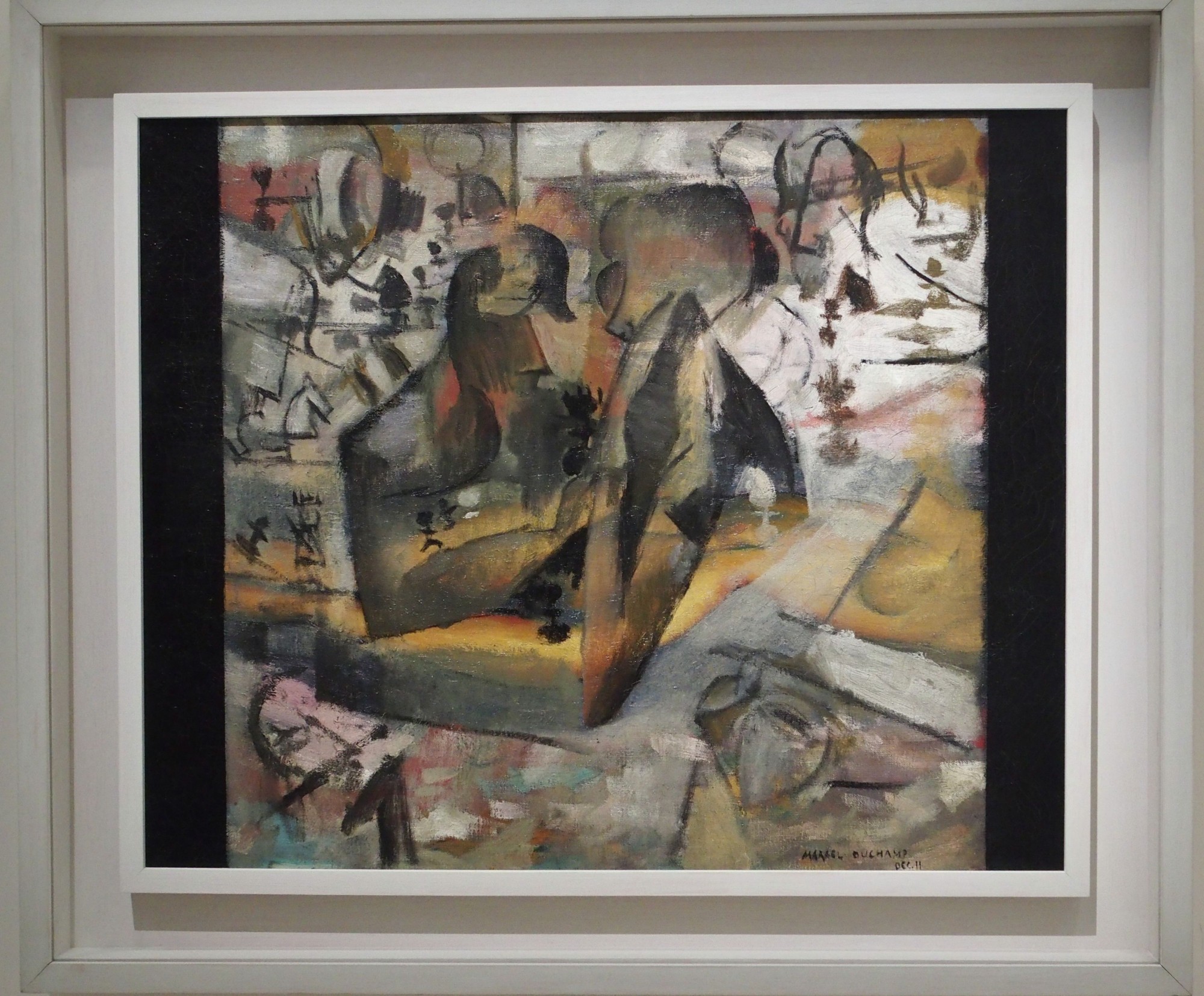
His passion for chess and his admiration for Cézanne lead him to this painting of chess players. Look closely and you can see the pieces repeated, with some looking as though they’ve made a run for it.
In 1913 he decides to take a break from the art world and go to work at the bibliothèque Sainte Geneviève. As he puts it himself, the job lets him “free himself from all financial obligations.” His quest went well beyond the commercial mindset that can drive some artists to make work for a living, or even to get rich. His mind was on the work that would be the culmination of that quest: “The Bride Stripped Bare by Her Bachelors, Even.”
His first ready-made works, made from objects that were already “ready-made,” also date from this period, 1913–1915.
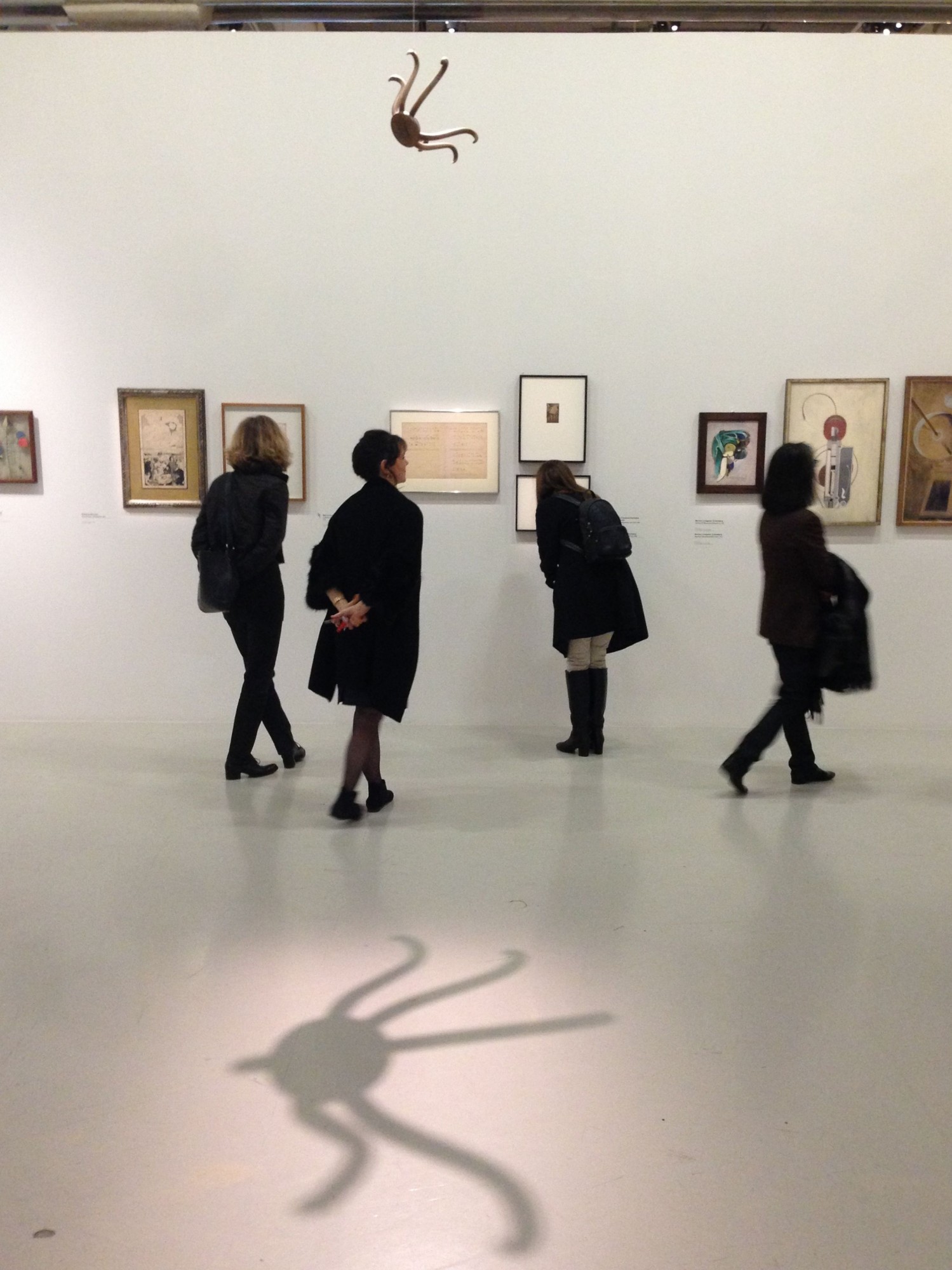
From 1915 to 1923, he devotes himself to this one-of-a-kind creation, The Large Glass.
Then he turns to film, too.
Images, writing, painting, photography, film: he explored and studied it all along the way.
My conclusion: I don’t think Marcel Duchamp would’ve been tempted by this, but that’s just me!
Jeff Koons through April 27
Centre Pompidou Place Georges-Pompidou, 75004 Paris