Cultival takes you into some of the city’s best-kept secret spots.
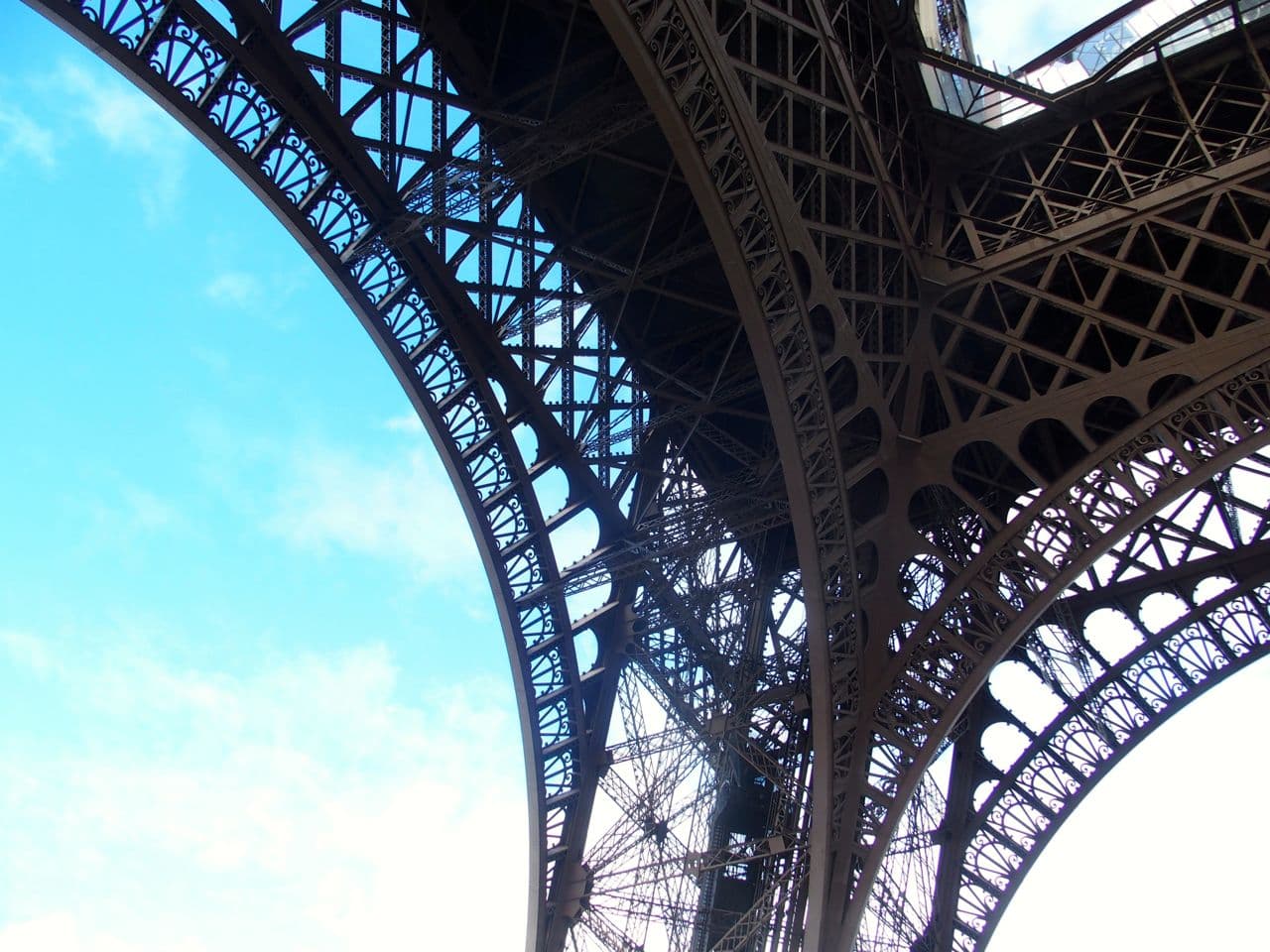
Take the Eiffel Tower, for example.
Everyone knows it—or rather, everyone thinks they do. Because with Cultival, the tour takes on a whole new dimension.
First, meet at the foot of the Eiffel Tower. But instead of heading off to explore the Iron Lady, we turn our backs on her, walk away, and head underground, where a crucial piece of her history lies.
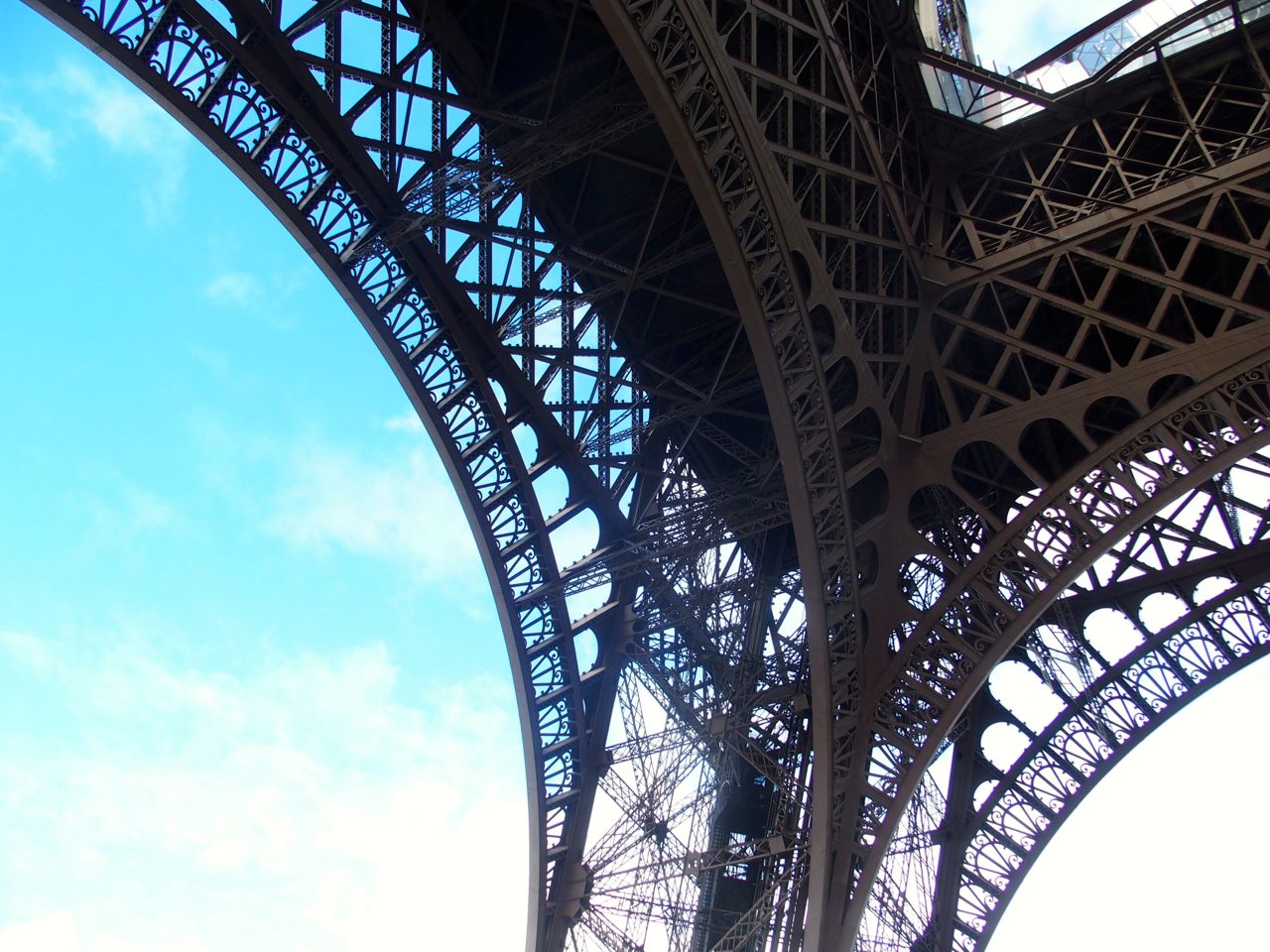
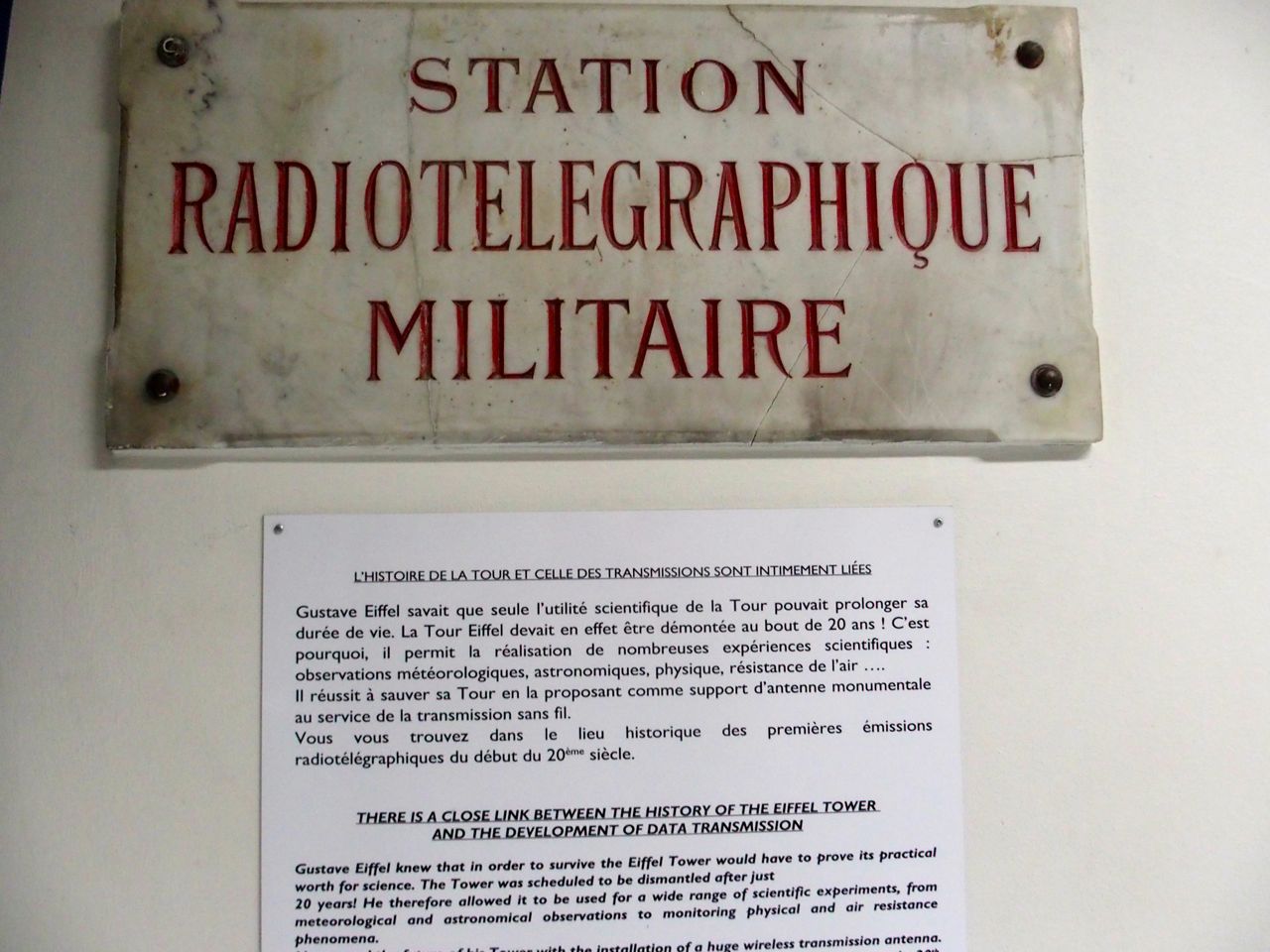
No lacy ironwork or spectacular views here, just the story of what kept this marvel standing when it was originally meant to come down. The tour actually starts in the Champ de Mars bunker, which was once used for military communications.
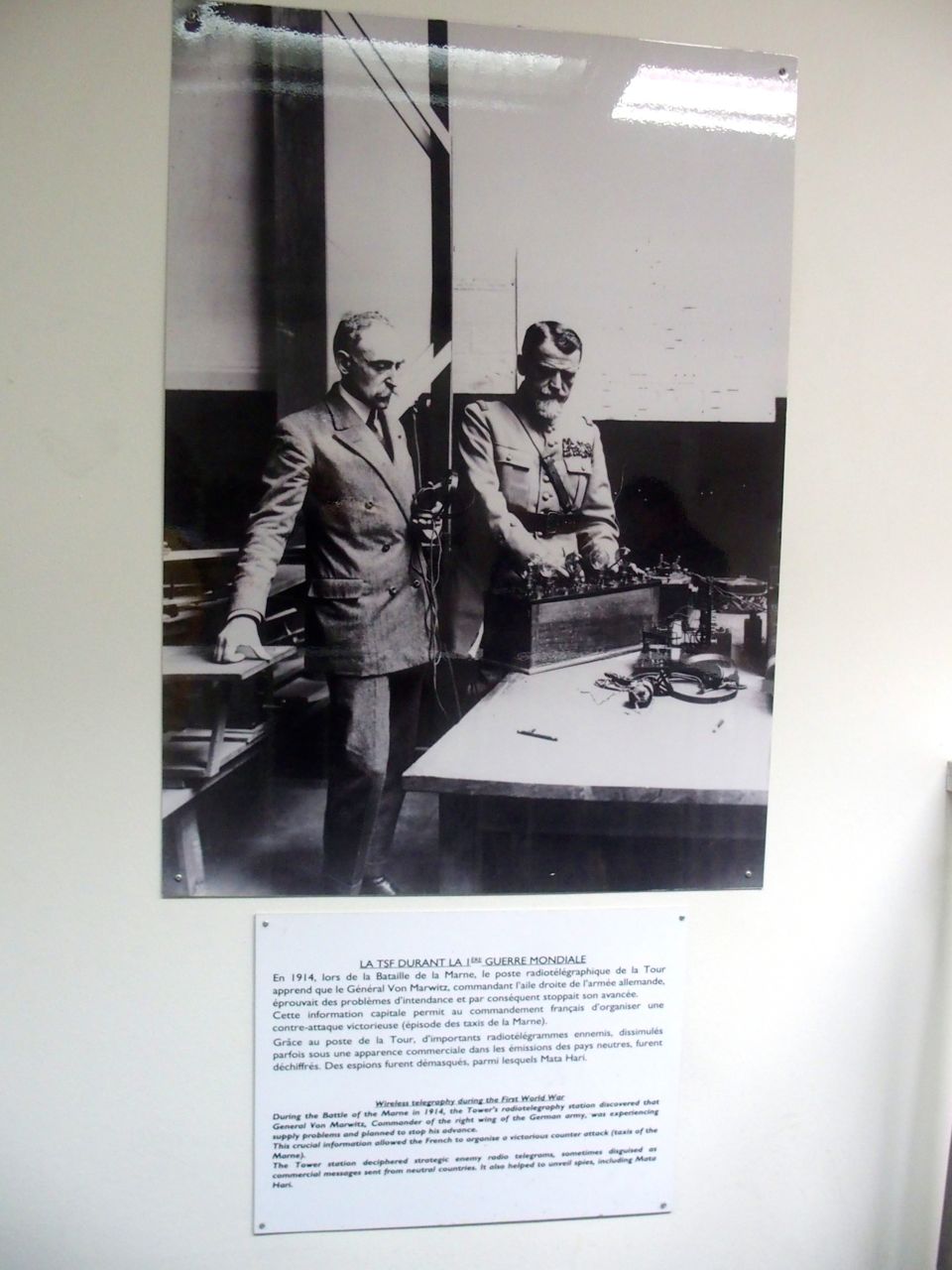
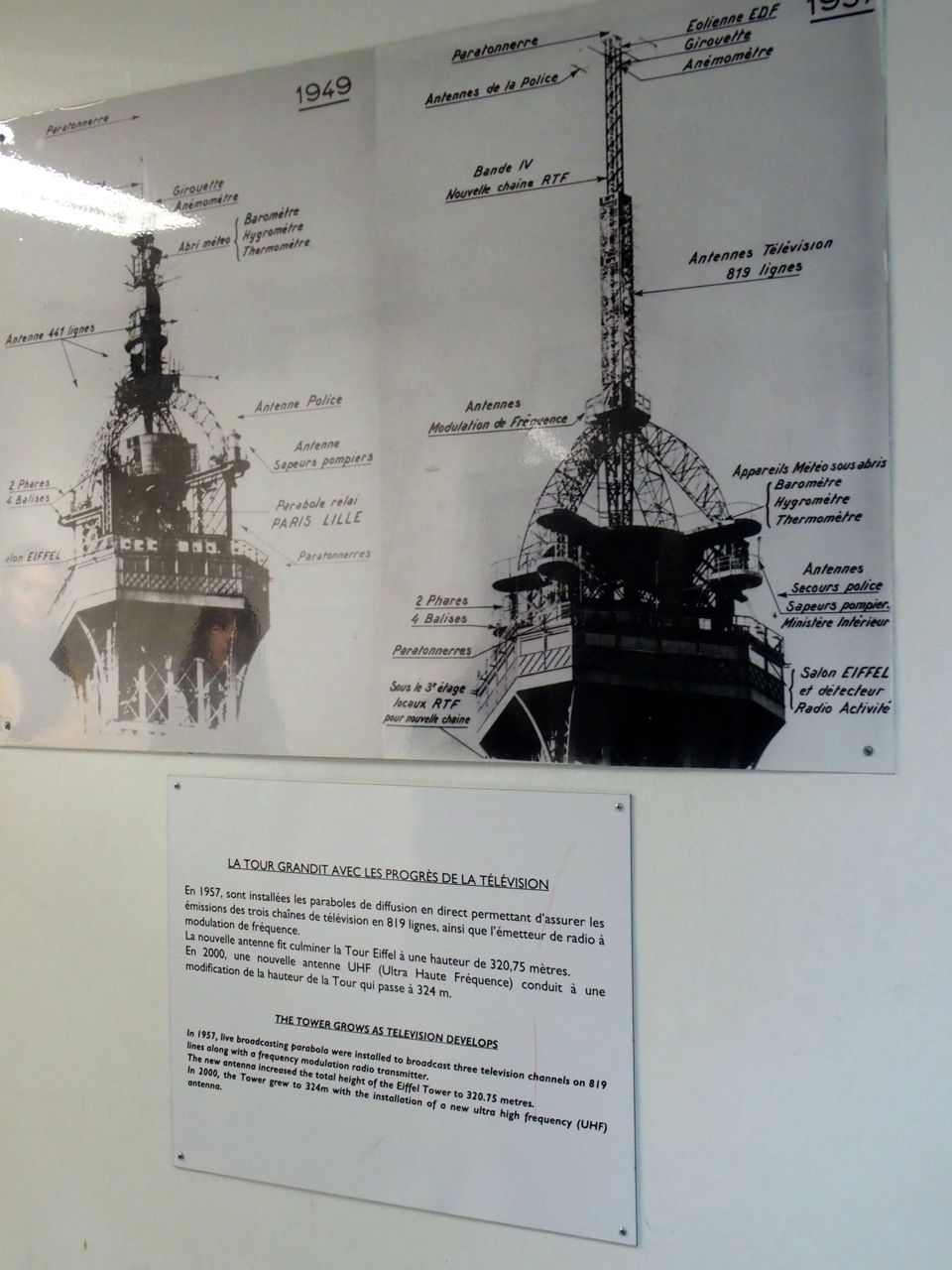
A little history, if you don’t mind.
The Eiffel Tower was built for the 1889 World’s Fair, which was indeed international, but above all celebrated the centennial of the French Revolution.
It was a Swiss engineer who came up with the idea for the Tour de Millepied, the original name for a project that would fly a flag as high as possible.
The World’s Fair was a huge success. The Eiffel Tower was the tallest tower in the world at the time and people from all over flocked to the heart of the French capital to admire this architectural masterpiece.
Crowds lined up for a view of Paris unlike anything they’d ever seen: no one knew what the city looked like from a plane yet.
It was thanks to Gustave Eiffel, who gave up all his other activities to devote himself to the tower, that it stayed put and escaped the threat of demolition or relocation.
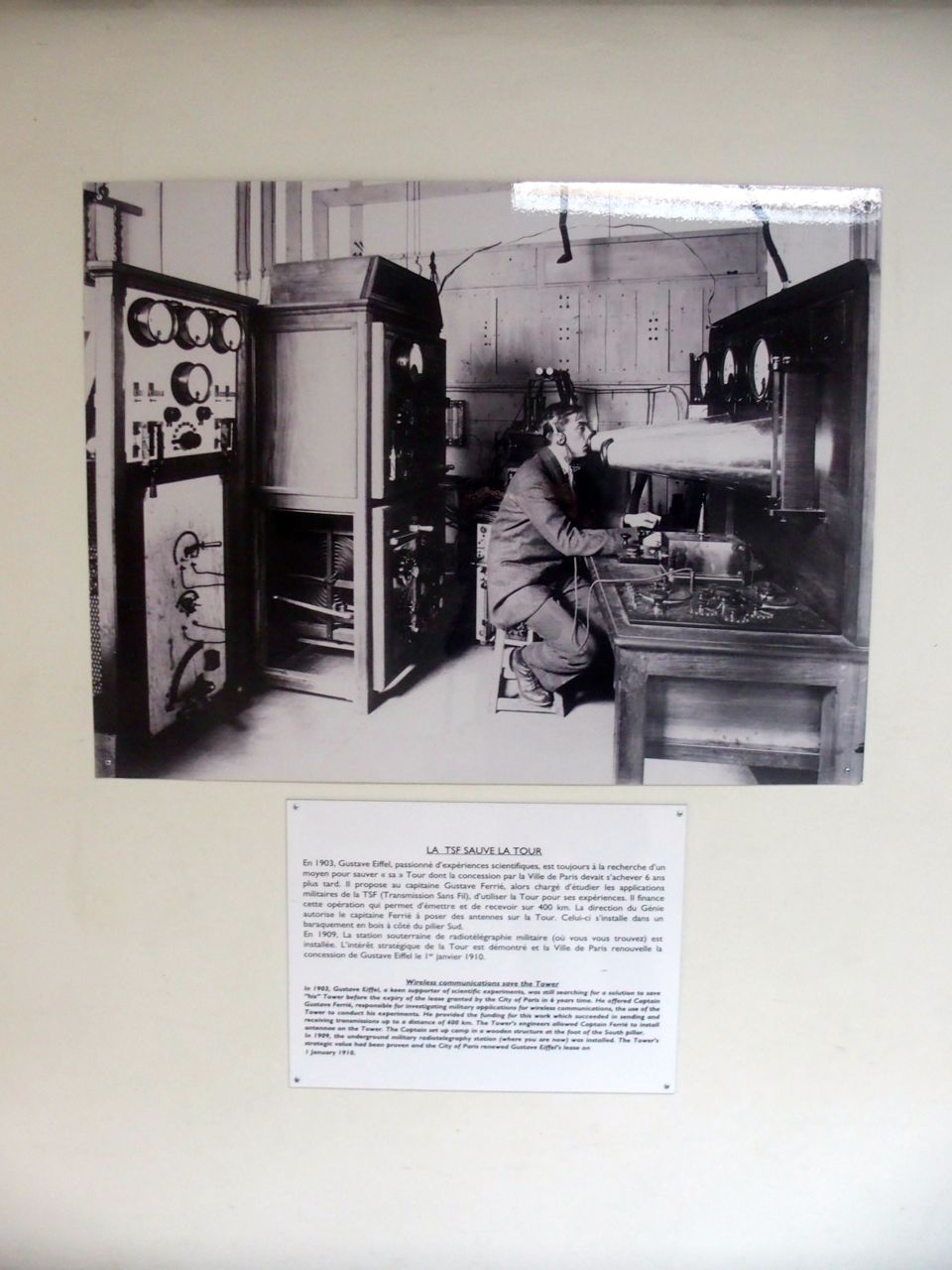
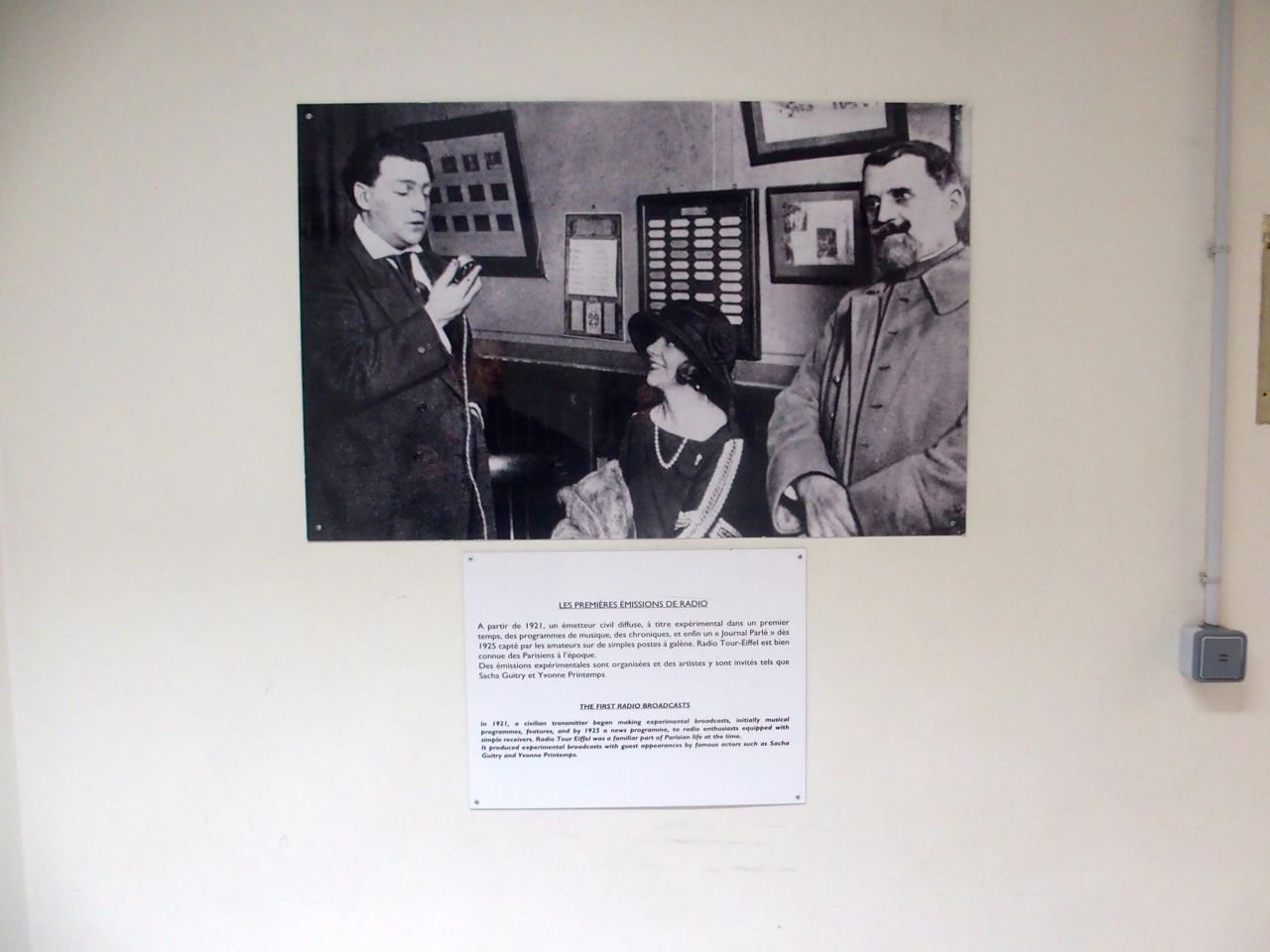
It was only meant to stand for 20 years, but the scientific experiments Eiffel encouraged saved it, especially the early radiographic transmissions and, later, telecommunications. Radio signals went from the tower to the Panthéon in 1898, a military radio station followed in 1903, then came the first public radio broadcast in 1925 with Yvonne Printemps and her husband Sacha Guitri, and then television, all the way up to digital terrestrial TV more recently.
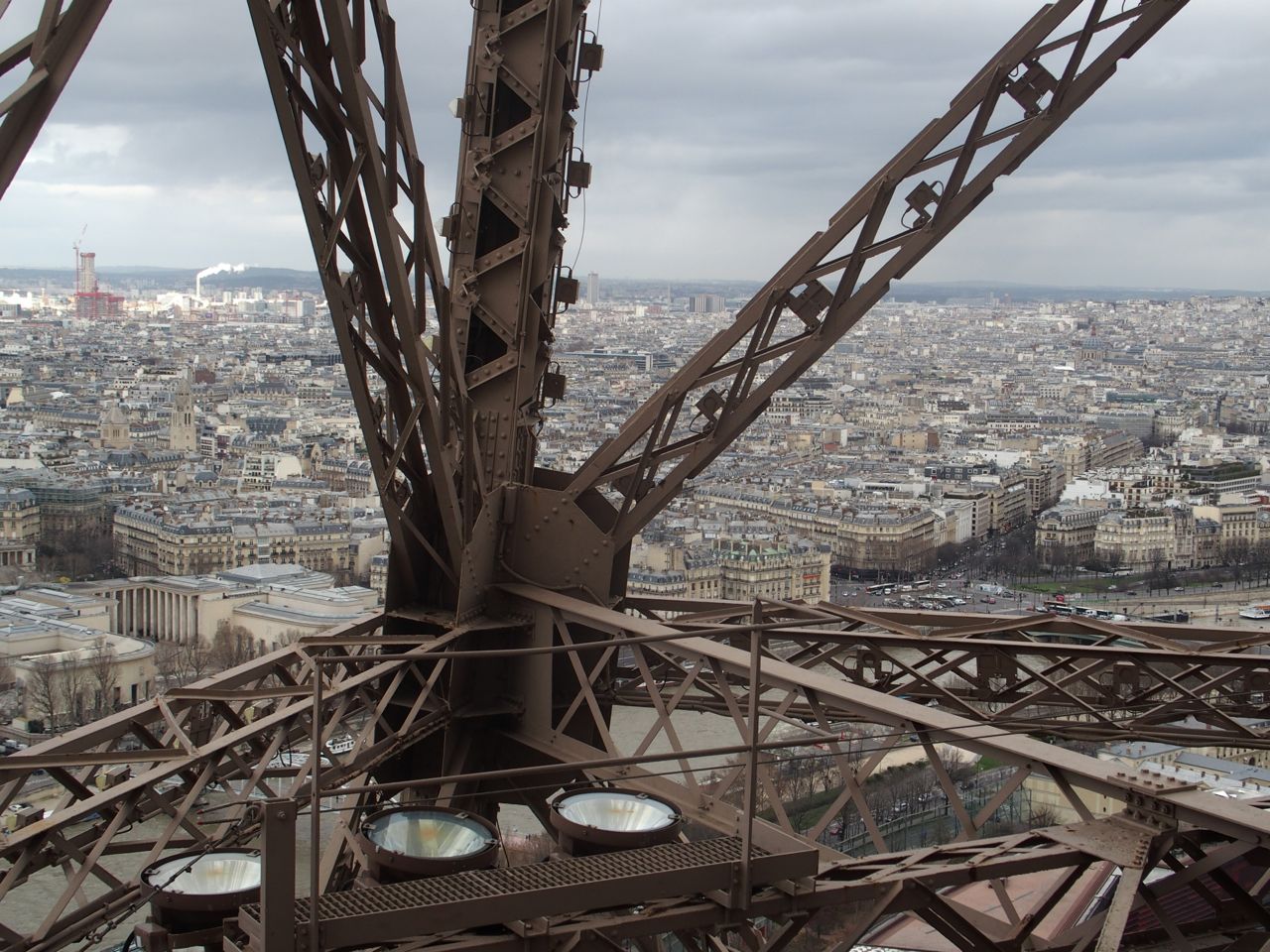
In the bunker, you get to see every color the tower has worn. Originally red, the color of the Revolution, it’s sported a range of shades from yellow to today’s “Eiffel brown,” a color registered since 1968.
These days, the mayor of Paris picks the color, since the city of Paris took back management of the Eiffel Tower in 1980.
Back to the tower itself: Gustave Eiffel wanted it to be a tribute to science and engineering, and he personally chose the 73 names inscribed in gold all around the first level.
The Cultival tour continues into the heart of the tower, or more precisely, into its west pillar.
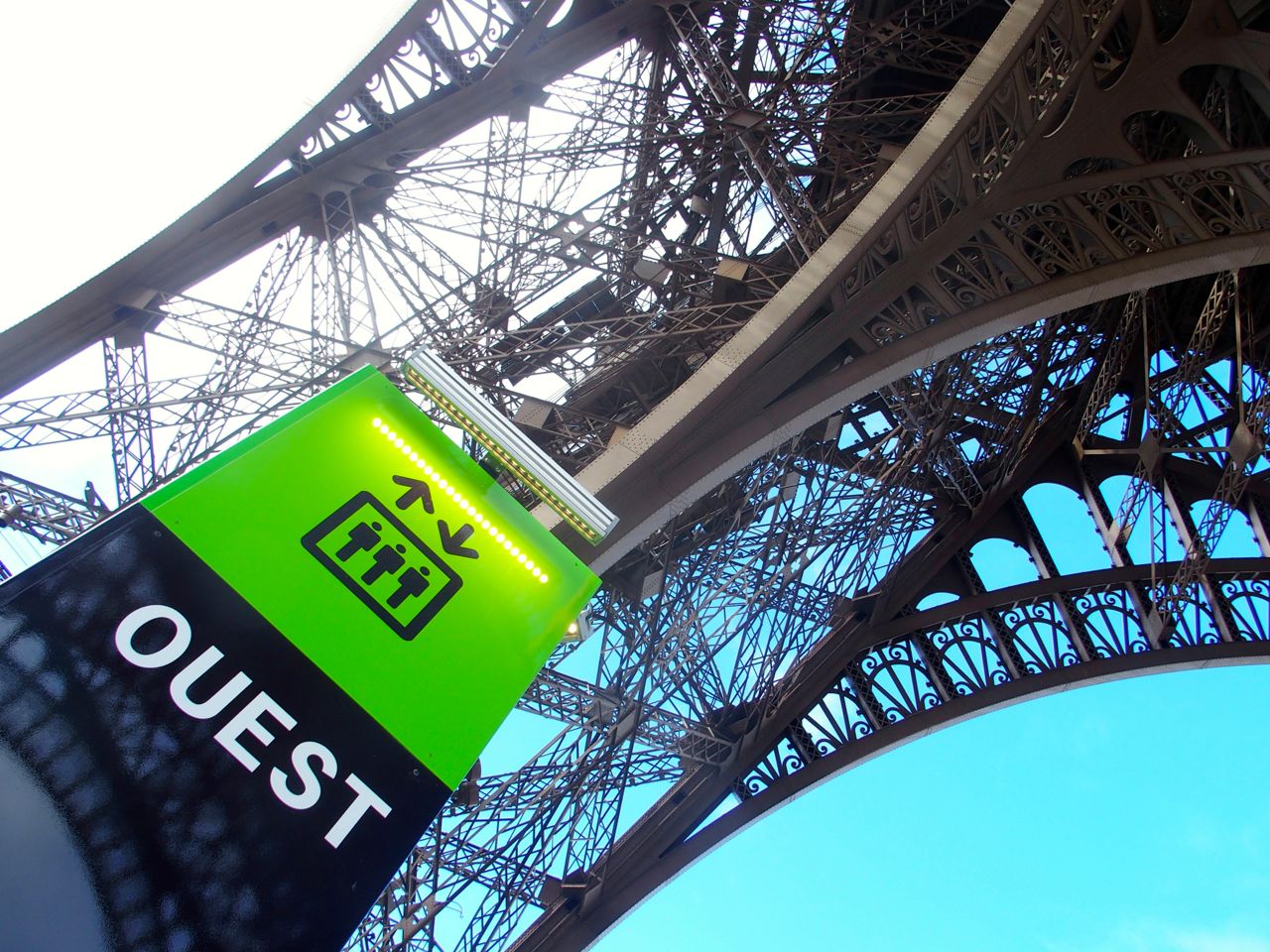
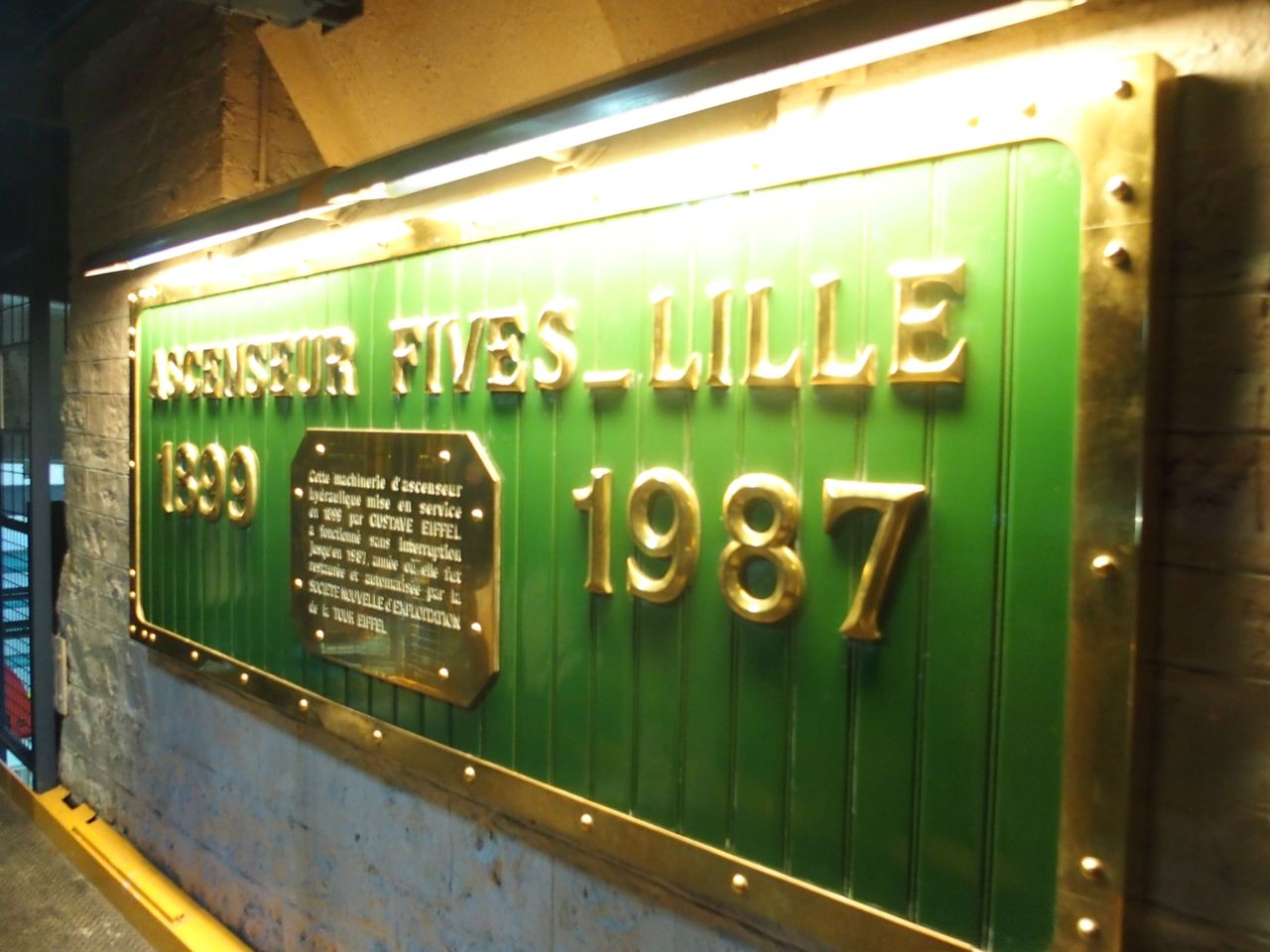
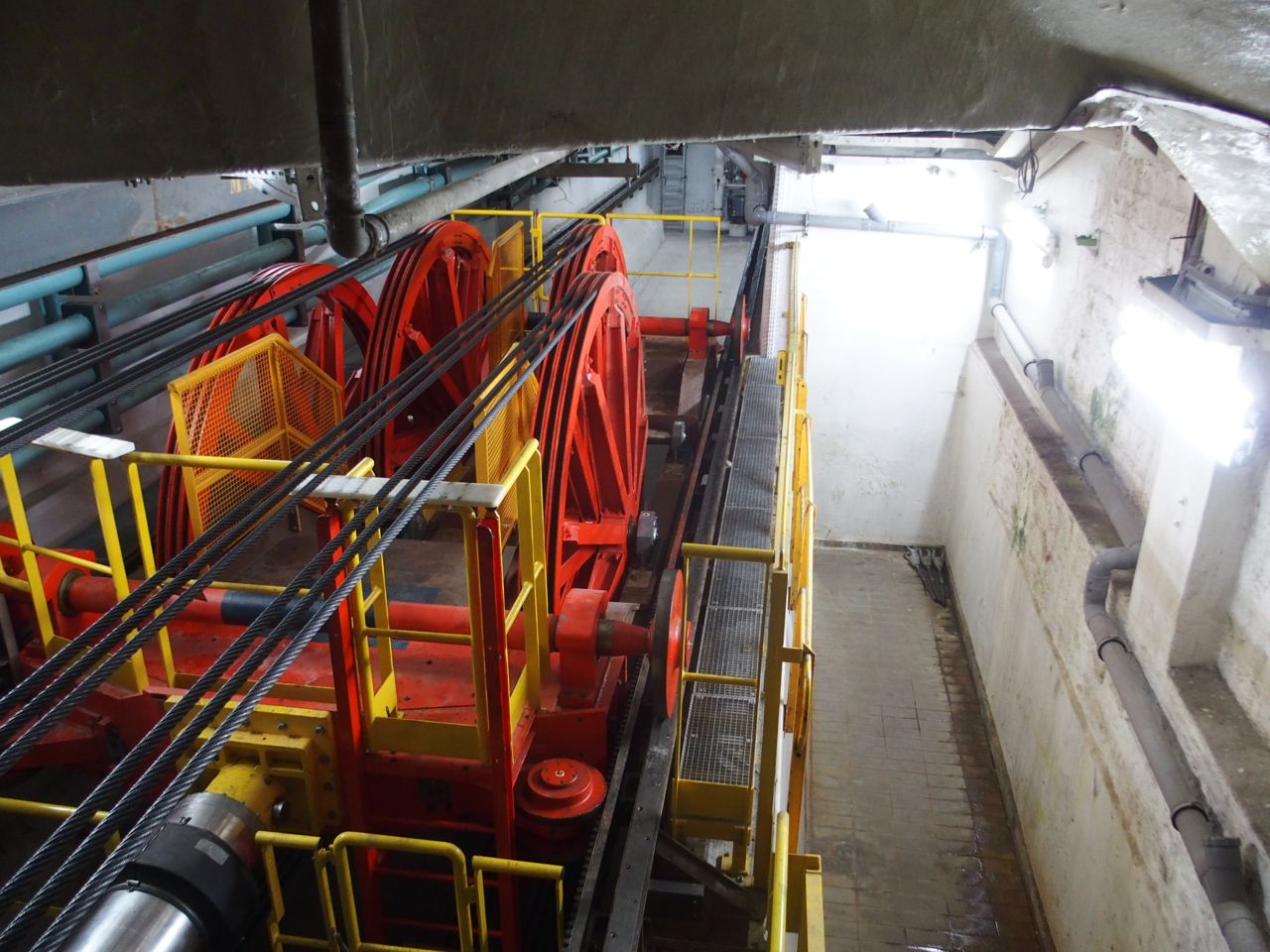
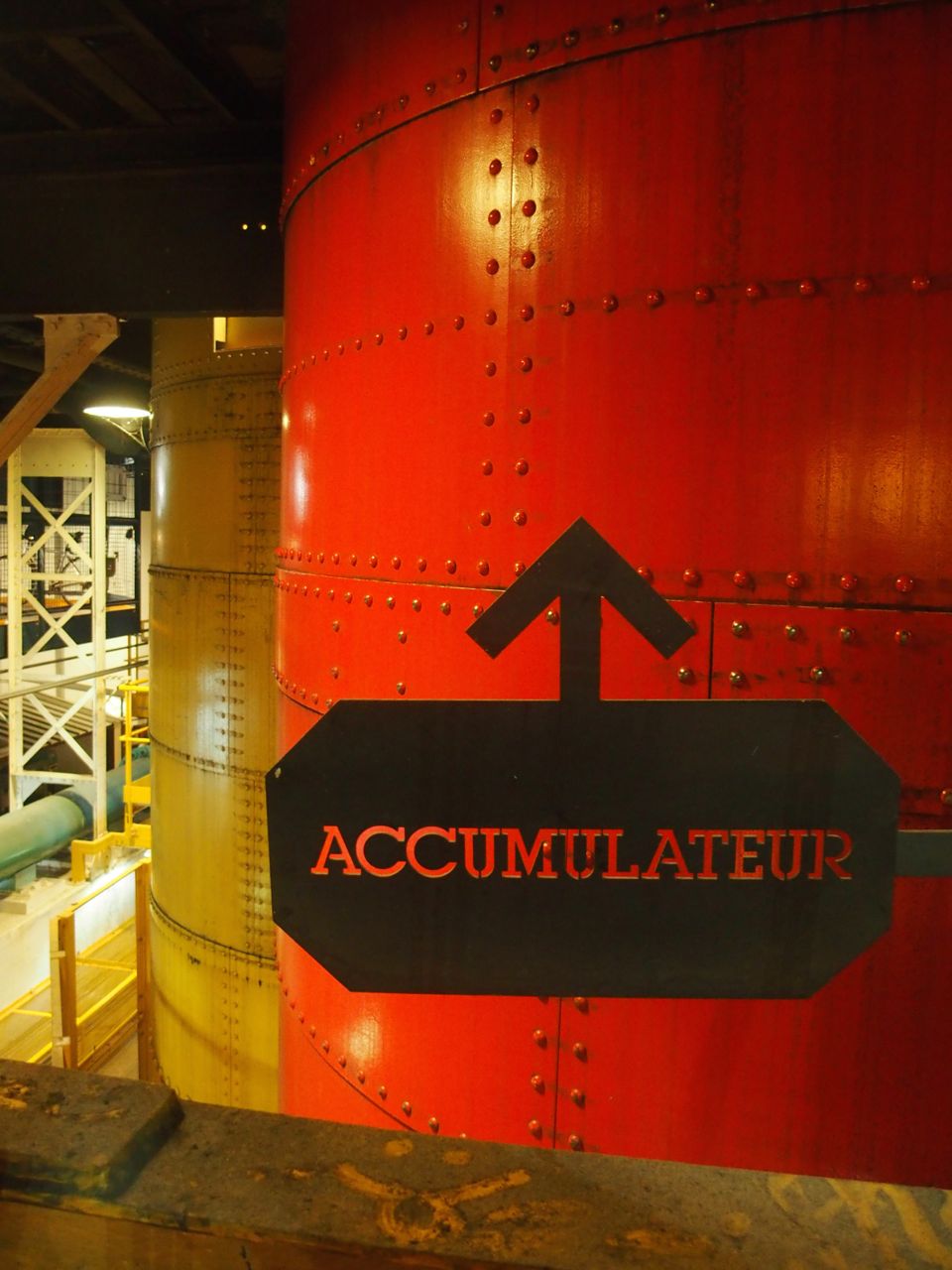
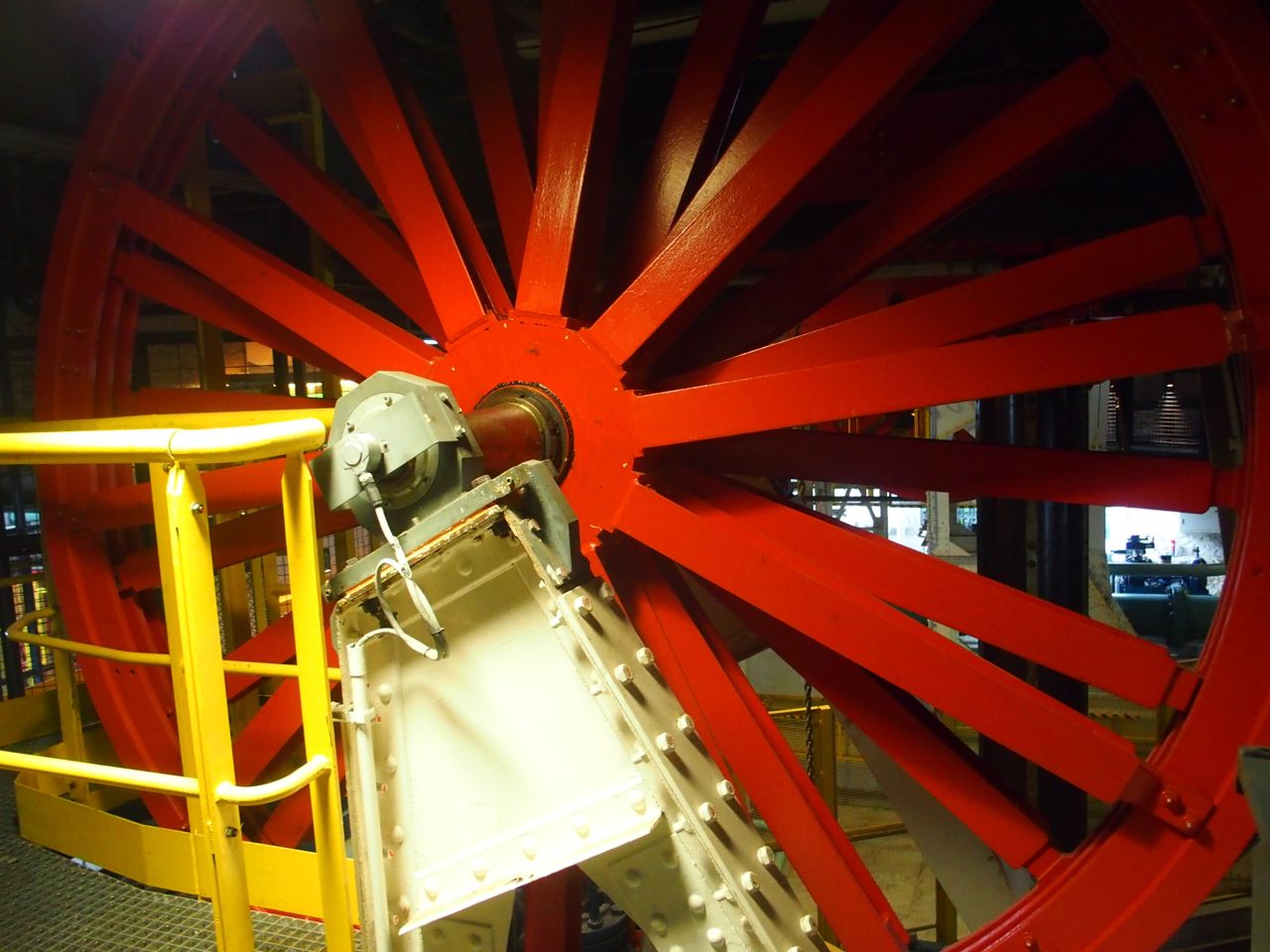
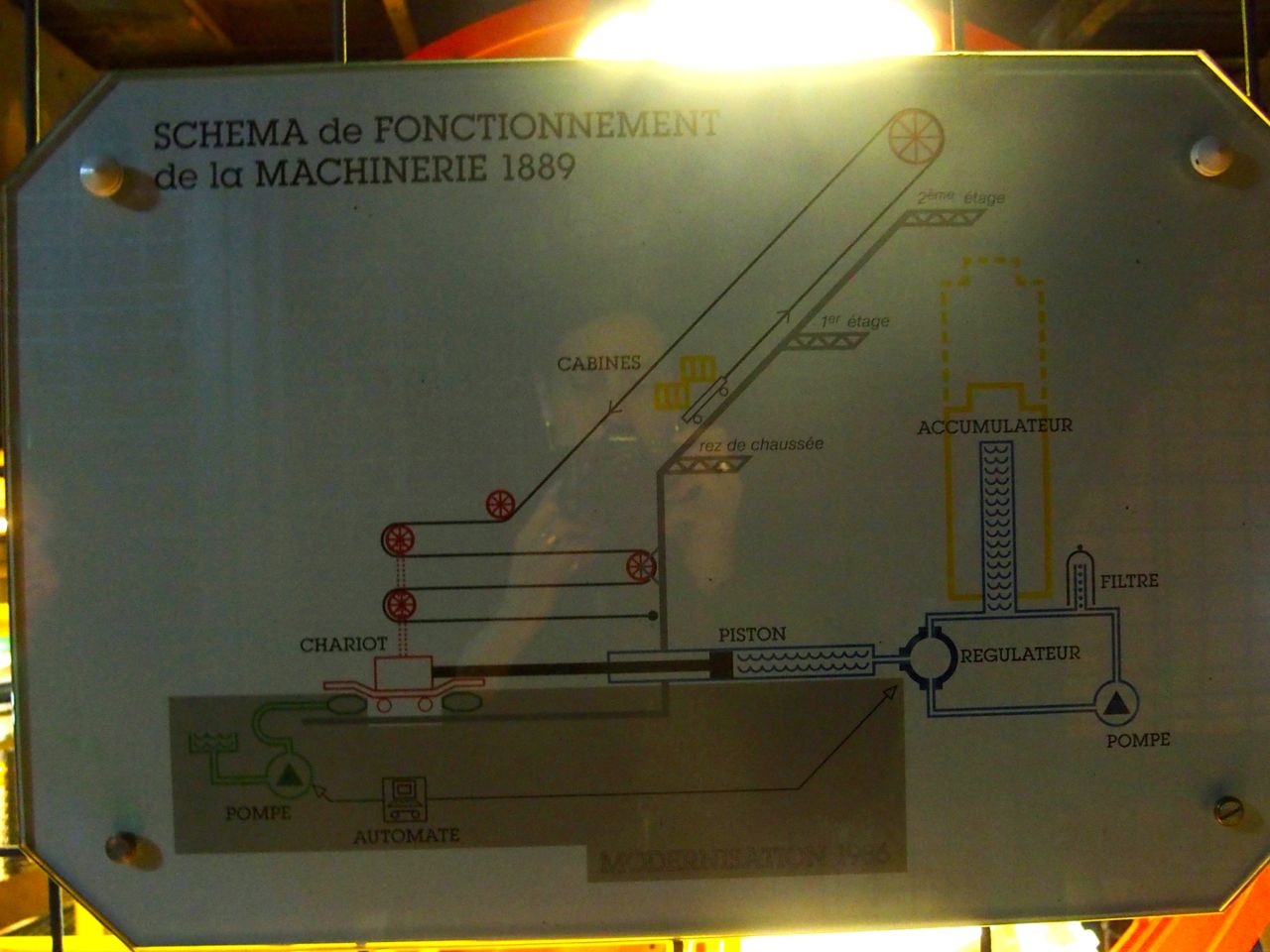
That’s where you’ll find the historic elevators from 1900.
They were originally hydraulic, and a gallery was built for the 1900 fair so visitors could see this new technology. The gallery is still there, though it’s a lot safer now! Diagrams explain exactly how the system works.
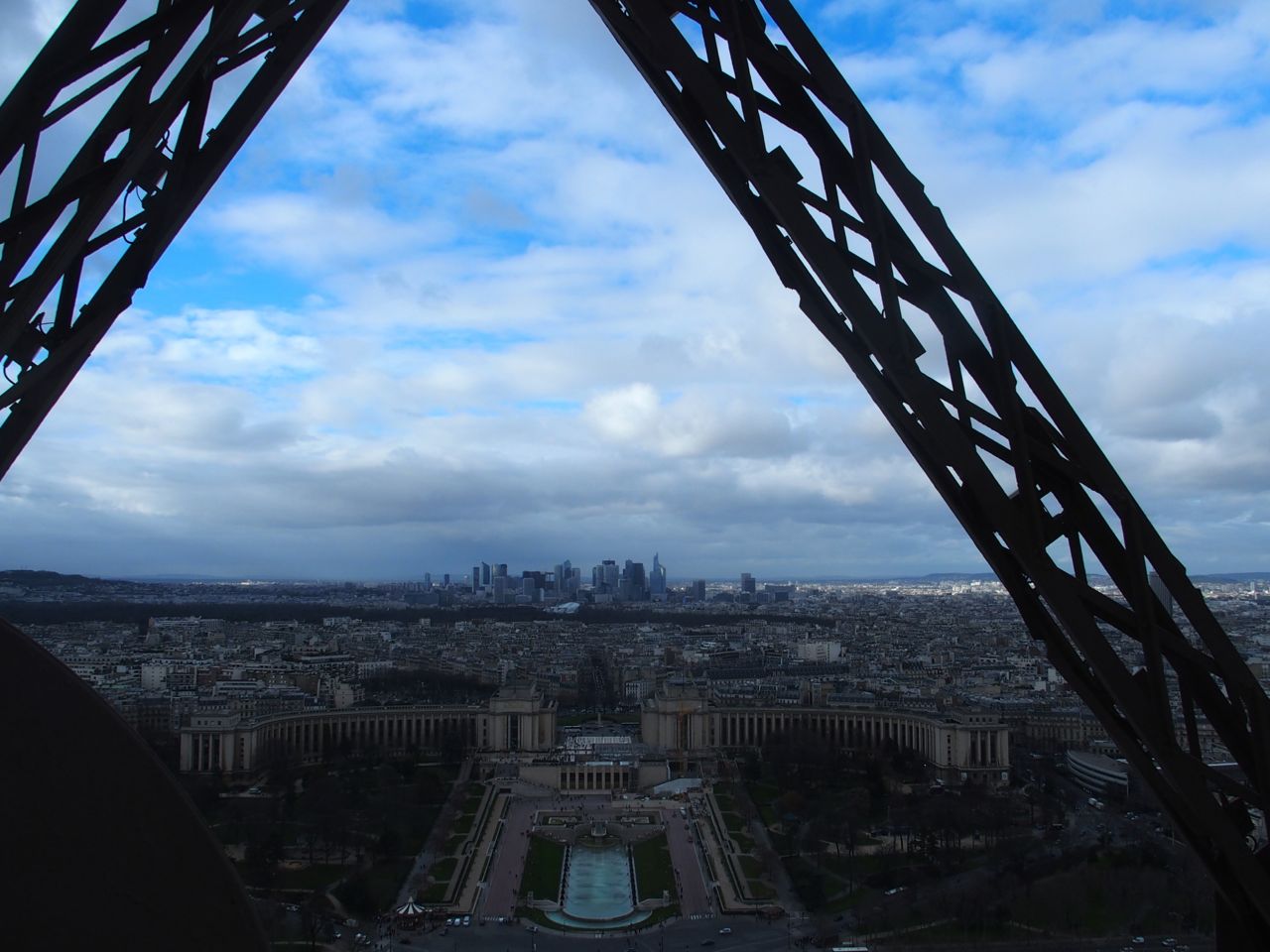
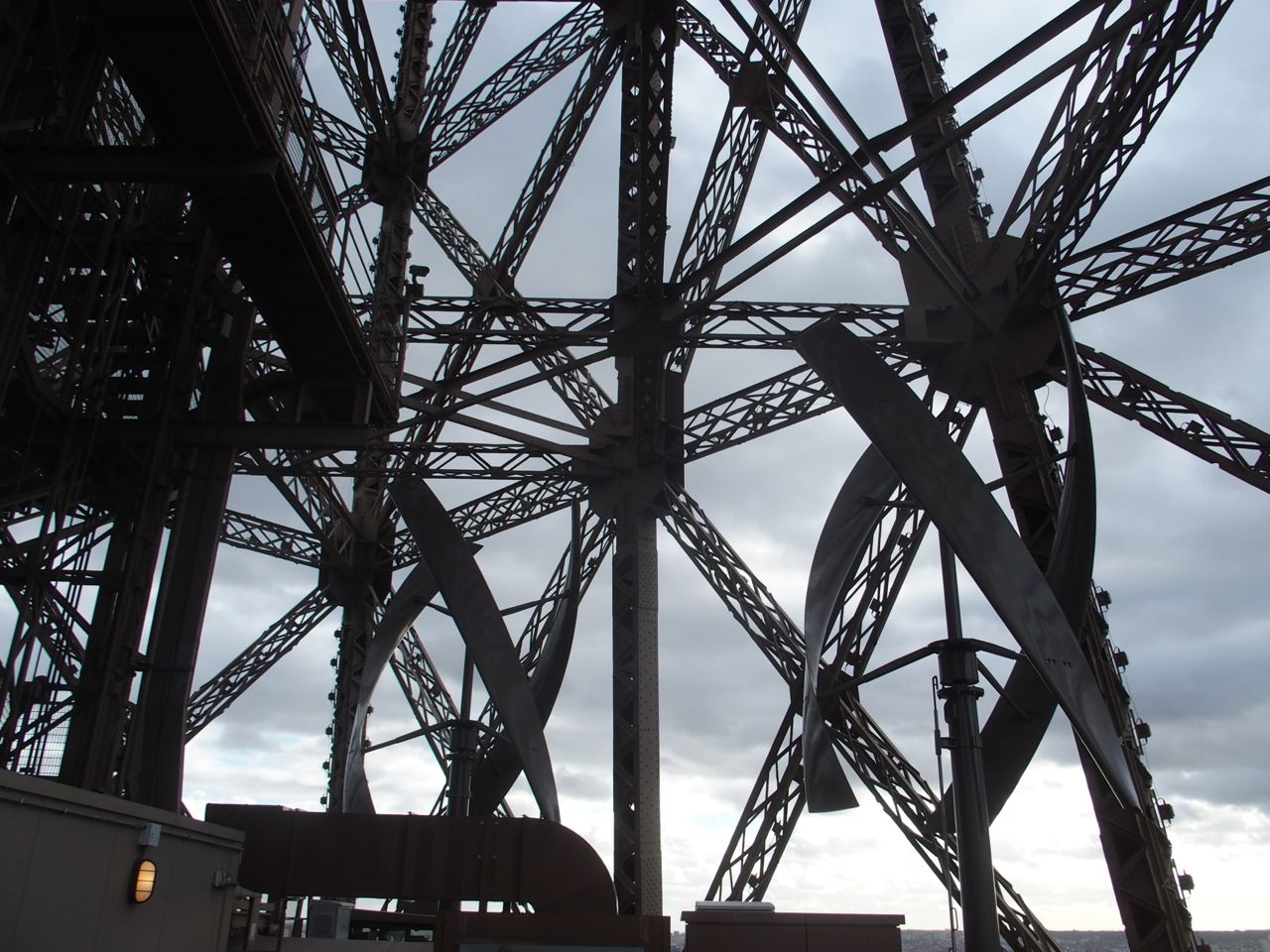
The next stop is a part of the second level that you can’t get to without a private guide and where plenty of movies have been filmed, taking advantage of the spectacular view. This is also where you’ll find the tower’s wind turbines.
Next time you want to see an iconic Paris spot from a fresh angle, with everything just right (no lines, a private guide), you’ll know that Cultival has plenty of tours to choose from.
Eiffel Tower Champ de Mars, 5 Avenue Anatole France, 75007 Paris