Paula Modersohn-Becker at the Musée d’art Moderne
An Art Experience in Many Forms
Major painting exhibitions can sometimes feel overwhelming or intimidating. You walk in with your head full of decades or even centuries of art history. You find yourself in front of paintings already etched in your mind. It’s hard to recapture the thrill of discovery or the feeling of seeing something for the first time. Right now, the Musée d’Art Moderne de Paris is offering us something different, if you’re willing to give it a little time. A journey through literature, poetry, and painting.
The First Woman Painter
To start the journey, head to your nearest bookstore and pick up “Being Here Is Everything” by Marie Darieusseq. It’s a little book, as brief and intense as the life of Paula Modershon Becker.
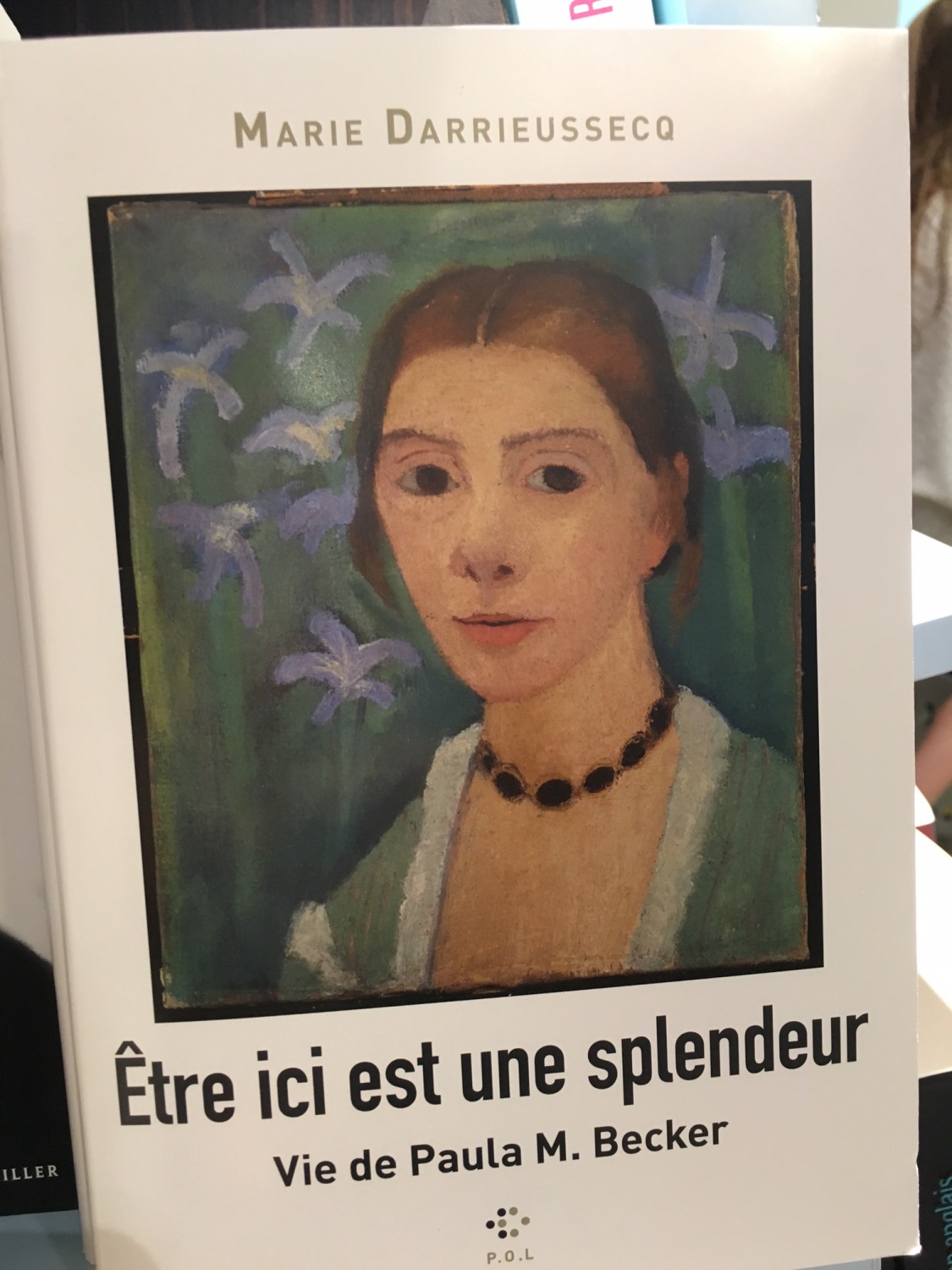
You’ll discover the life of a woman and an artist, perhaps one of the very first women artists. You’ll get to know this woman from northern Germany, married to a painter and close friends with the poet Rainer Marie Rilke, who dreams of nothing but Paris at the very start of the twentieth century, in that golden age when the City of Light brought together the best Europe had to offer in literature, poetry, music, sculpture, and painting.
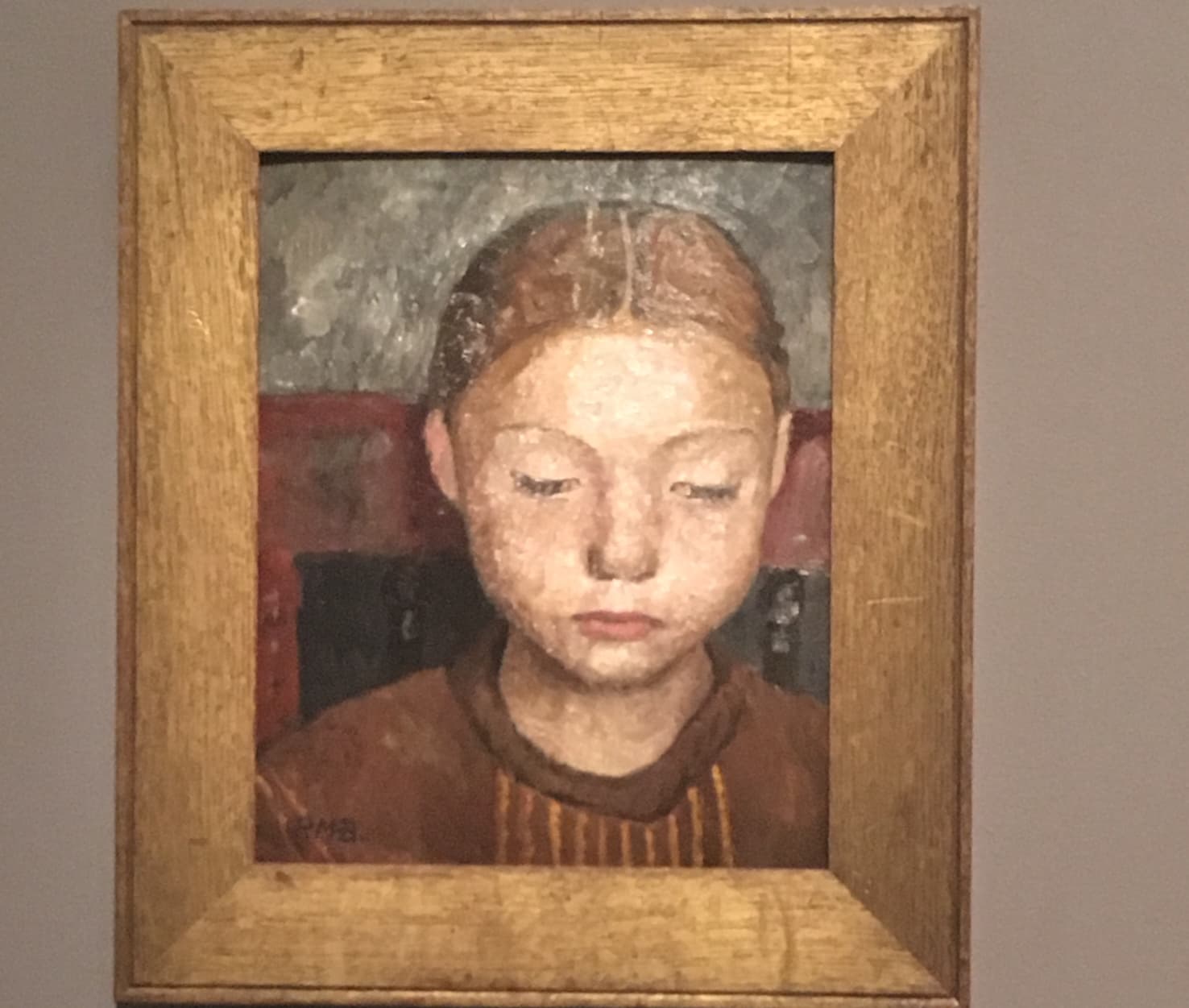
Then you can head to the exhibition at the Musée d’Art Moderne and discover her paintings, feeling that you know her a little, that you understand her desires and fears, her ties to home and her longing for freedom, and above all her great passion for art.
Femininity at the Heart of Her Work
Most of Paula Modershon Becker’s paintings depict children or women, with the occasional still life. The women and little girls in particular have a touching simplicity and grace. Femininity is at the heart of her work, and you could almost call it feminism. Her portraits of rural women and mothers nursing their babies capture a raw, natural femininity, a far cry from the way female saints are depicted in classical painting. Paula Modershon Becker was also the first woman to paint nude self-portraits, including one while she was pregnant. Her preoccupation with motherhood is all the more moving and tragic when you know she would die at thirty from complications after the birth of her first child.
Paris at the Heart of Her Work
There’s no sign of Paris in the paintings on display at the Musée d’art Moderne, and yet Paris is the other central character in Paola Modershon Becker’s work. It’s in Paris that she discovers and wins her freedom, as a woman and as an artist. It’s here that she takes drawing and painting classes, studies the ancient Egyptian funerary portraits on display at the Louvre, discovers Rodin and Cézanne, and gets away from the artists’ community in Worspede, where she feels stifled. It’s between boulevard Raspail and rue Campagne-Première that she throws herself into a frenzy of painting.
Paula’s life comes to an abrupt end just days after she gives birth to her first baby.
And yet she leaves behind a body of work unmistakably her own, unlike anyone else’s and as singular as the woman who made it, a free spirit ahead of her time.
Paula Modersohn Becker – through August 21, 2016
Musée d’Art moderne de la Ville de Paris
11 Avenue du Président Wilson
75116 Paris
Tel. 01 53 67 40 00