Araku coffee – A Coffee With a Story
This organic coffee comes from the Araku Valley in eastern India, where villagers across an area of more than 350 square kilometers grow it using biodynamic farming methods.
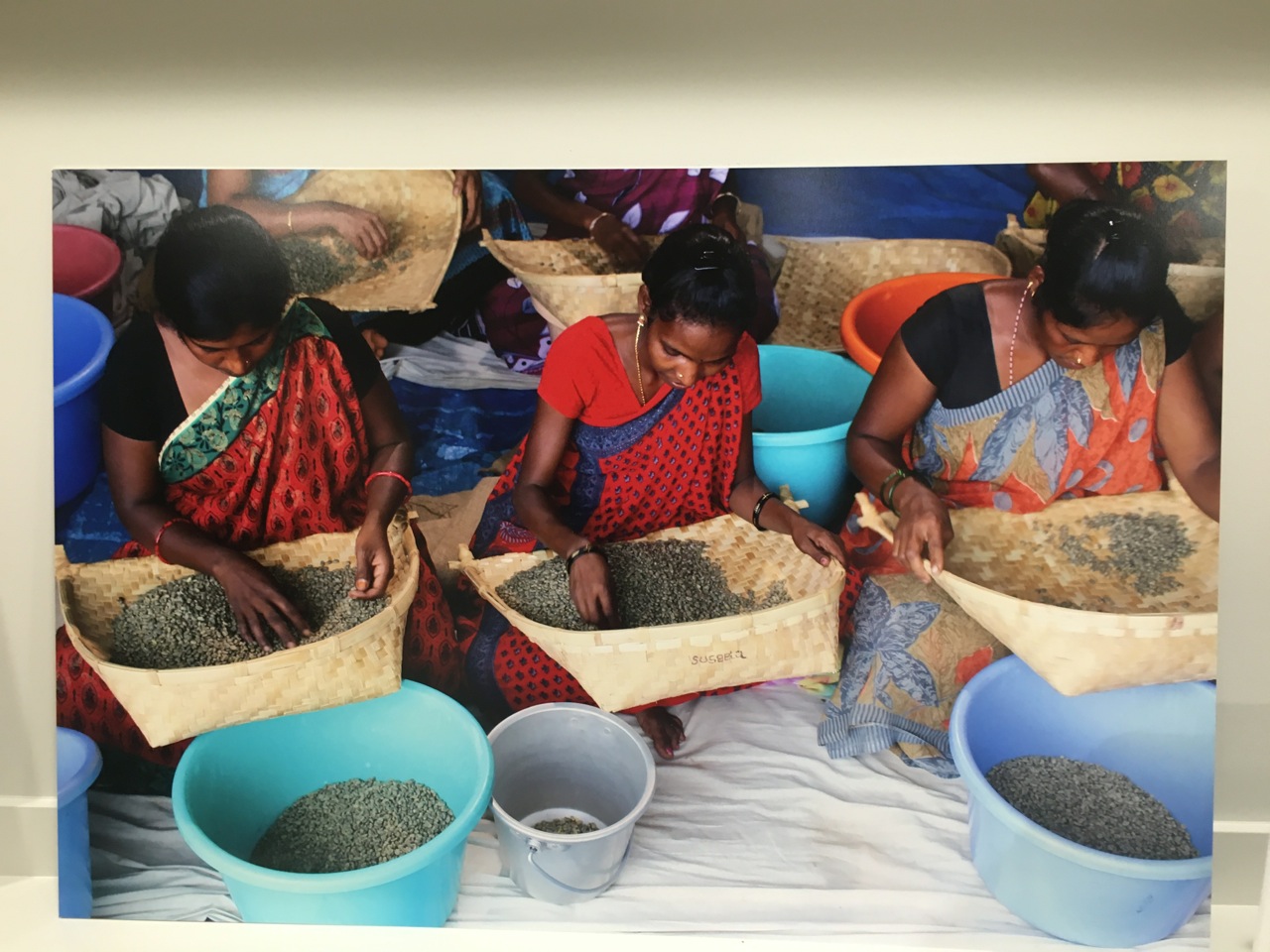
So it all started in India. Not enough people know this, but India is a coffee-growing country, the world’s third-largest producer after Ethiopia and Yemen.
The Araku Valley is a protected nature reserve. It’s a valley with an unspoiled ecosystem, steep terrain, and 520 villages that are home to Indigenous communities that have lived there for generations.
And this is where the six “Araku coffee” varieties come from, each with a flavor all its own.
That’s possible because each coffee comes from a plot chosen for what makes it unique, and because of the expertise of coffee specialist Hippolyte Courty, who selects the coffees, decides how to roast them, and develops each variety.
Six coffees, six distinct personalities, each shaped by where it was grown, how it was roasted, and when it was harvested.
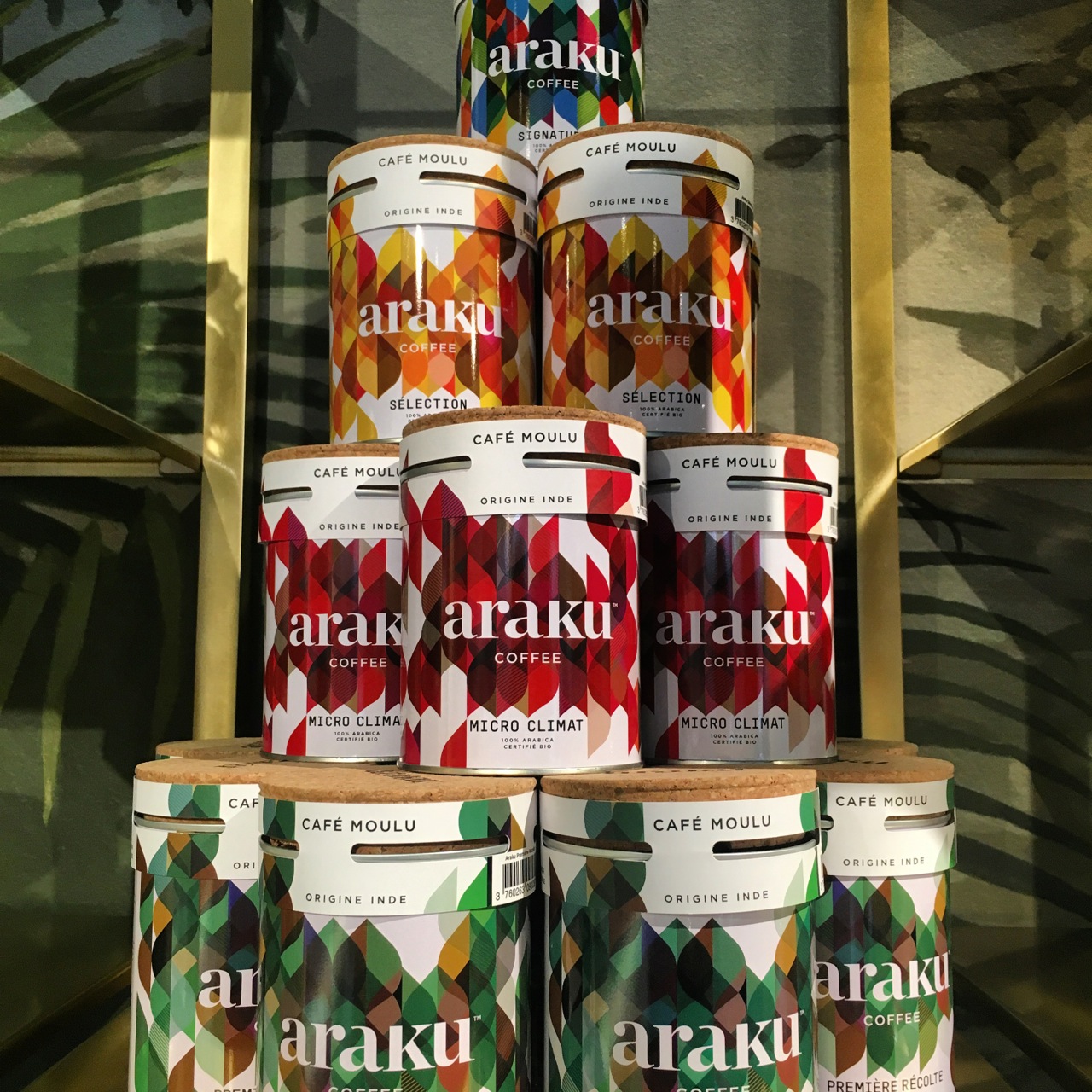
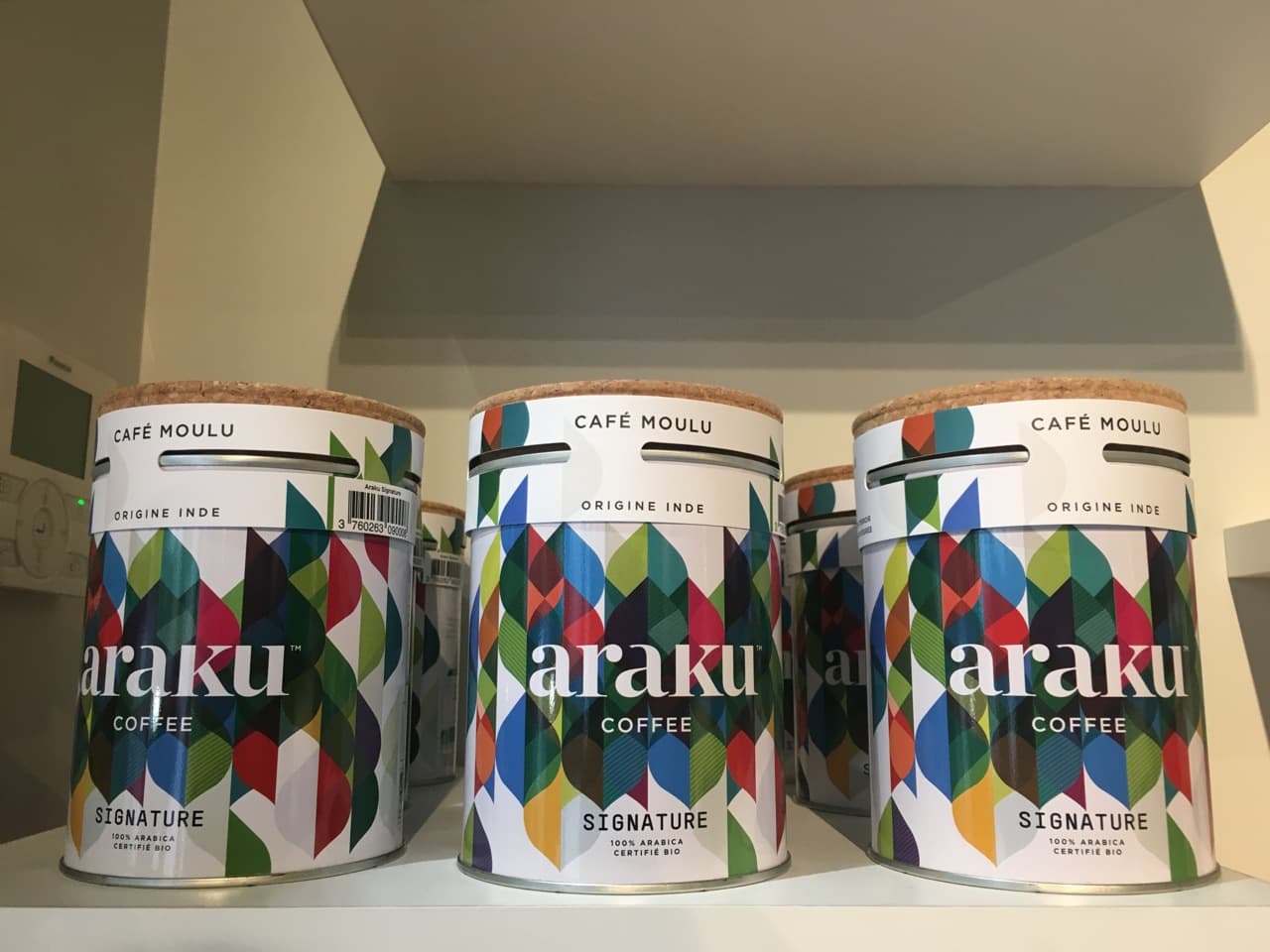
Available as whole beans or ground coffee, they can be brewed in a drip coffee maker, a moka pot, or an espresso machine. No capsules yet, but they’re in the works, with some firm requirements: organic, fully recyclable packaging and a cup that lives up to the quality of the coffee.
Excellent organic coffee in gorgeous tins. But none of it would have been possible without the tenacity and determination of a few men.
They Were Changing the World
It took a team of passionate people to pull off something this remarkable, something that ought to inspire similar projects around the world. It took men who were willing to believe anything was possible.
It all started with Manoj Kumar, director of the Naandi Foundation (naandi means “new beginning” in Sanskrit).
The foundation was established 19 years ago, in 1988. It’s a public charity, and its board is made up entirely of Indian business leaders. The idea was to try something new in the field of social and economic development in India.
The goal was to do on a large scale what even the government struggles to put in place: educate girls, provide access to safe drinking water, and establish sustainable, responsible farming practices.
You can find all of this, of course, on the foundation’s website.
But when Manoj Kumar tells the story himself, it’s something else entirely.
He explains that when he was asked 20 years ago to take the lead and make this slightly crazy idea happen, he had his doubts about giving up a steady, paying job to take a chance on it.
And the reason he went for it was, and I quote, that he was “young and a little crazy.”
So he starts with girls’ education and with the women dying in childbirth, deaths he realizes are linked to the use of rusty arrows to cut umbilical cords.
He tells us how he has to pay local midwives to get them to use sterile kits.
And how, all of a sudden, the death rate drops and the villagers start to trust him.
After working with the women, he turns to the men. These men don’t work or do anything with the plots of land they have: nothing grows there because they don’t have the farming skills they need.
So he earns their trust, spends weeks living with them in their villages, seeing how they live, and gradually helps them build the skills that will turn them into experts at growing coffee.
That’s where David Hogg comes in, a specialist in organic and biodynamic farming. In case you need a refresher, or haven’t heard of it, biodynamic farming means relying exclusively on natural biological processes to grow crops. It’s an approach that ought to be the future of farming. But we’re not there yet.
The farmers of the Araku Valley, on the other hand, have mastered these techniques and regained their dignity and independence.
And that’s the extraordinary story behind the fact that you can now buy this exceptional coffee in Paris.
Araku coffee – The Flagship on rue de Bretagne
We’re so used to the spectacular flagship stores of the big tea brands that I’d never really stopped to ask: what about coffee?
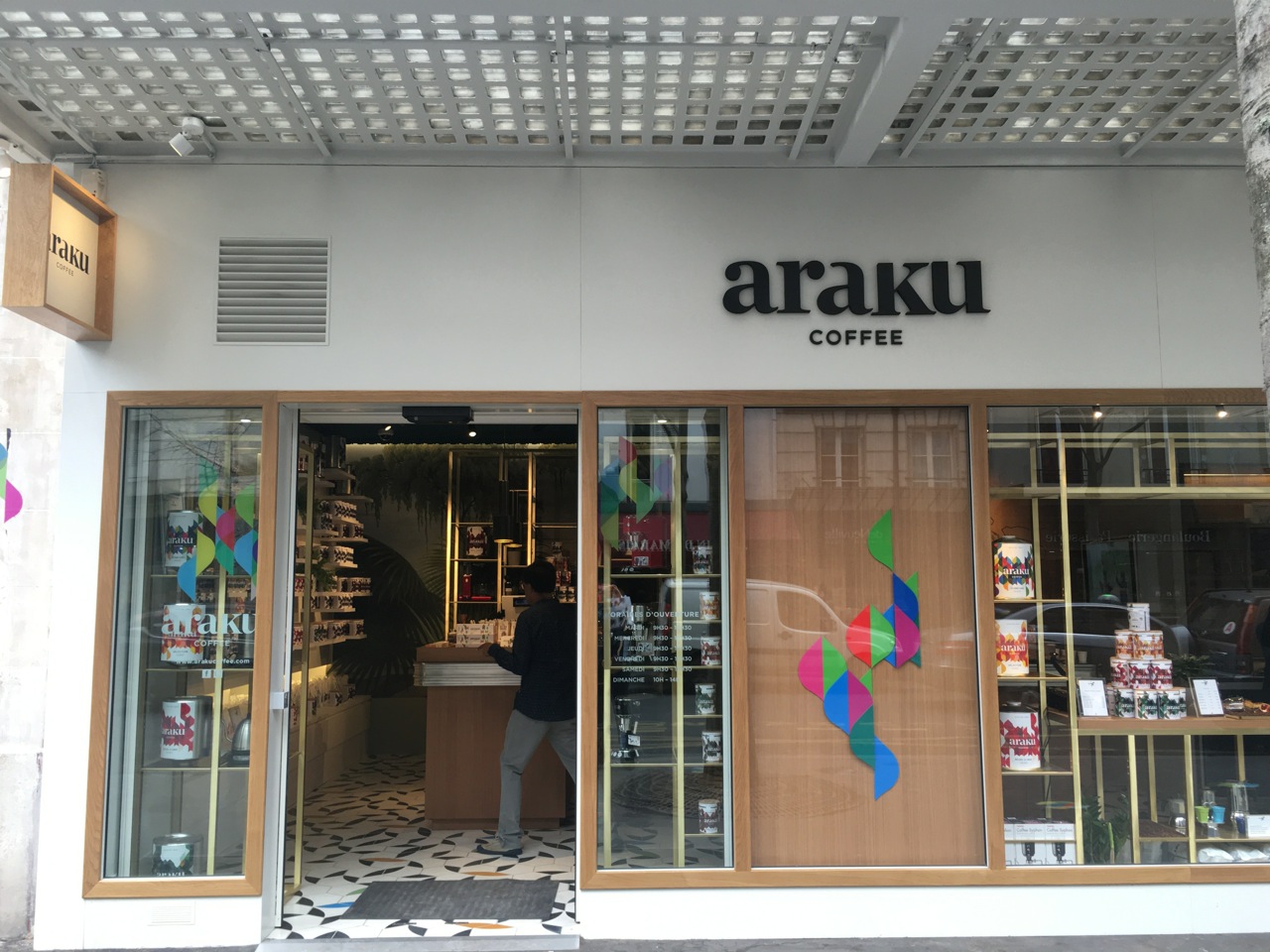
And the answer is simple: a whole lot of nothing. Of course, if you set aside that iconic coffee pod brand, there are the cafés Richard shops, a few Illy cafés, and then what?
As for packaging, there’s cafés Richard again, in partnership with the City of Paris brand, but as for the others…
So Araku coffee is one of the pioneers of a new approach to coffee in Paris.
Here you’ll find the six coffees I mentioned, of course, but also experts who can help you choose, coffee machines, and sweet treats that go beautifully with your delicious cup of coffee.
So, as you’ve probably gathered, between this shop and the people I met here, I found a thousand and one reasons to drink my coffee differently.
Araku coffee 14 rue de Bretagne 75003 PARIS