Exploring Paris’s Neighborhoods
Pariscityvision: a name Parisians know well, especially for its double-decker buses that let you see the city in comfort without lifting a finger.
But Pariscityvison offers more: you can take tours to explore Paris’s neighborhoods with a guide, or even with actors.
Walk the streets, stop to check out a statue or take in a view, and learn all about the neighborhood’s history with a professional guide who knows the city like the back of their hand.
The list of neighborhoods to explore is long and varied. It’s a way to rediscover a part of the city you think you already know, or to venture to the other end of the capital, somewhere you wouldn’t normally go.
And then there are themed tours, like a tour of filming locations or a food tour of le Marais.
I decided to venture over to Montmartre. So that’s the “other side of town” option for me, since I rarely stray that far from my 13th arrondissement!
Discovering Montmartre
Montmartre is Paris on a postcard. Photographed and filmed millions of times, the hill is somewhere between a tourist destination and a typical Parisian village.
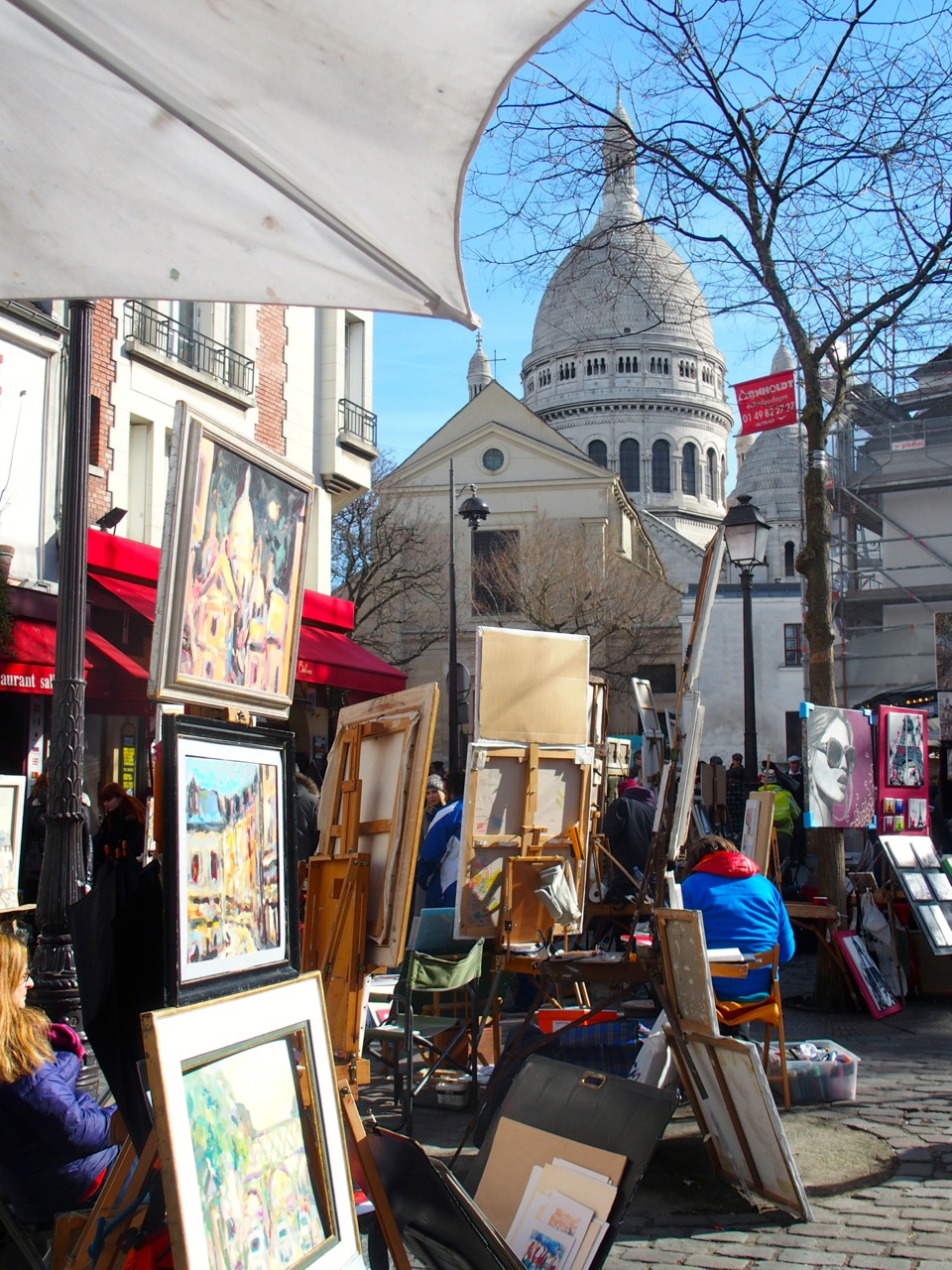
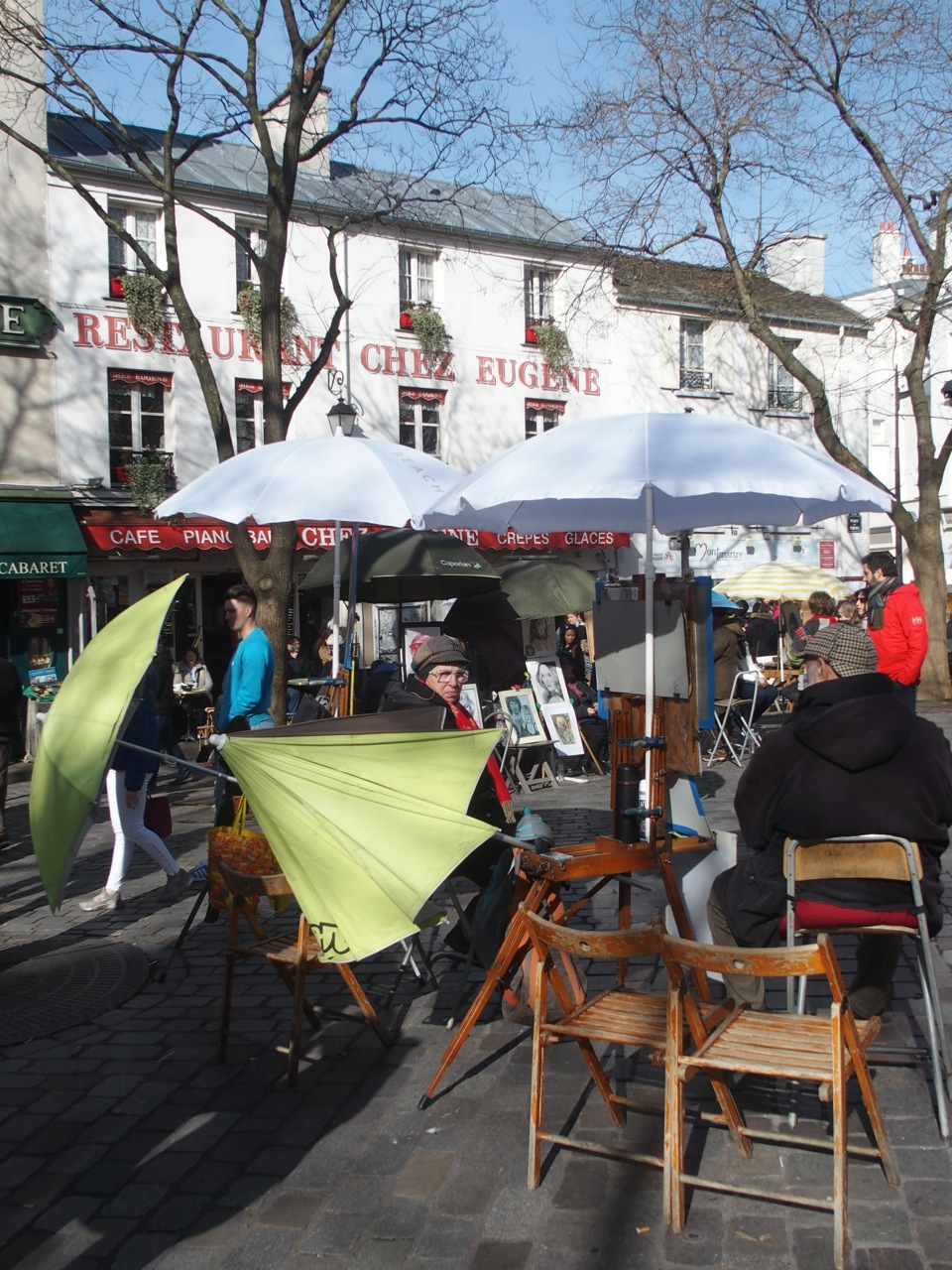
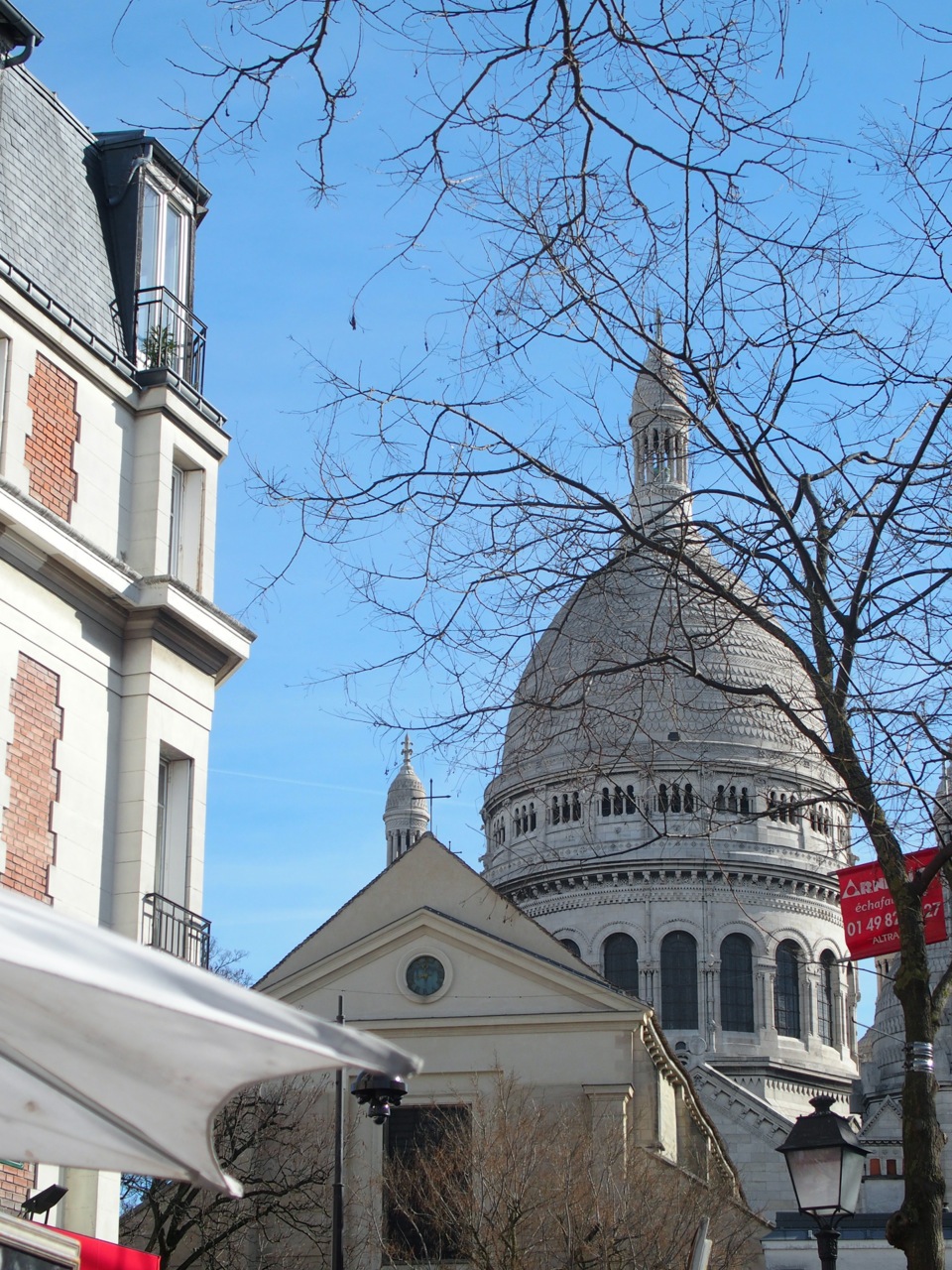
There’s Sacré Coeur, of course, and place du Tertre, naturally, but there are so many other gems to discover.
And there’s a whole history to learn, with pious men who lost their heads, painters out on the town, and brave knights tortured and hanged for refusing to take off their hats as a procession went by.
Discovering Montmartre with PariscityVision
Off we go for two hours of exploring.
The walk starts right on boulevard de Rochechouart, where the wall of the Farmers-General once stood, marking the boundary between Paris proper and the neighboring towns.
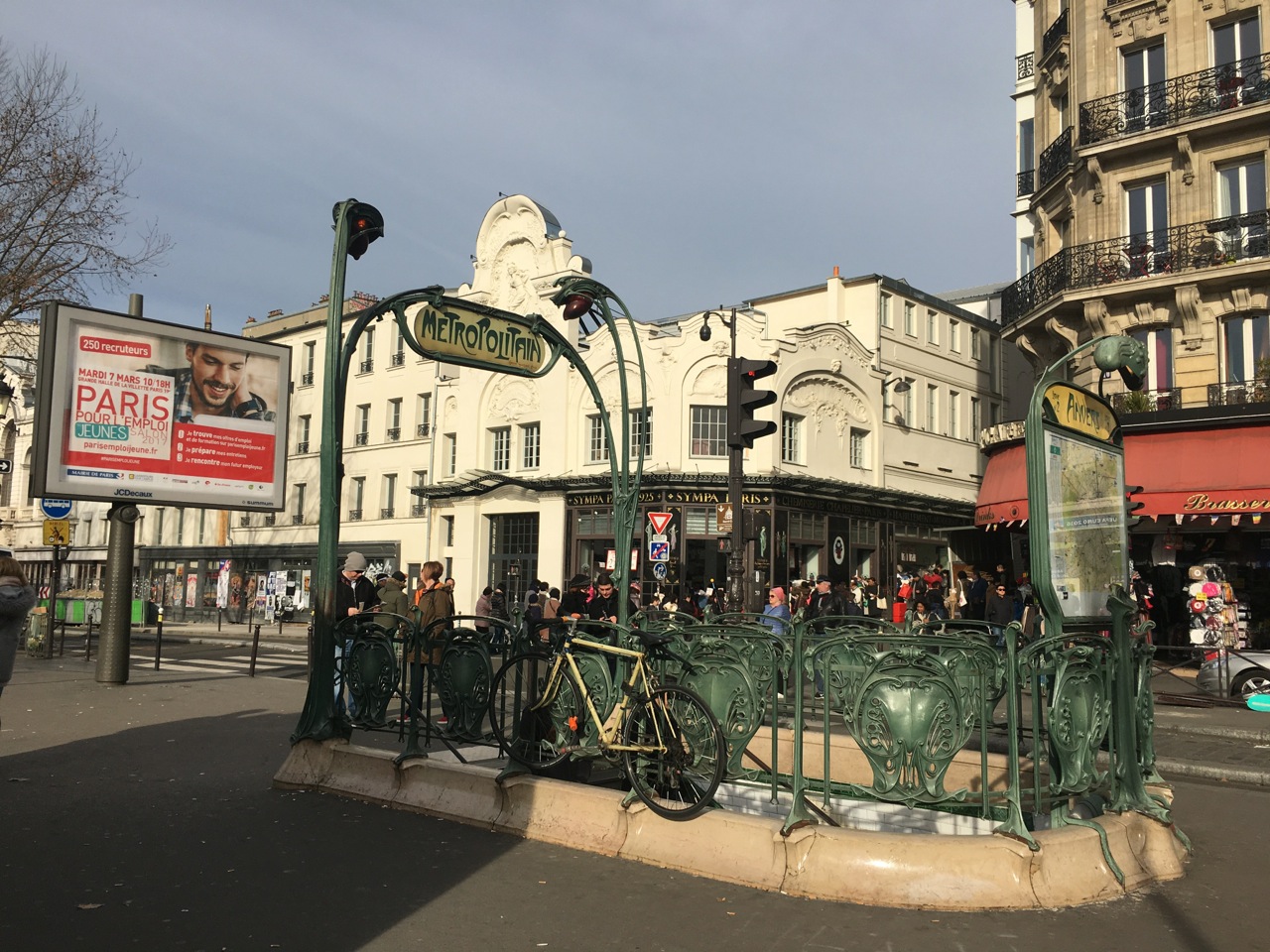
Under Napoléon III, those very towns became part of Paris in 1860, doubling the city’s area and its capacity to house the people who worked there.
His own experiences shaped his decisions about how to modernize the city.
His years in London and Italy inspired him to launch Haussmann’s sweeping public works projects, which transformed the cityscape, improved sanitation, and made it easier to get around.
Of course, the work also helped the emperor keep the city under control: working-class neighborhoods in the city center were razed and replaced with grand, wide avenues that were easy to control during riots and other public demonstrations.
So let’s cross boulevard Rochechouart, the boundary between the 9th and 18th arrondissements, and start up the hill.
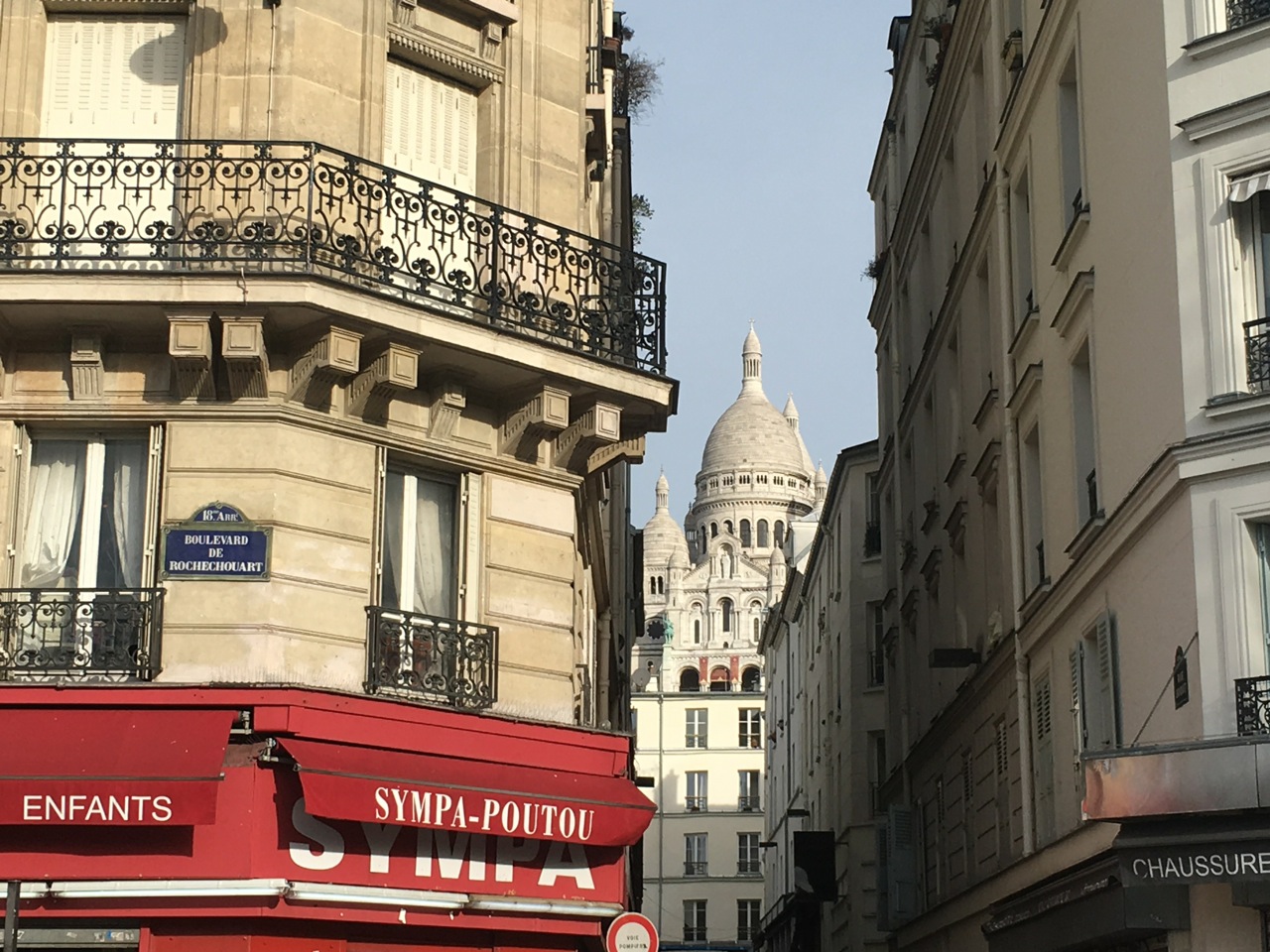
And there’s Sacré Cœur, everywhere you look, at the end of every lane and around every corner.
Its existence is closely tied to the Paris Commune and the fall of Napoléon III.
In fact, the Paris Commune began in Montmartre, where large numbers of cannons were stockpiled.
The government put down the uprising with great violence.
In the aftermath, a high-ranking church official asked God for forgiveness on behalf of France and made a public vow to build a temple so that France might be forgiven for the massacres that had taken place.
That’s how the decision to build the church came about. Construction was long and complicated, mainly because of the geology and the underground quarries that made any work on the site difficult.
The construction moved forward and the building took shape between 1875 and 1923.
And here we are at the foot of the basilica.
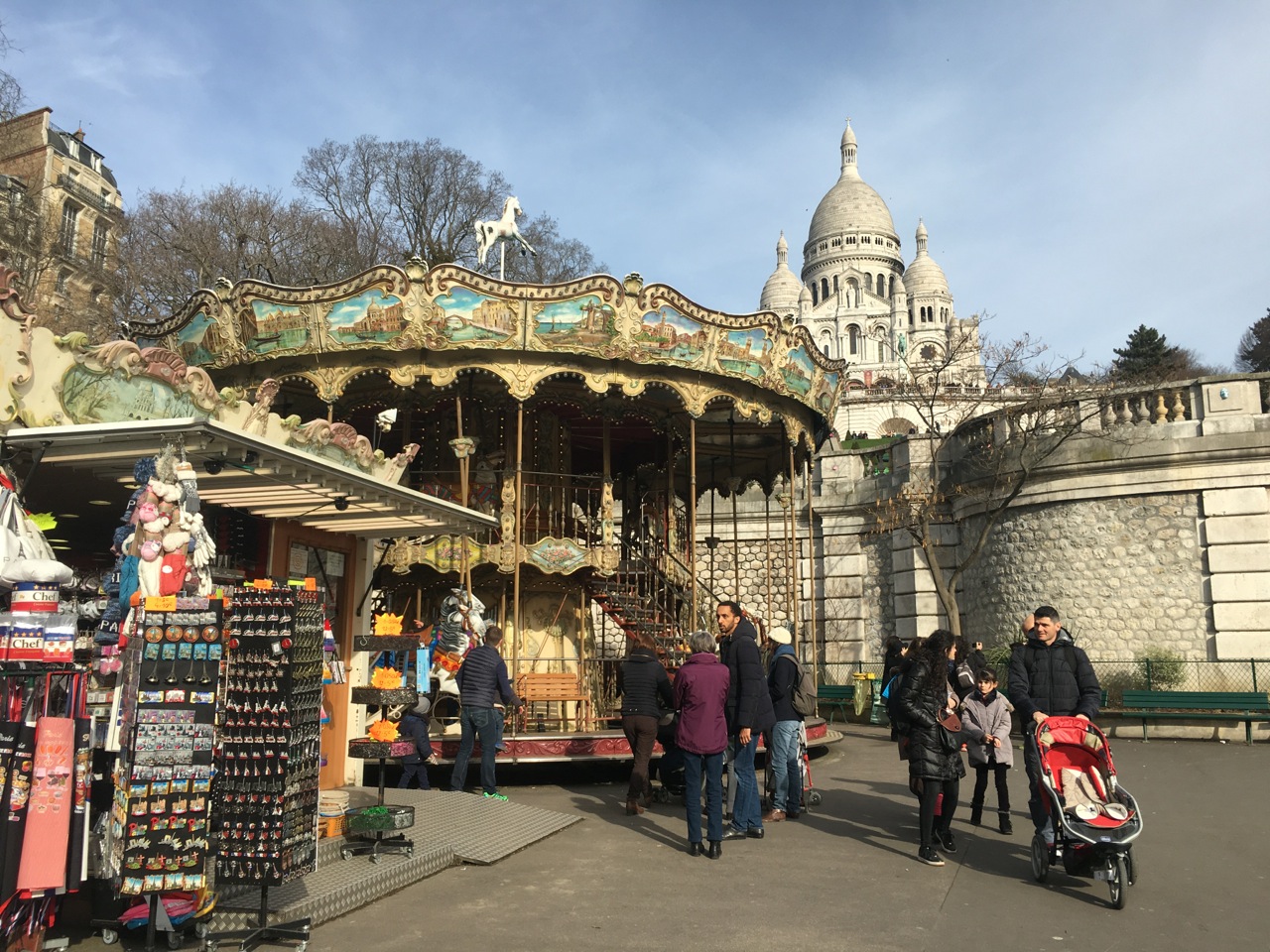
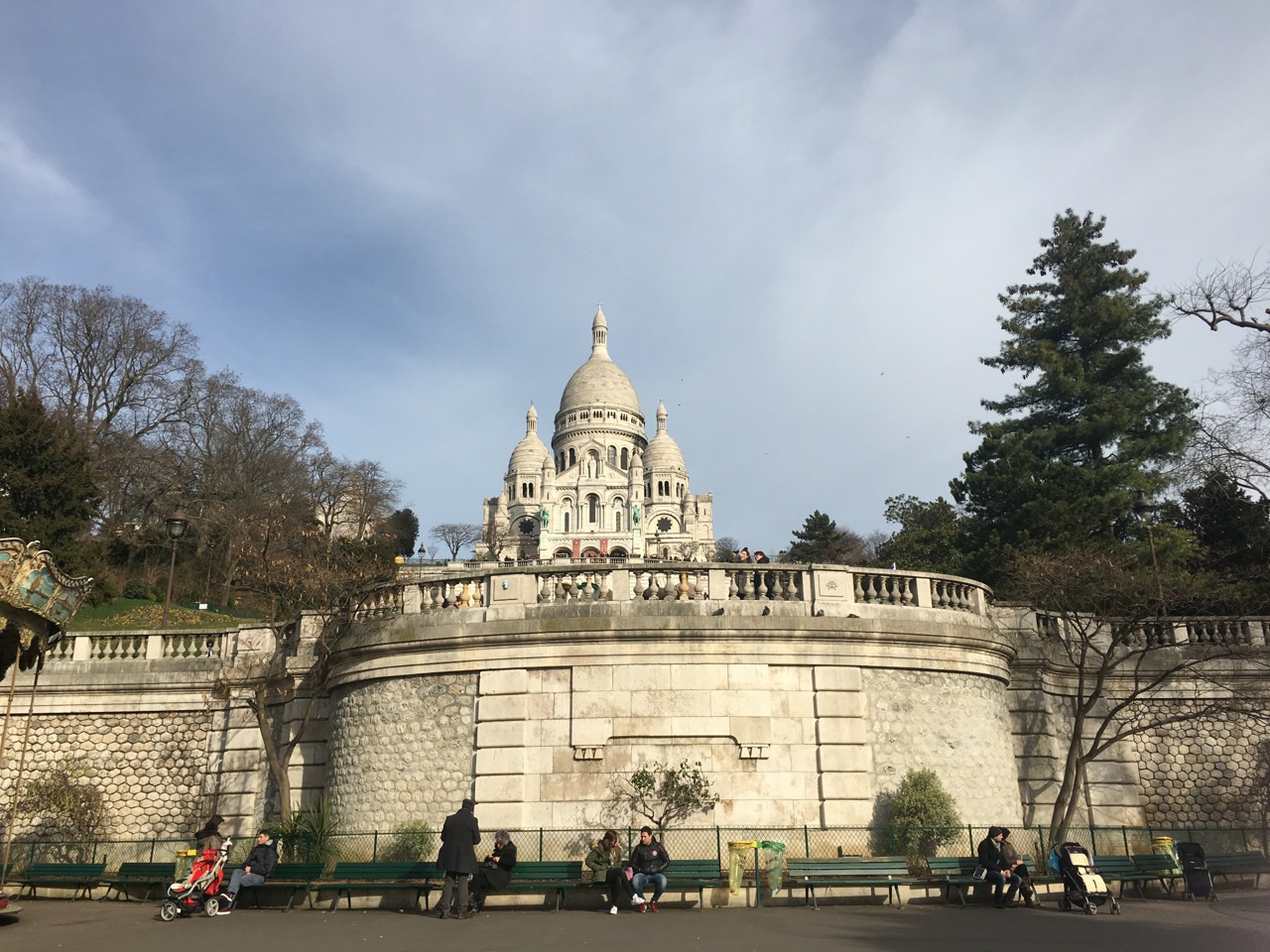
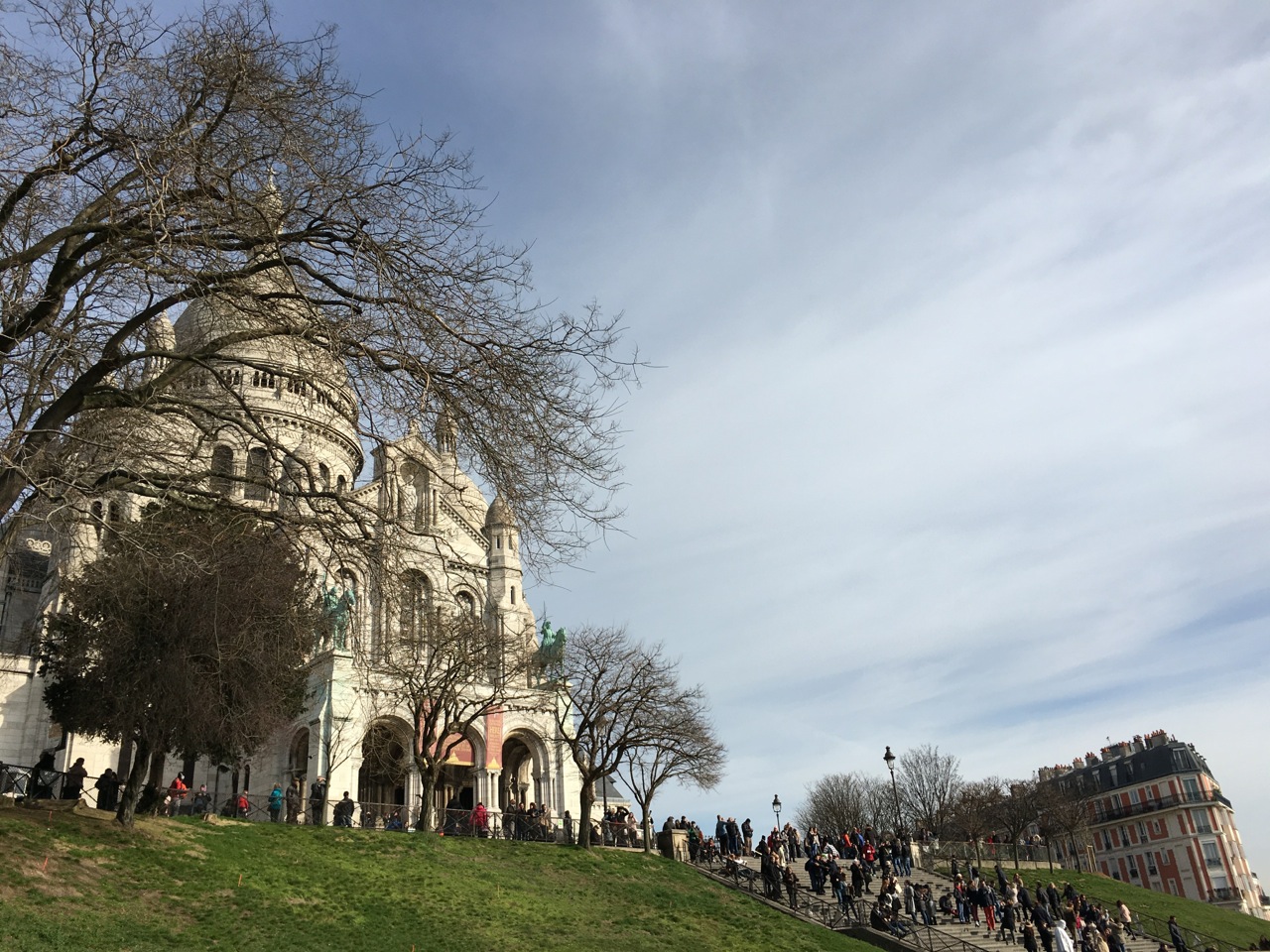
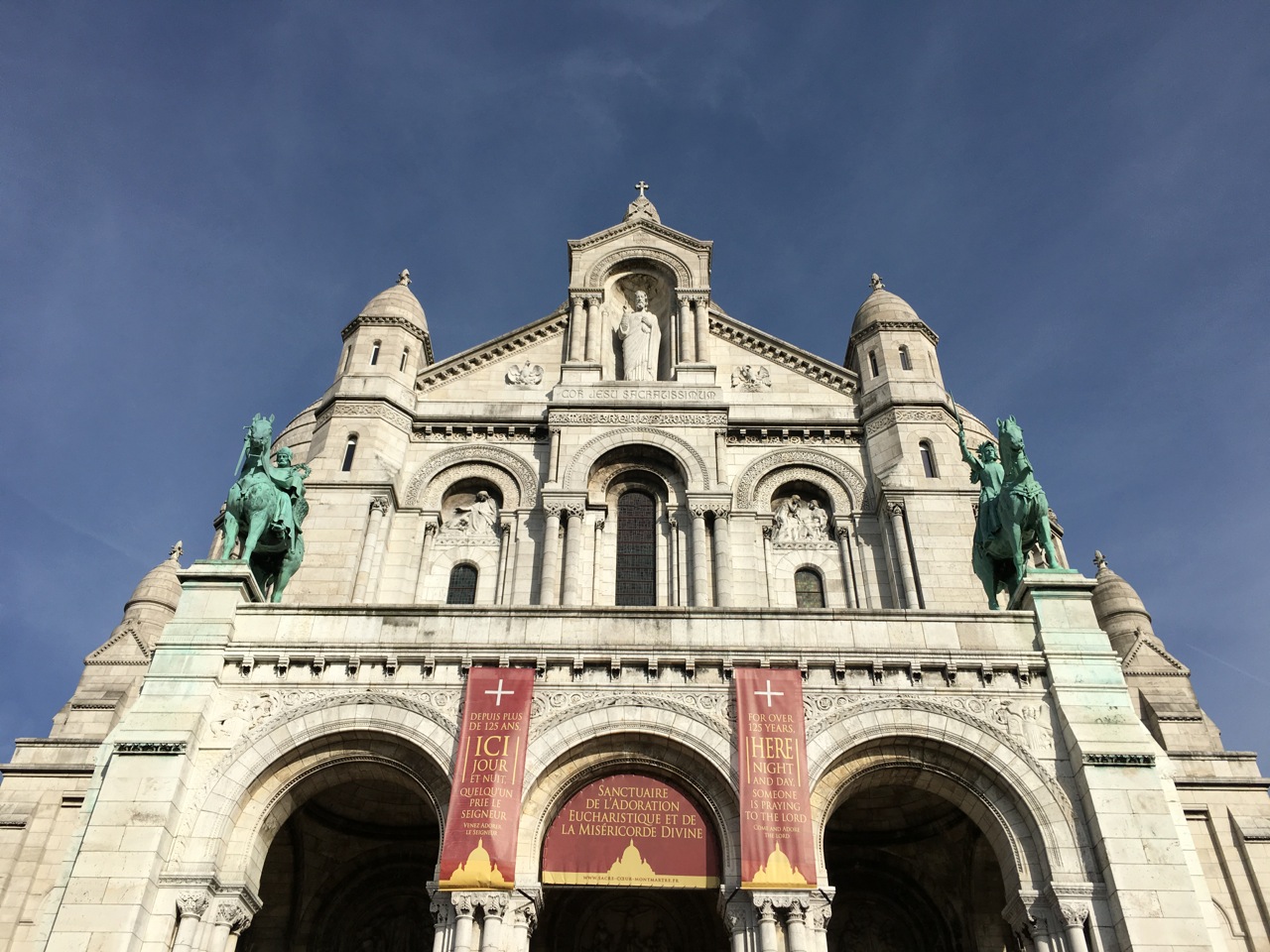
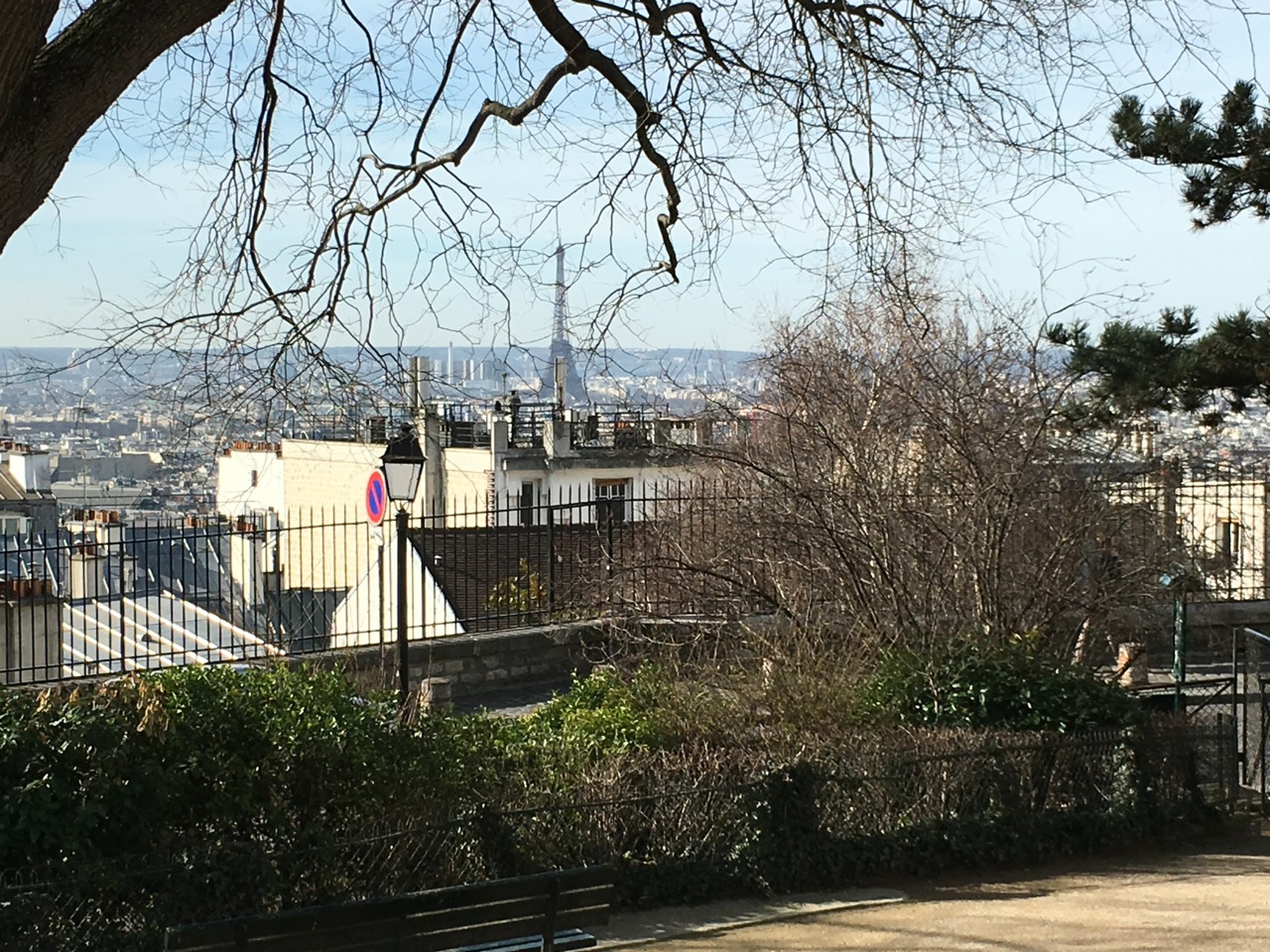
On your way up, don’t forget to turn left after the funicular and head to the corner of rue Azaïs and rue Saint Eleuthère, where you’ll get a one-of-a-kind view of Paris and the Eiffel Tower.
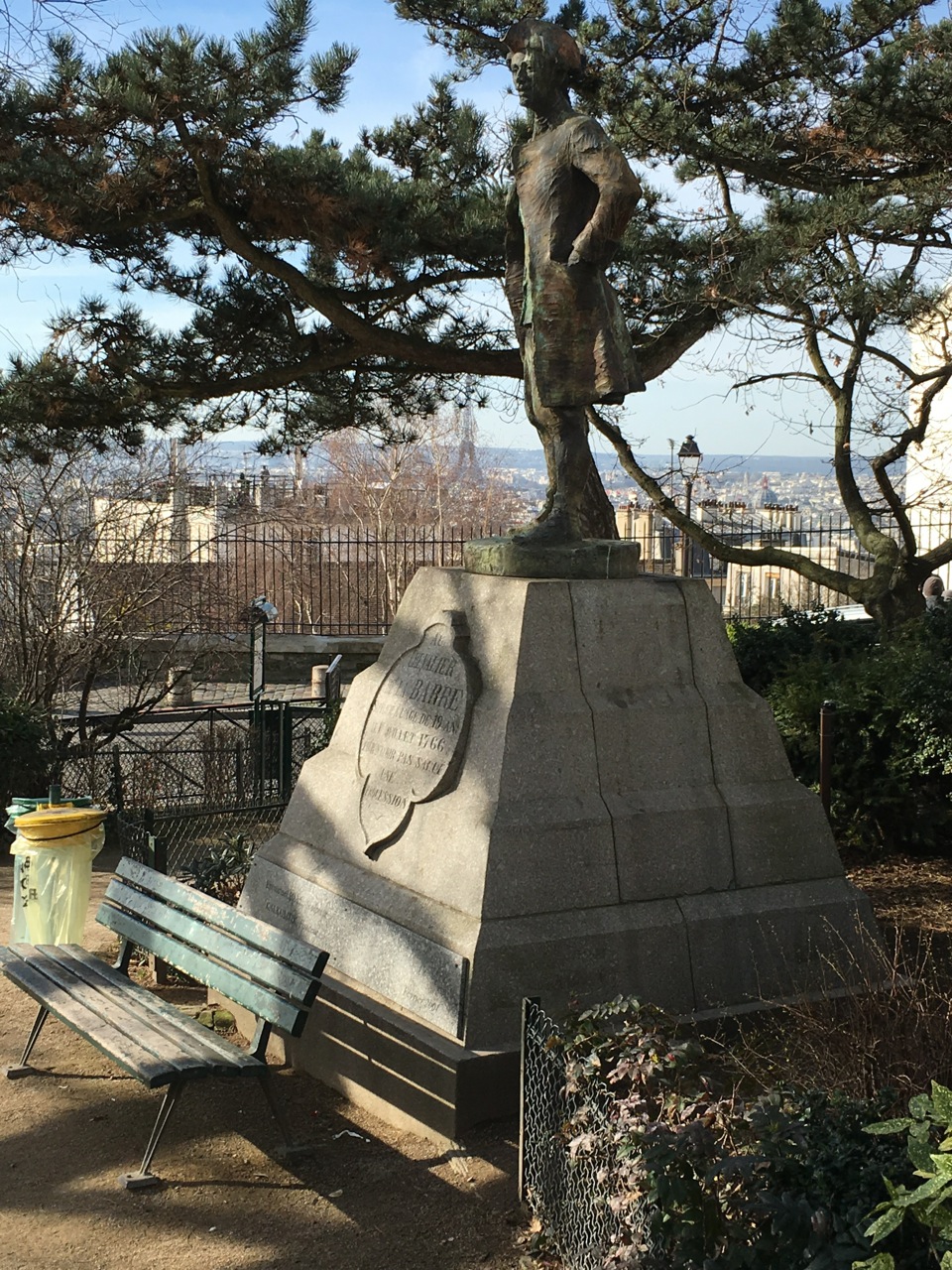
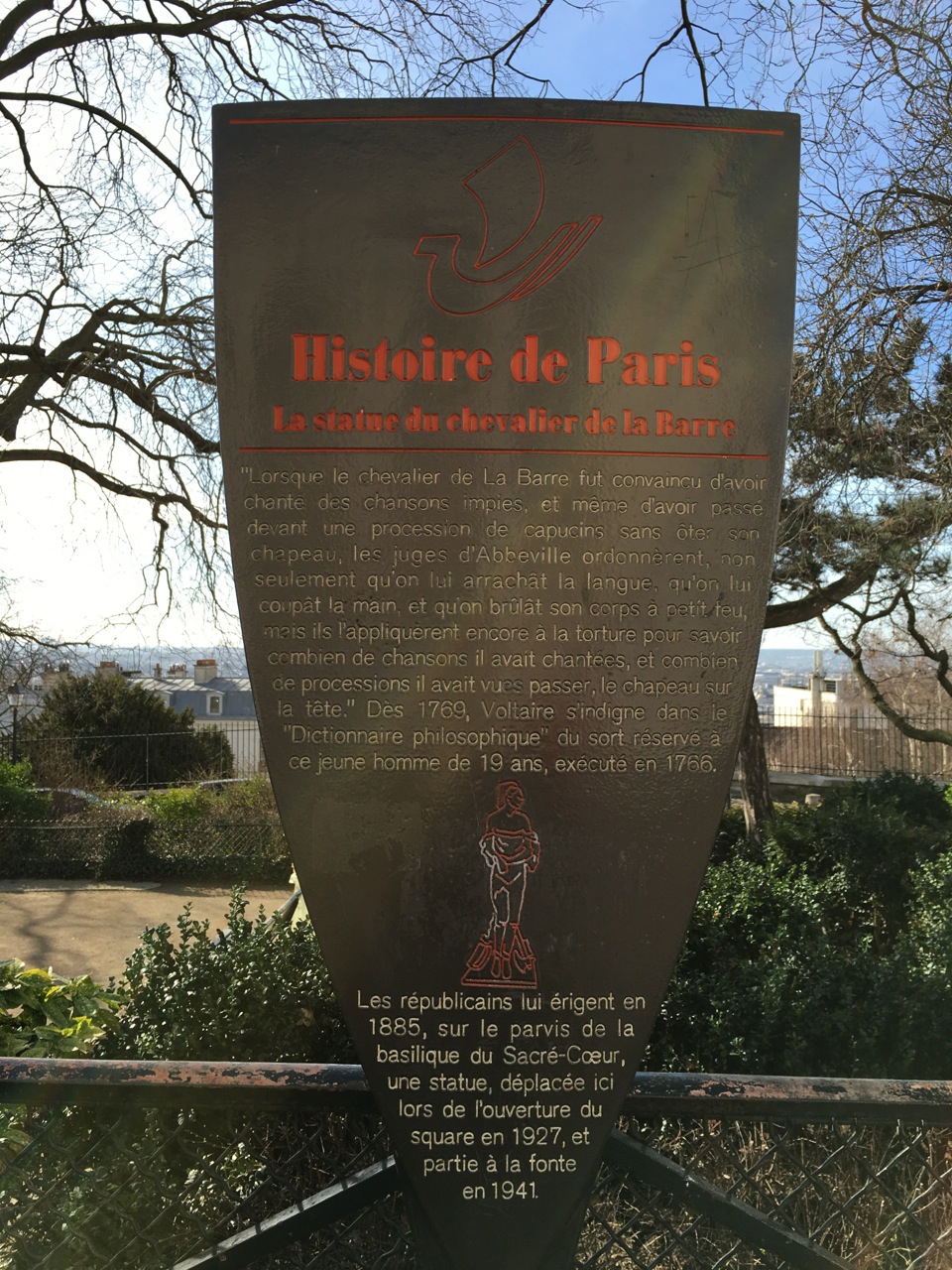
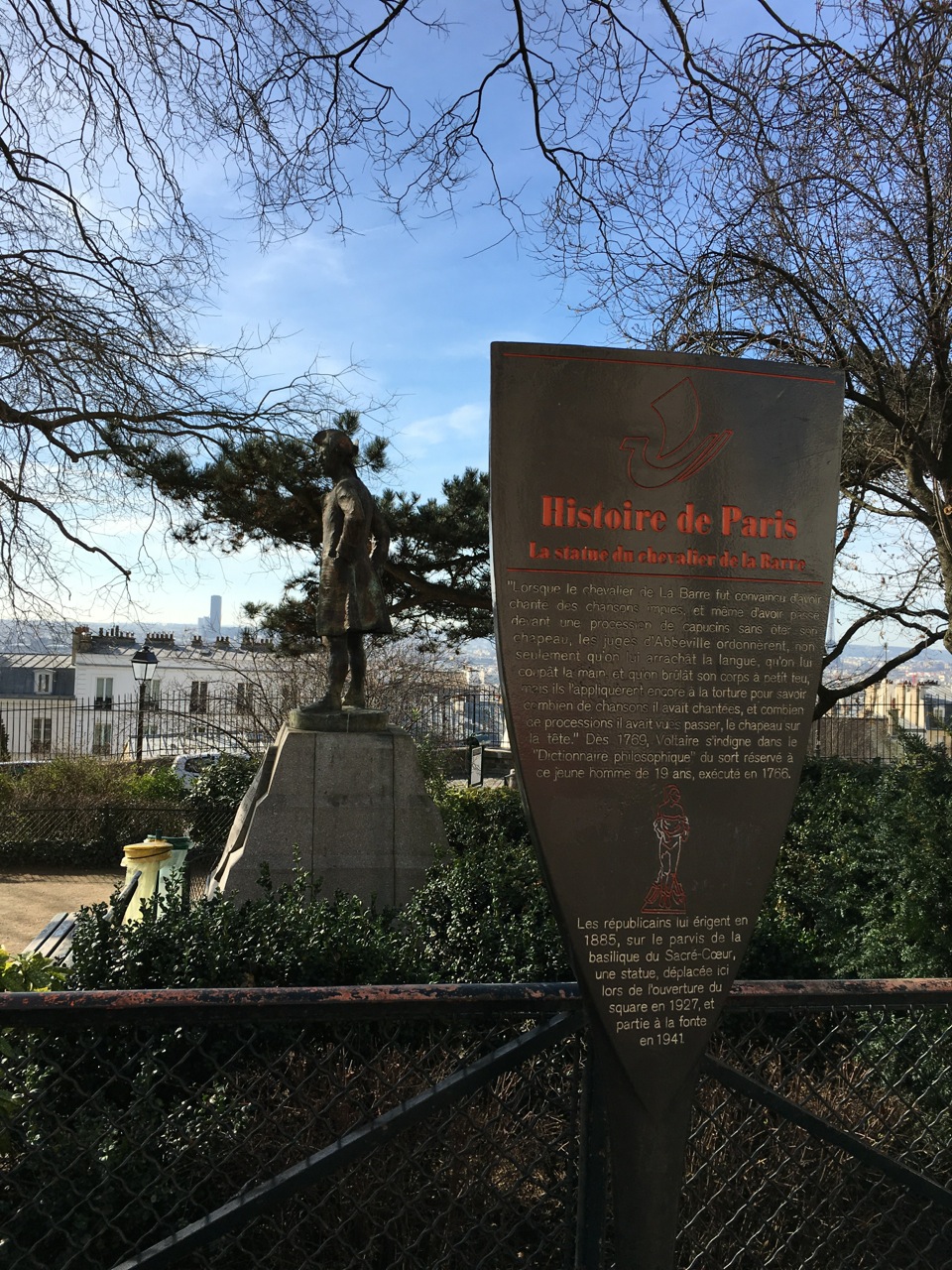
While you’re there, look out for the statue of the chevalier de la Barre, the knight who was executed at 19 for refusing to take off his hat as a procession passed.
But where does the name Montmartre come from?
There are two versions of the story.
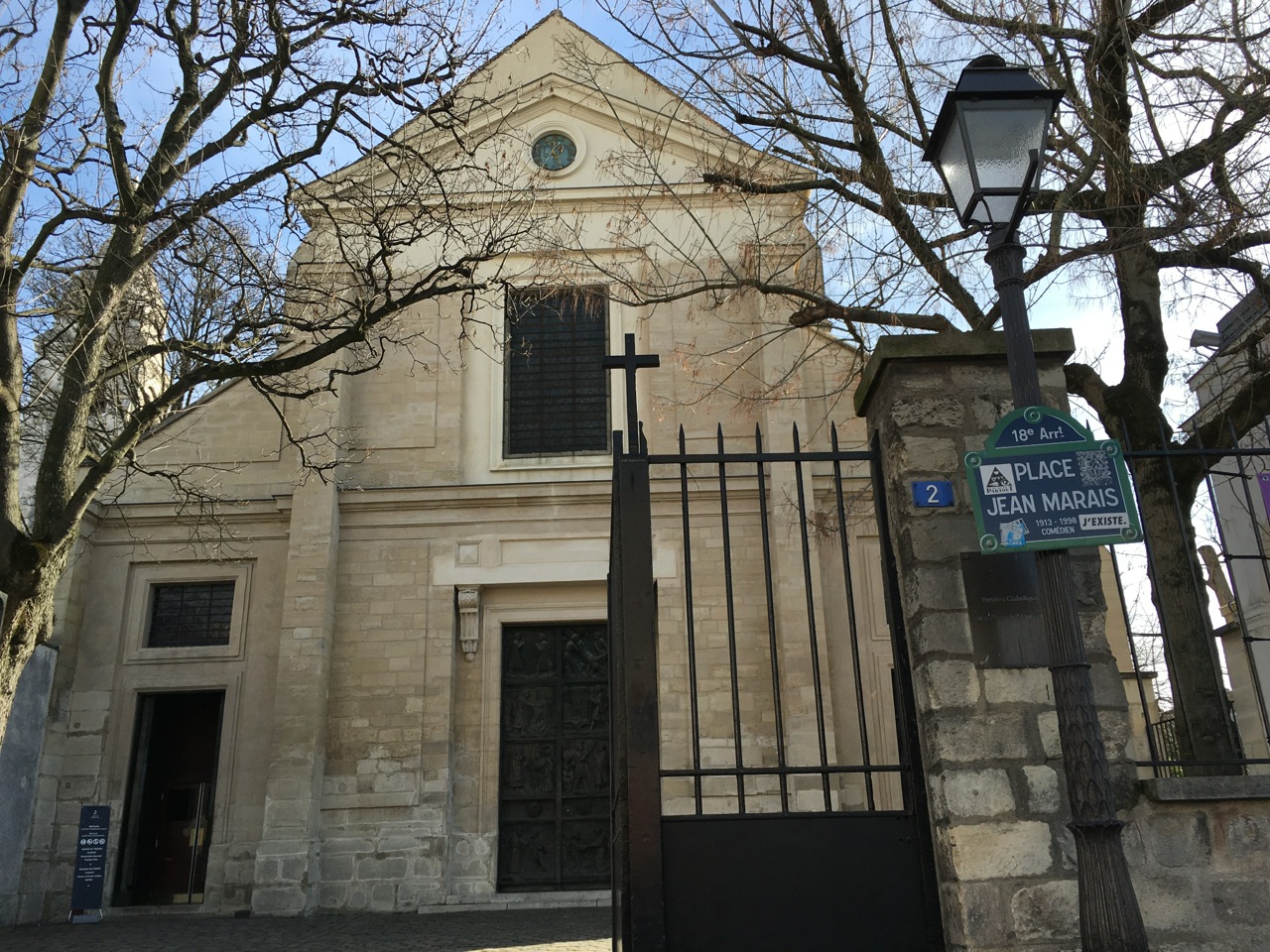
One has to do with a Roman temple on the site of what is now the basilica of Saint Pierre, behind Sacré Coeur. Inside the basilica are two columns apparently salvaged from the ruins of that temple, which was dedicated to Mars. So that may be where the hill got its name.
The other version, which I personally prefer, traces it to the martyrdom of Saint Denis, the first bishop of Paris. After he was beheaded, he picked up his head and carried it in his hands all the way to Saint Denis, where he collapsed.
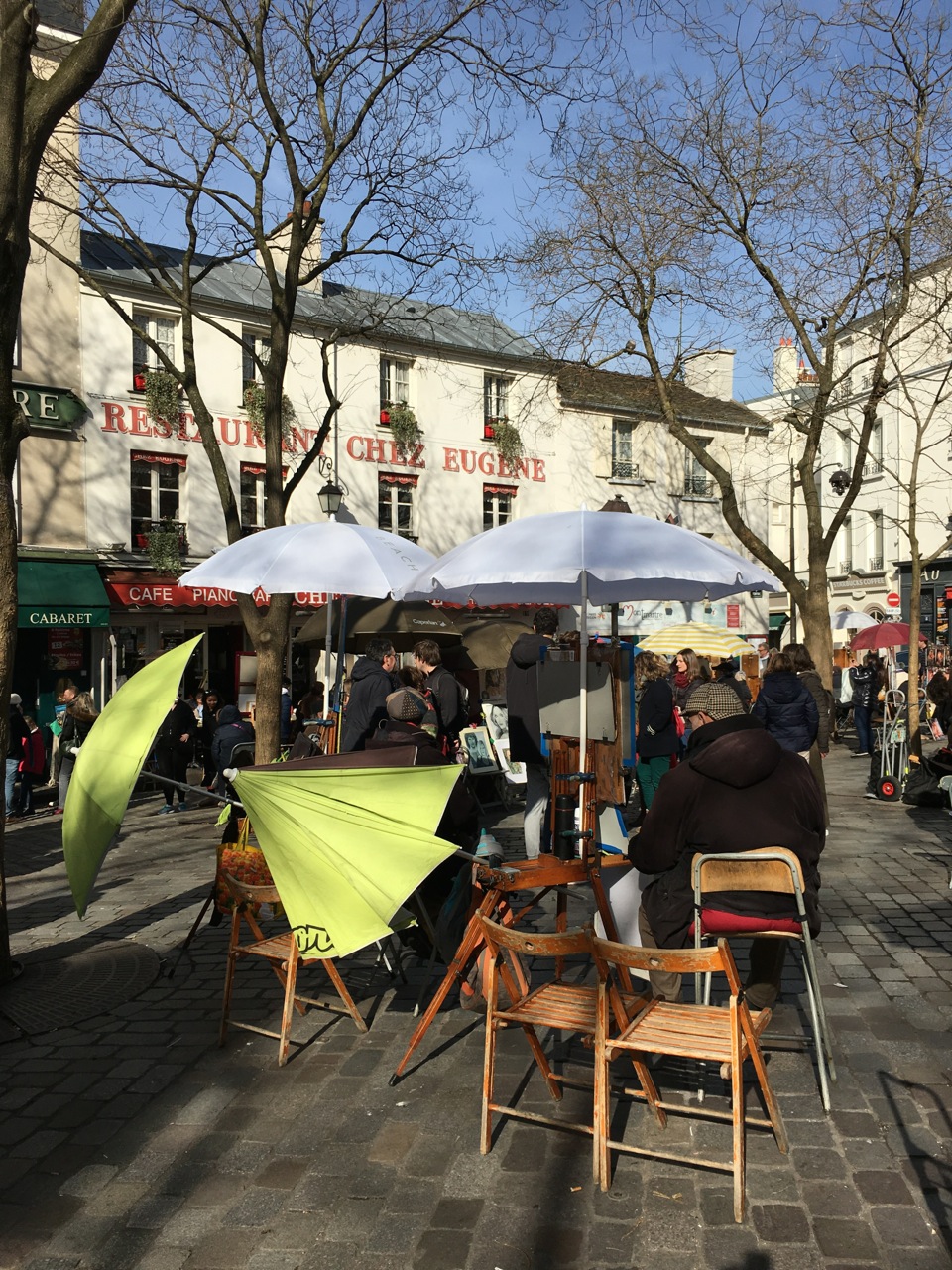
Exploring Montmartre also means getting to know the neighborhood through the eyes and lives of the artists who lived here, as well as the ones you’ll find here today, on place du Tertre, for instance.
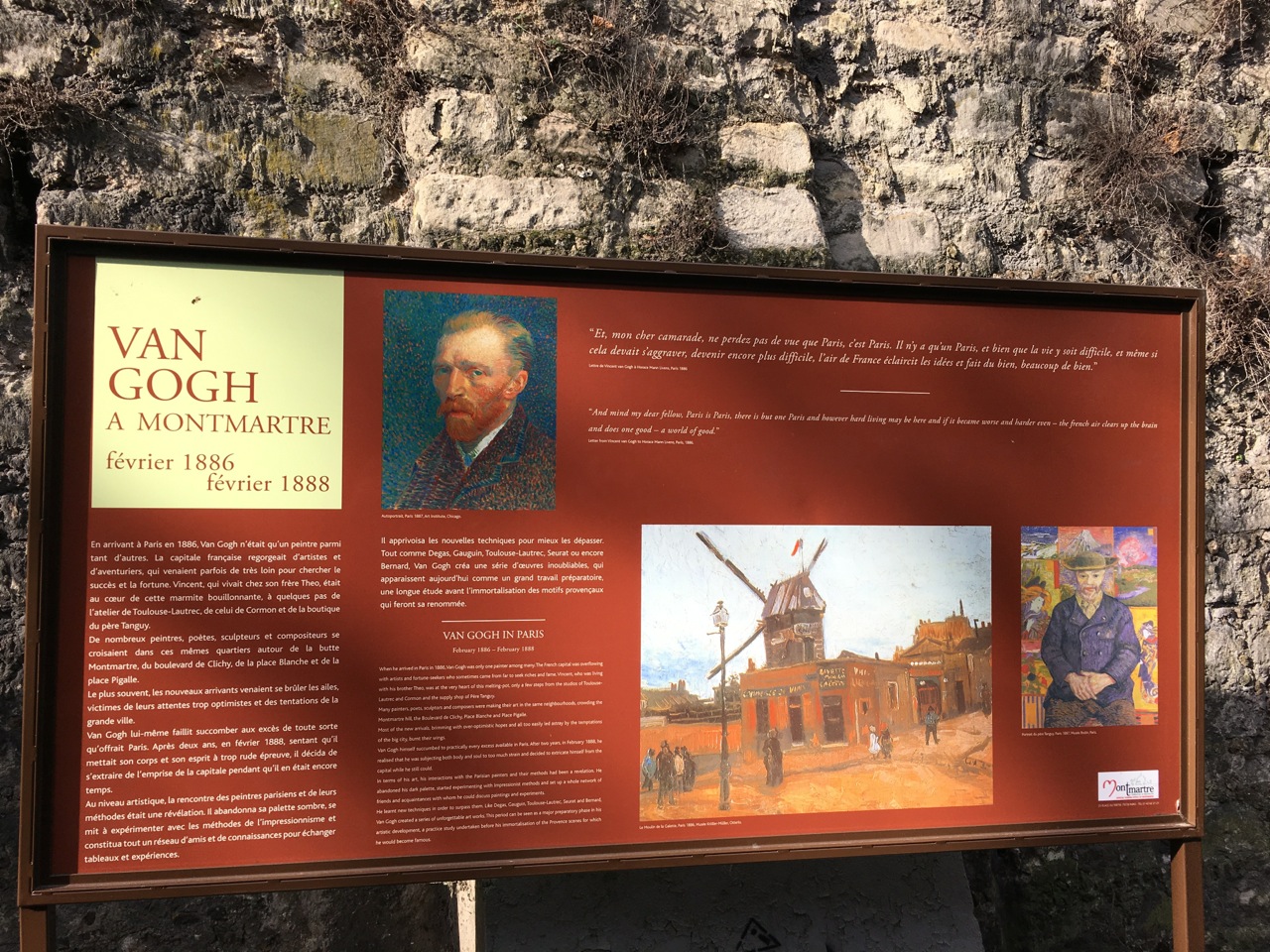
Van Gogh is one of the famous names who left their mark on the hill, even if he didn’t live here the way Renoir or Pissaro did.
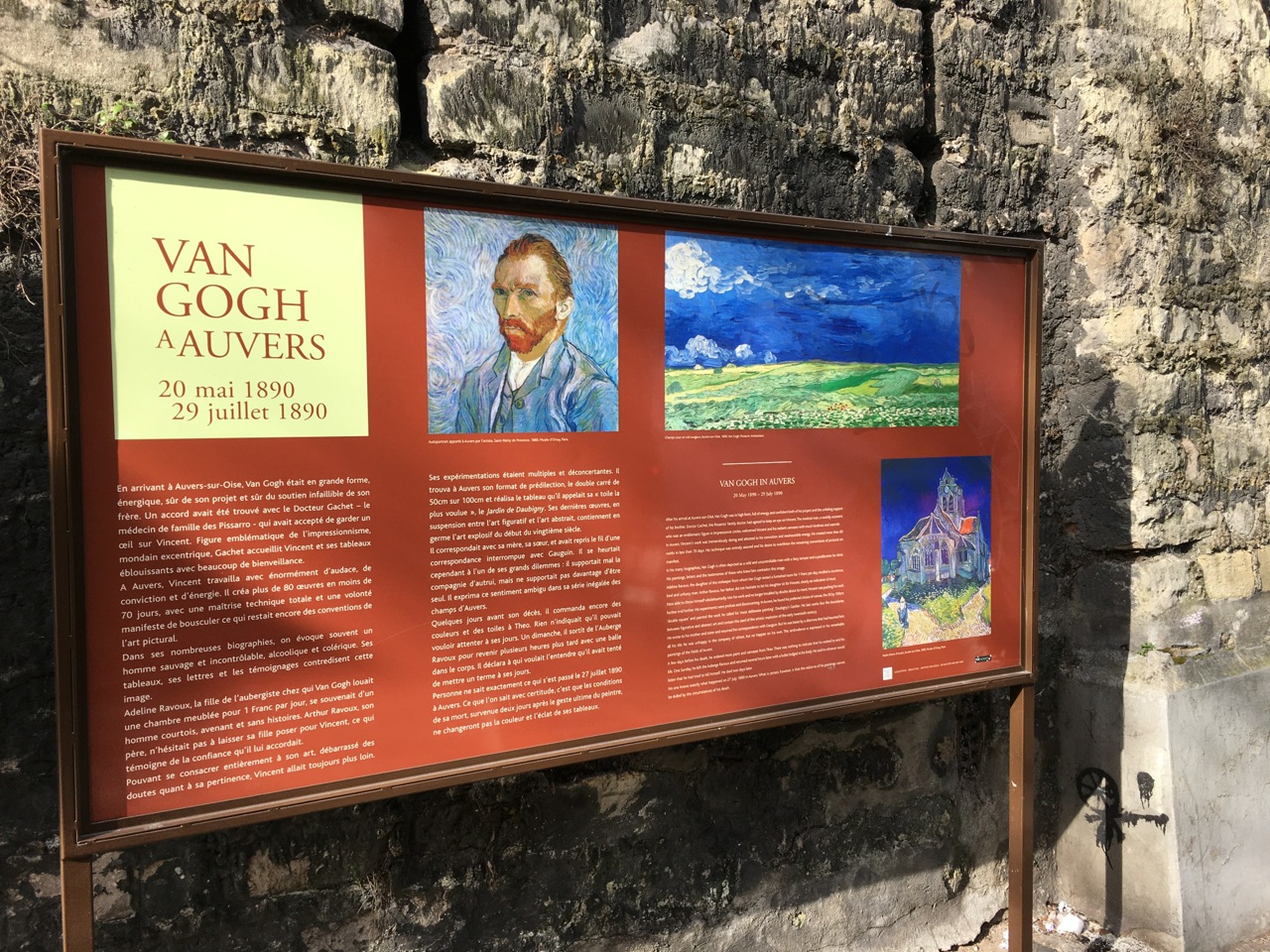
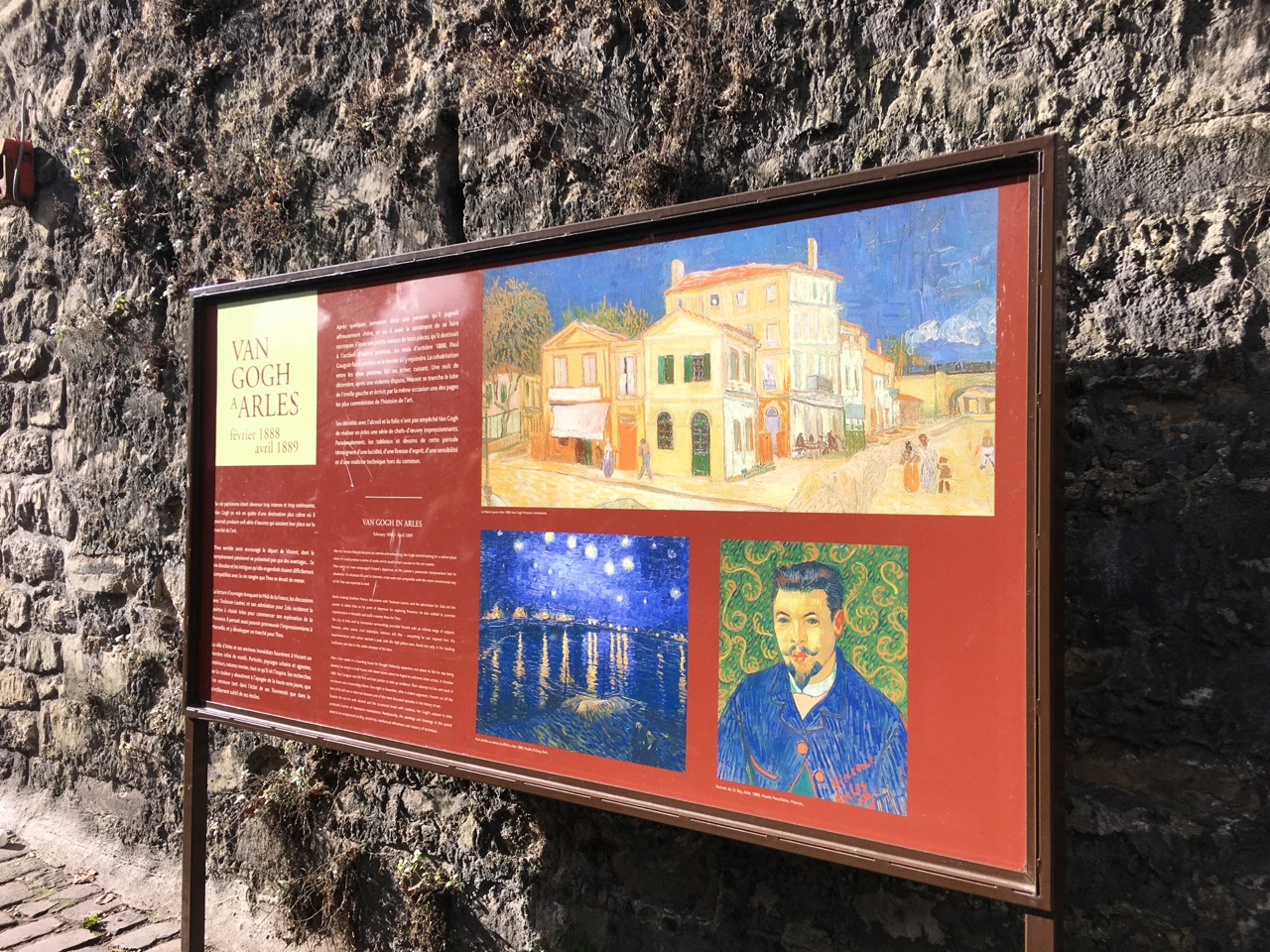
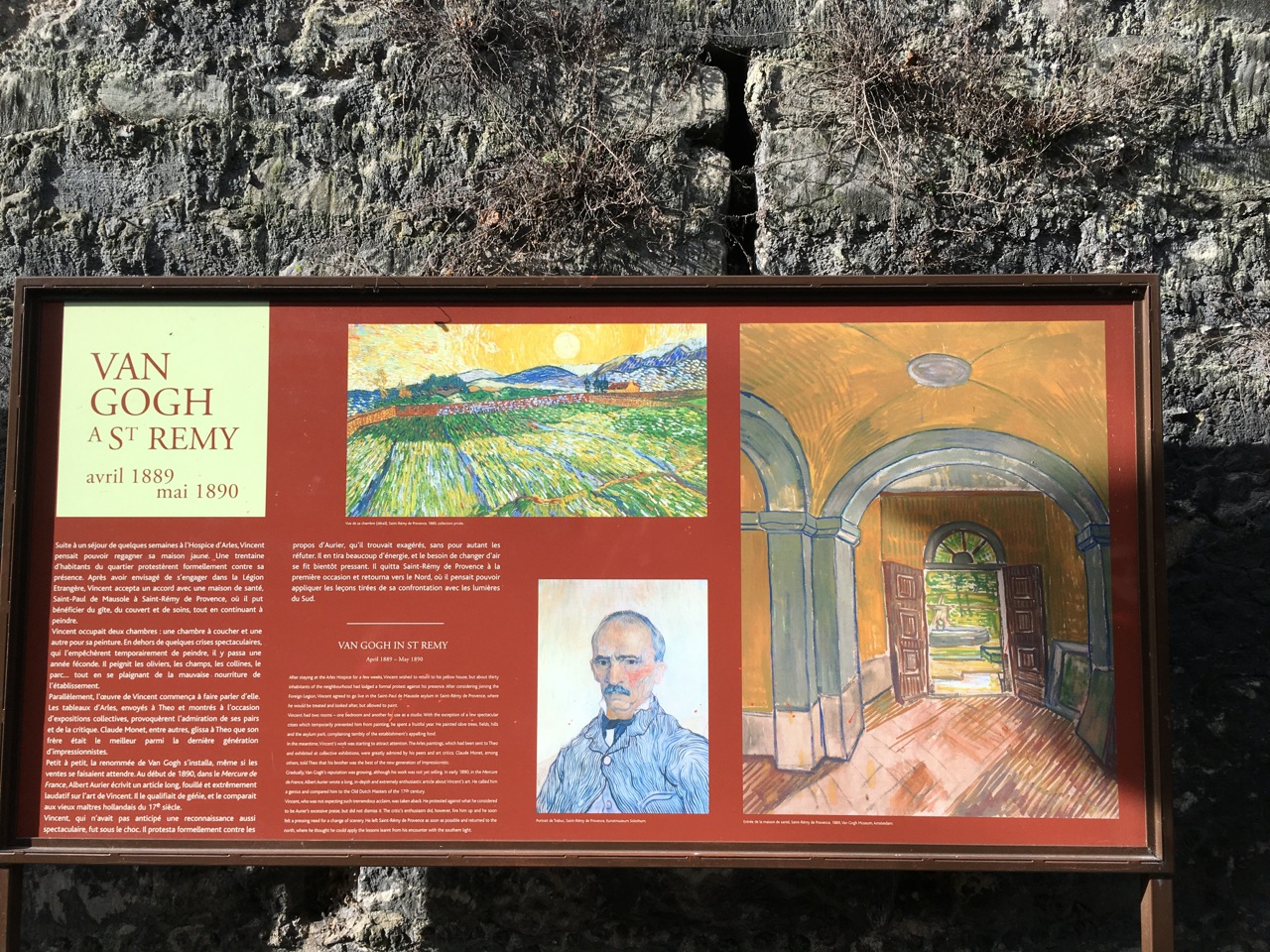
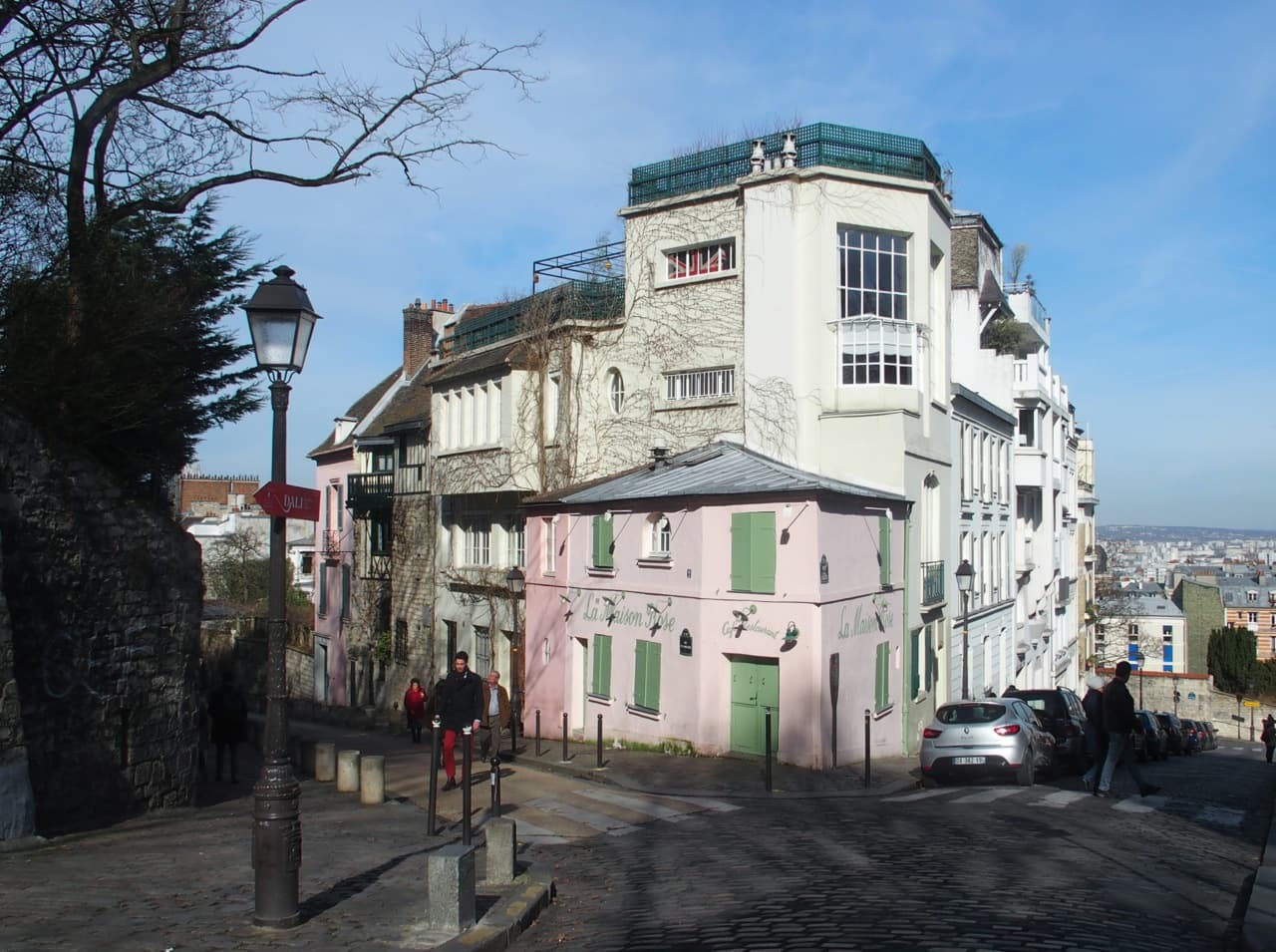
There’s Utrillo, too, and his famous maison Rose, surely one of the most photographed buildings in the neighborhood.
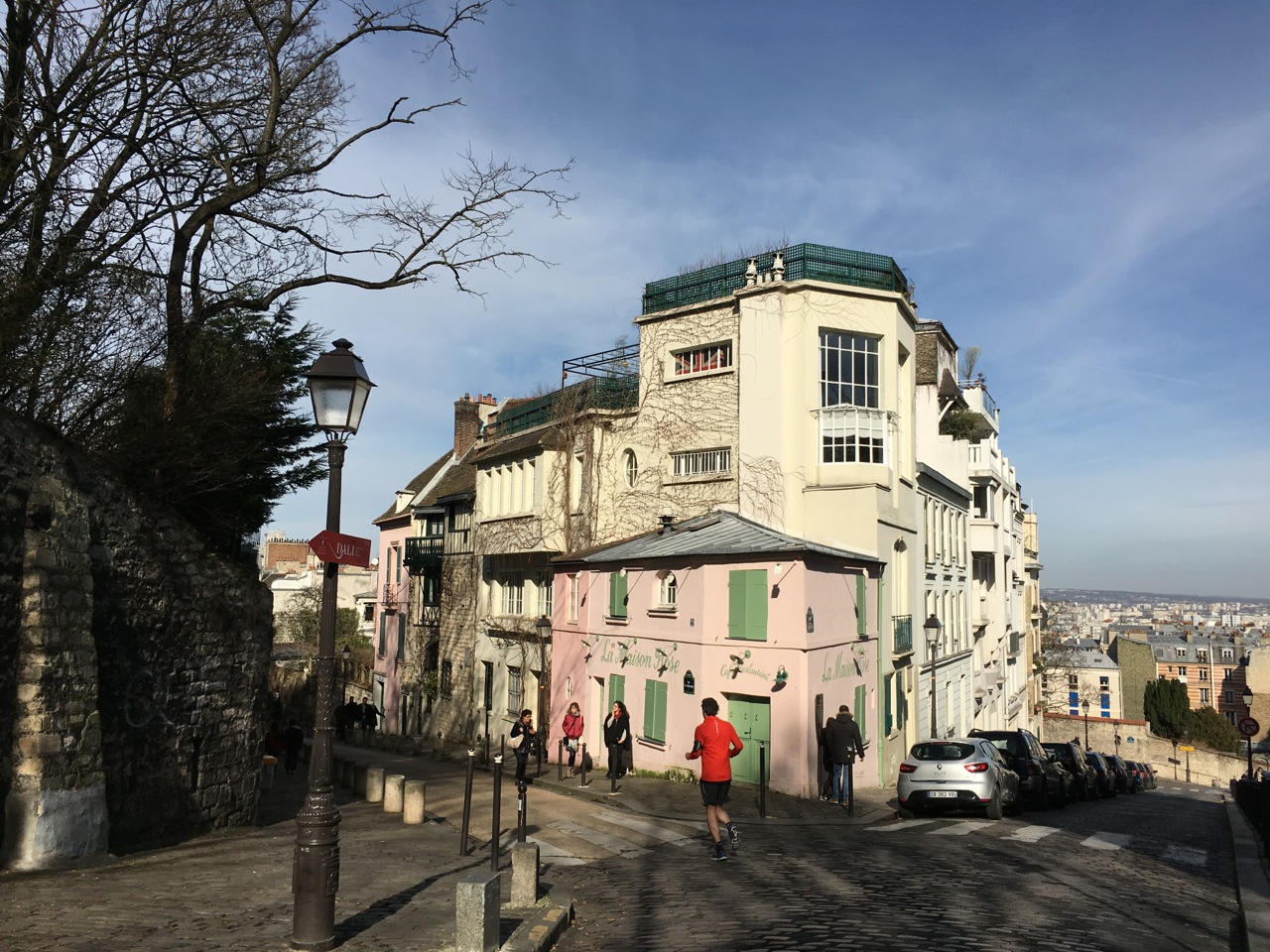
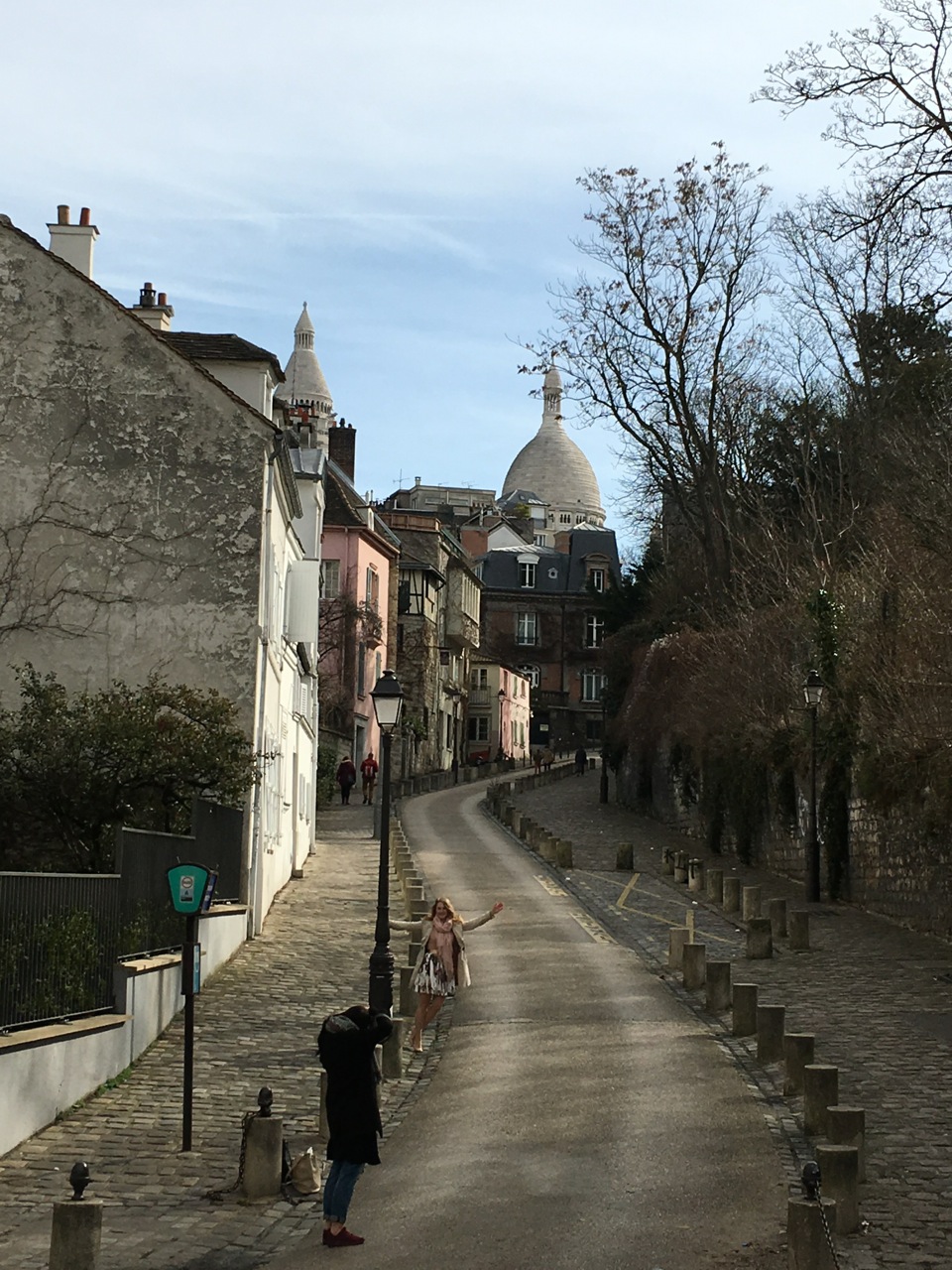
There are so many little lanes to wander down. It doesn’t take long to leave the tourist crowds behind and discover Montmartre’s quieter, hidden side.
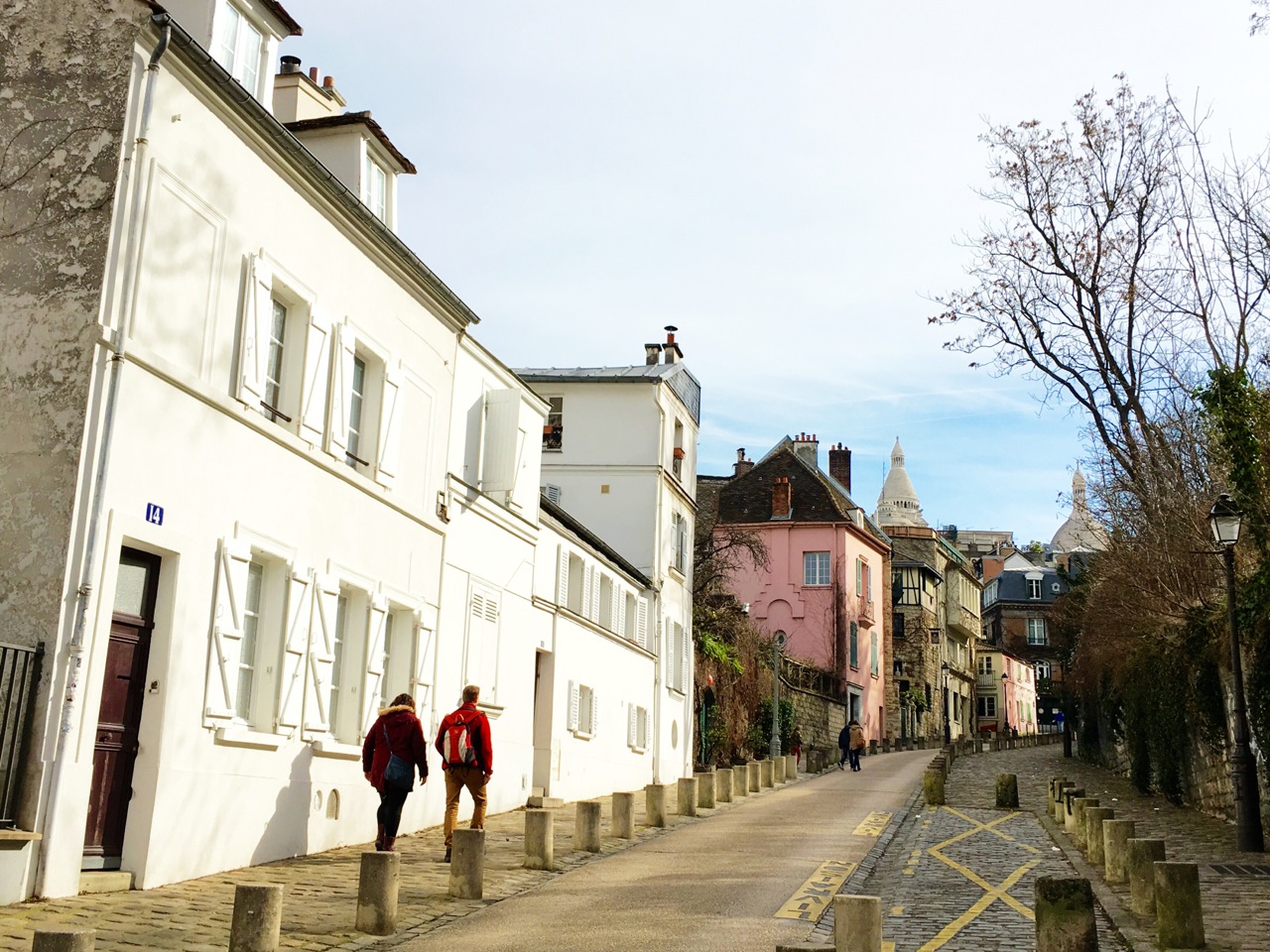
It’s the side that models and photographers, amateurs and pros alike, are especially fond of.
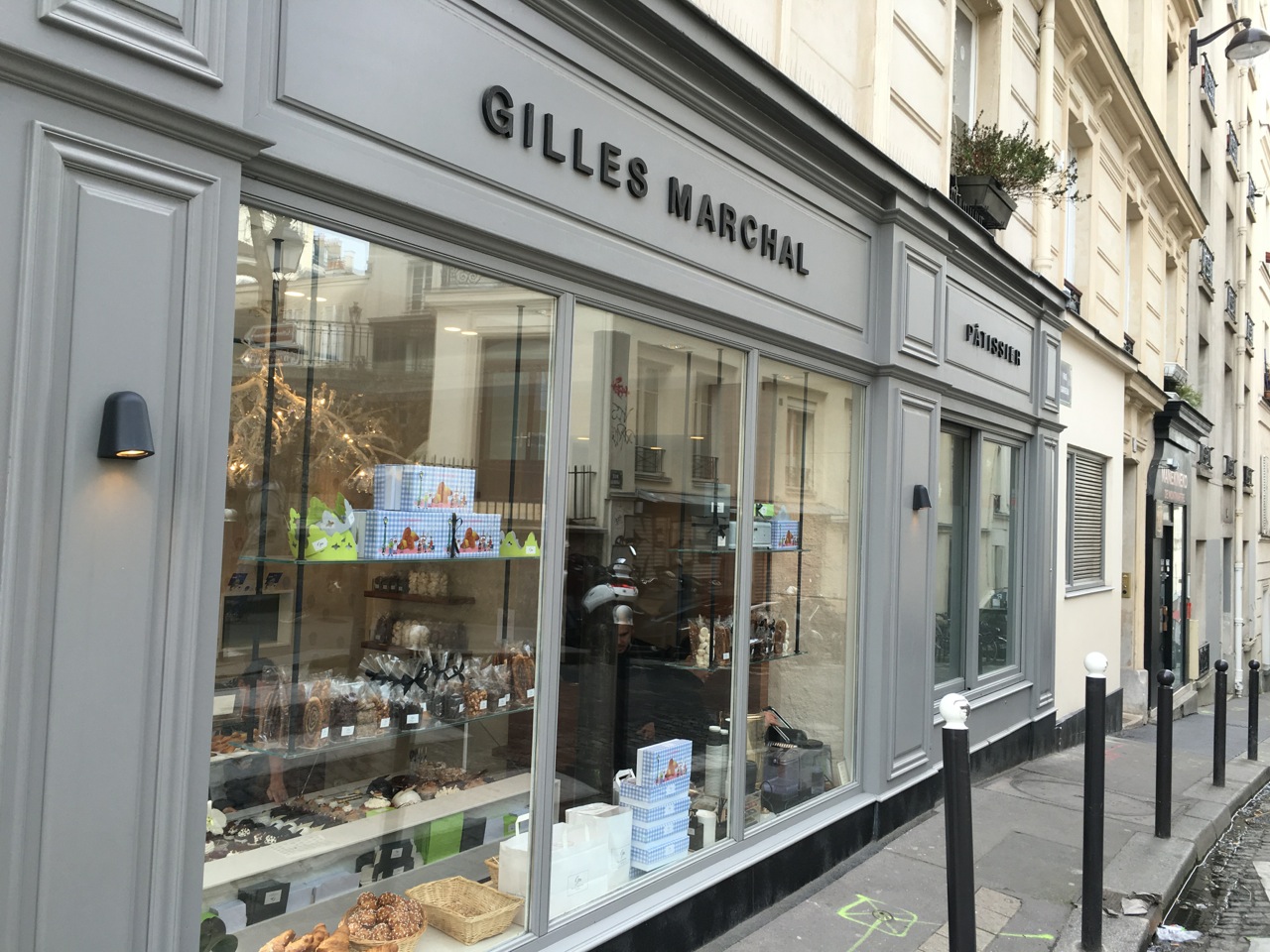
On the way back down, you’ll come across a recently opened pastry shop run by Gilles Marchal.
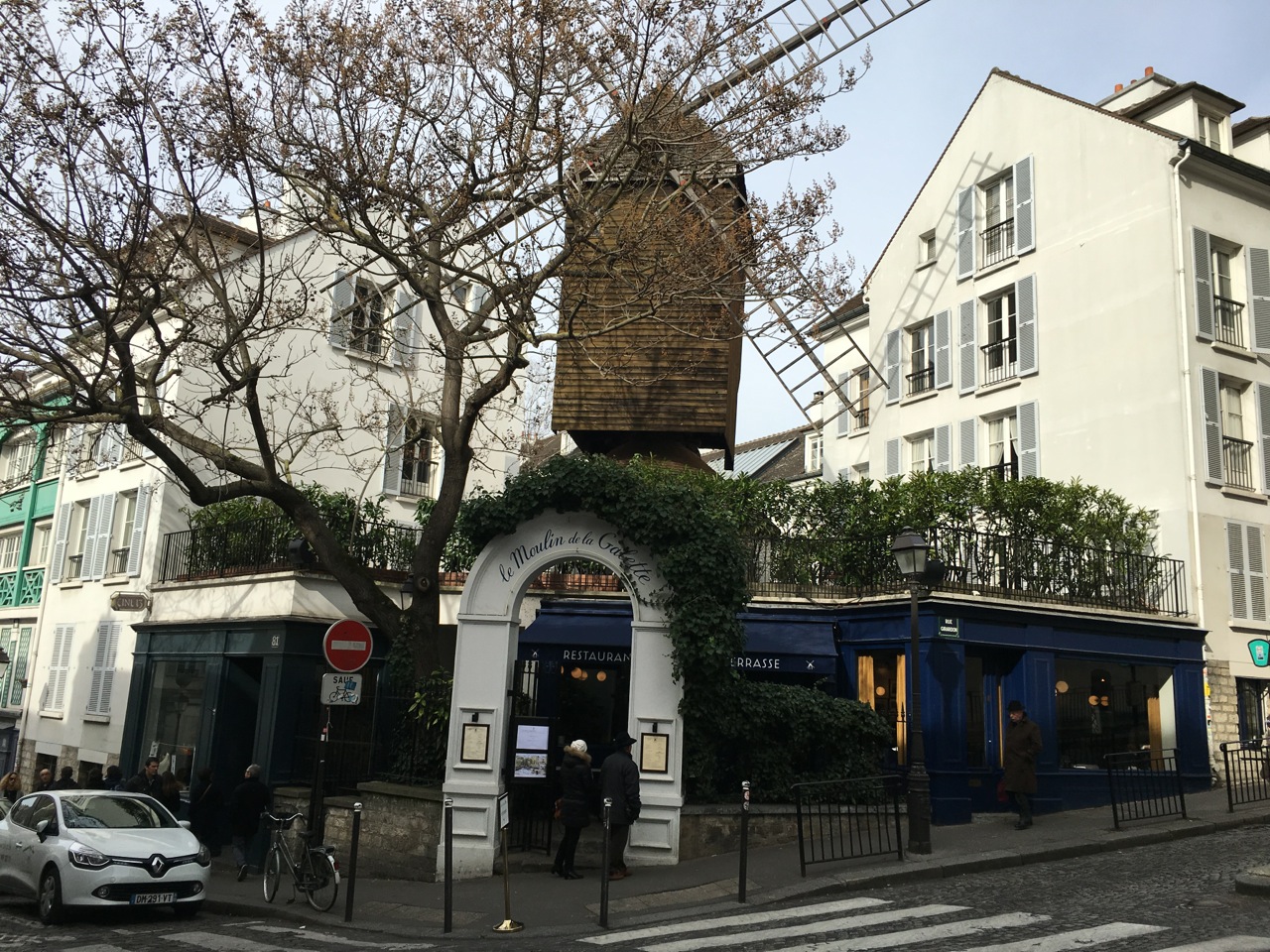
And there’s also the famous Moulin de la Galette.
And of course there’s Abbesses, with its cafés, the mur des Je T’aime, and the deepest metro station in Paris.
As you’ve probably gathered, a two-hour guided walk is the best way to start exploring. Afterward, you’ll head off on your own, itching to discover even more!
Thank you, PariscityVision, for this lovely walk.