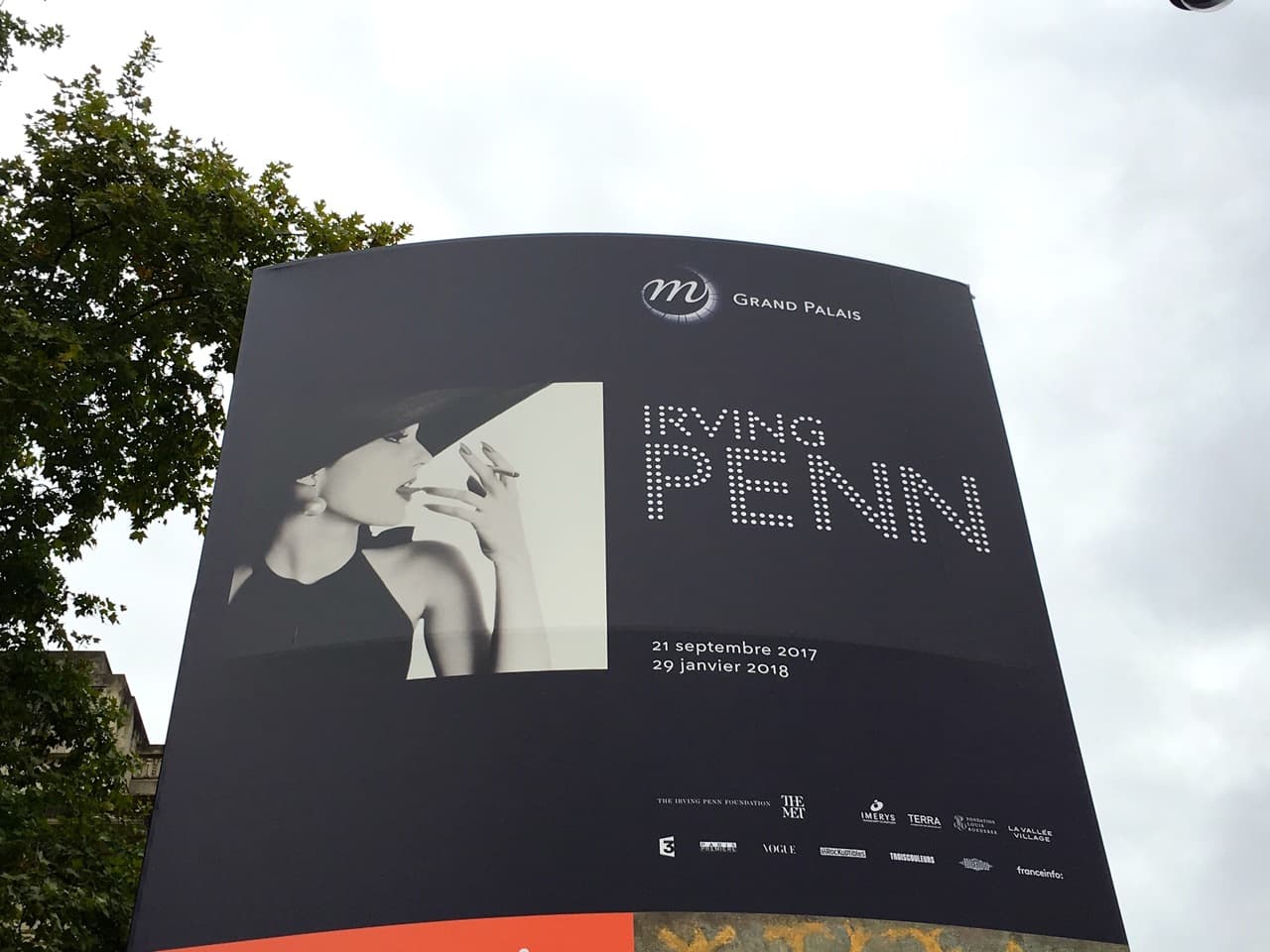
Irving Penn at the Grand Palais – photographer and artist
We know him for his famous fashion photographs and his long tenure at Vogue, but here we meet Irving Penn the sculptor, the draftsman, the artist.
His mastery of form and light really stands out in his photographs, whether he’s shooting fashion portraits or capturing people who make their living on the street.
This exhibition takes us inside his artistic world, with a focus, of course, on his Vogue years, when he got to discover new worlds and explore new artistic directions without losing his unmistakable style.
The first room introduces us to a lesser-known side of Penn. Here we discover his still lifes and his early street photographs. Carefully staged traces of life, with the people nowhere to be seen.
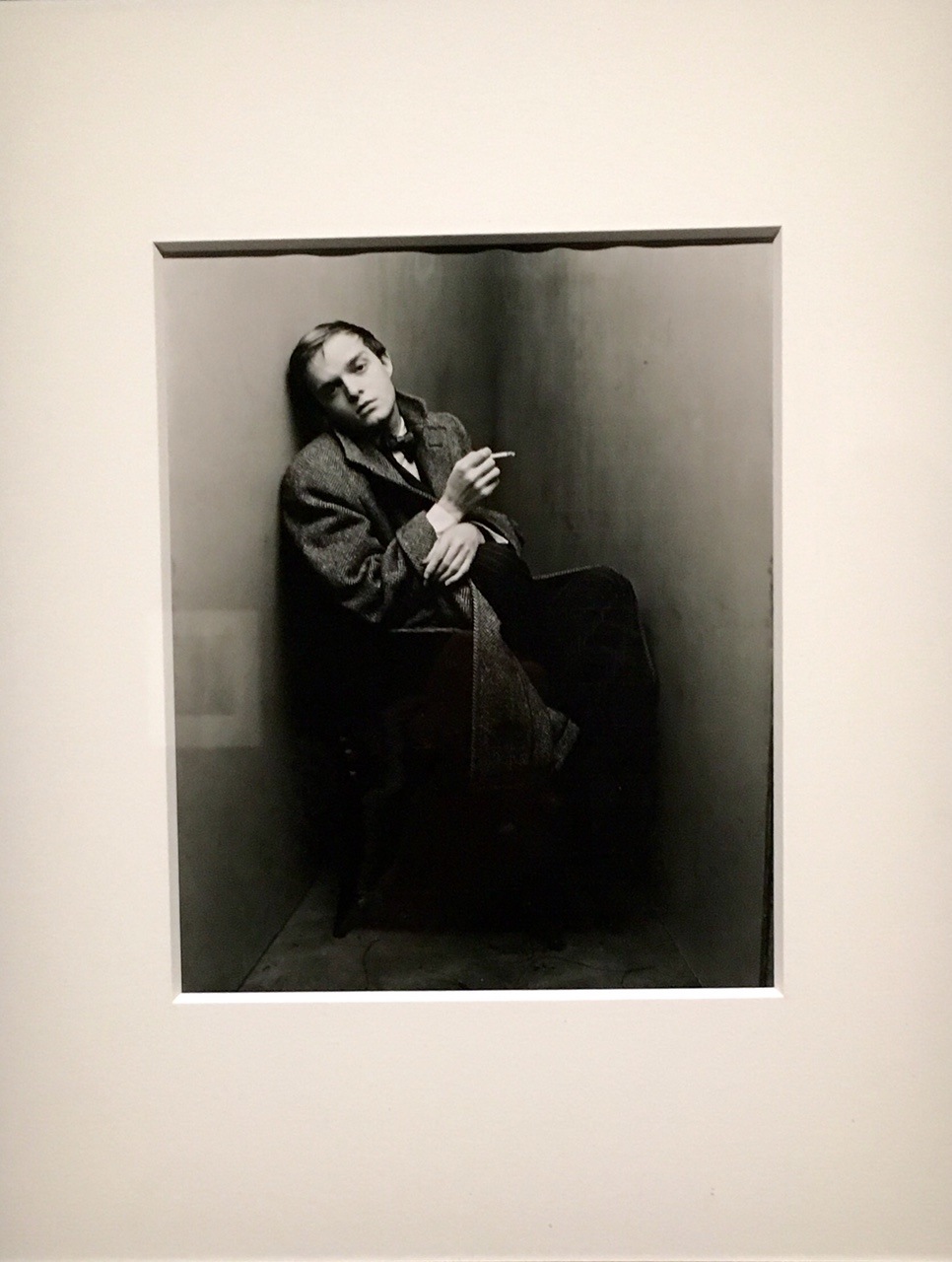
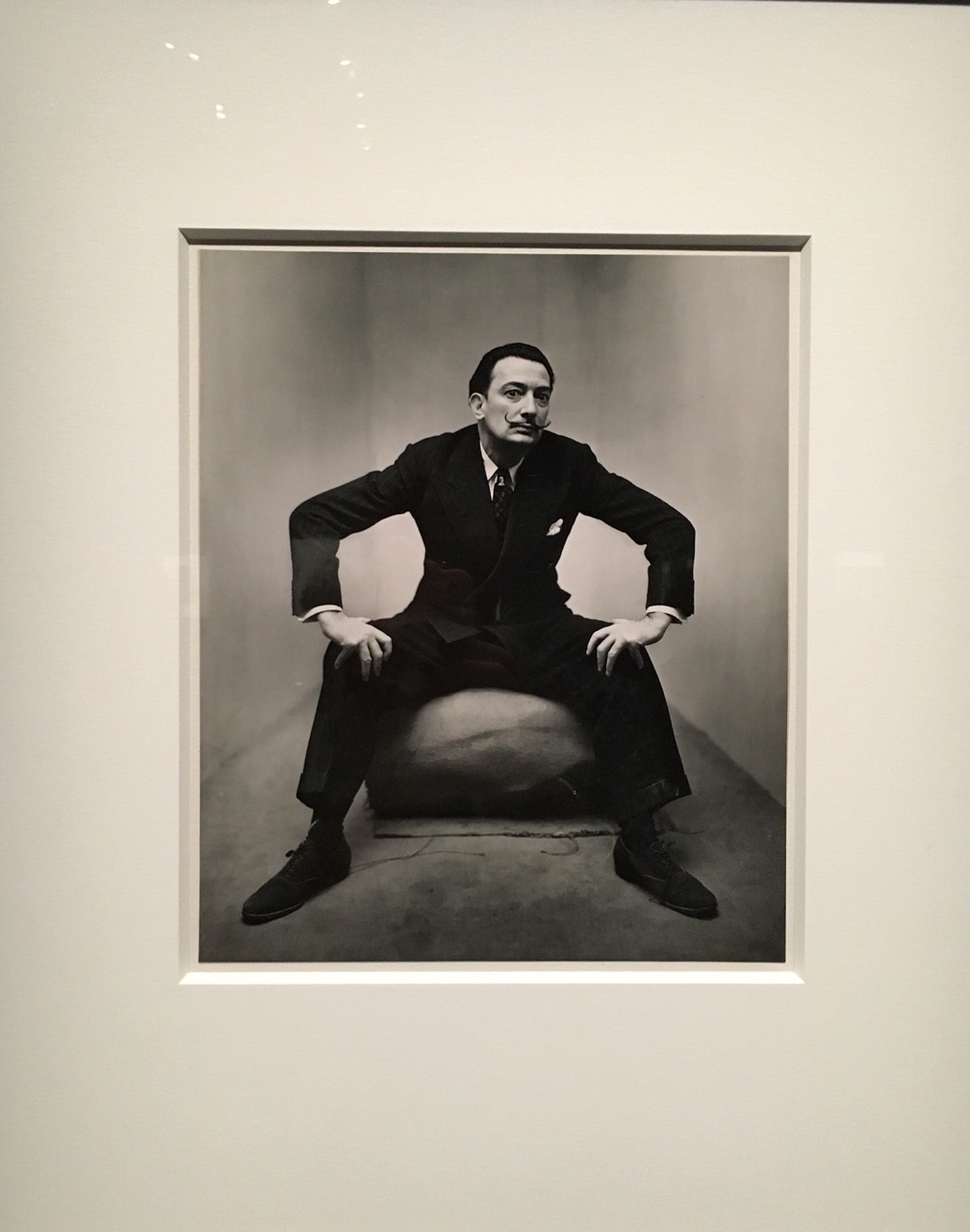
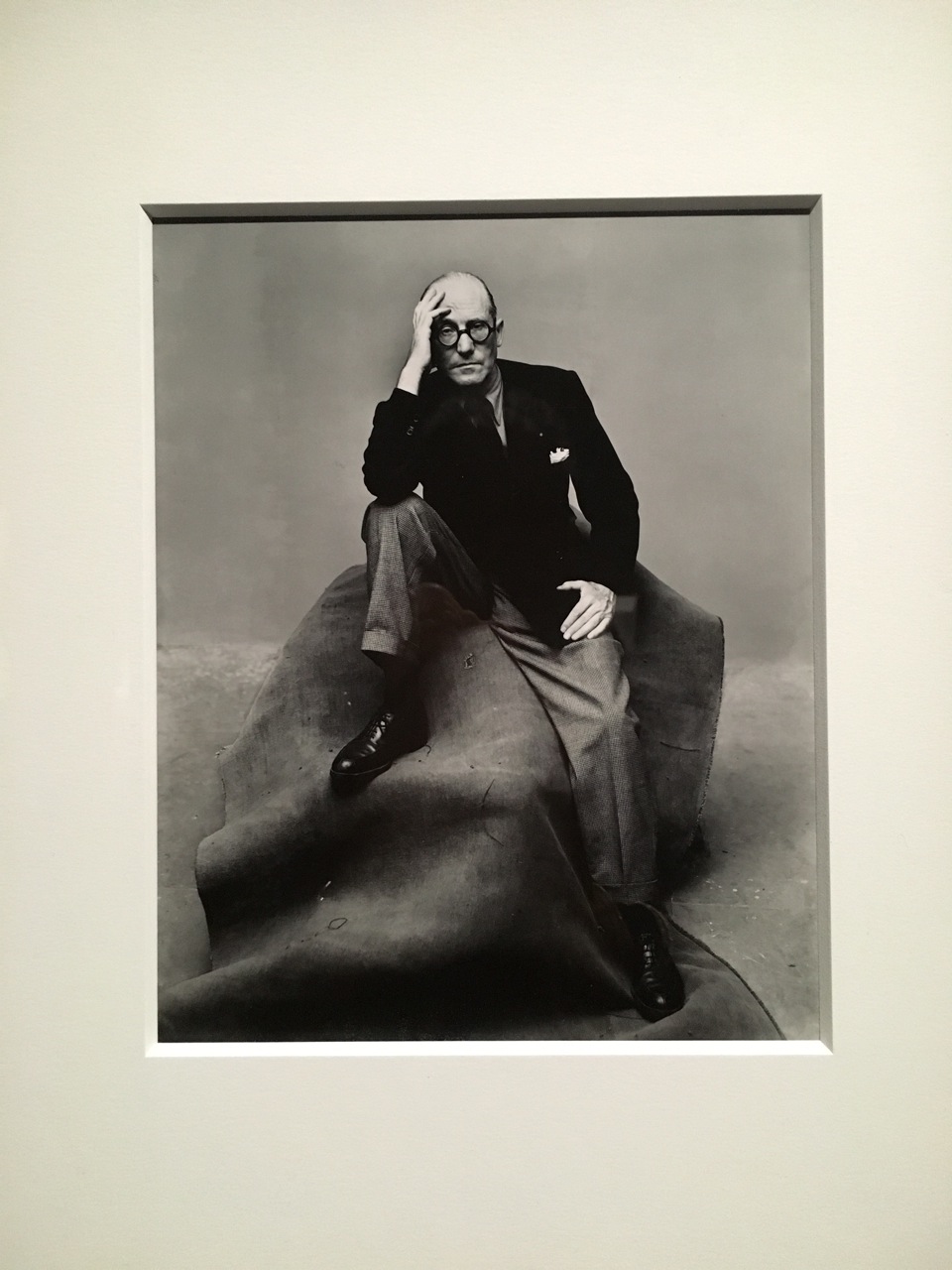
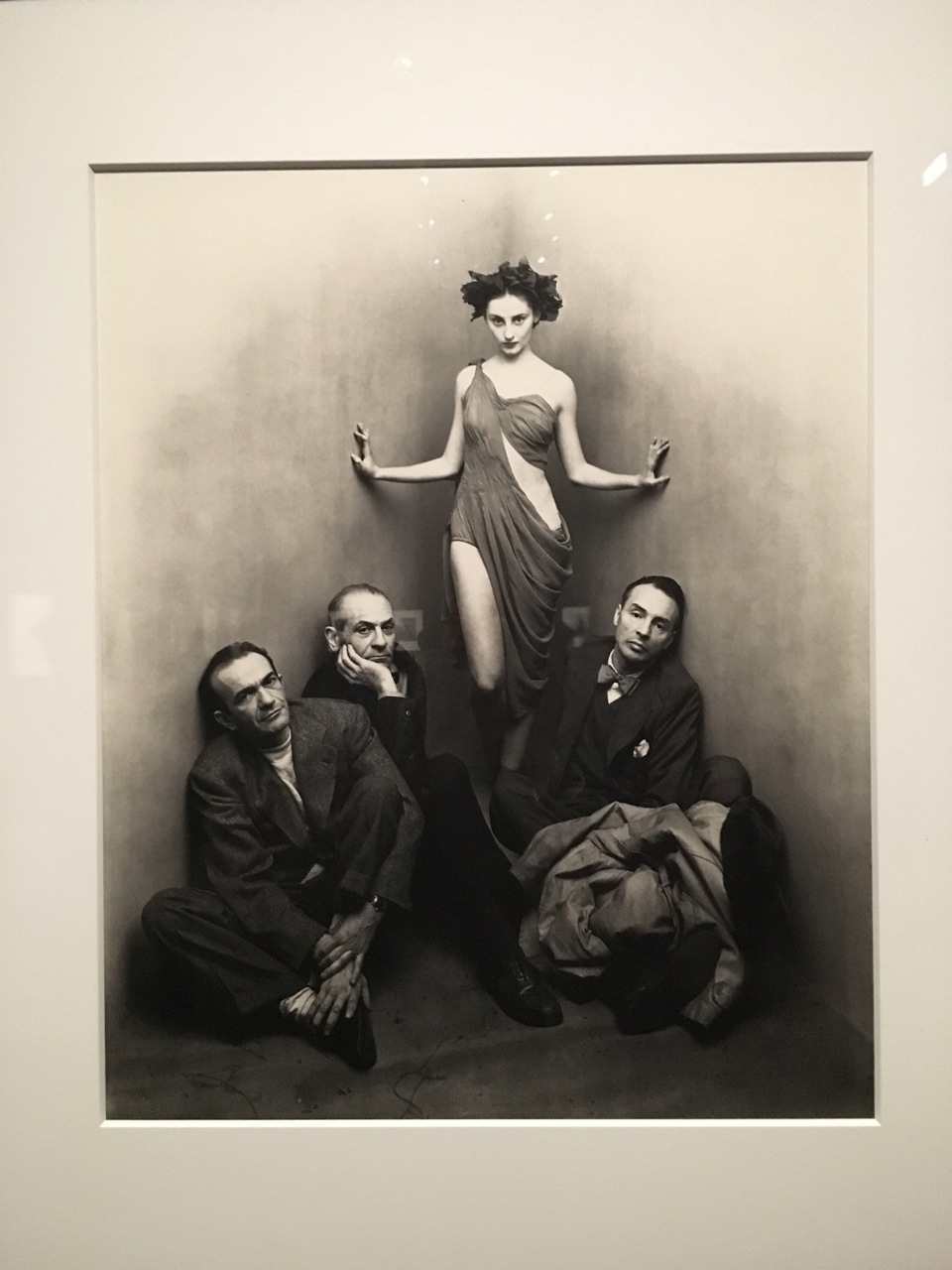
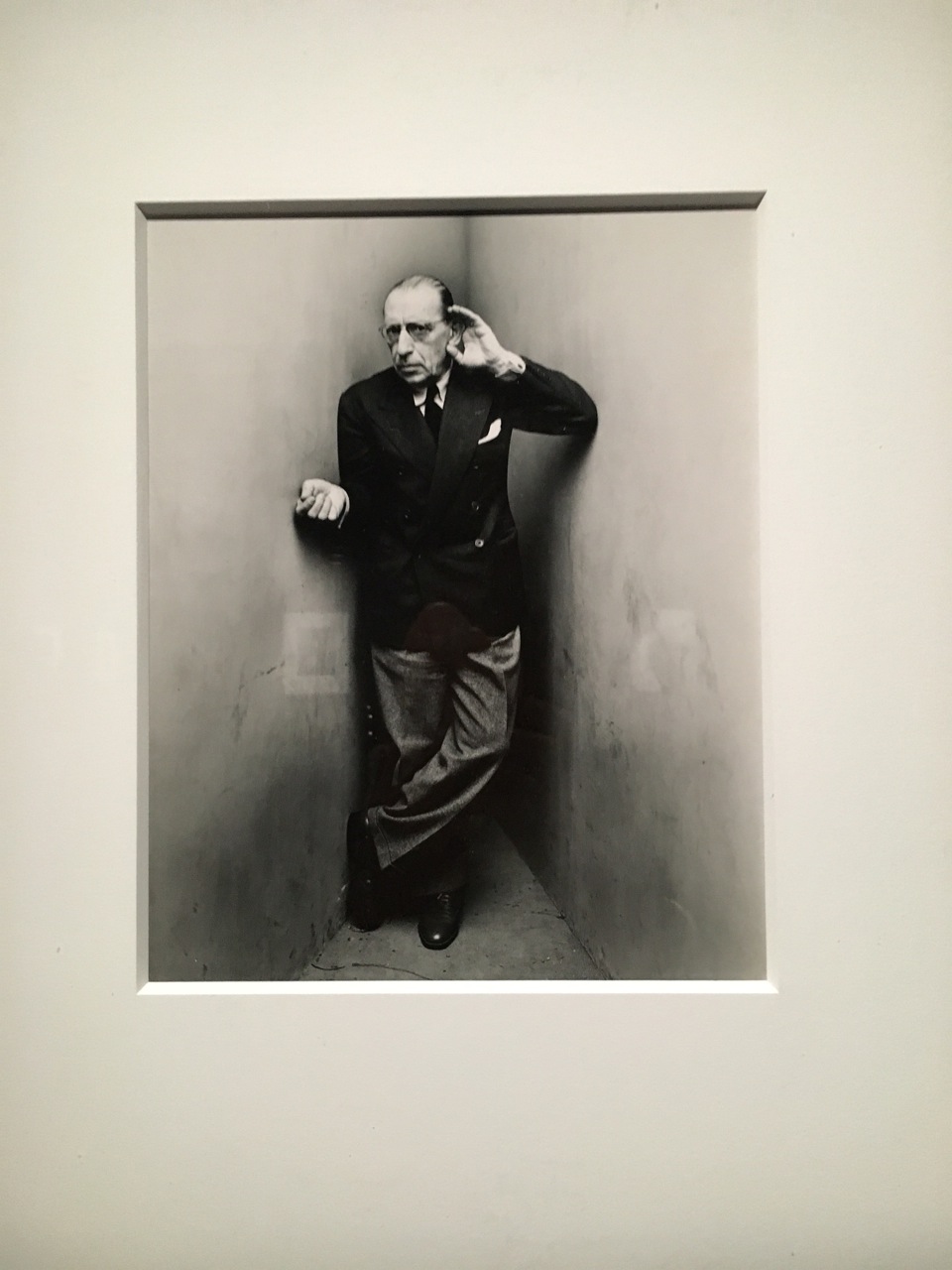
Next come the “corner portraits” from 1947. These portraits of the celebrities of the day all have one thing in common: an unusual setup, with a narrow corner that forces each sitter to make an unfamiliar space their own.
And the results are striking: each sitter reveals something private. It makes for a remarkable collection of portraits. Even here, it’s Vogue that commissions the work, and Vogue that gives Irving Penn room to show what he can do.
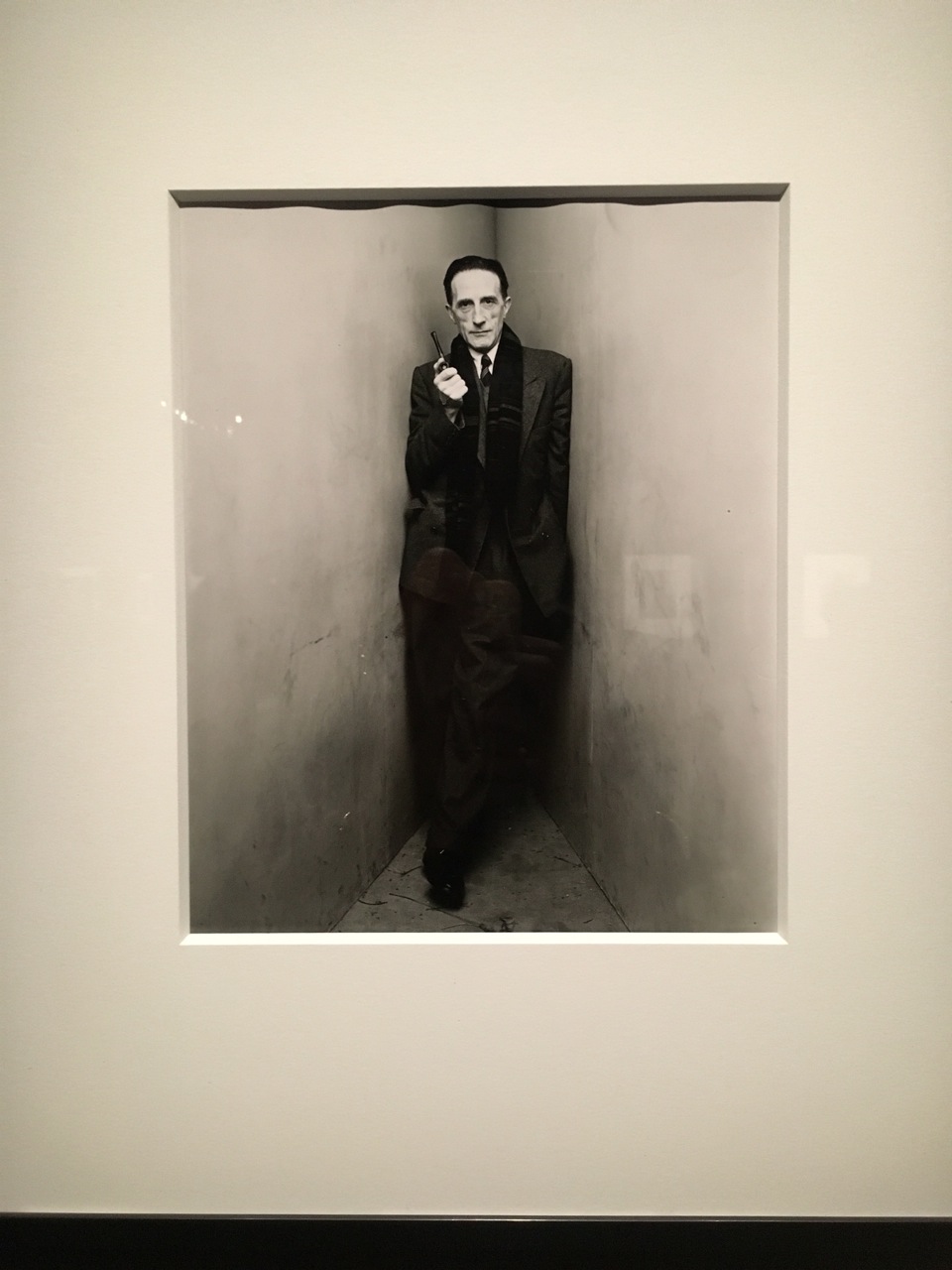
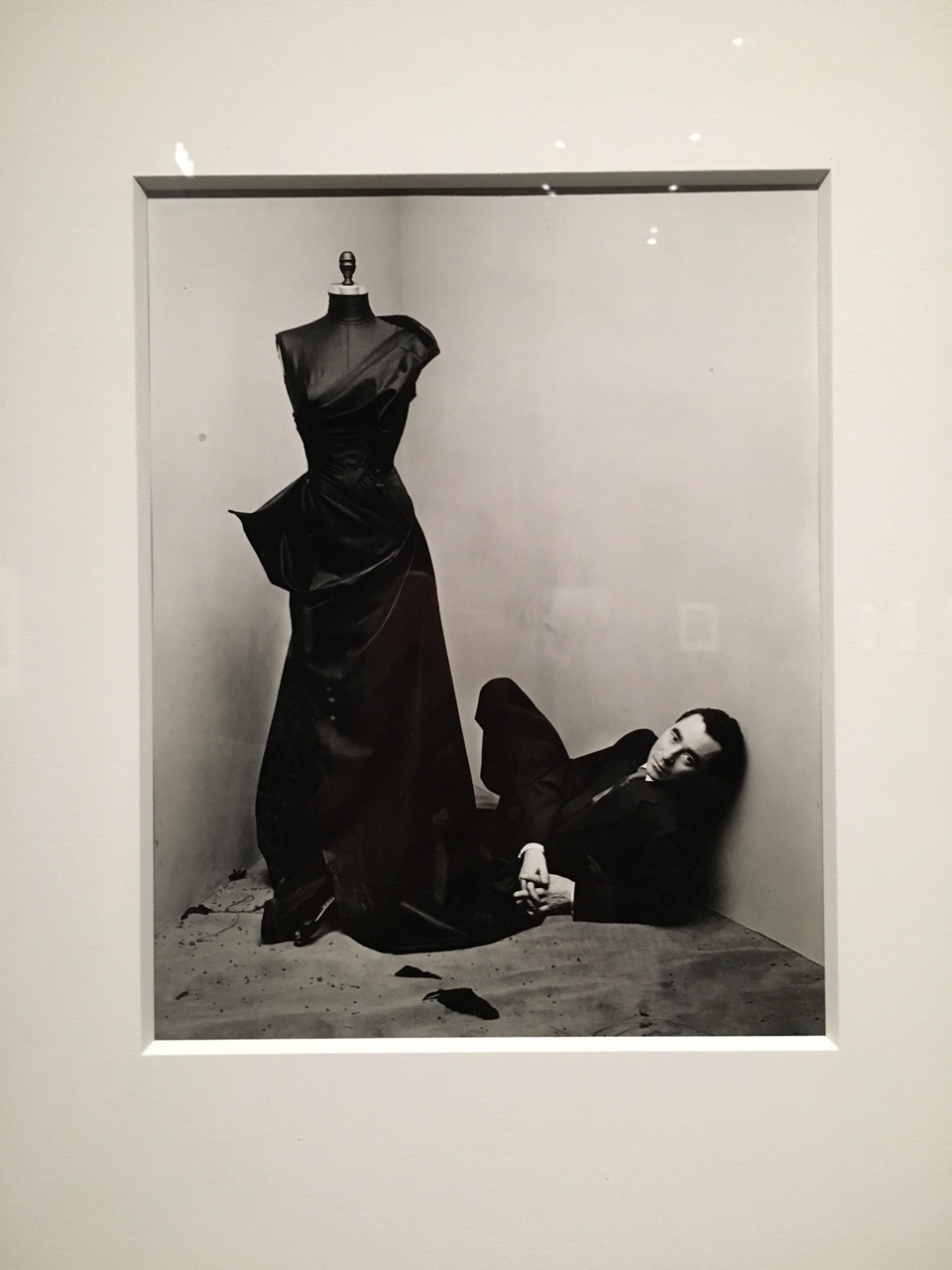
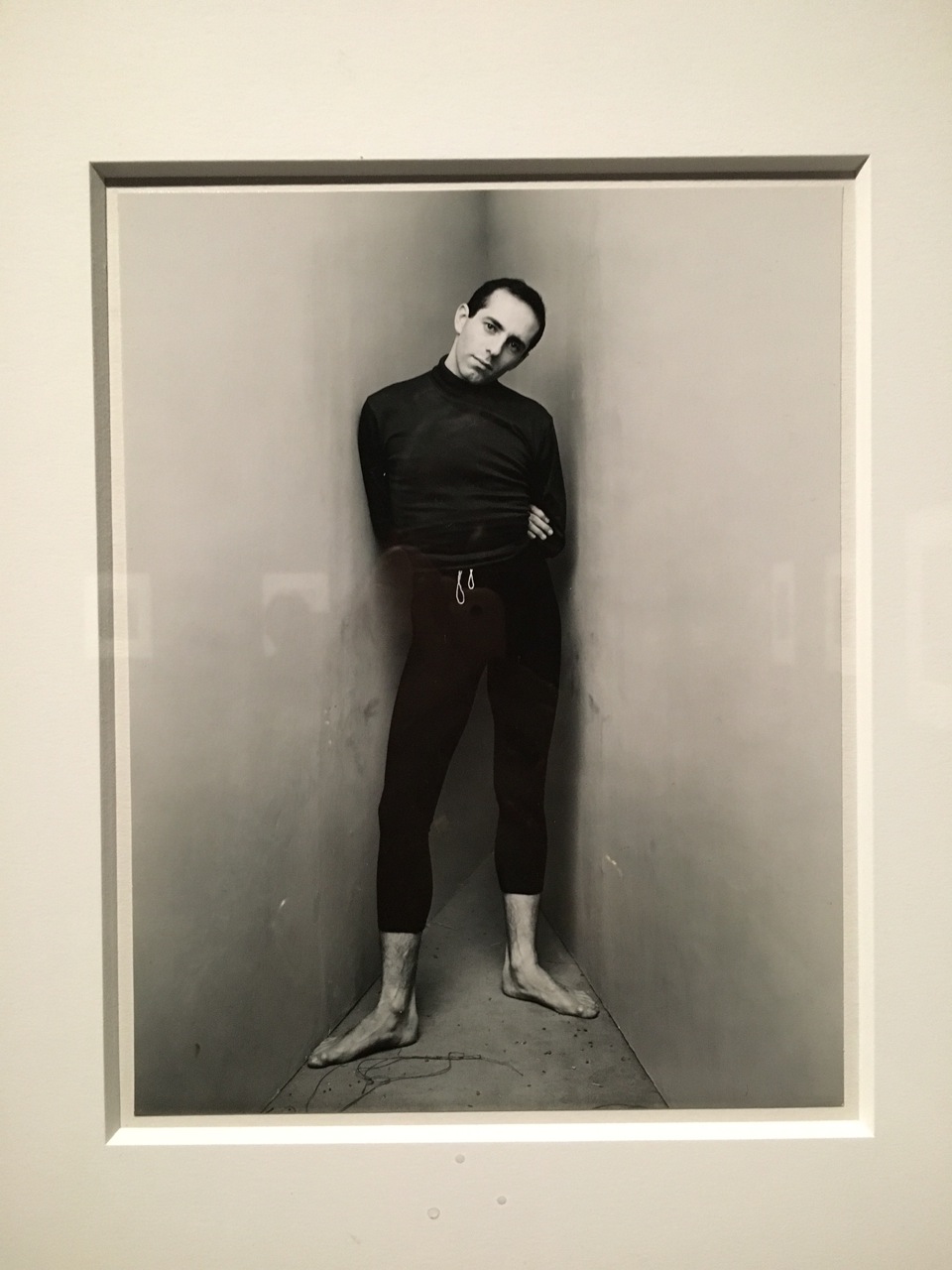
Then, before long, we’re right in the heart of Irving Penn’s career.
Irving Penn – the VOGUE years
Still at Vogue, with fashion at the center of it all. Irving Penn shot 165 covers for the famous fashion magazine.
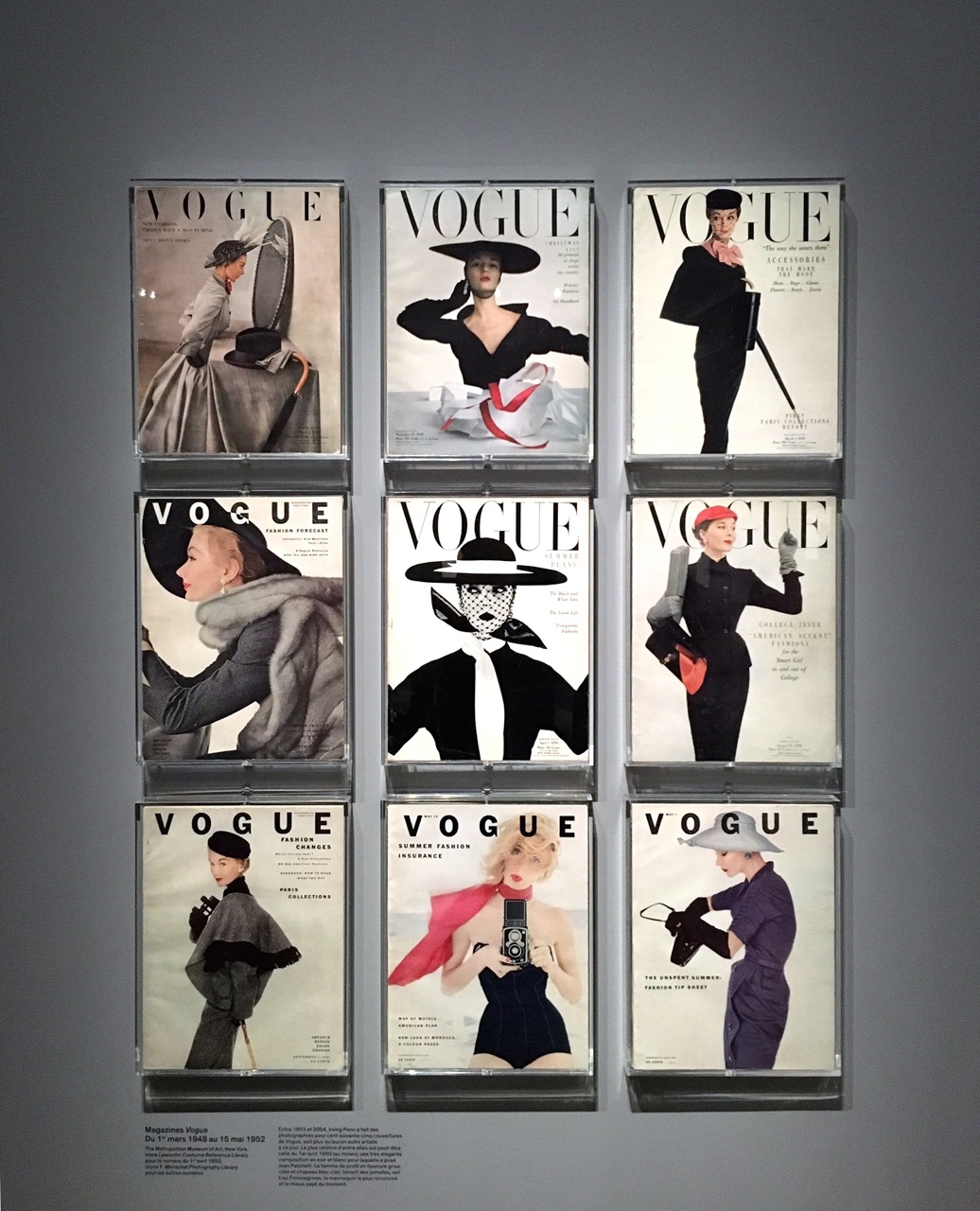
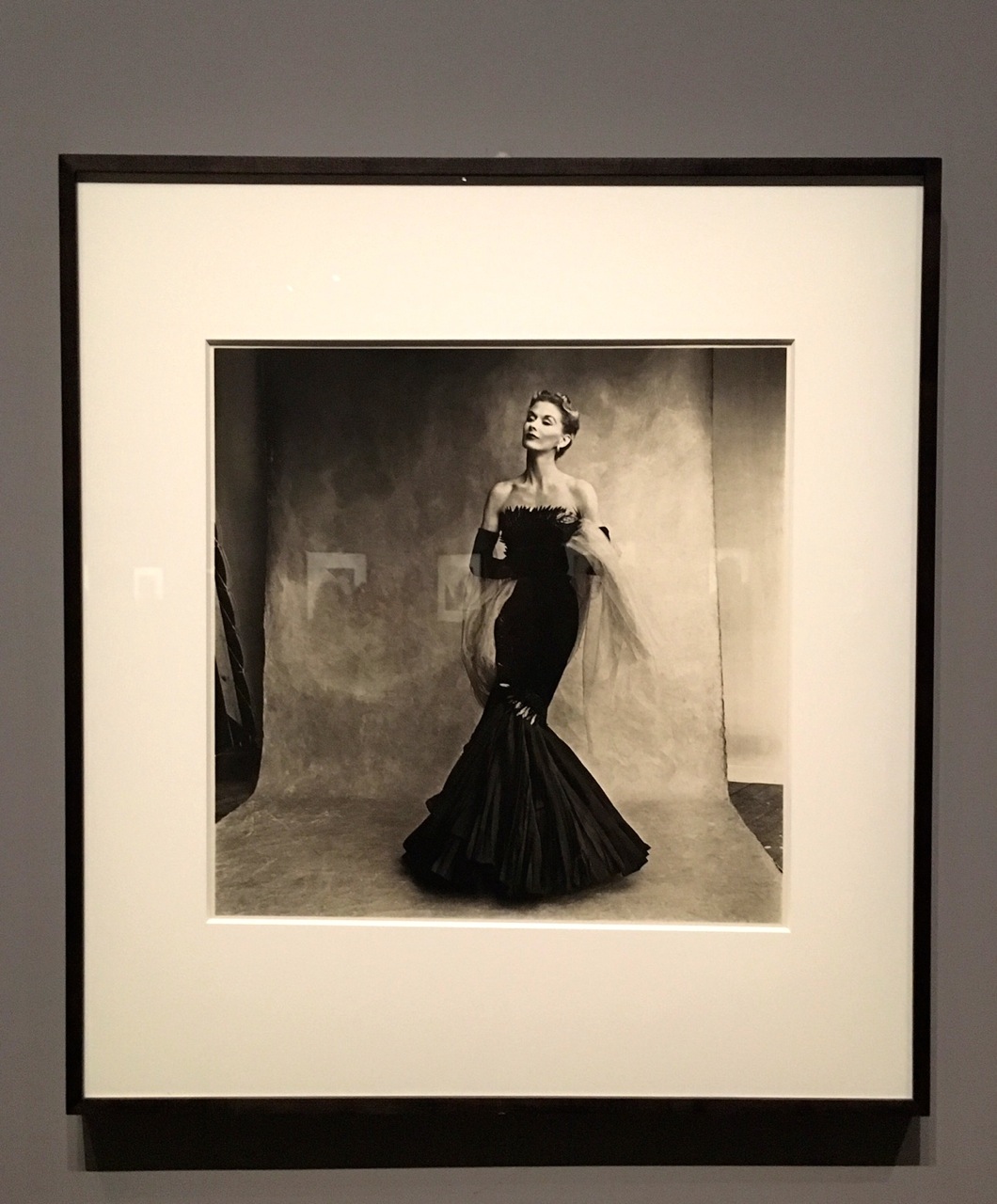
He’s incredibly exacting with his models, and you can see the sculptor’s eye in those perfectly arranged pleats, worn here by Lisa Fonssagrives, who would become his wife.
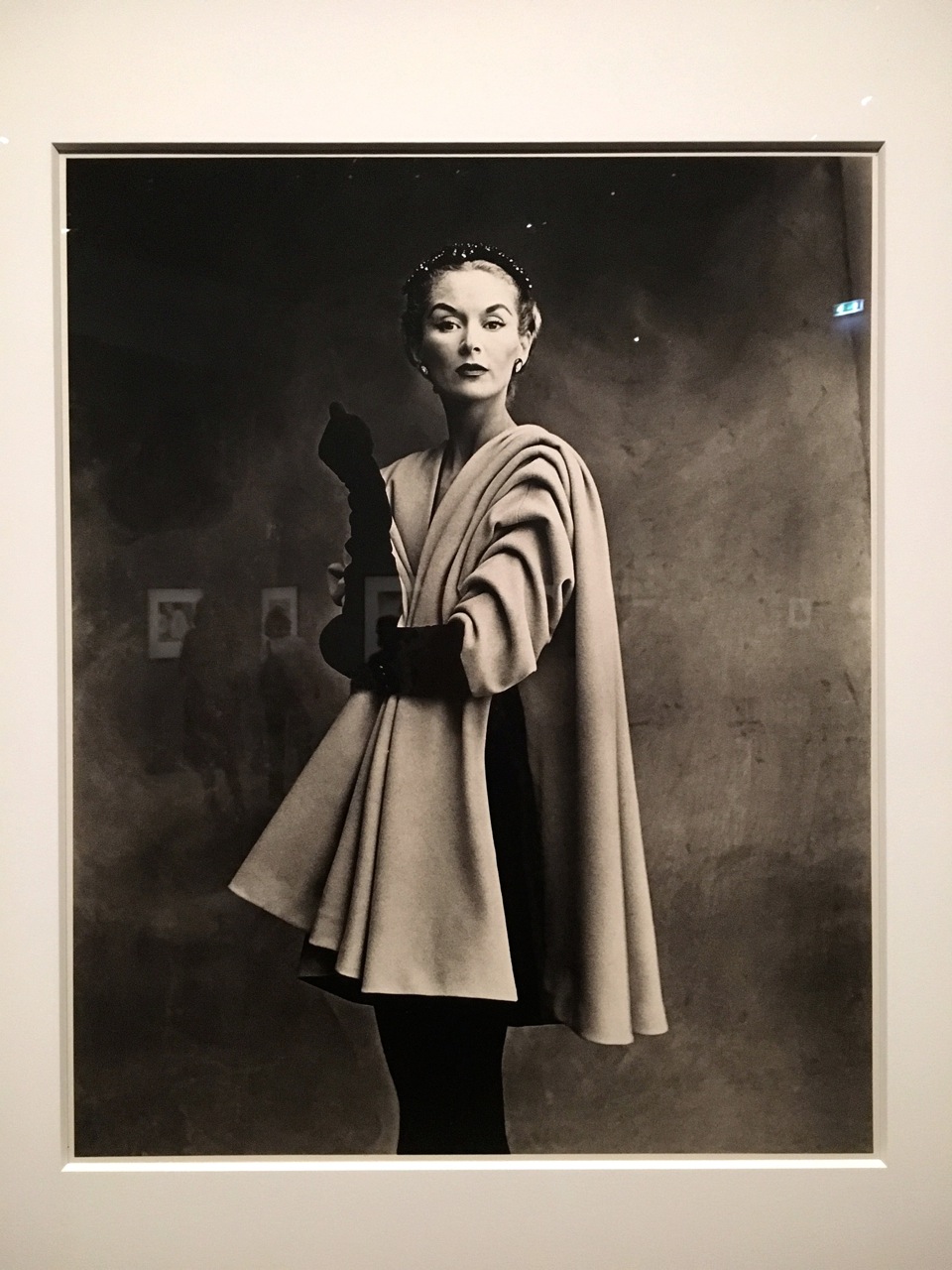 For this portrait, he uses an old theater curtain that would become his signature, appearing throughout his work.
Thanks to Vogue, he gets to travel, too. In Peru in 1948, he shoots fashion for his first assignment outside the studio, then takes portraits in Cuzco of local people.
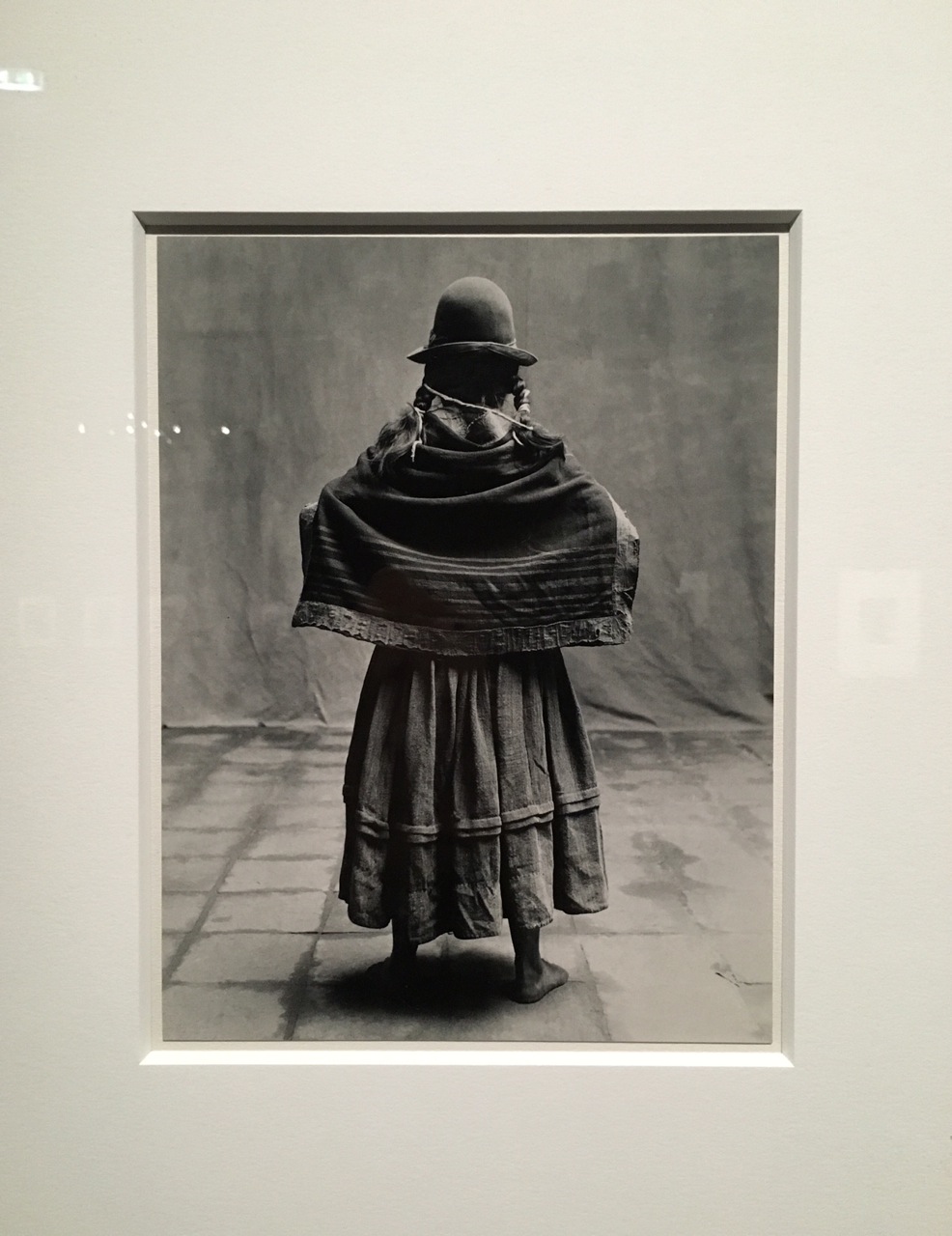
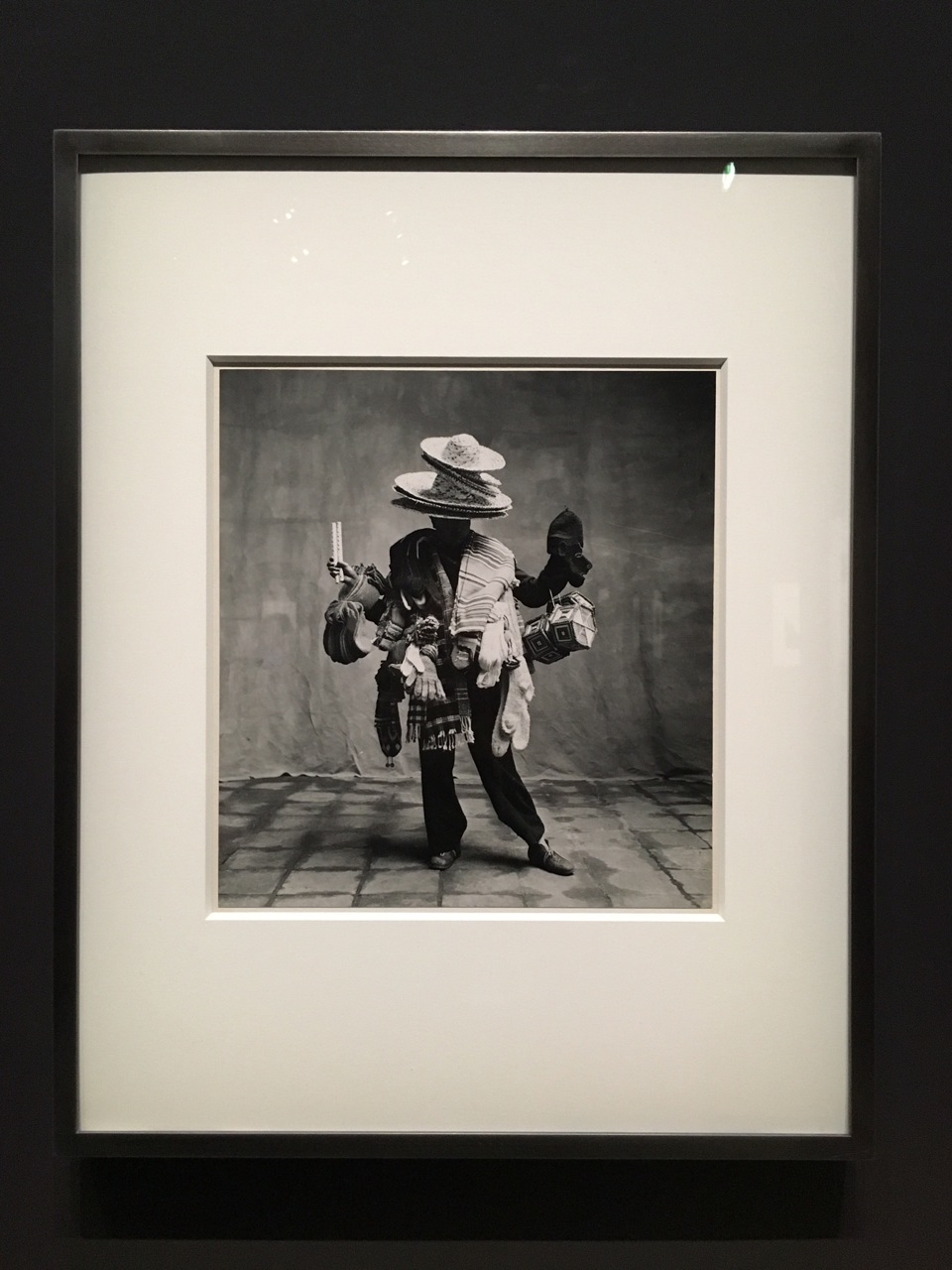
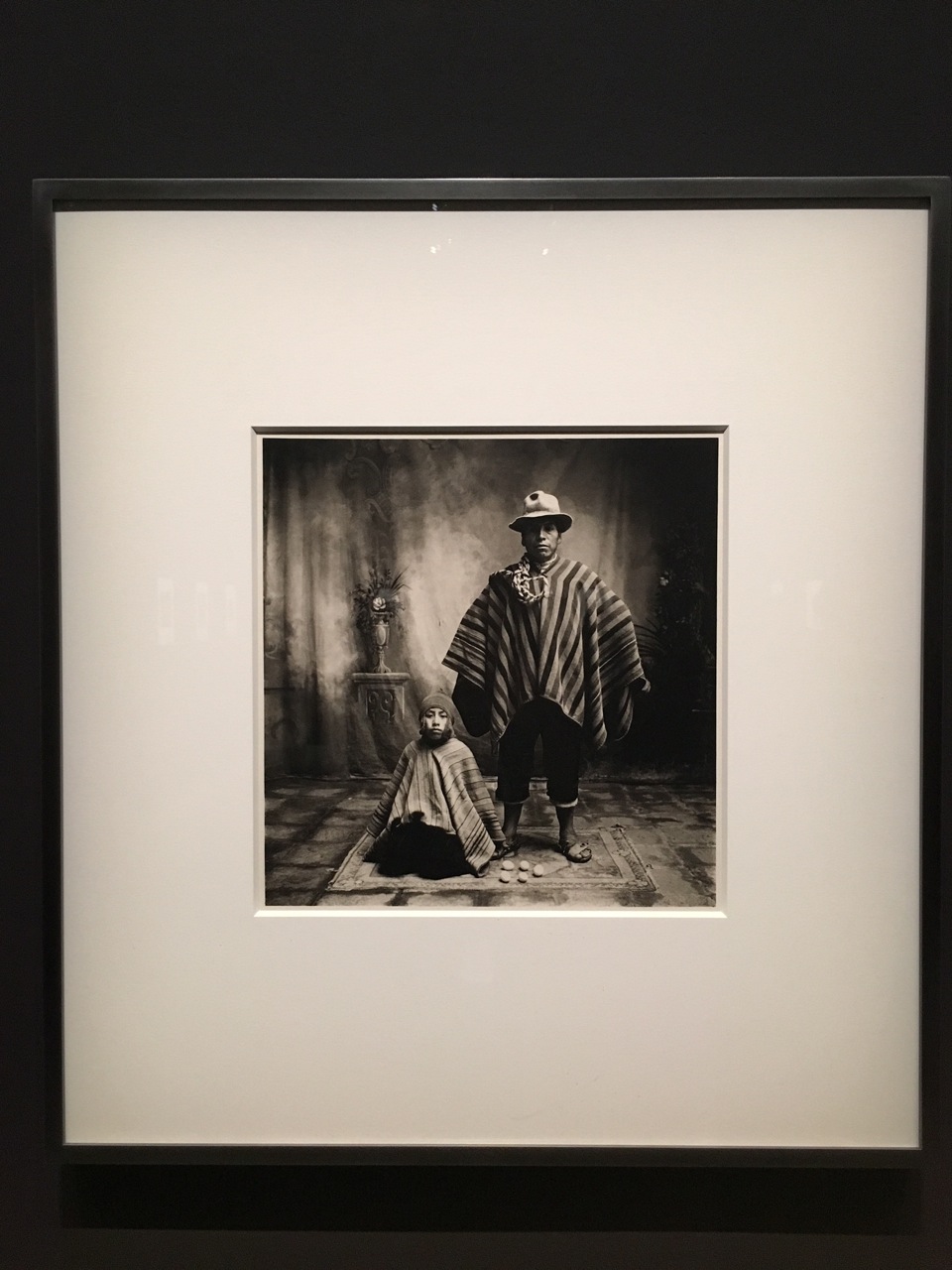
These are carefully staged portraits, deliberately printed in black and white, and there’s that famous theater curtain again.
Once again, the series ran in Vogue.
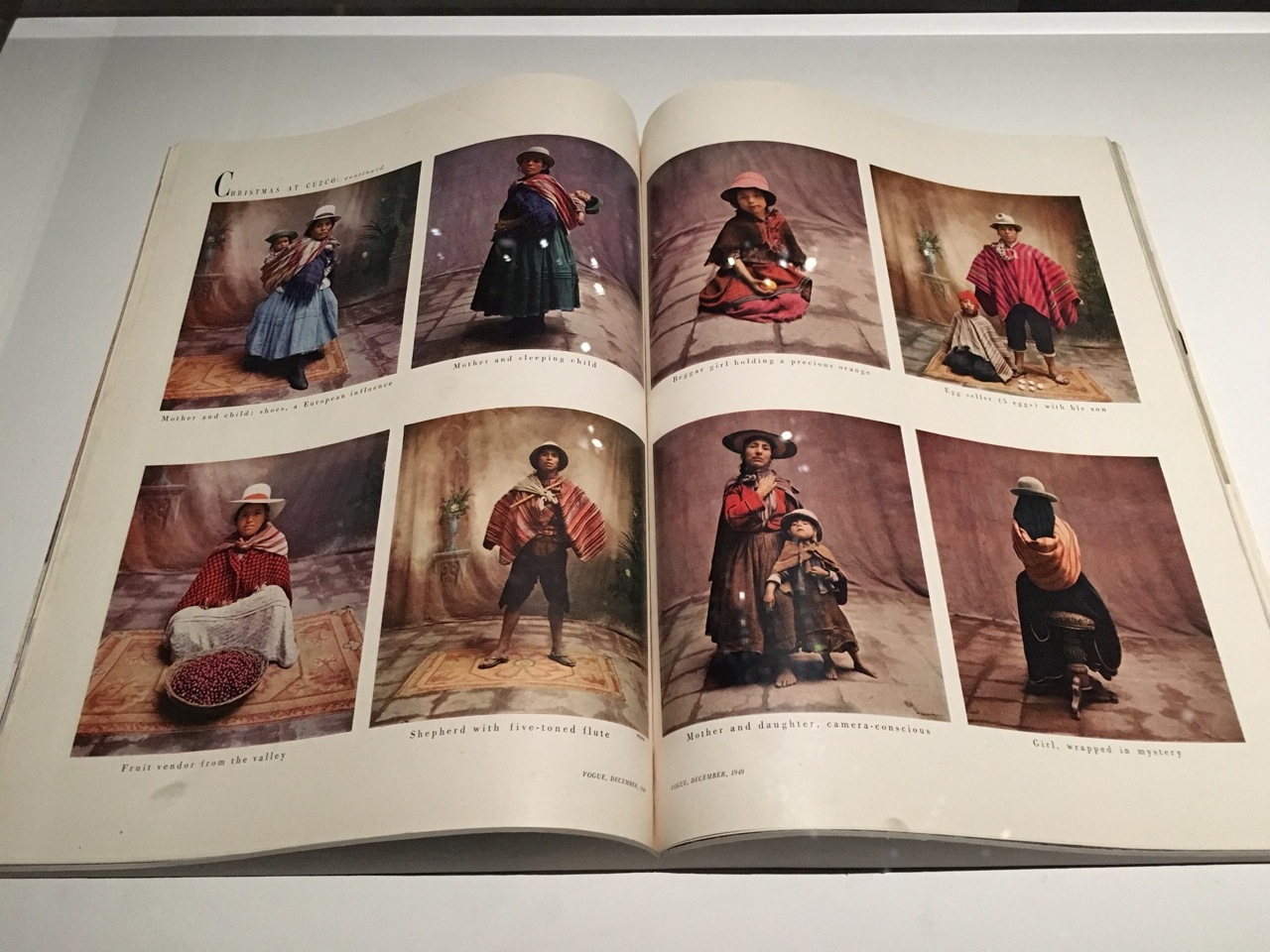
Same techniques, same backdrop: Irving Penn takes the way he shoots fashion portraits and applies it to real life.
Question: By sticking so closely to that rigid setup, doesn’t he drain the life out of his portraits, and out of his subjects along with them?
And that question is even more relevant to the portrait series that follow in 1950. While in Paris, still on a fashion assignment, he brings people who work in small trades into his studio, finding them in the Mouffetard neighborhood where his studio is located.
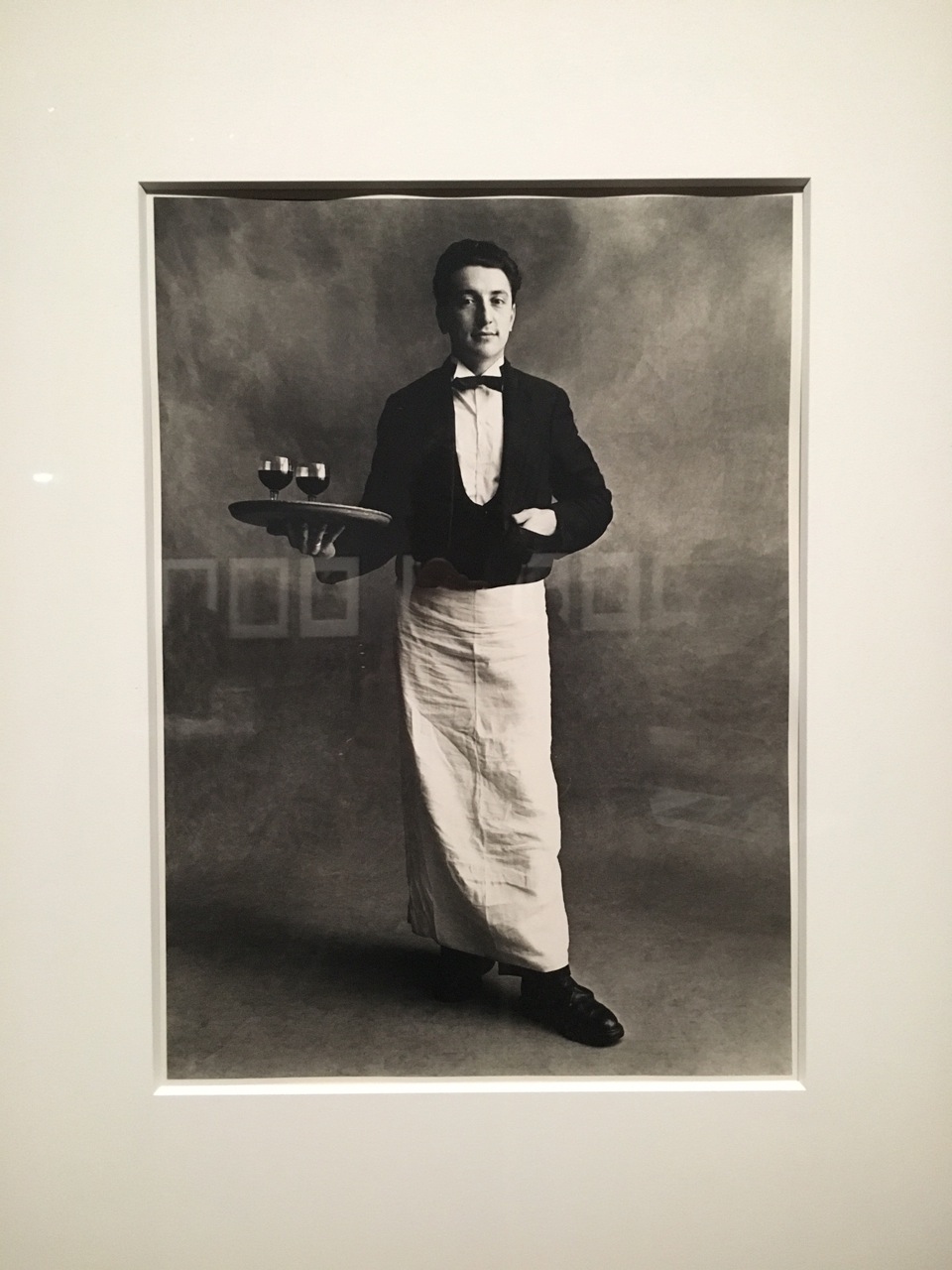
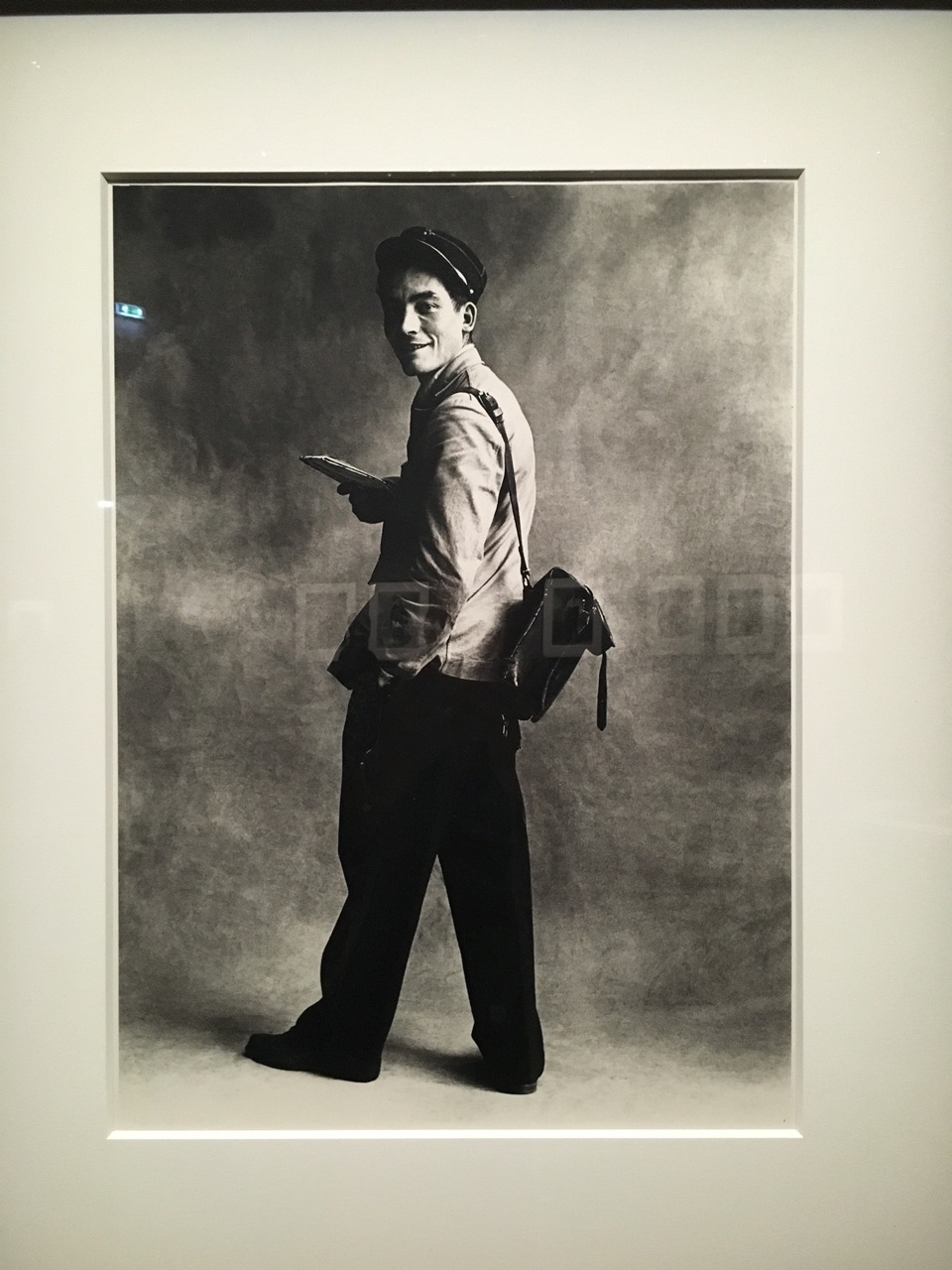
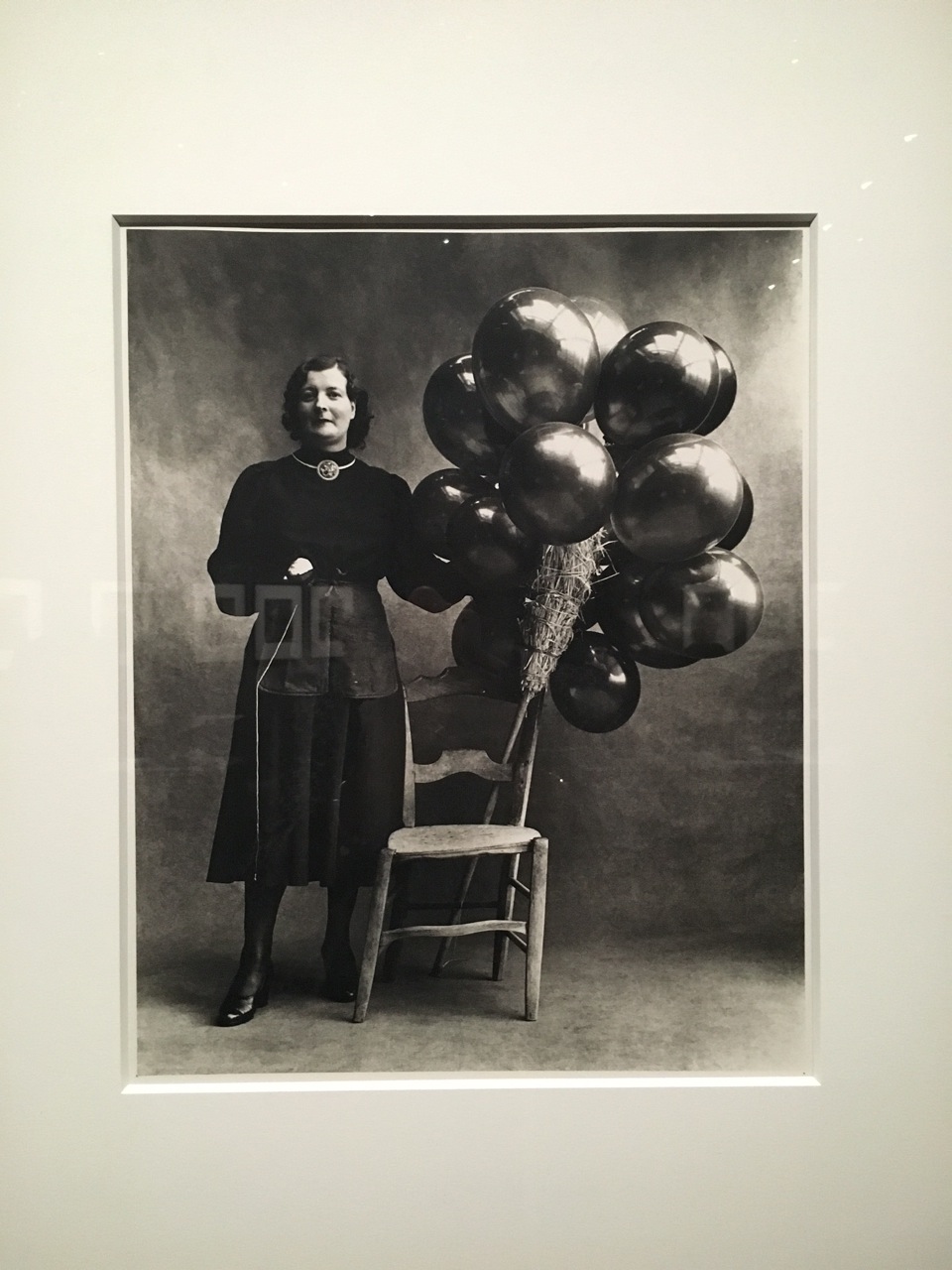
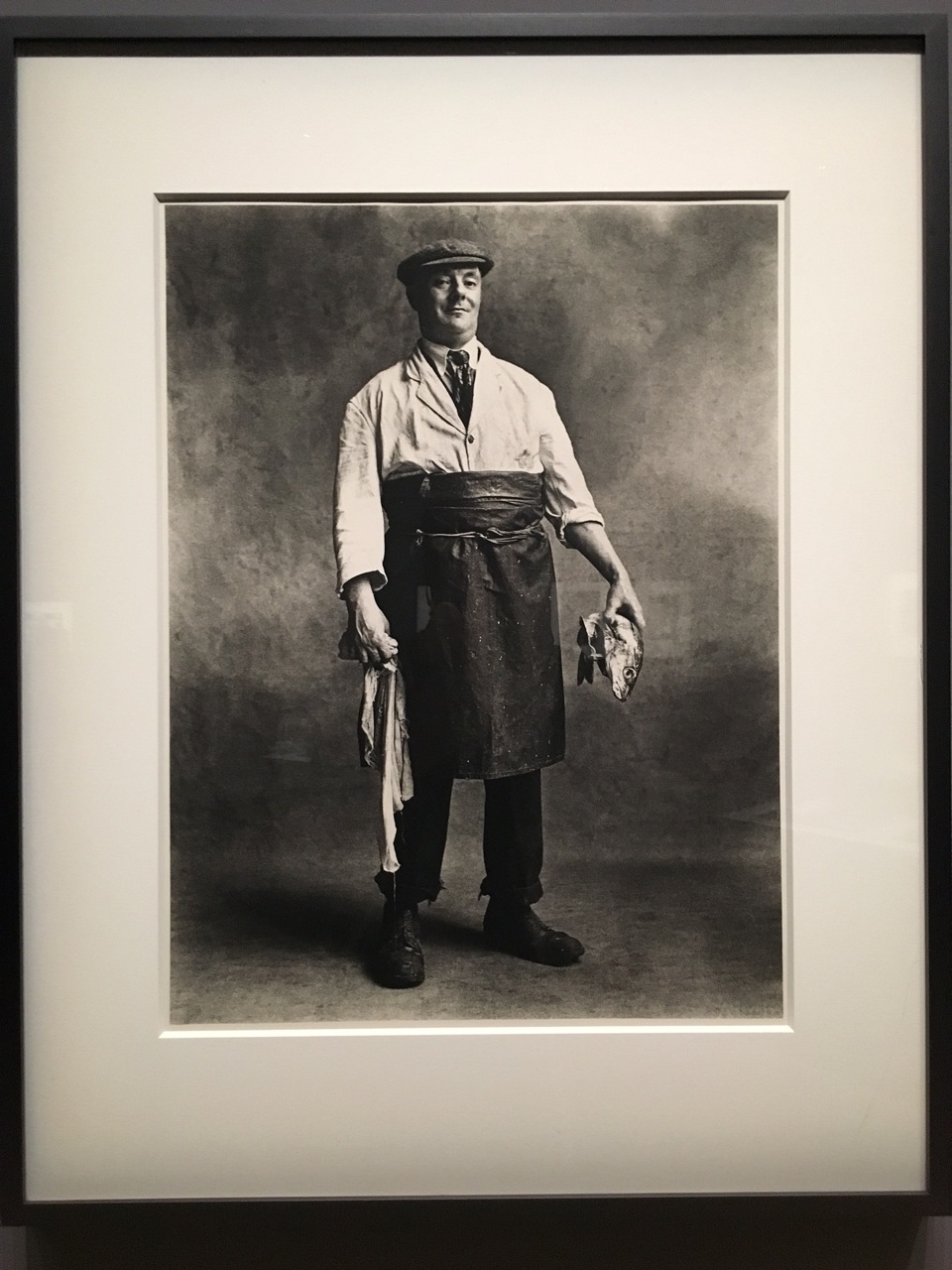
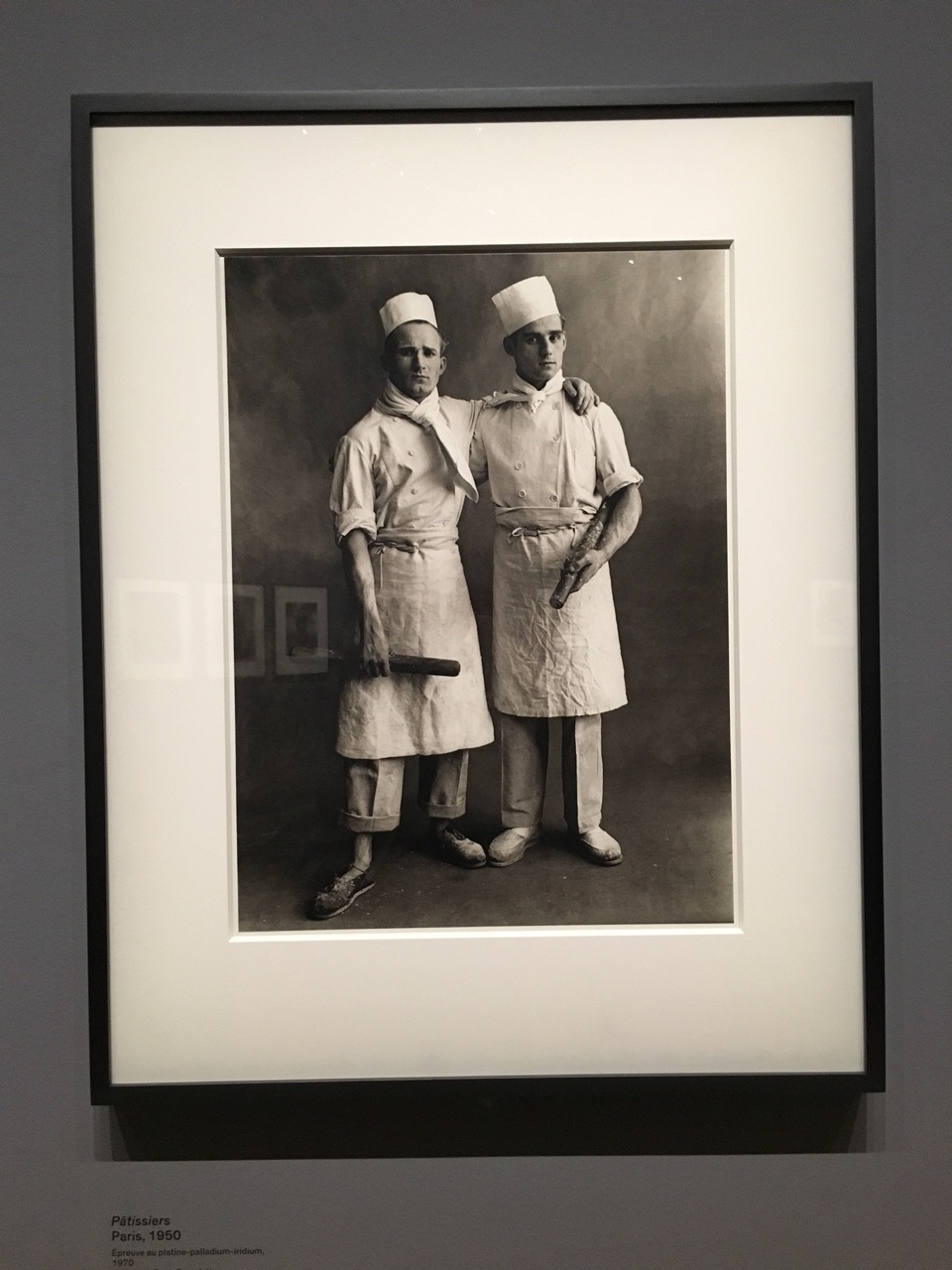
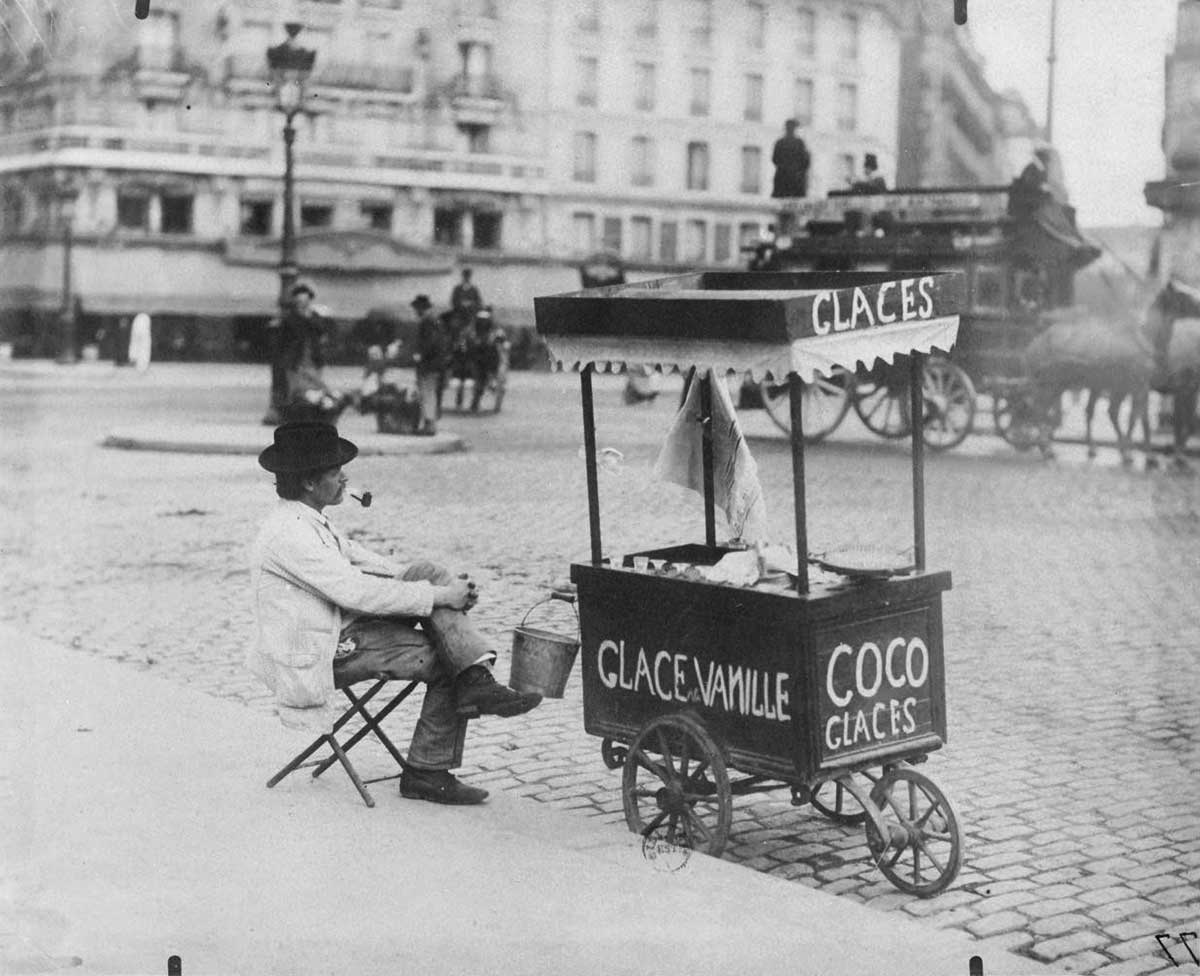
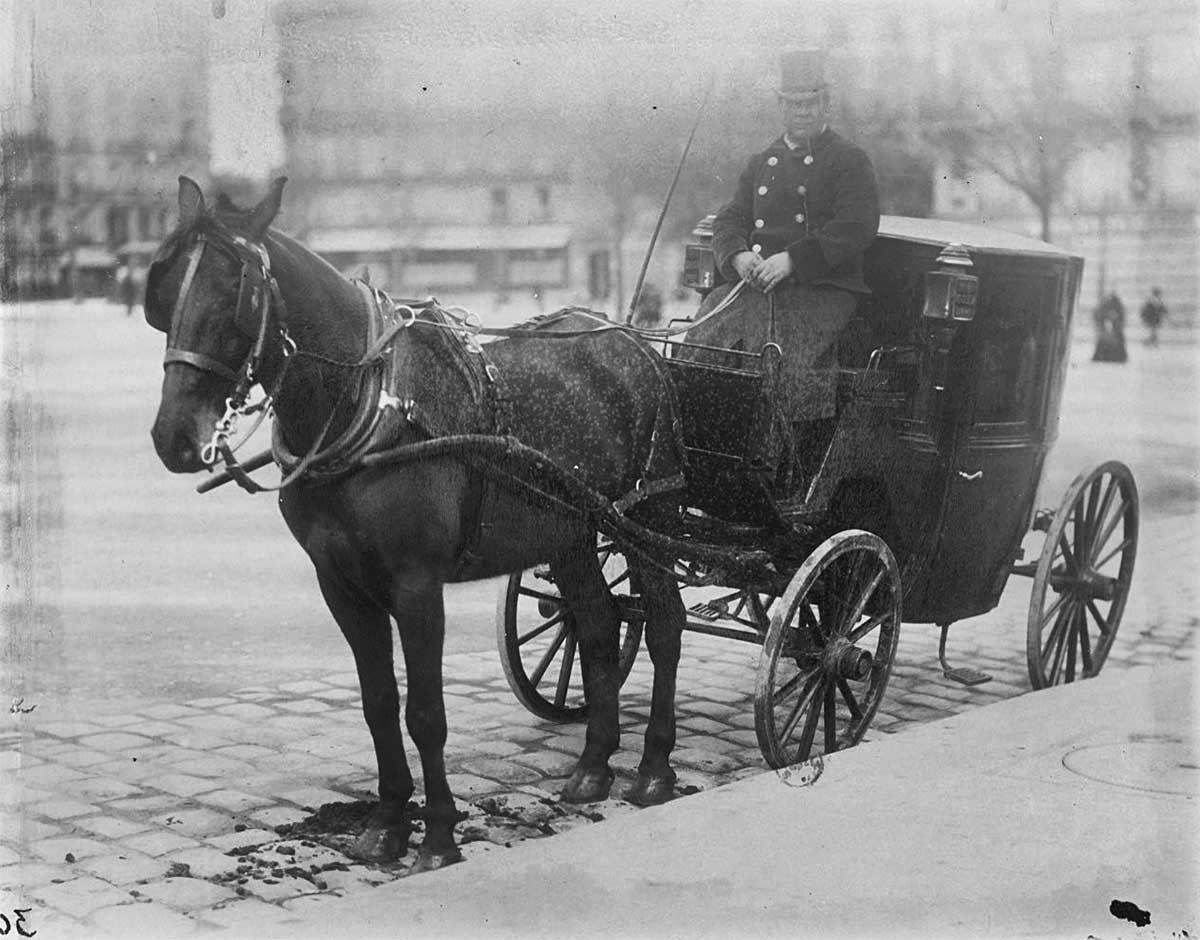
People point to the influence of Atget’s photographs of small trades. Except Atget’s pictures capture life, showing people in their everyday surroundings, whereas Penn’s feel detached and cold to me.
Irving Penn – after VOGUE
In 1963, the new editor-in-chief of VOGUE isn’t sold on Irving Penn’s work and prefers Richard Avedon.
Penn turns to more artistic photography and explores new techniques.
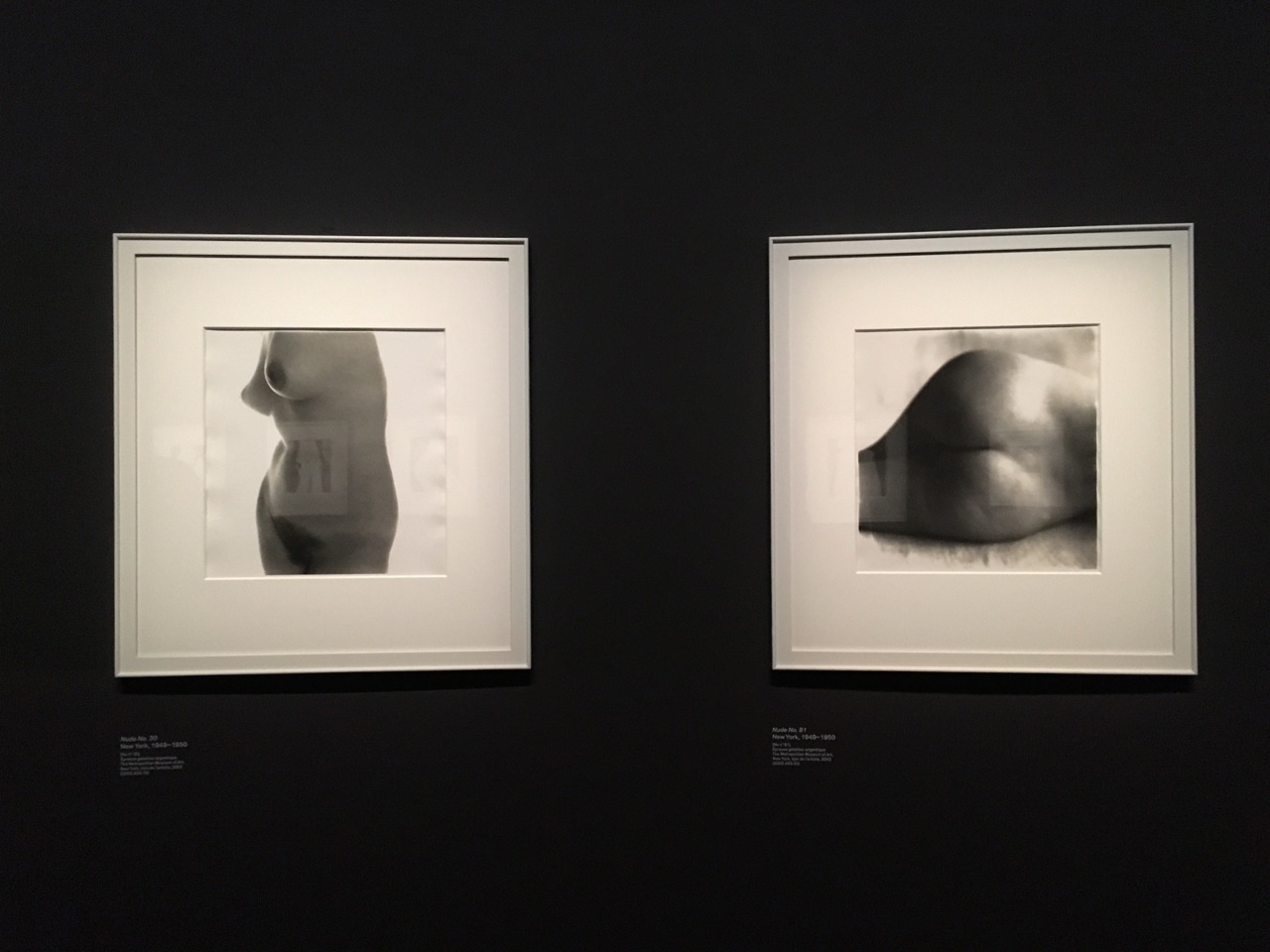
He tries his hand at nudes, but he doesn’t come close to Lucien Clergue, the king of that genre!
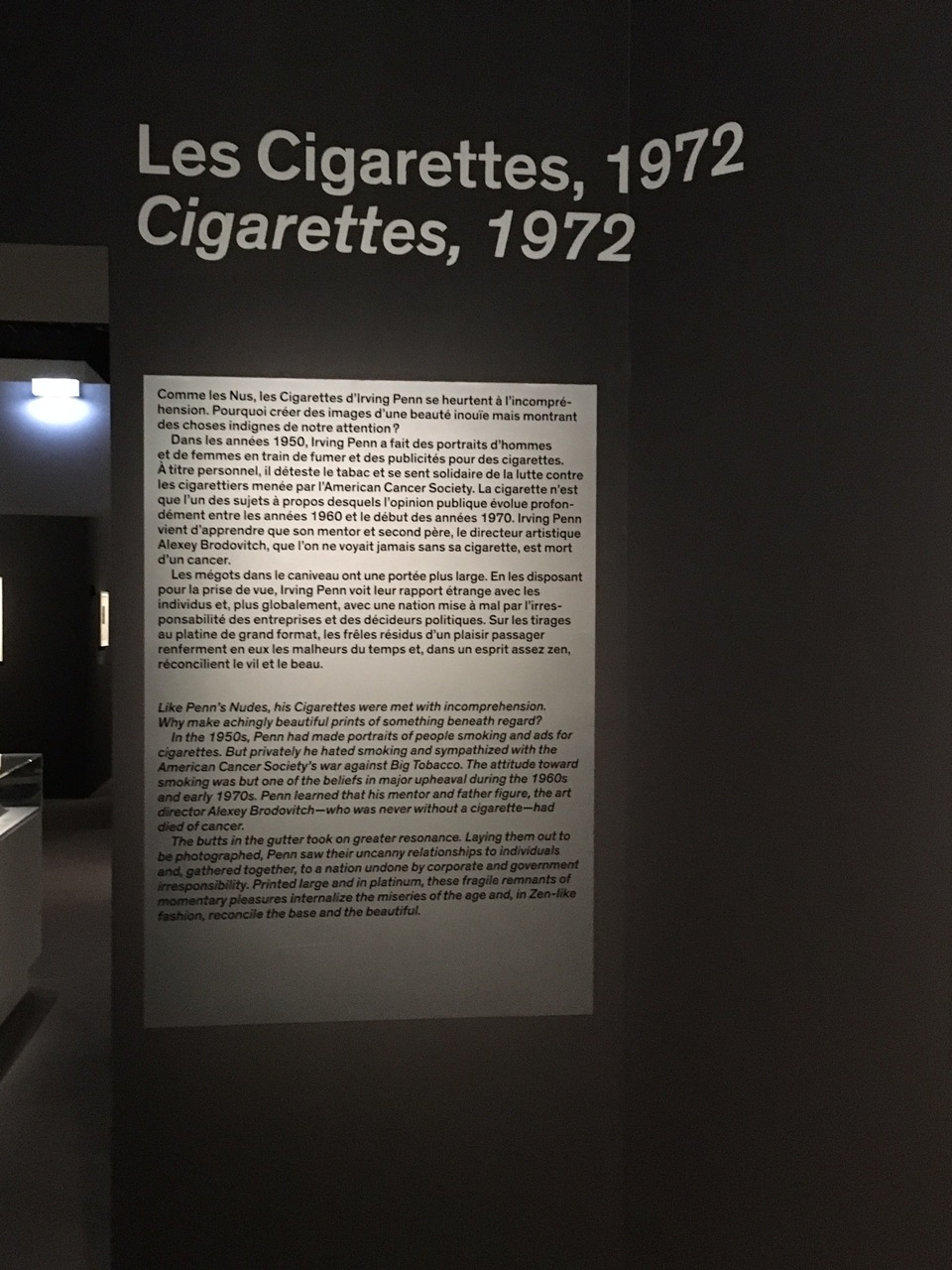
He also experiments with photographs of cigarettes, trying out new developing techniques.
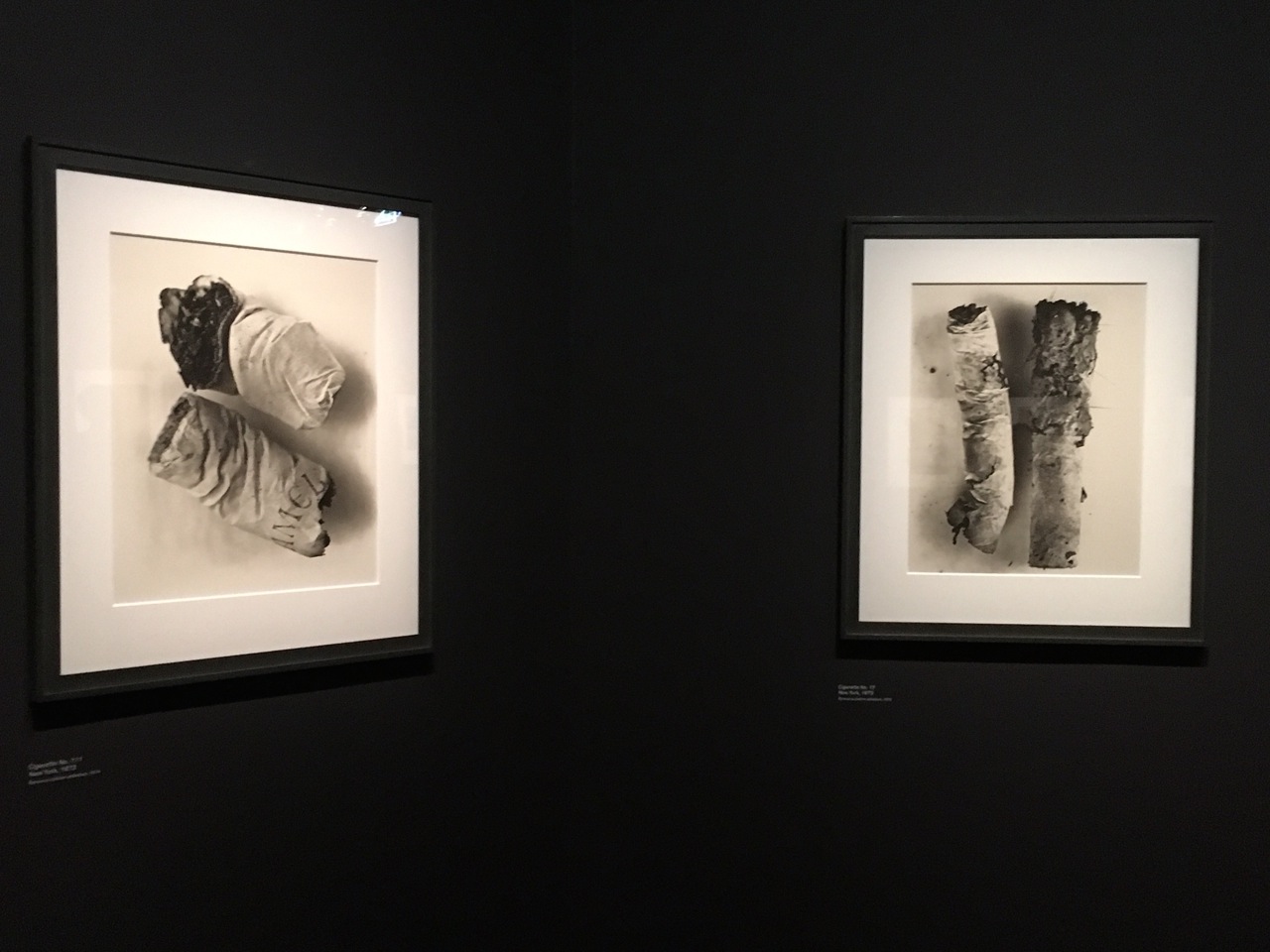
Next come the later still lifes, which I didn’t snap any pictures of. And I was happy to come across “moments from the past,” the last room, which brings together portraits the artist took throughout his career!
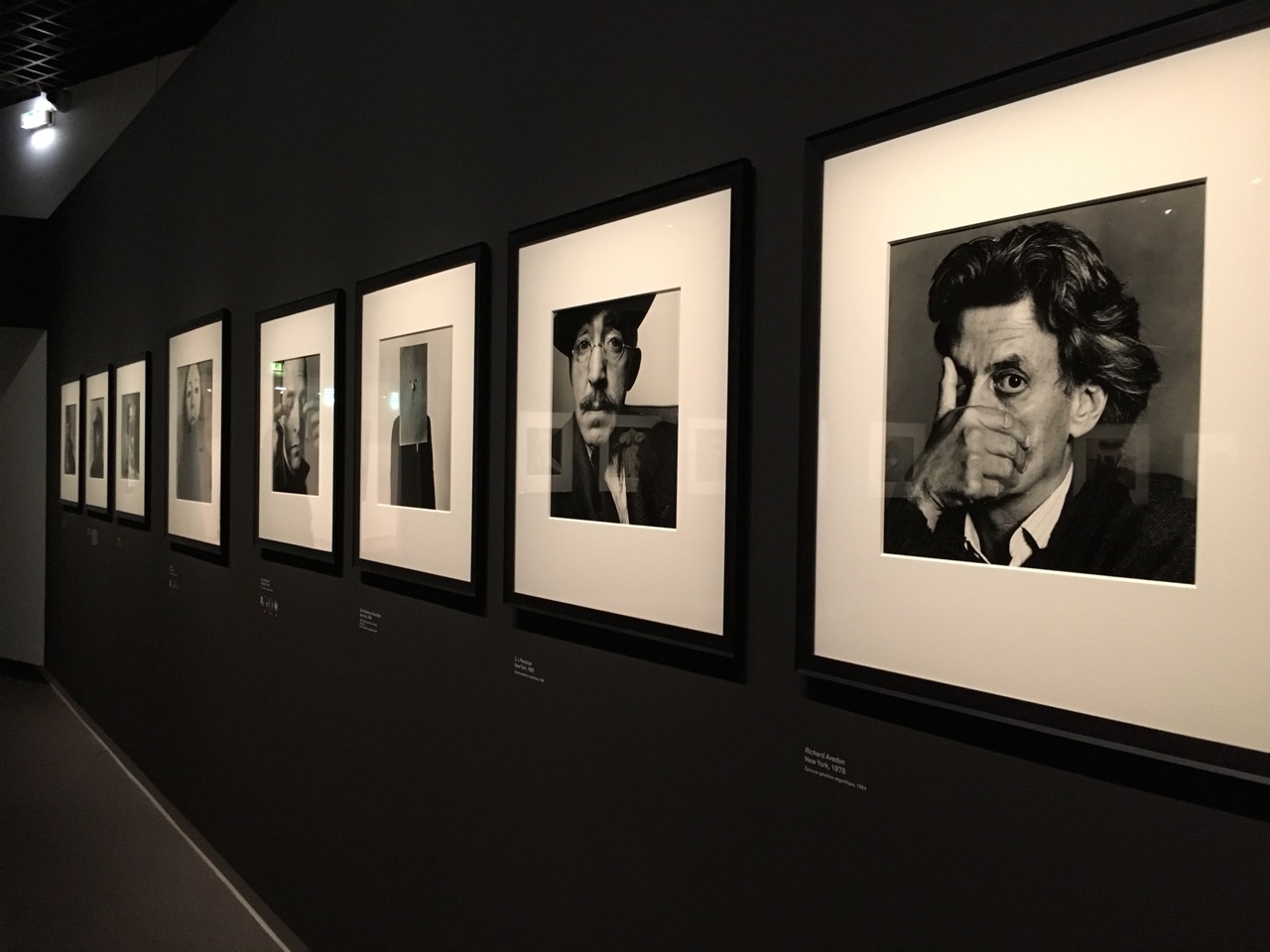
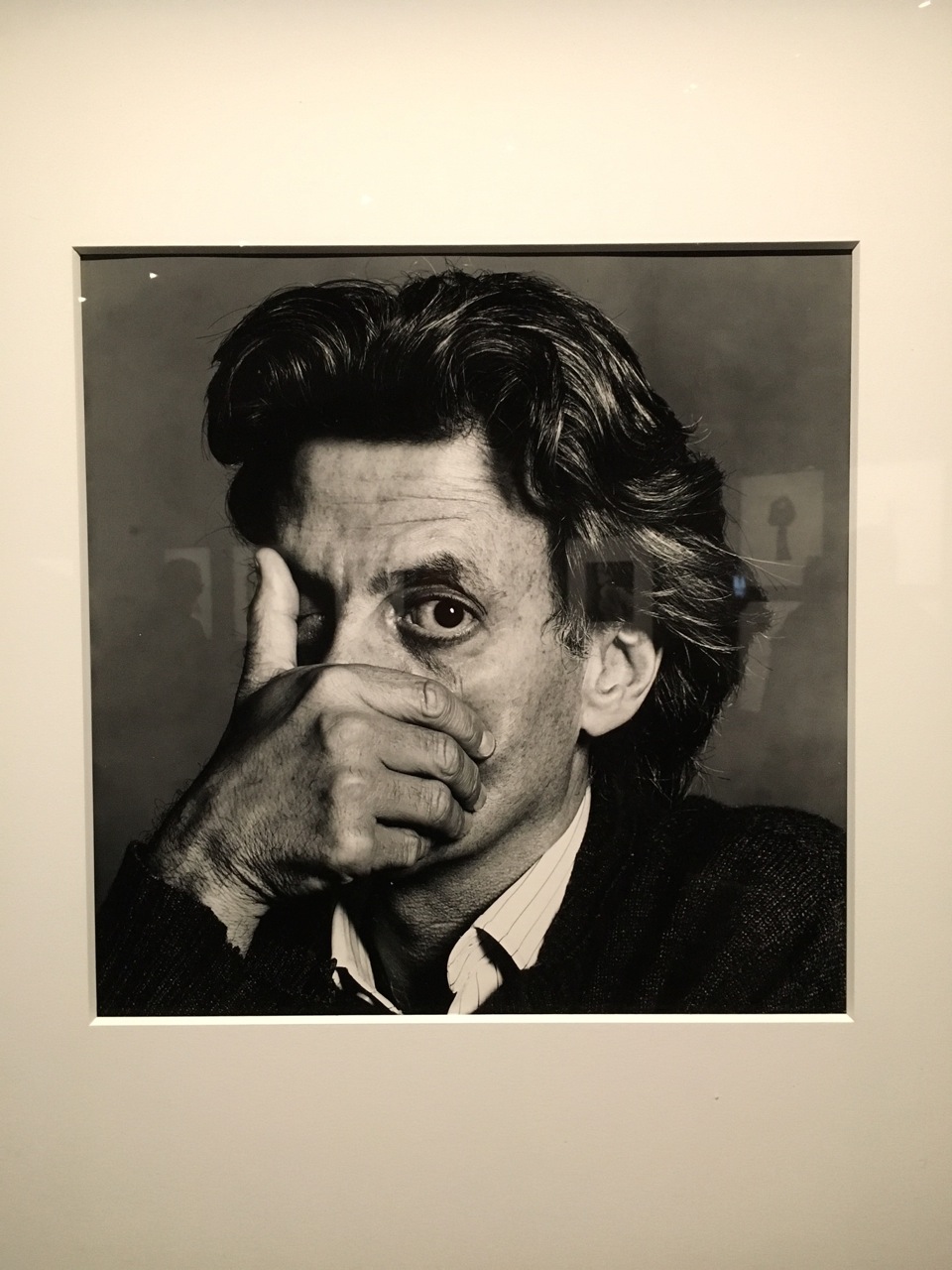
Ironically, one of those portraits is of photographer Richard Avedon, who took Irving Penn’s place at Vogue!
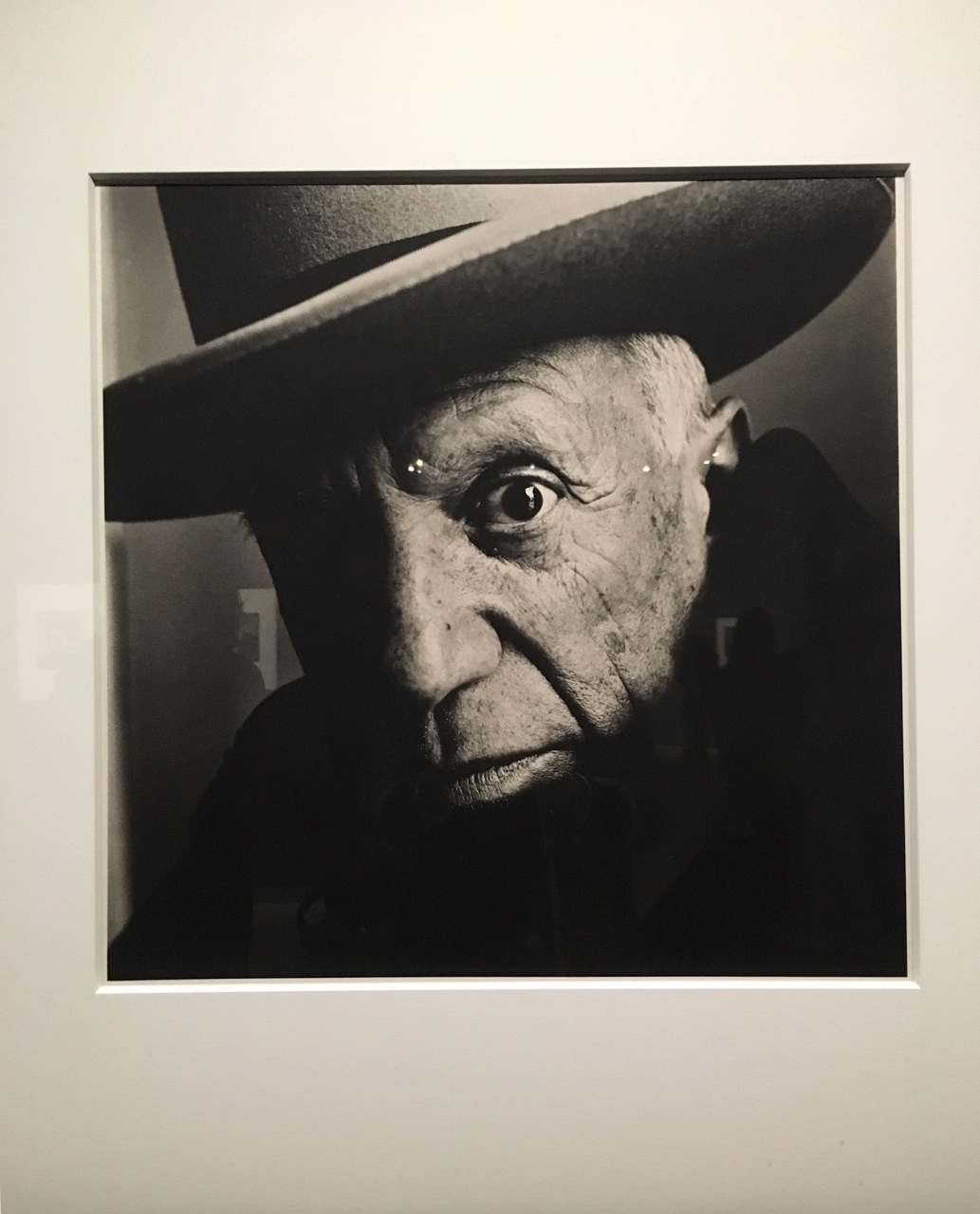
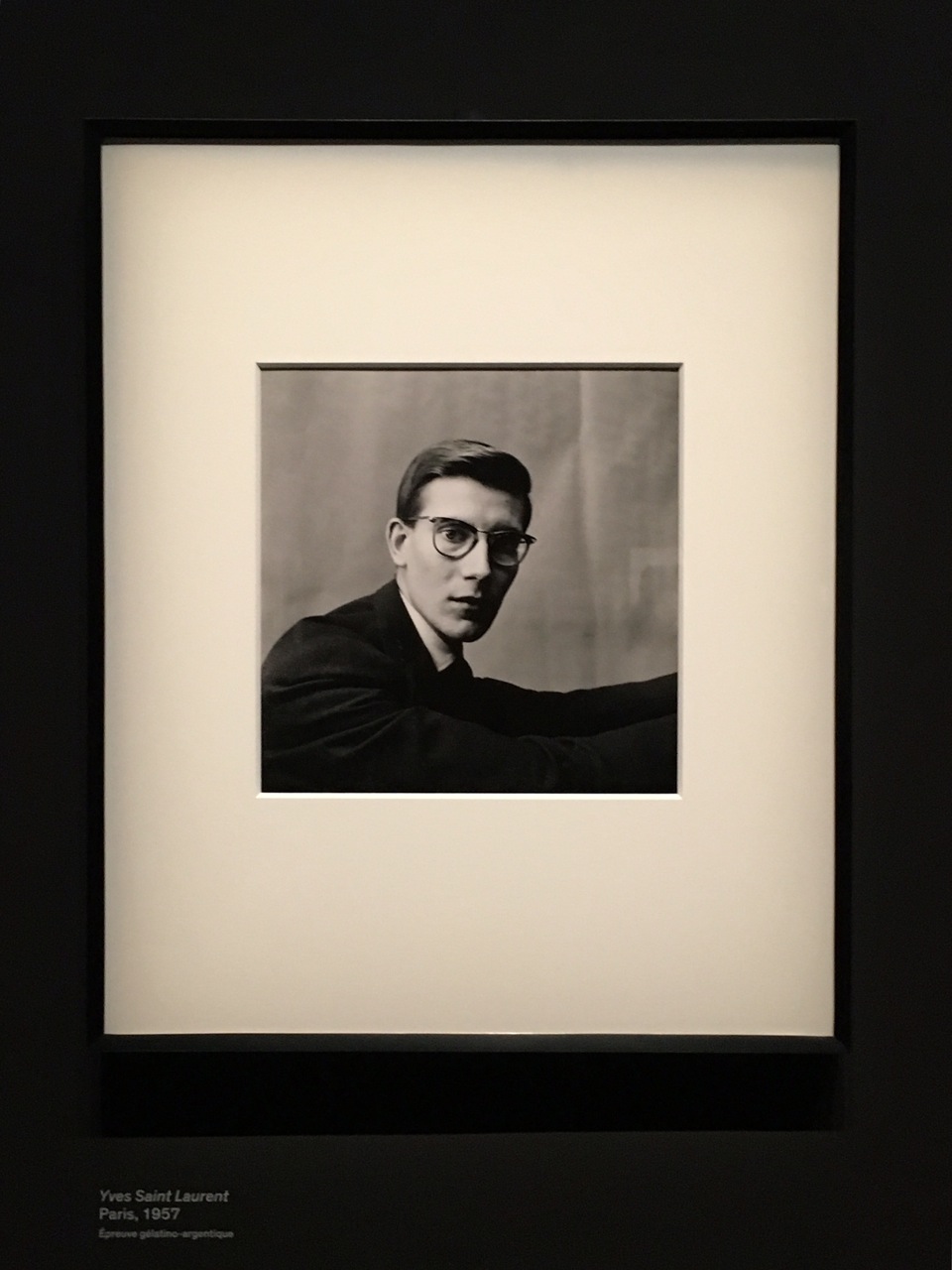
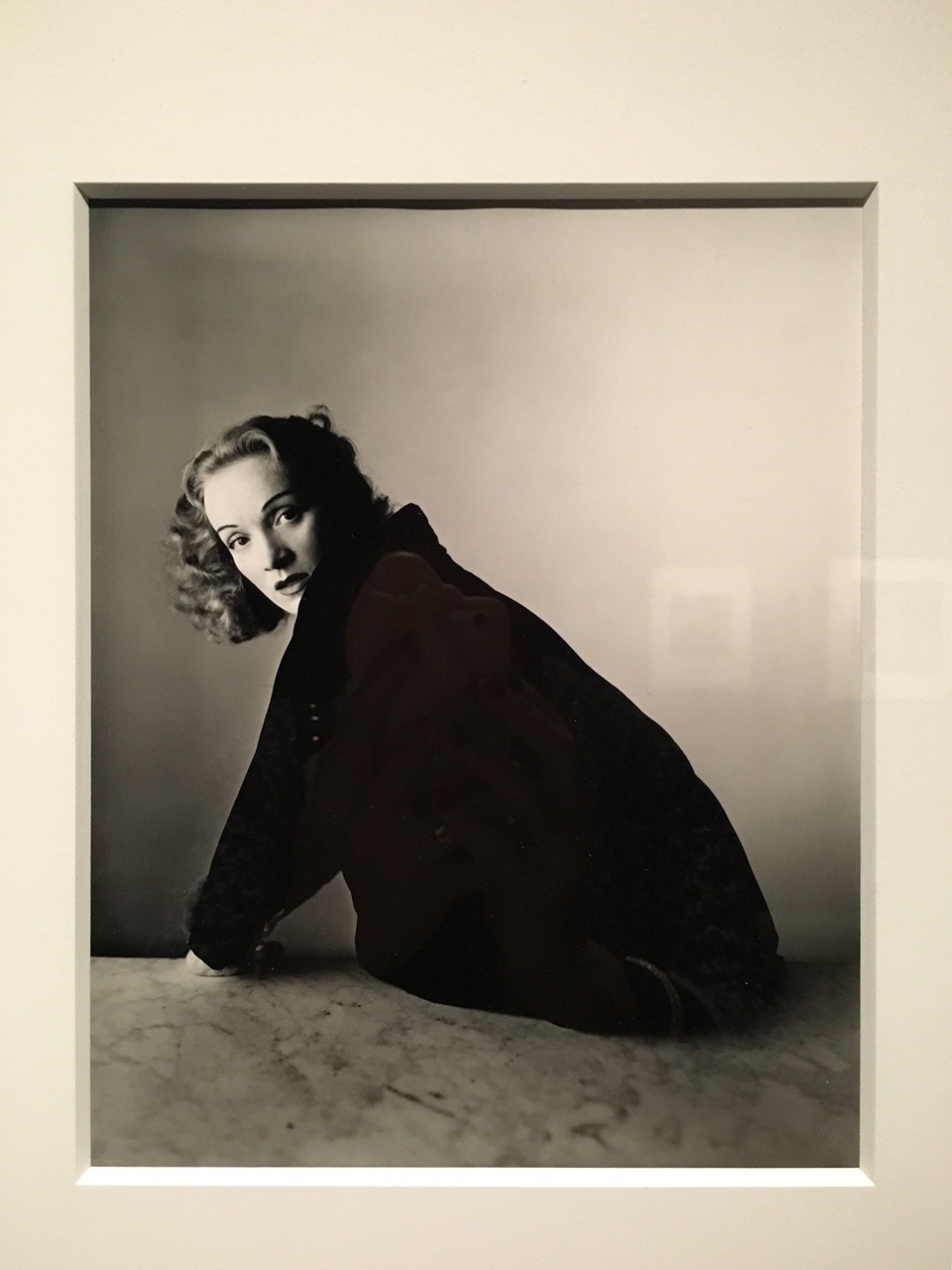
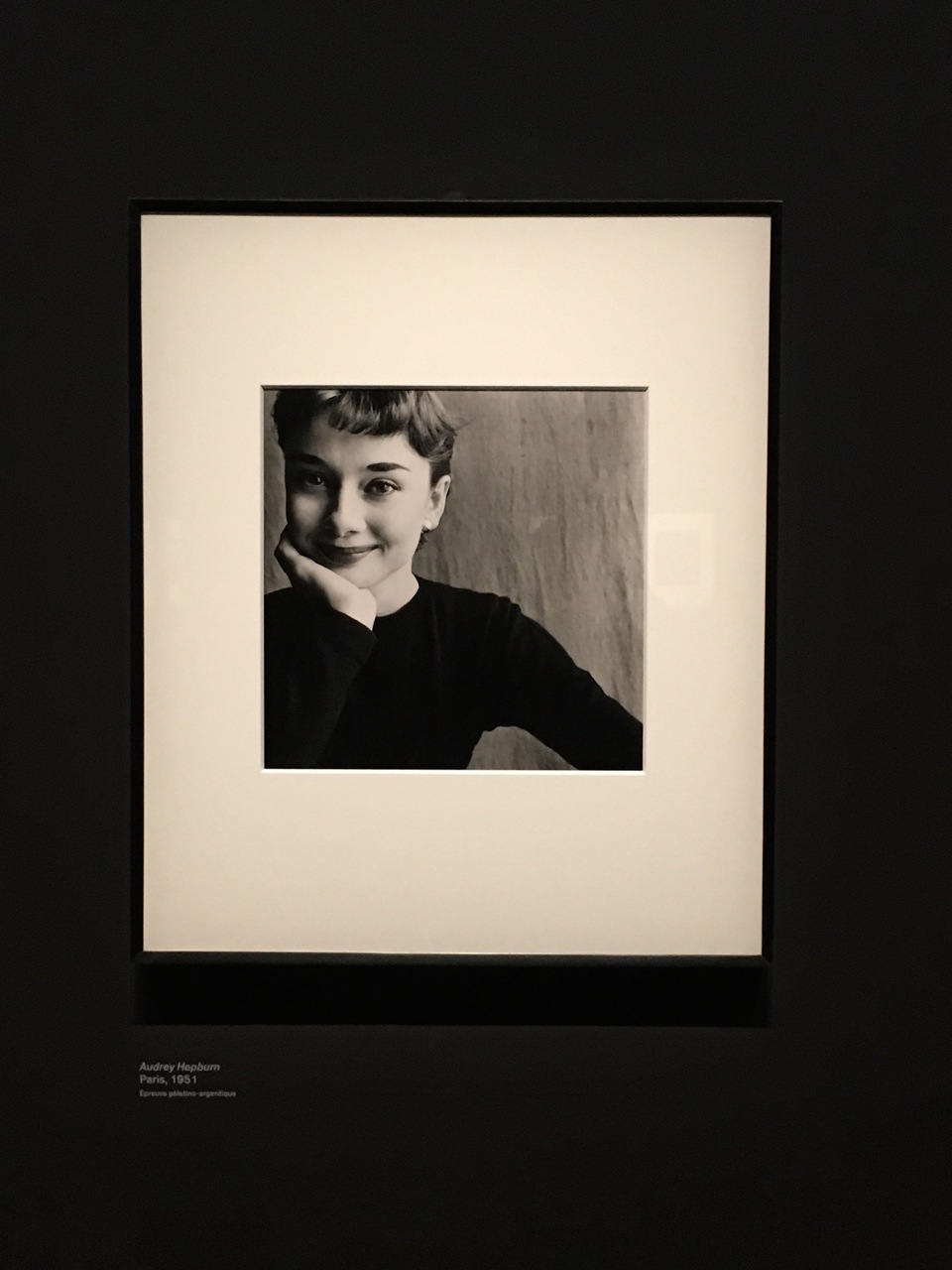
And I’ll end with what I think Irving Penn did best: celebrity portraits.
Irving PENN Grand Palais 3, avenue du Général Eisenhower
75008 Paris
September 21, 2017 to January 28, 2018