Gauguin the Alchemist – How the exhibition came together
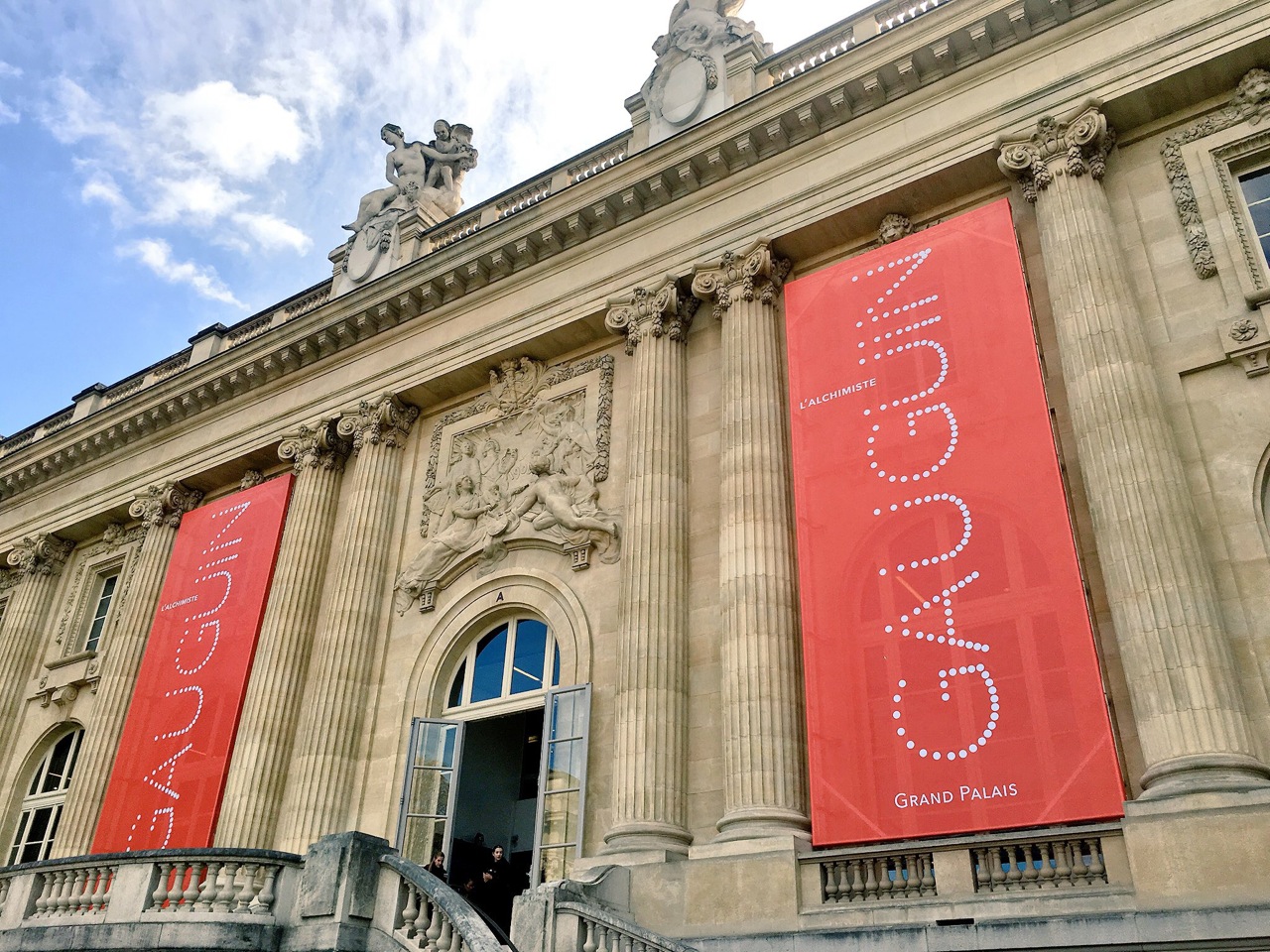
The exhibition Gauguin the Alchemist brings together more than 230 works by the artist, only 54 of which are paintings.
That sets the tone. We’re here to discover the lesser-known sides of his work.
This is the first exhibition to look at how Paul Gauguin’s creations complement one another. Ceramics, sculptures, and even woodblocks sit alongside prints and drawings, rounding out the selection of paintings, some familiar and some less so.
The works come from all four corners of the world, from the musée d’Orsay to the Musée Pouchkine by way of the Art Institute of Chicago.
The idea for this one-of-a-kind exhibition grew out of a collaboration with the latter. The Art Institute of Chicago has an exceptionally large collection of Gauguin’s graphic works, which it made available for this exhibition. The sculptures and ceramics come from the musée d’Orsay.
Gauguin the Alchemist – A walk through the exhibition
This is a journey. It’s a journey through time, with a wall-length timeline in the first room tracing Gauguin’s life. It’s a journey across the map, following the artist to his various destinations, but also a journey through his work, which is much more varied than I’d imagined.
The right to dare is what he claims for himself, and that’s where the exhibition begins. With a claim he makes loud and clear and puts into practice from Paris to Brittany and all the way to the islands.
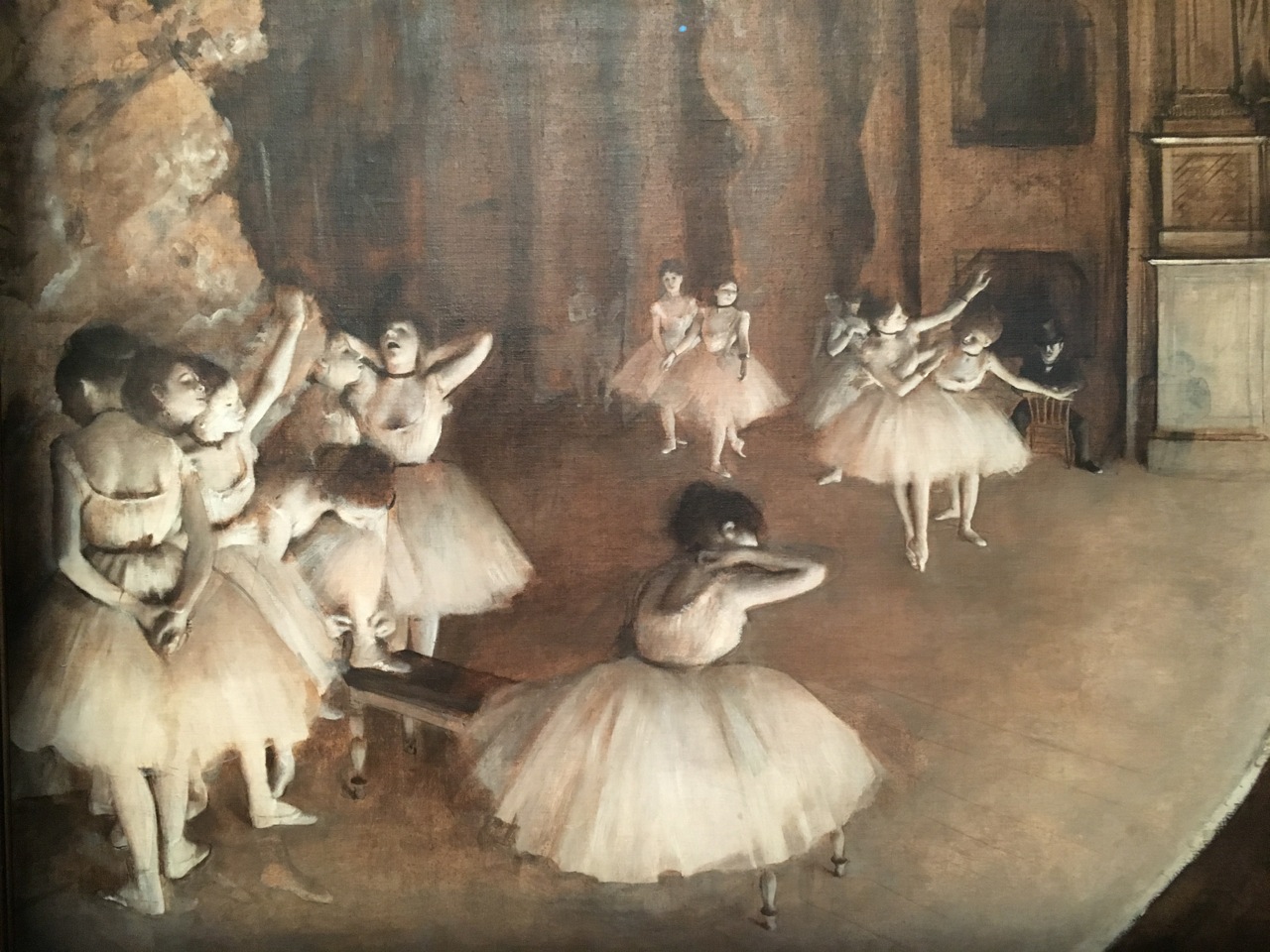
We discover his early influences in the first section of the exhibition: Making Images. Here, in this laboratory of forms, we see how he got started, with this work by Degas, whose motifs he borrows for several works of his own.
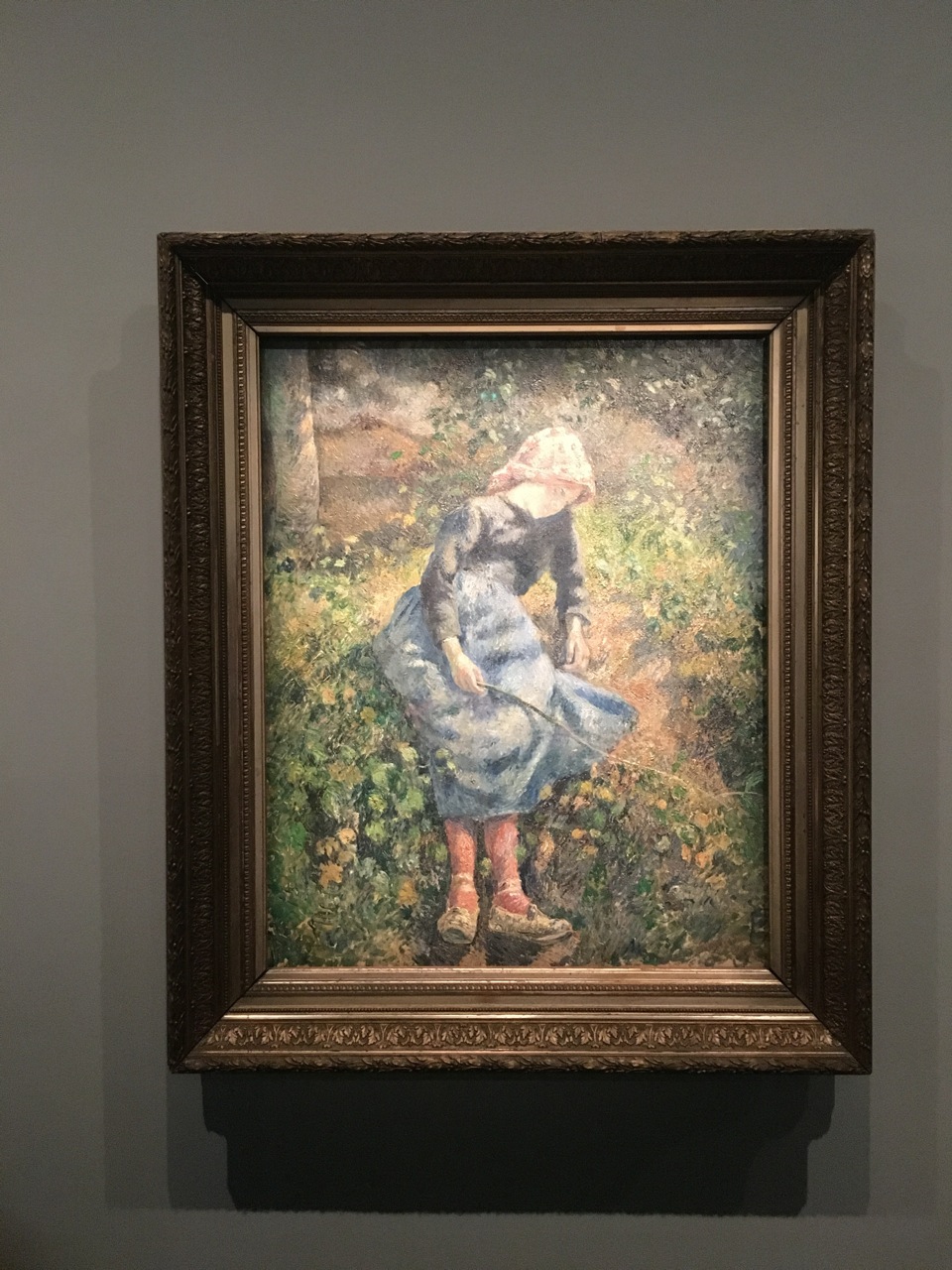
Pissarro would become his guide and introduce him to the world of the Impressionists.
For a while, Gauguin would draw inspiration from his work.
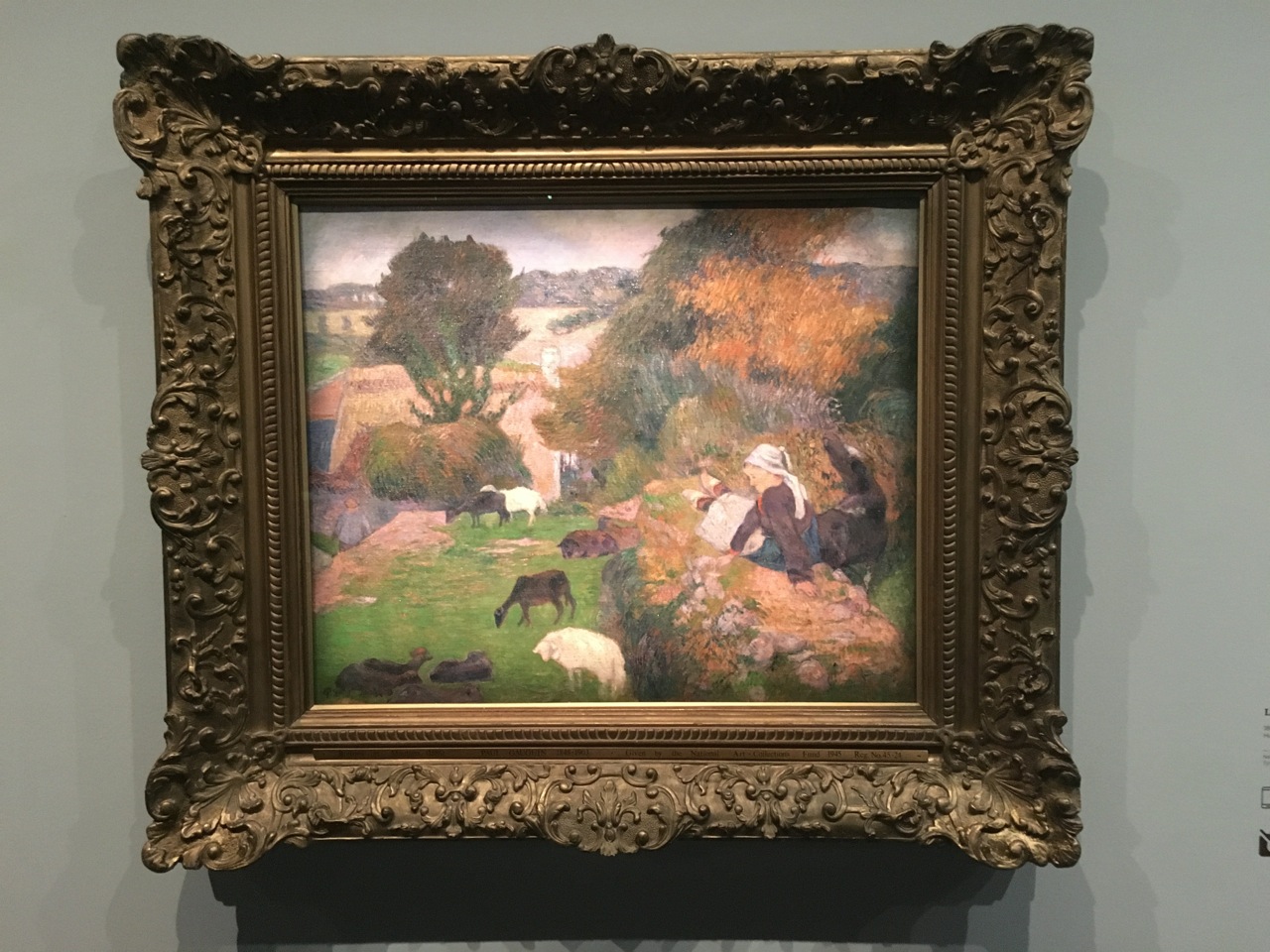
You can already see him moving back and forth between mediums, each creation feeding into the next.
From sketch to painting.
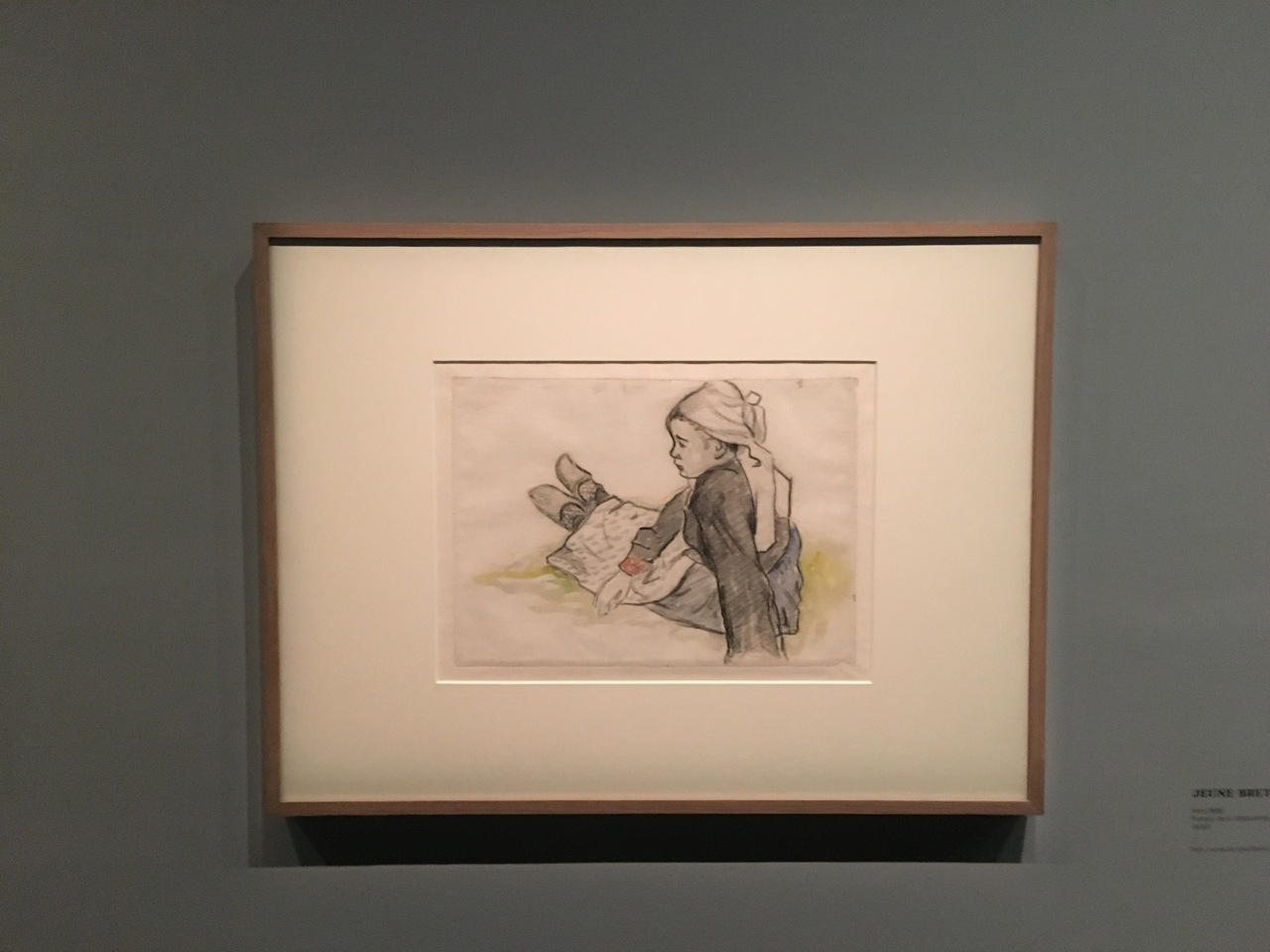
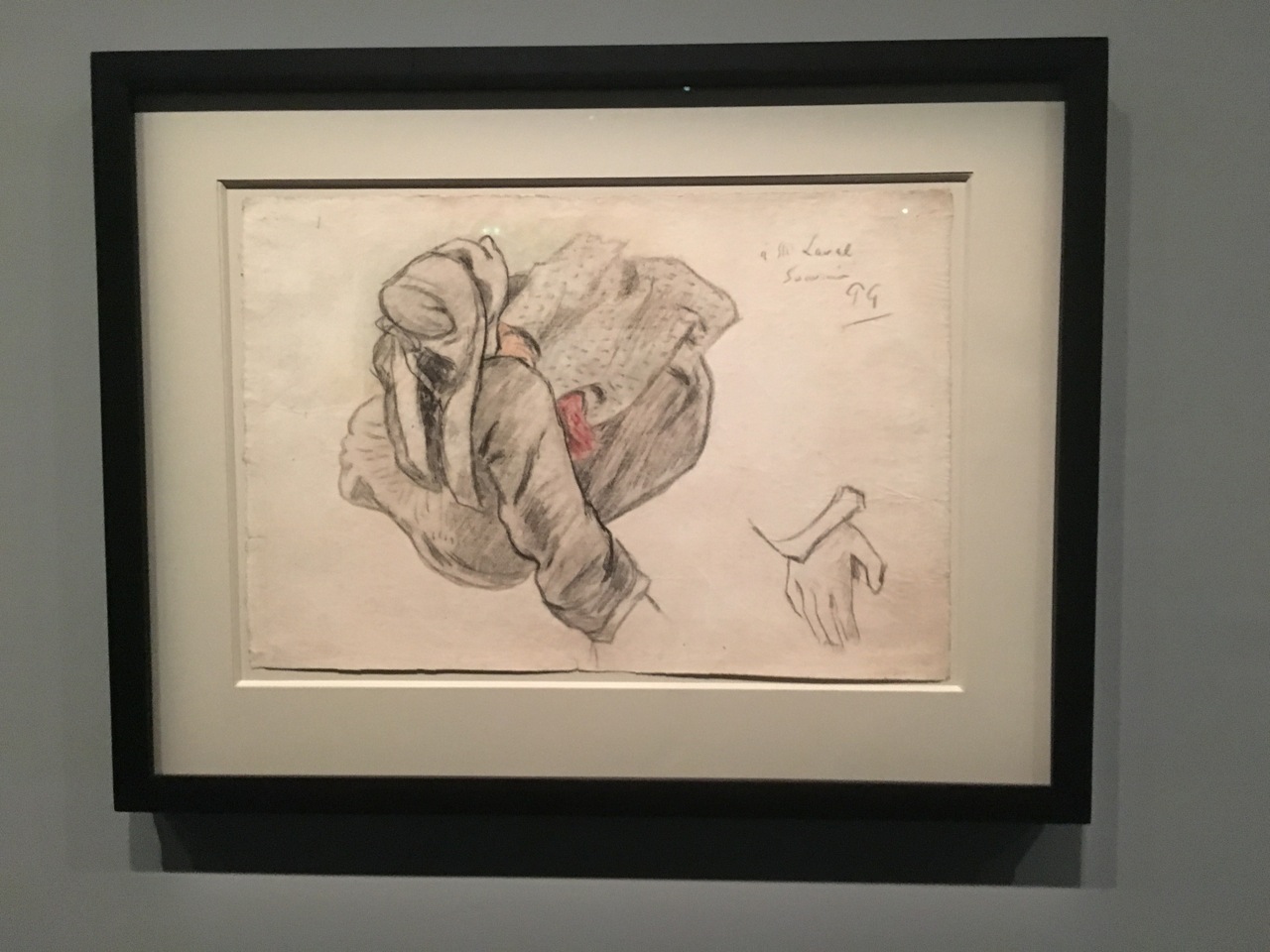
And from the object itself to its depiction.
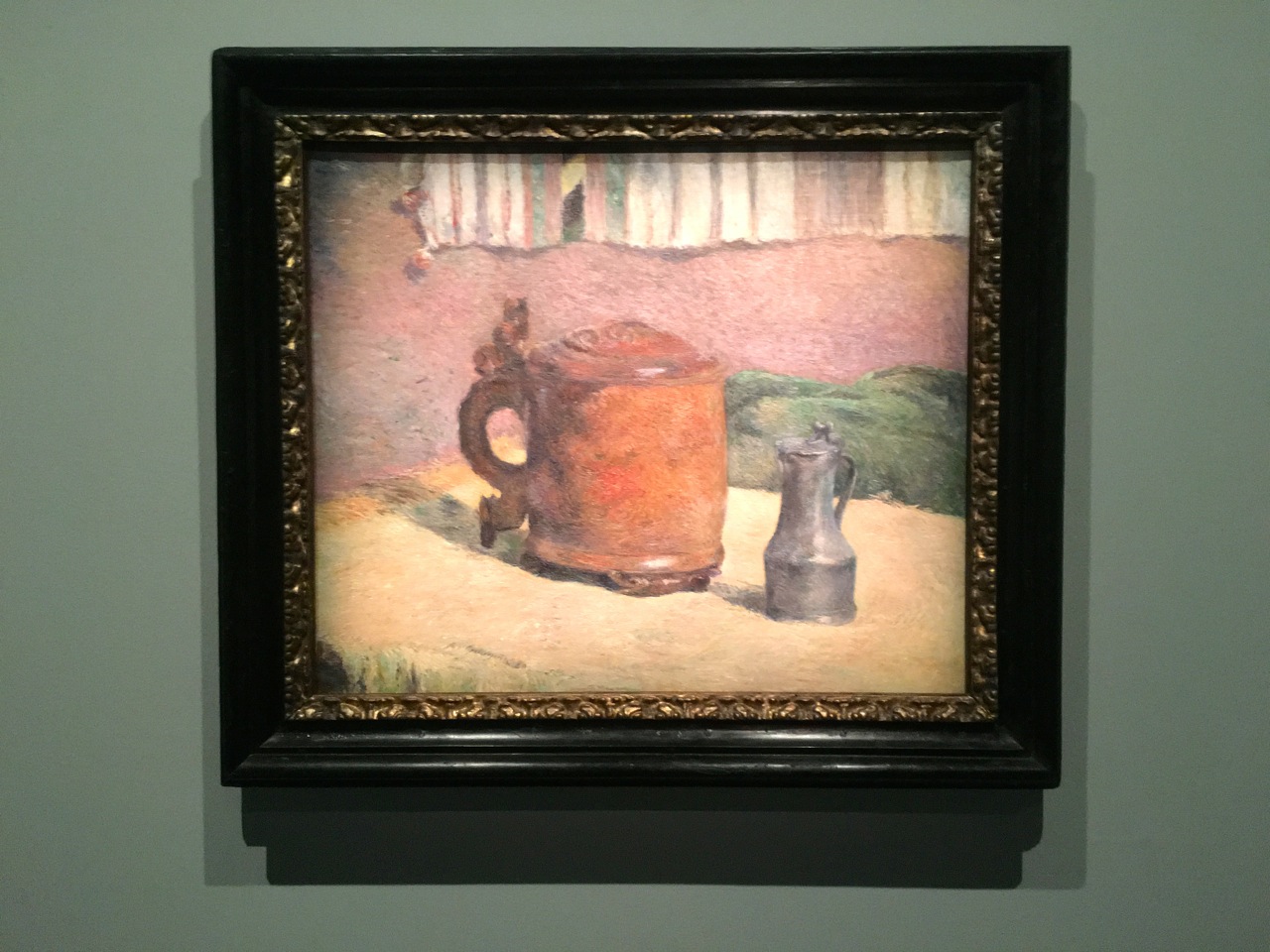
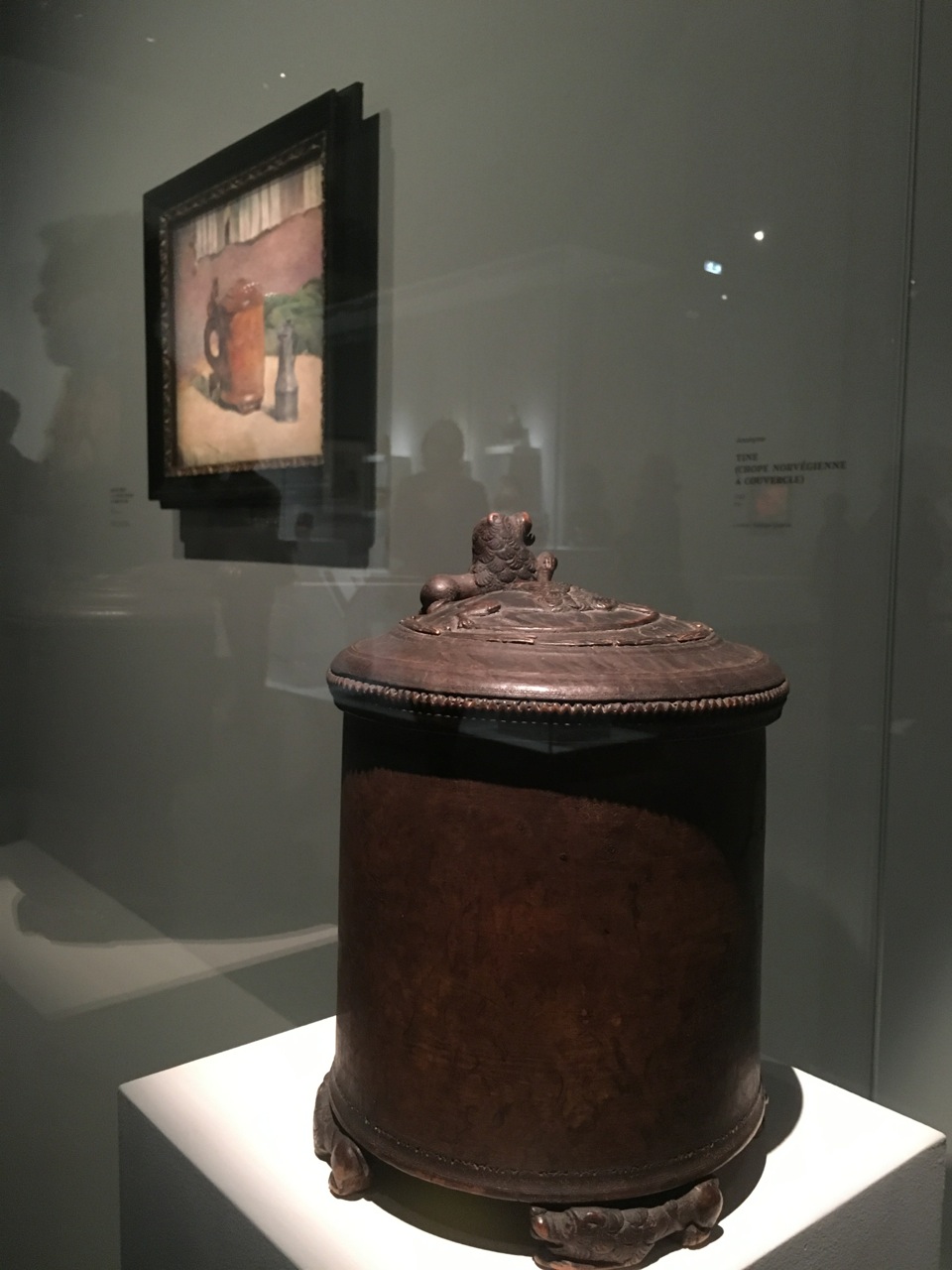
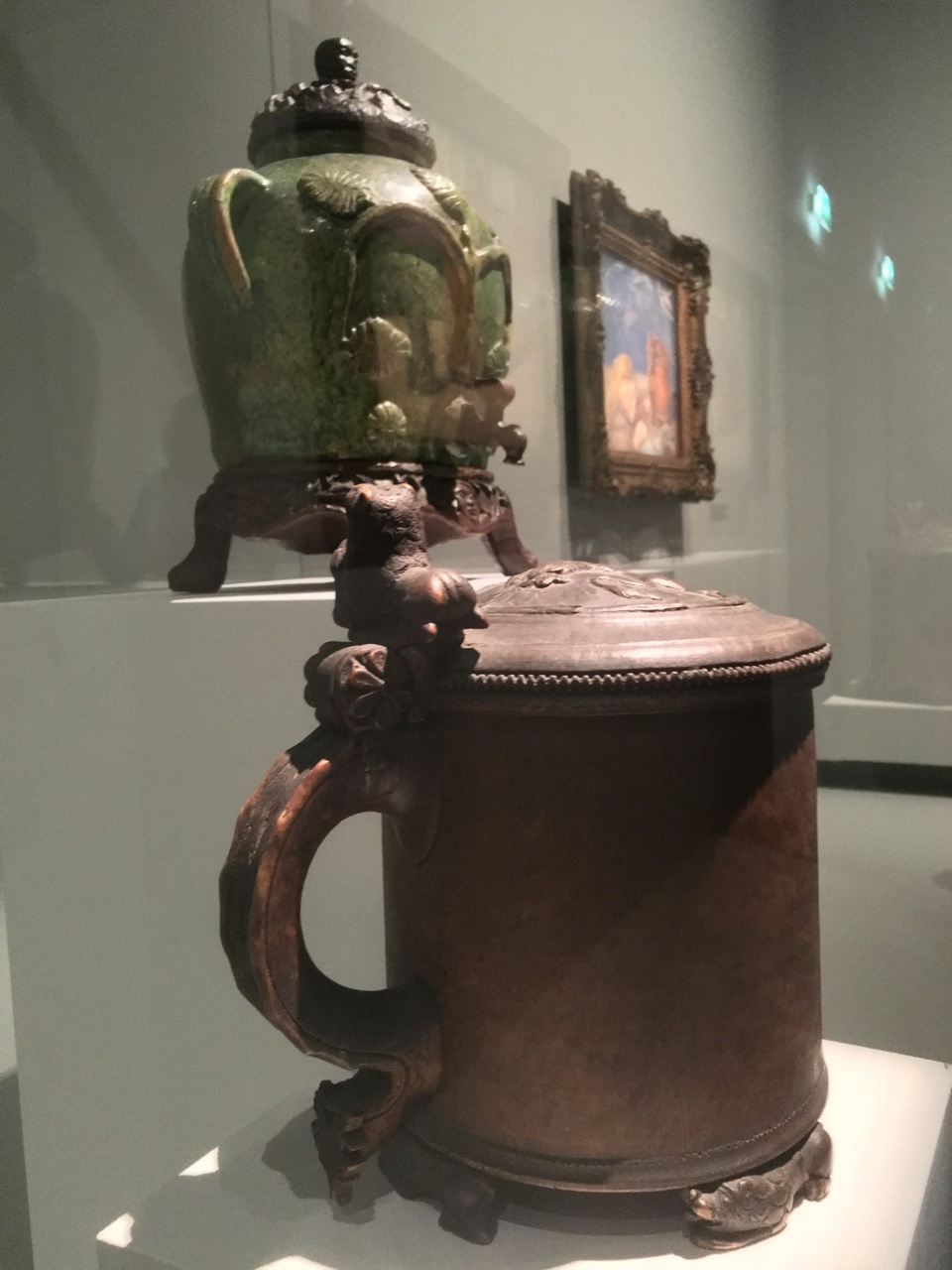
The second section focuses on his Brittany period.
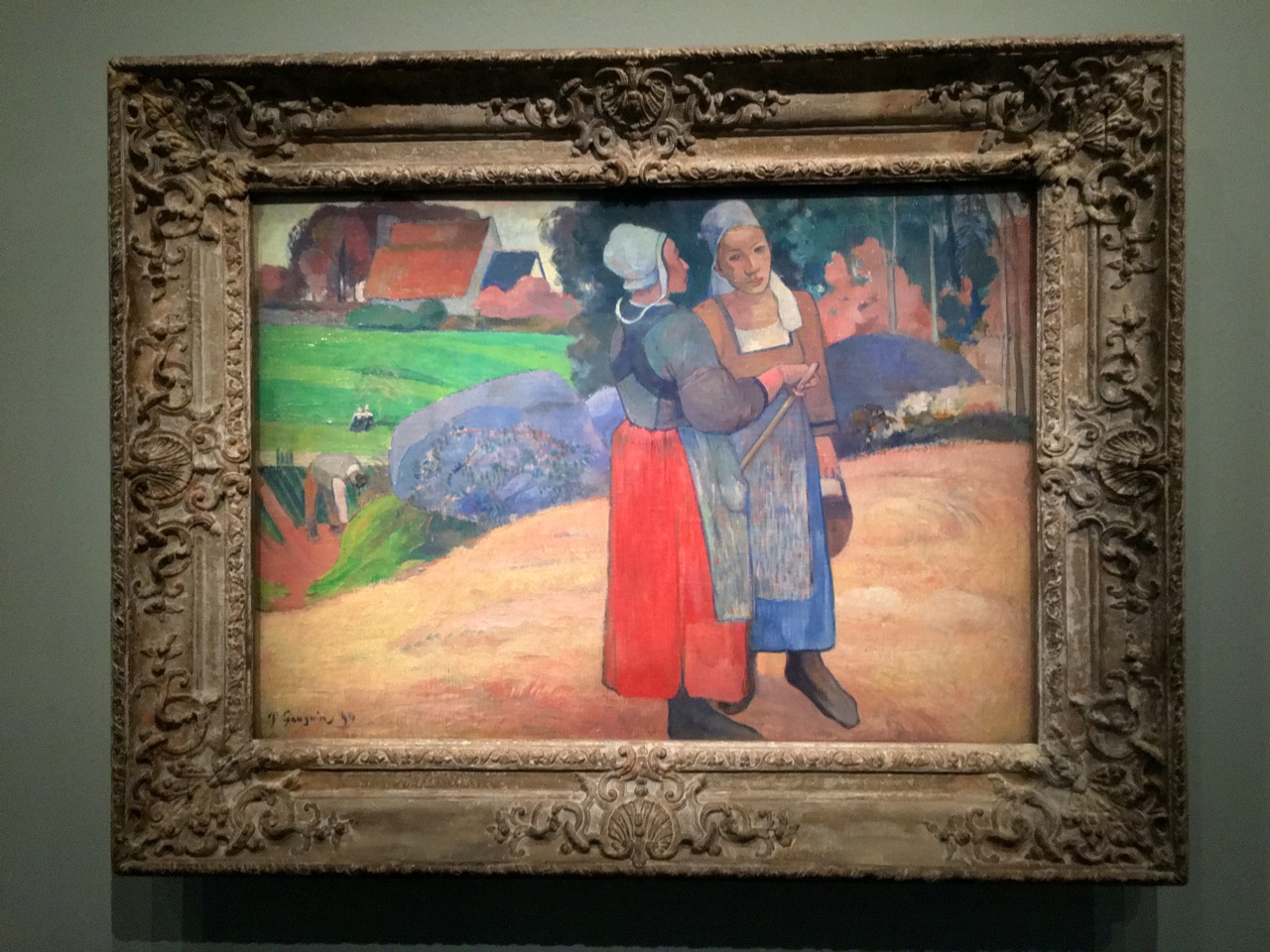
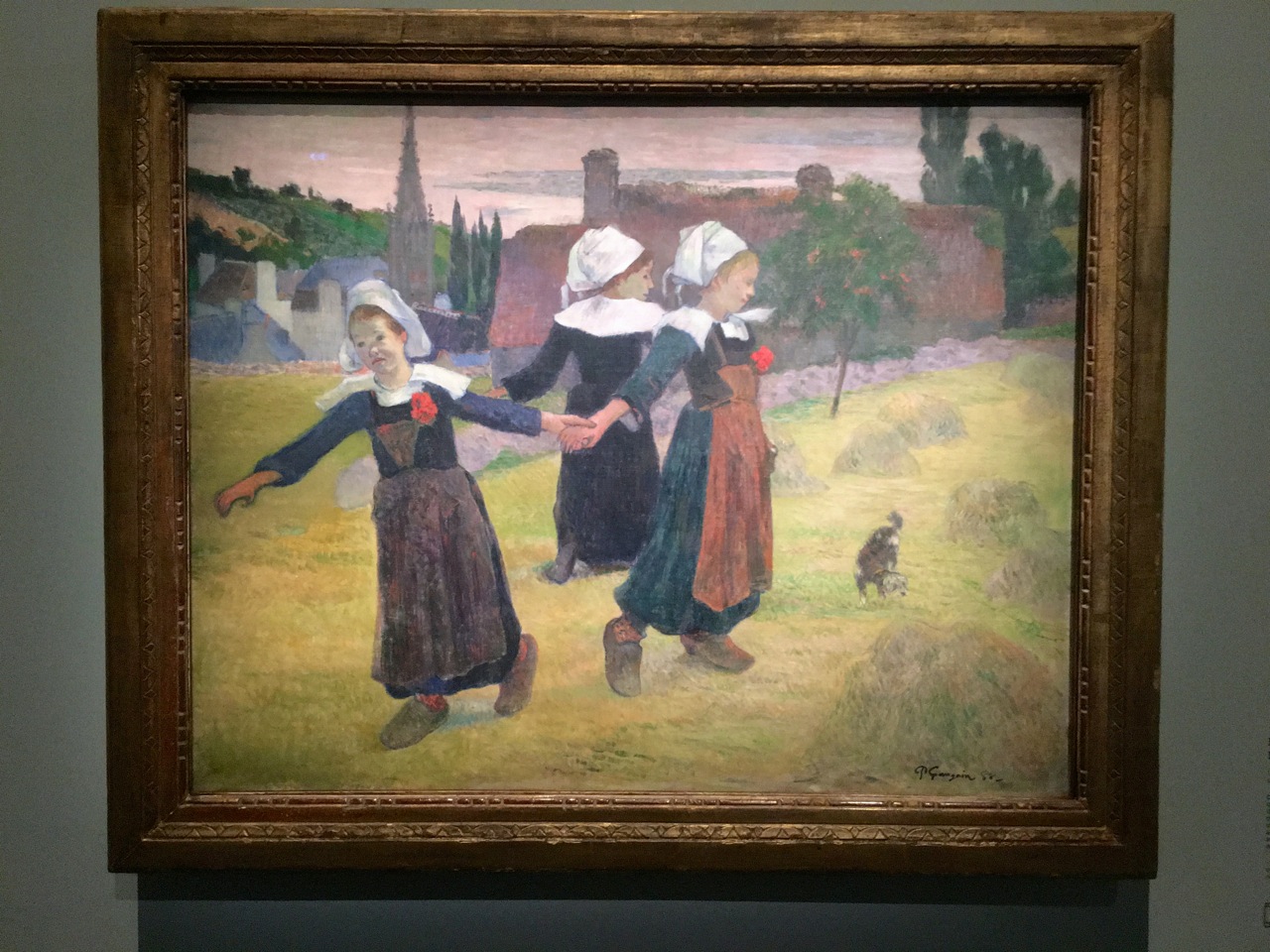
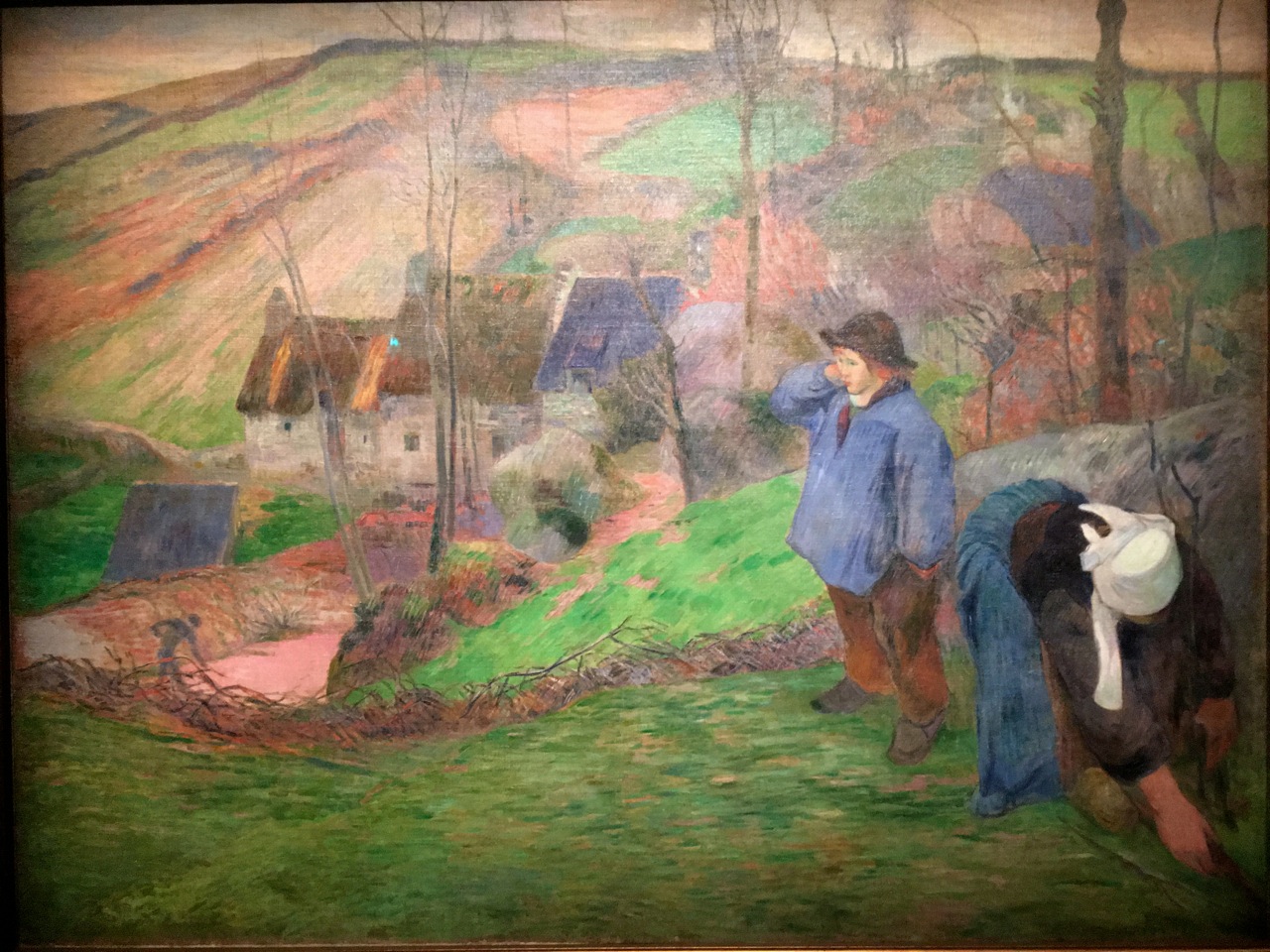
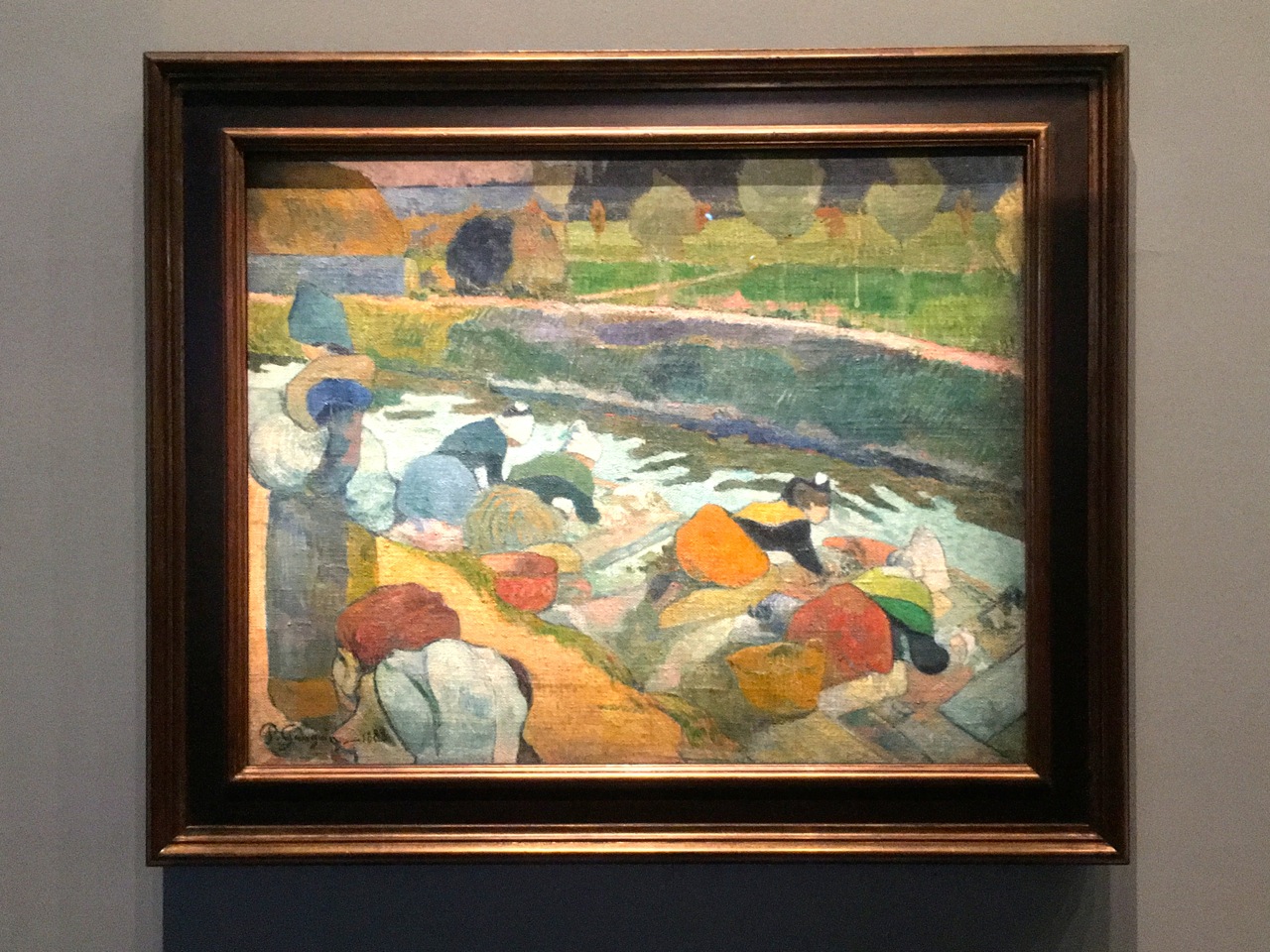
This is where his variations on a motif take shape.
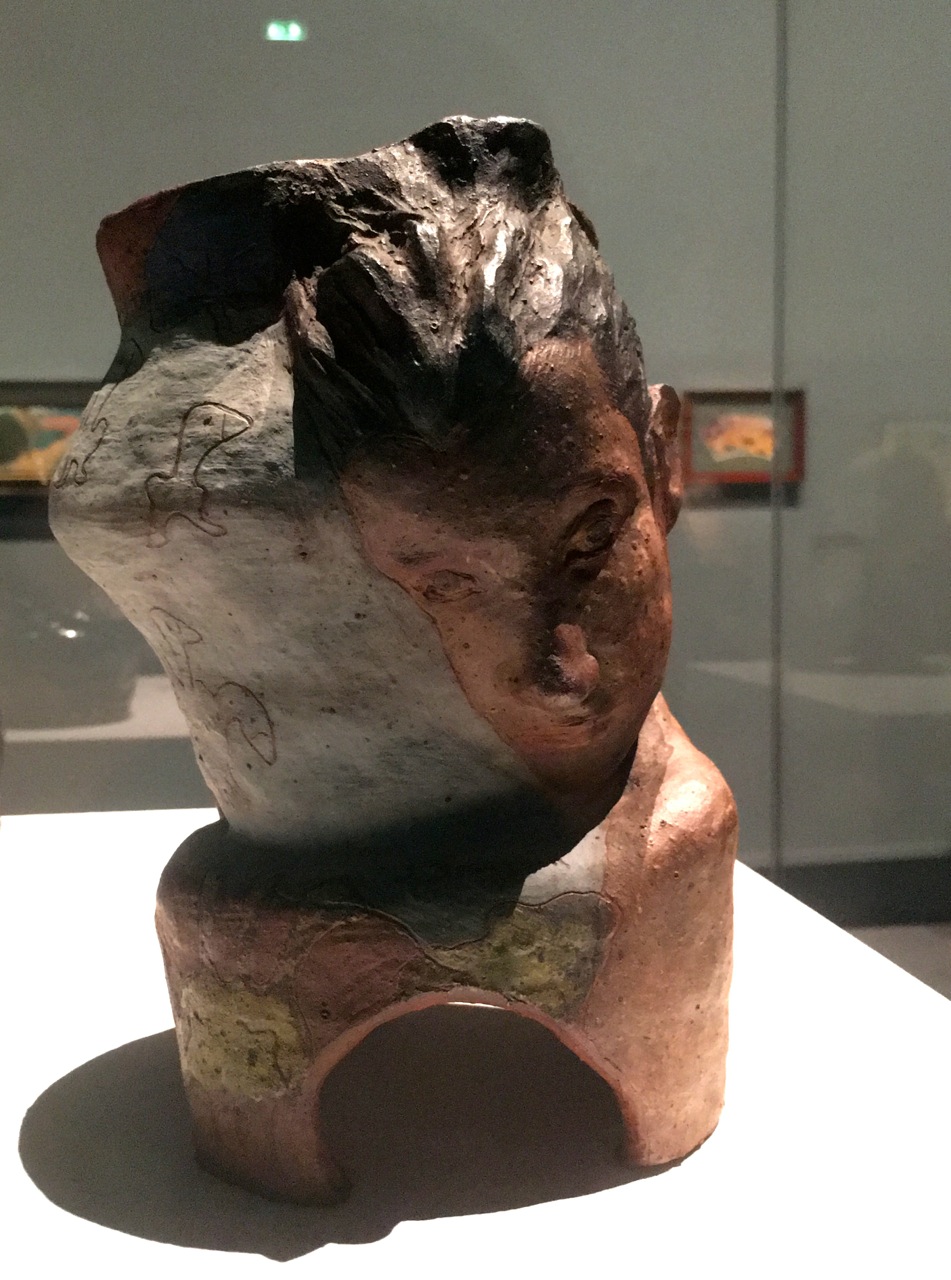
From one medium to another. From wood to ceramic, as you can see in this ceramic piece and its carved counterpart.
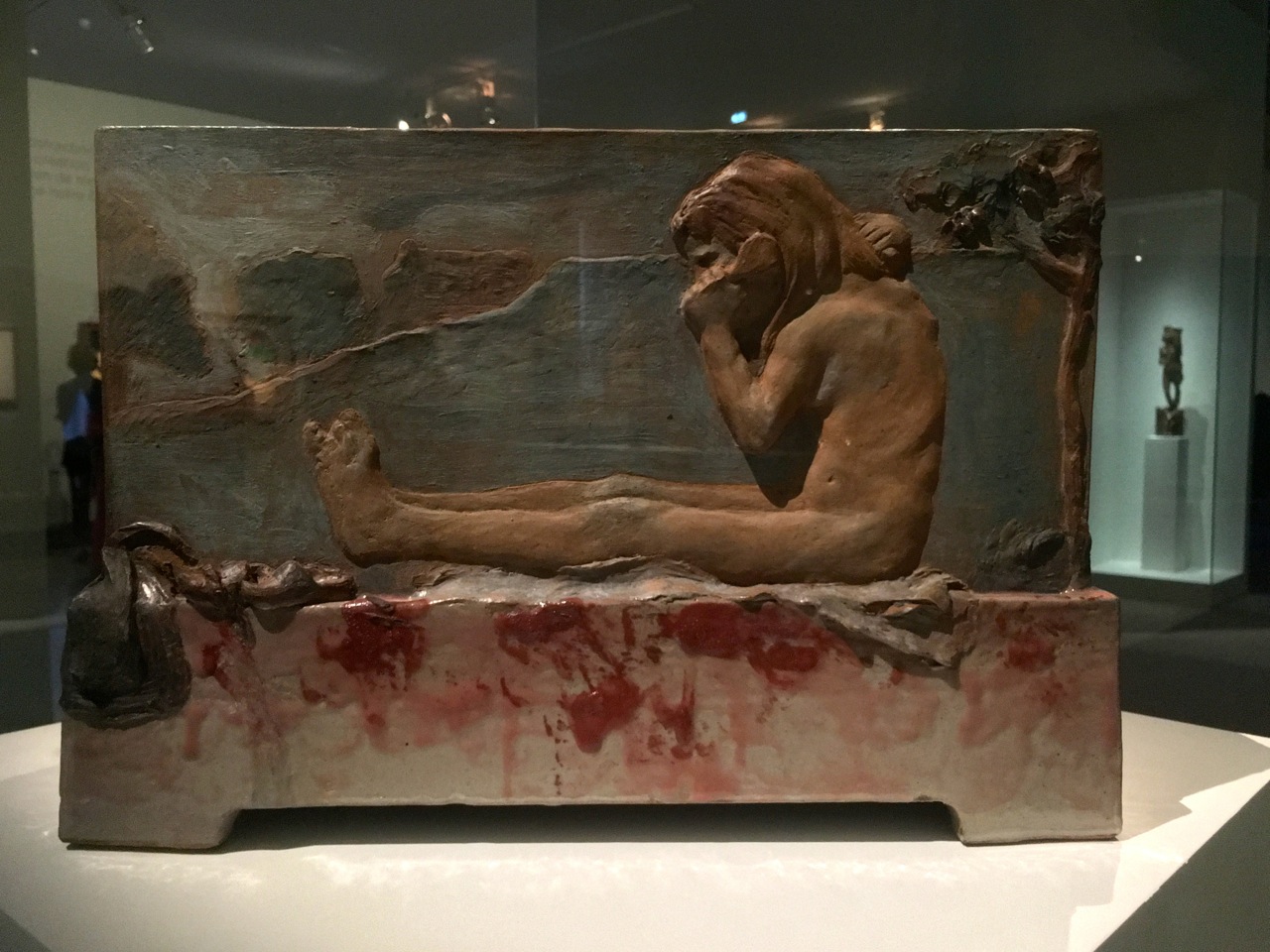
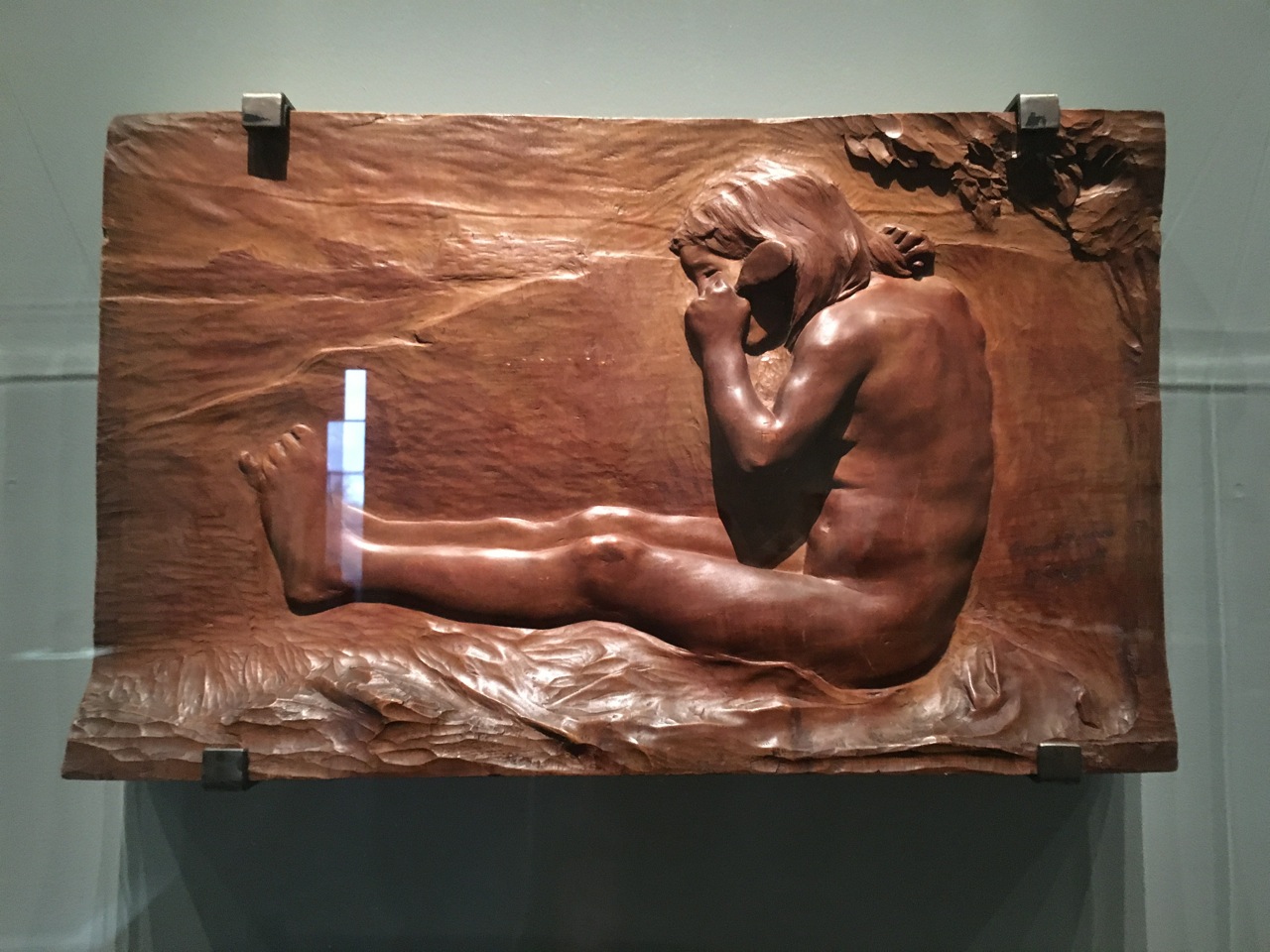
This exhibition can be a lot of fun if you go on a scavenger hunt for recurring images across such a wide variety of works.
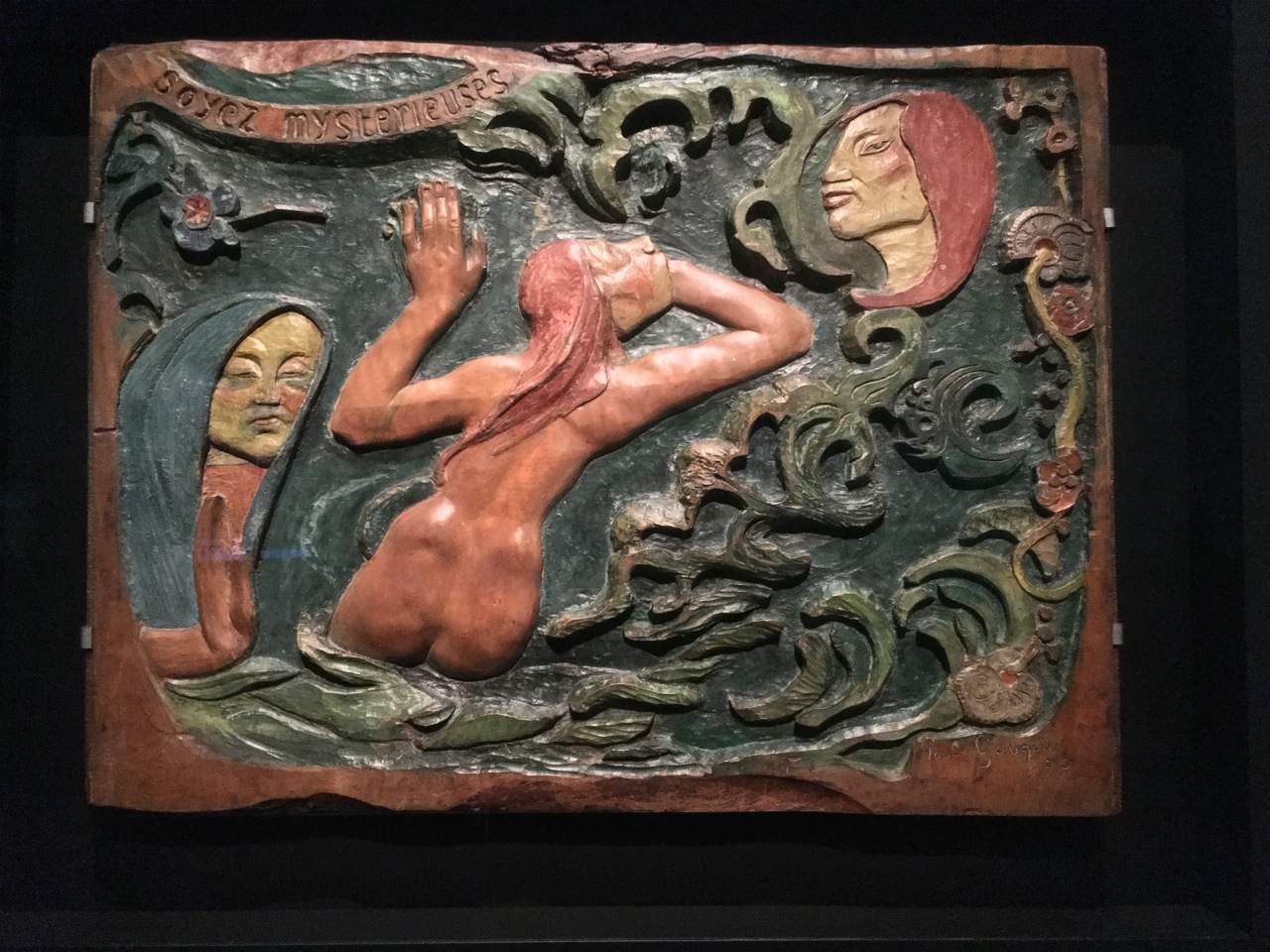
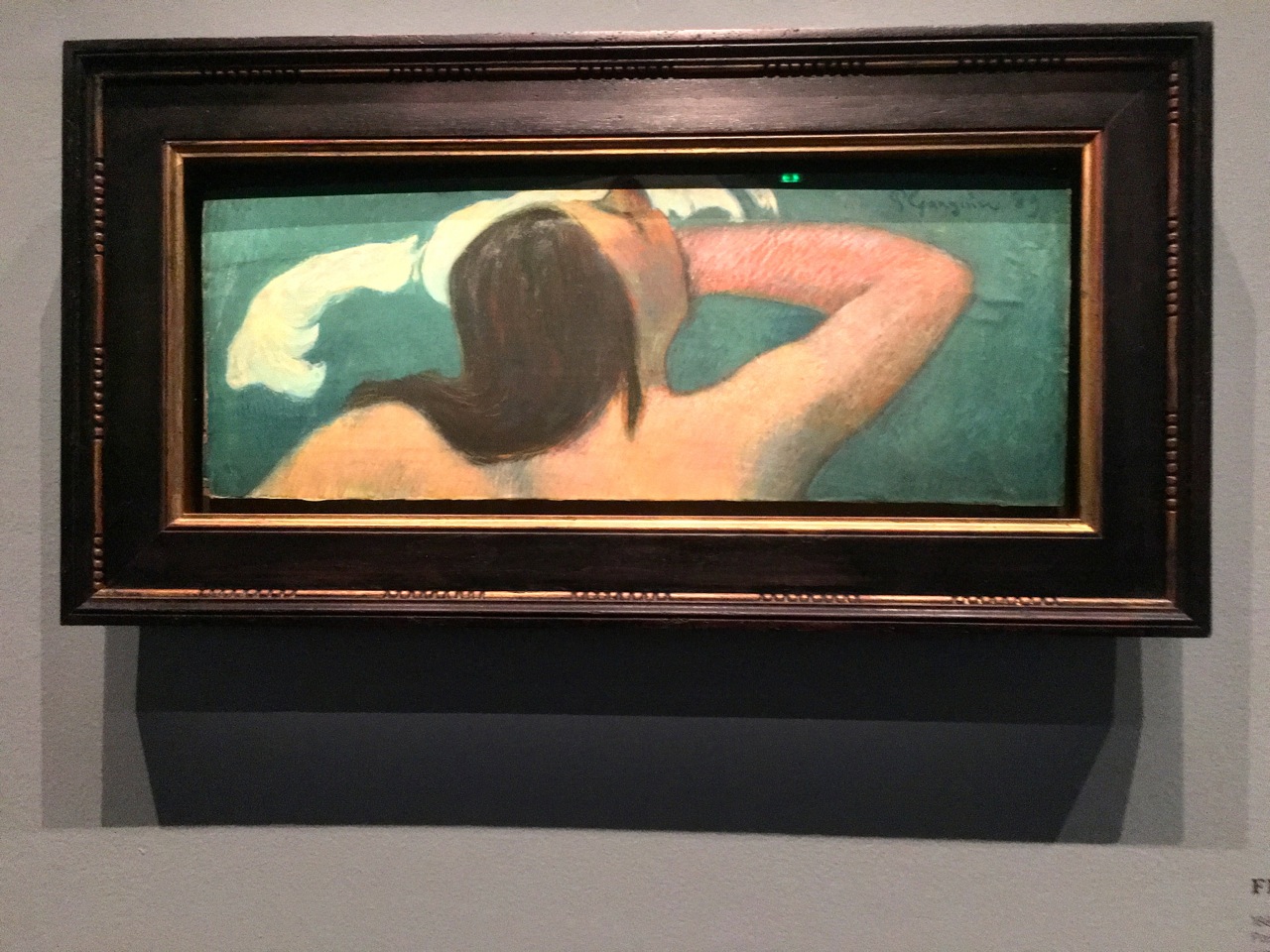
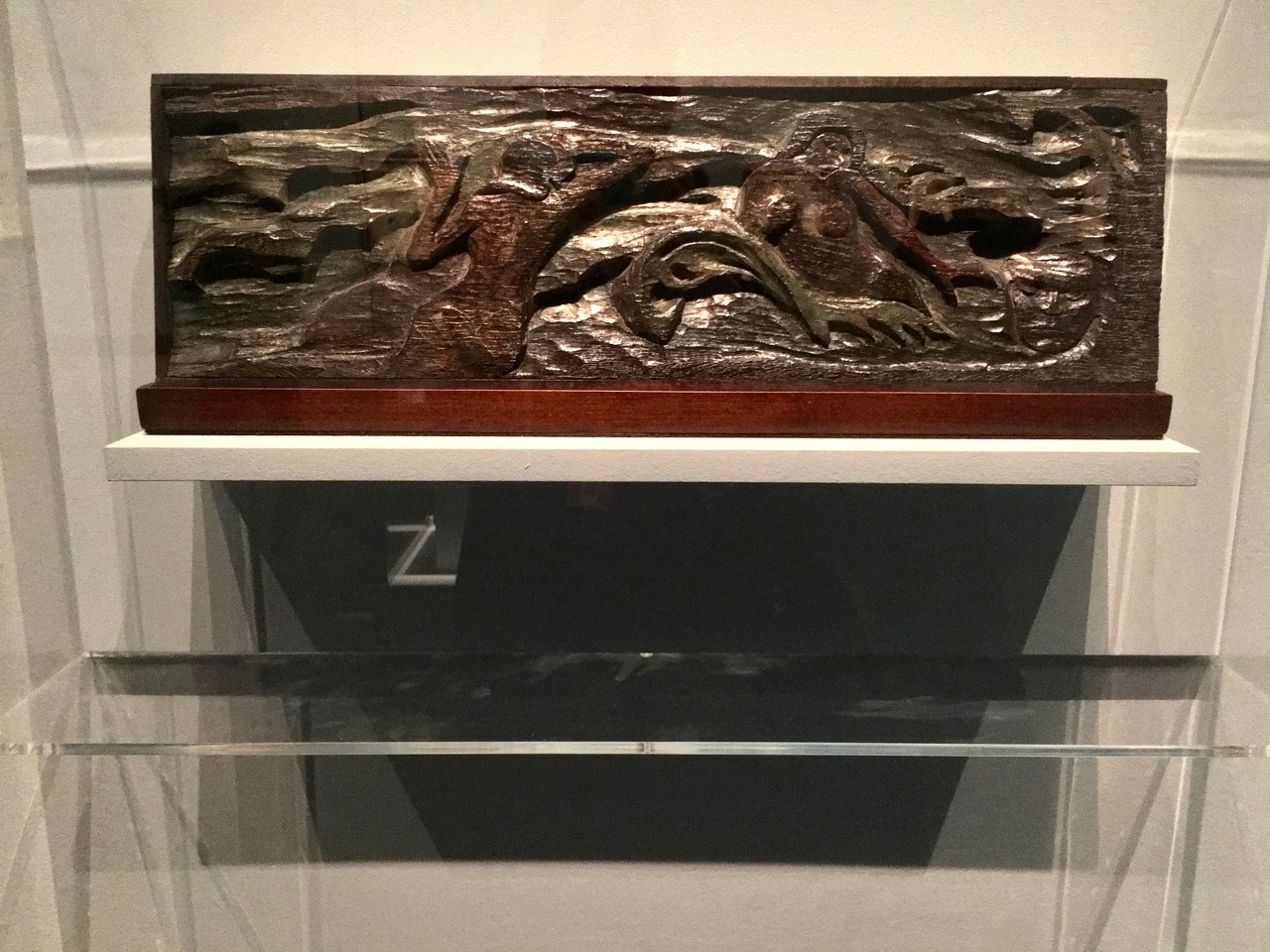
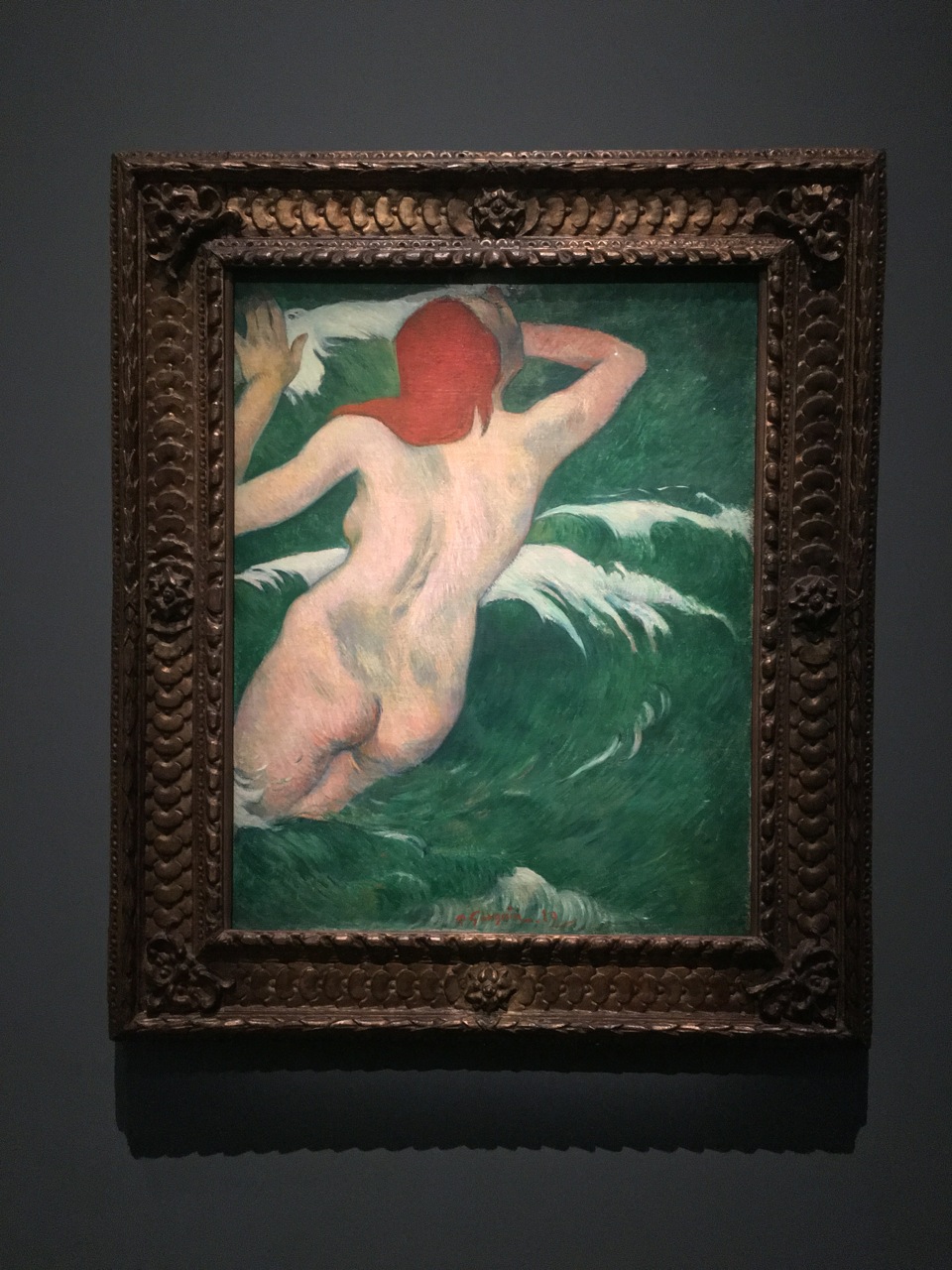
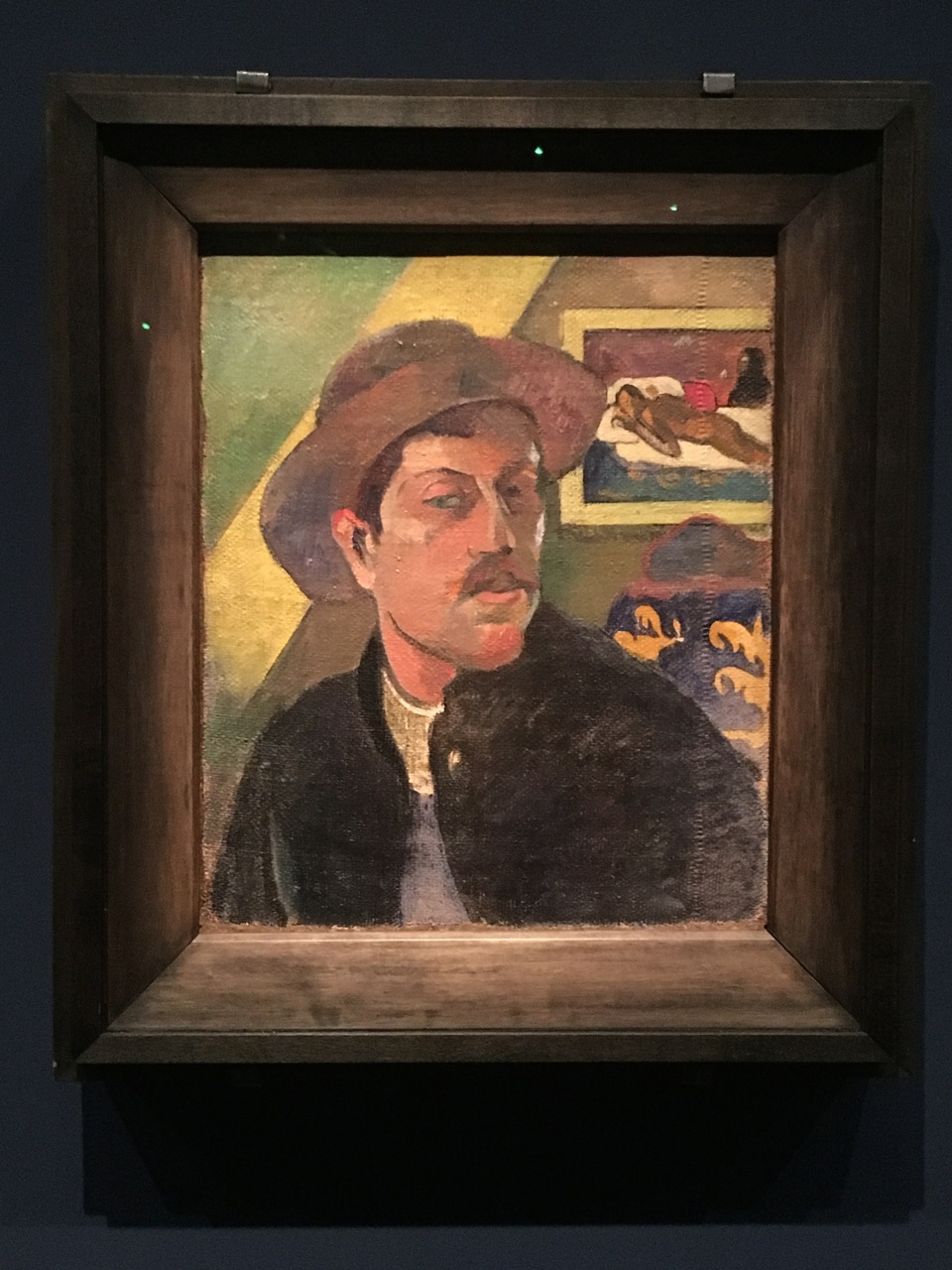
Or you can look for works tucked inside other works when Gauguin goes into full Inception mode.
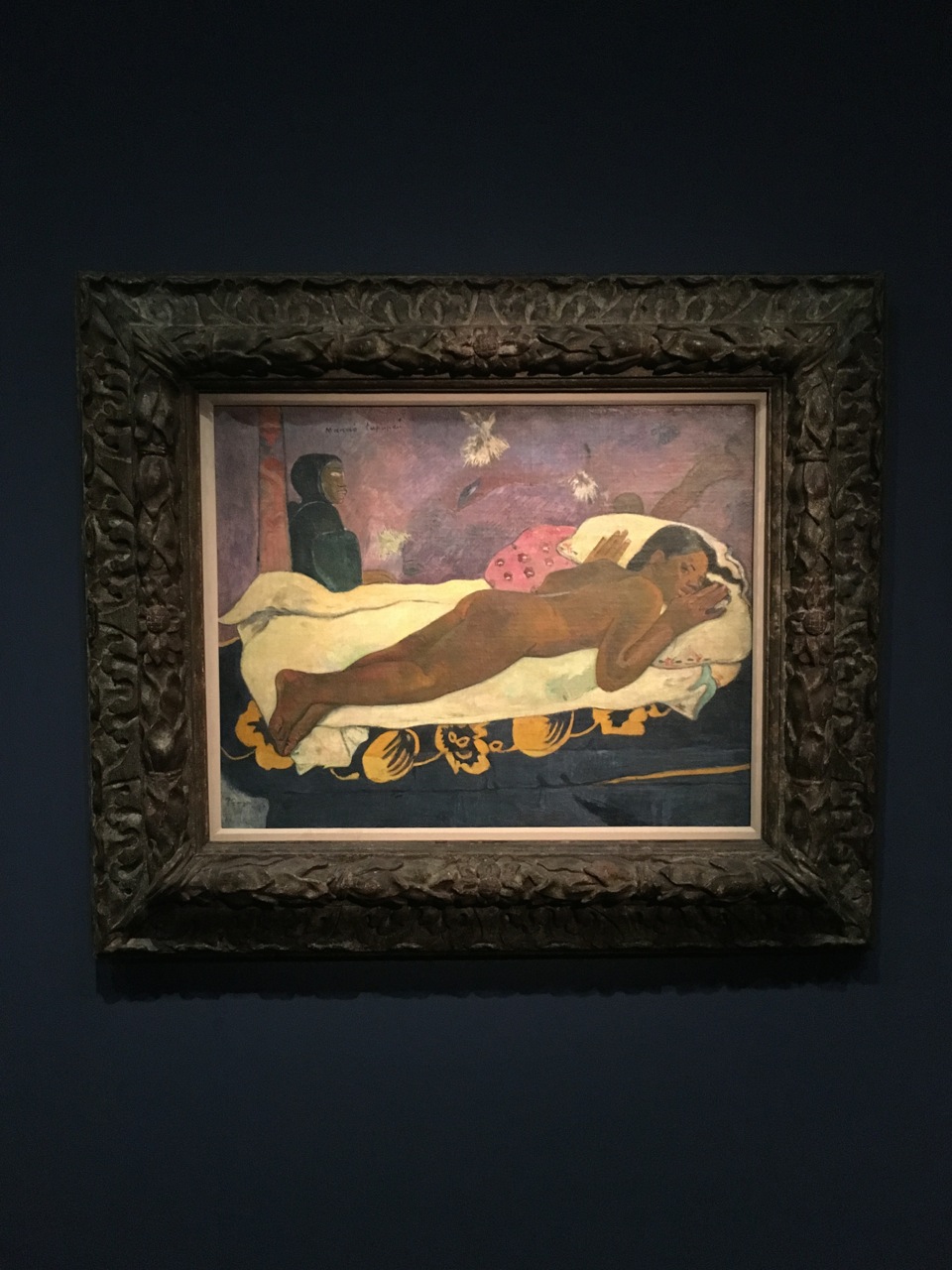
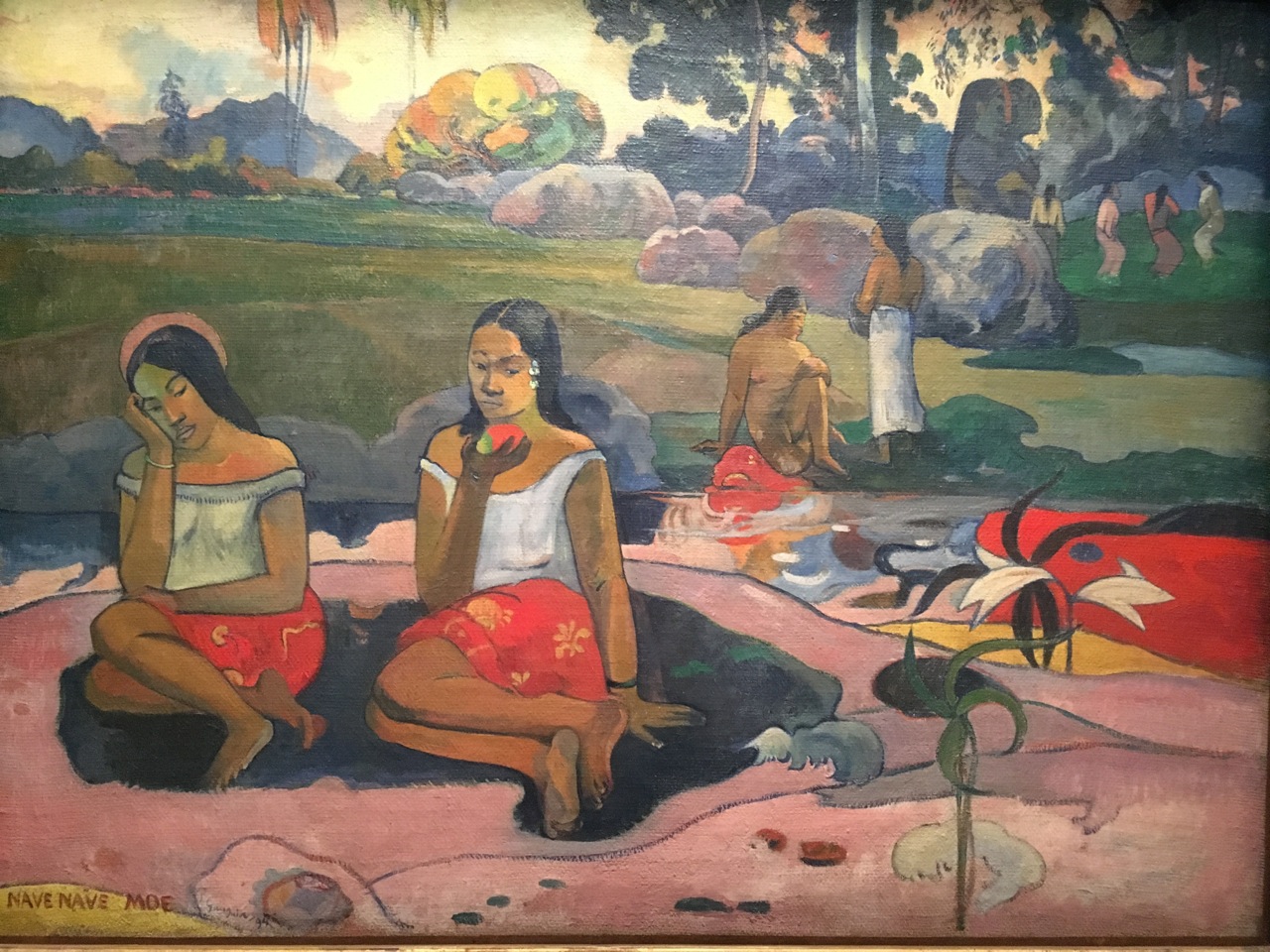
Let’s head to another floor and step into the world of the islands. A first trip to Tahiti gives Paul Gauguin the chance to shape his first vision of Tahitian life. It’s a world of gentleness and simplicity, populated by young women he portrays as innocent and at one with nature.
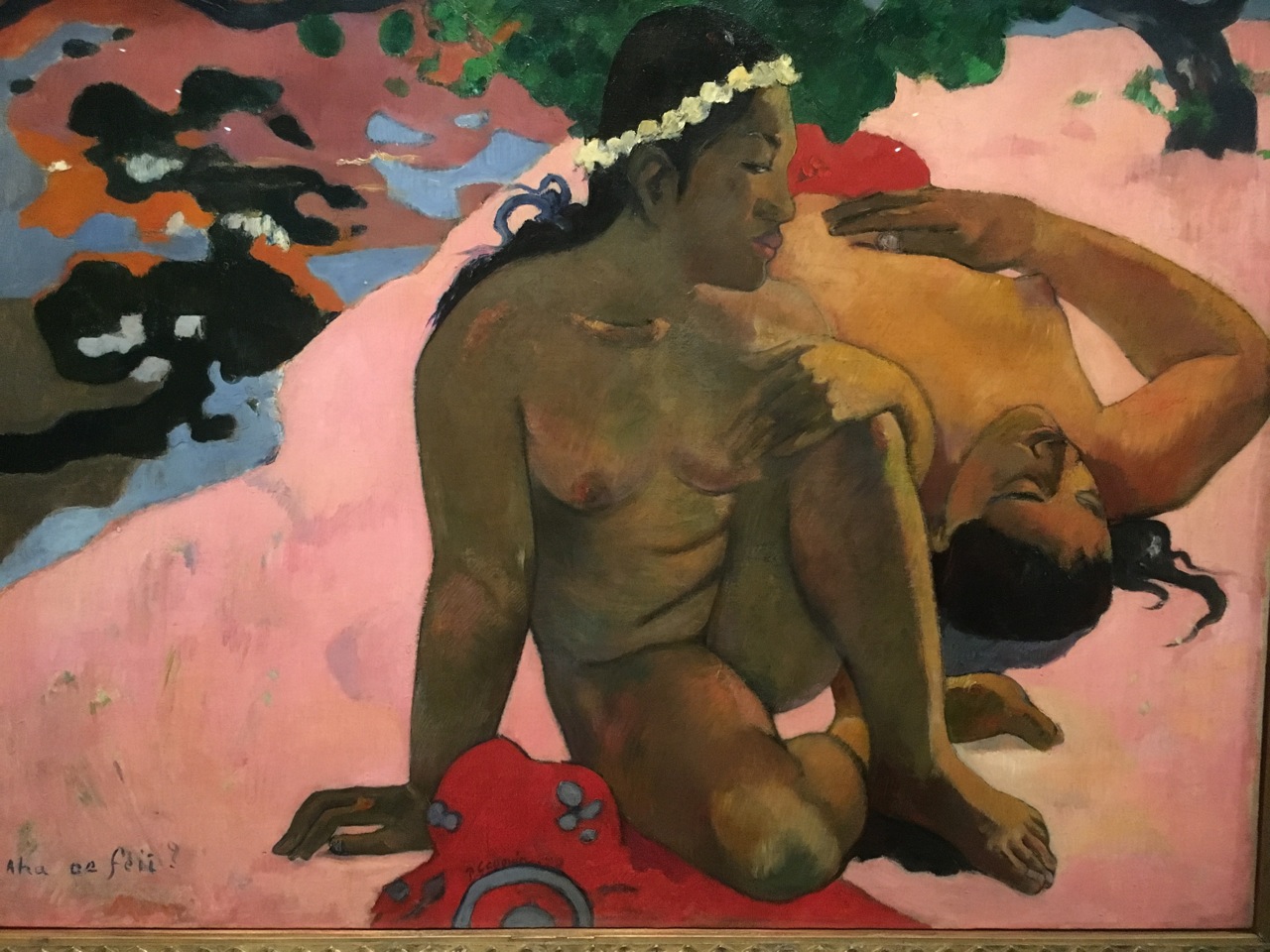
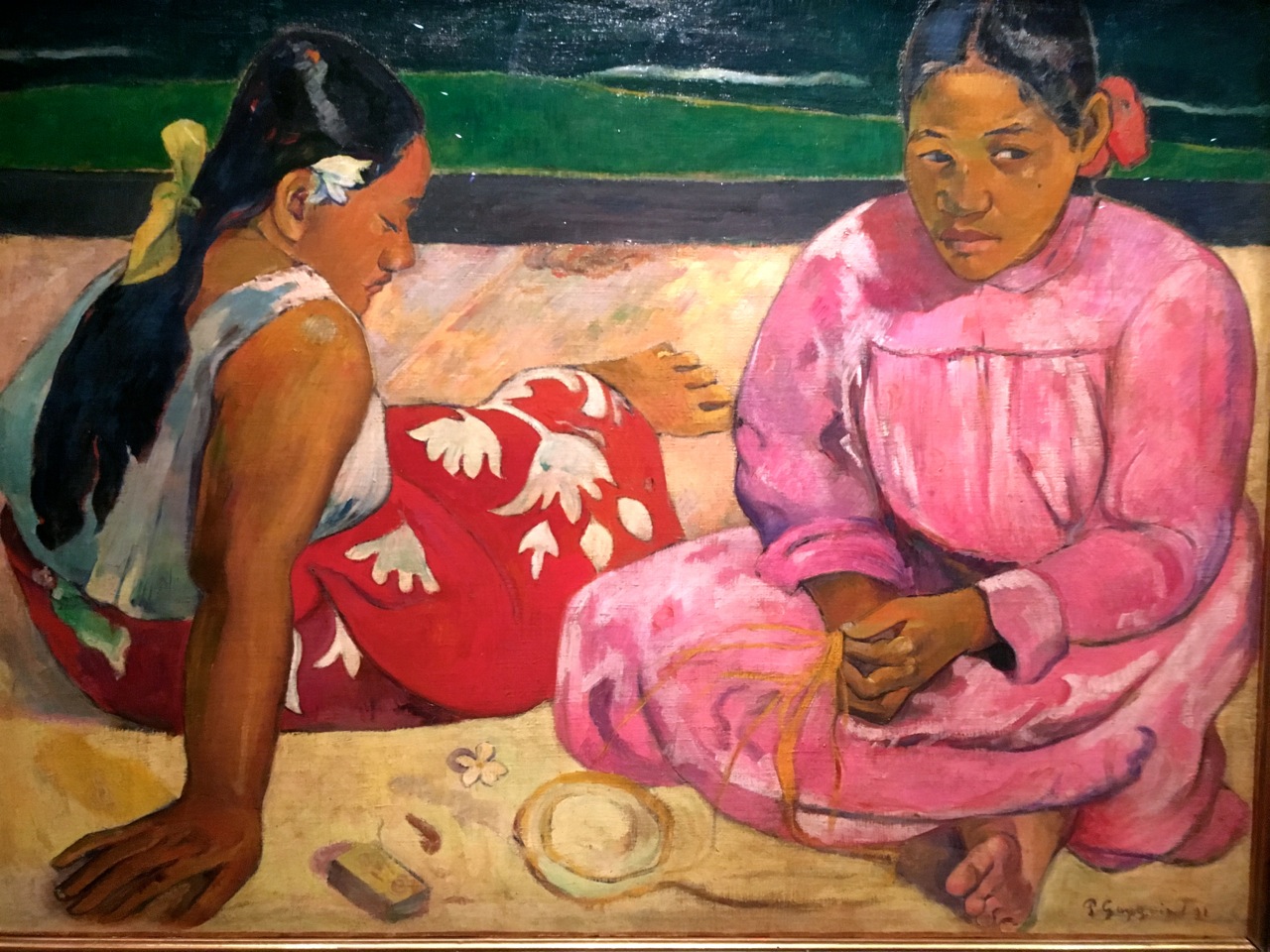
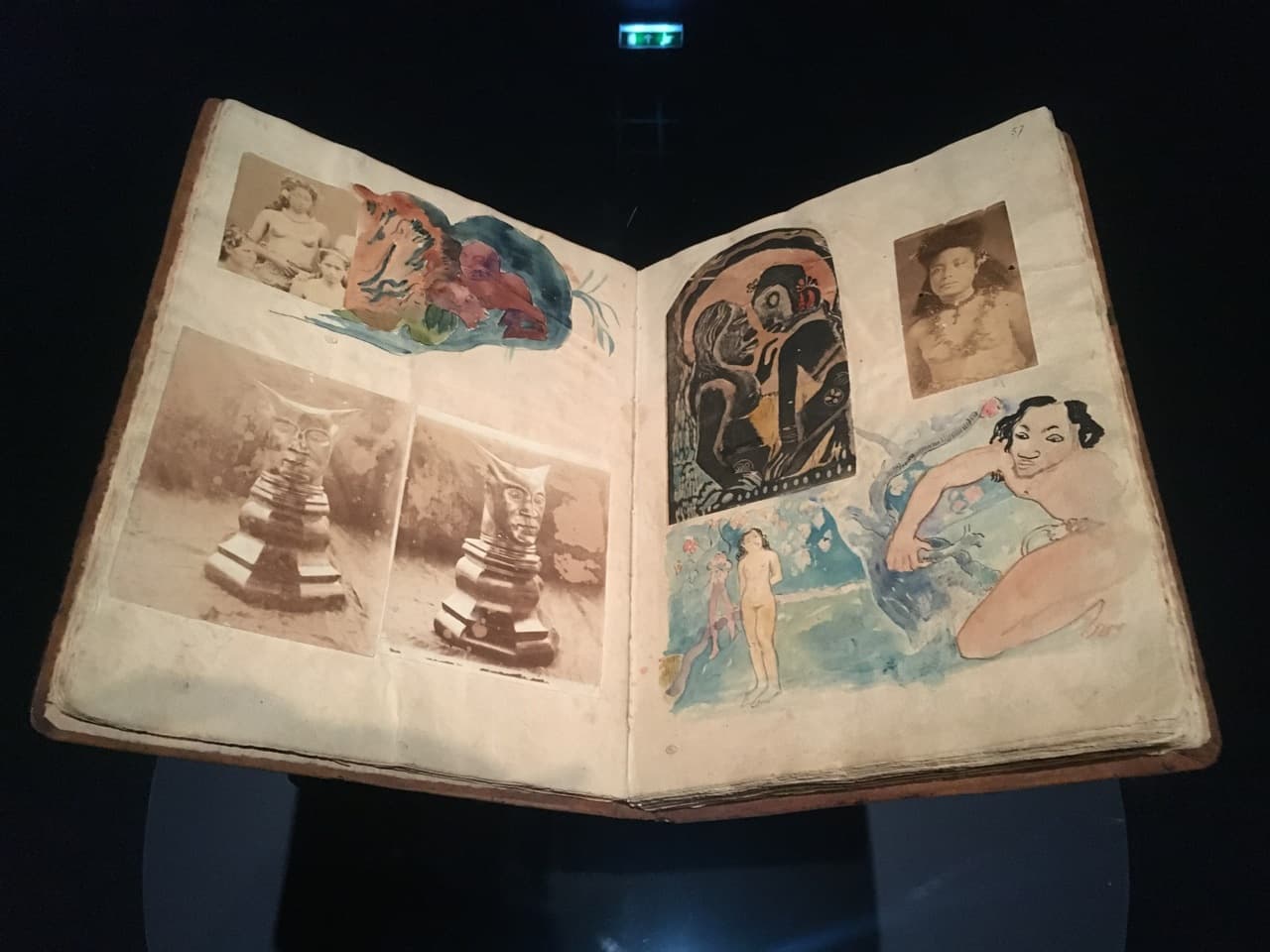
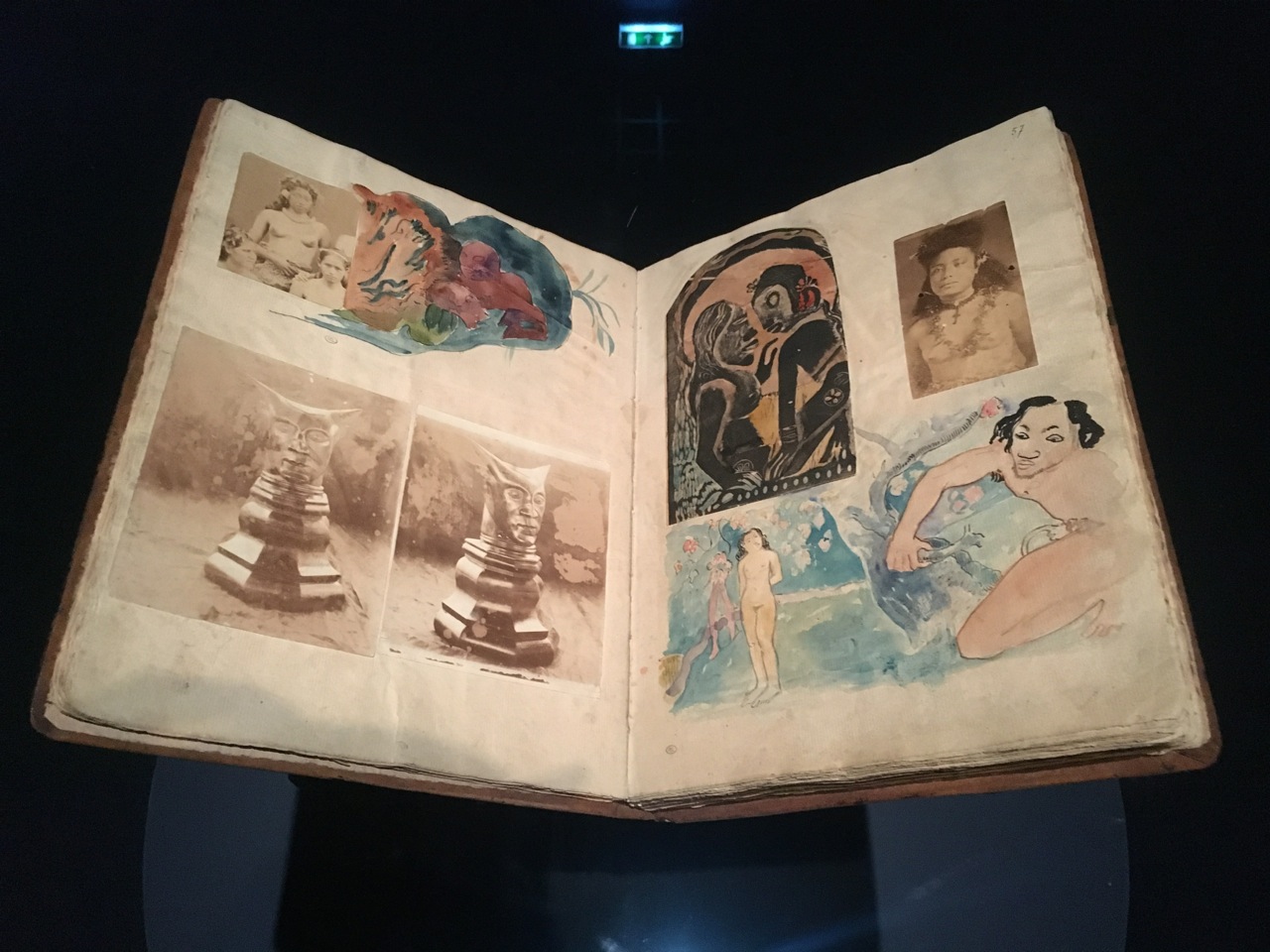
This picture book of the tropics also puts the spotlight on Gauguin’s manuscript, Noa Noa, a journal of his travels filled with his own illustrations.
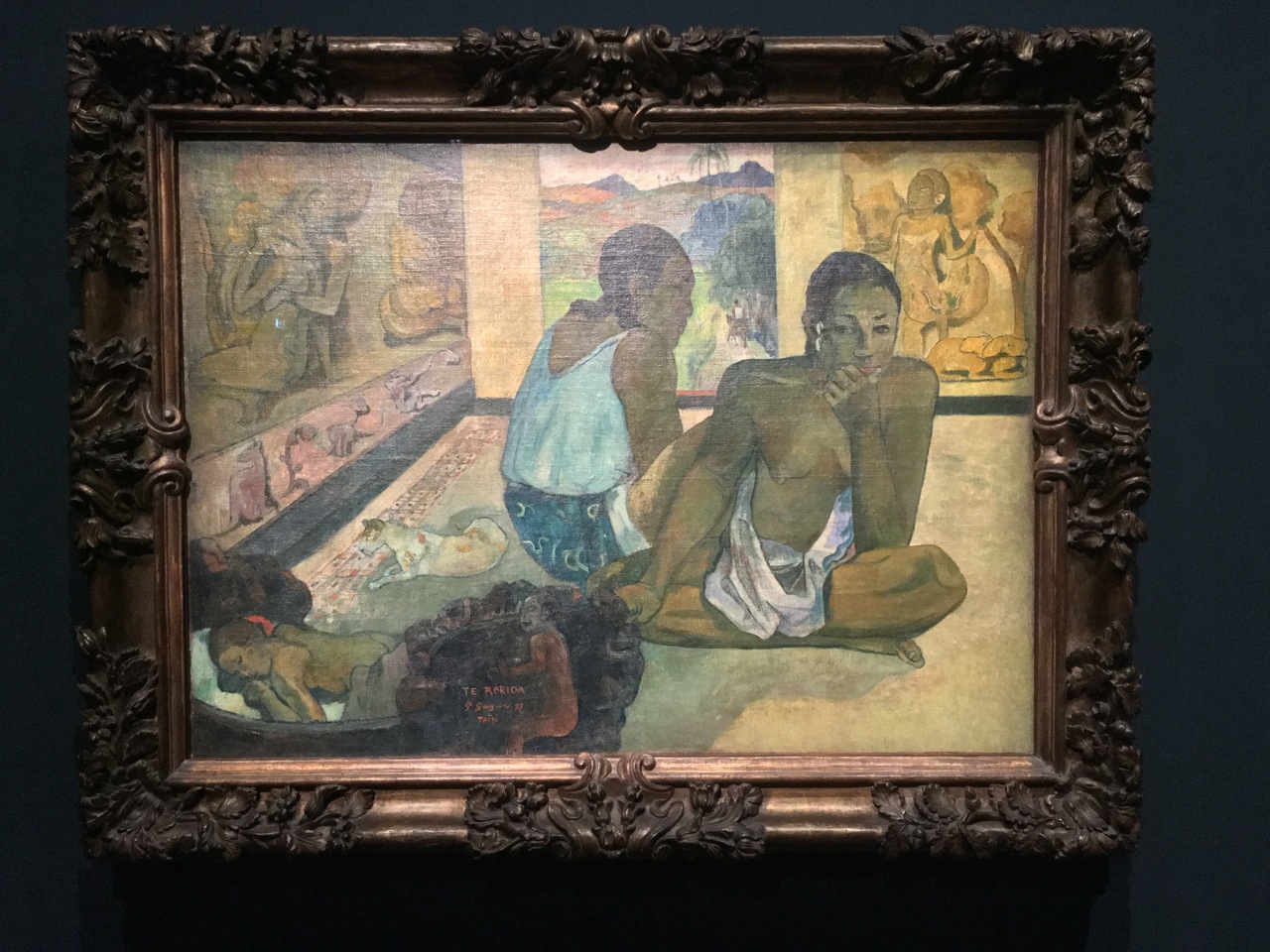
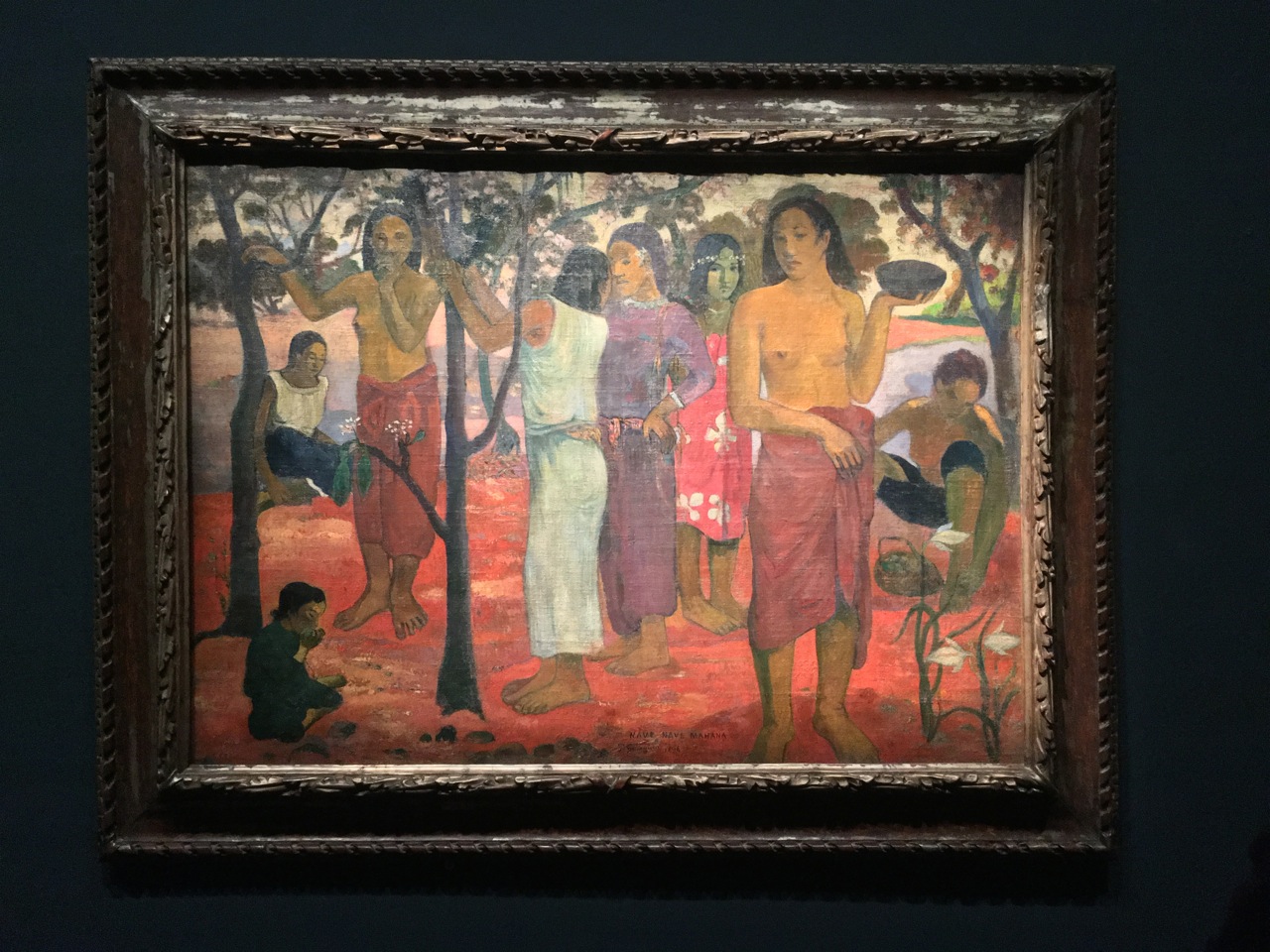
The exhibition ends with “In His Own Setting” and the place where Paul Gauguin would spend the rest of his life: la maison du jouir.
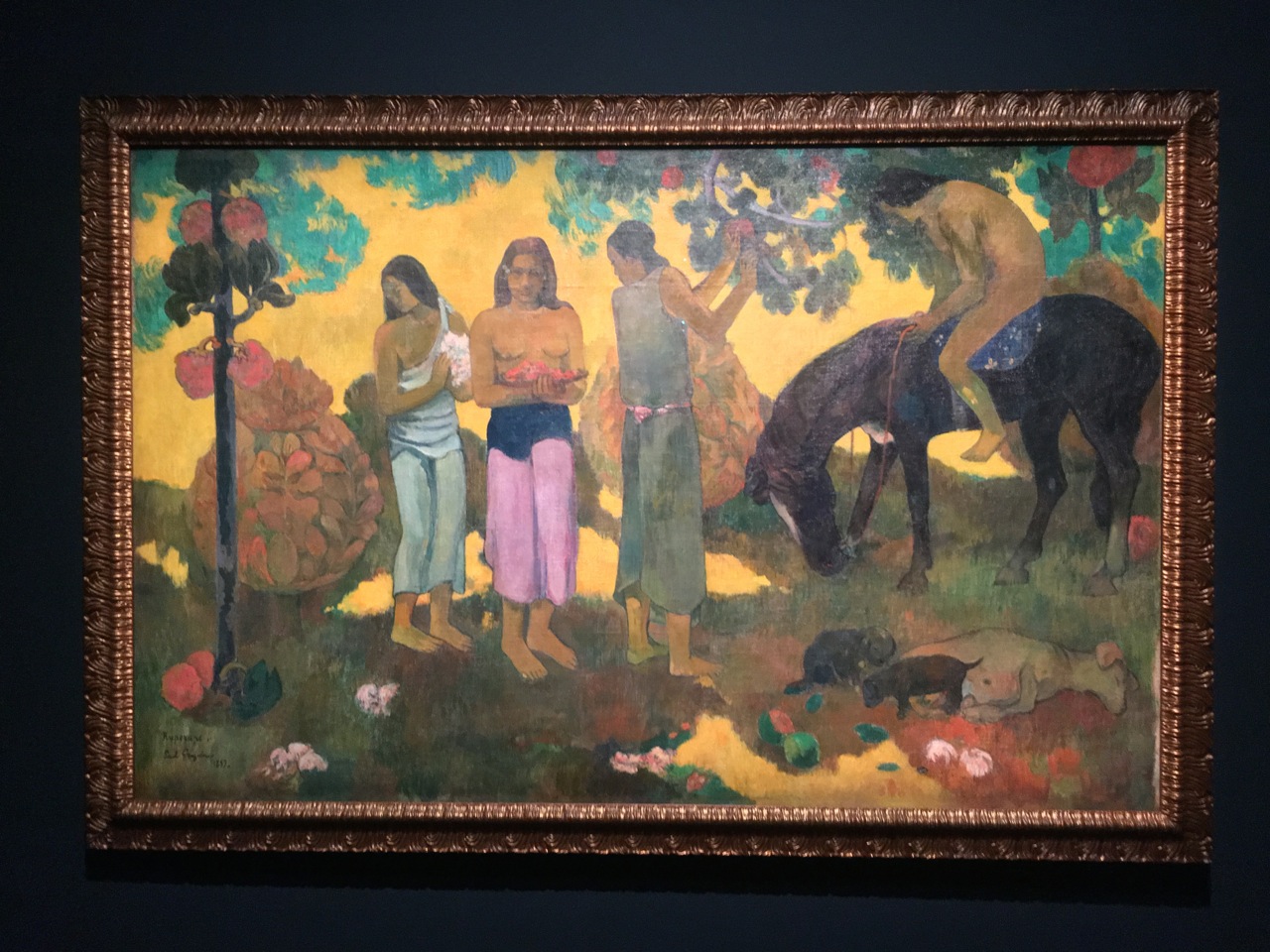
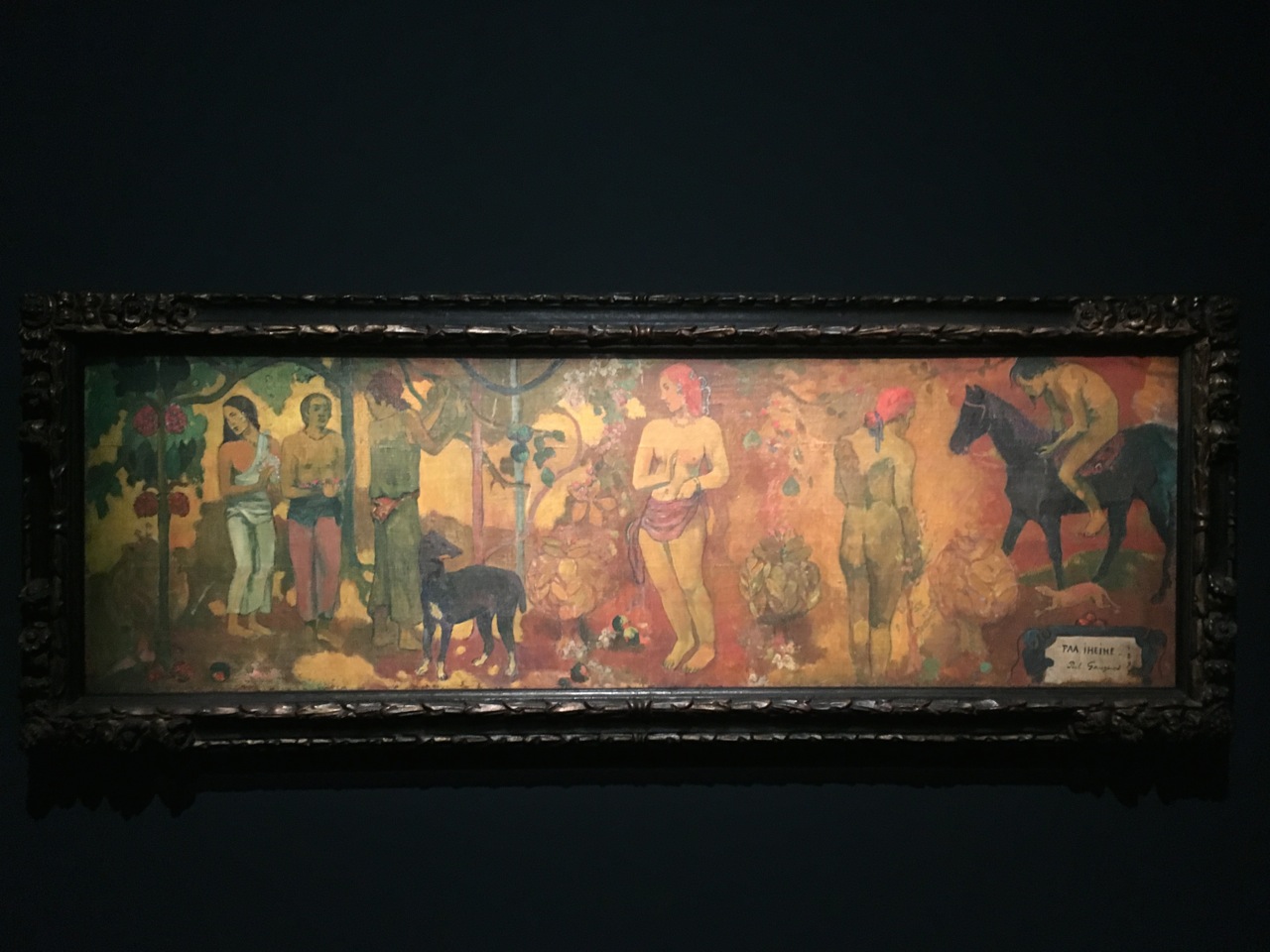
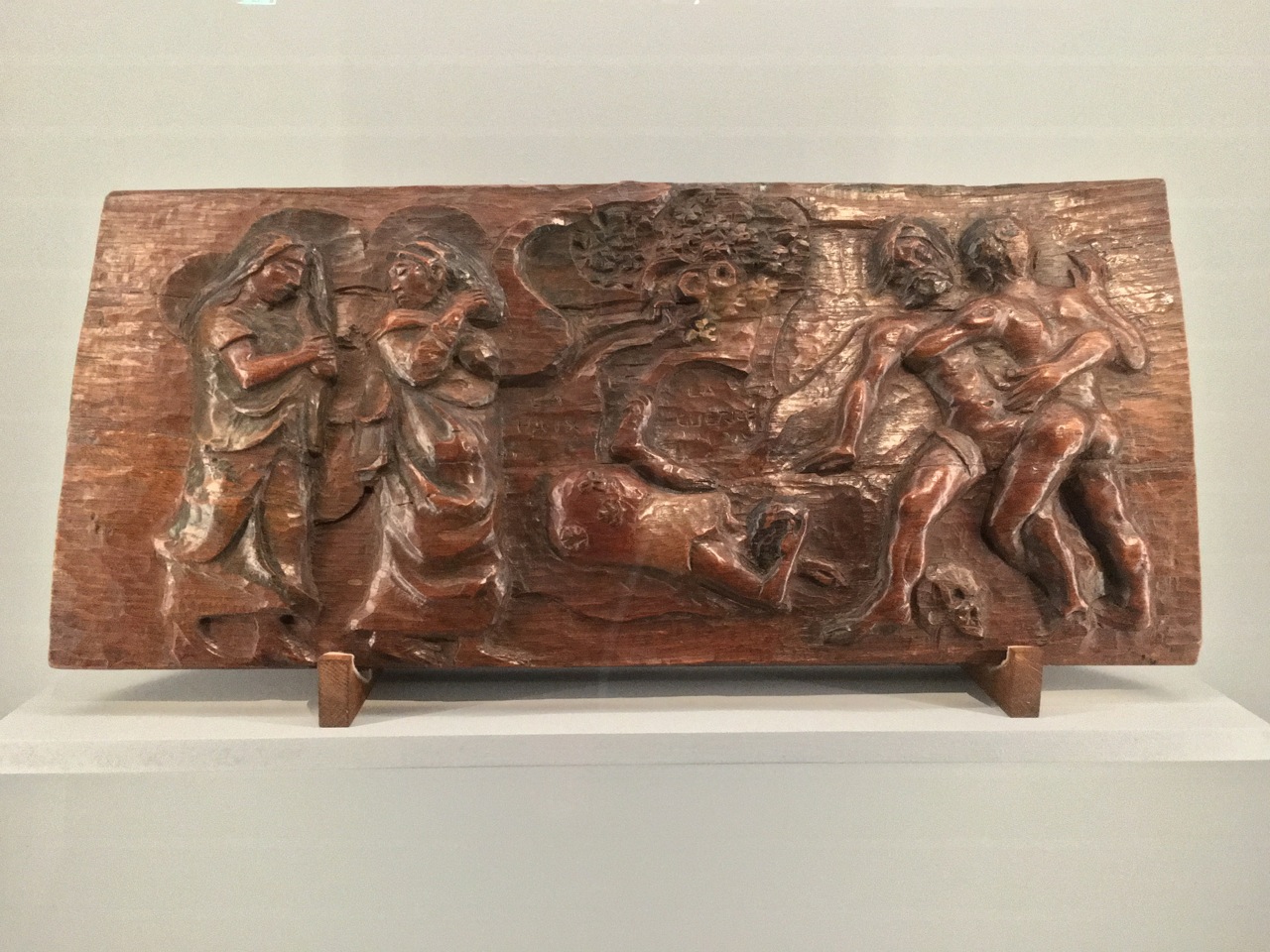
Gauguin the Alchemist – Wild and scandalous?
Because it has to be said: Paul Gauguin’s life was full of encounters and some pretty brutal falling-outs.
Let’s start with Pissarro, his mentor, his role model, the man who got him started on the Paris art scene.
And then he falls out with him, abruptly and for good, like a student who suddenly wants to get the upper hand over his teacher.
In the meantime, or maybe at the very same time, he also falls out with Paul Signac, and there’s no patching things up there, either.
In 1888, he moves in with Vincent Van Gogh in Arles. Just the two of them, and we know how that ends: Vincent Van Gogh cuts off an ear.
And then there’s his relationship with the colonies and with the “noble savages,” as he described them.
Gauguin: a complex man, in his work as much as in his personality.
Gauguin the Alchemist, October 11, 2017–January 22, 2018
GRAND PALAIS, GALERIES NATIONALES
3, avenue du Général Eisenhower
75008 Paris