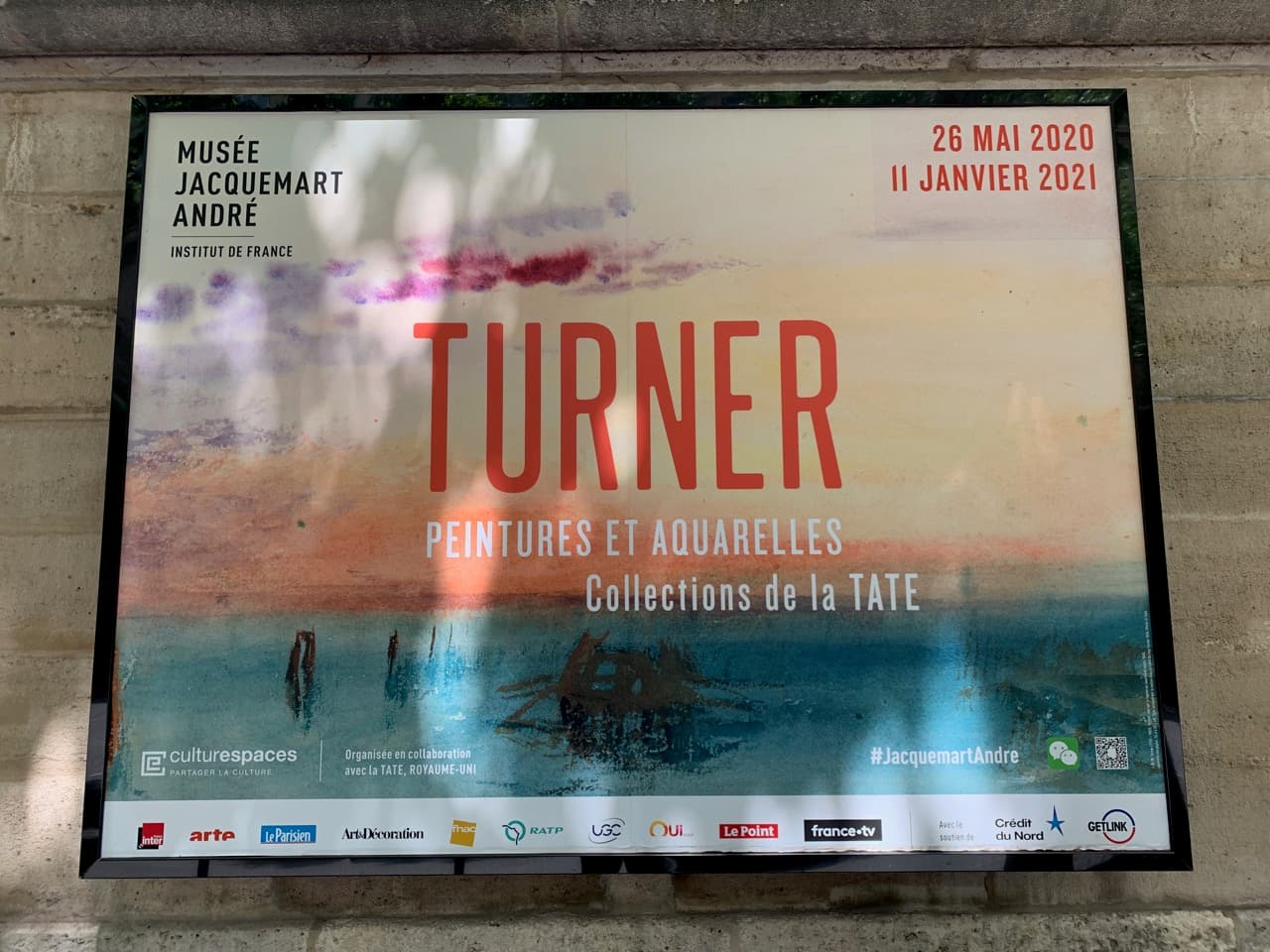
If I had to pick just one name to represent the golden age of English watercolor, it would be (Joseph Mallord) William Turner. The exhibition now on at the Musée Jacquemart André gives us a better sense of his career, from his early days drawing topographical landscapes and architecture to his last works, bathed in light and color. Welcome to the world of “TURNER, Paintings and Watercolors”
The TURNER Bequest – Discovering His Private Work
The exhibition “Turner, Paintings and Watercolors” was made possible by the Turner Bequest. The collection, which went to the British nation in 1856, includes hundreds of paintings, sketches, watercolors, drawings, and sketchbooks. Here we get to see the artist working in private, in a more intimate, more experimental way. And we get a sense of the many avenues he explored, a far cry from the works he made for the general public.
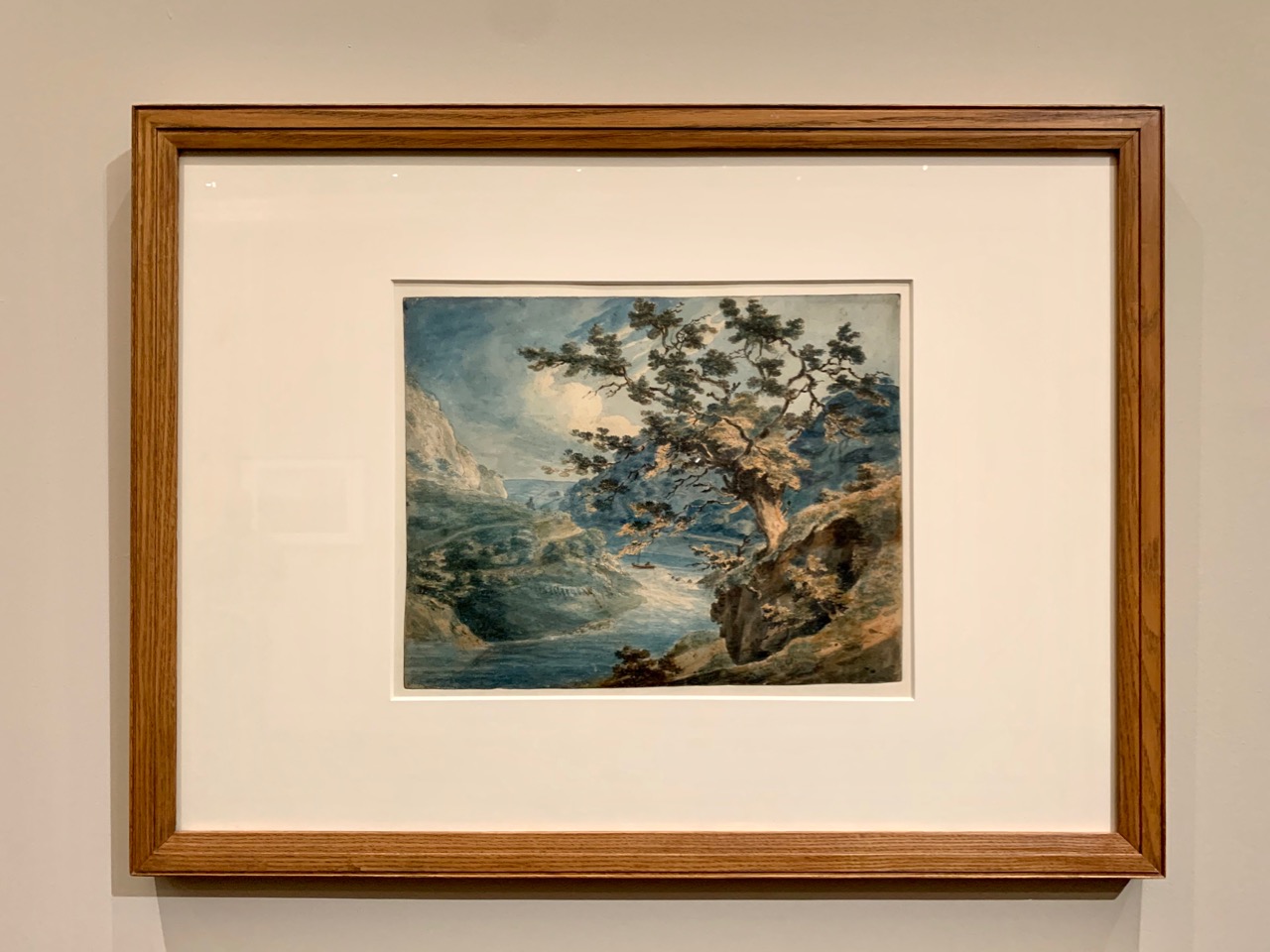
The collection is now held at Tate Britain. That’s where the oil paintings and watercolors on display were selected for the exhibition.
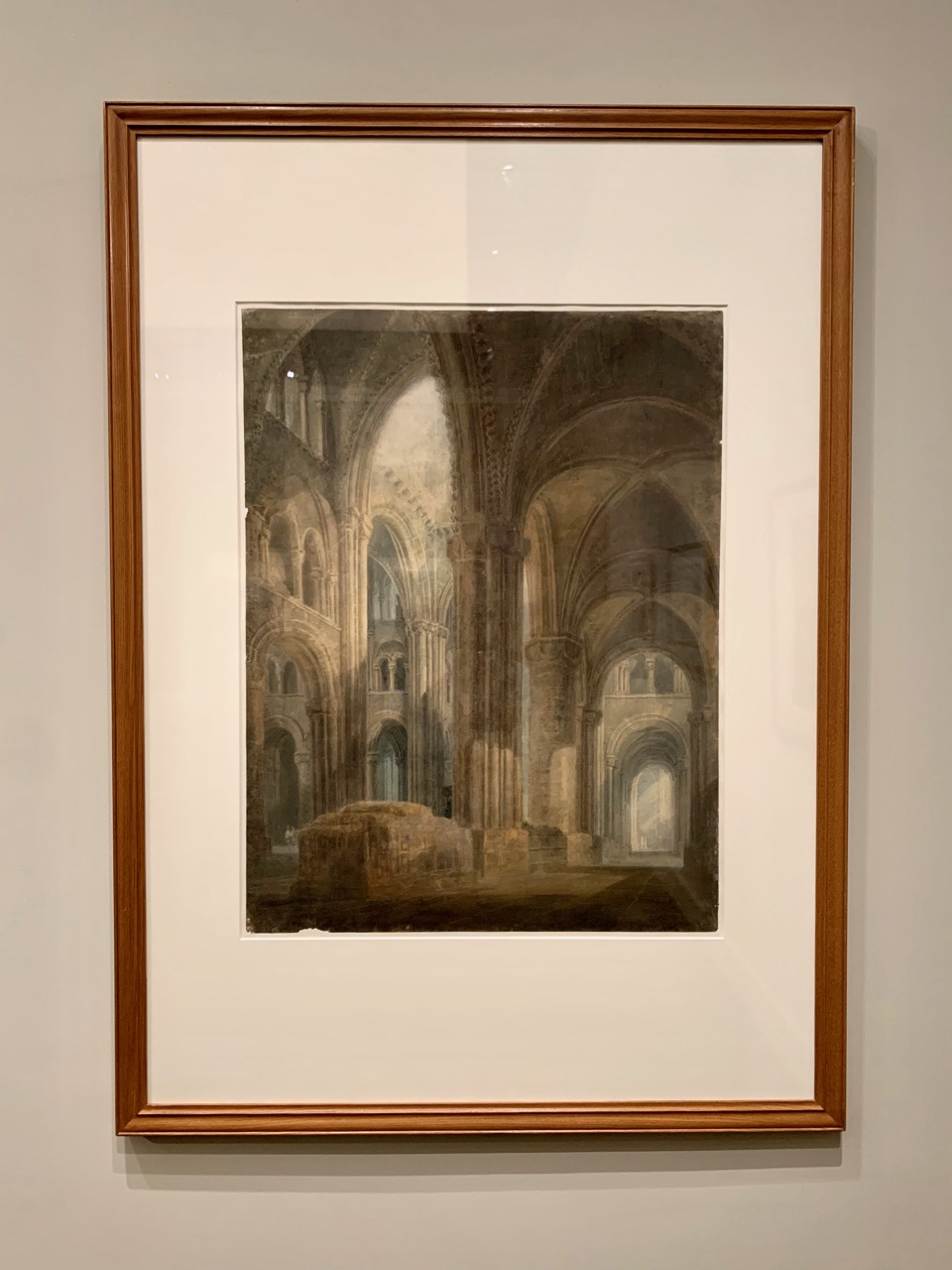
It’s a rare chance to follow the painter’s artistic development, from his early studies of architecture and landscape to his absolute mastery of light and color.
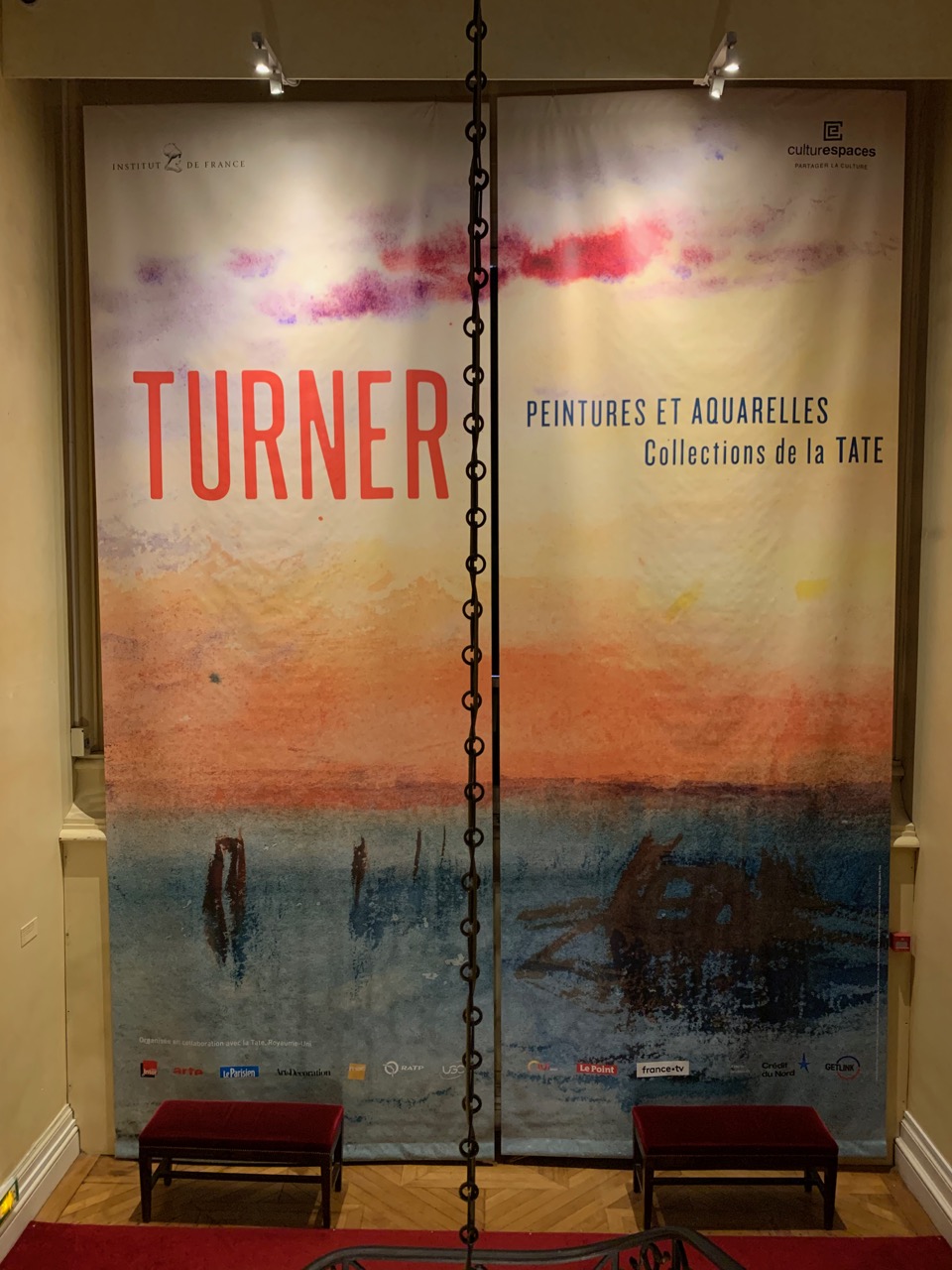
William TURNER – Always on the Road
Travel has always been a source of inspiration. But what set TURNER apart was that he was ahead of his time.
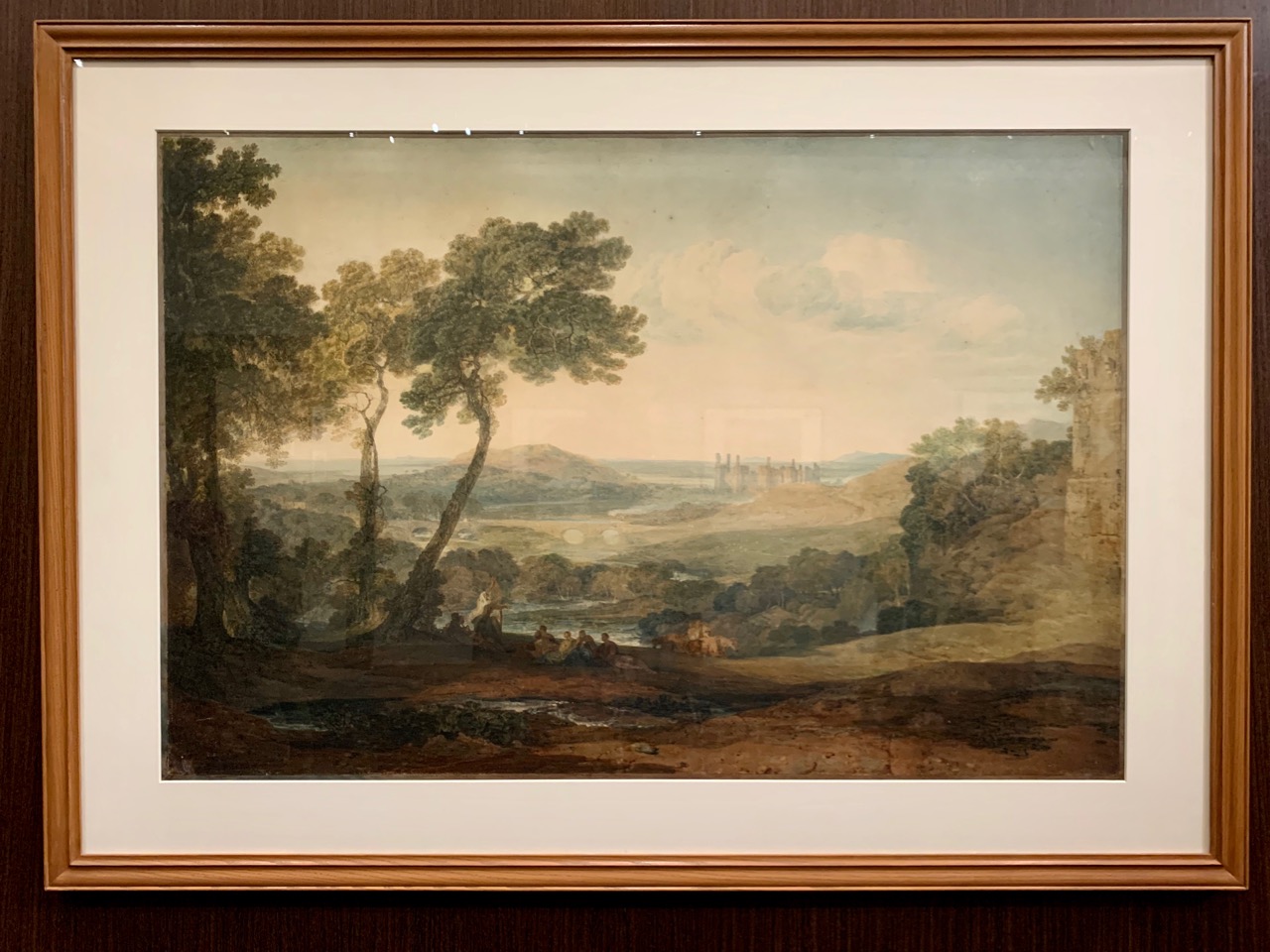
Travel in his day was anything but easy, both practically and politically. And yet TURNER was one of the most widely traveled artists of all time!
Of course, he traveled extensively through England, Scotland, and Wales.
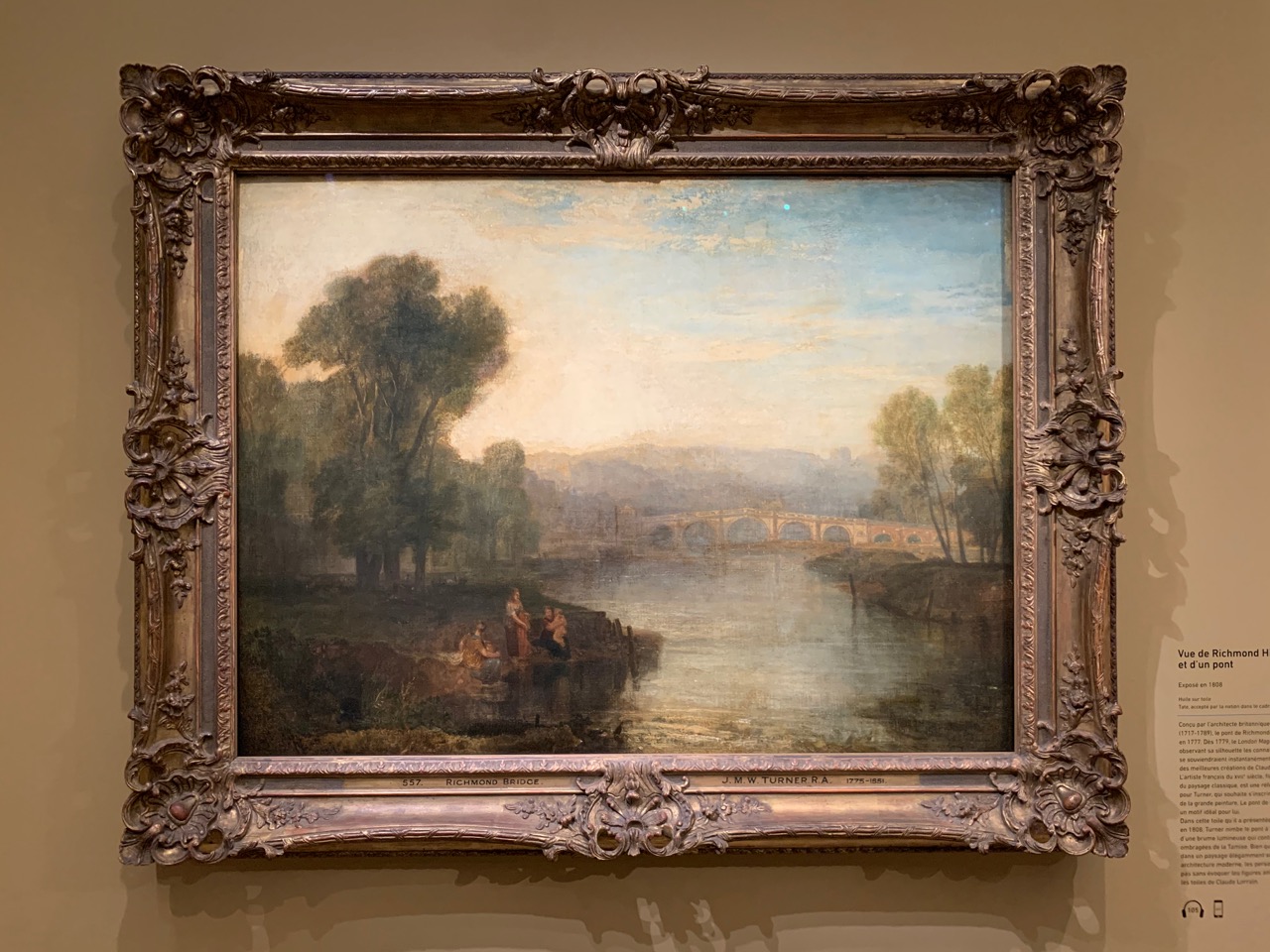
But he didn’t stop close to home: he also made more than 20 trips to continental Europe.
It was in 1791 that he started a habit he’d keep up for the rest of his life: summer touring. He was barely 16 when he started gathering summer landscapes that would feed his winter studio work year after year.
He started with short trips to Oxford and Bristol. Then a lull in the European wars let him travel to the continent. France, Spain, and above all Switzerland fascinated him.
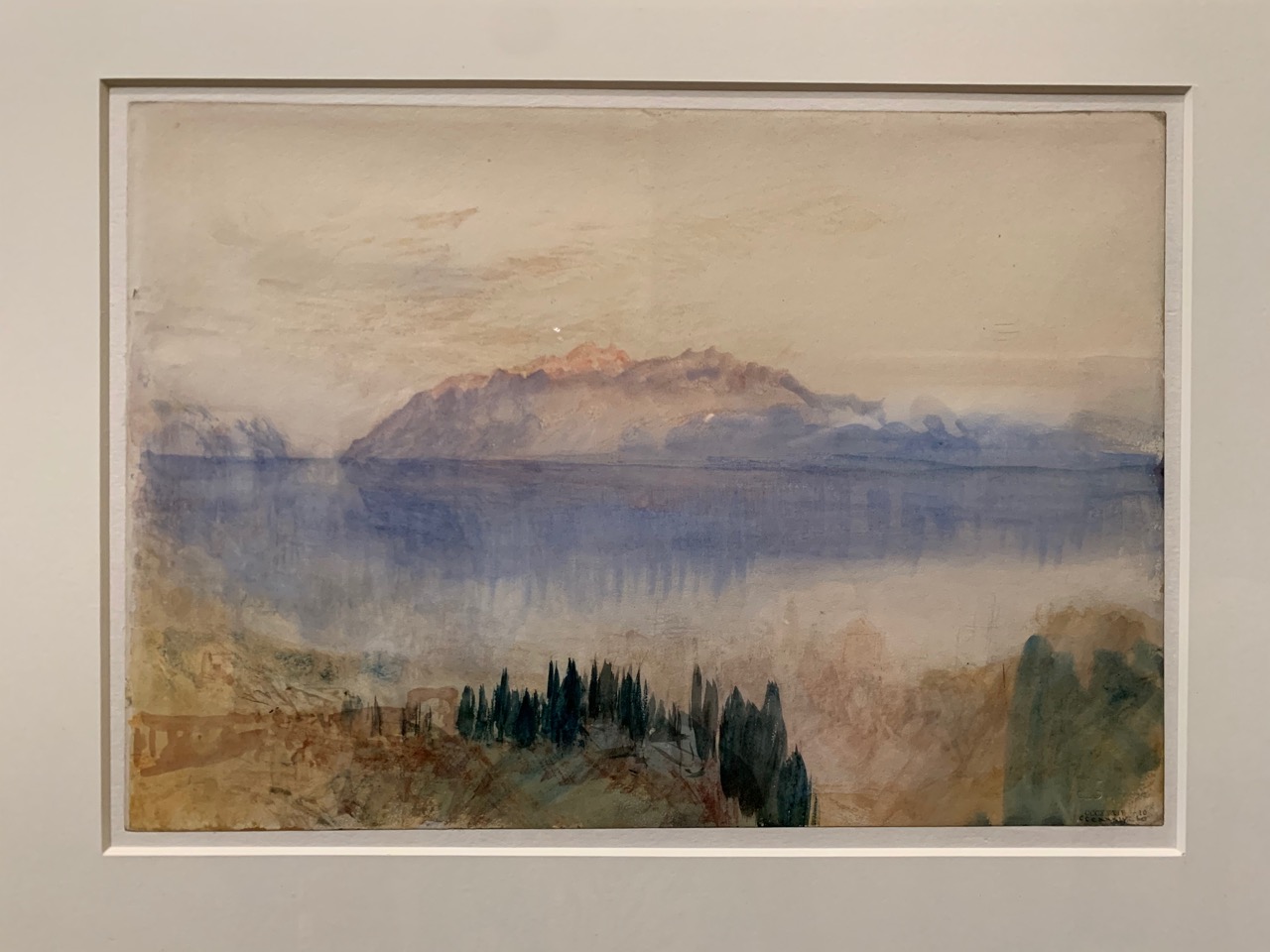
But it was in 1819 that he had his “Italian revelation.” And it was there that he learned to tame light and play with pure colors.
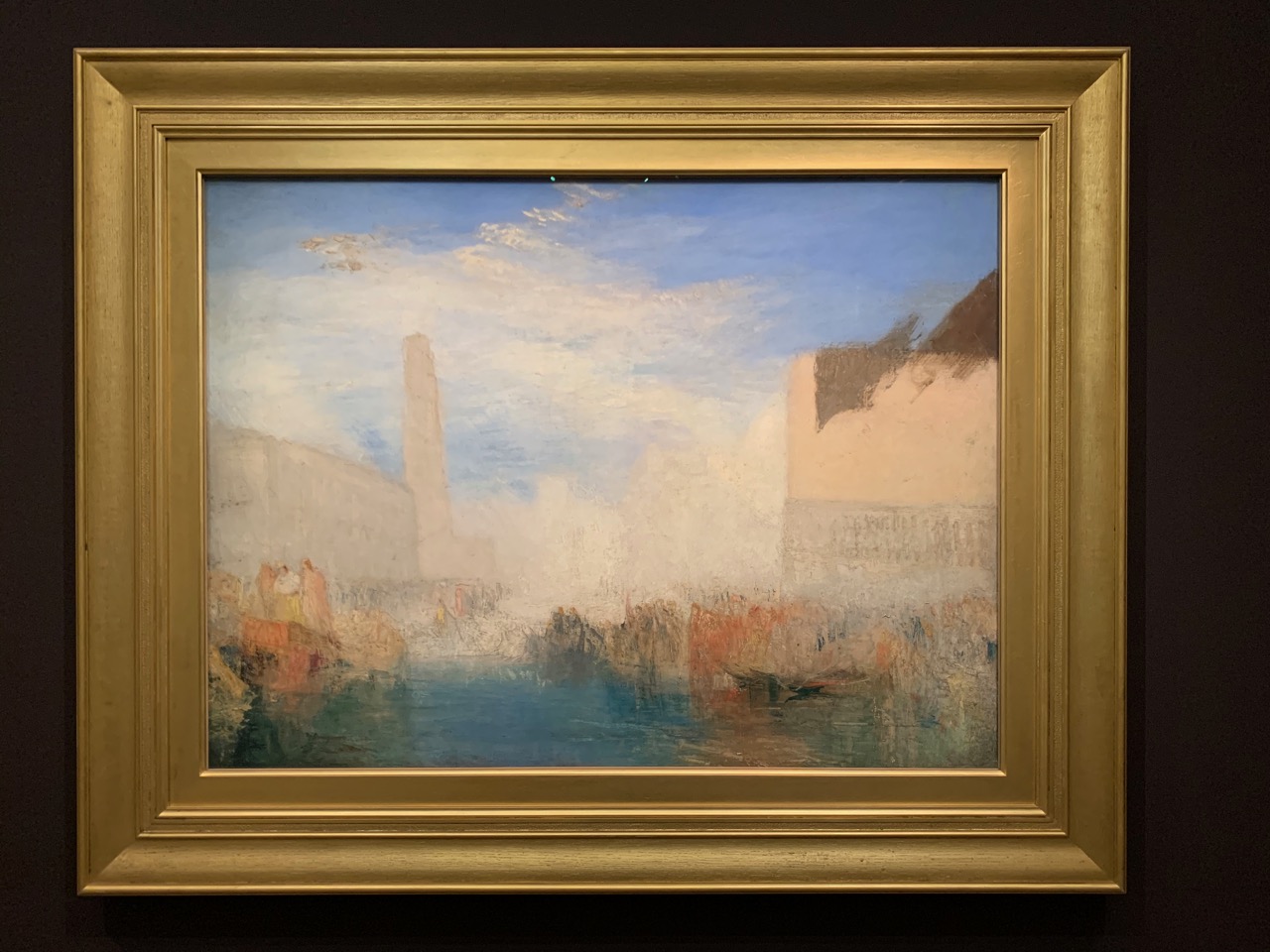
And to think that Cézanne, for all his fascination with the Italian masters, never once set foot in Italy.
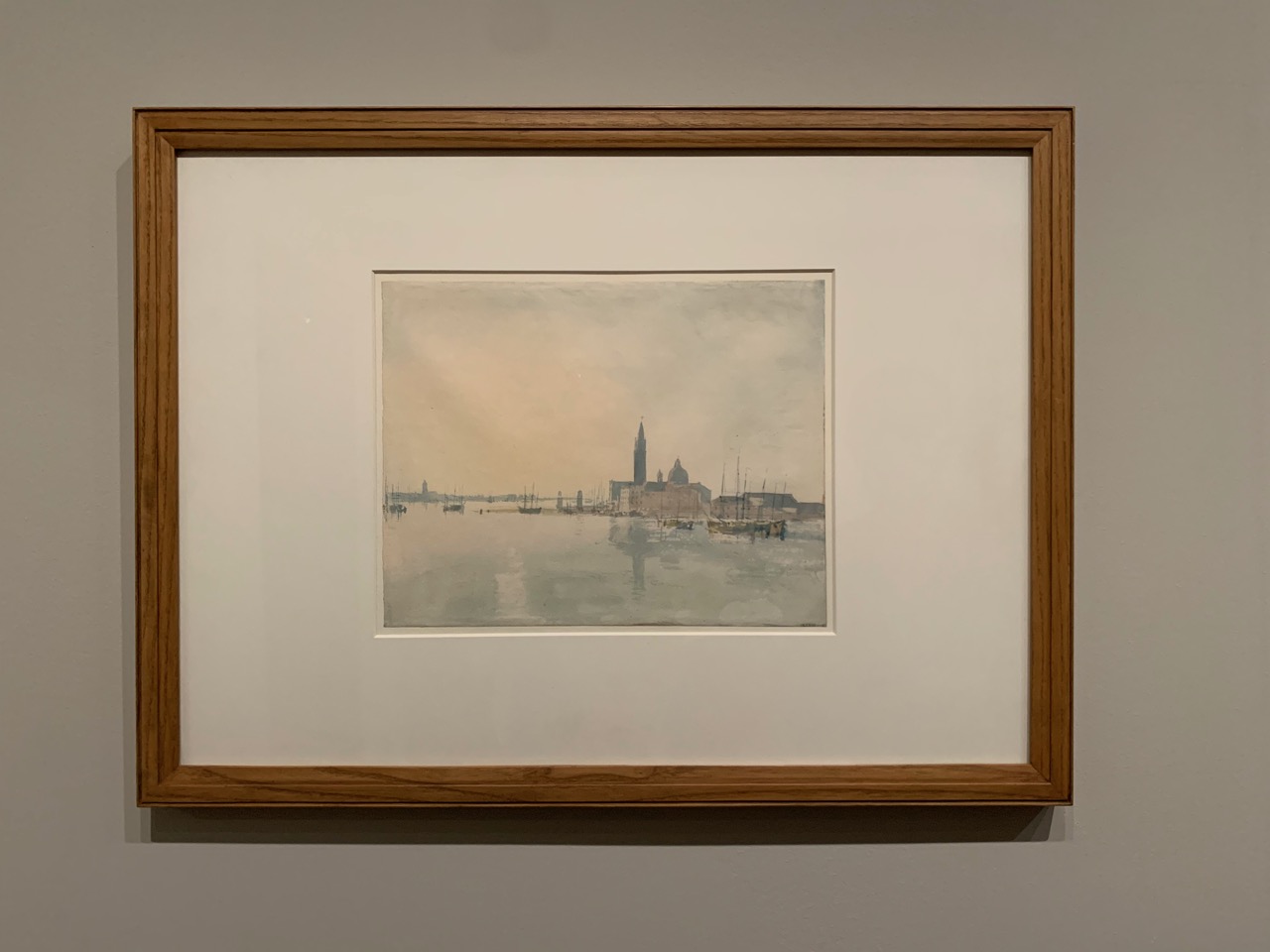
I’ll end the visit with the works that won me over the most. First, a delicate view of Venice in this watercolor of San Giorgio Maggiore.
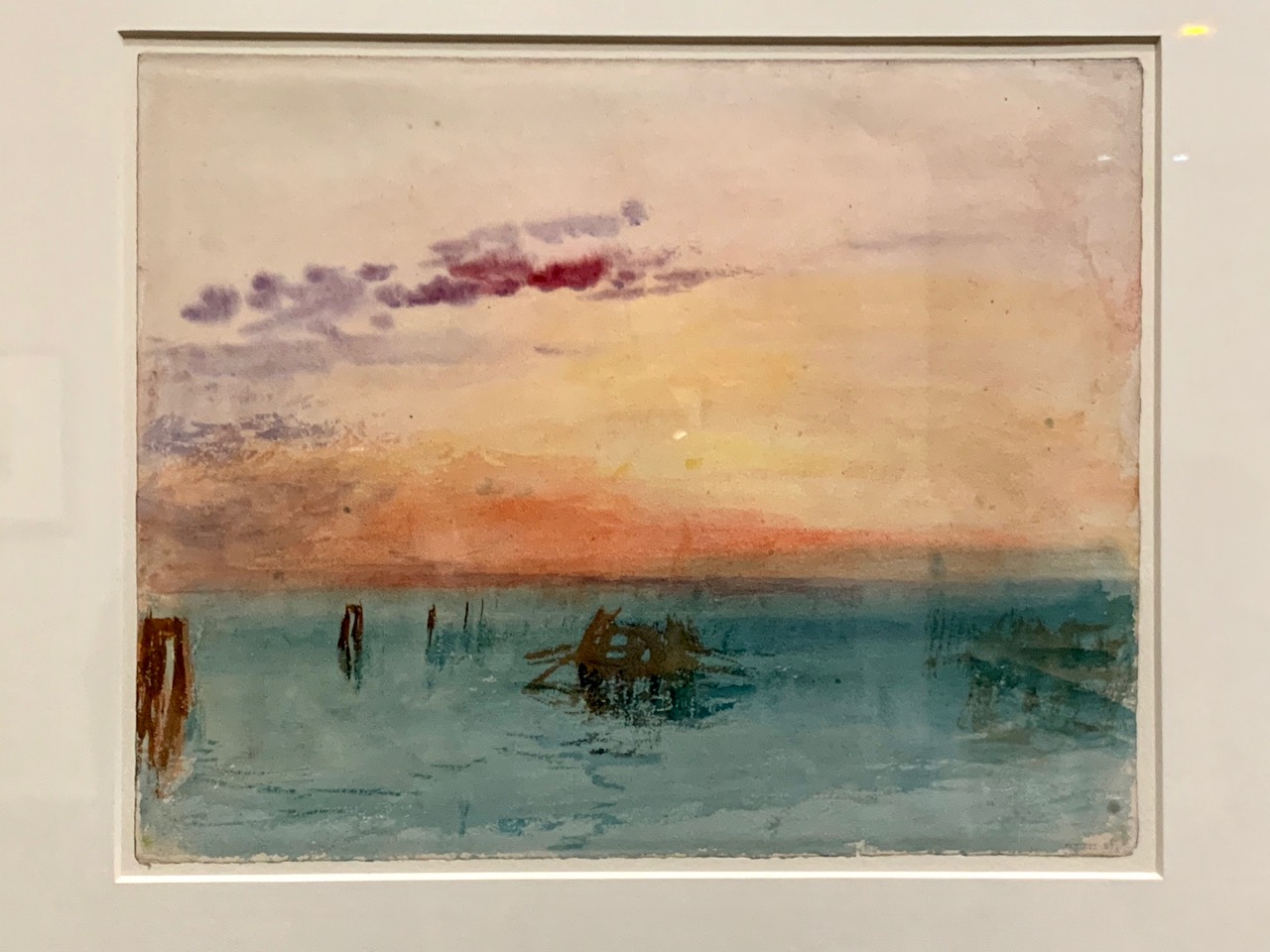
Then Venice again, dazzling with light and color.
And most importantly, don’t forget to book on the website.