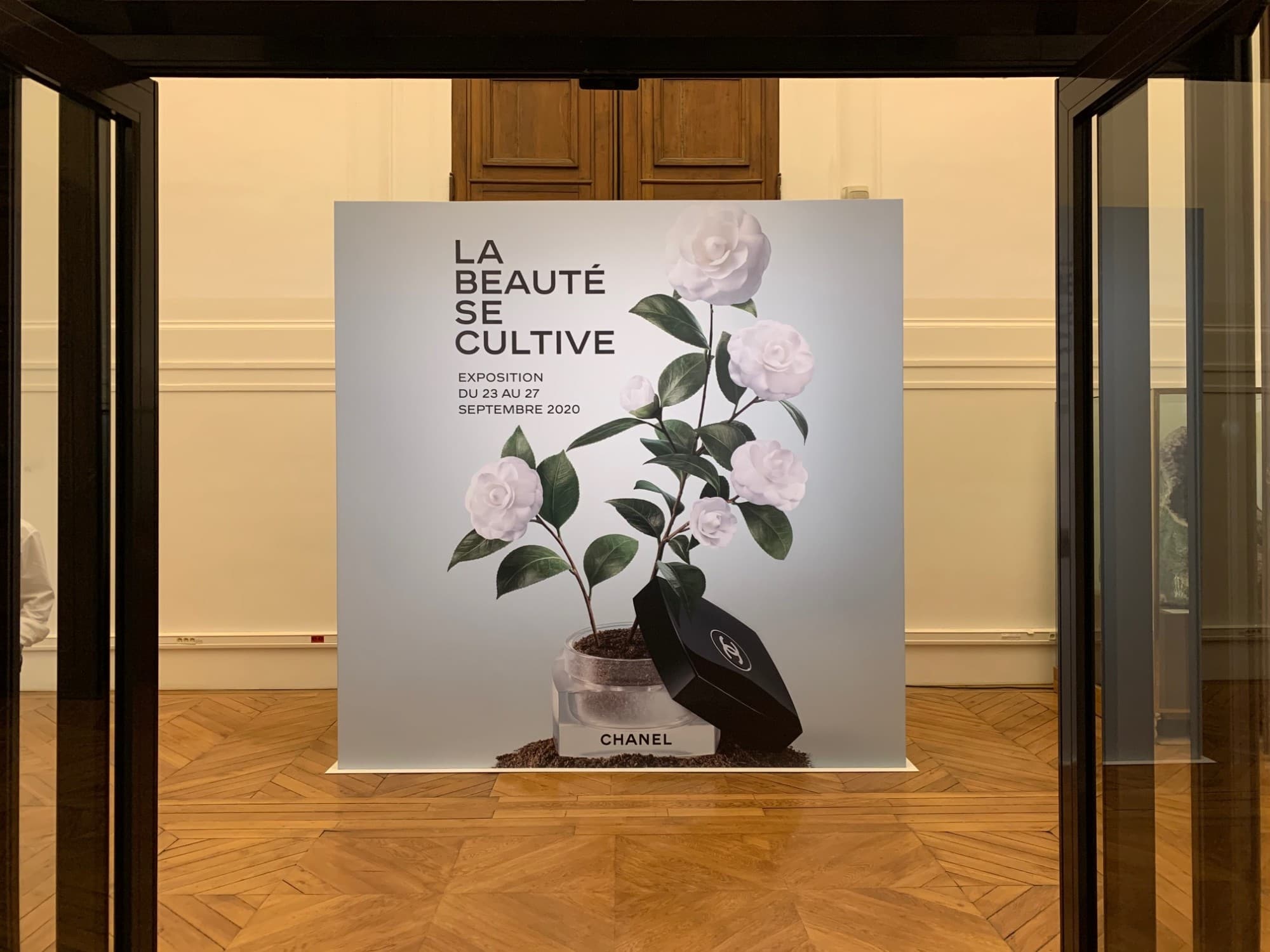
In the heart of the botany gallery at the Museum National d'Histoire Naturelle, an immersive exhibition takes us into the world of CHANEL’s plant supply chains. It’s only as you make your way through its open-air laboratories that you really grasp the meaning behind the exhibition’s name: La beauté se cultive.
La beauté se cultive – CHANEL and Plants
When it comes to cultivating beauty, CHANEL has always given plants pride of place. So the Muséum’s botany gallery was a natural choice for the exhibition: it’s been dedicated to studying the beneficial properties of plants since the 17th century.
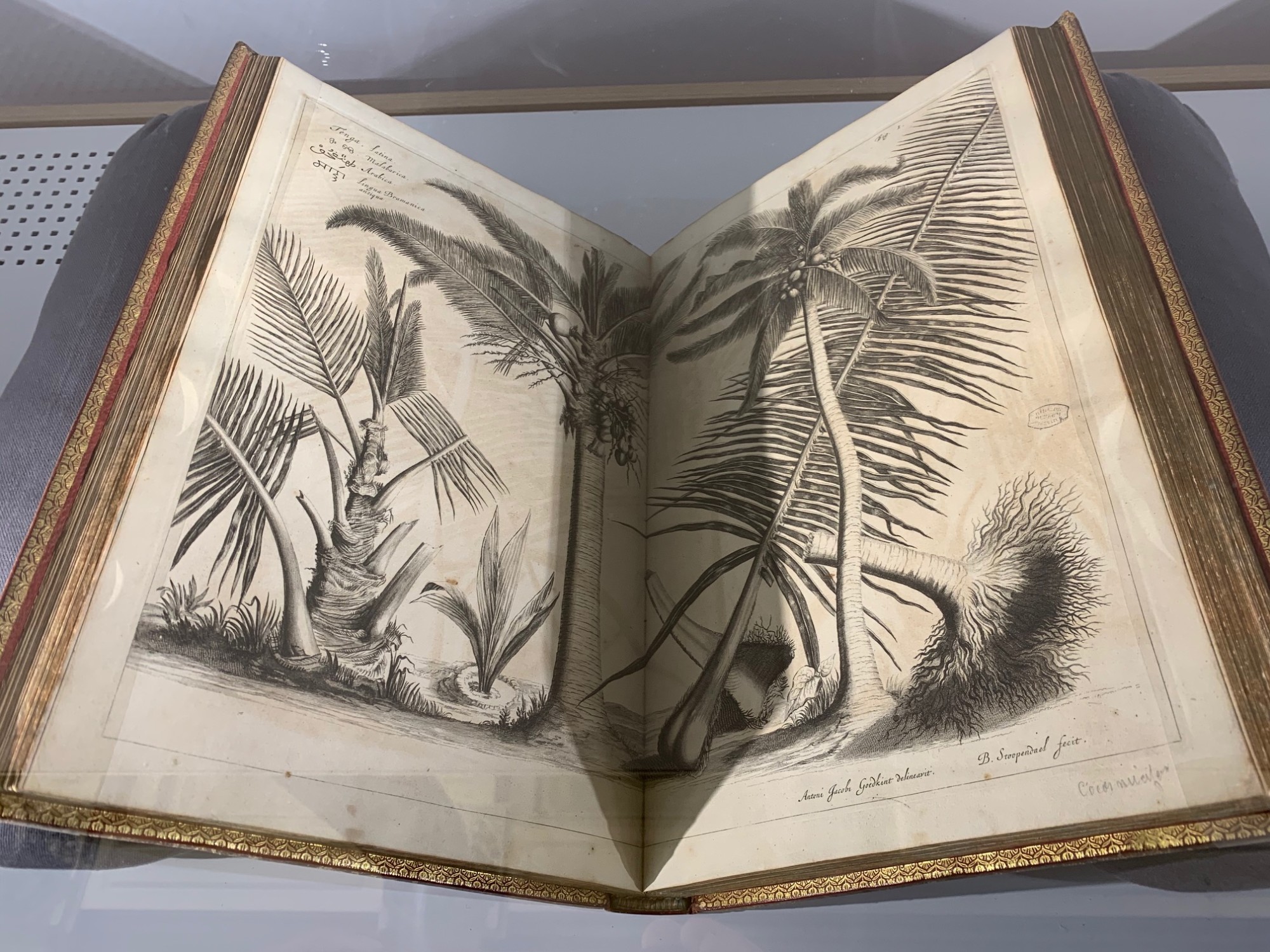
The exhibition starts, then, with pieces on loan from the Museum.
And an introduction to the star plants of CHANEL perfumery.
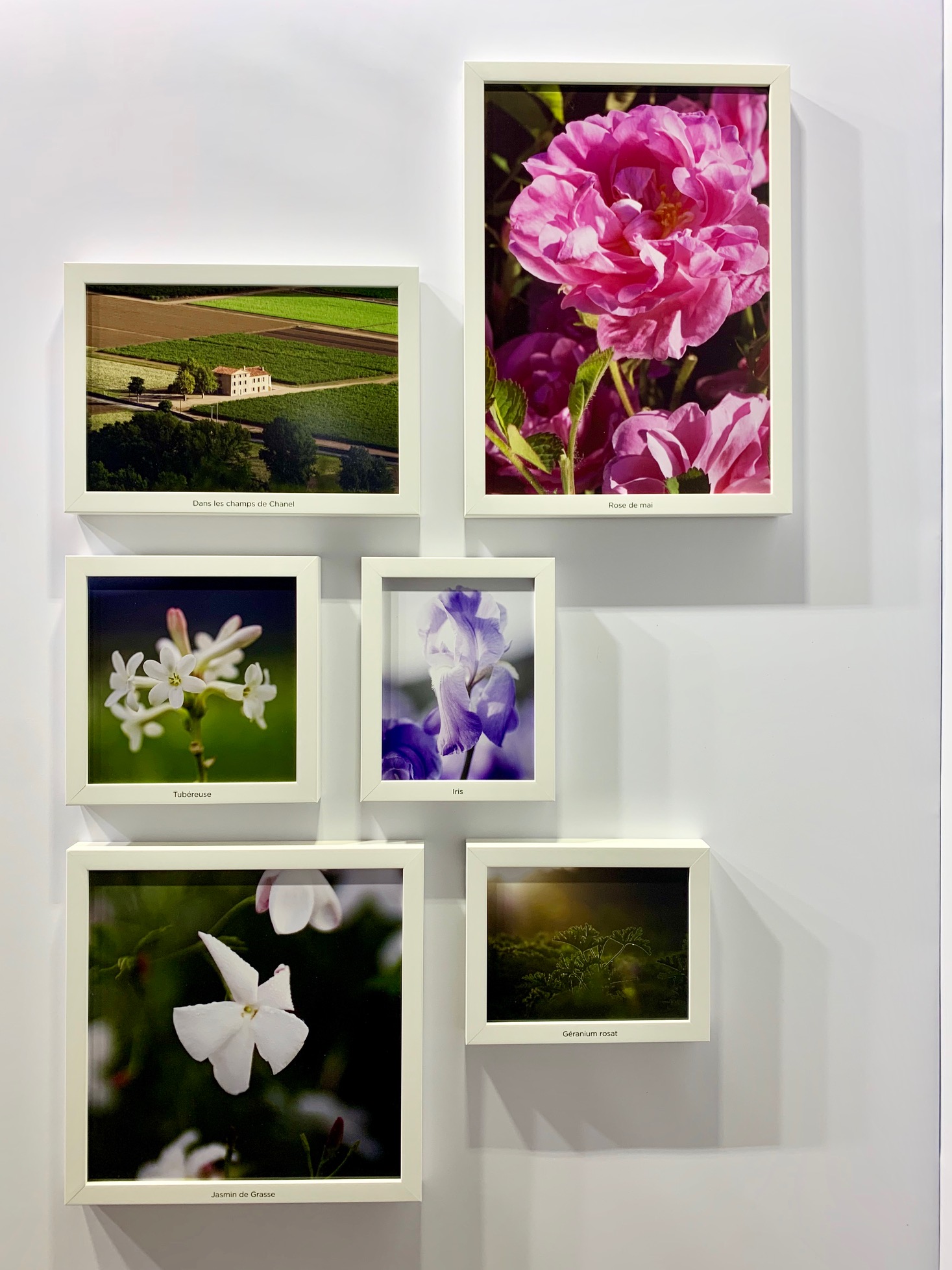
Can you name them? They’re Grasse jasmine, May rose, tuberose, iris, and rose geranium.
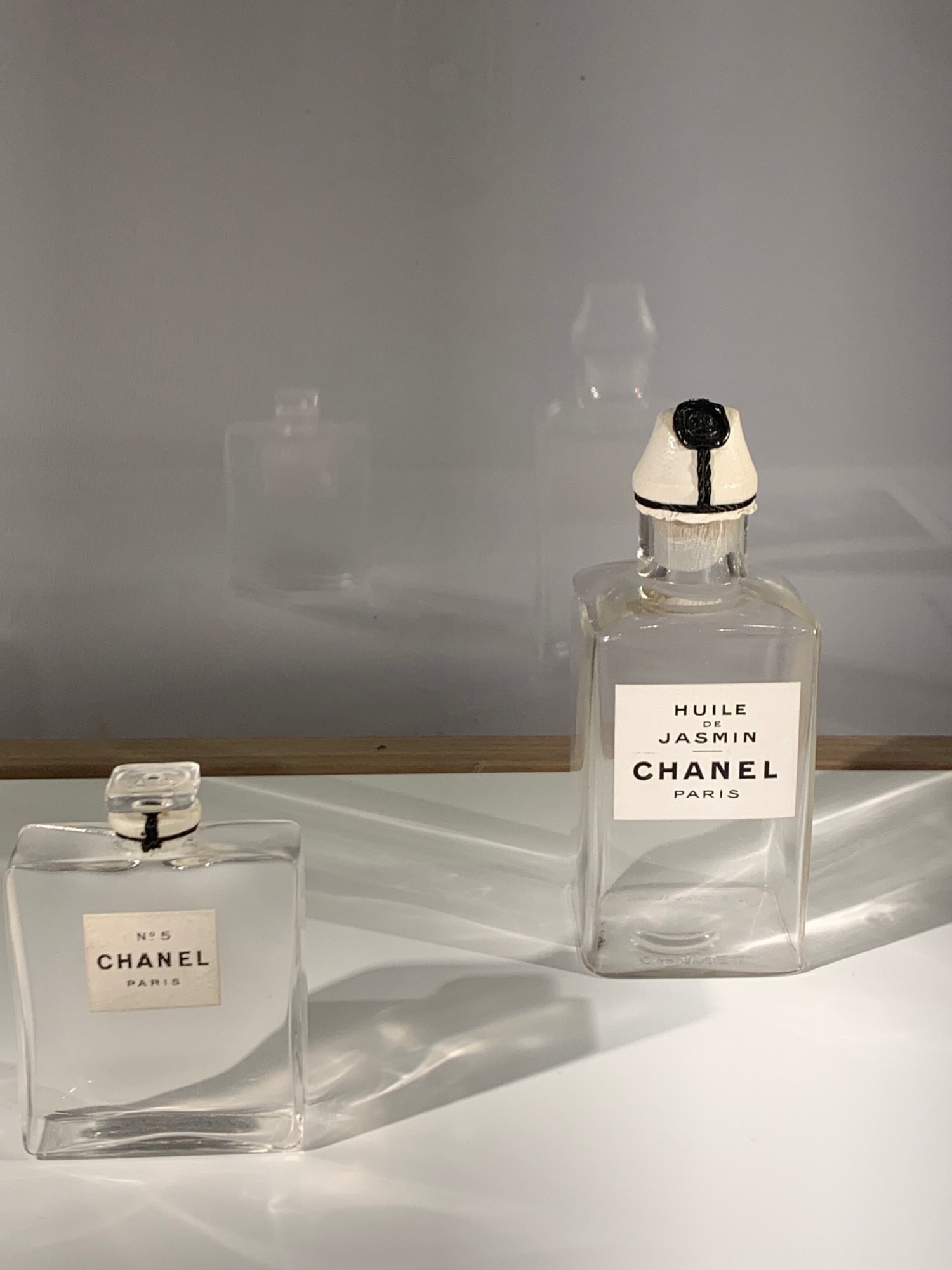
When she created the iconic N°5 in 1921, Mme Chanel took enormous care in choosing the plants that went into it. She did the same in 1927, when she launched her first skincare products. And that commitment has endured. In 1987, CHANEL signed a partnership with the largest flower grower in the Grasse region. That’s how CHANEL helped keep two flowers essential to N°5 from disappearing: May rose and Grasse jasmine.
Today, it’s in these open-air laboratories that CHANEL keeps control of its plant supply chain and honors the traditional skills that go with it. I’m talking about growing sites all over the world, where CHANEL can observe, experiment, and work with local artisans.
The Open-Air Laboratories
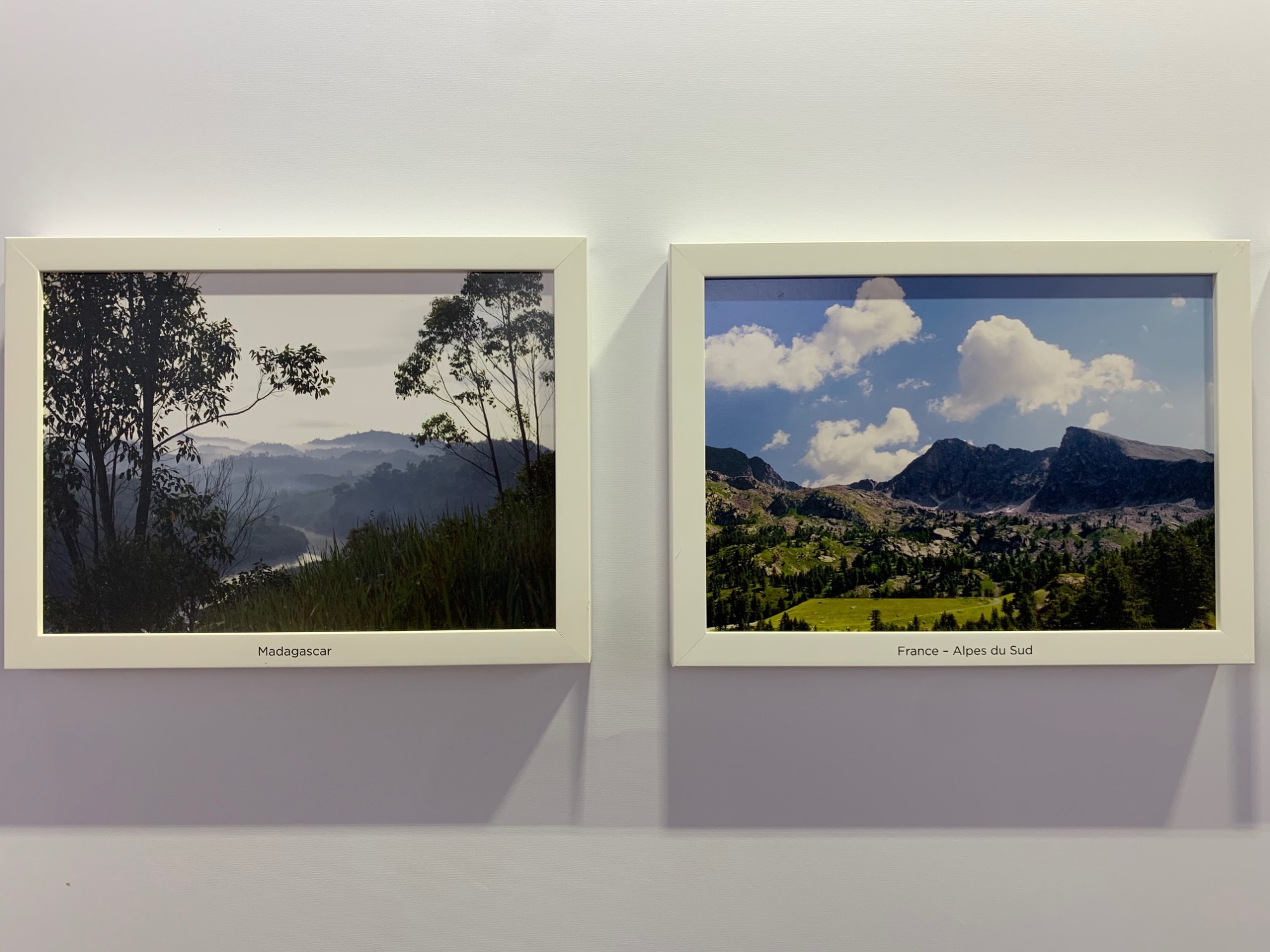
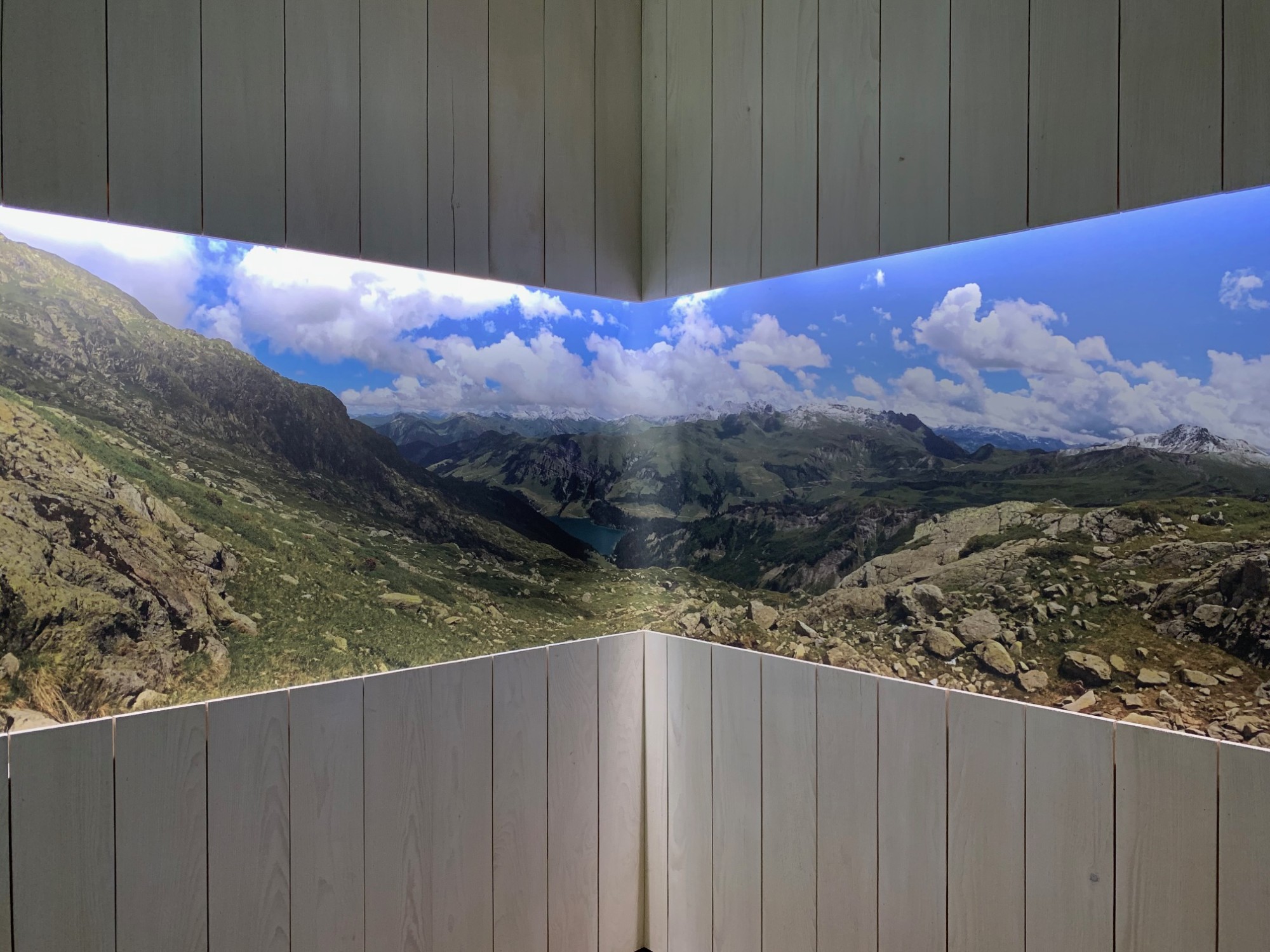
The exhibition takes us from the vanilla fields of Madagascar to the coffee farms of Costa Rica, by way of the southern Alps and, of course, the south of France.
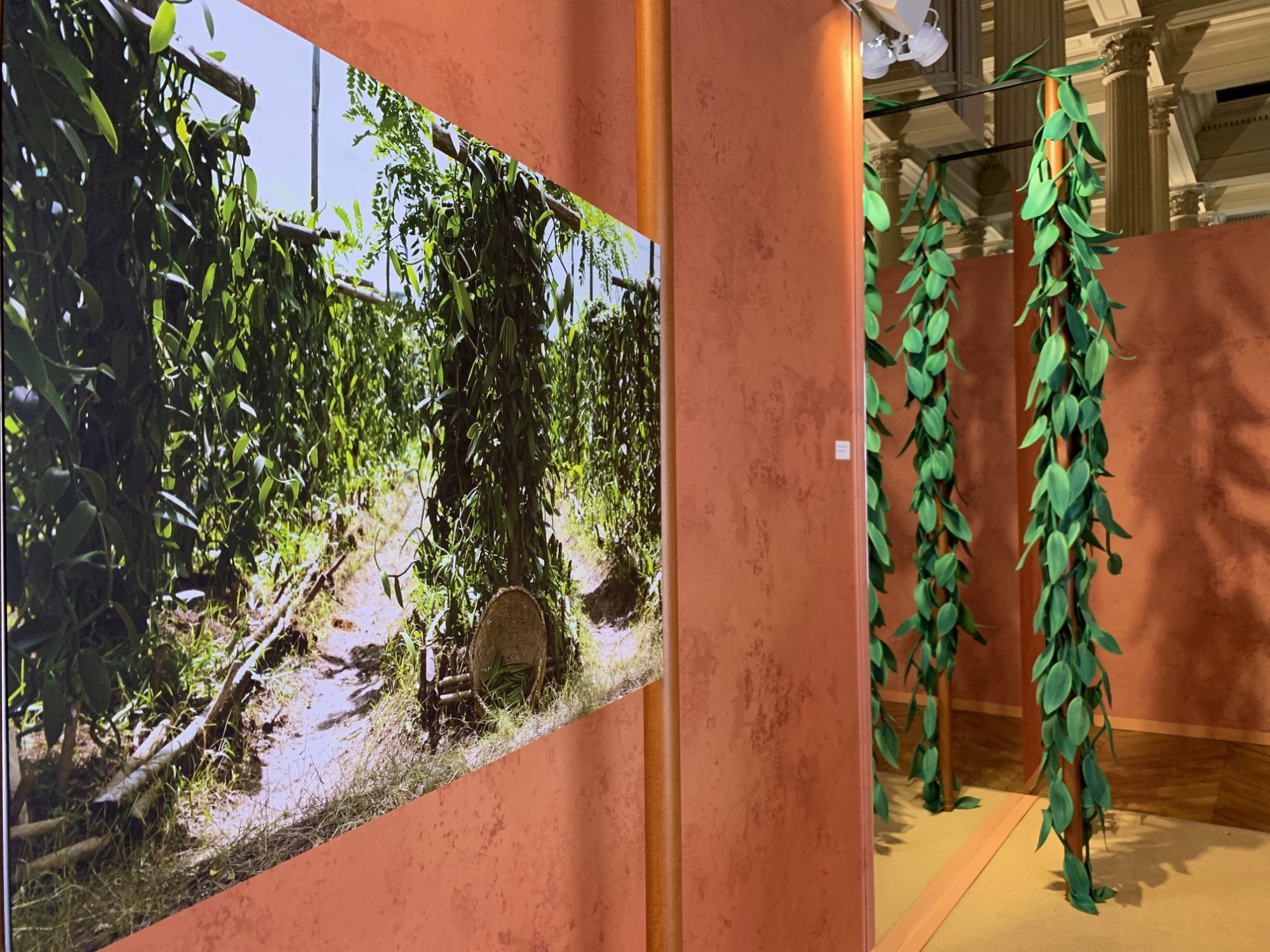
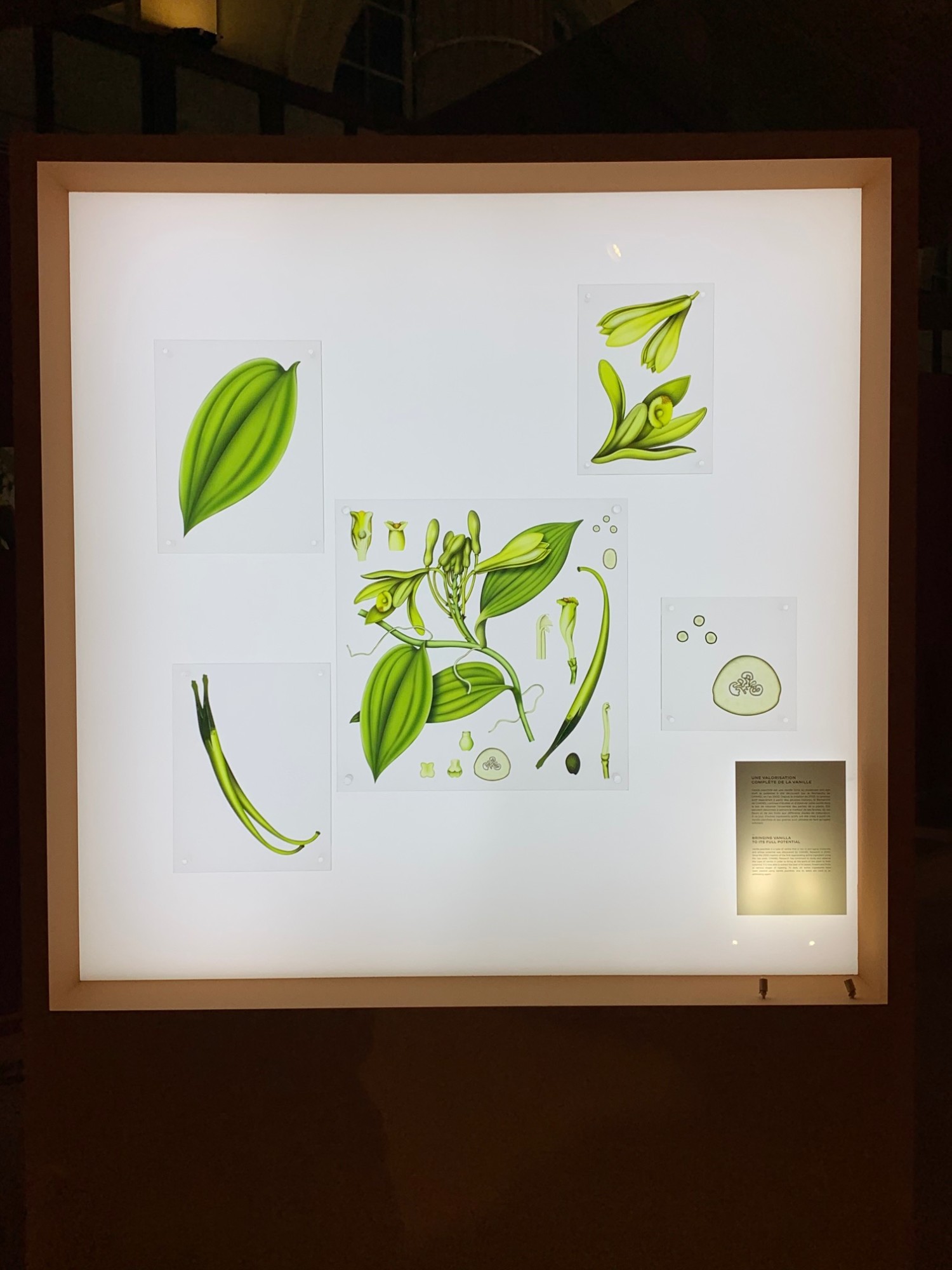
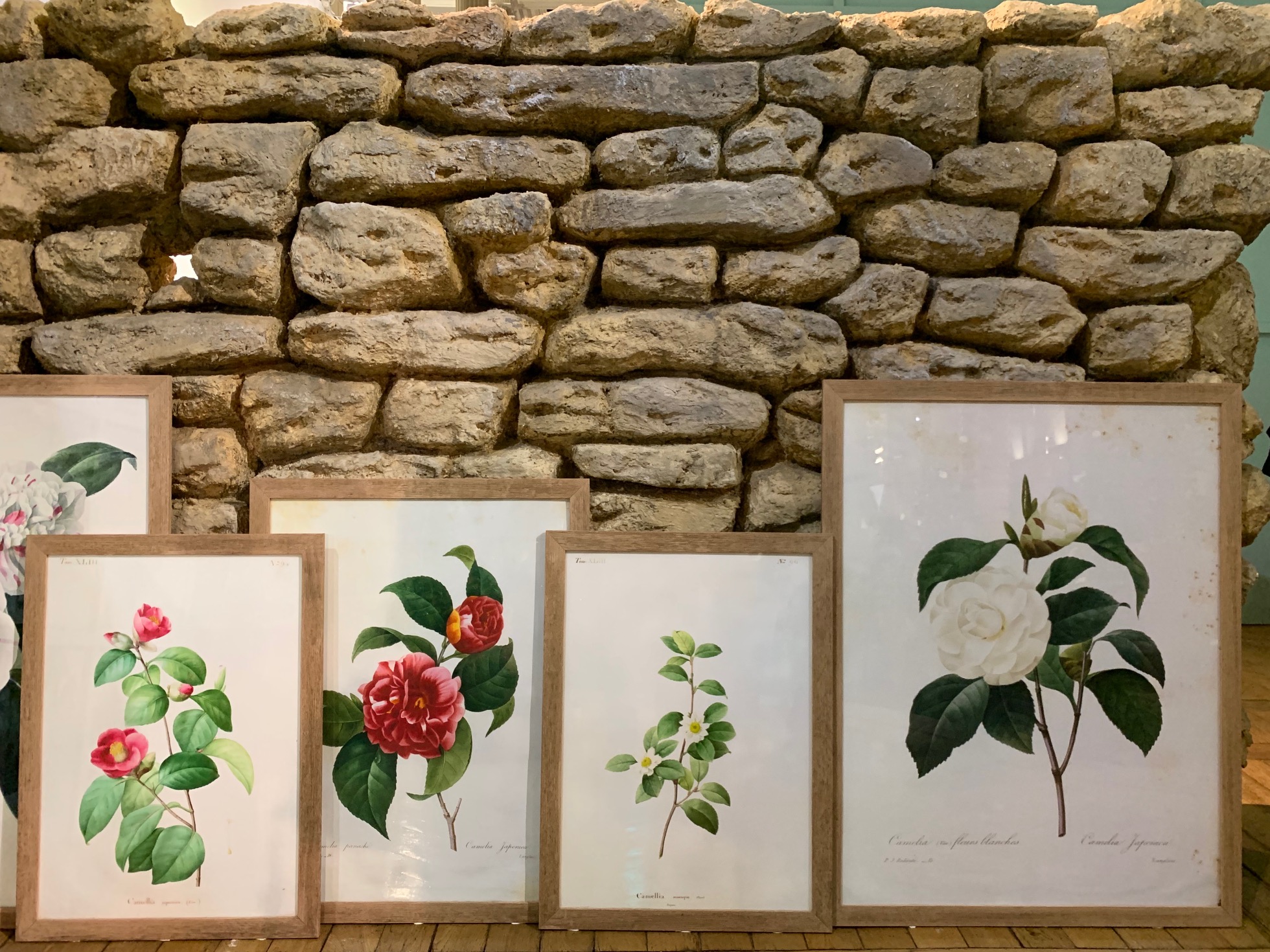
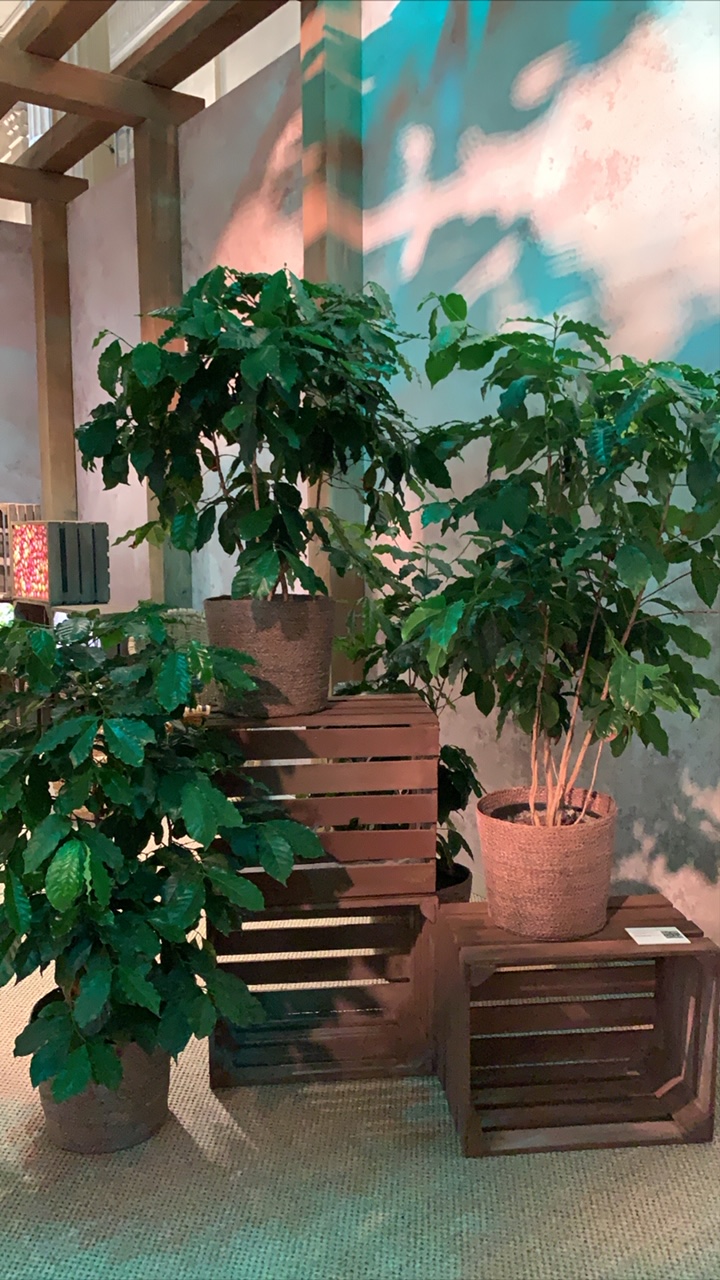
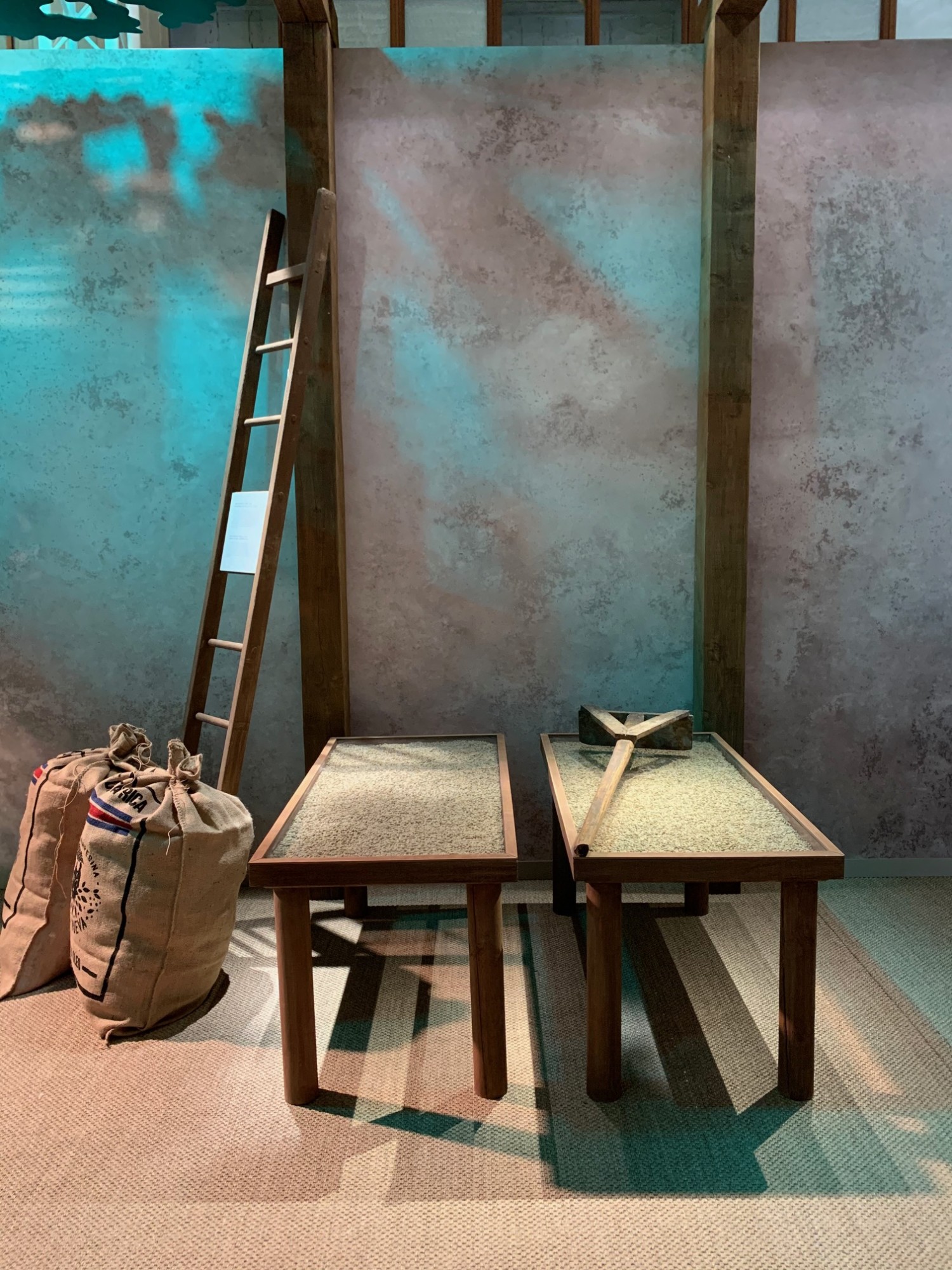
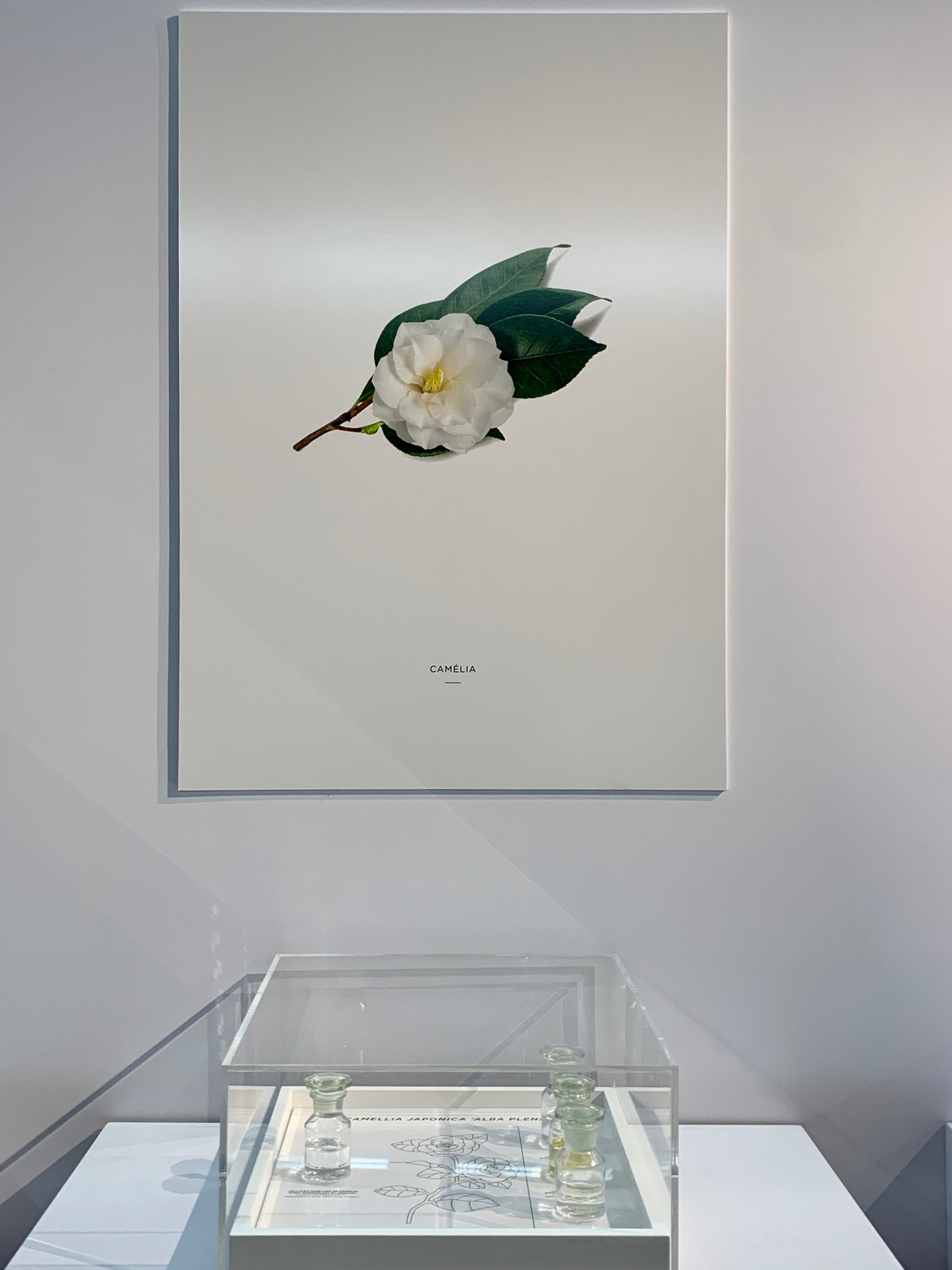
Each of these plants yields rare and distinctive active ingredients whose benefits complement one another. CHANEL, for instance, uses camellia for its moisturizing properties.
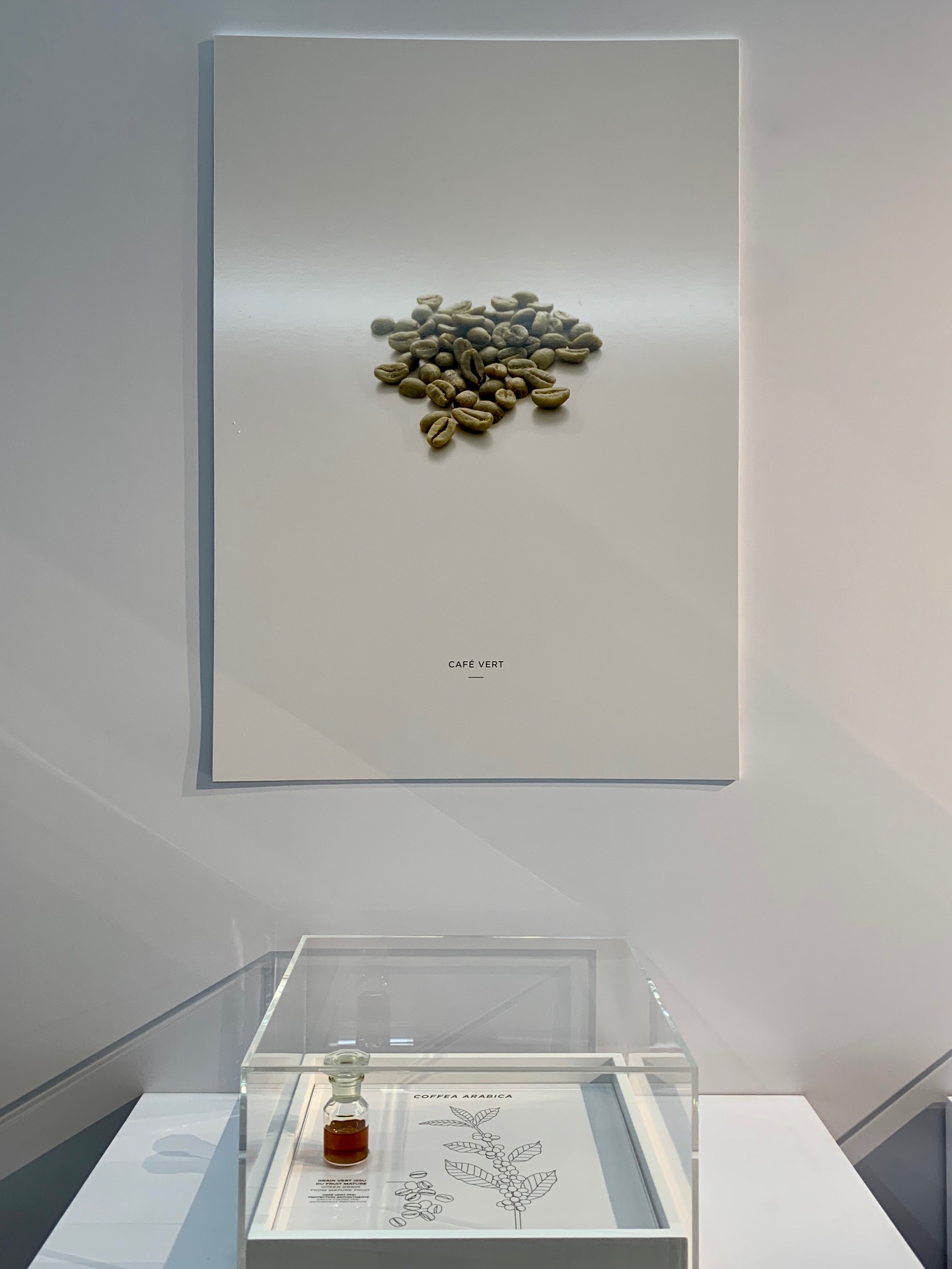
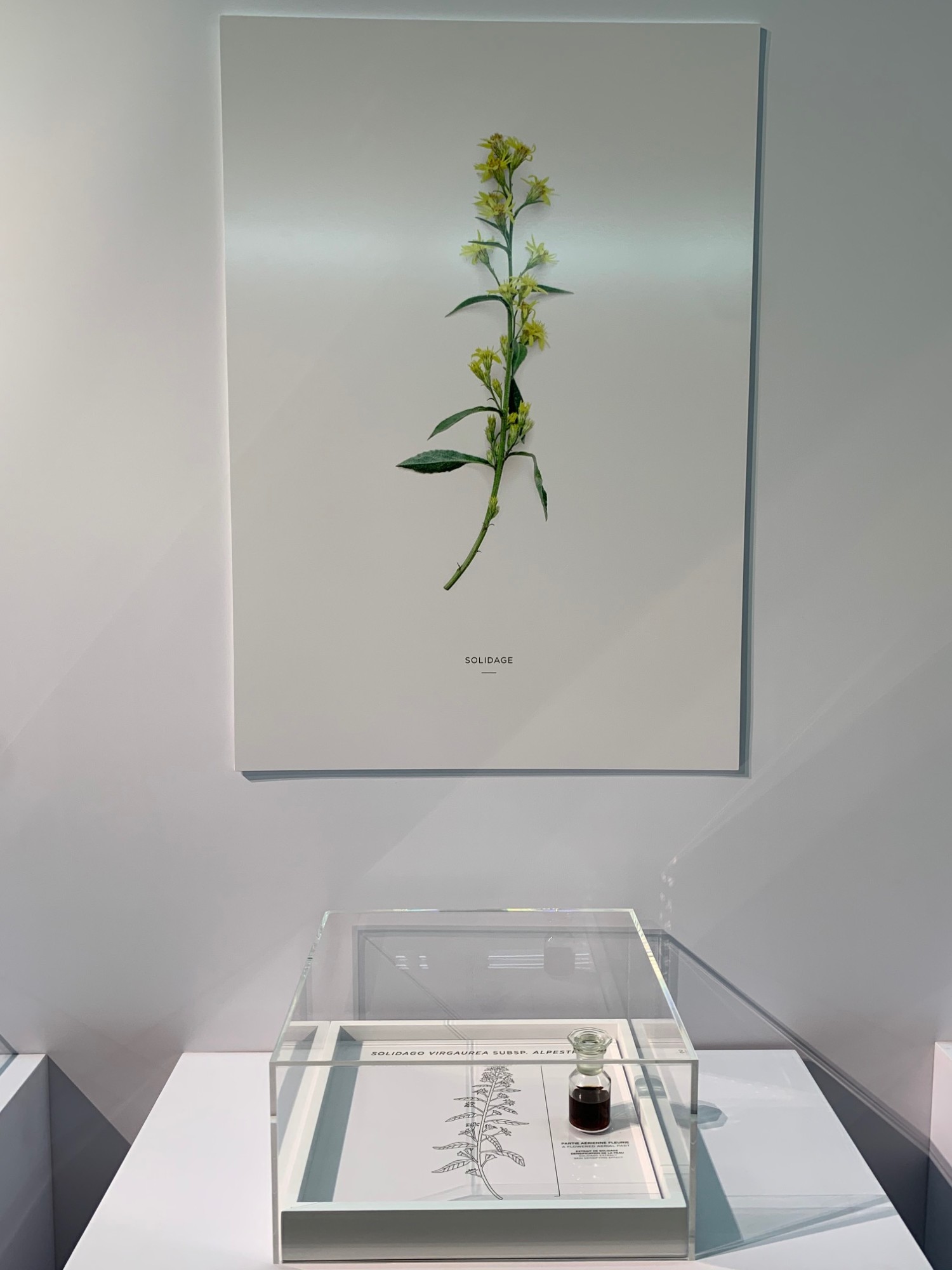
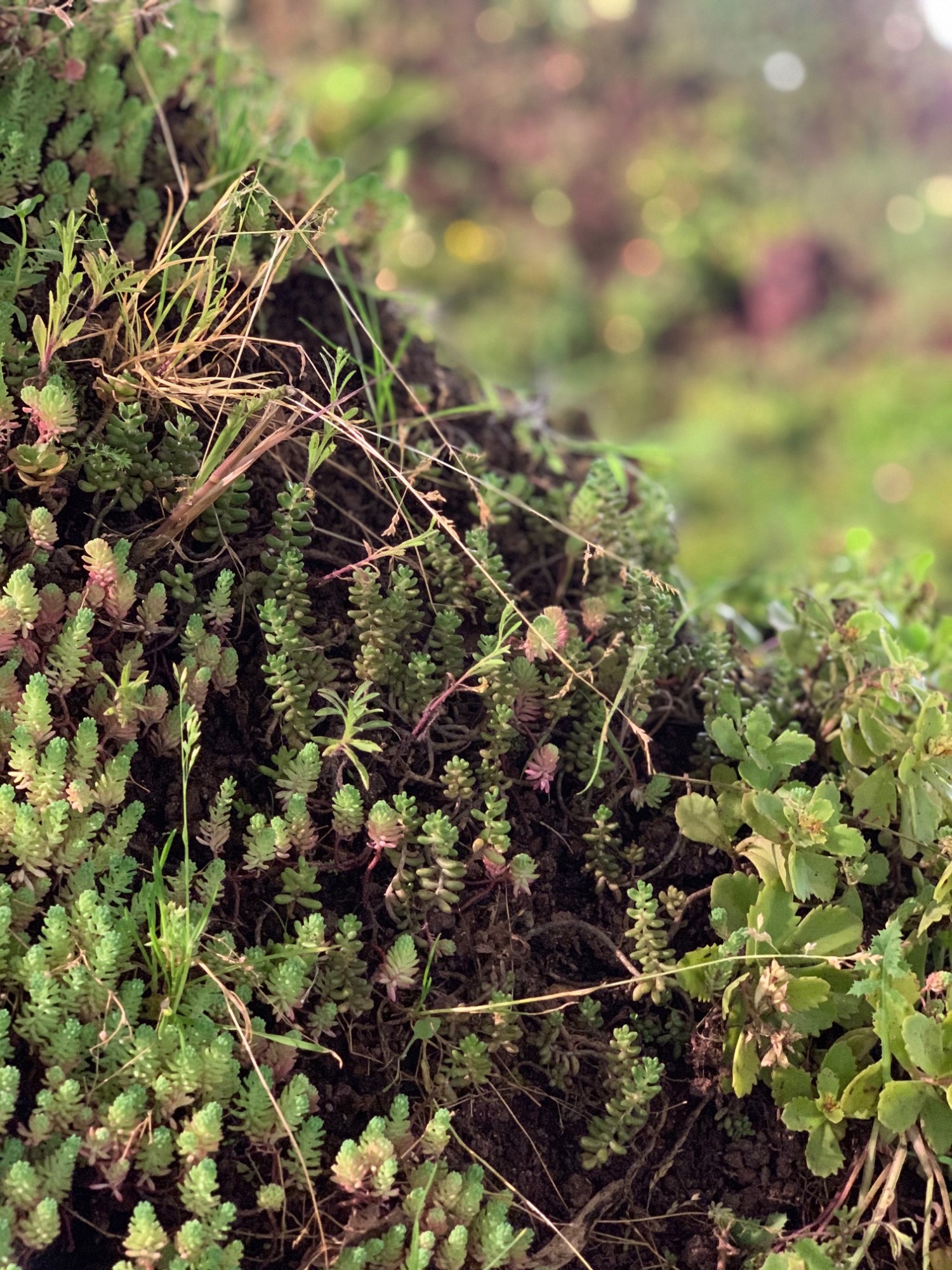
Coffee is an antioxidant, while goldenrod and kidney vetch from the southern Alps complement each other, boosting elasticity and radiance.
The same values guide all these laboratories: working together to build fair supply chains, preserving biodiversity, and celebrating what makes each growing region unique.
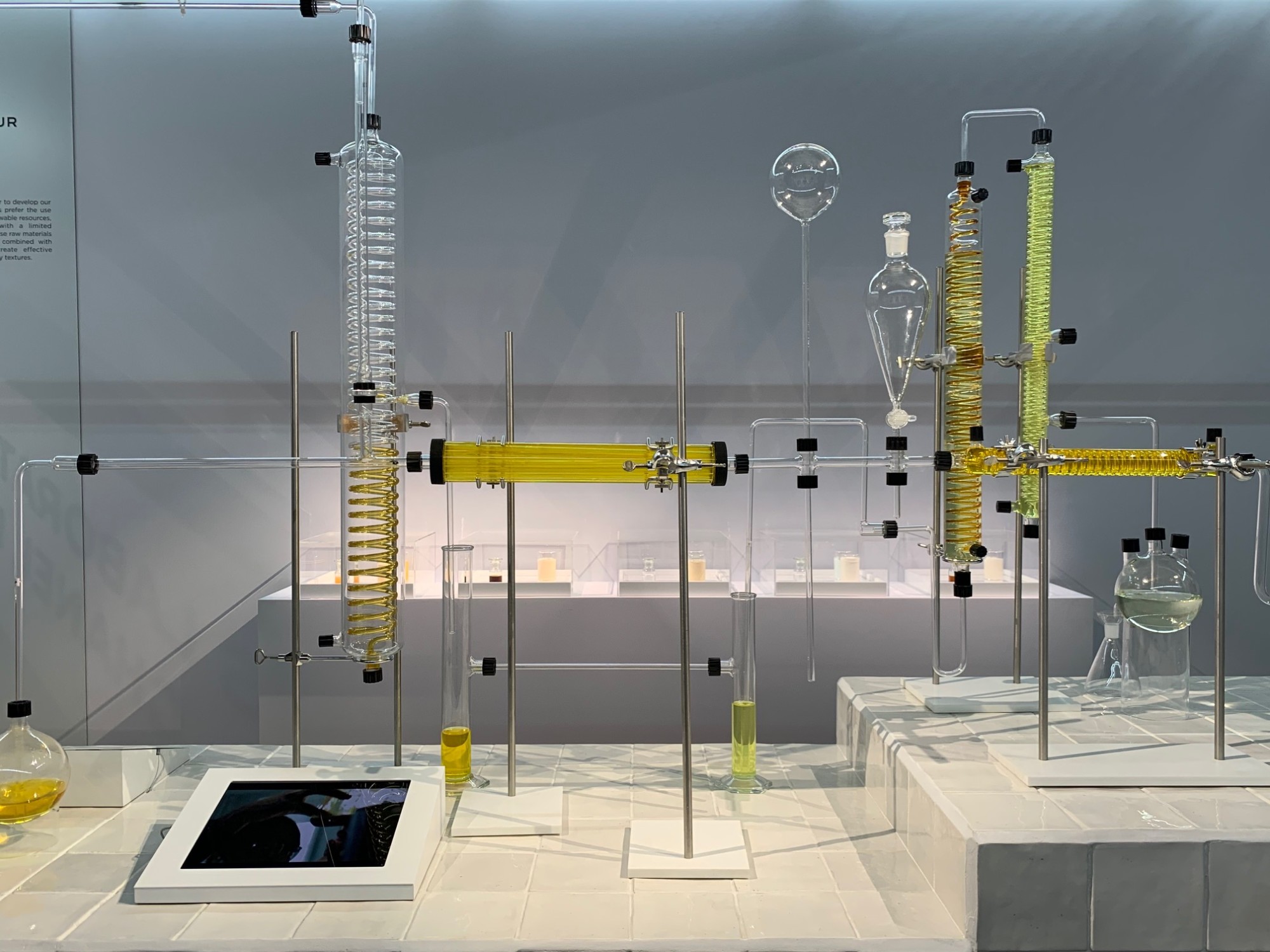
CHANEL takes care of nature, and nature returns the favor with the creams that are ultimately made at the Pantin laboratory. You can visit a replica of it in the last room of the exhibition.
La beauté se cultive CHANEL – free admission with registration: labeautesecultive.chanel.com
Museum national d'histoire naturelle
Jardin des Plantes 57 Rue Cuvier, 75005 Paris