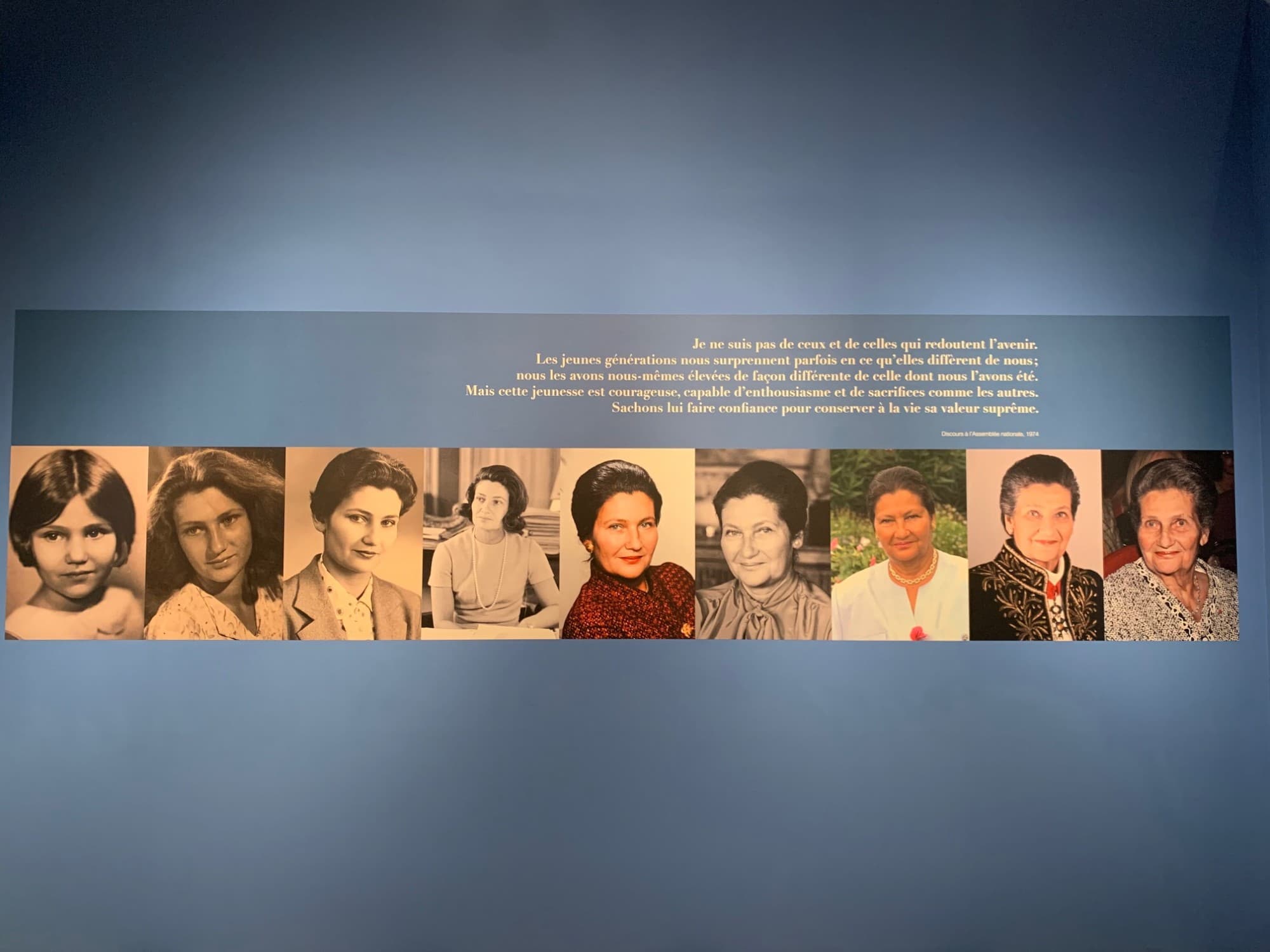
In his speech welcoming Madame Simone Veil to the Académie Française, Jean d’Ormesson concluded: “I’m lowering my voice—someone might hear us: like the vast majority of the French people, we love you, Madame.” This exhibition takes up those words to pay a well-deserved tribute to a remarkable woman who left her mark on her times.
We Love You, Madame: A Remarkable Woman
It was when I read Simone Veil’s autobiography, A Life, that this remarkable woman became my ultimate example of courage, beauty inside and out, elegance, and resilience. She faced horror in so many forms, yet she never gave up, always choosing life.
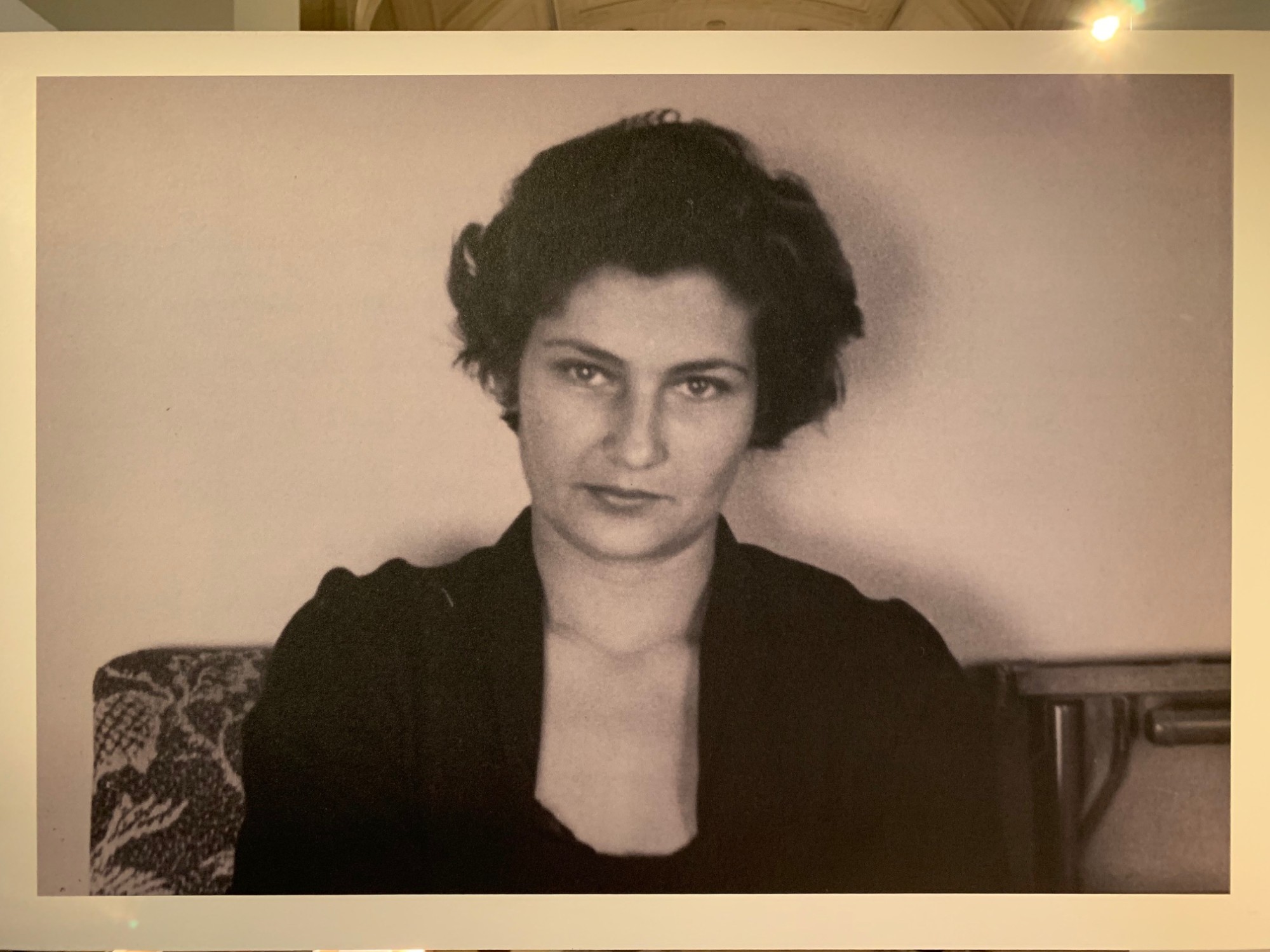
Which of us would have had the courage and dignity she showed throughout her life in the face of the obstacles and tragedies life had in store for her?
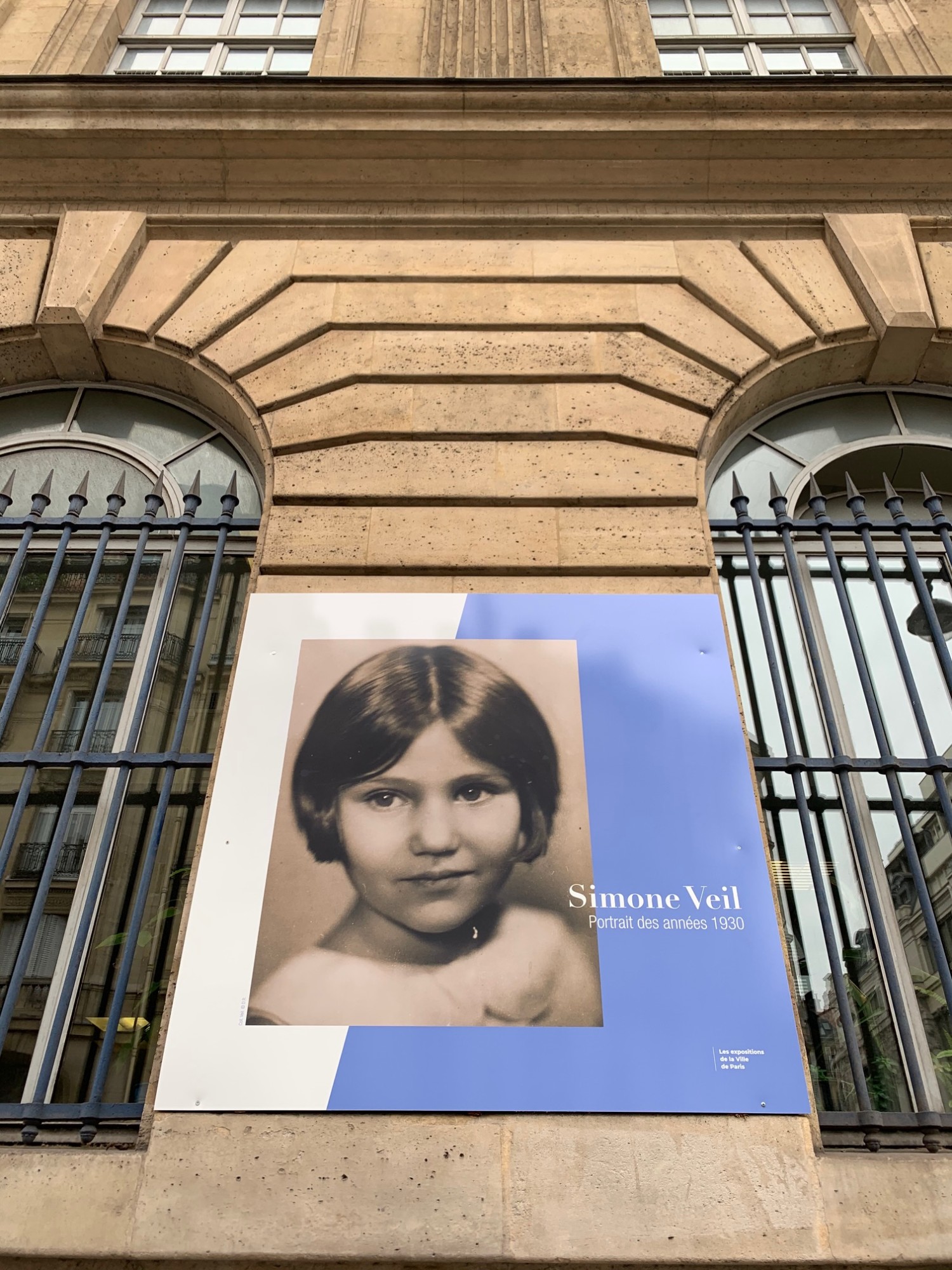
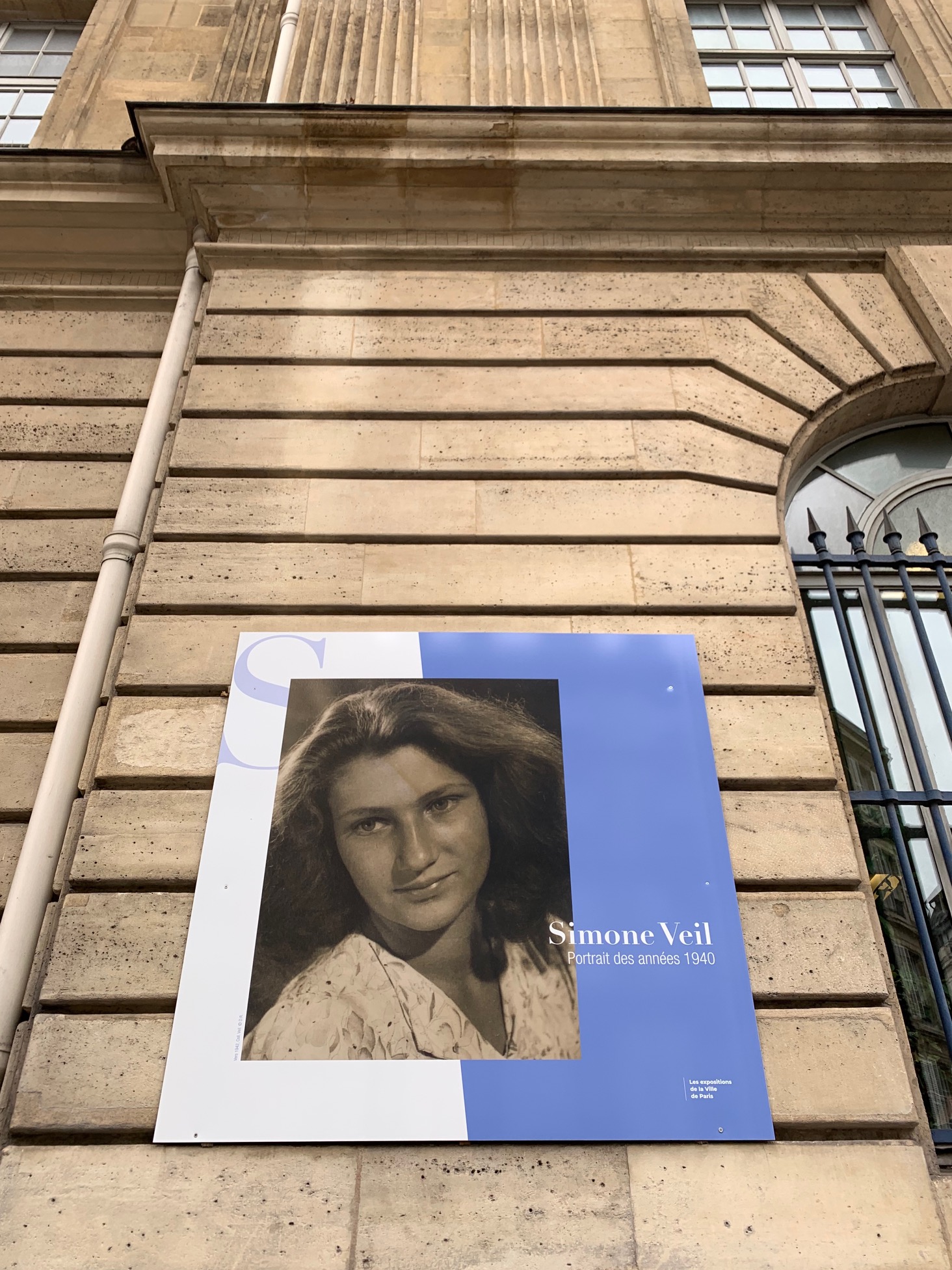
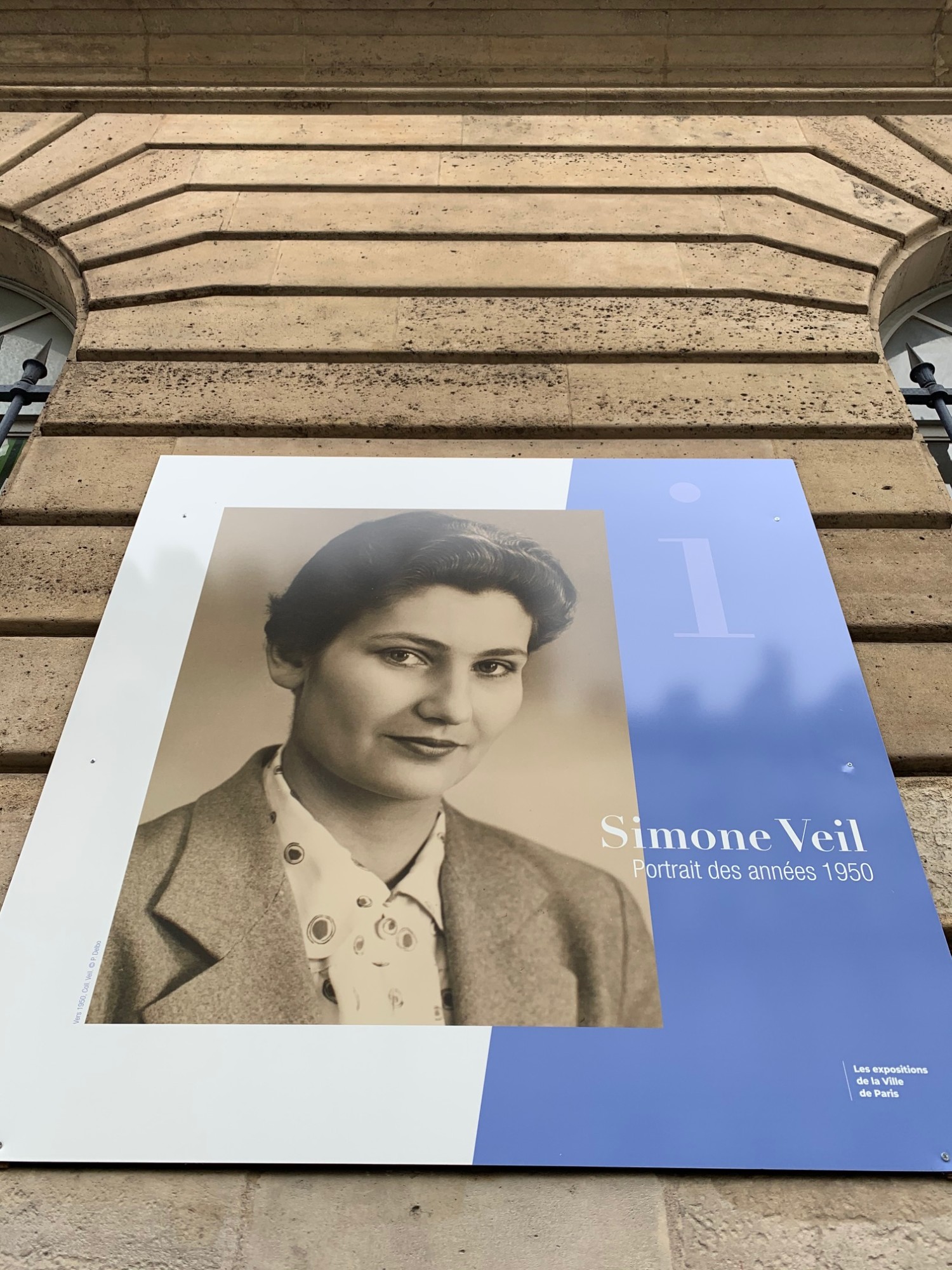
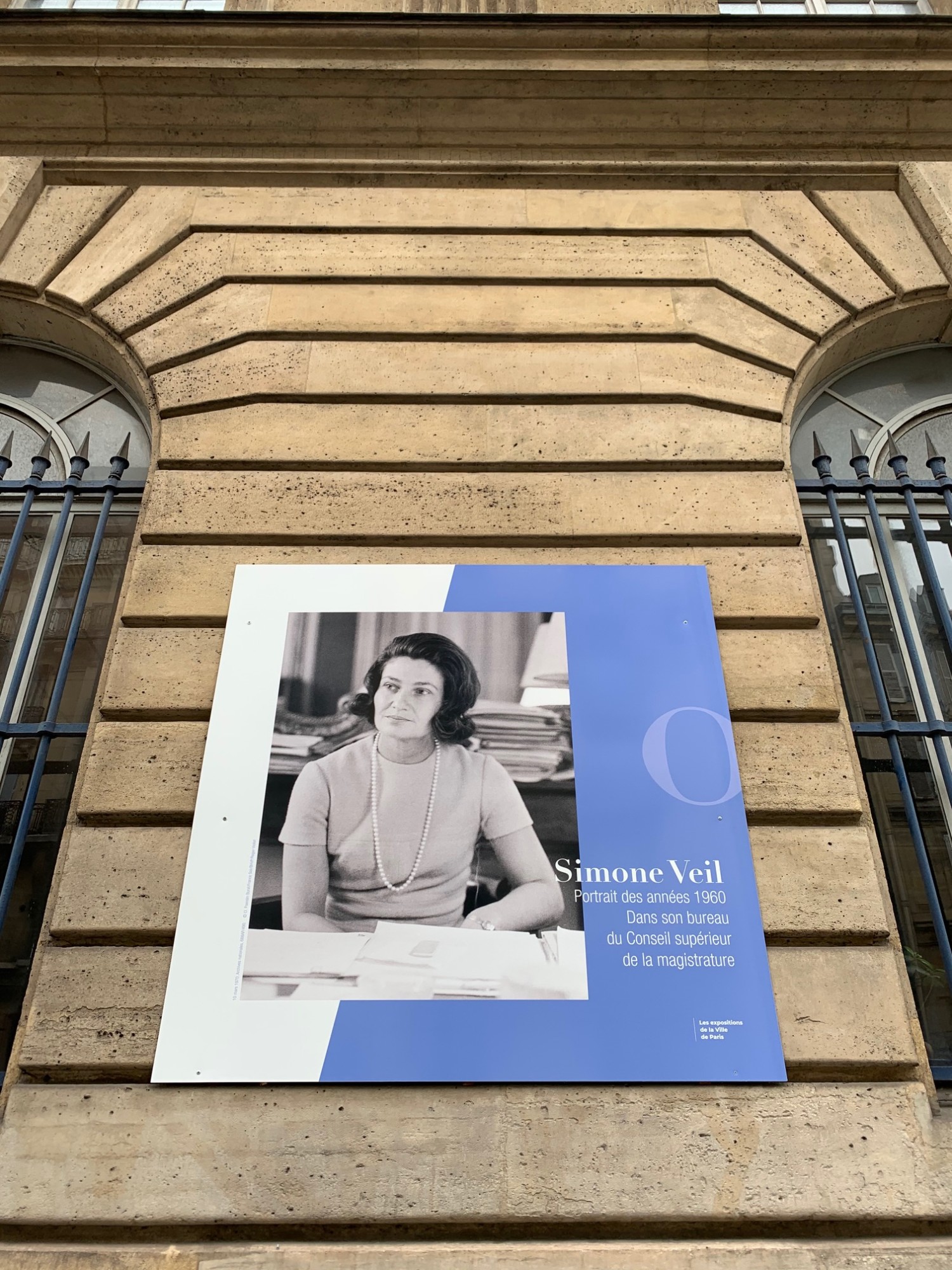
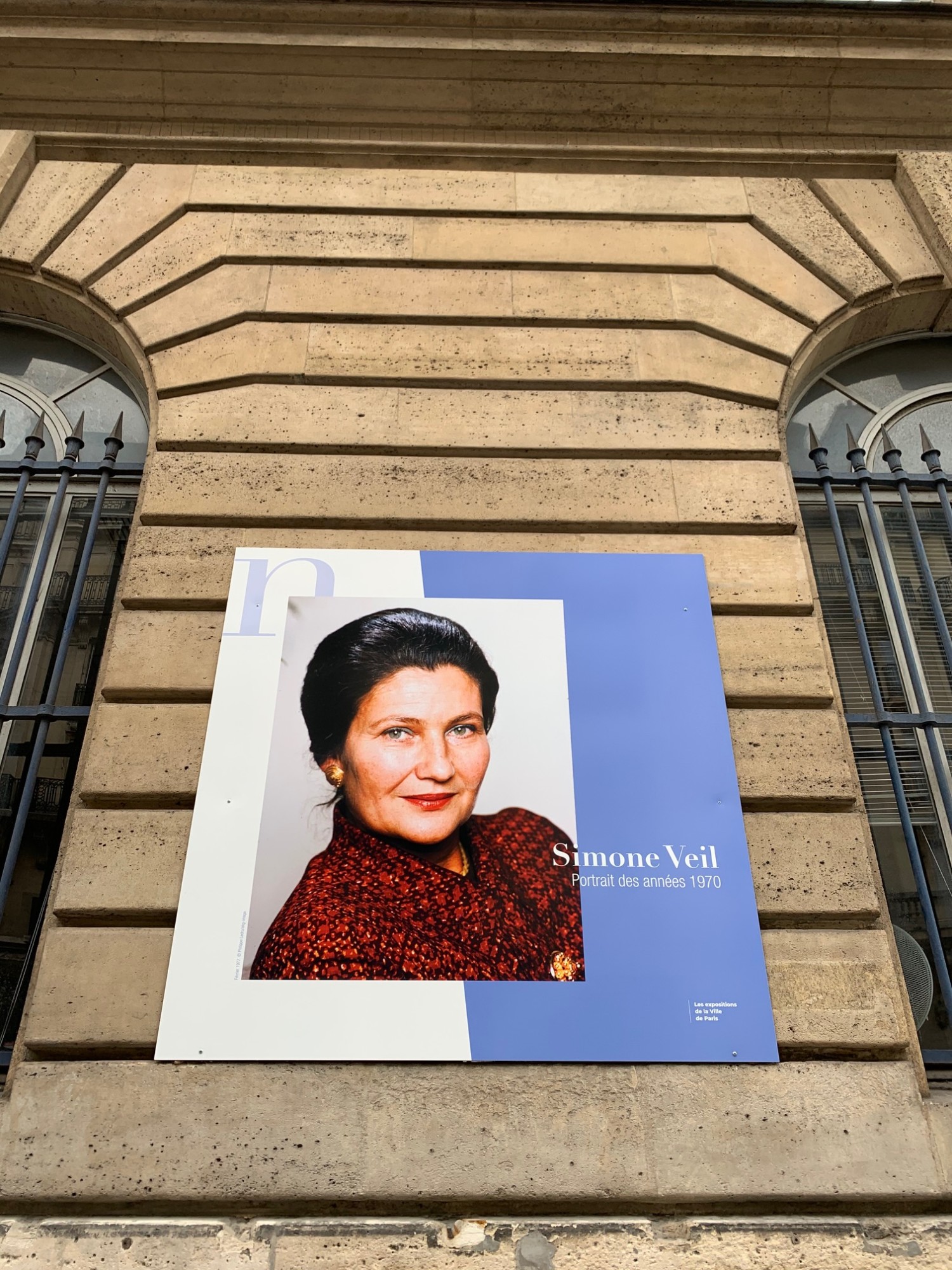
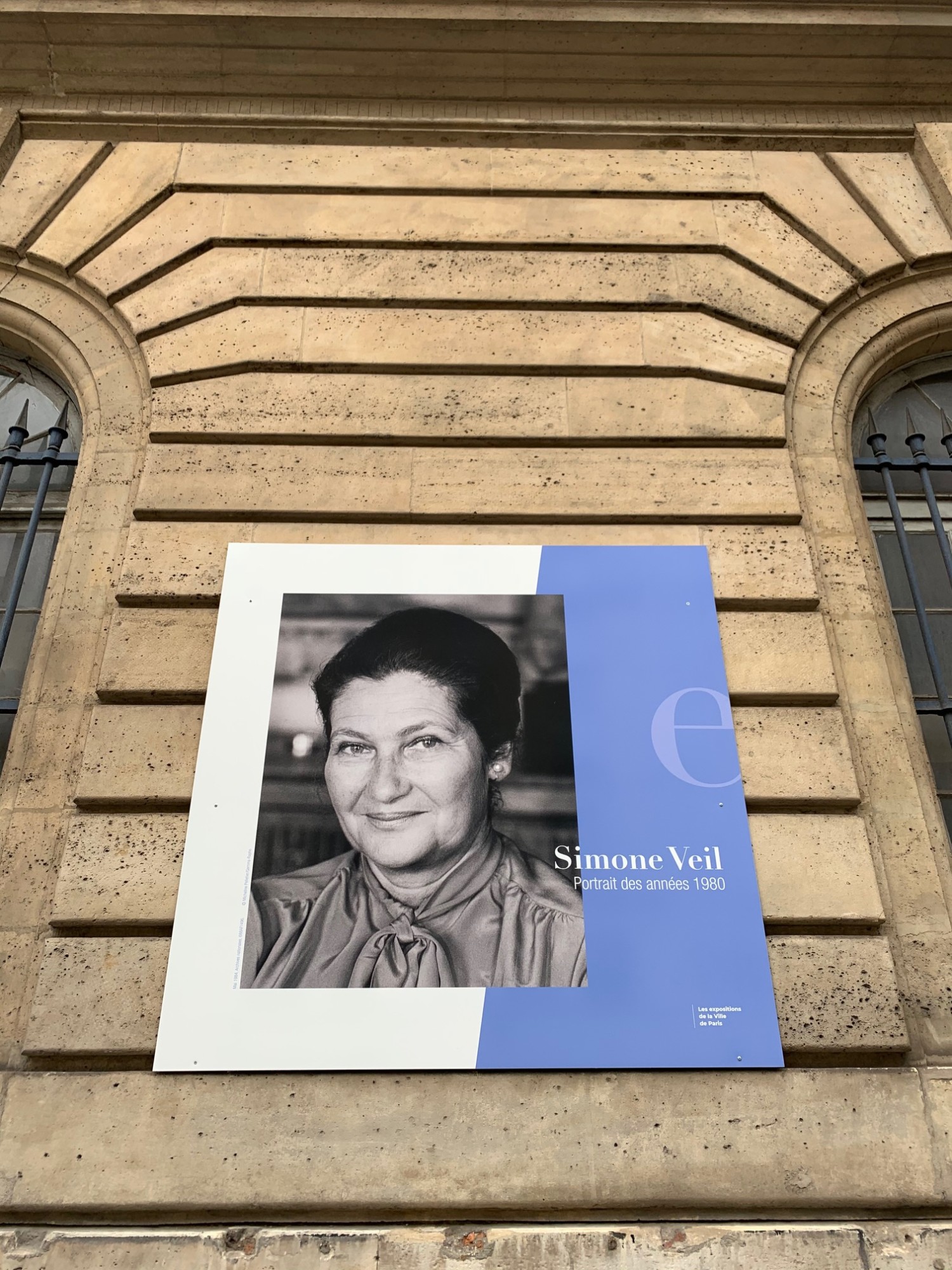
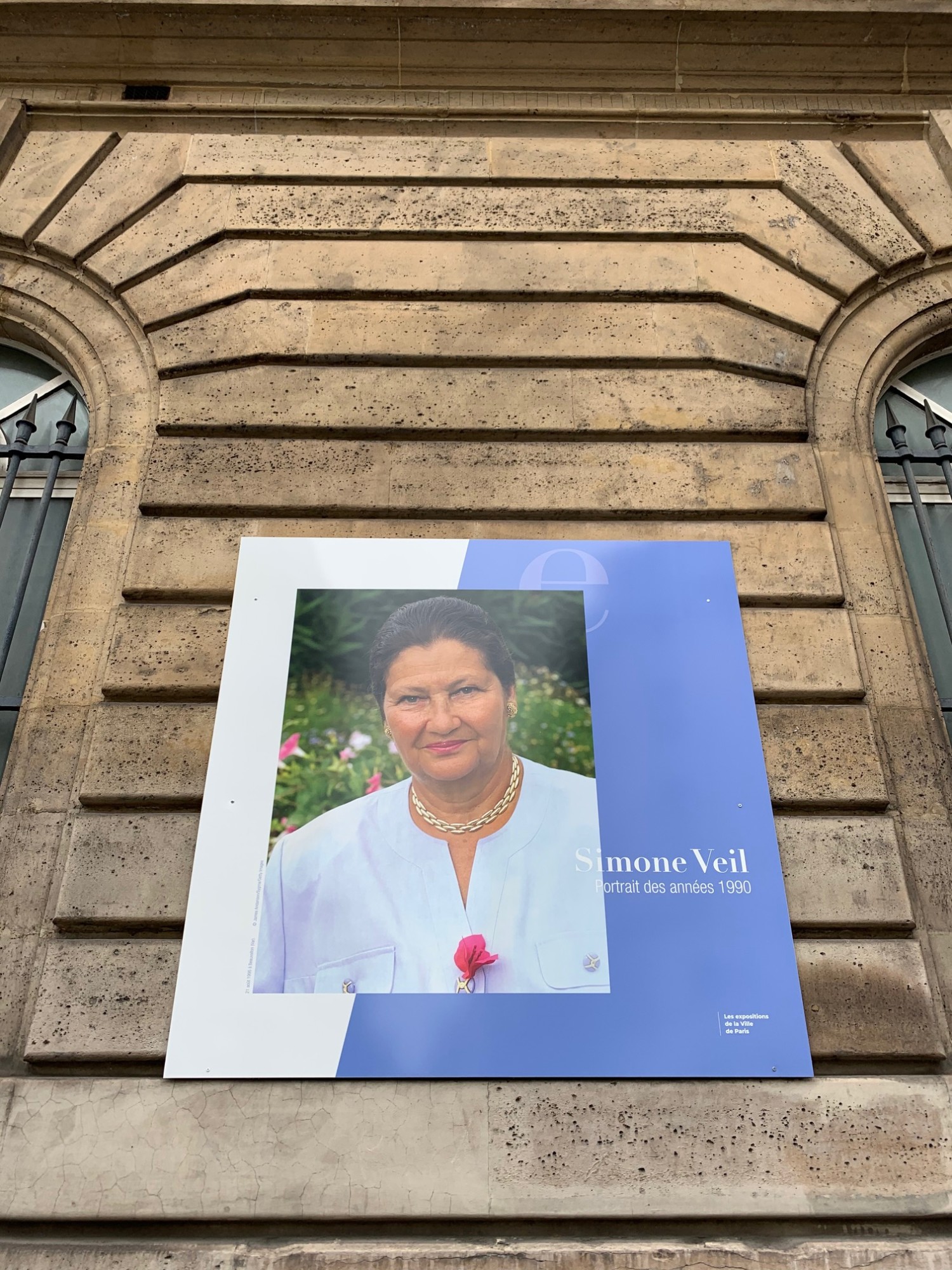
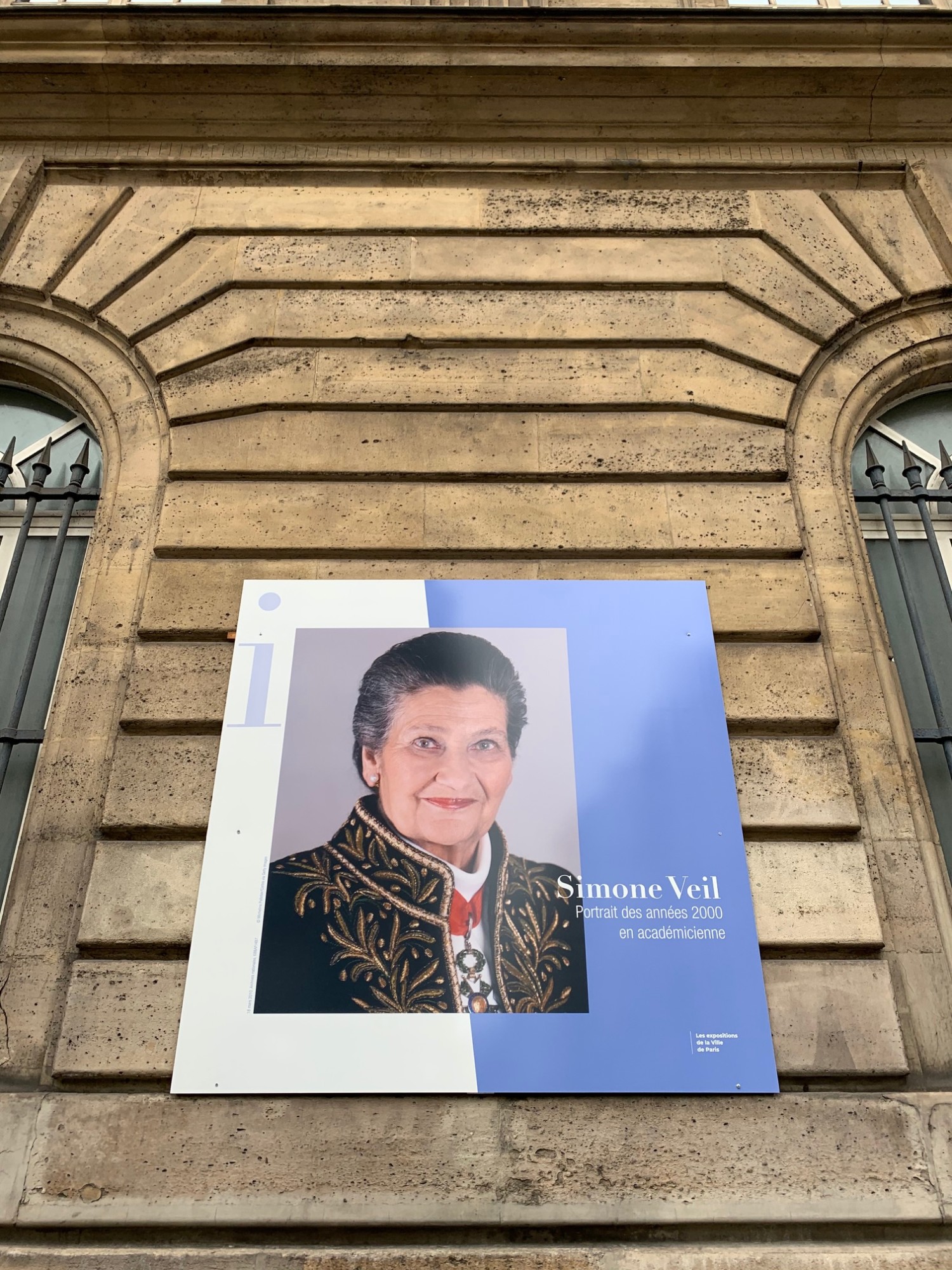
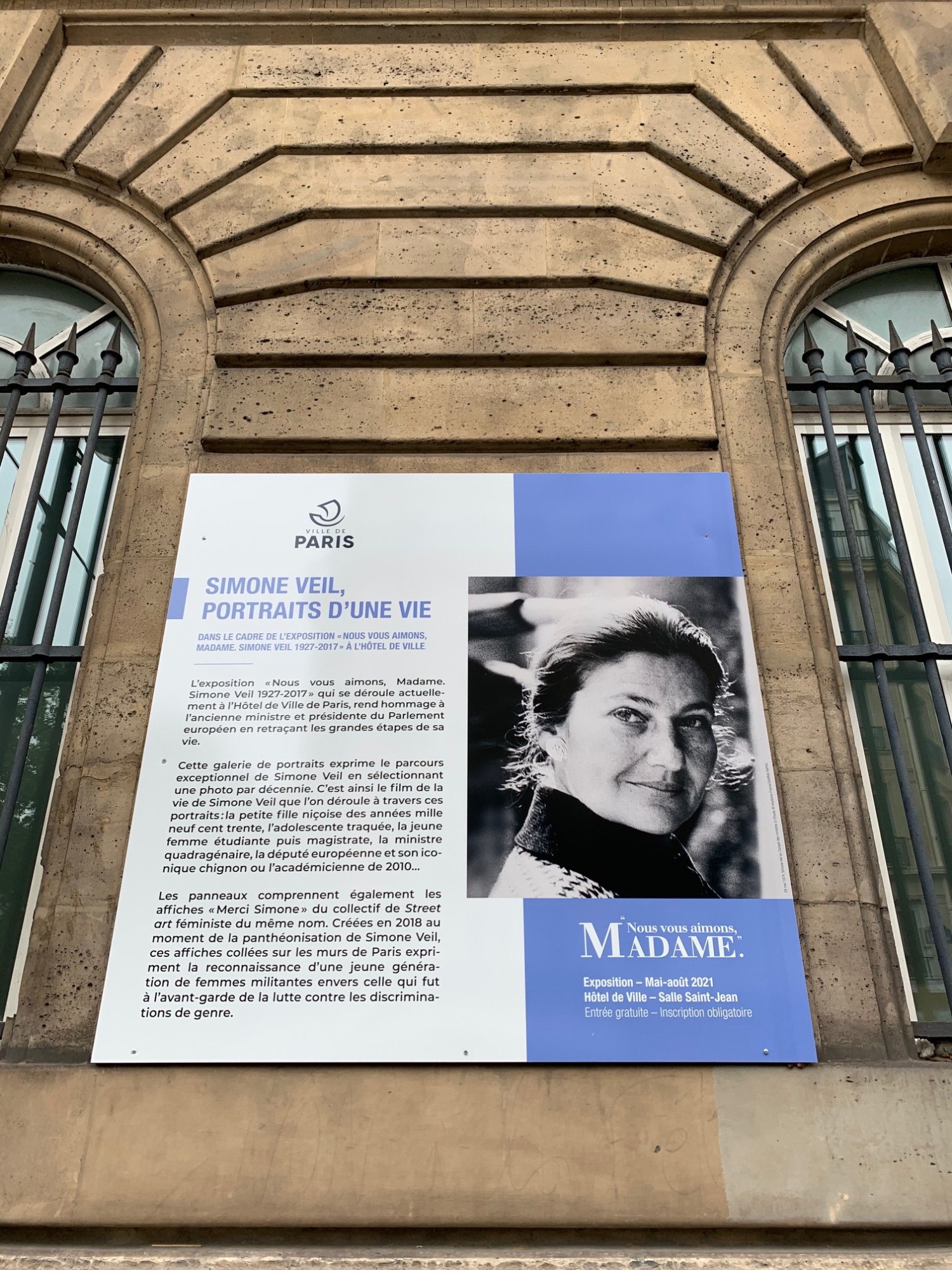
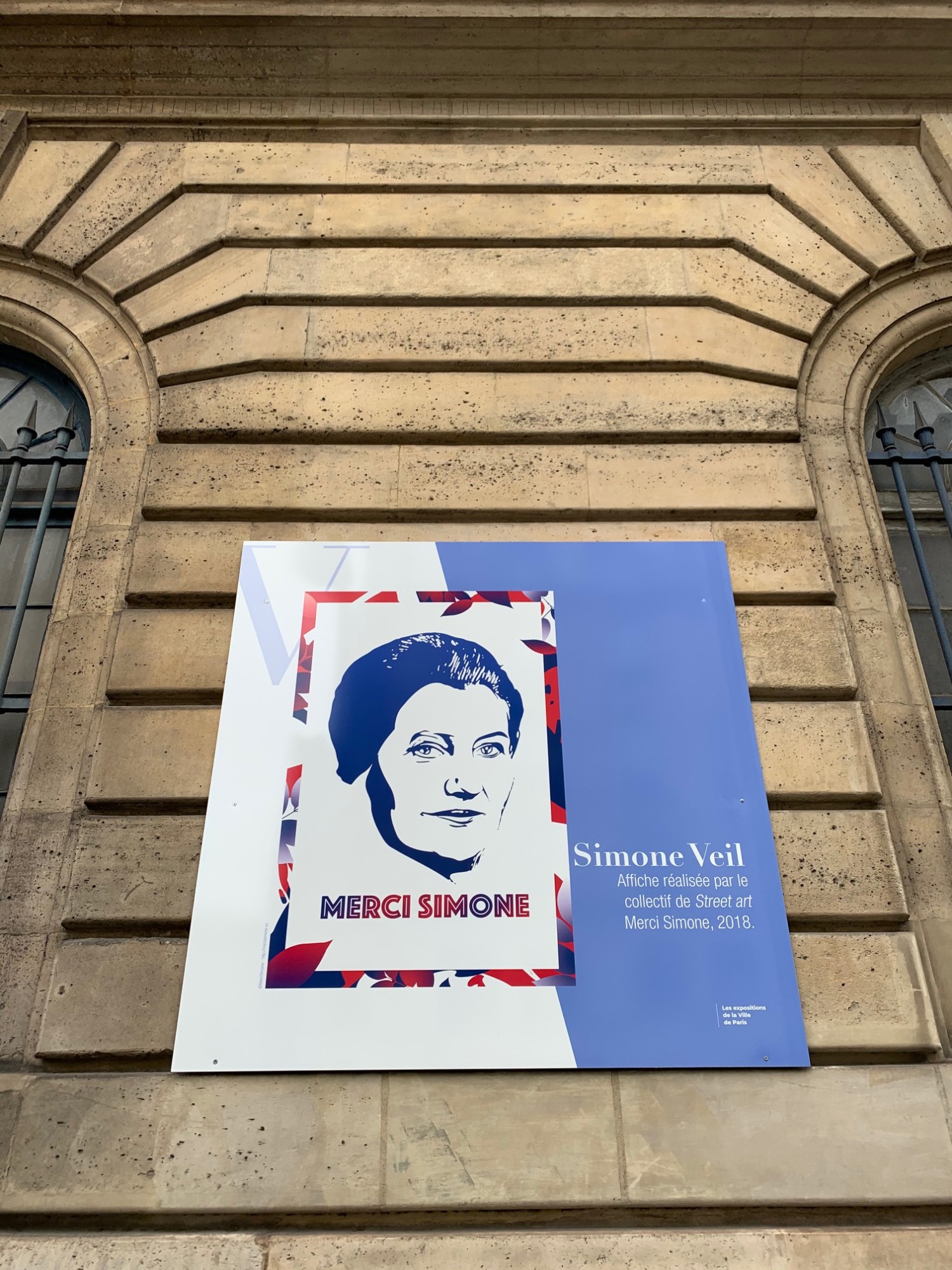
She endured deportation, hostility from her male peers, mockery, insults, and jeers, and got through it all without ever giving up. All the while, she held her head high and never lost sight of her goals.
She’s often associated with turning points in her own life or in the life of the nation, such as her deportation or, later, her defense of women’s right to abortion. As she herself said of that fight: “I knew the fight would be ruthless and violent. But I had no idea how much terrible hatred I would stir up.” She was never spared a thing. Attacked, insulted, and still standing.
What’s less well known is that she was a woman of many firsts. In turn, she became:
-
- the first woman to serve as secretary general of the Conseil supérieur de la Magistrature
- the first woman to serve as a minister in the Fifth Republic
- the first woman to lead the European Parliament
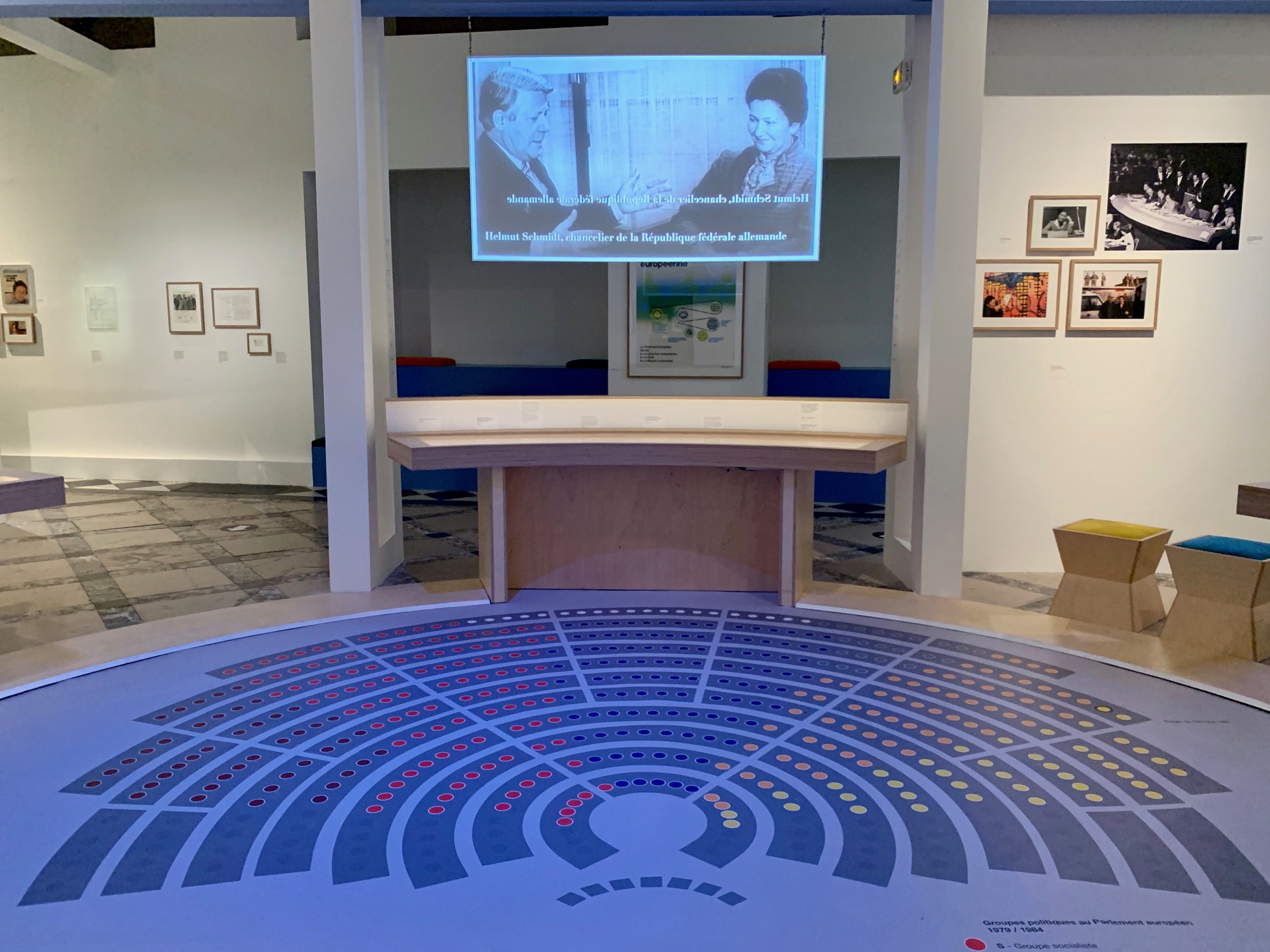
As you make your way through the exhibition, you see just how utterly one of a kind she was.
The Exhibition: A Journey in Chronological Order
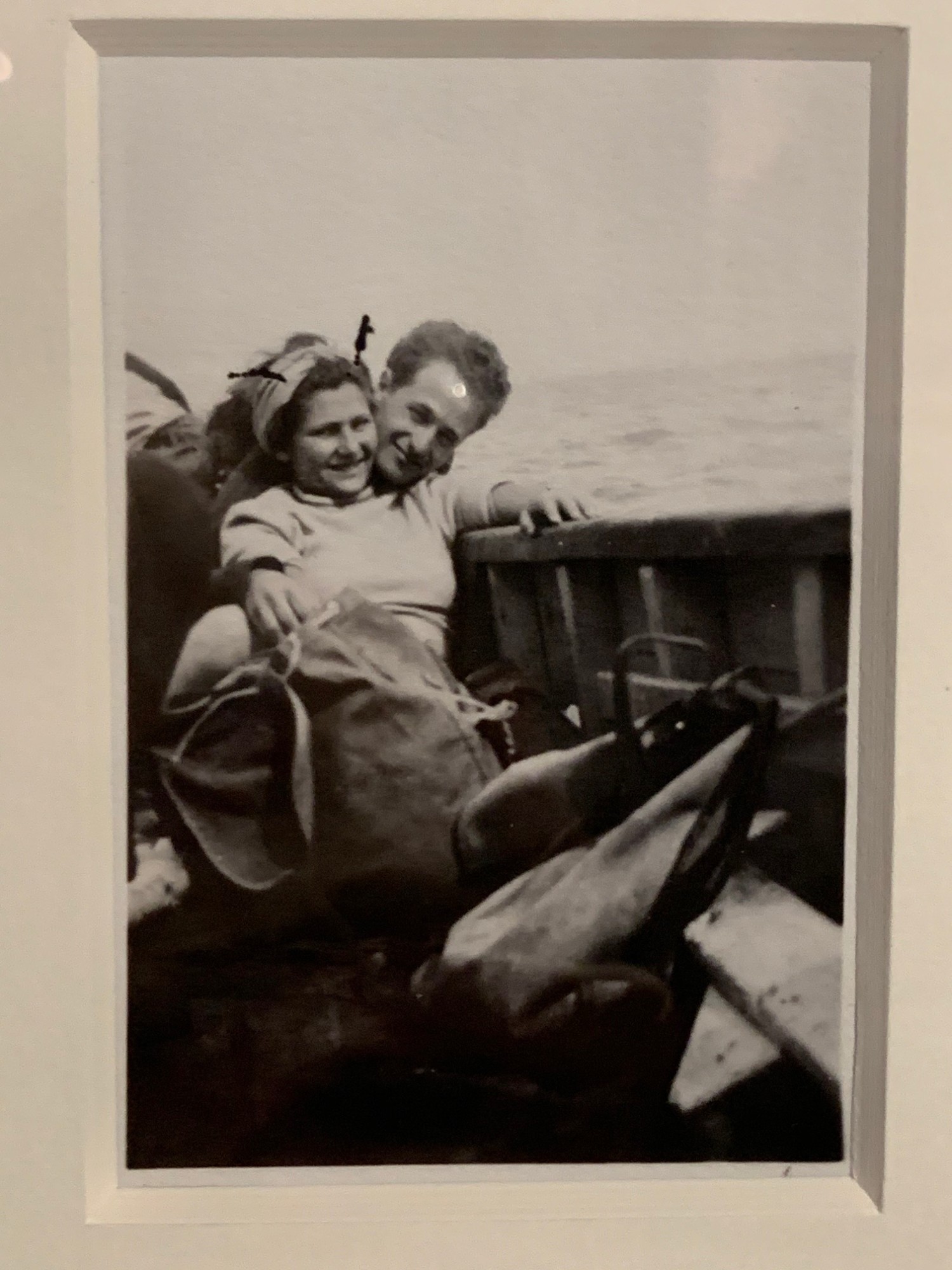
The exhibition unfolds chronologically. We start with a young girl’s happy childhood in Nice, with her parents, her sisters, and her brother.
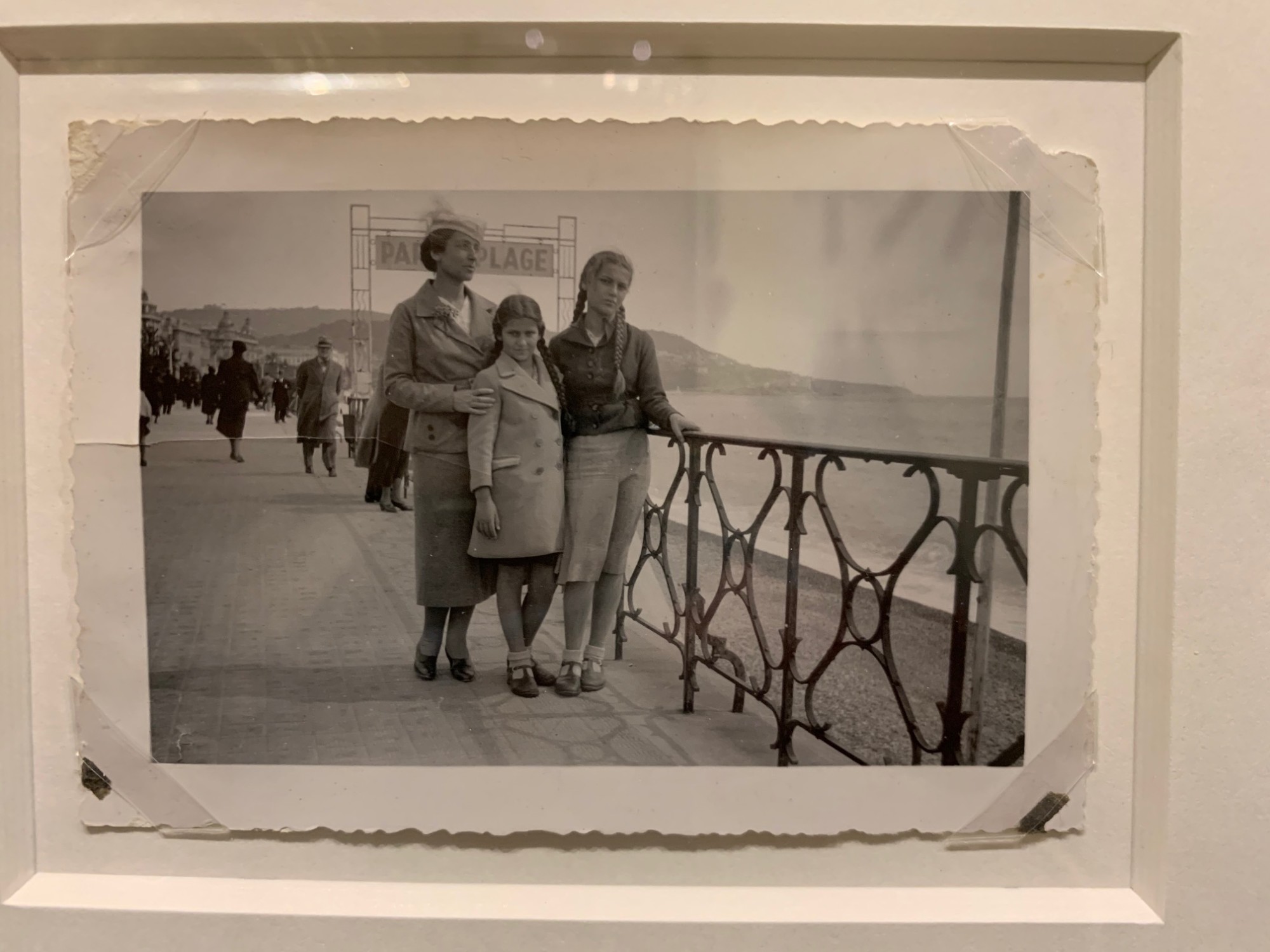
Archival records, personal photos shared by the family, and public documents bring this story to life in all its joy and drama. Memories of a happy world now gone give way to the horror of deportation.
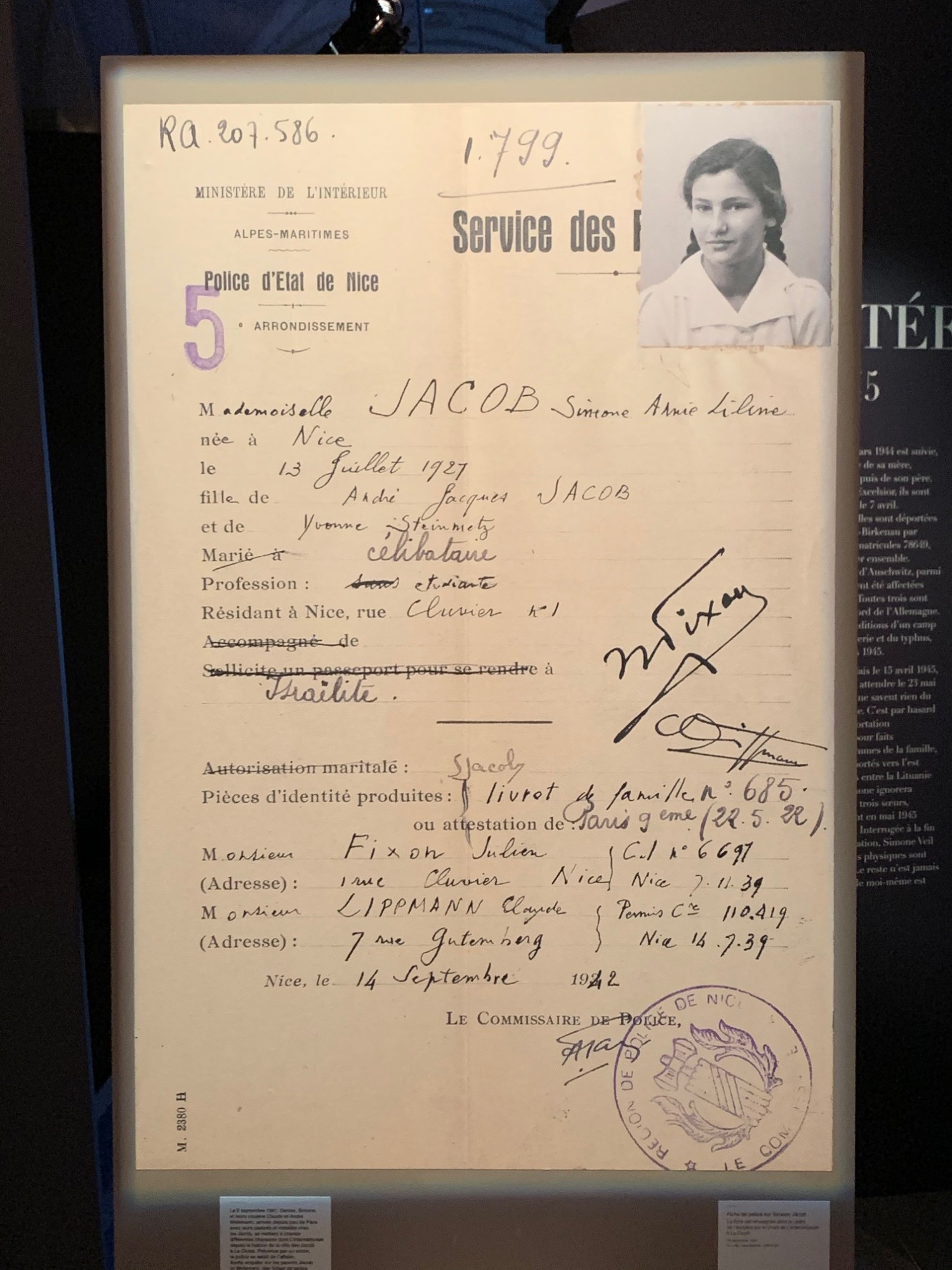
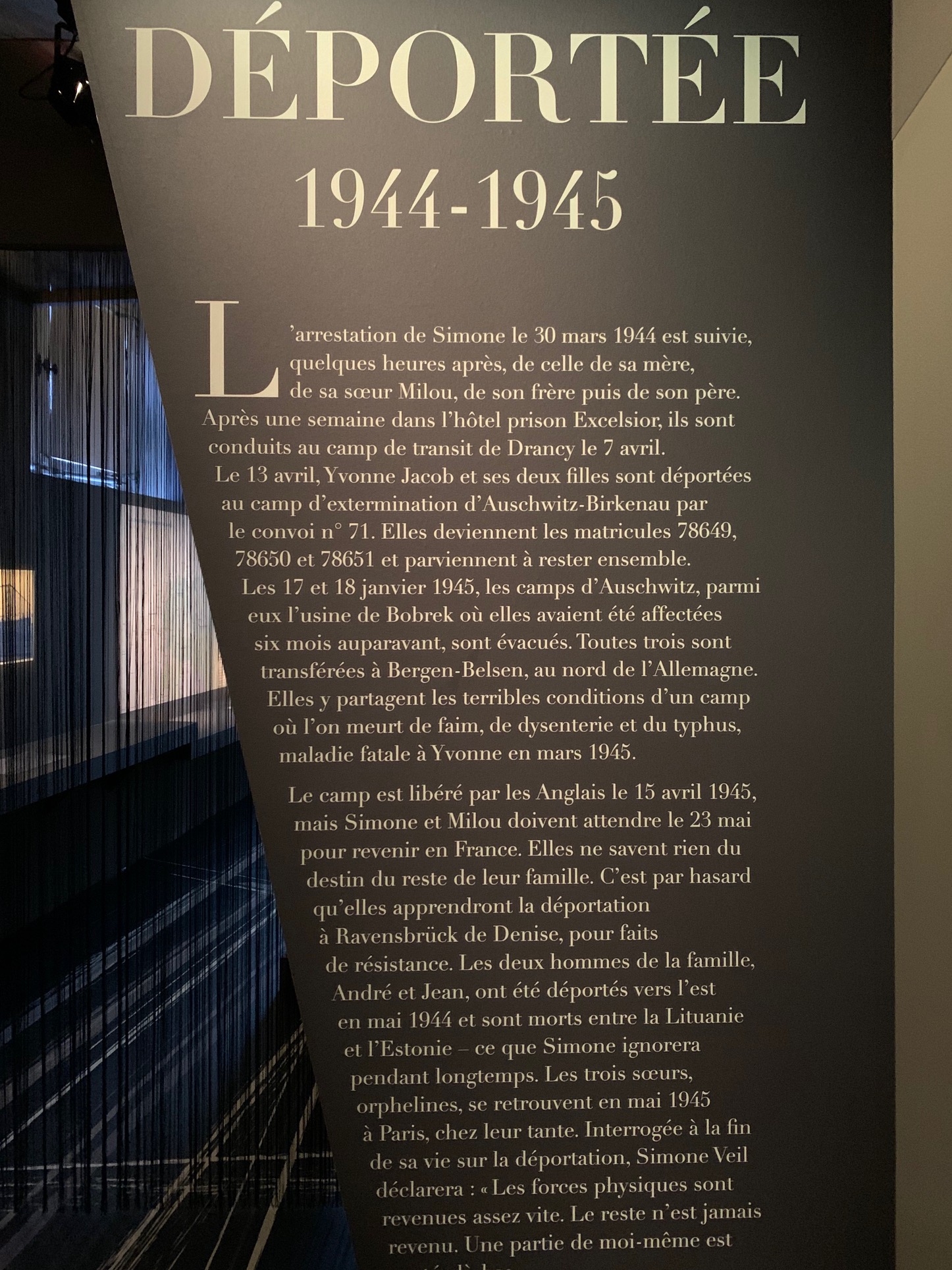
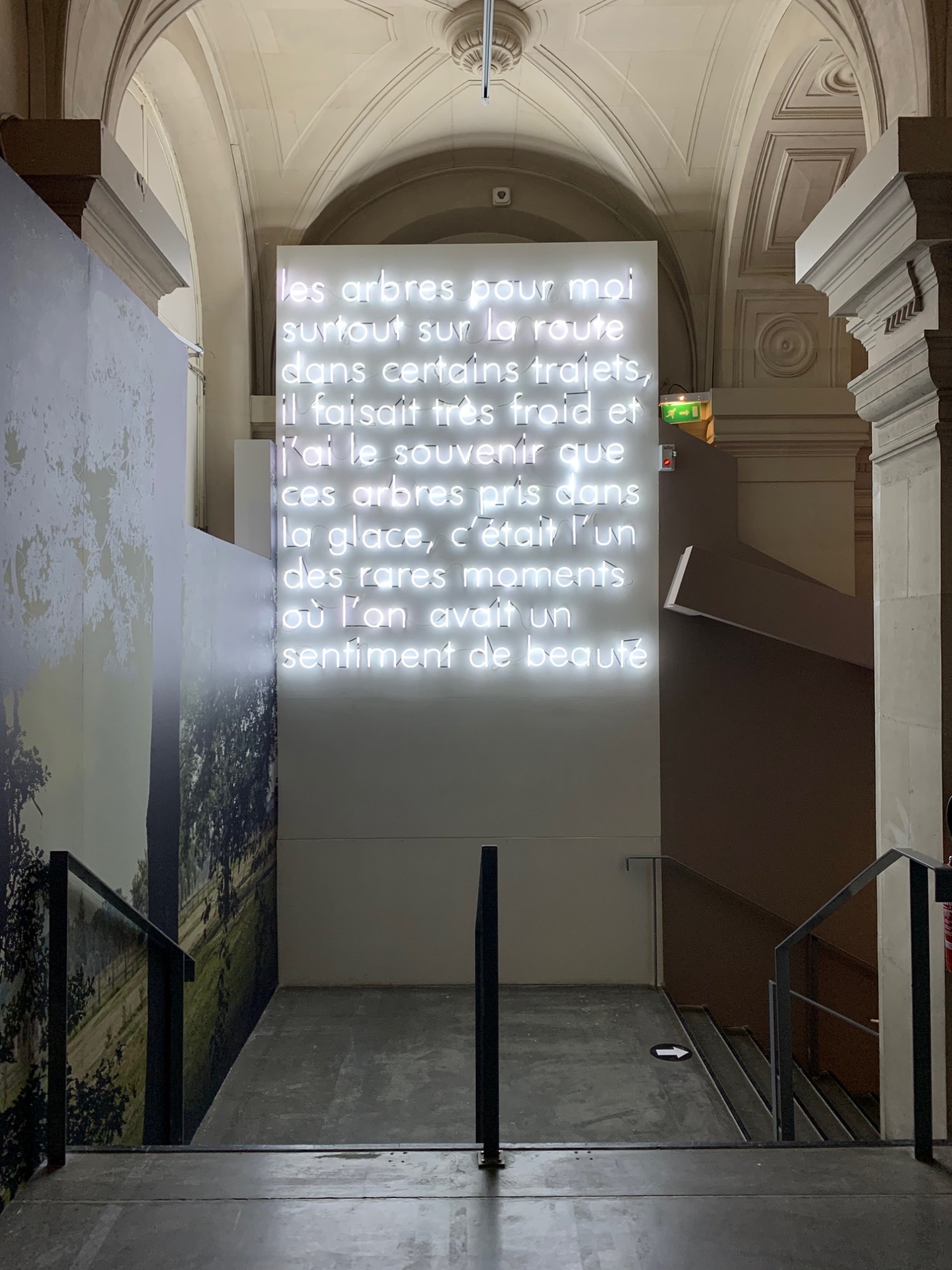
Simone Veil came back alive, though like everyone who was deported, she left a piece of her soul in the camps.
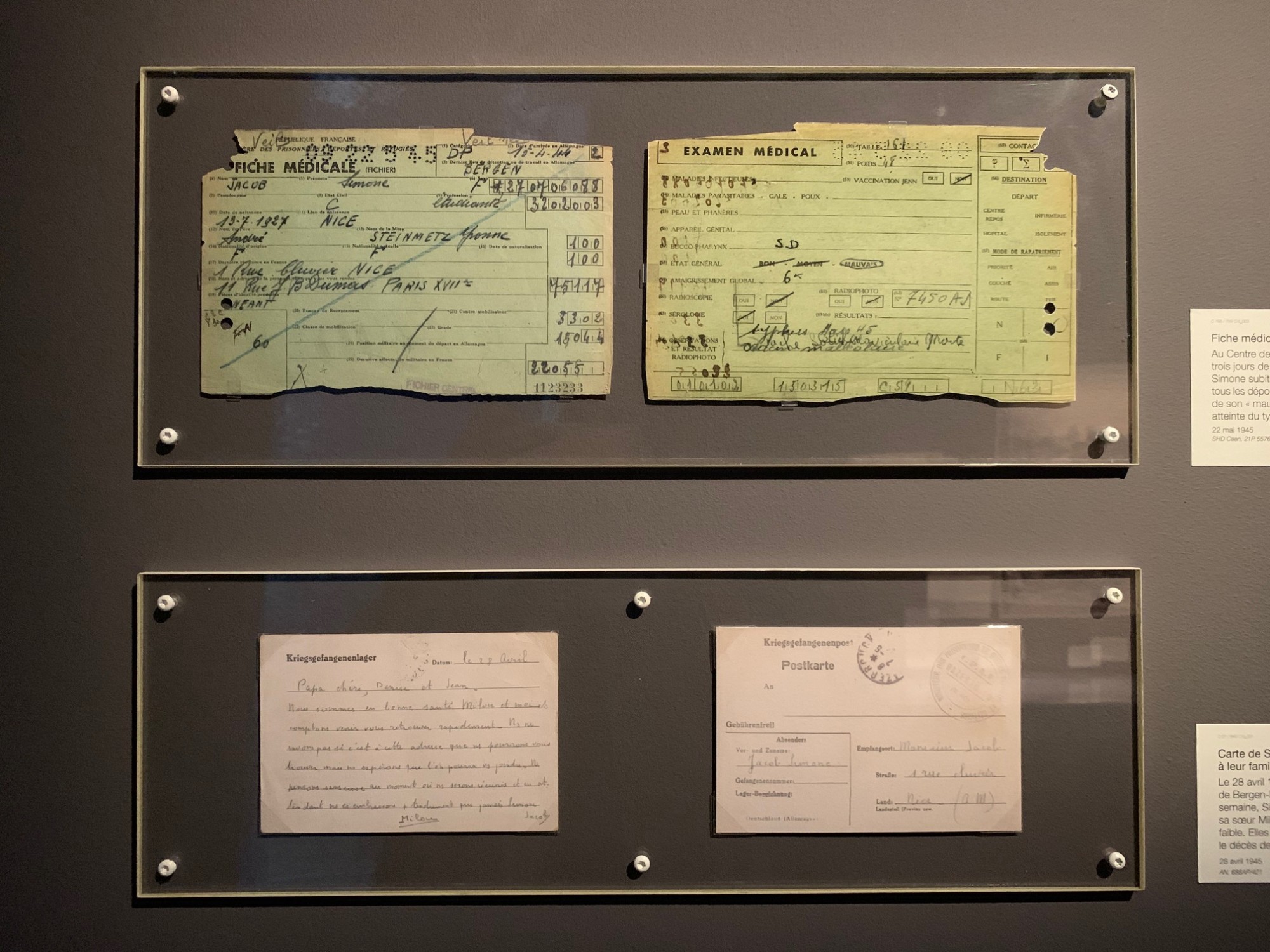
“At the moment of liberation, I saw myself through the eyes of the first Englishmen who entered the camp. That’s when I realized.”
And so, when she came home, she chose life.
As a student at Sciences Po, she met her husband. After the birth of her three sons, she chose to work and became a magistrate. Here we discover a lesser-known part of her remarkable career: her commitment to improving prison conditions, not only in France but also in Algeria.
Then things moved quickly. She became minister of health and championed the bill establishing the right to abortion. The handwritten draft of her speech is among the previously unseen archival materials on display.
But what’s most moving and most powerful is her fight to keep the memory of the Holocaust alive, captured in her poignant testimony in an intimate interview with Serge Moati.
Here, a woman often described as cold and unemotional opens up. Her simple, restrained words brought me to tears I couldn’t hold back.
The dignity of her words makes her testimony all the more powerful and moving.
“My physical strength came back very quickly. The rest never came back.”
We see her as a daughter, a sister, a deportee, a student, a wife, a mother, a magistrate, a minister, a European, a member of the Académie Française, and a keeper of memory, always with the same determination.
“Her courage and dignity do her credit and place a responsibility on us,” said the exhibition’s curator.
Thank you, Madame.
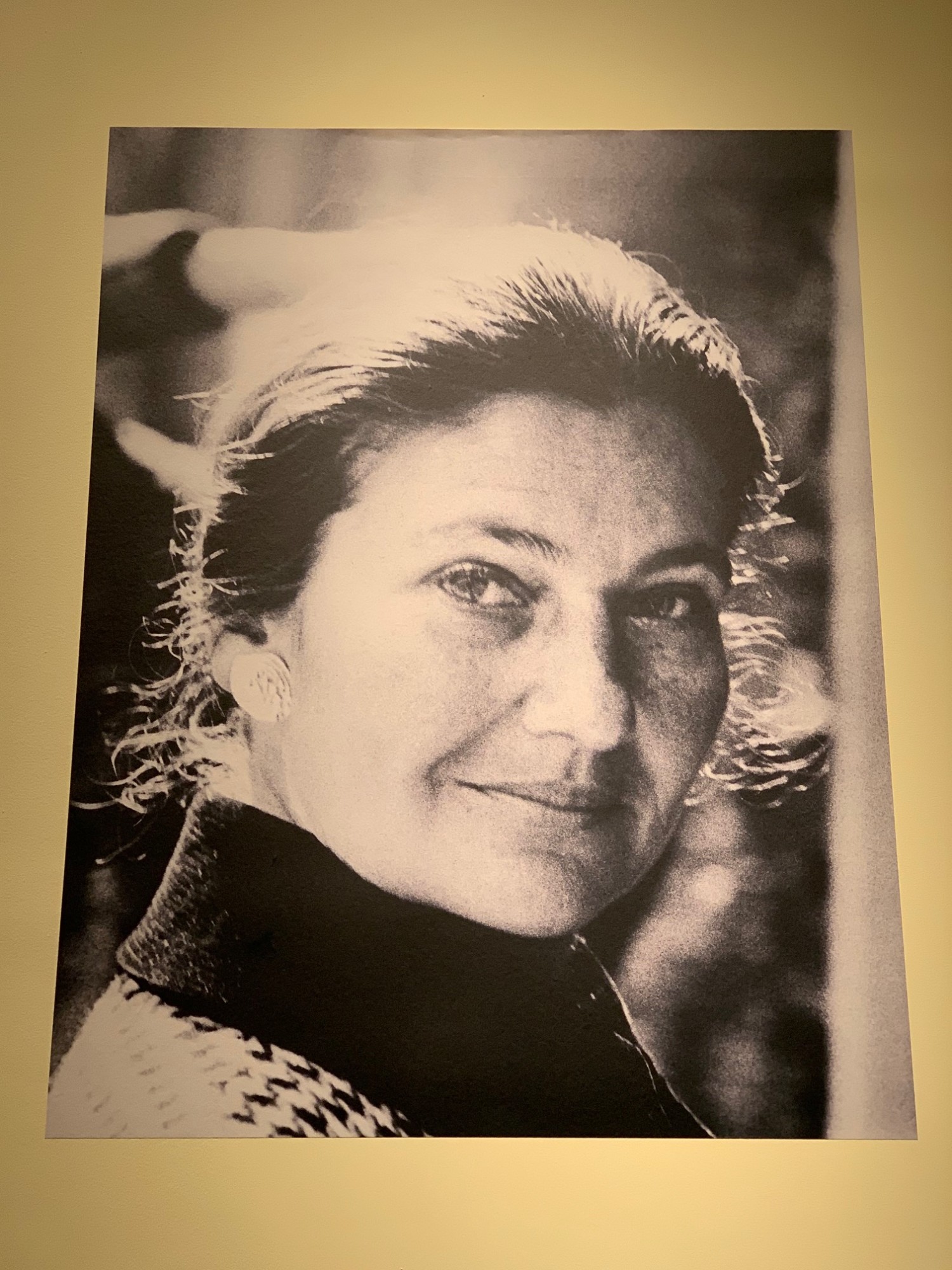
We Love You, Madame - exhibition from May 28 to August 21, 2021
Free with a reservation
Hôtel de Ville Salle Saint-Jean 5 rue Lobau 75004 Paris