People are at the very heart of Mark Rothko’s work. Every canvas has a single purpose: to speak to the viewer, to give them an experience, to take them on a journey. After years of trying to depict people, he feels he has failed to “represent the human figure without mutilating it.” So he turns to abstraction, which he keeps reinventing for the rest of his life. It’s this fascinating journey that we discover in the Mark Rothko exhibition at Fondation Louis Vuitton.
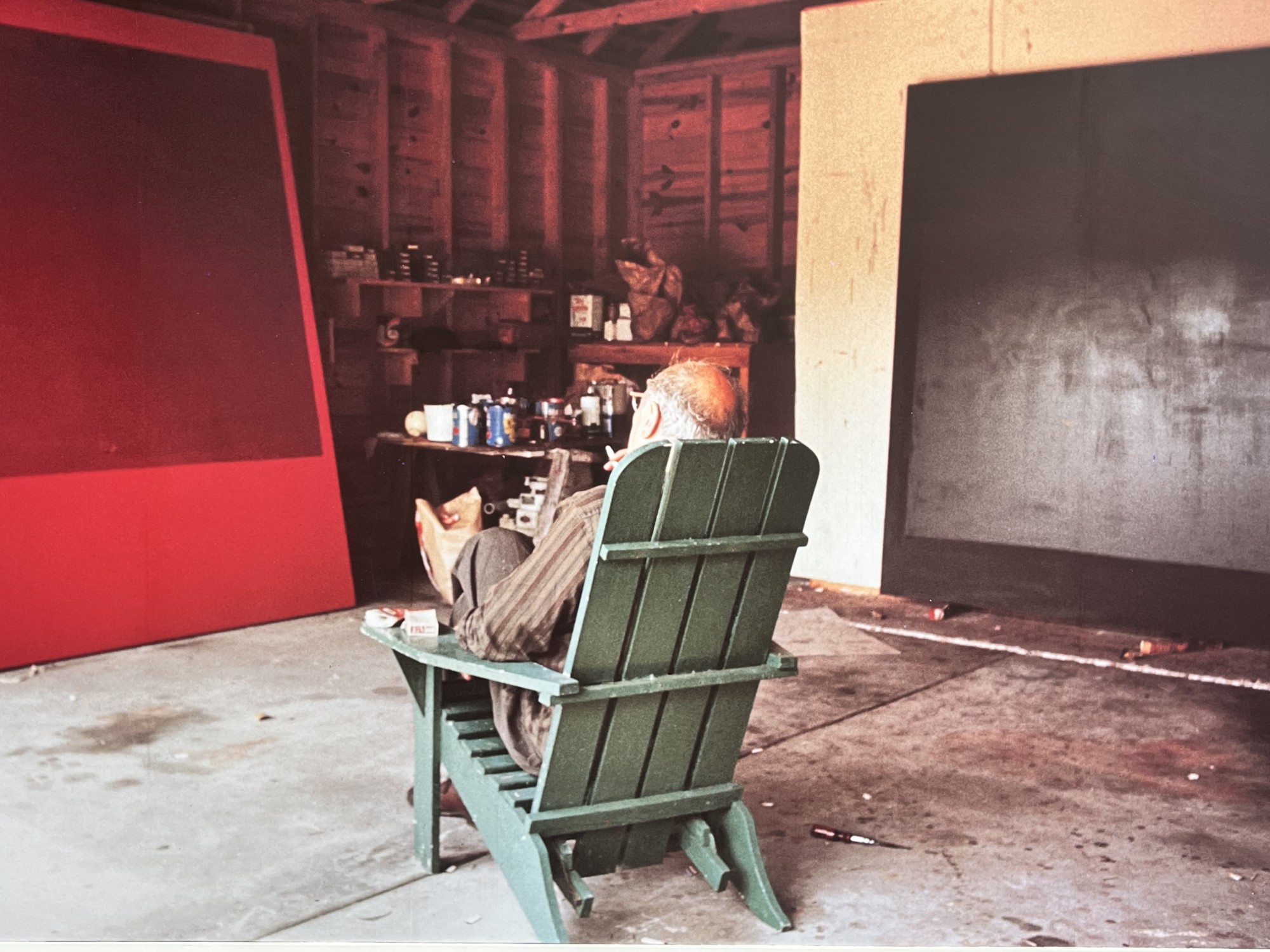
Mark Rothko – All Quiet on the Yale Front
From a very young age, Mark Rothko knows the pain of separation and how hard it is to find where he belongs. Born in 1903, he is the youngest child in a Jewish family from Latvia. He’s 10 when he leaves his homeland after his father decides to emigrate to the United States to protect his family. Then tragedy strikes: his father dies suddenly a year after they arrive in America. His young life is already marked by trauma. A brilliant student, he earns a scholarship to the prestigious Yale University. But faced with the antisemitism already rampant at the illustrious institution, he drops out after a year in 1923 and moves to New York. Meeting the painter Arshile Gorky at the Parsons New School for Design will set him on his path as a painter.
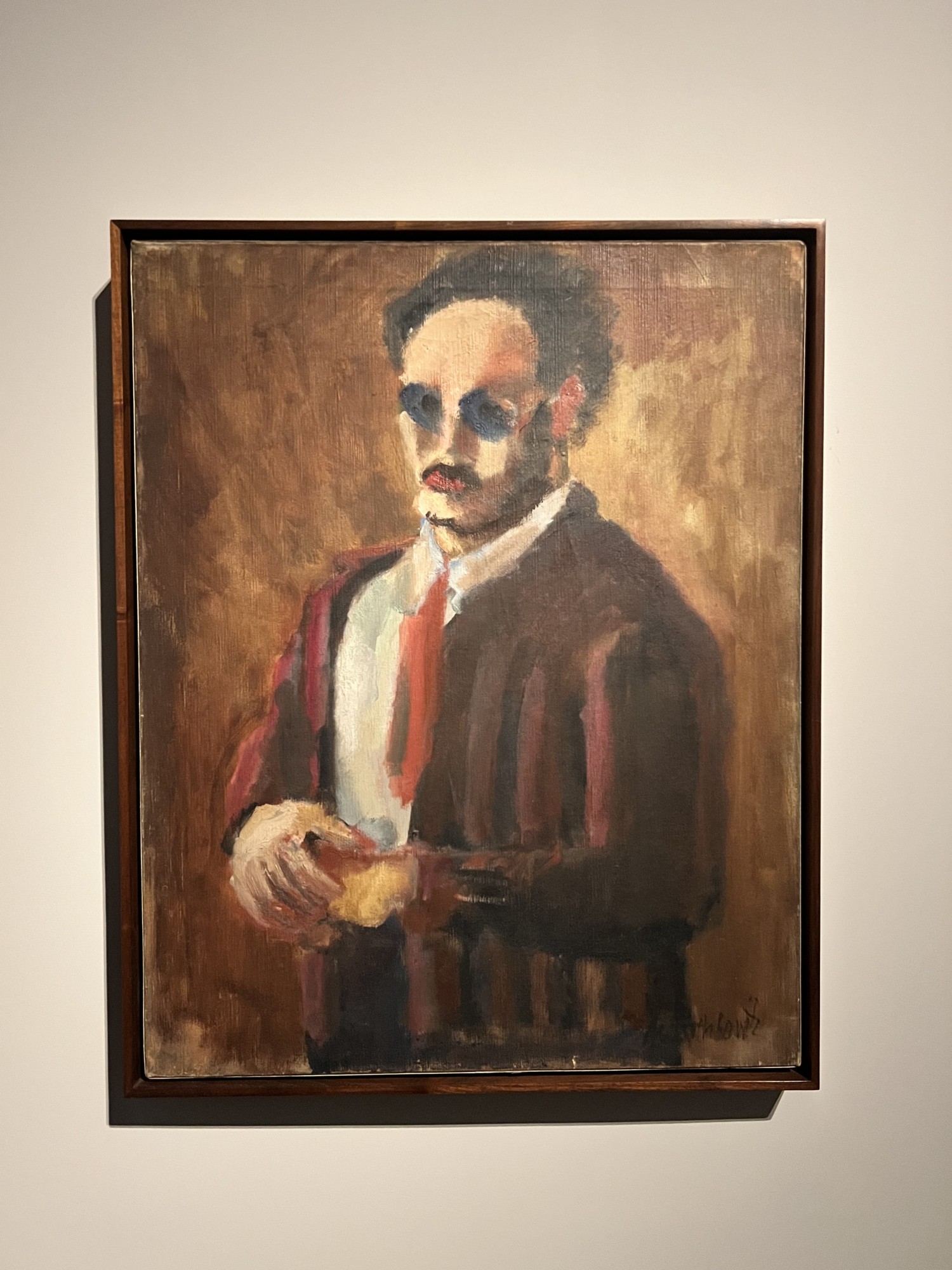
Mark Rothko – The Work
Mark Rothko starts out as a figurative painter. Fascinated by the New York subway and all its bustle, he paints it in his “Subway scenes” series. You can already spot some of the hallmarks of what will become his signature style.
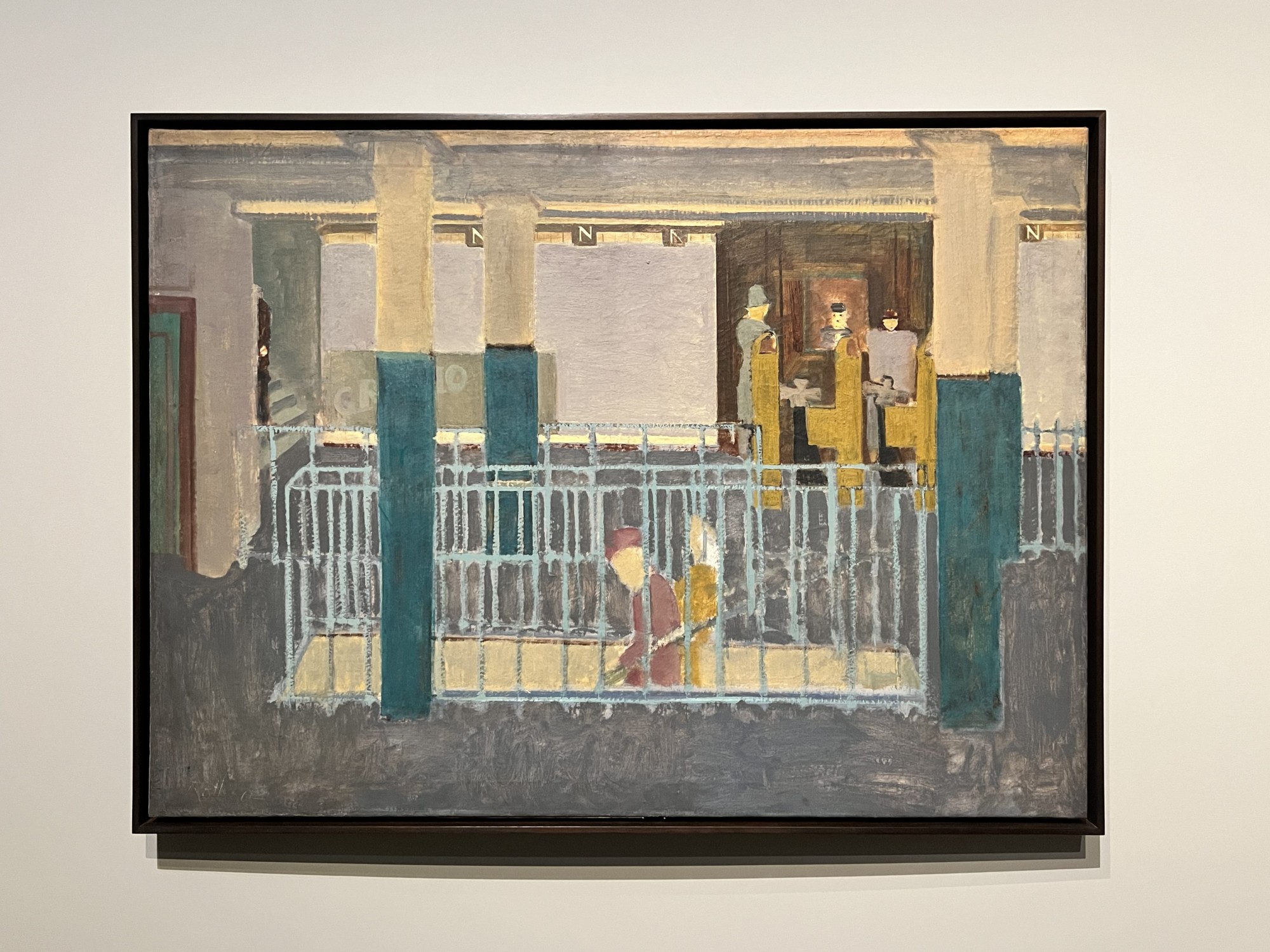
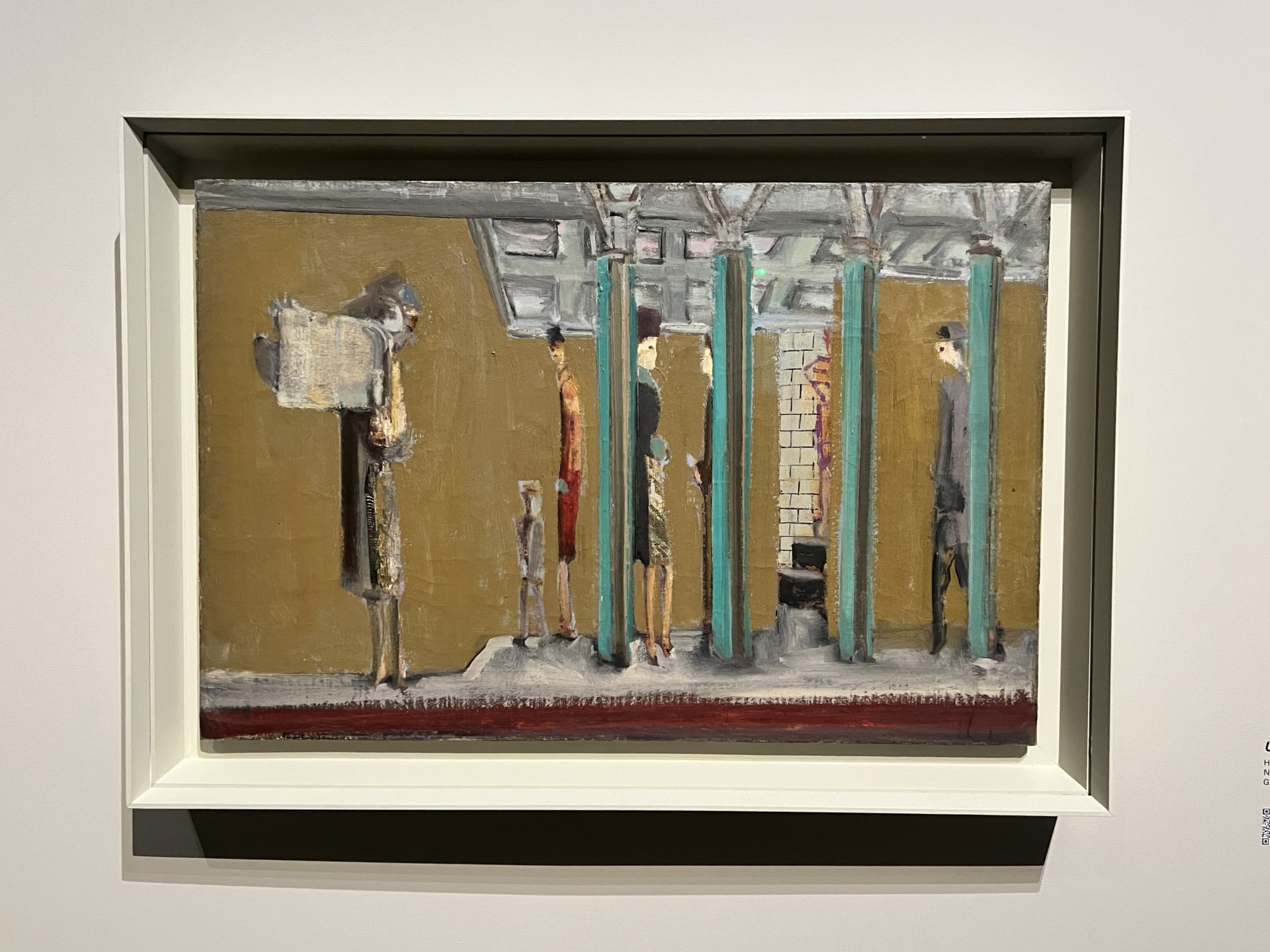
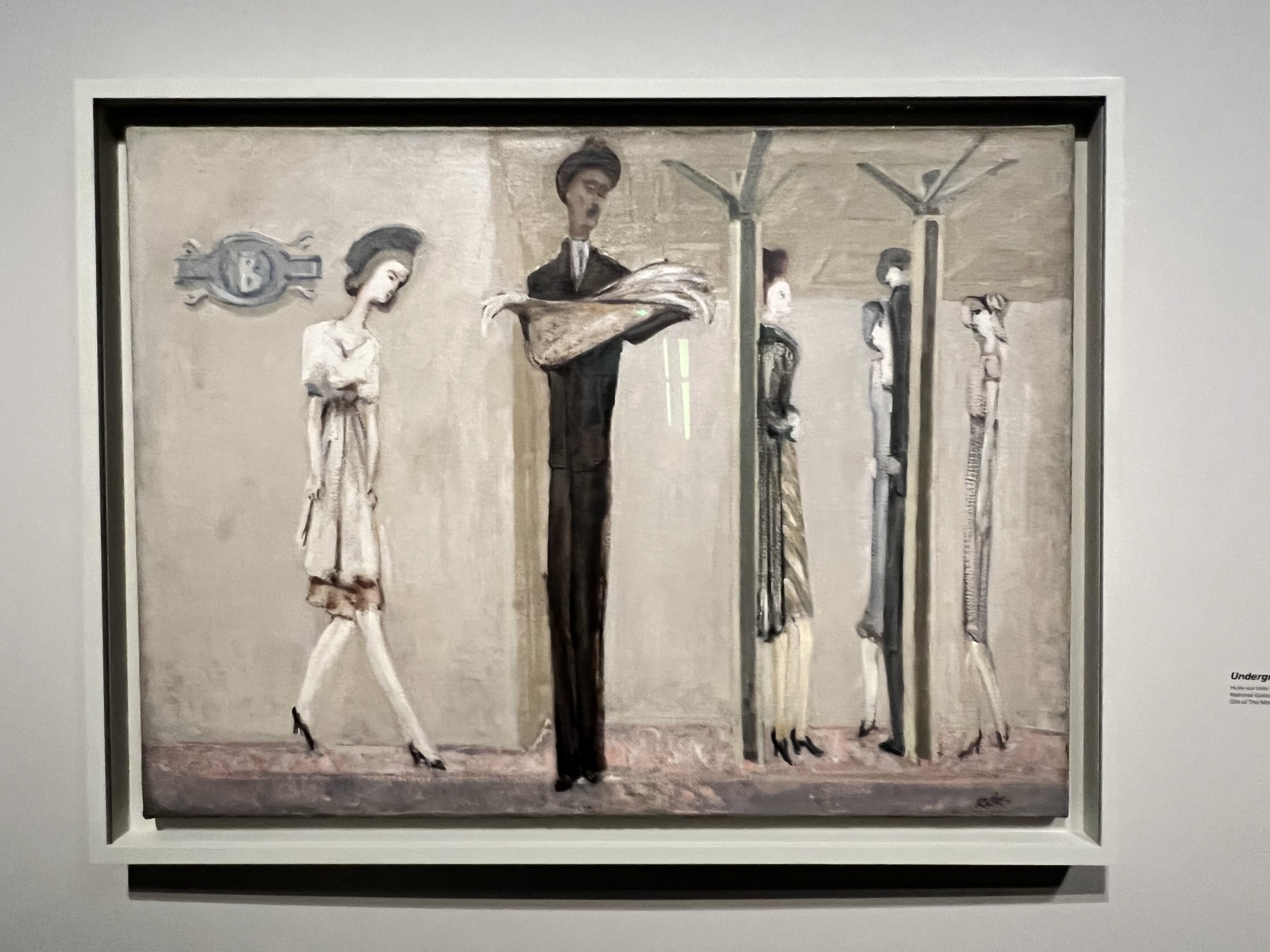
A flat picture plane, no perspective, and geometric shapes are all key elements you can already pick out.
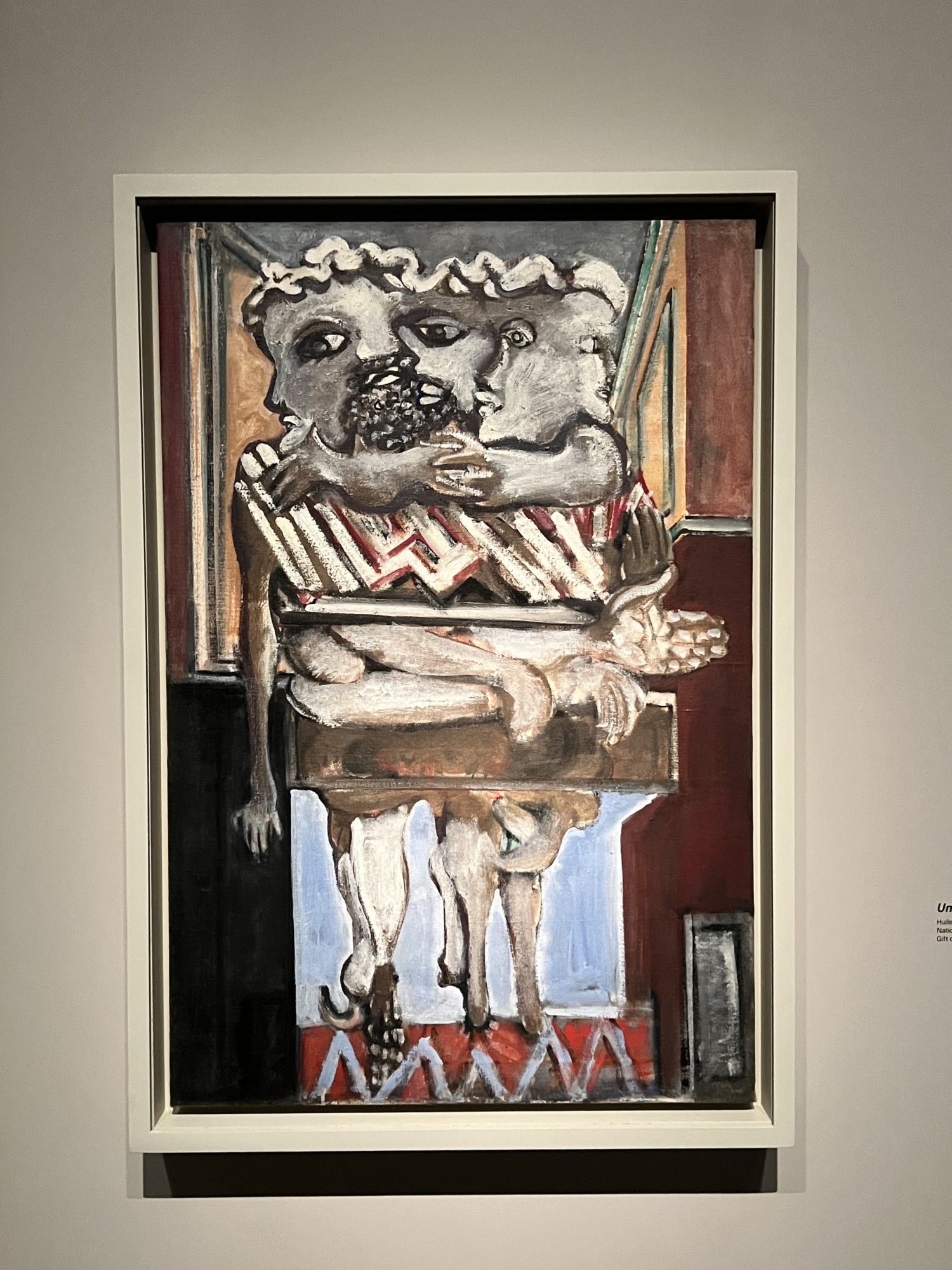
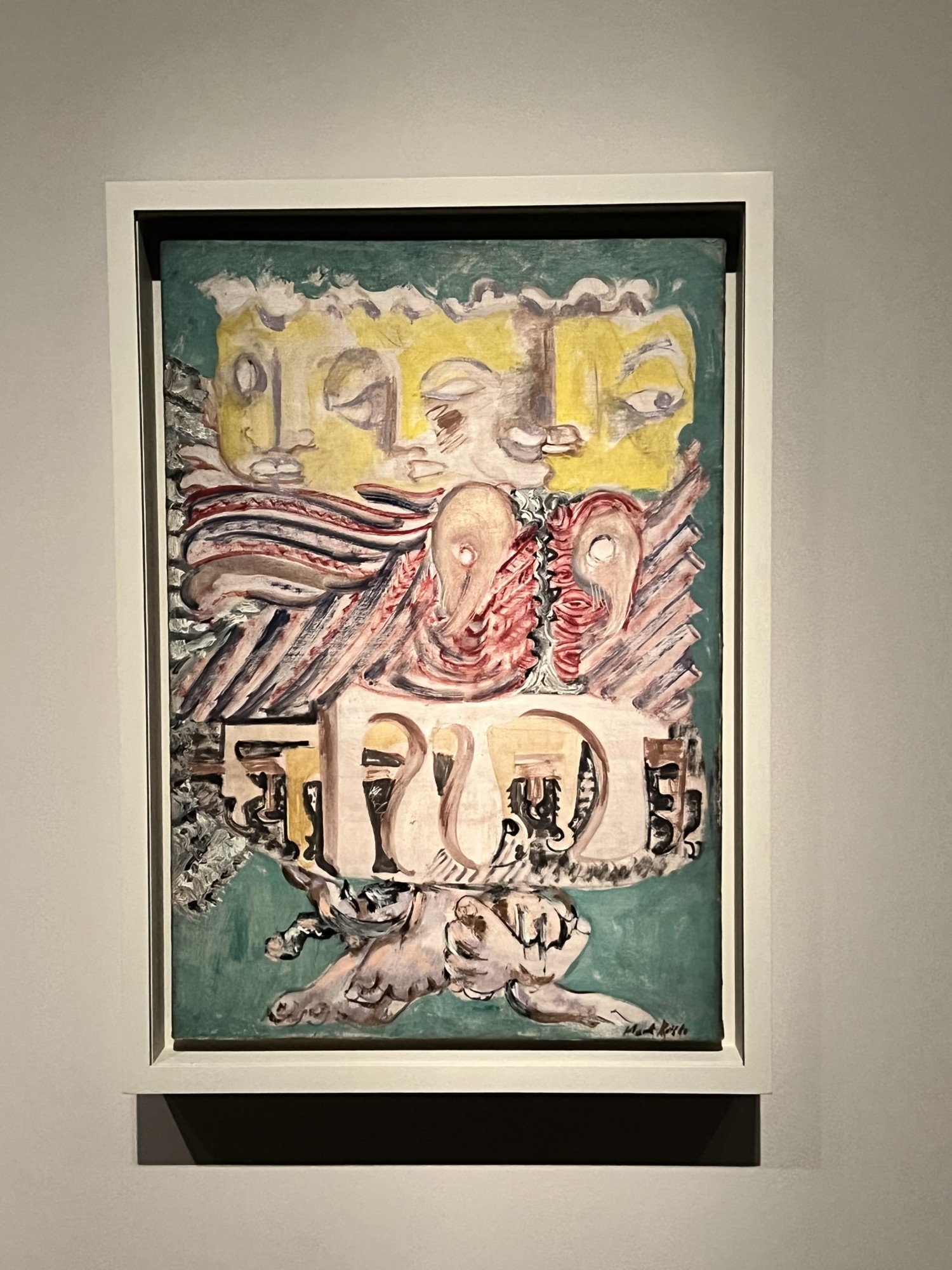
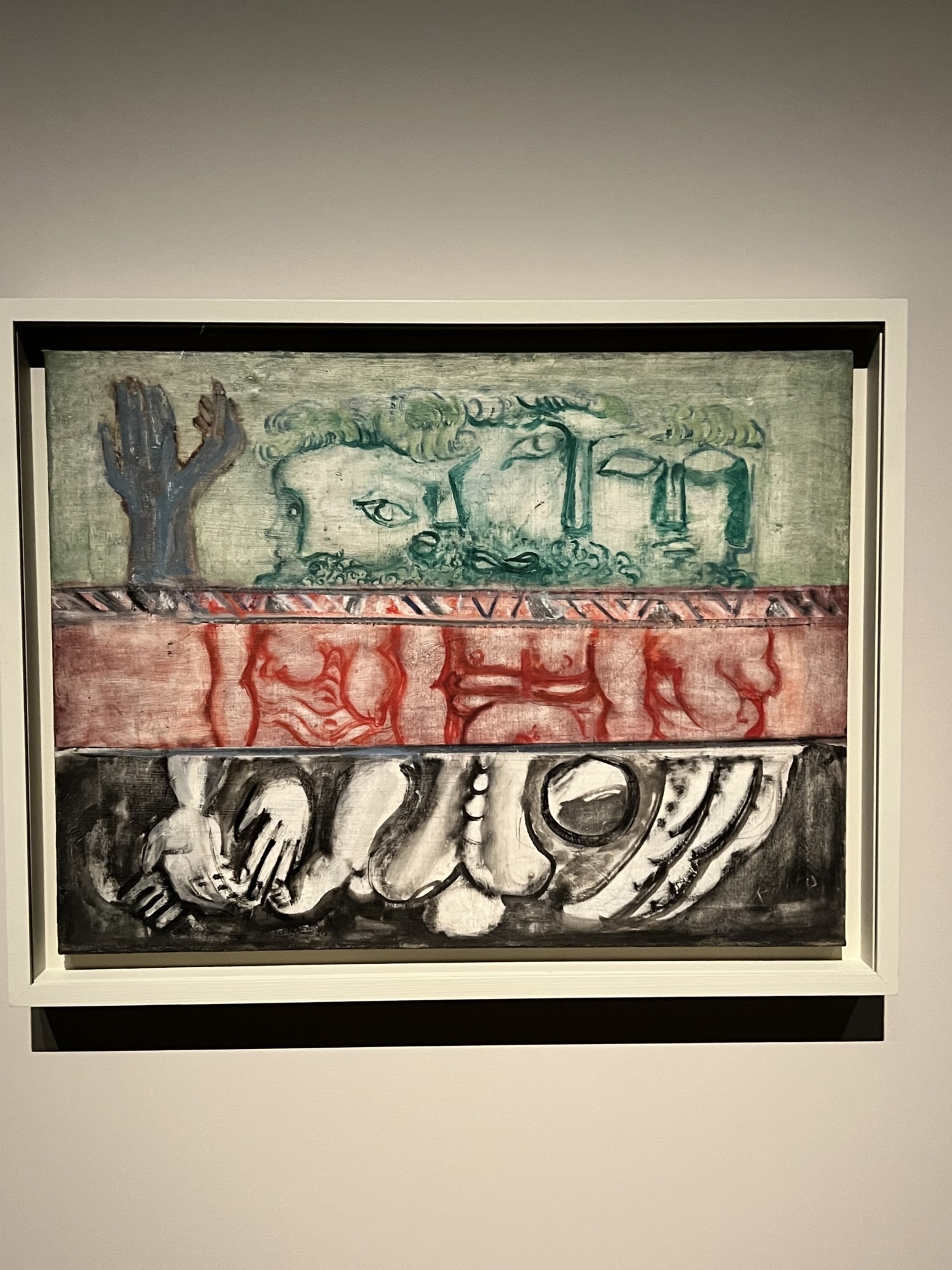
After a period of experimenting with Greek mythology, Mark Rothko stops painting for a year in the early 1940s. He writes a book that lays the foundations of his thinking about art. His son discovers it 20 years after his death, and it’s eventually published as “the artist's reality.”
By the late 1940s, he strips his work of any reference to the past. Verticality and abstraction, no frames and no titles: all of it gives the painting itself center stage. More than anything, he wants to move the viewer with painting that’s “as poignant as music.” And he listens to music whenever he’s painting, mostly Mozart.
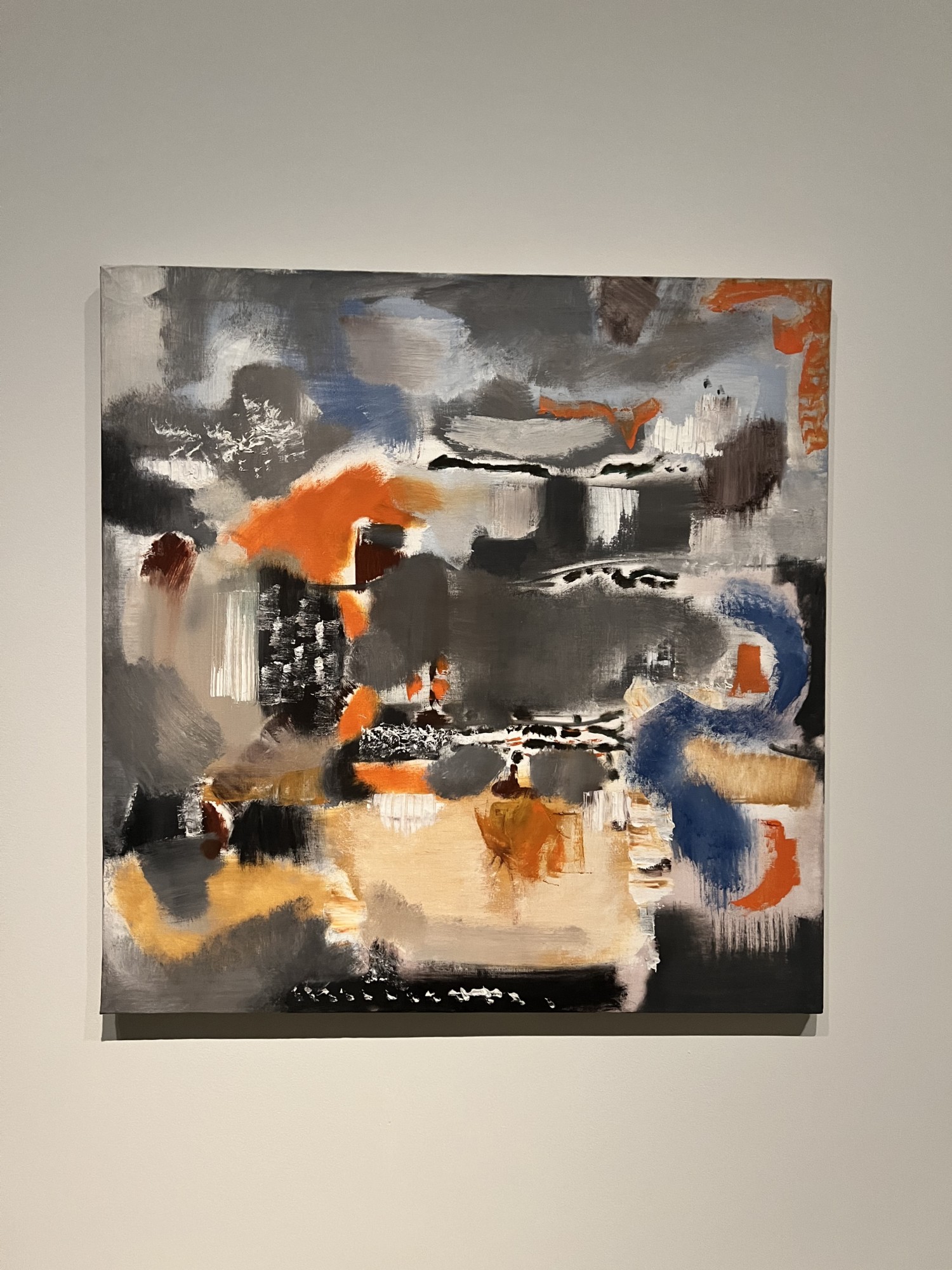
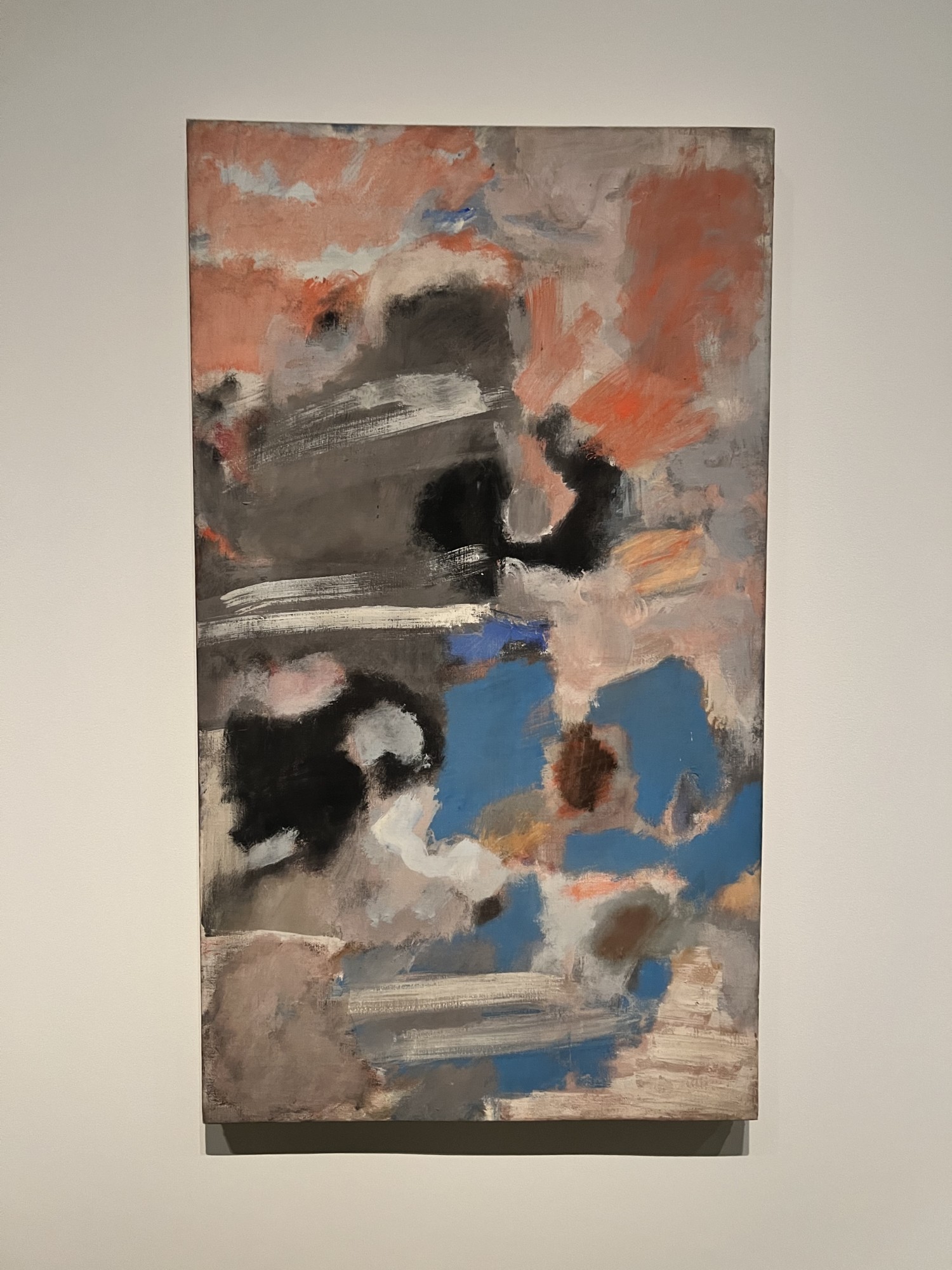
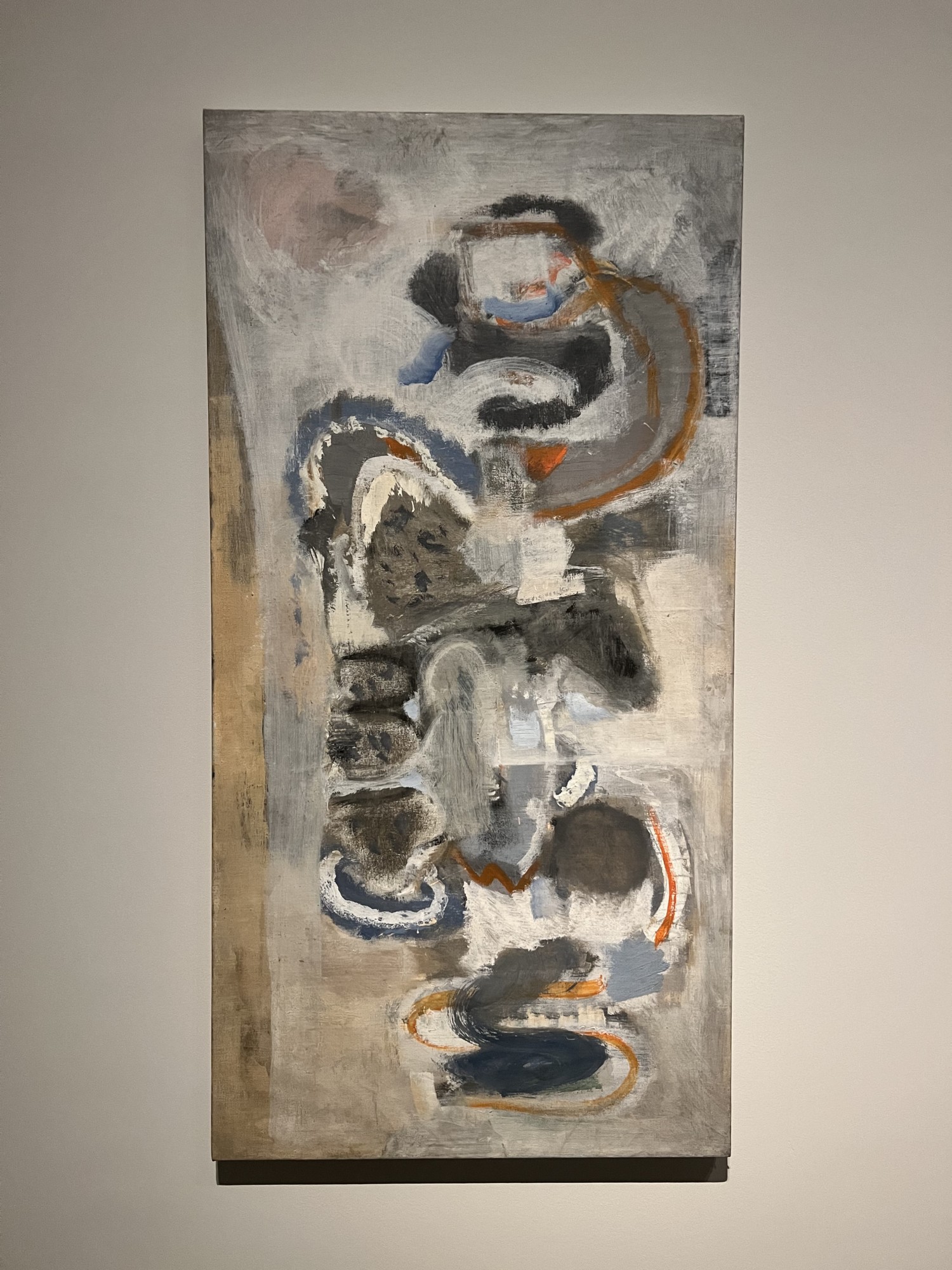
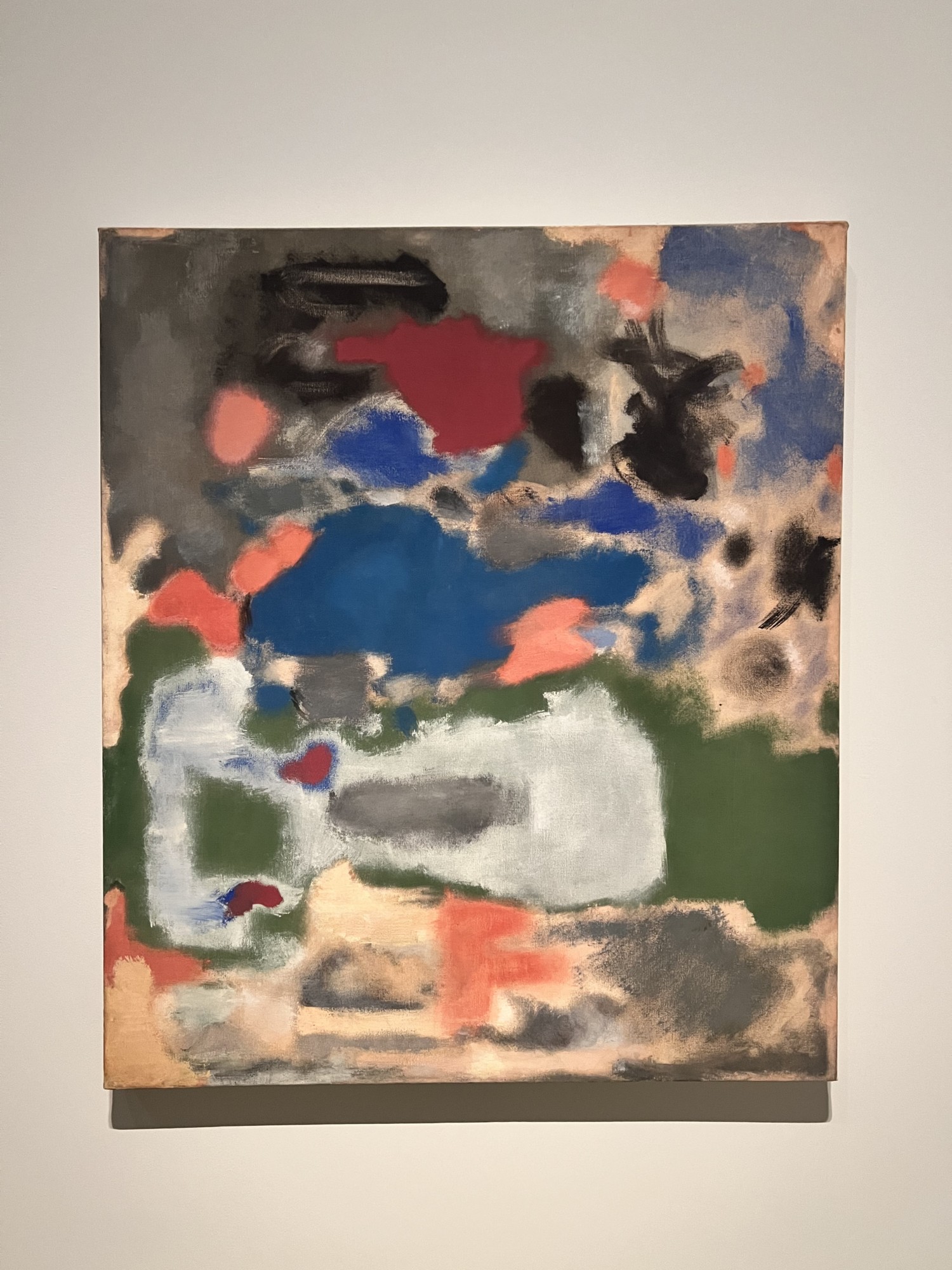
From the “multiforms” to the “classics,” he says his canvases are populated by organisms. To get the depth and emotion he’s after, Rothko makes his own paints, refining and diluting them so he can build up thin layers that create a real sense of depth. His classic canvases appear in the early 1950s and remain his signature for the rest of his life.
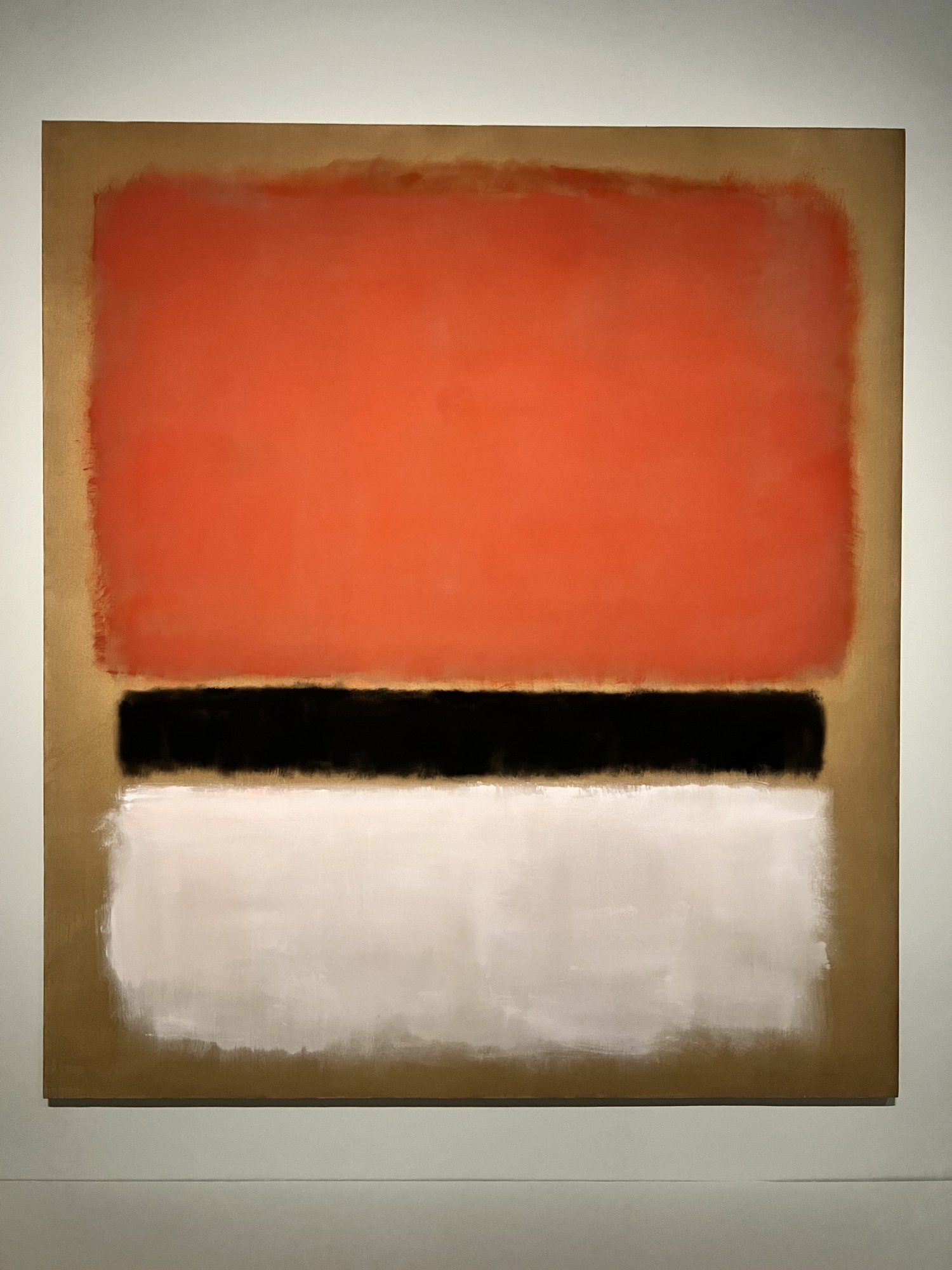
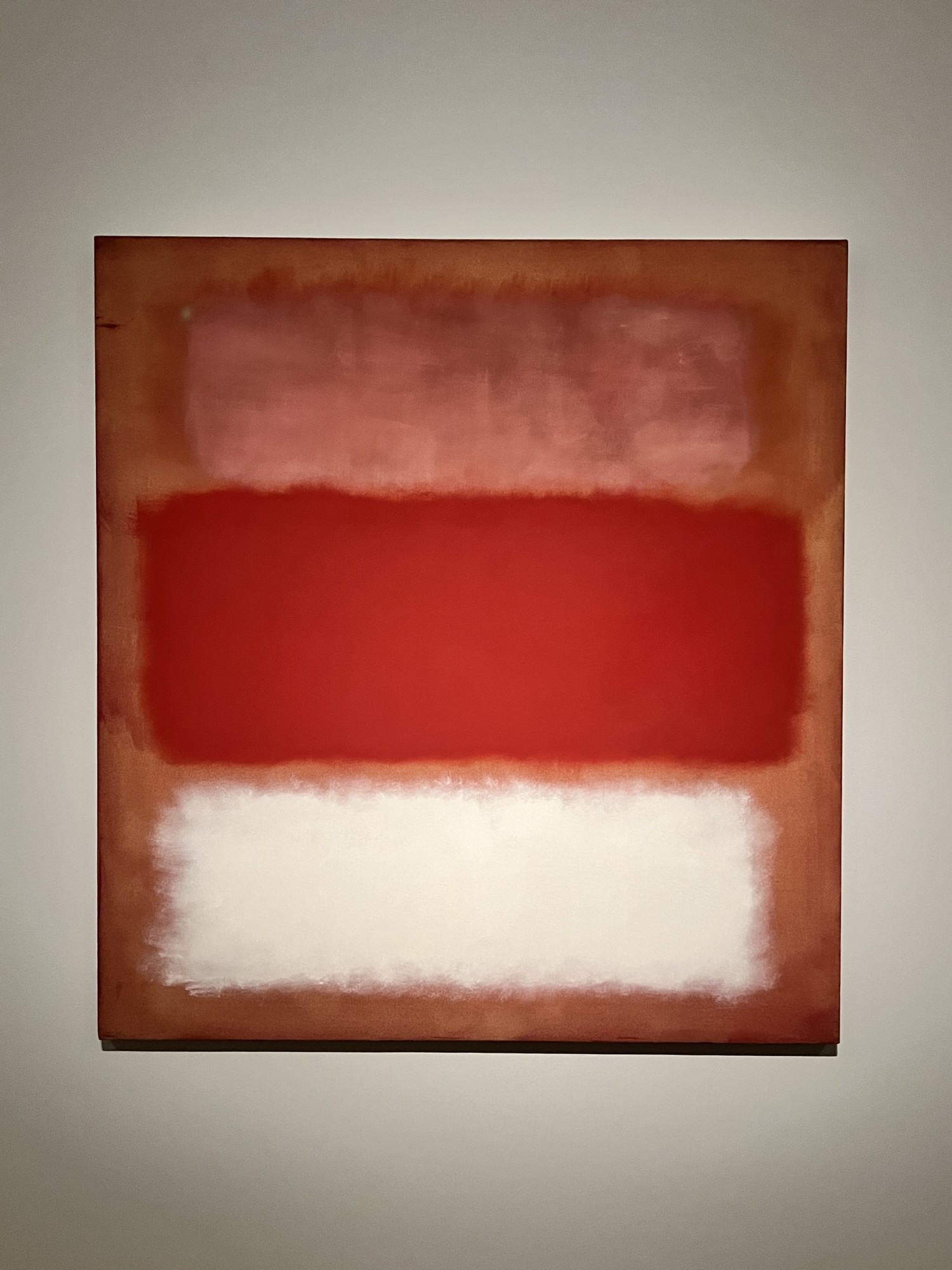
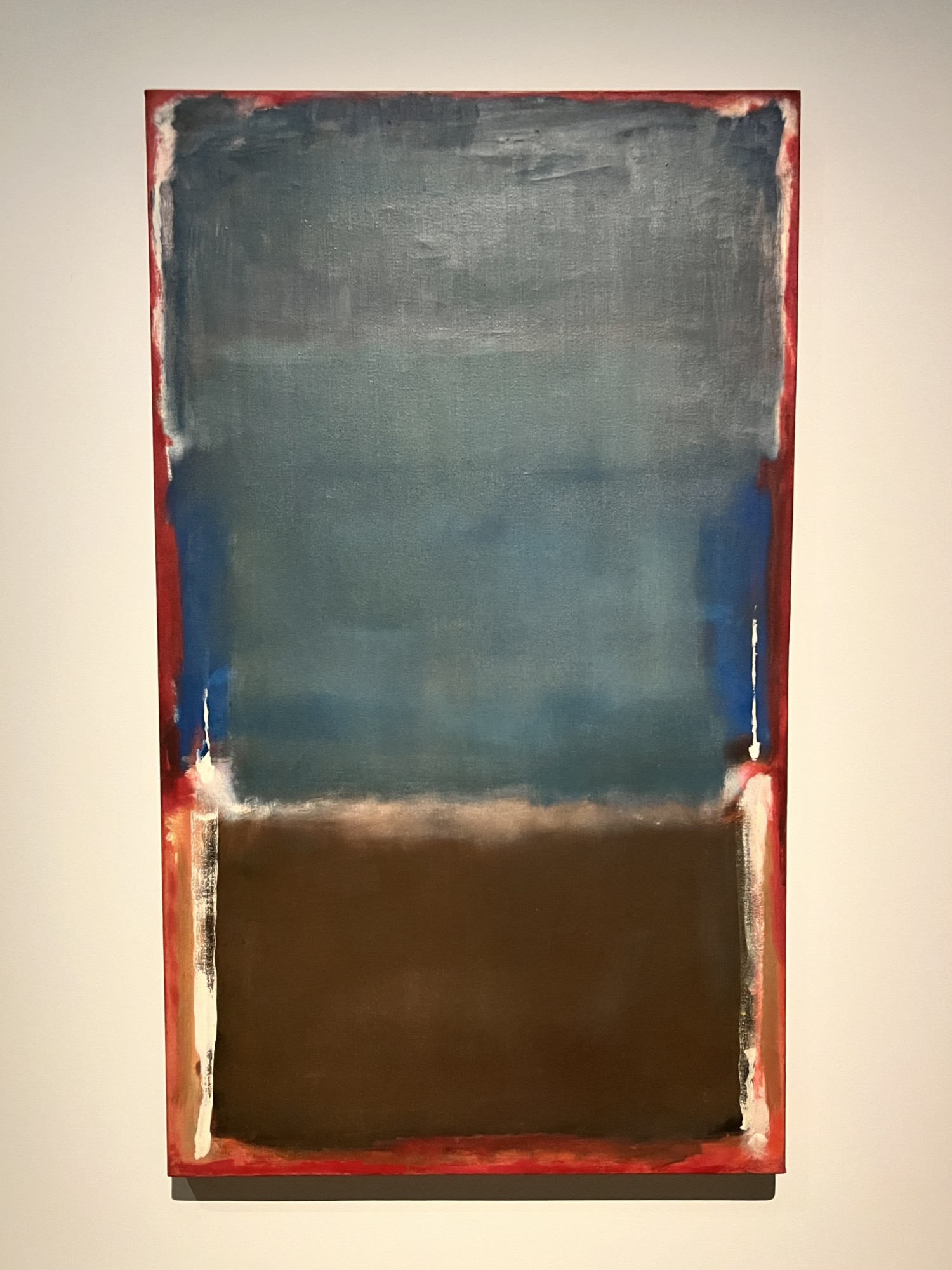
Mark Rothko – The Exhibition
Most of us know the painter for his “classics,” but the exhibition takes us on a journey through the full sweep of his work. The paintings are arranged chronologically, with each room devoted to a key period in his career.
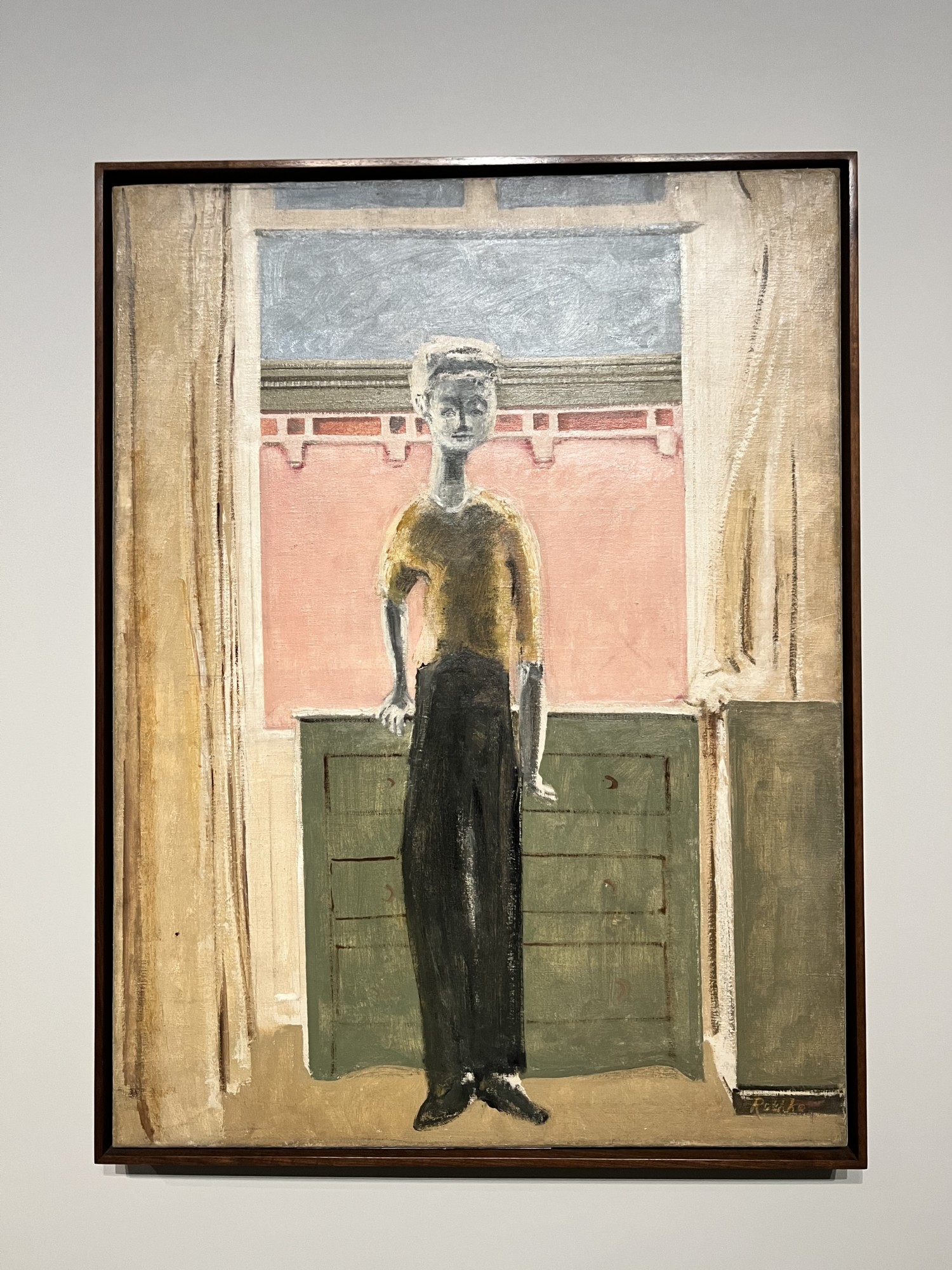
We start with his figurative works. Then come the multiforms, and finally the classics.
As we make our way through the galleries, we see how his art evolves, how his formats change, and how he explores color. As the canvases get bigger, the experience becomes immersive: you’re quite literally drawn into the work and its colors.
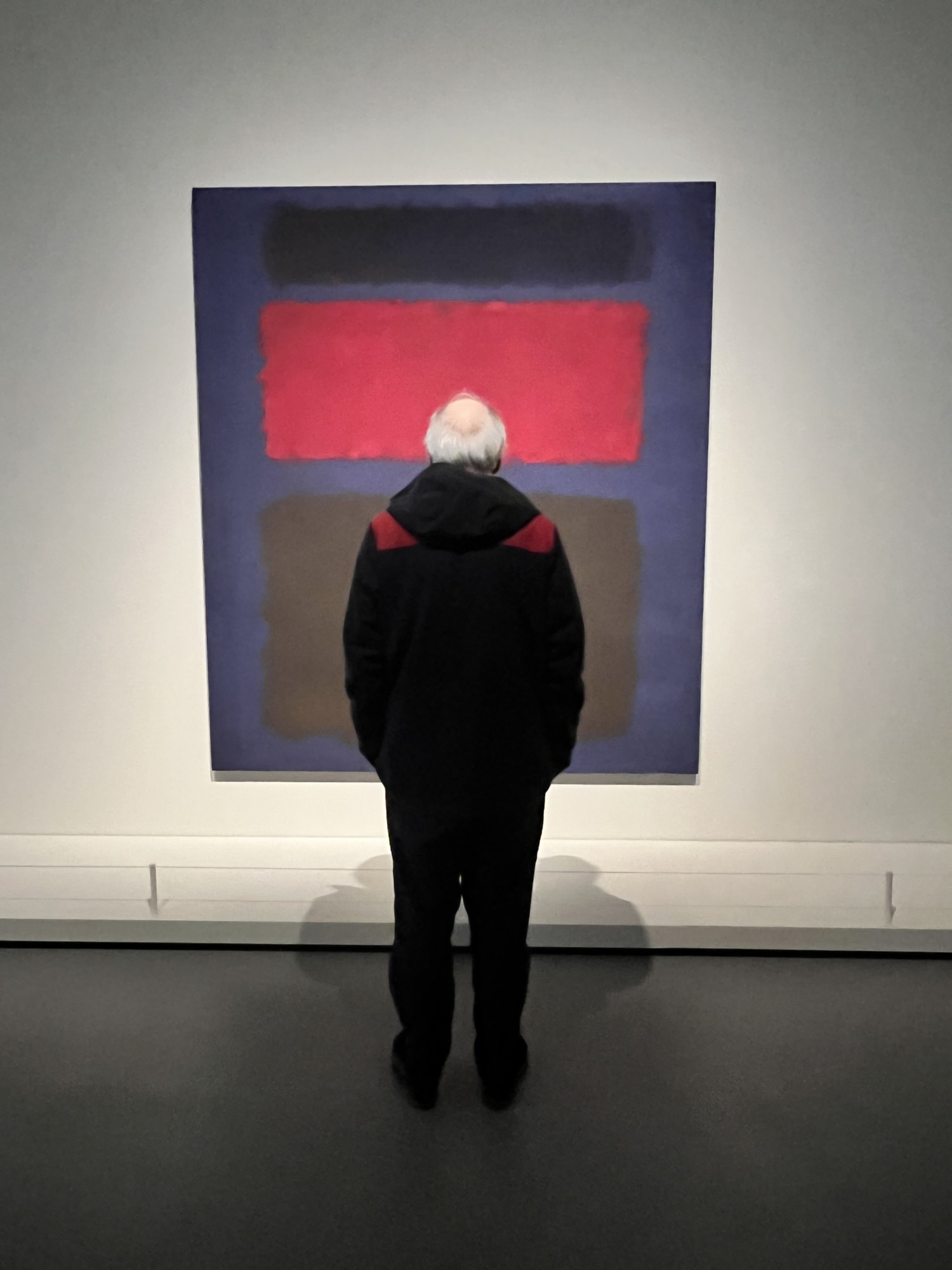
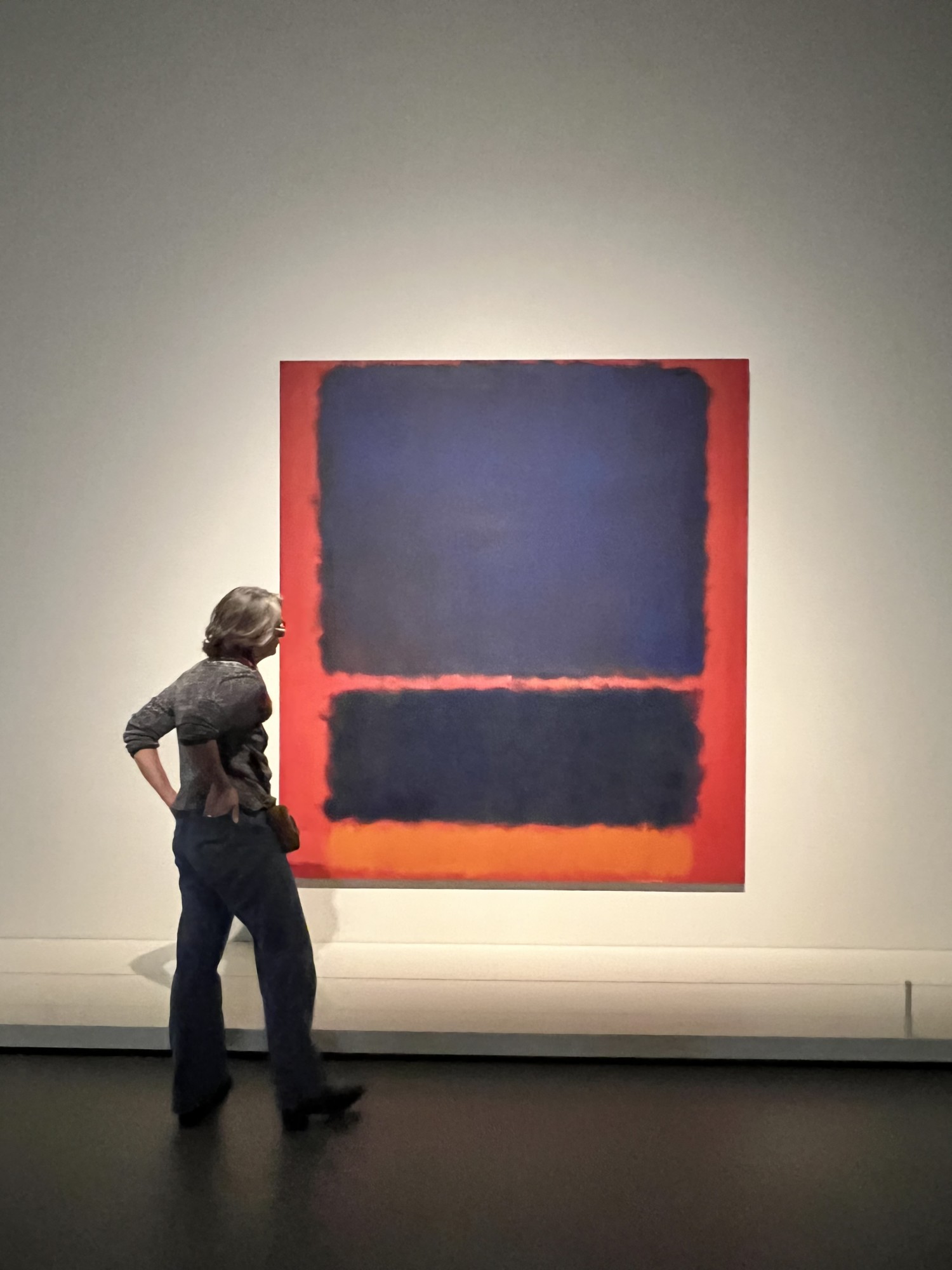
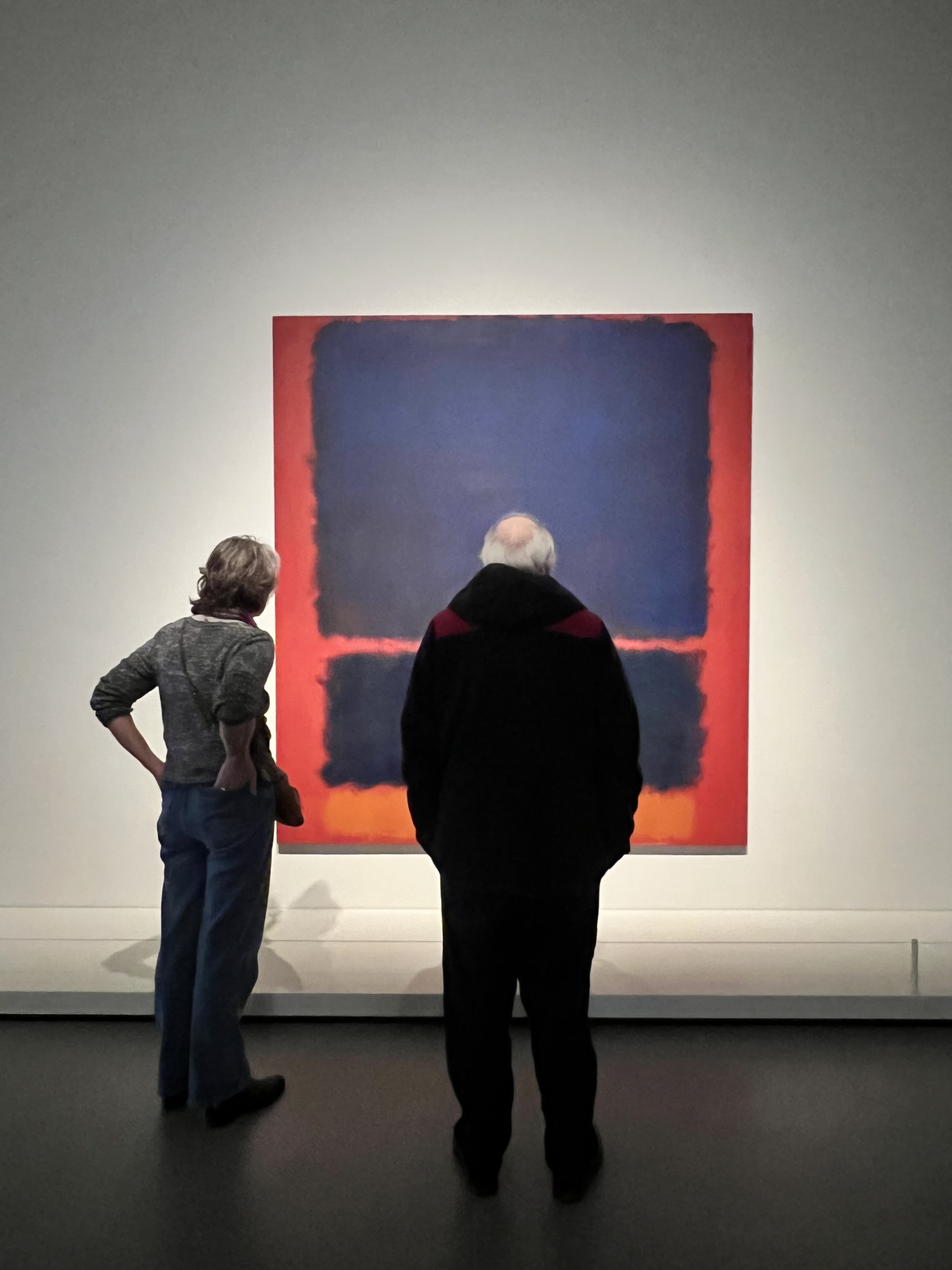
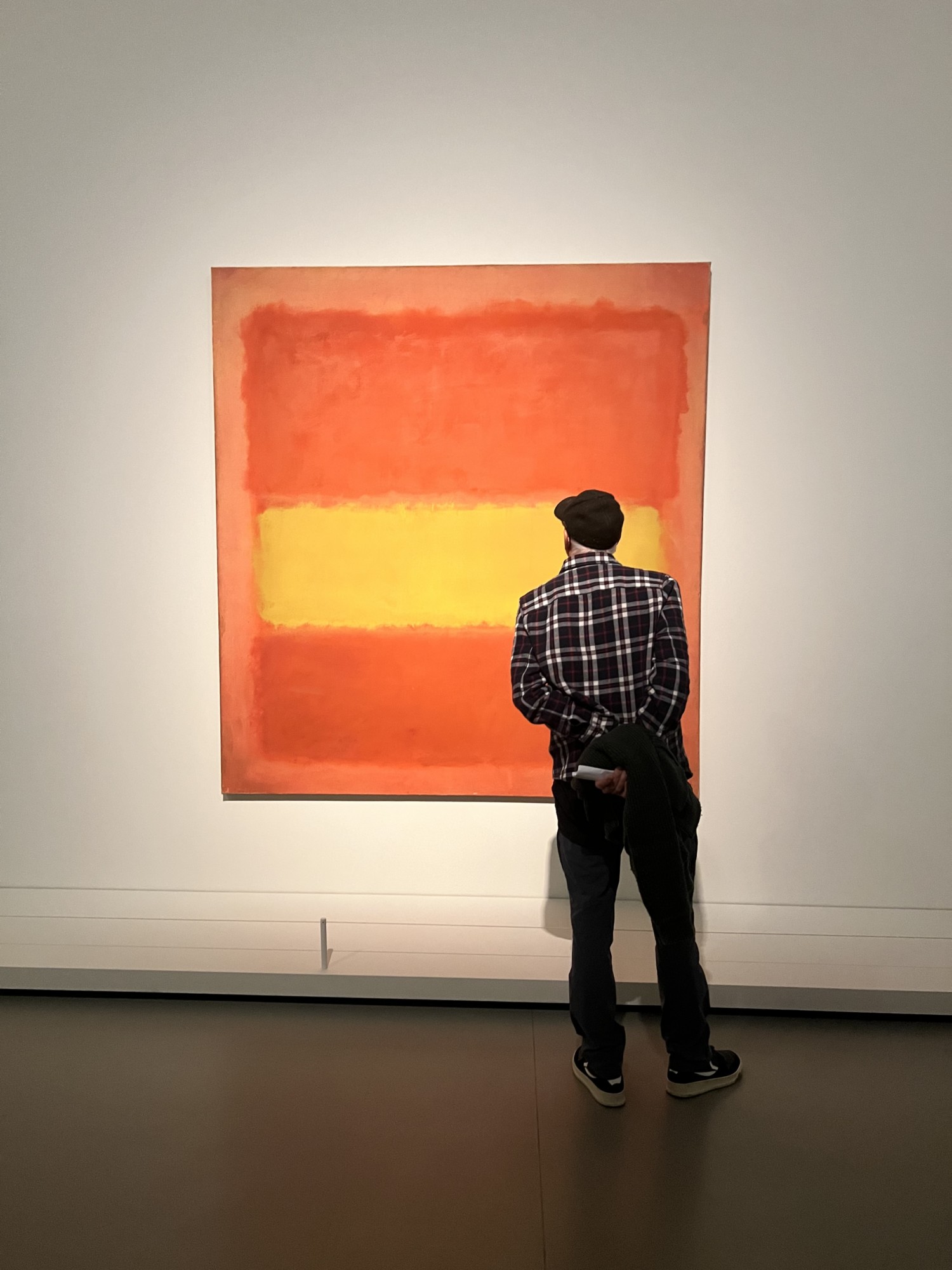
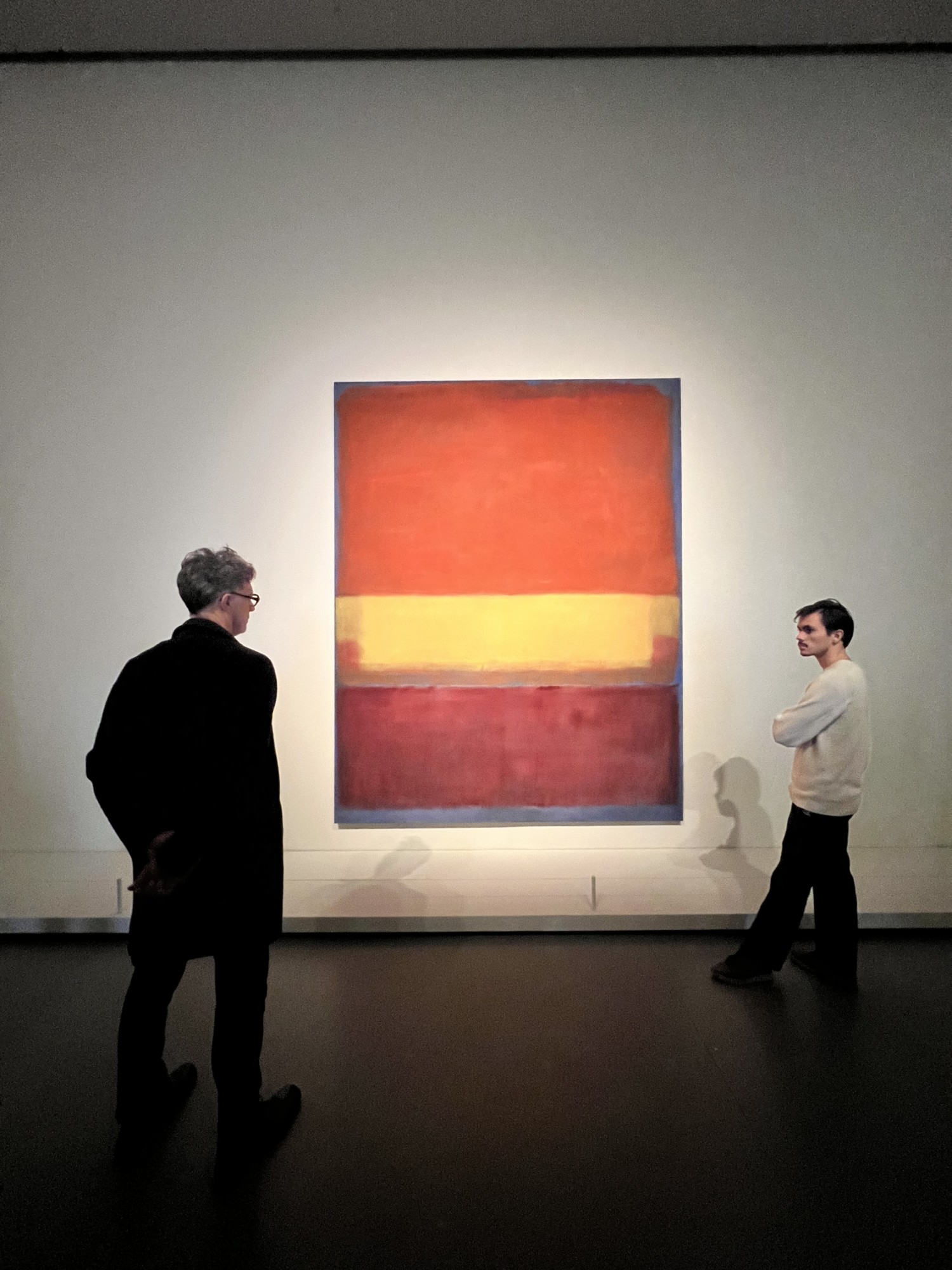
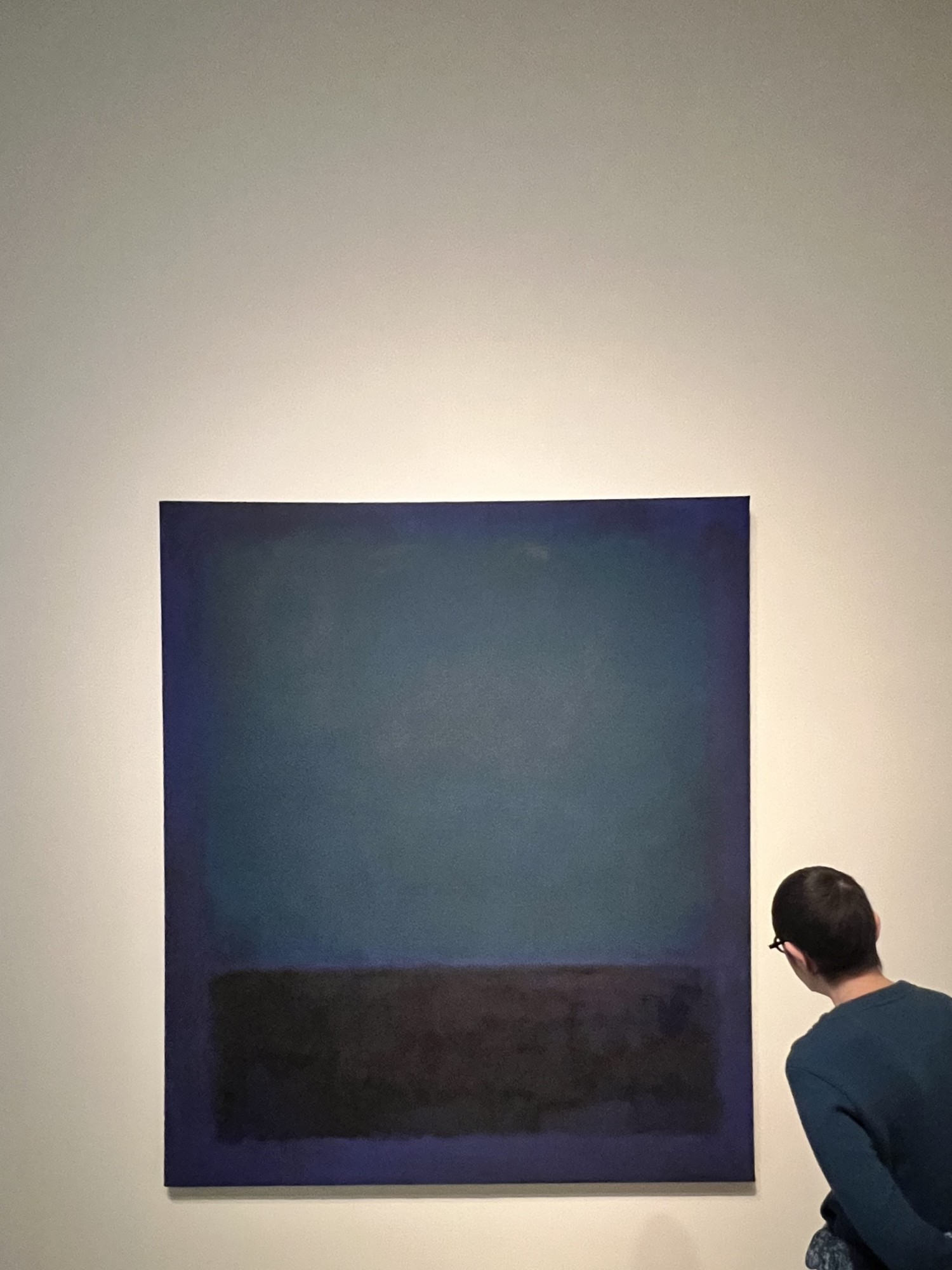
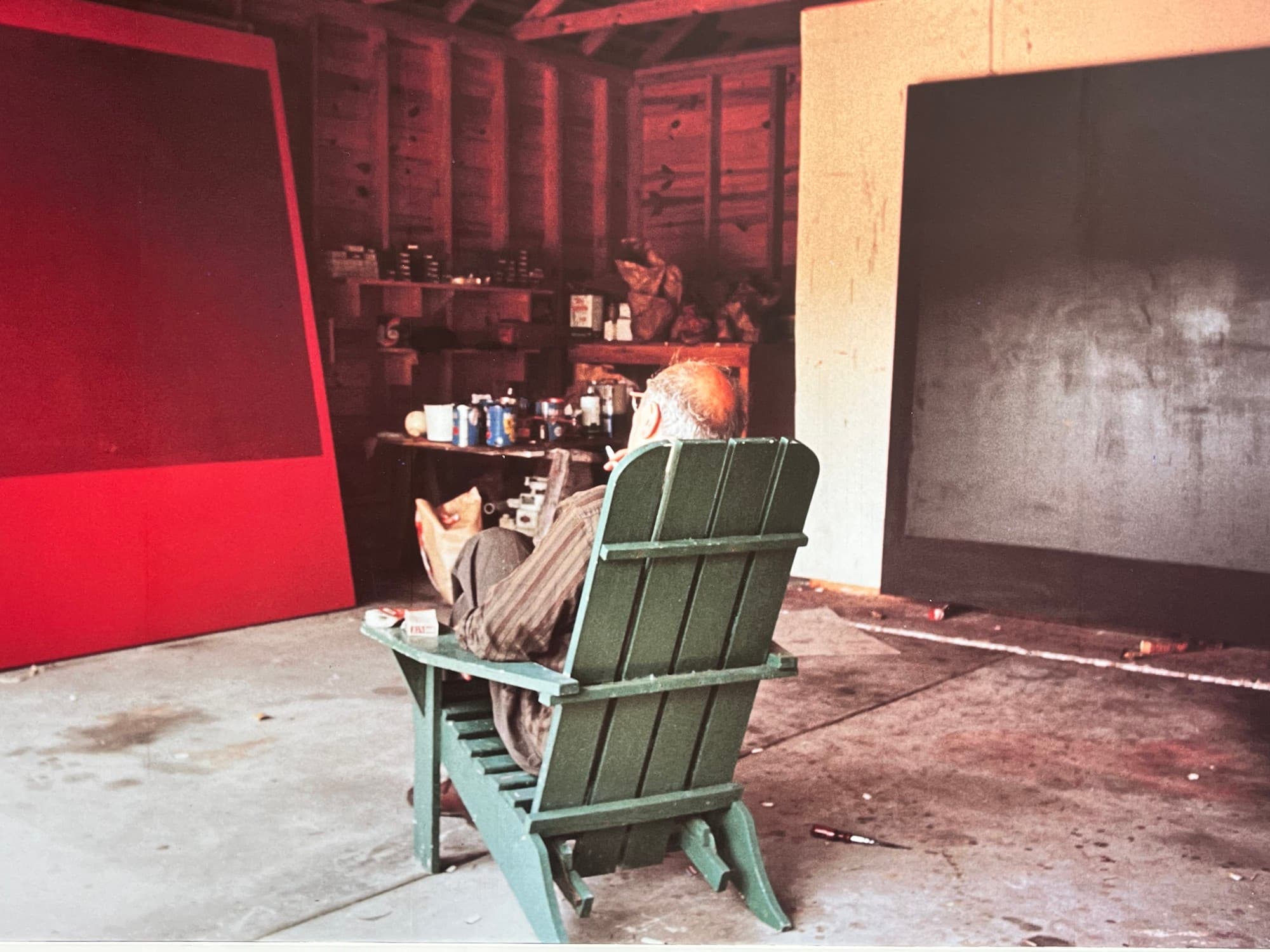
He insists that he’s interested not in color but in light (“Color isn’t what interests me. What I’m looking for is light”), yet he’s called a colorist. His paintings grow darker, though he never gives up bright hues altogether. The Blackforms in Gallery 6 are one example.
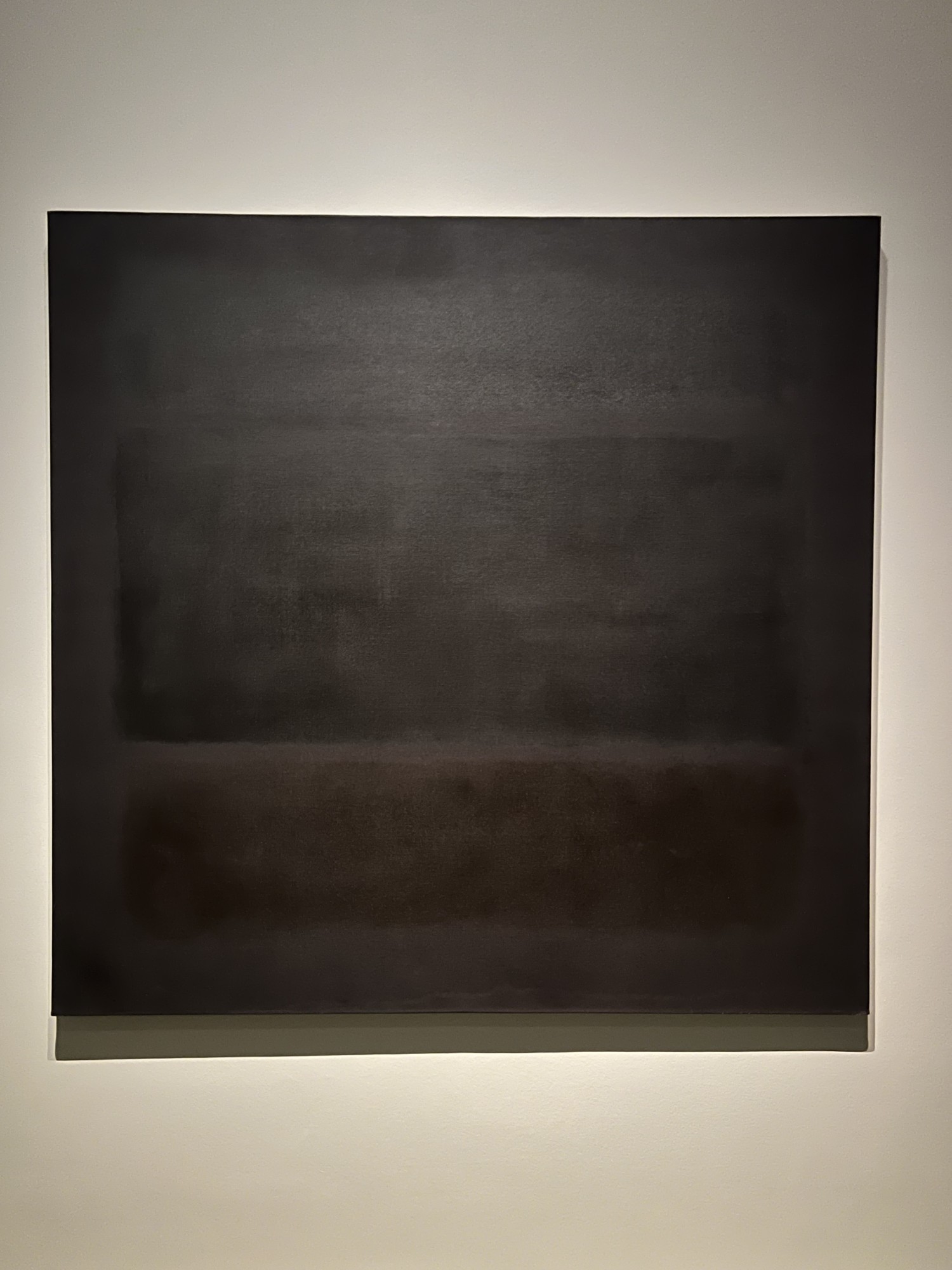
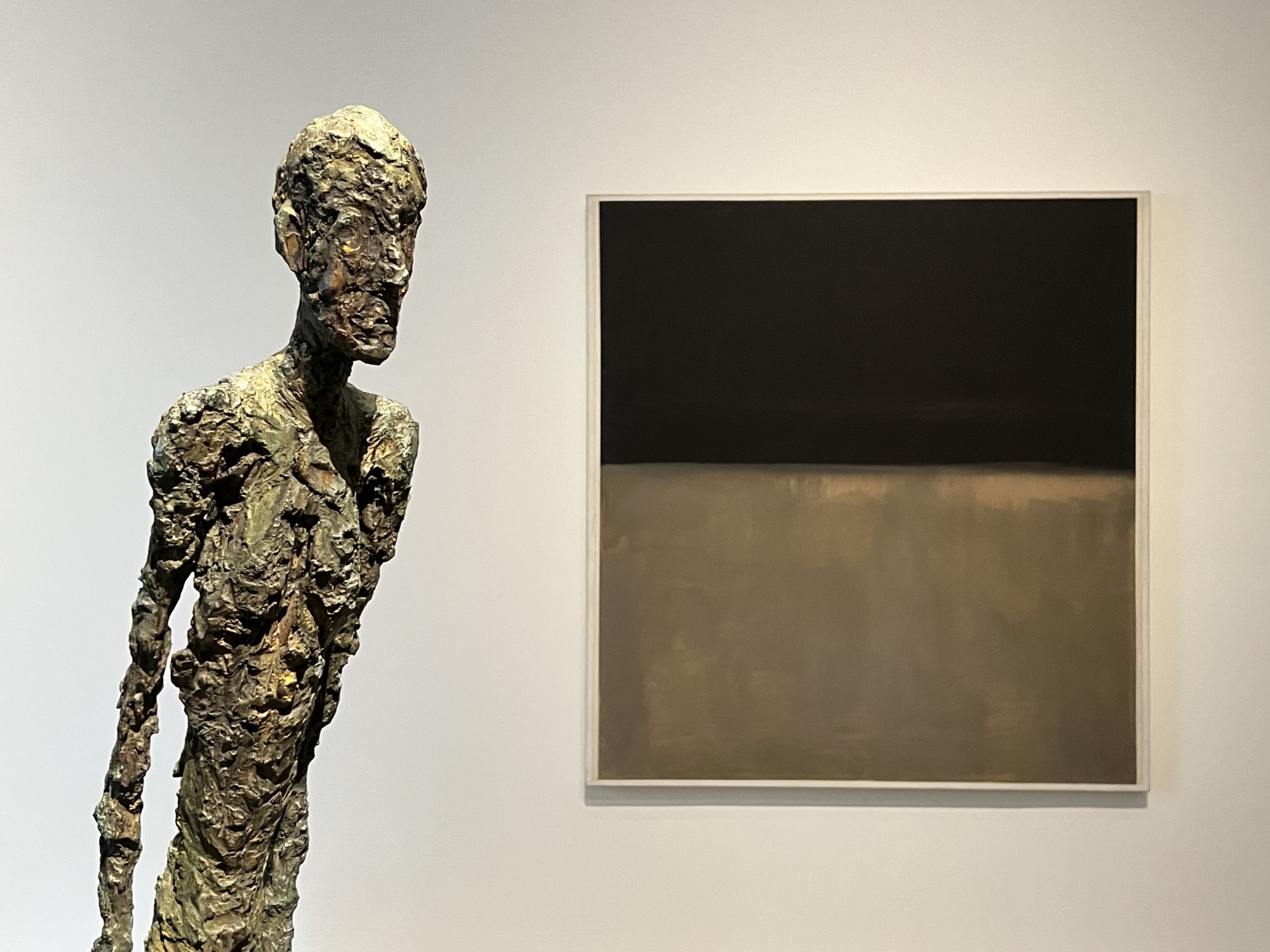
Another is in Gallery 10, where his final series, “Black and Grey,” is shown alongside some superb Giacometti sculptures that echo the paintings.
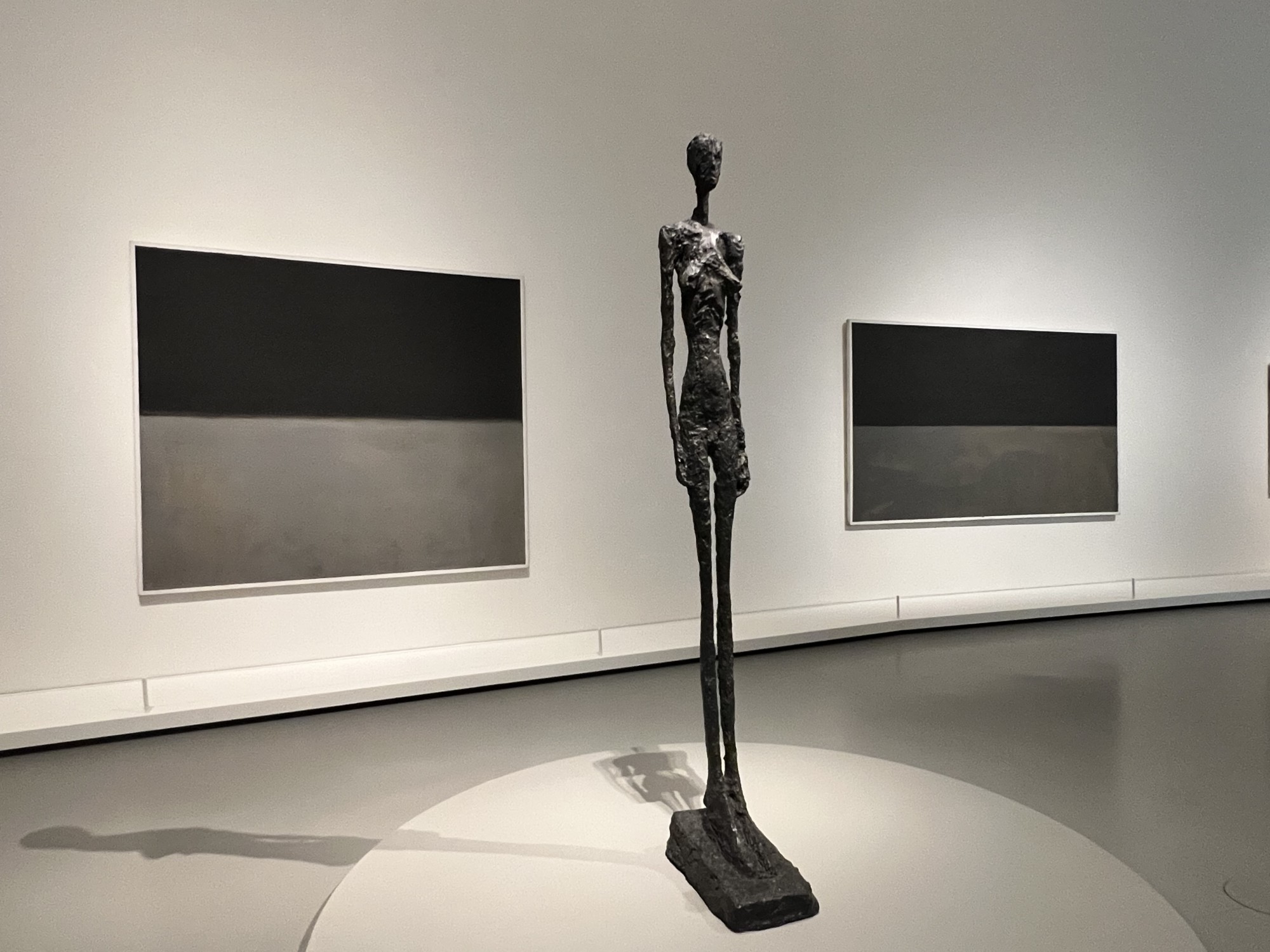
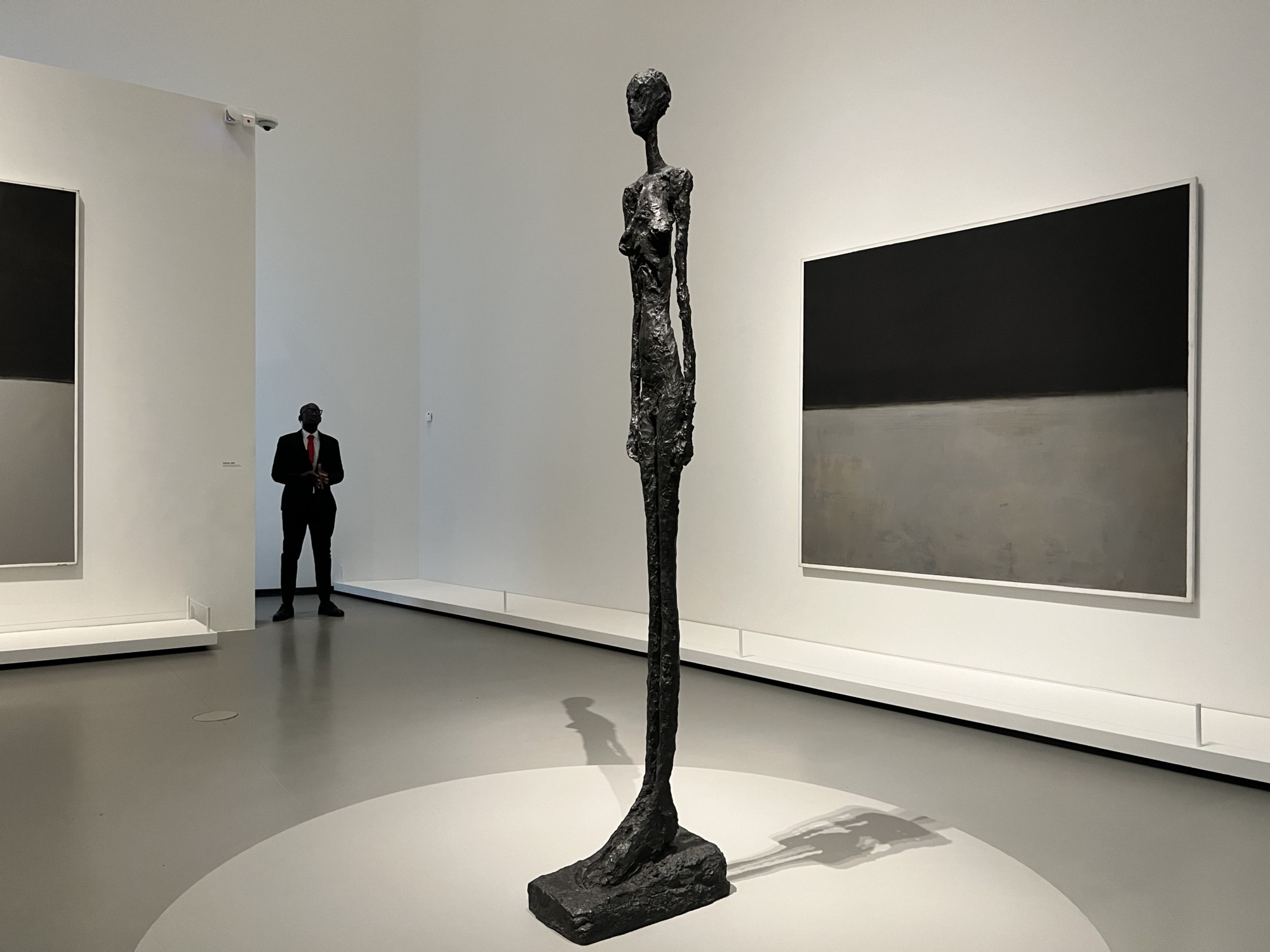
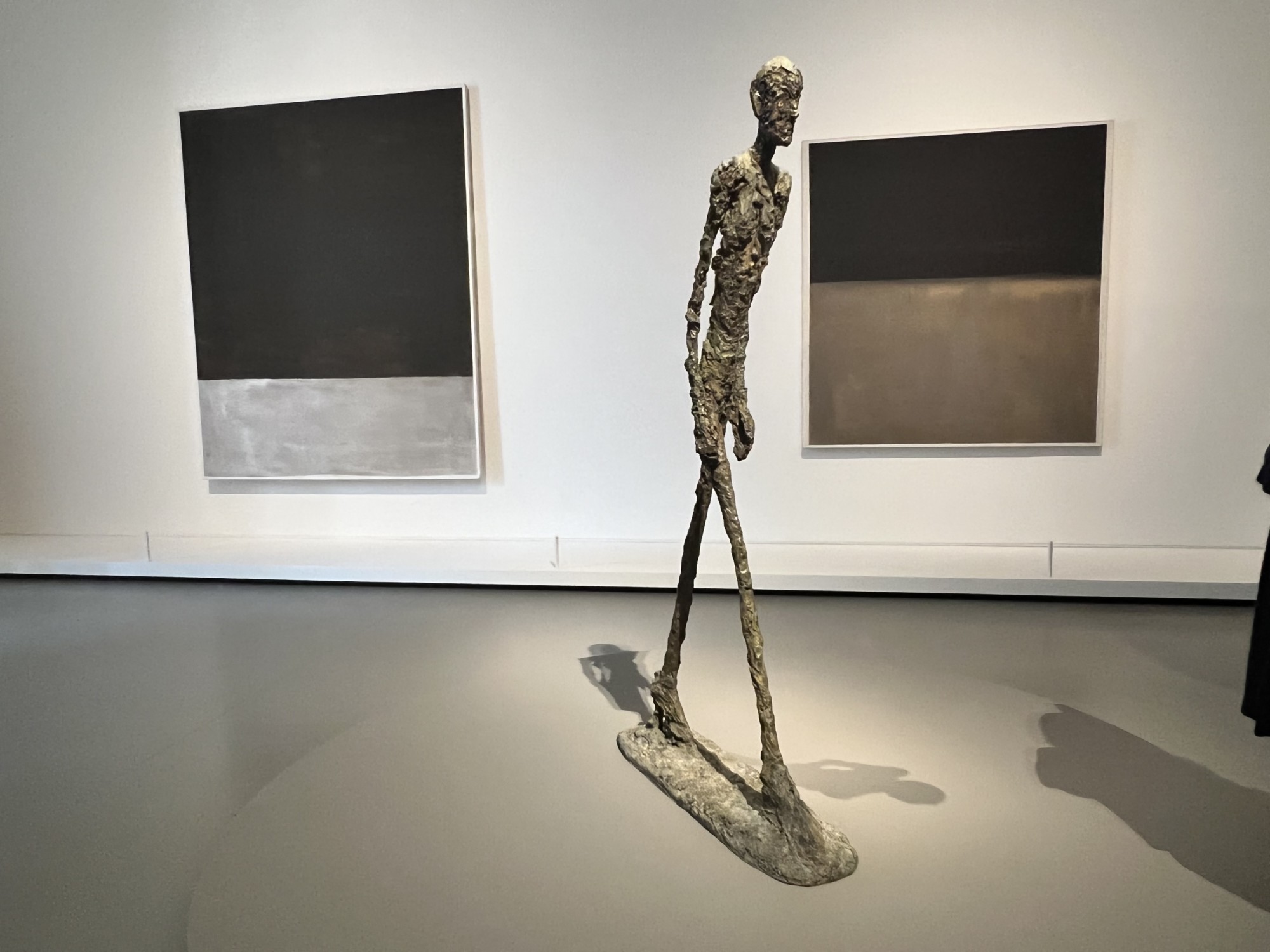
And yet color is there until his last breath: he dies by suicide in front of one of his blazing red monochromes.
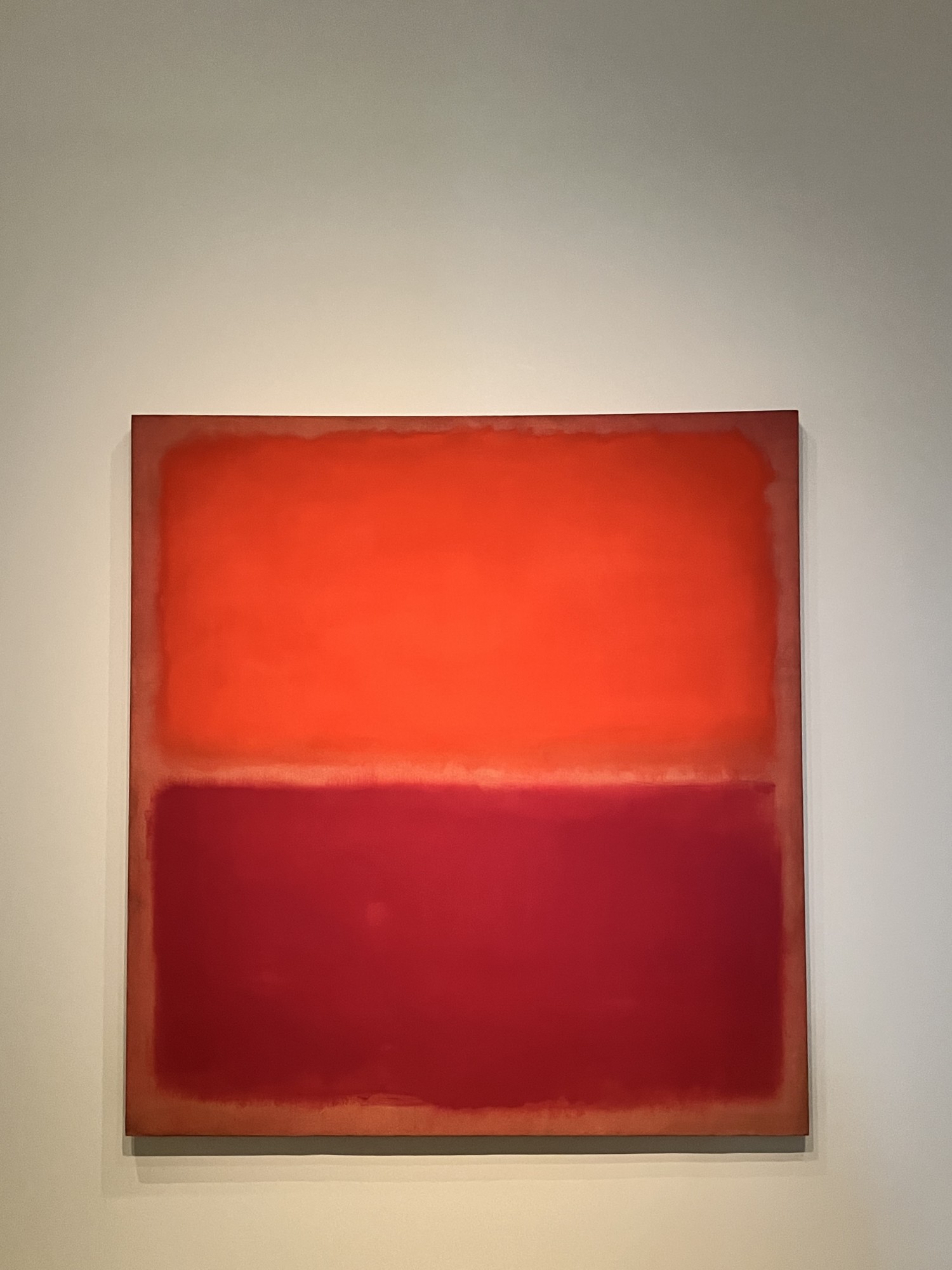
Mark Rothko exhibition, October 18, 2023–April 2, 2024
Fondation Louis Vuitton 8 Av. du Mahatma Gandhi, 75116 Paris