Anselm Kiefer is at the Centre Pompidou
The Centre Pompidou is giving us a retrospective of Anselm Kiefer’s work.
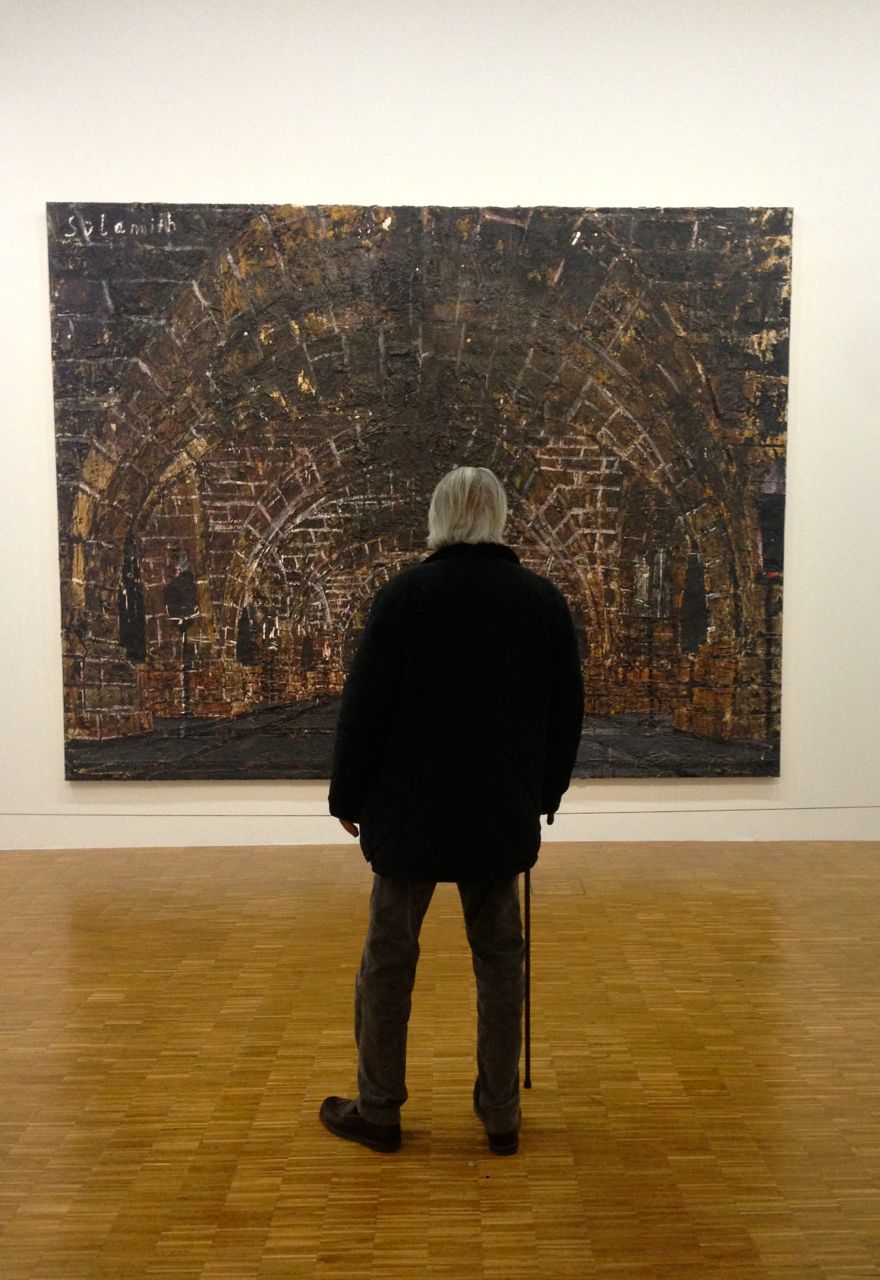
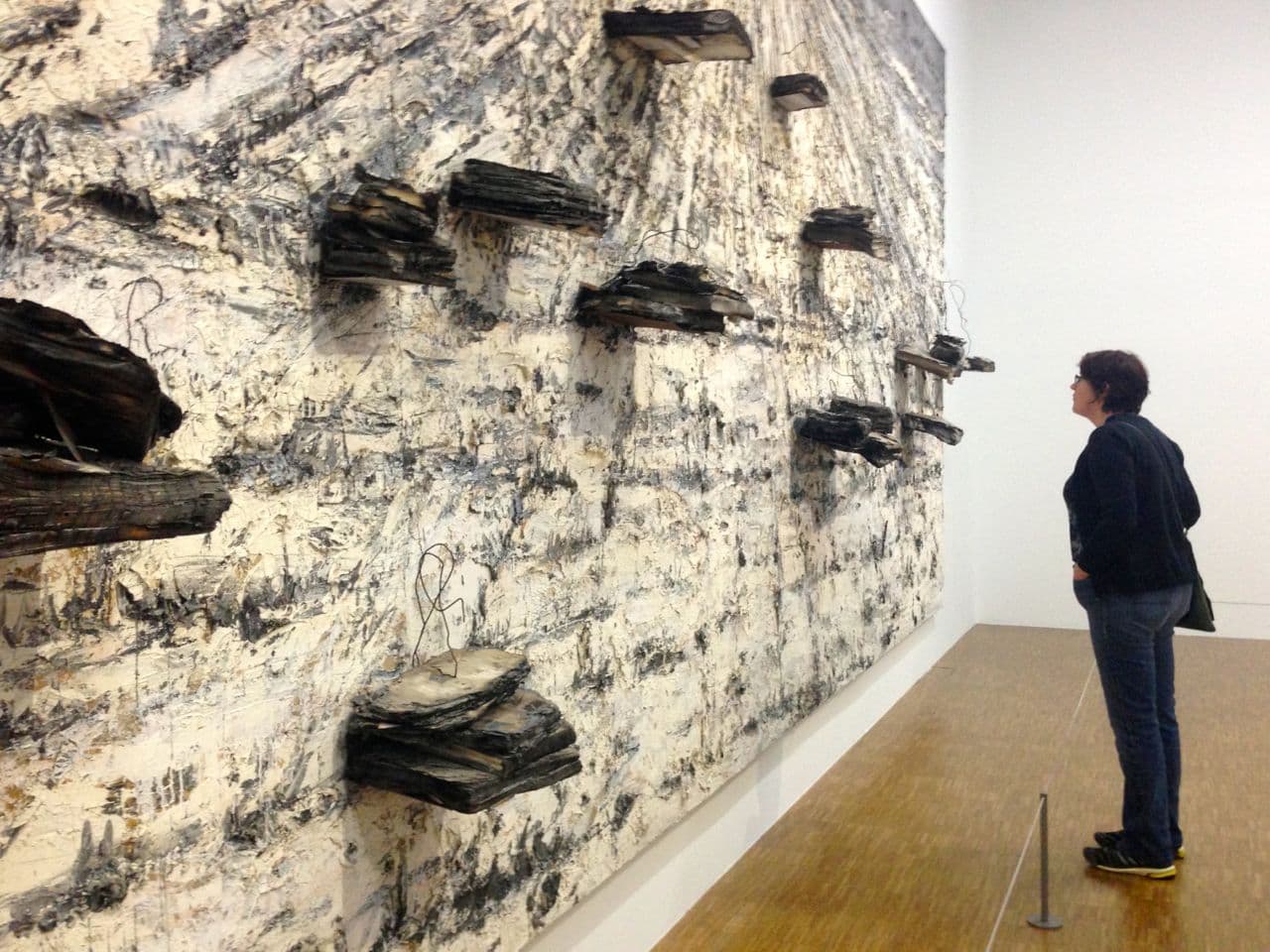
Brace yourself for a shock. In about ten rooms, you’ll find the German painter’s monumental canvases thick with material, his charred books lying open, and his display cases teeming with strange objects inspired by alchemy. You come out shaken.
When and where an artist was born are rarely trivial details. Anselm Kiefer was born in 1945 in southern Germany, in a country in ruins, into a generation that thought it had to bury its past to invent a future. It’s precisely this absence of history, this void, that Anselm Kiefer makes the essential material of his work. He refuses to see the Nazi era as a mere interlude, a period suspended in time and cut off from the rest of German history, or as a wall that keeps us from looking back. His canvases plunge back into the roots of German mythology, deep into those vast, dark forests where Germanic peoples have always located the birthplace of their soul and culture.
There’s an extraordinary creative force in Kiefer’s canvases. Nothing smooth about them. This is matter in a molten state. Paint, clay, lead. You step into them as you would into a hostile, unsettling landscape. A dirt path or a railroad track draws you into the distance, toward the horizon in an endless perspective, or into the depths of dark woods. Or there’s a ladder shooting up toward an unwelcoming sky.
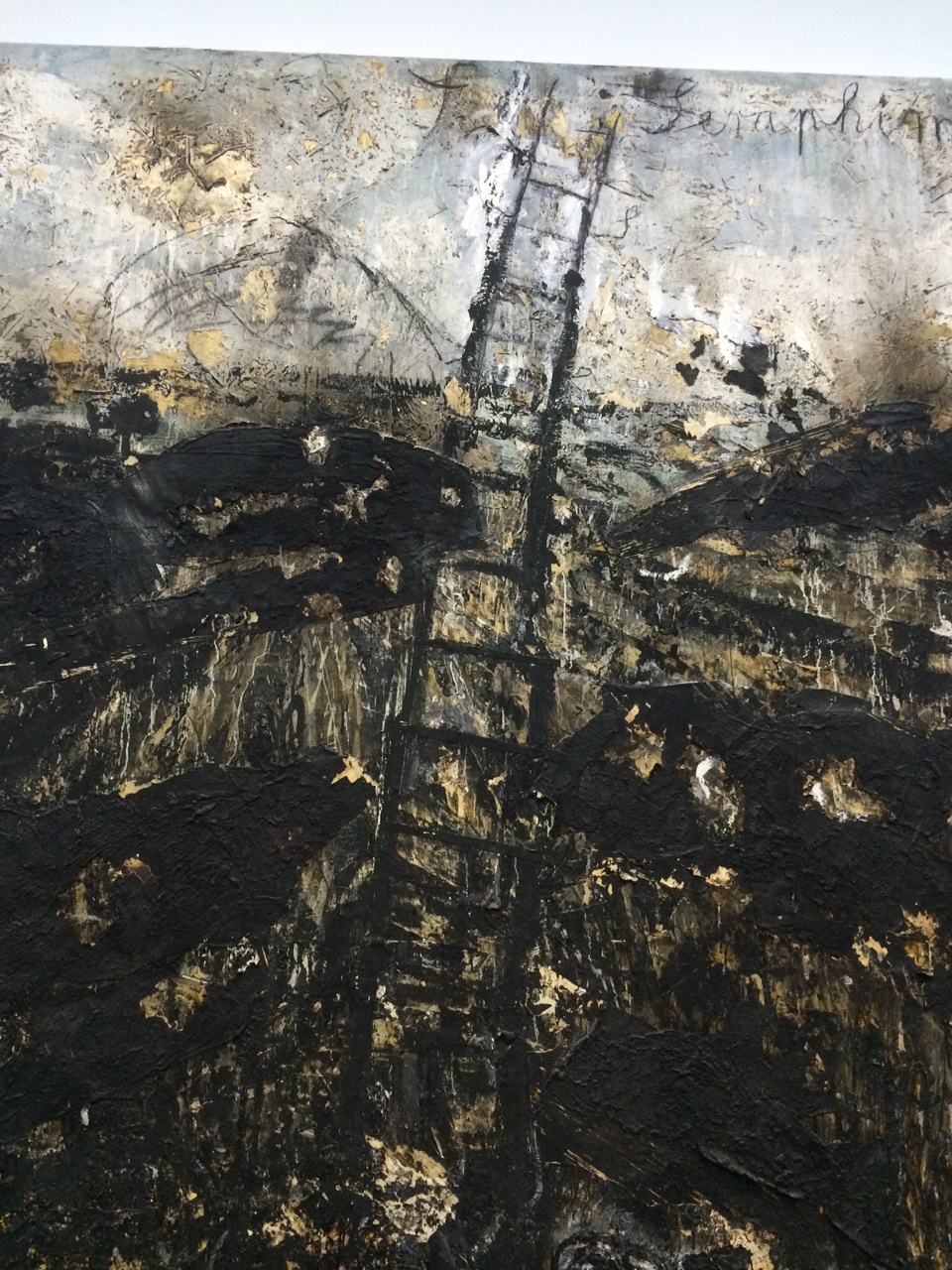
Kiefer returns again and again to the same sources: Wagner’s operas, German Romanticism, ruins, Albert Speer’s architecture, and the poetry of Paul Celan and Ingeborg Bachmann, whose work echoes each other’s: he was a Romanian Jew whose parents died at Auschwitz, and she was the daughter of a Protestant school principal who belonged to the Nazi Party. And then there’s Kabbalah, Jewish mysticism, and alchemy. It’s a dark world: the flowers are made of dust, and black bile flows. The figures emerge from the darkness, like Lilith, the sex demon and femme fatale of Jewish tradition.
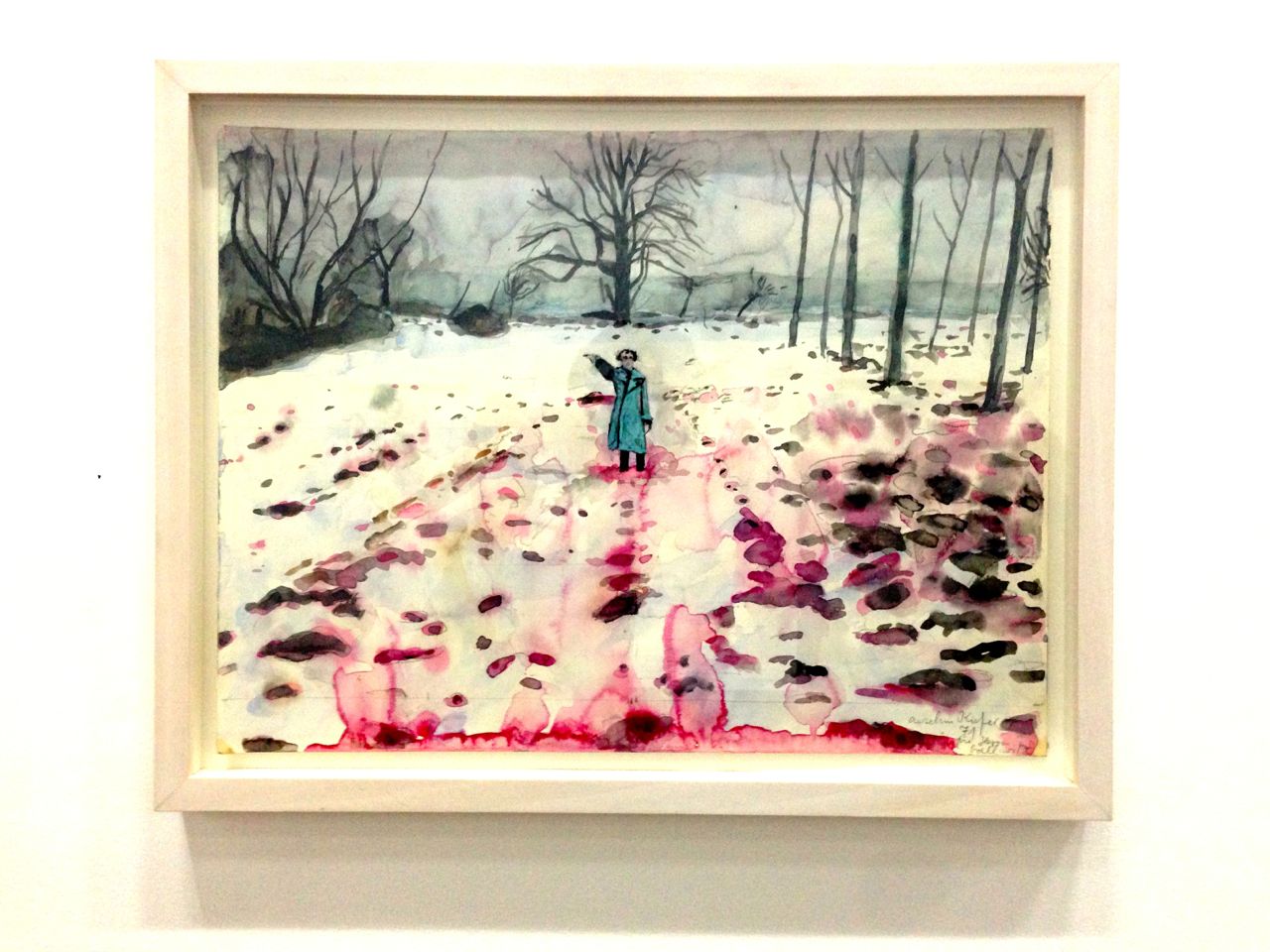
Kiefer puts himself right in the middle of his canvases. In the early canvases that made him famous, he wears his father’s German army uniform and gives the Nazi salute.
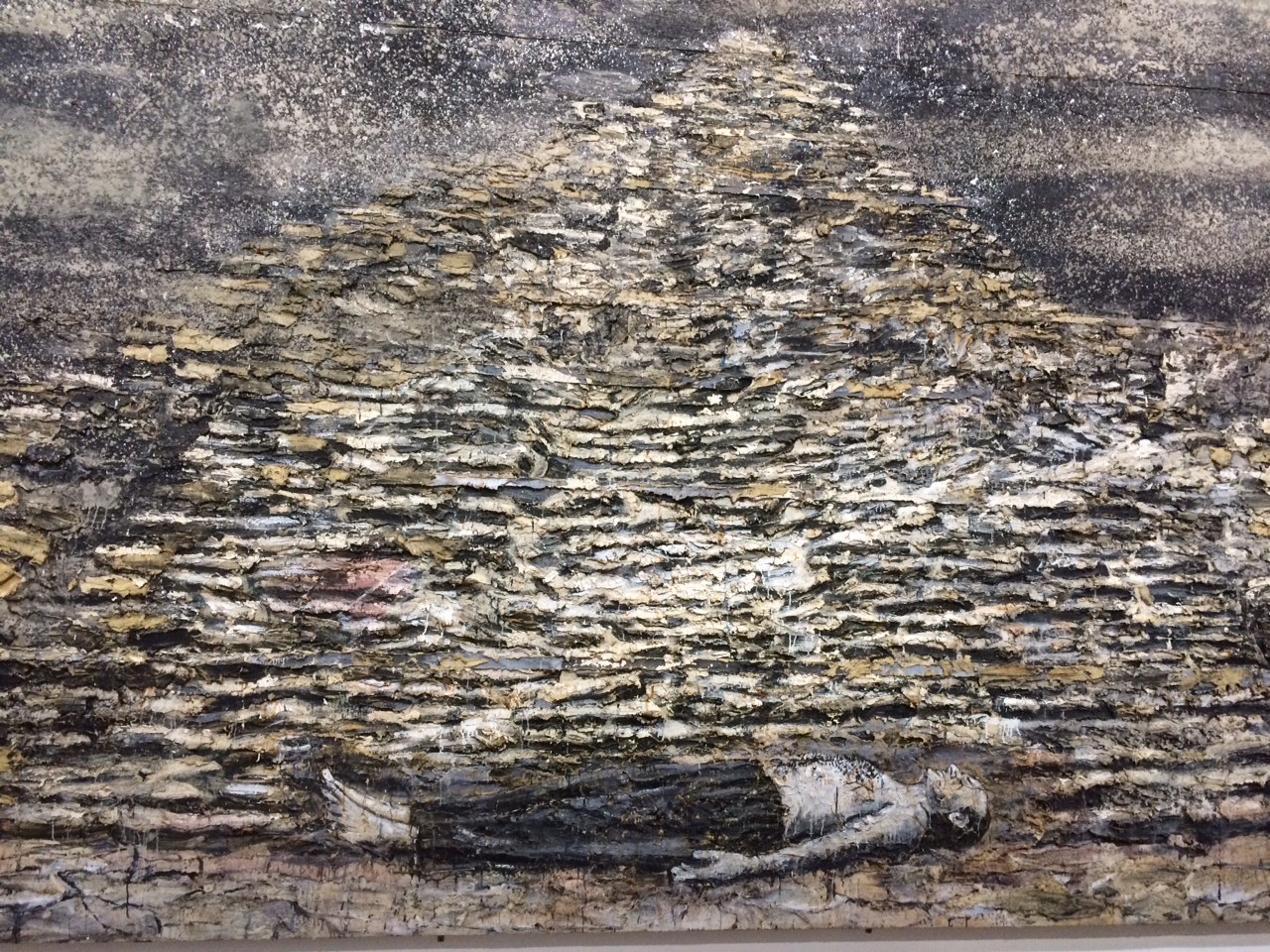
In his later work, we see him lying like a corpse in the middle of a forest or in front of a pyramid. The tragedy of human life takes precedence over the tragedy of history.
The exhibition ends with recent works in which he continues to ask what it means to be “German.” Anselm Kiefer is seventy. His work isn’t finished.
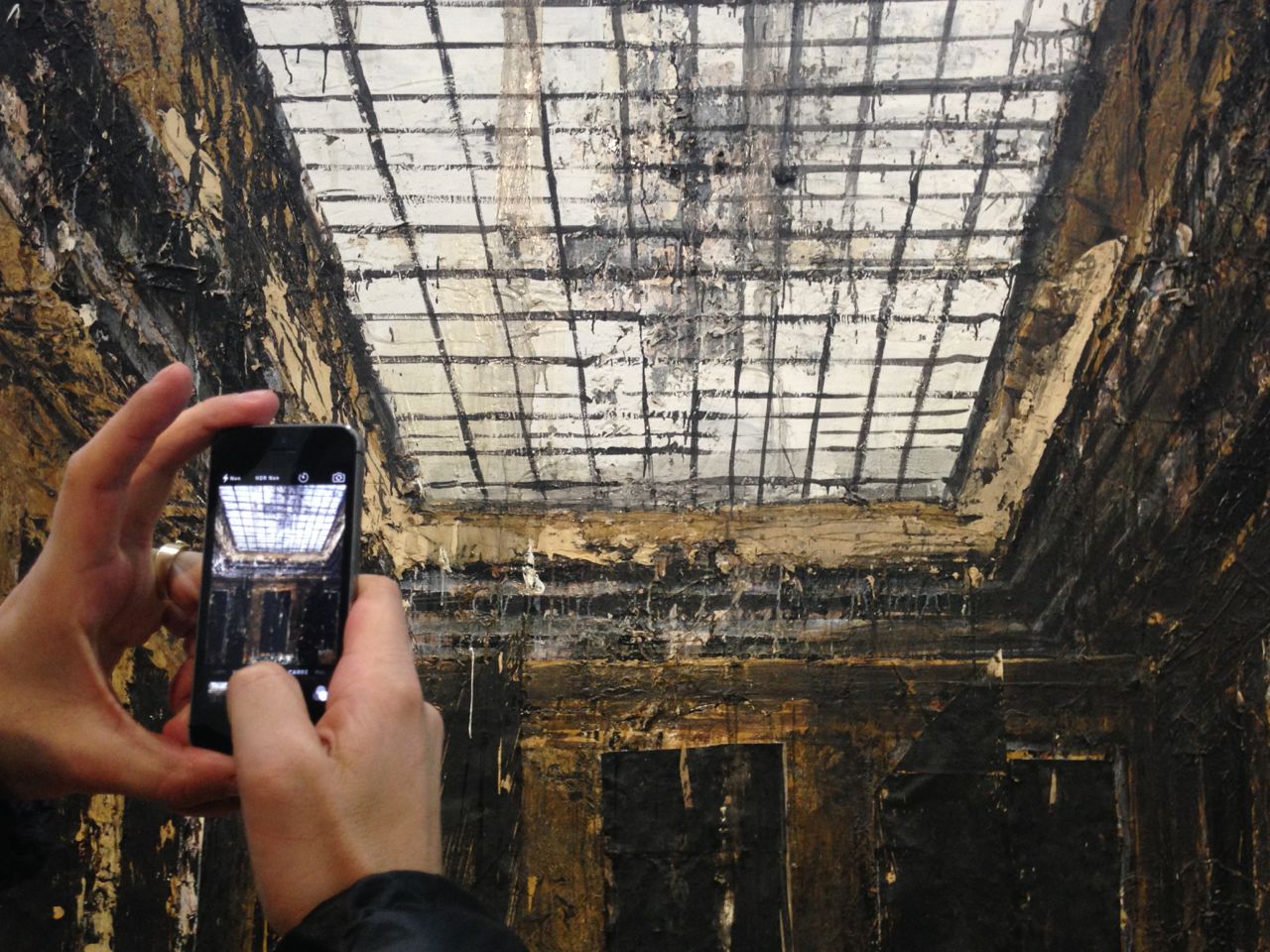
Centre Pompidou
December 16, 2015 to April 18, 2016
Place Georges-Pompidou, 75004 Paris
Article written by C Lui!