Seydou Keita’s work is on view at the Grand Palais, in that space so often given over to photography exhibitions, much to my delight.
He was born around 1921 in Bamako (then the capital of French Sudan). He didn’t go to school and started working as an apprentice carpenter at just seven, alongside his father and uncle. It was his uncle who gave him his first camera in 1935, a little Kodak Brownie.
By 1939, he was already making a living as a self-taught photographer, and in 1948 he opened his studio on the family’s property in a bustling neighborhood of Bamako, not far from the train station. He specialized in commissioned portraits, photographing individuals and groups alike in black and white, with a preference for natural light.
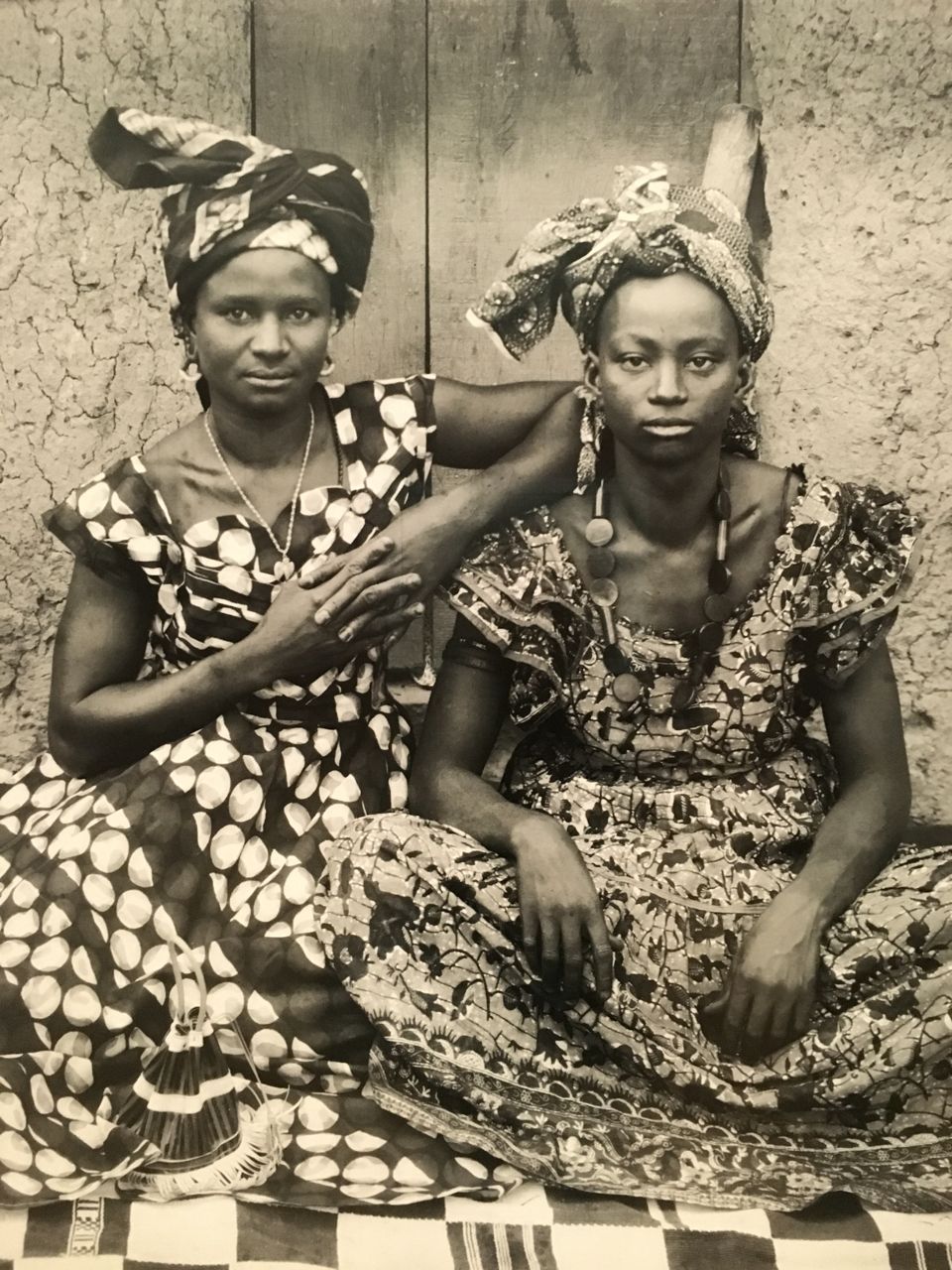
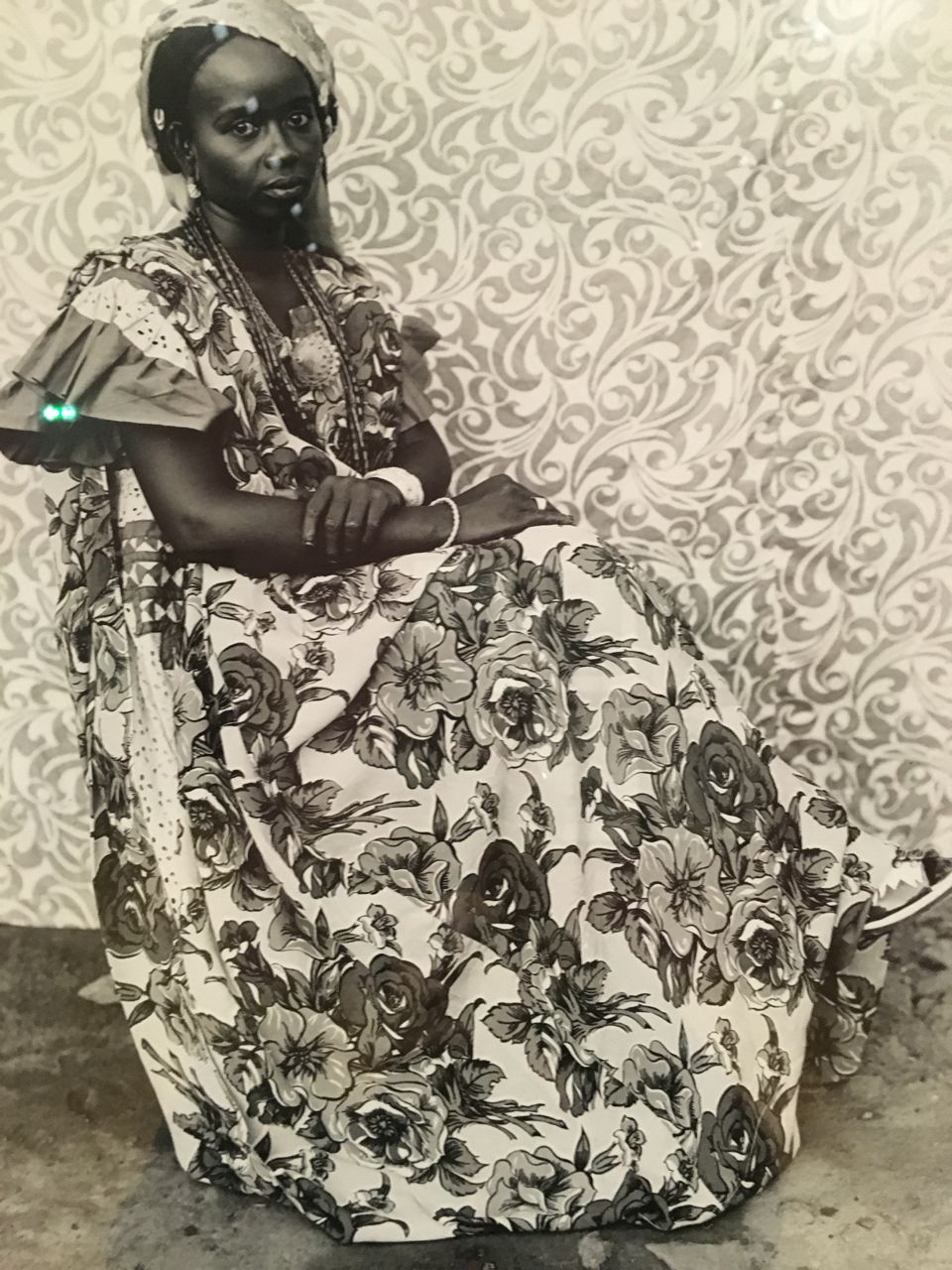
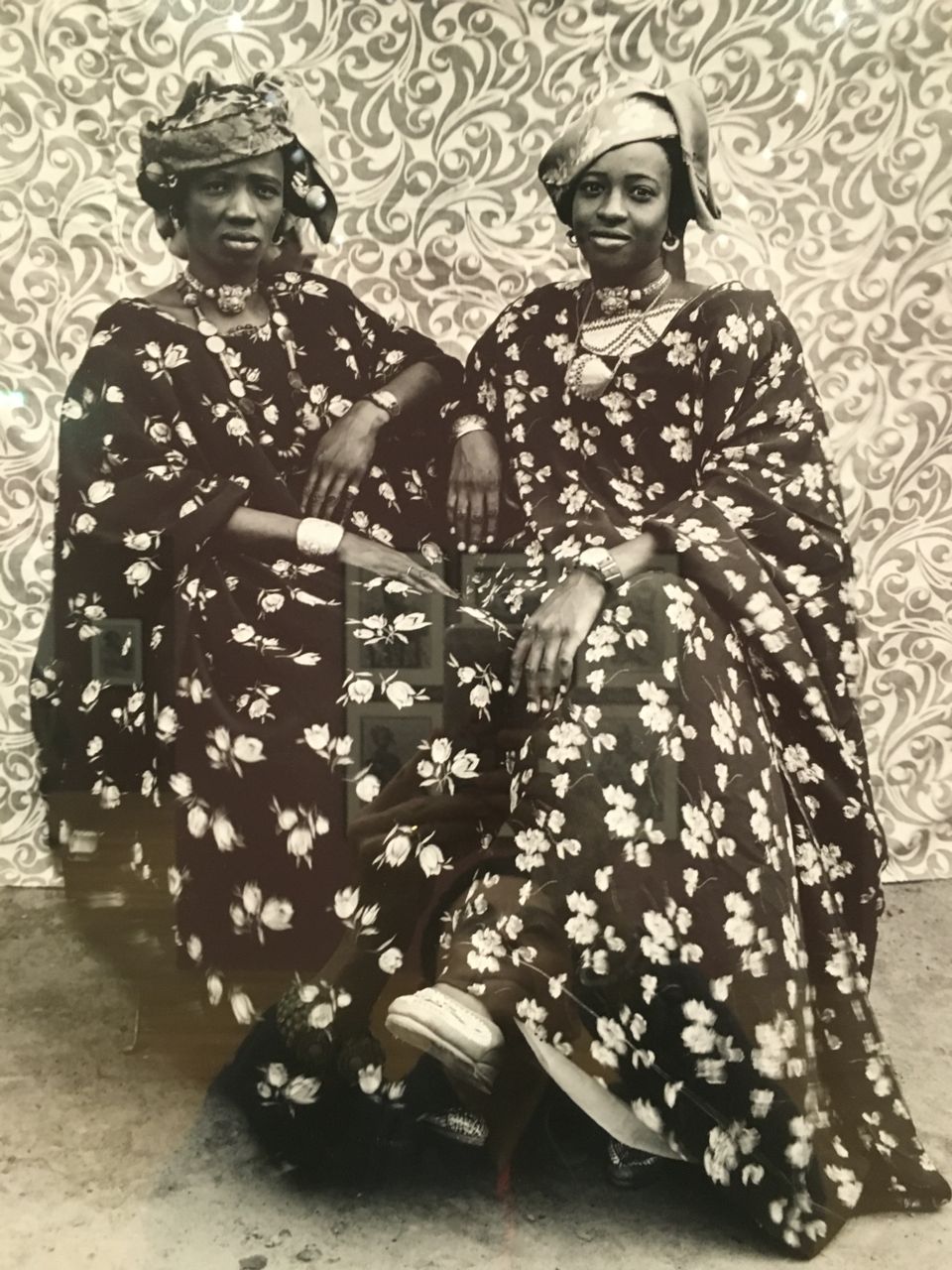
Seydou Keïta simply loves photography and wants to give his clients the most flattering picture possible. He helps his subjects pose, either from the chest up and turned slightly to one side or in full-length portraits, and uses patterned fabric backdrops that he swaps out every few years.
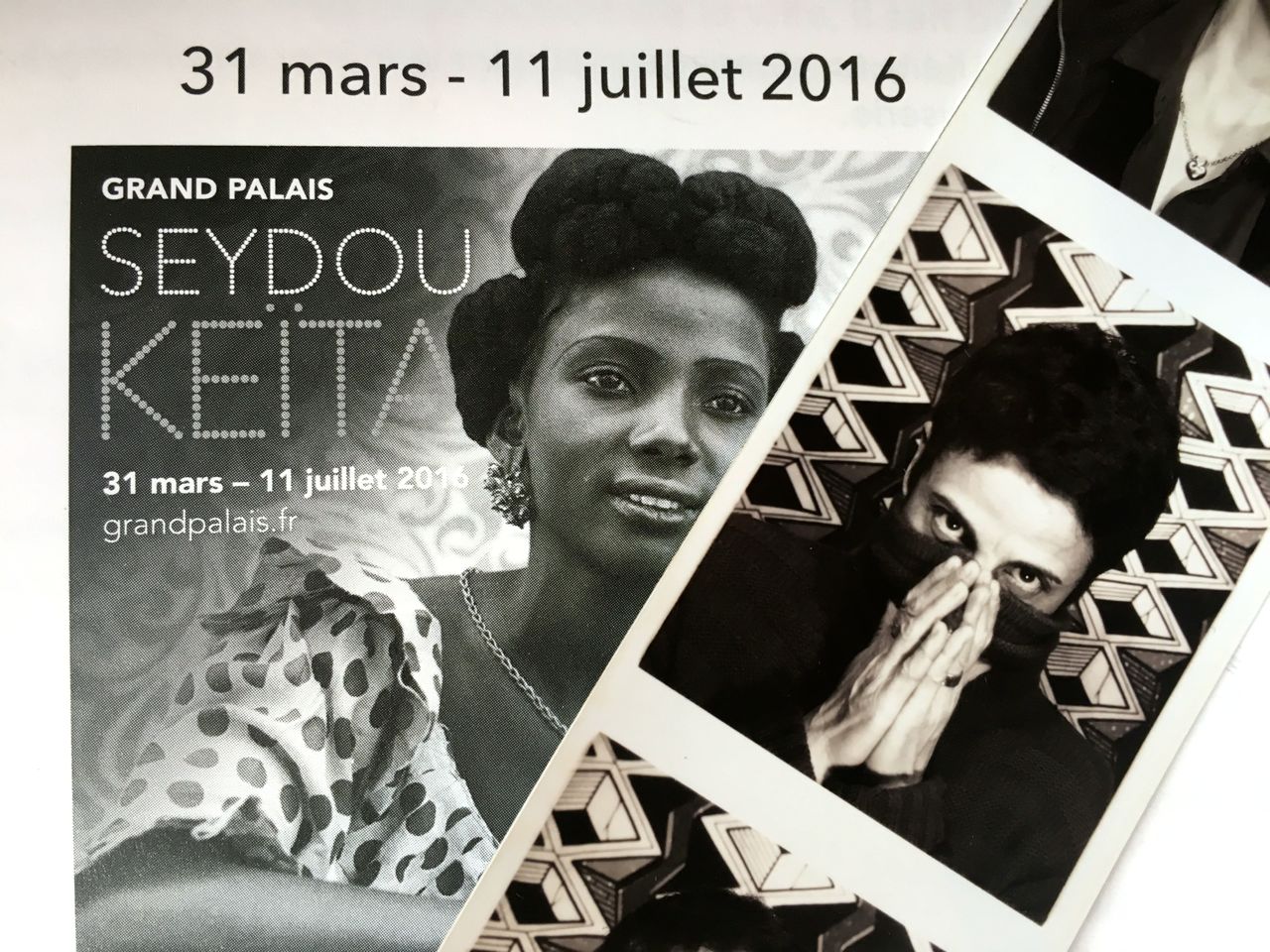
On your way into the exhibition or on your way out, you can get your own picture taken against a fabric backdrop like the ones he used, thanks to a photo booth set up just for that.
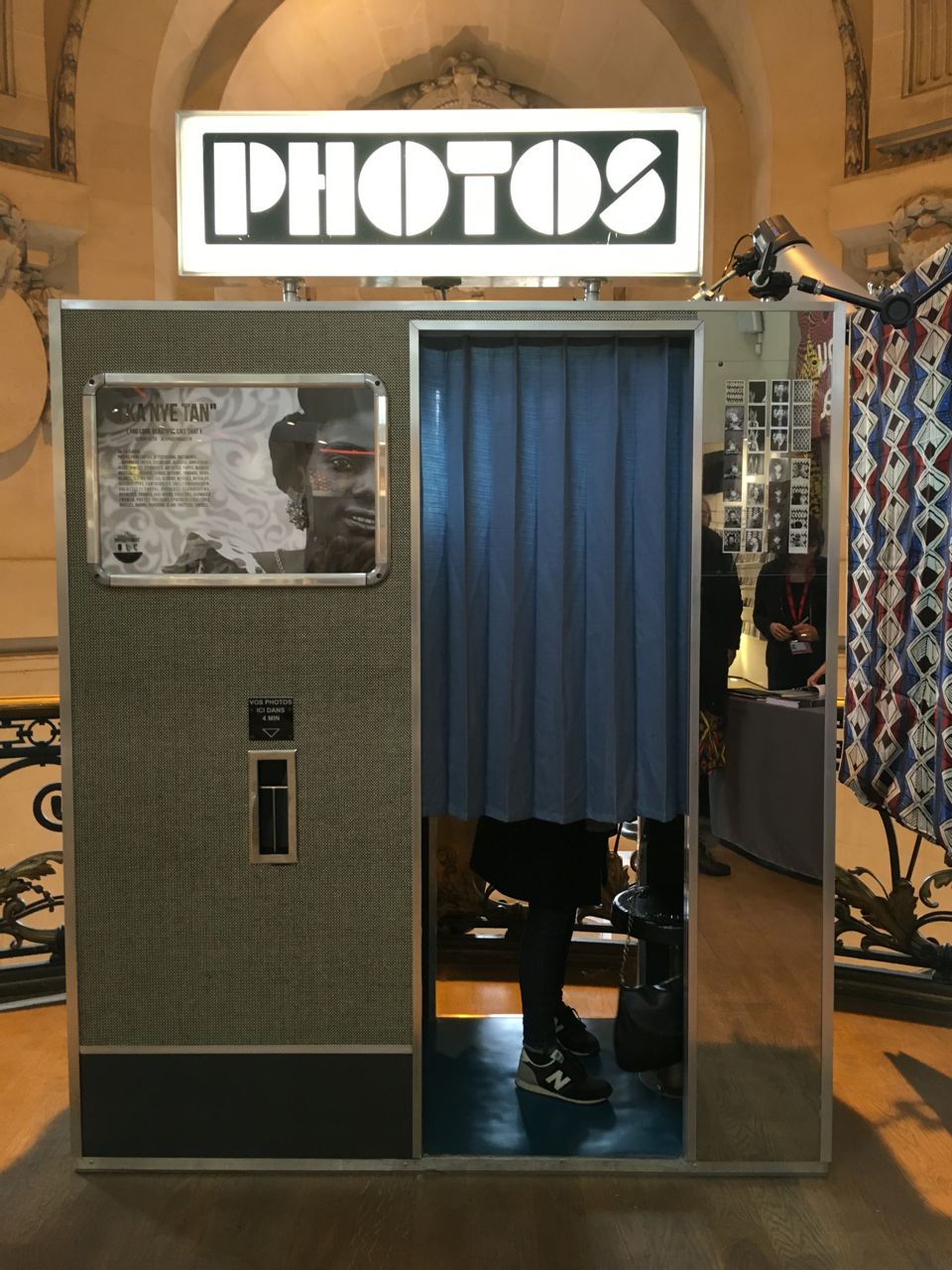
The booth will bring back plenty of memories for anyone who remembers having to wait a few long minutes for the photos to come out, then another good minute for them to dry before you could handle them!
Seydou Keïta’s portraits of women were hands down the ones that moved me most. The femininity, the elegance of the poses, the clasped hands, the way they hold their heads high, the steady gaze.
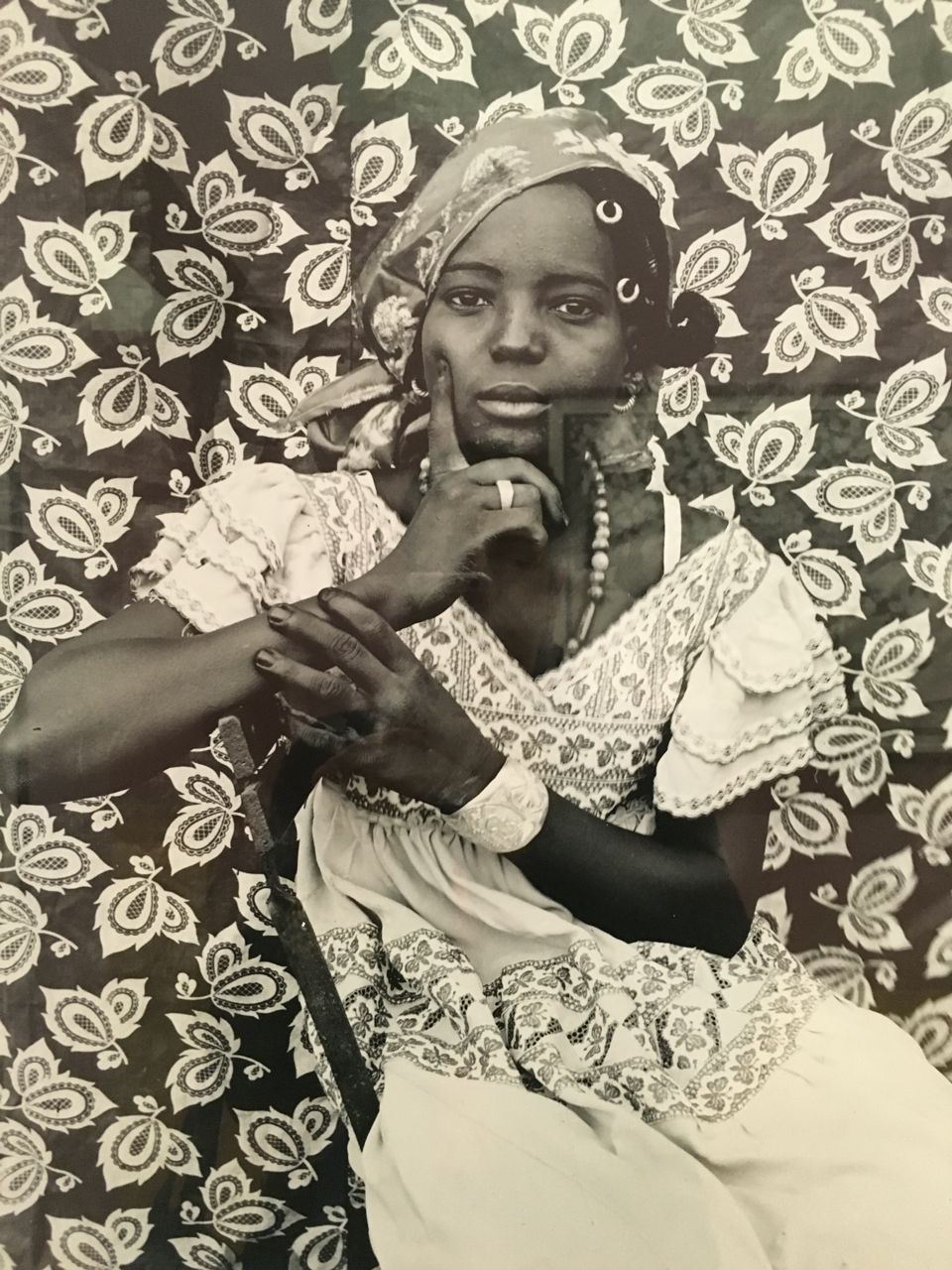
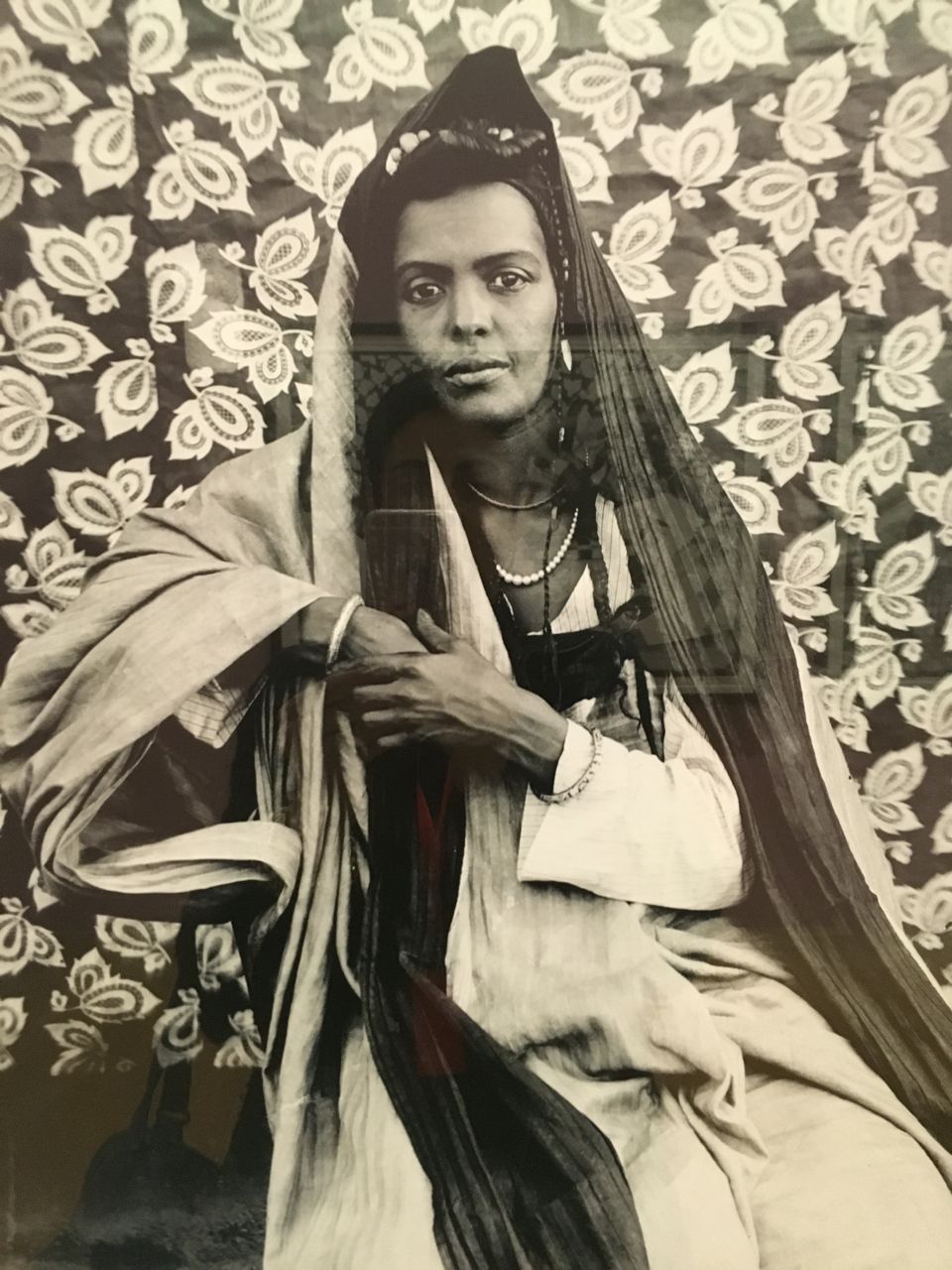
Little by little, with the money he makes from his portrait sessions, Seydou Keïta buys props for his subjects to use, like this radio or the scooter.
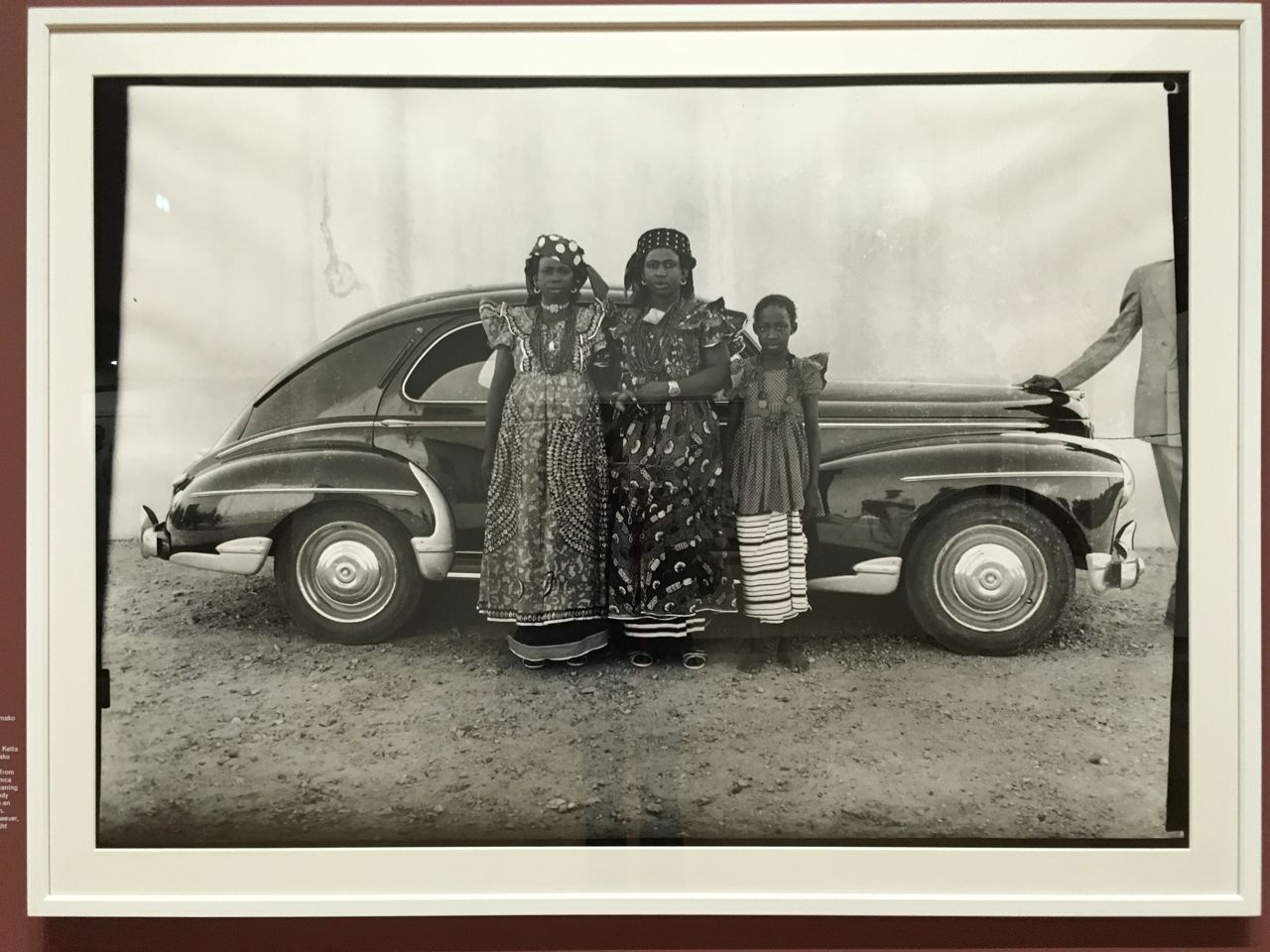
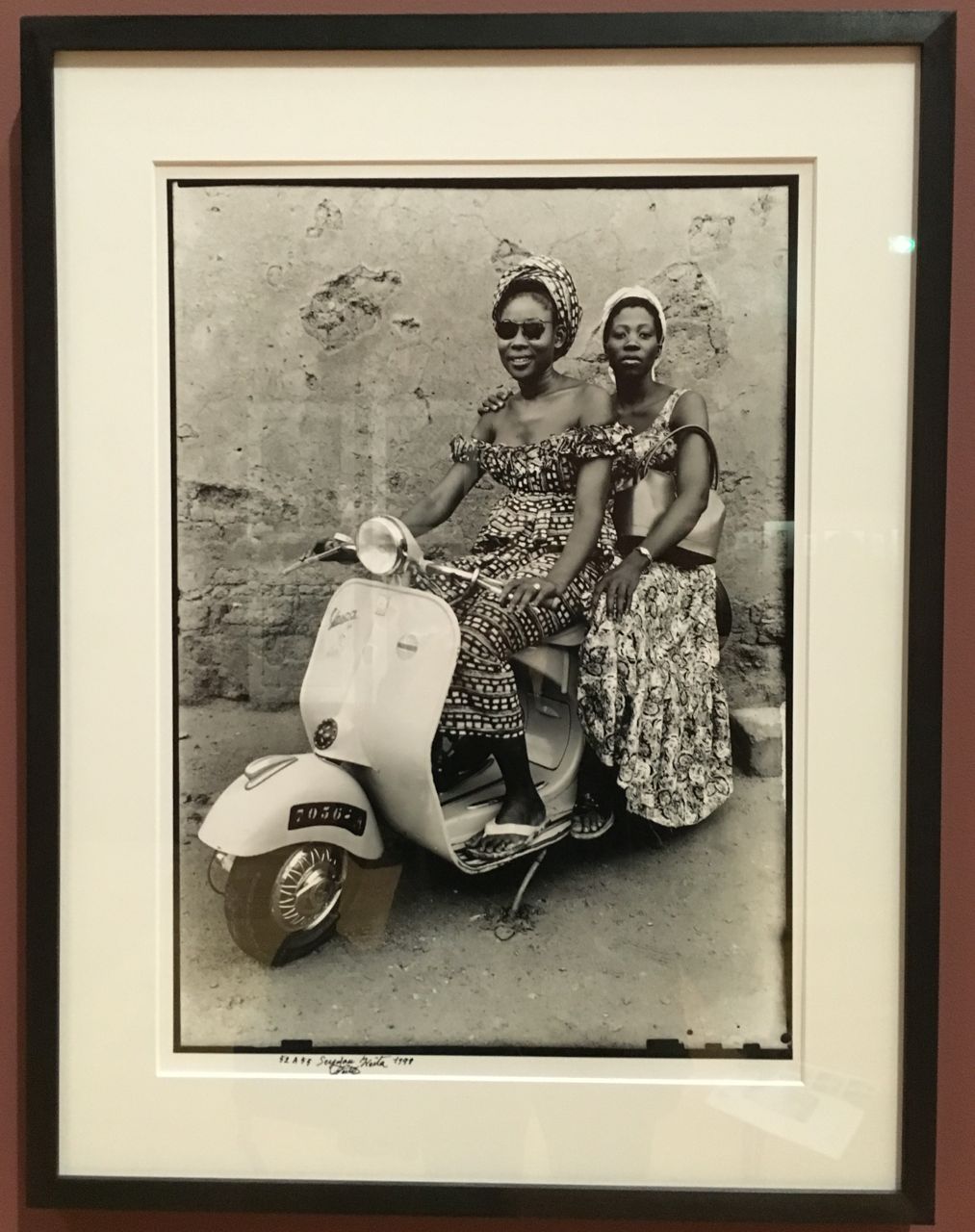
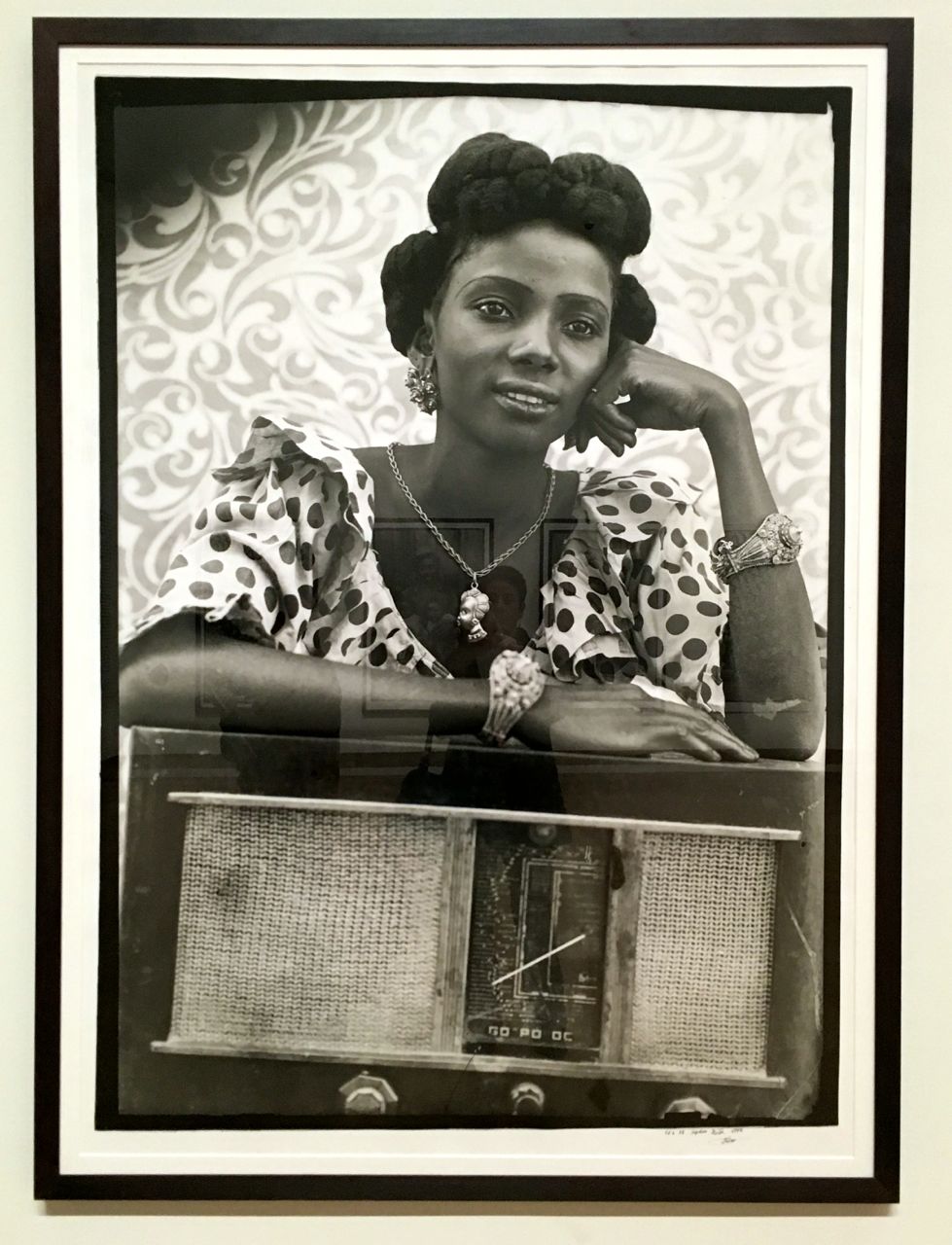
Seydou Keïta quickly made a name for himself in Bamako, throughout Mali, and in many West African countries. He’s considered the father of African photography, which went largely unrecognized in Western Europe for so long.
At the very back of the exhibition is the “vintage” room. These are prints from the time, most of them contact prints that Keïta makes himself, the same size as the negatives. Photographic paper is expensive and hard to find.
You can see a few pictures where the framer added color to accessories, especially jewelry. Personally, I prefer the prints without that kind of embellishment, but those little touches of color get your brain to imagine the whole picture in color.
Women, families, brothers and sisters are all there before our eyes, taking us right into the Africa of the last century.
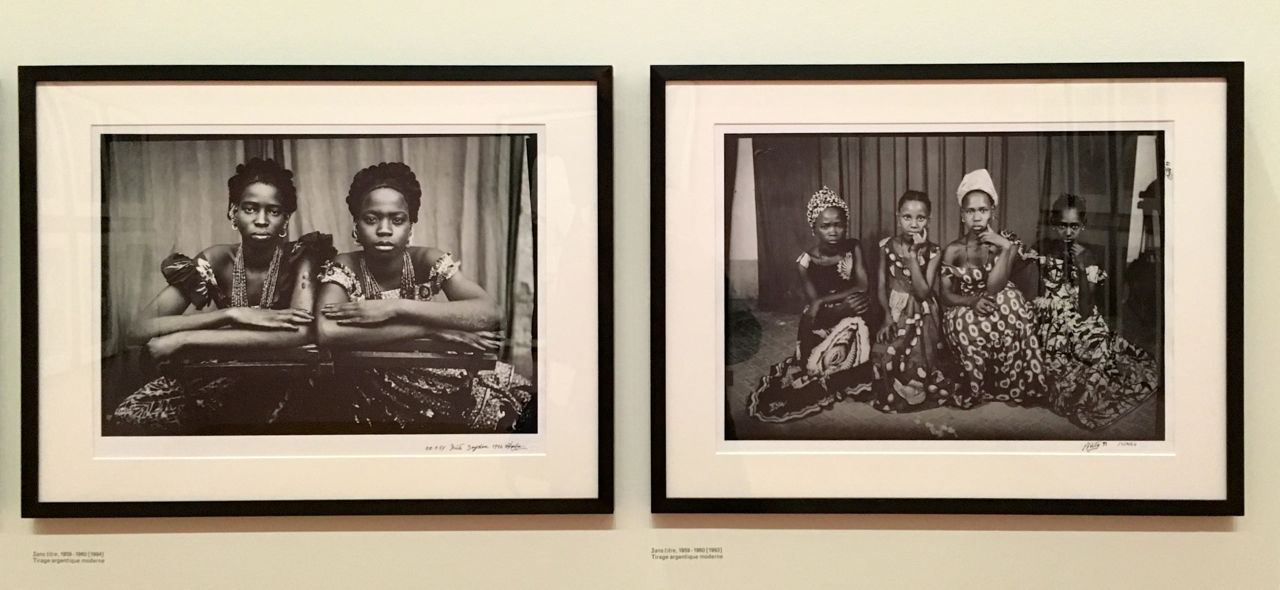
Finally, don’t miss the documentary featuring an interview with the photographer, shown in the vintage room. It also brings color back into the images you’ve just seen, and the contrast is quite striking.
Seydou Keïta, March 31 to July 11, 2016
Grand Palais 3, avenue du Général Eisenhower 75008 Paris