Rester vivant
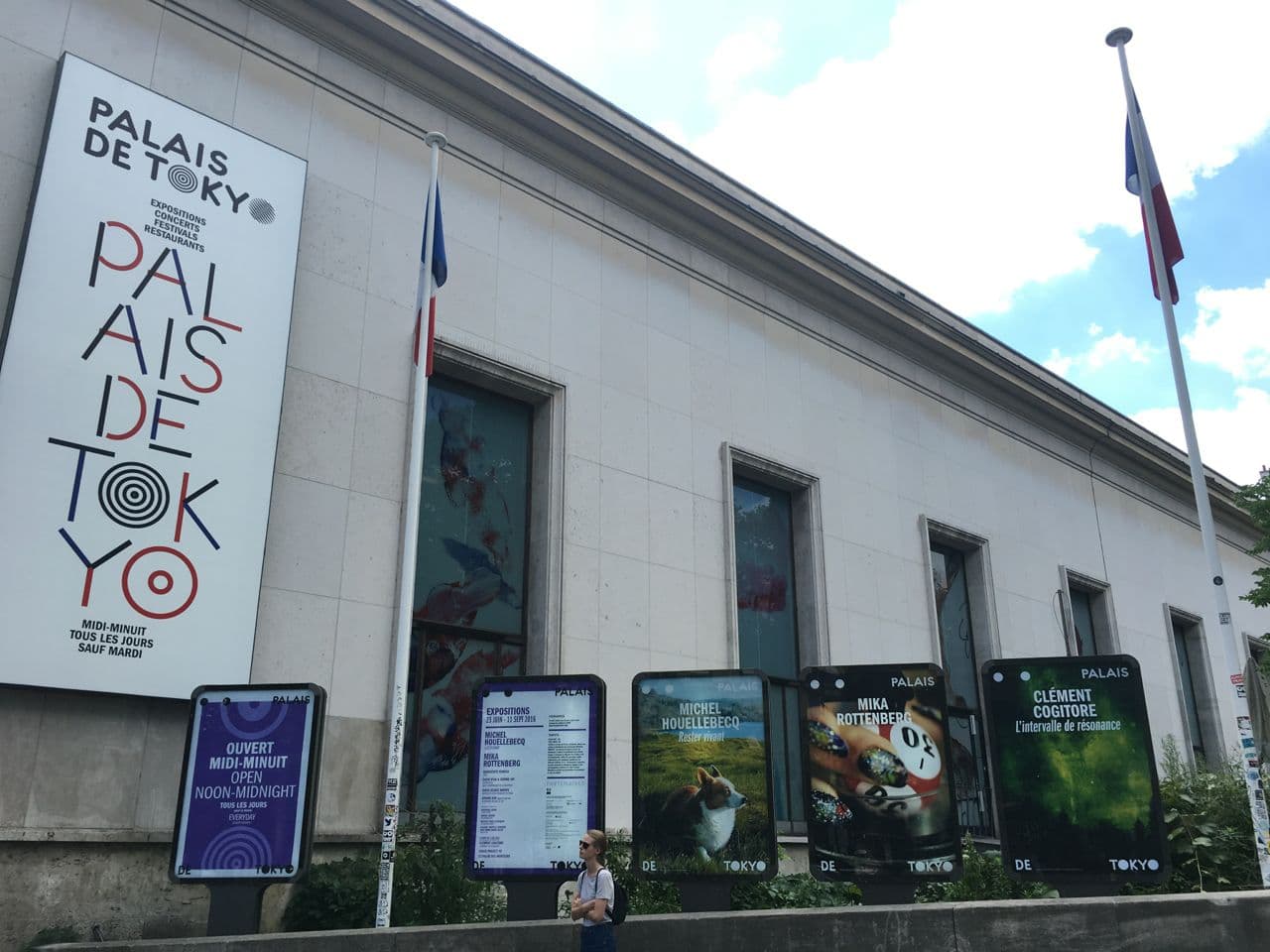
Michel Houellebecq is at the Palais de Tokyo.
Michel Houellebecq is one of those artists who aren’t content to excel in just one field. The only thing that interests him is art that encompasses everything. After being a novelist, poet, songwriter, essayist, actor, and filmmaker, he’s now a photographer, visual artist, painter, and, ultimately, the director of his own obsessions.
After showing his medical reports, brain scans, and other lab test results at the Zurich Biennale, Houellebecq is now at the Palais de Tokyo with a jumble of work: photographs, collages, montages, videos, and installations. He laid out the exhibition “the way he puts together the poems in his collections or the sequences in his films.”
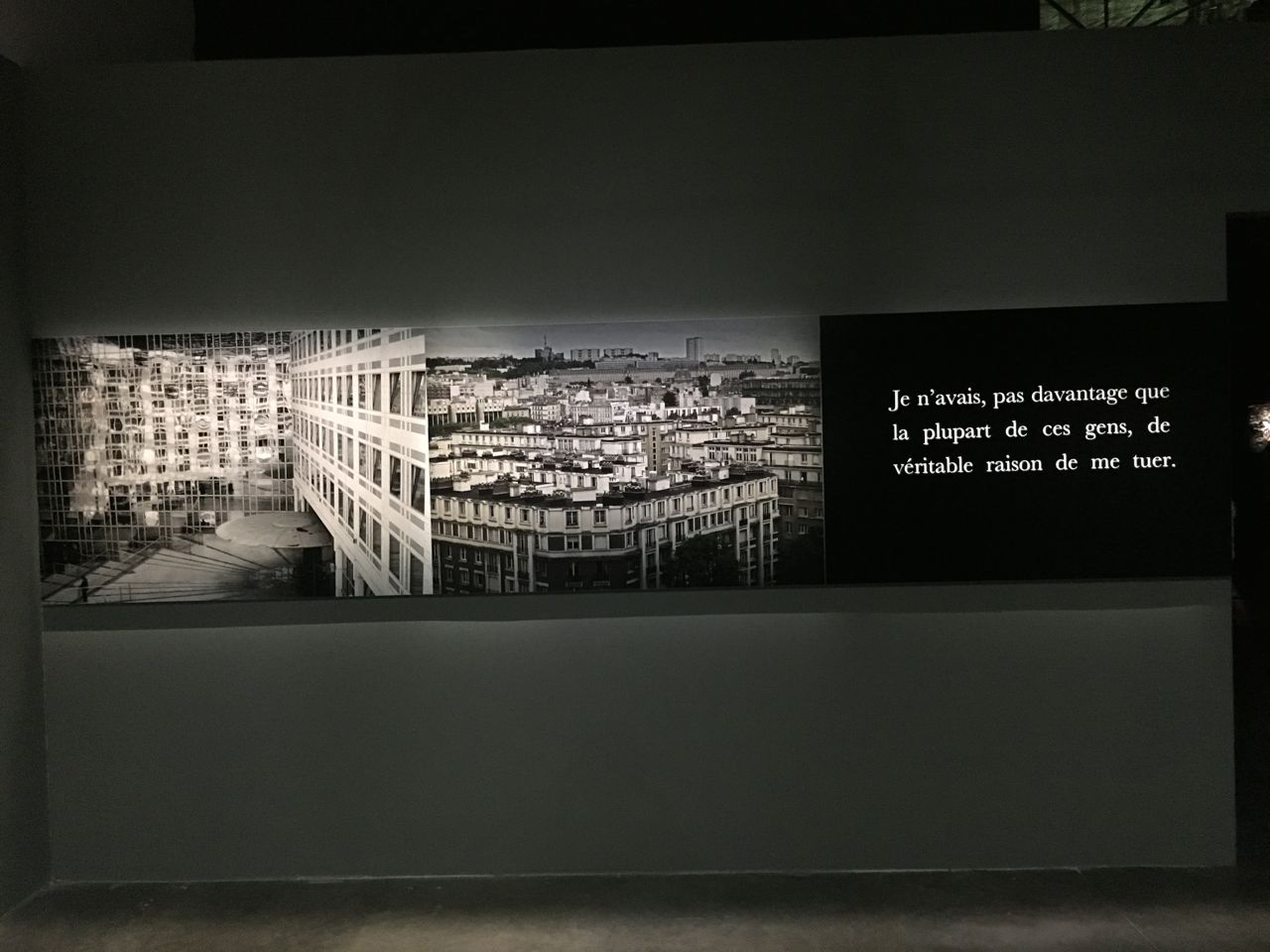
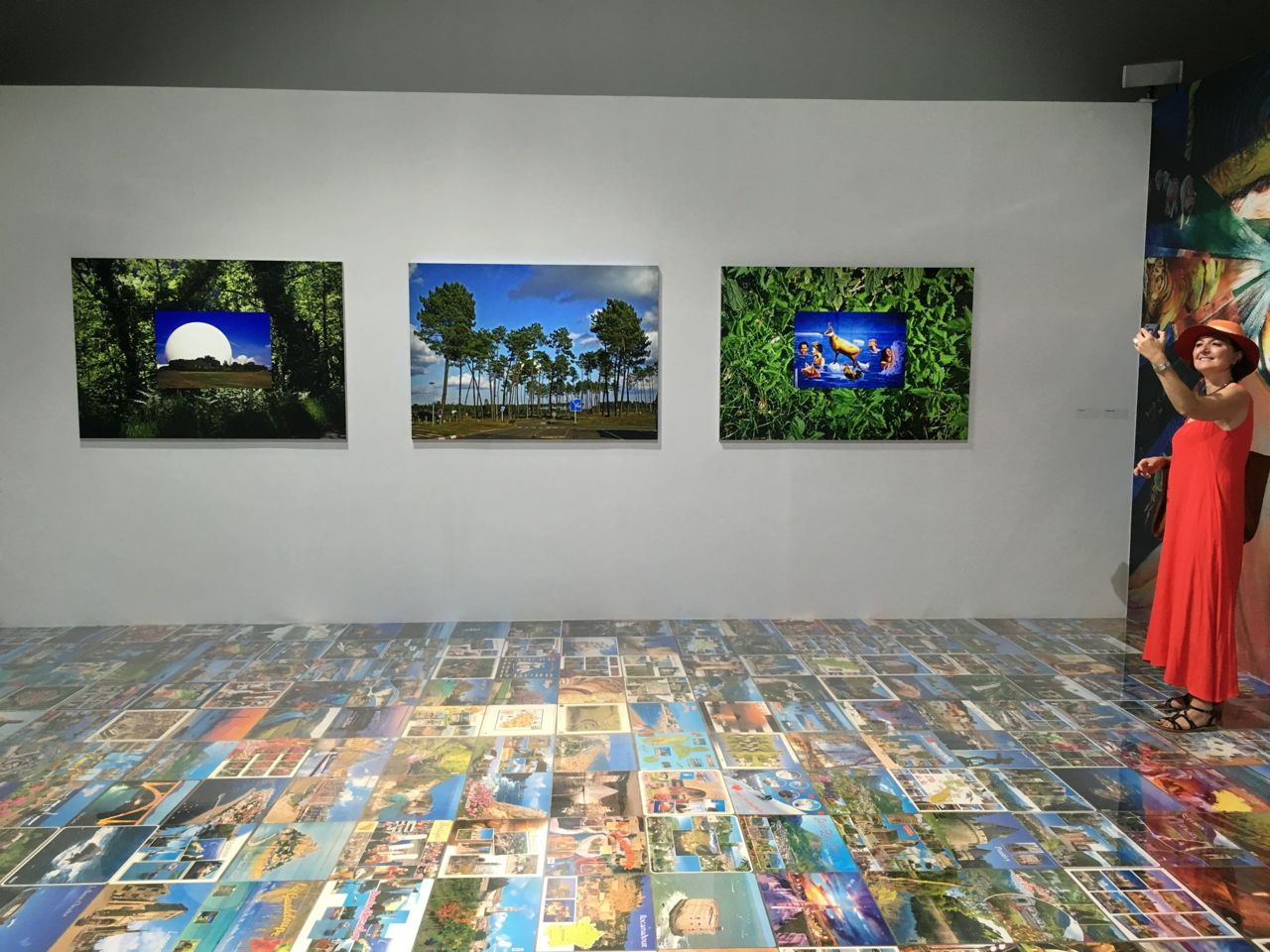
Naturally, the big themes from his novels are all here: the urban fringes and their isolation, big-box stores and highway rest stops, nature by turns hostile and idyllic, women’s bodies, mass tourism and its excesses, a certain fascination with the dark and sinister side of the world, a very “Schopenhauerian” passion for dogs, especially his own dog Clément, and the eugenic dream—or fear—of creating a new kind of human being…
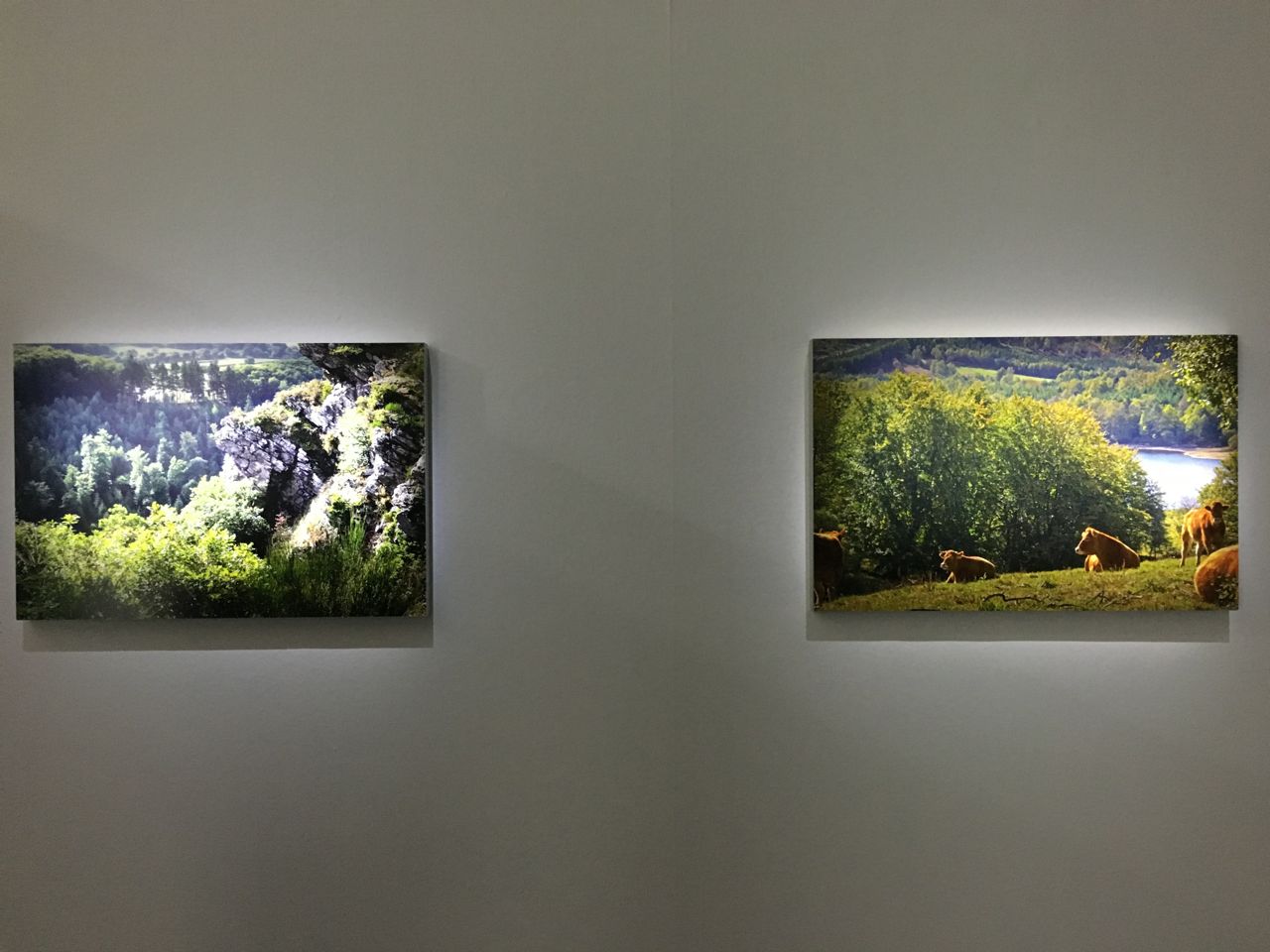
One big plus: Houellebecq’s megalomania is such that he hasn’t left it to anyone else to explain his work, least of all the usual contemporary art museum curators. Instead of wading through the impenetrable prose of the official interpretations, visitors get a two-page handout with explanations from Houellebecq himself for each room in the exhibition. And it’s pretty clear, as with this comment on two photos, one of a shopping center and one of a landscape: “What interests me most here is the clash between the Leader Price and nature, which will always be complete. With the stones of Dordogne, on the other hand, there’s a merging with nature.”
The question I’m left with on the way out is what makes this exhibition worth seeing and how it fits in with the rest of Houellebecq’s work. I don’t know what a visitor who hasn’t read his novels would make of it. It’s probably a strange, slightly unsettling encounter, one you come away from with more questions than answers… and it’ll either make you move on or send you straight to “The Possibility of an Island” or “The Elementary Particles.” In other words, the harder Houellebecq tries to escape the cramped little box marked “novelist,” the more his work seems to steer him back into it. The myth of the all-around artist is probably an illusion. Michel Houellebecq the writer has set the bar too high.
written by C lui
Rester vivant at the Palais de Tokyo
13 Avenue du Président Wilson, 75116 Paris