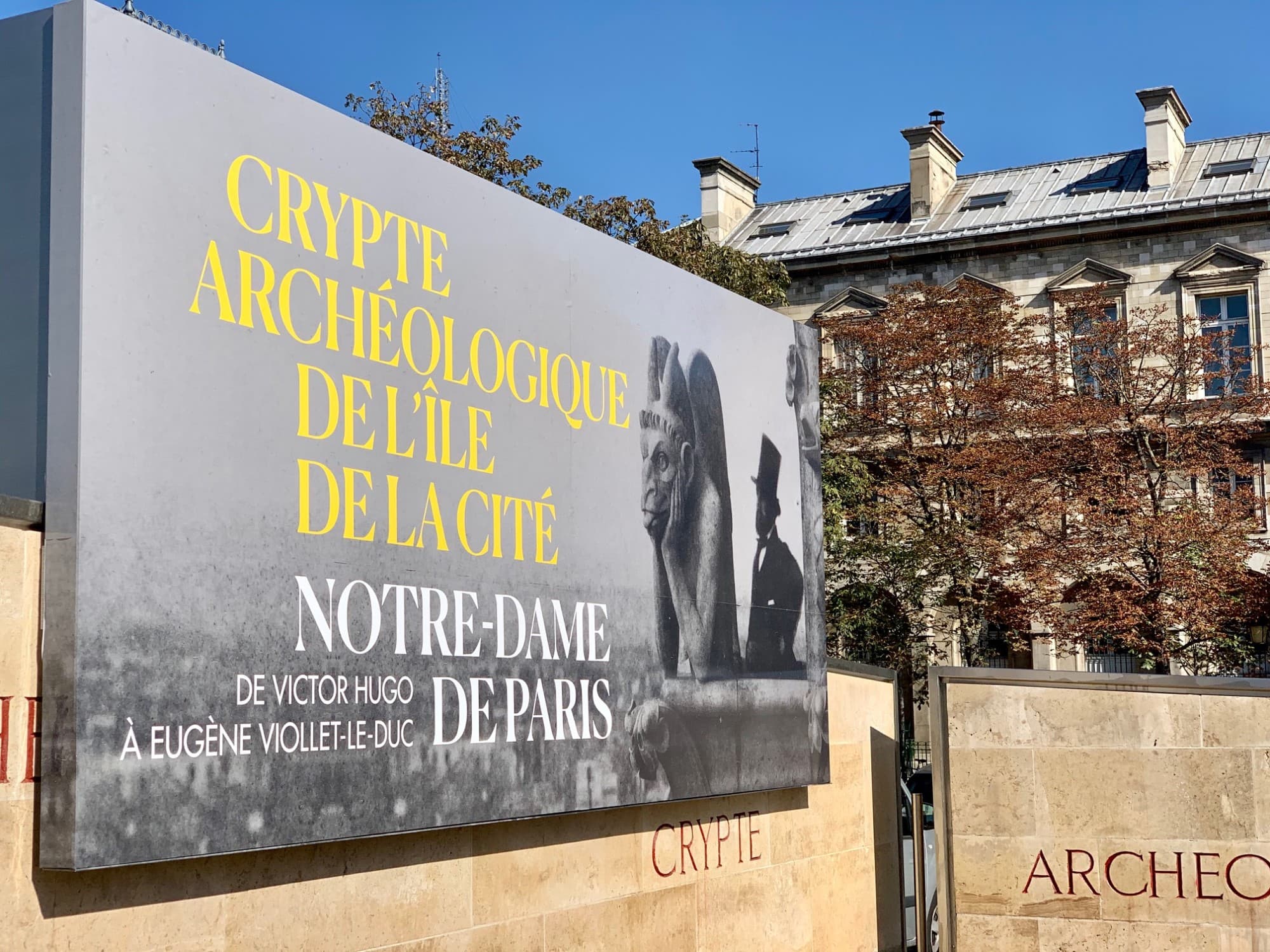
The archaeological crypt of the Île de la Cité had been closed since the terrible fire in April 2019. It reopens on September 9, 2020, with an exhibition honoring the cathedral and the two men who saved it from looming demolition. Let’s head to “Notre-Dame de Paris: From Victor Hugo to Eugène Viollet-Le-Duc.”
The Archaeological Crypt of the Île de la Cité: A Journey into the Heart of Ancient Paris
Before you even get to the Notre-Dame exhibition, you’ll dive into the capital’s archaeological remains.
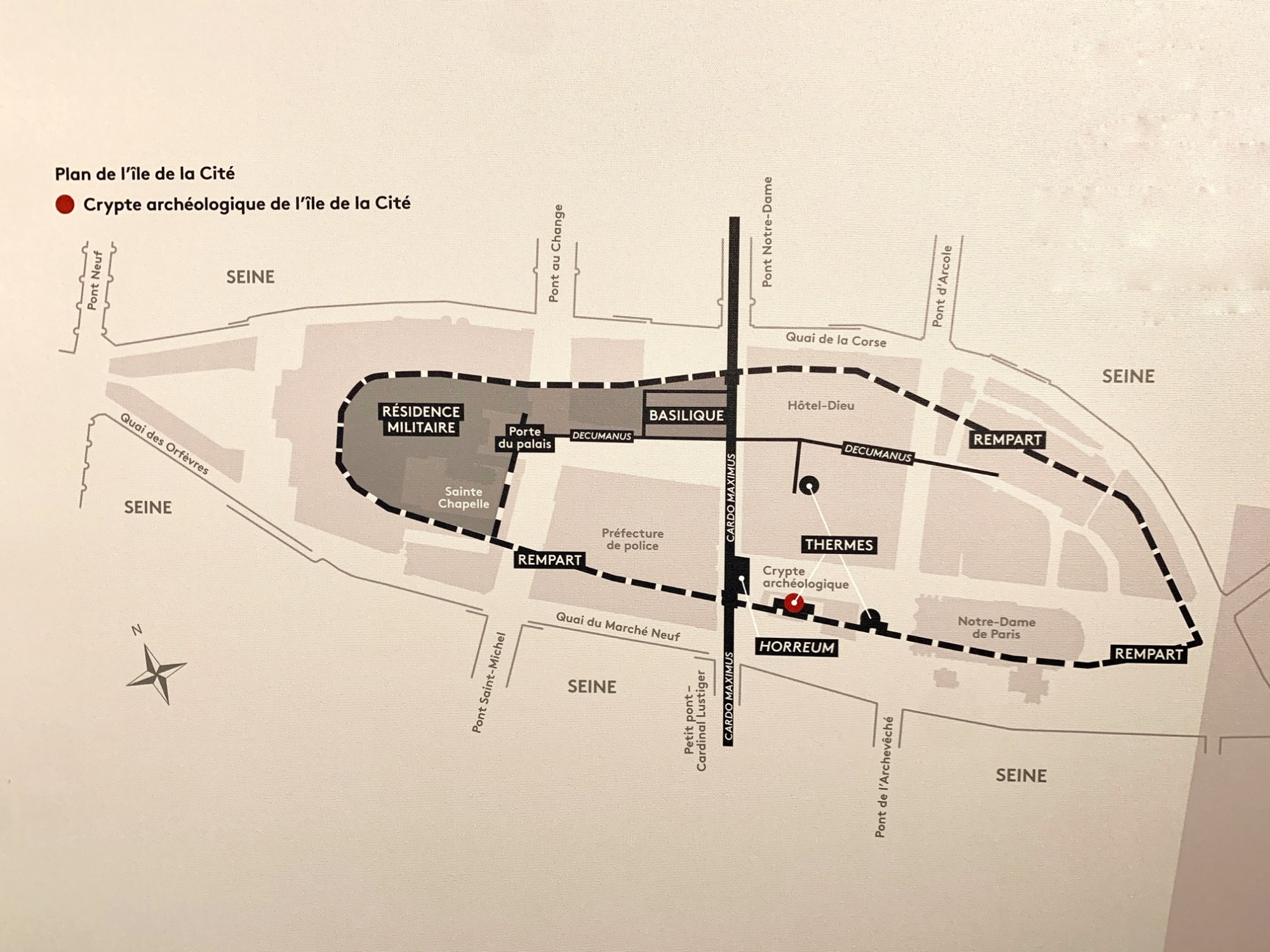
We owe this trip back in time to André Malraux, who was minister of culture in 1967. That’s when he launched a project to create a new square in front of Notre-Dame. And it was this very project that uncovered a tangle of walls, objects, and remnants of all sorts of buildings.
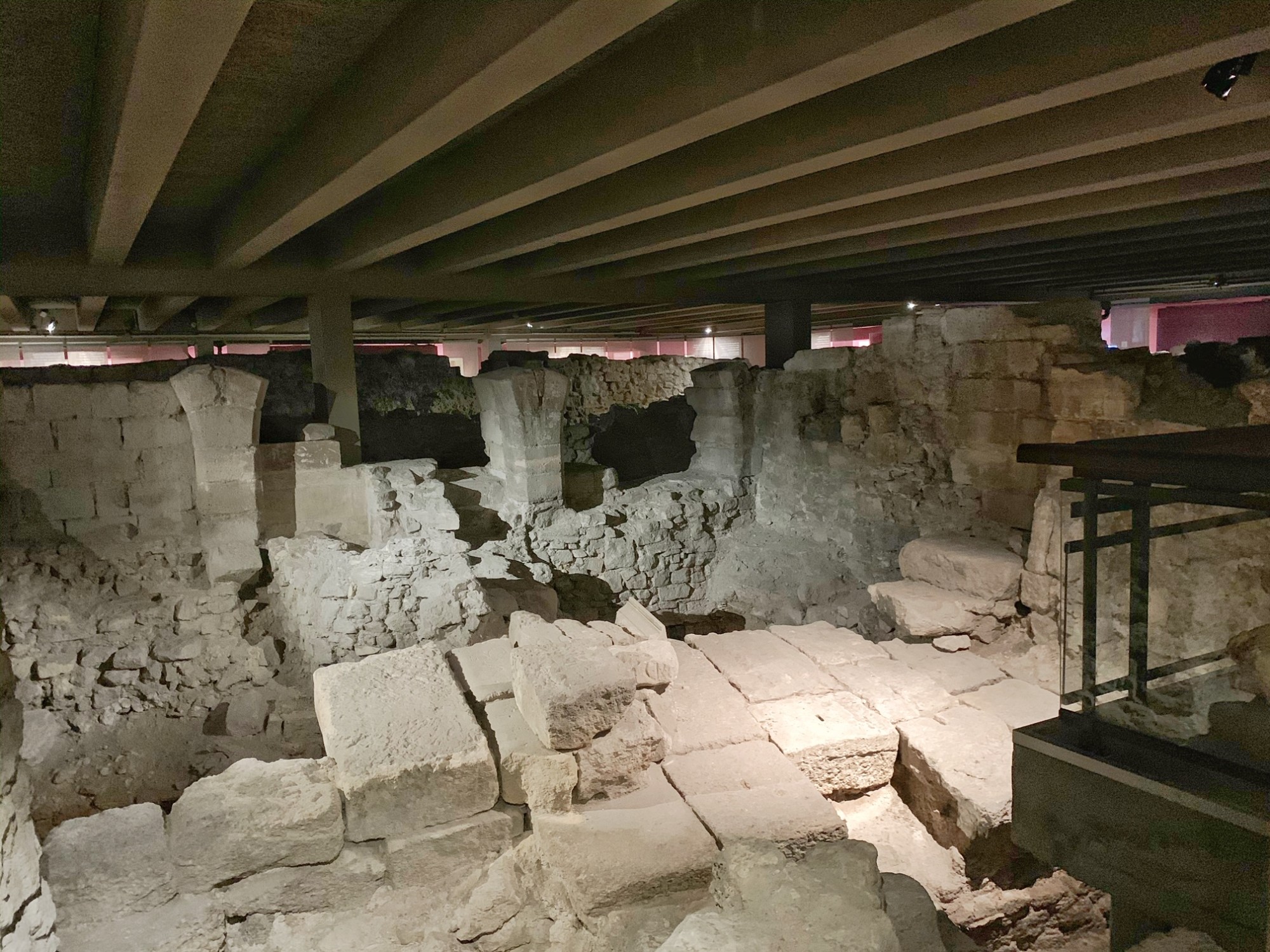
And so the crypt was born, preserving the ruins so the public could come and admire them.
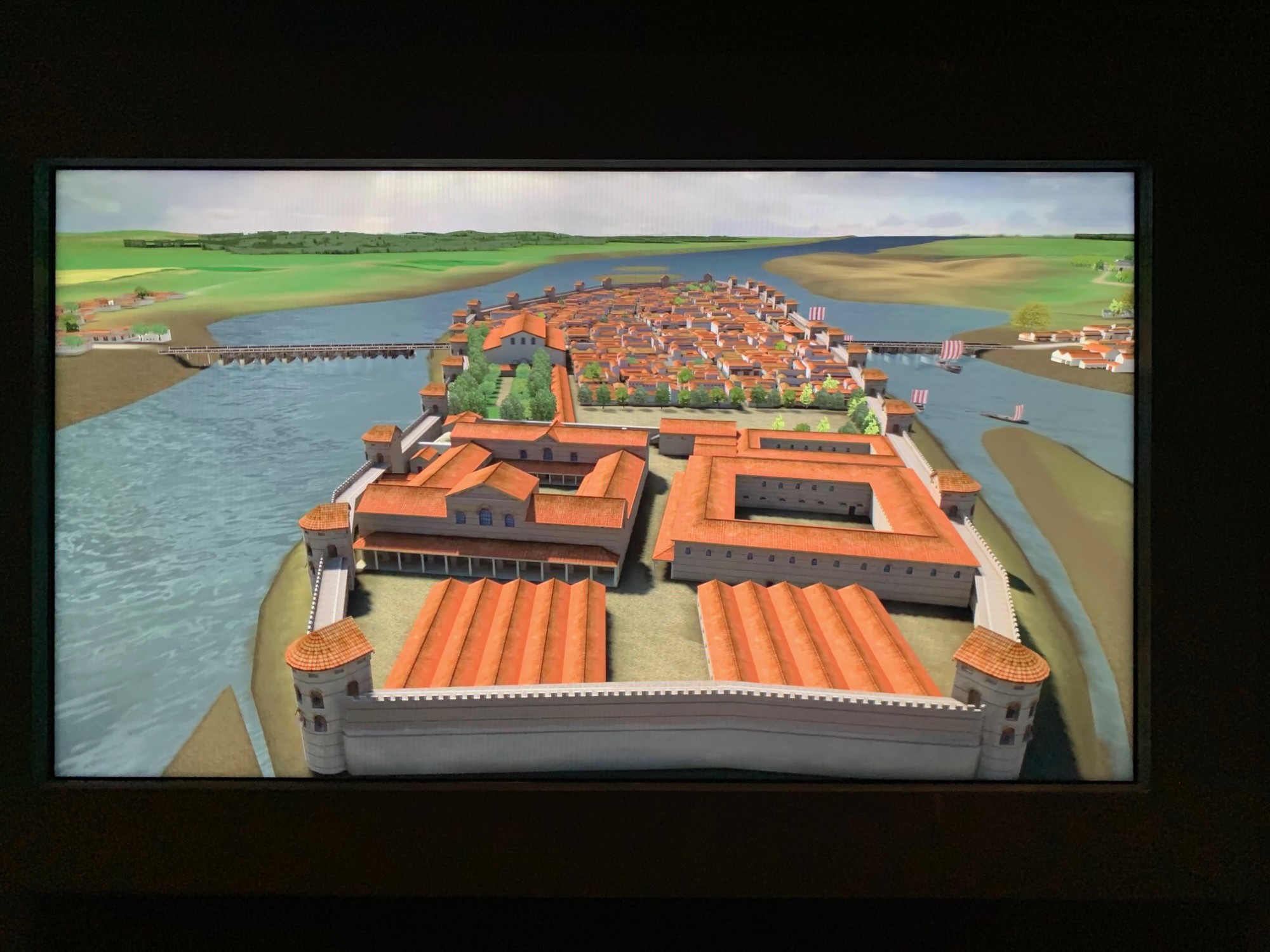
Today, a digital 3D display lets you see exactly what Lutèce looked like in the fourth century.
So where does Notre-Dame fit into all this?
Notre-Dame: A Story Full of Twists and Turns
When Victor Hugo’s novel came out, the cathedral was in serious disrepair. No wonder: its history had been anything but smooth.
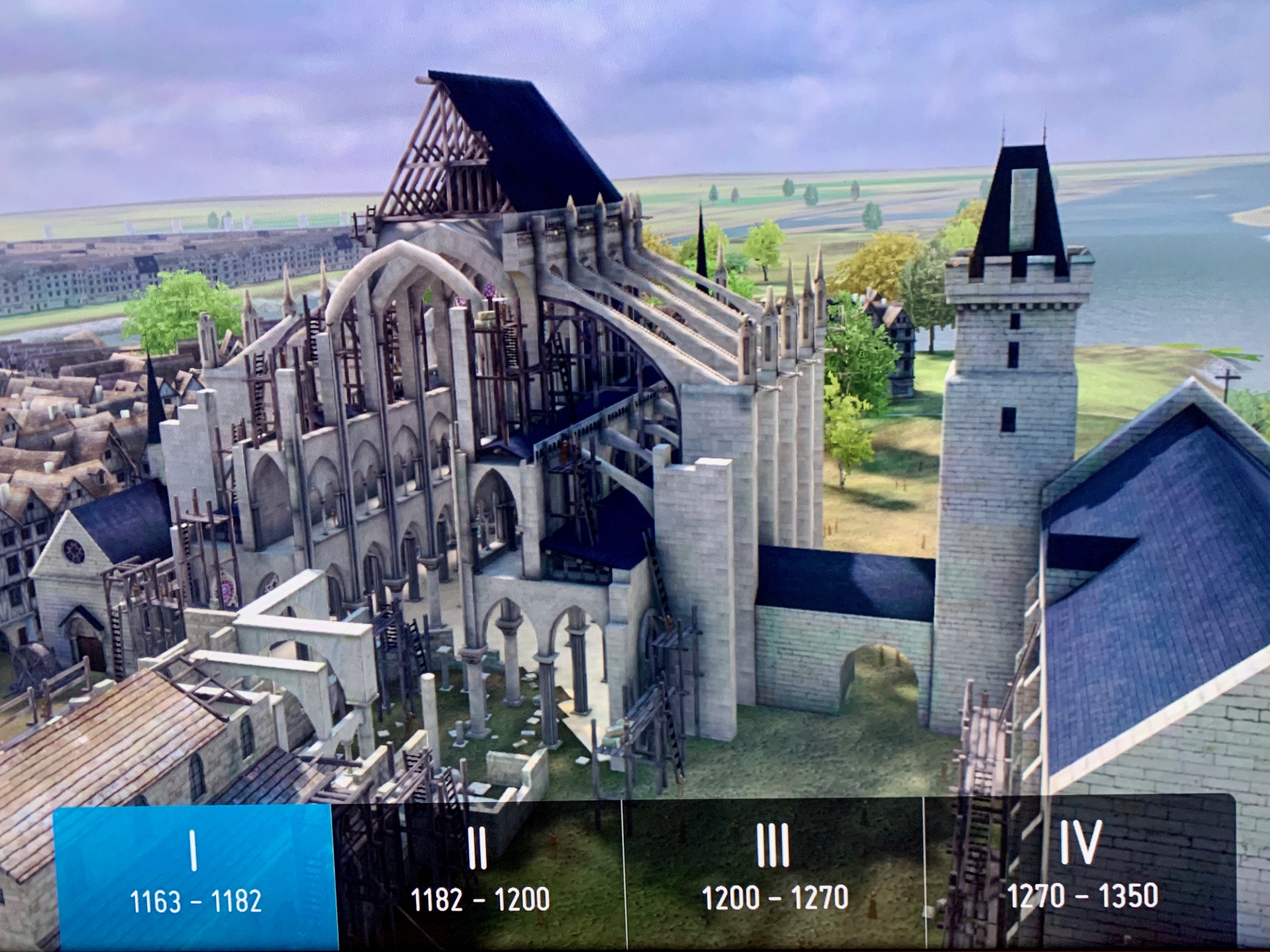
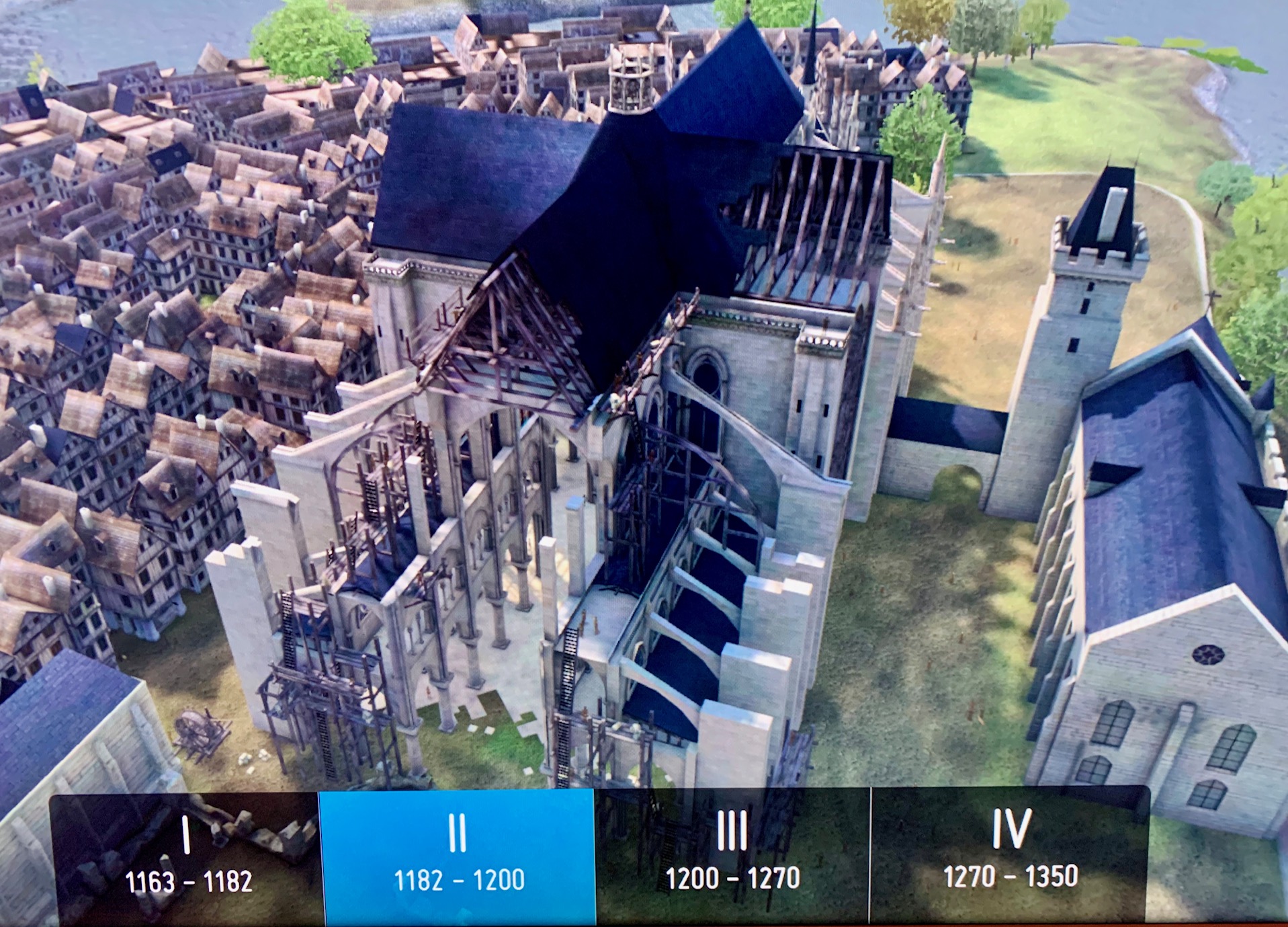
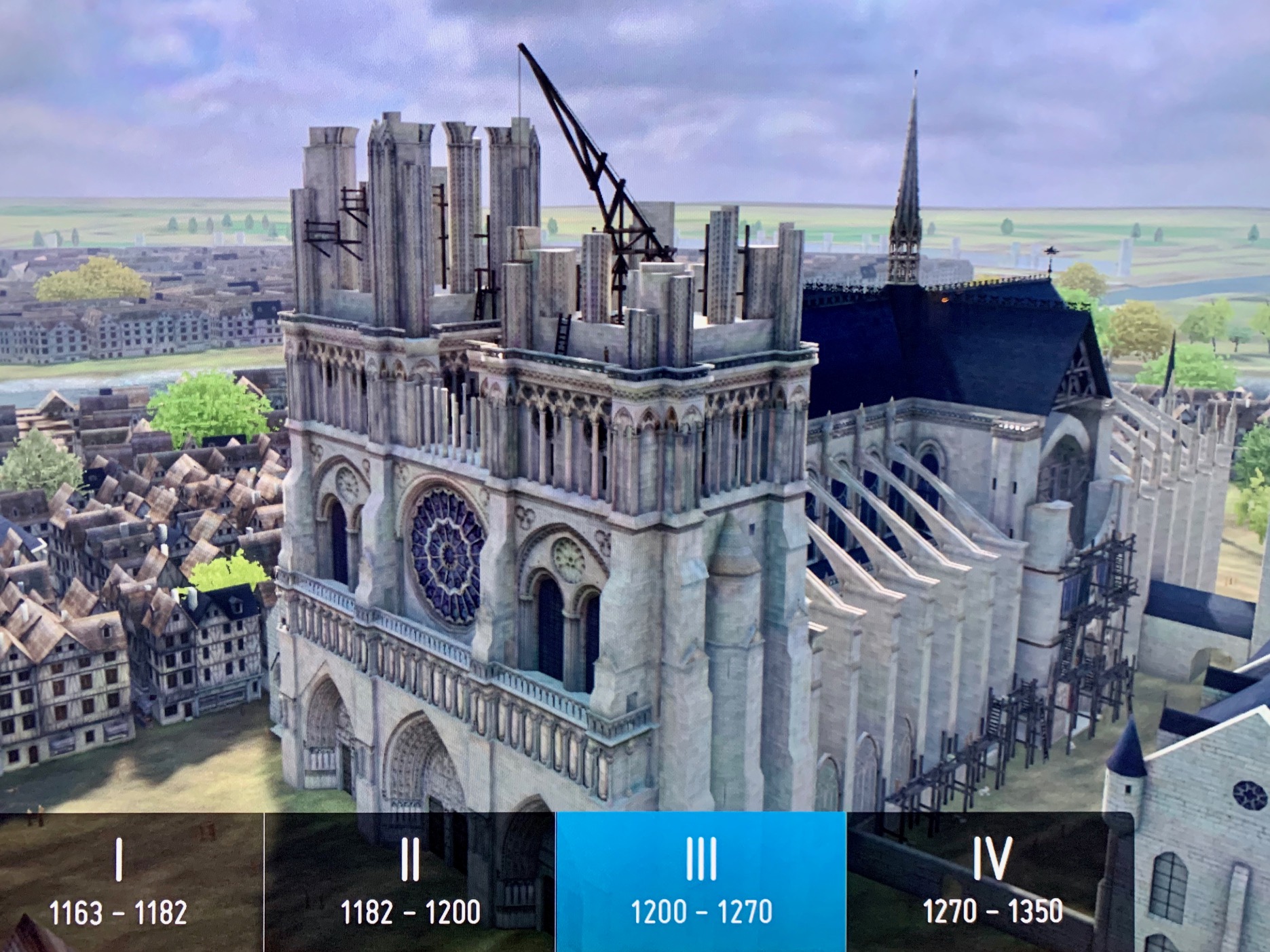
It was built between 1163 and 1345. 3D reconstructions show in detail how the work progressed.
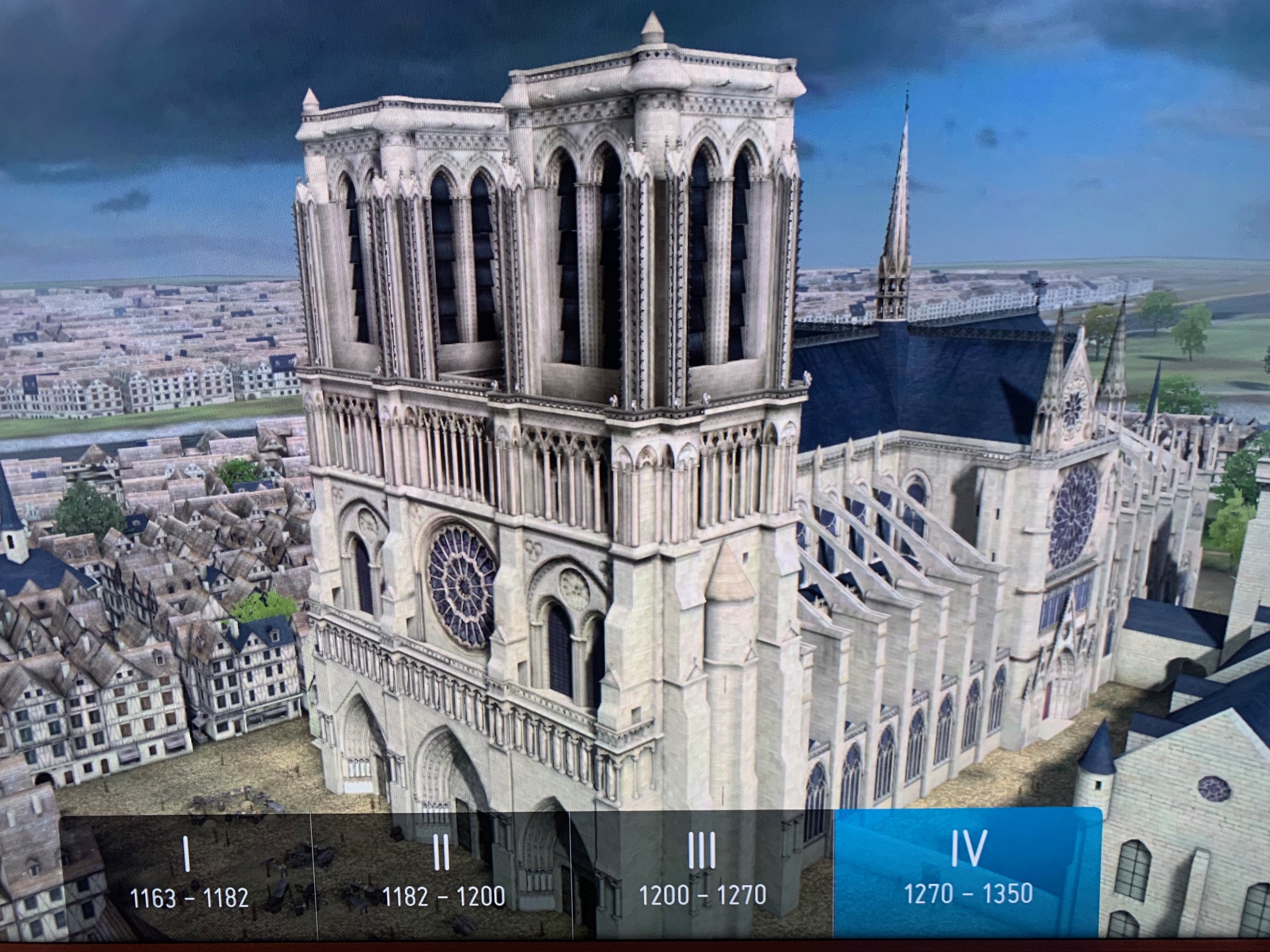
Over the following centuries, it was altered as fashions changed. But it was in the 17th and 18th centuries that it was damaged and mutilated. The spire, which dated back to 1250, was taken down in 1786. The gargoyles were removed, and the statues of the kings were destroyed.
The French Revolution turned it into a Temple of Reason. It wasn’t returned to Catholic worship until 1802. But by 1830, Notre-Dame de Paris was in serious disrepair and slated for demolition. Enter Victor Hugo.
When Victor Hugo Saved Notre-Dame de Paris
When he wrote The Hunchback of Notre-Dame, Victor Hugo already cared deeply about what was left of “old France”. In his novel, the cathedral is the main character.
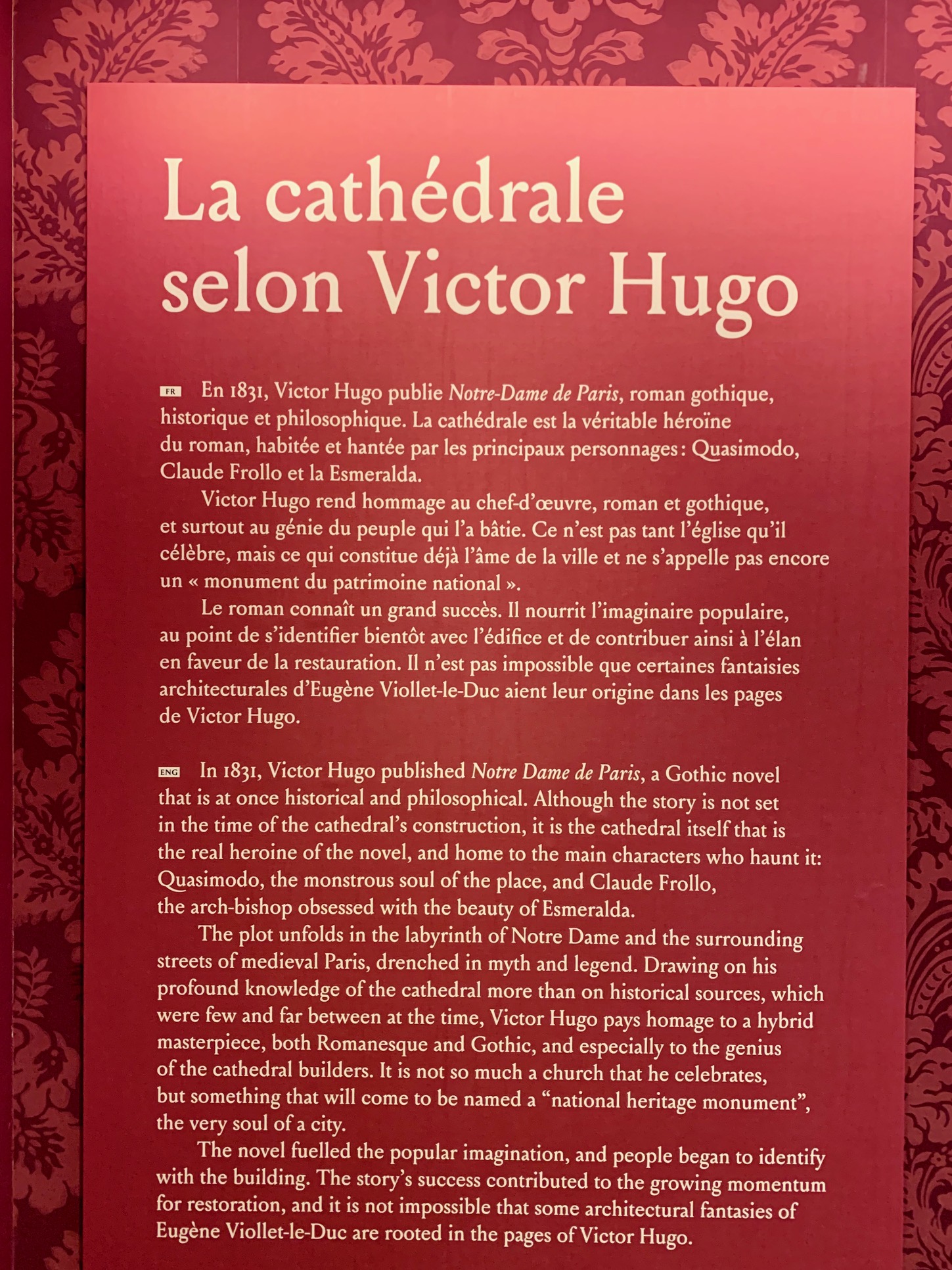
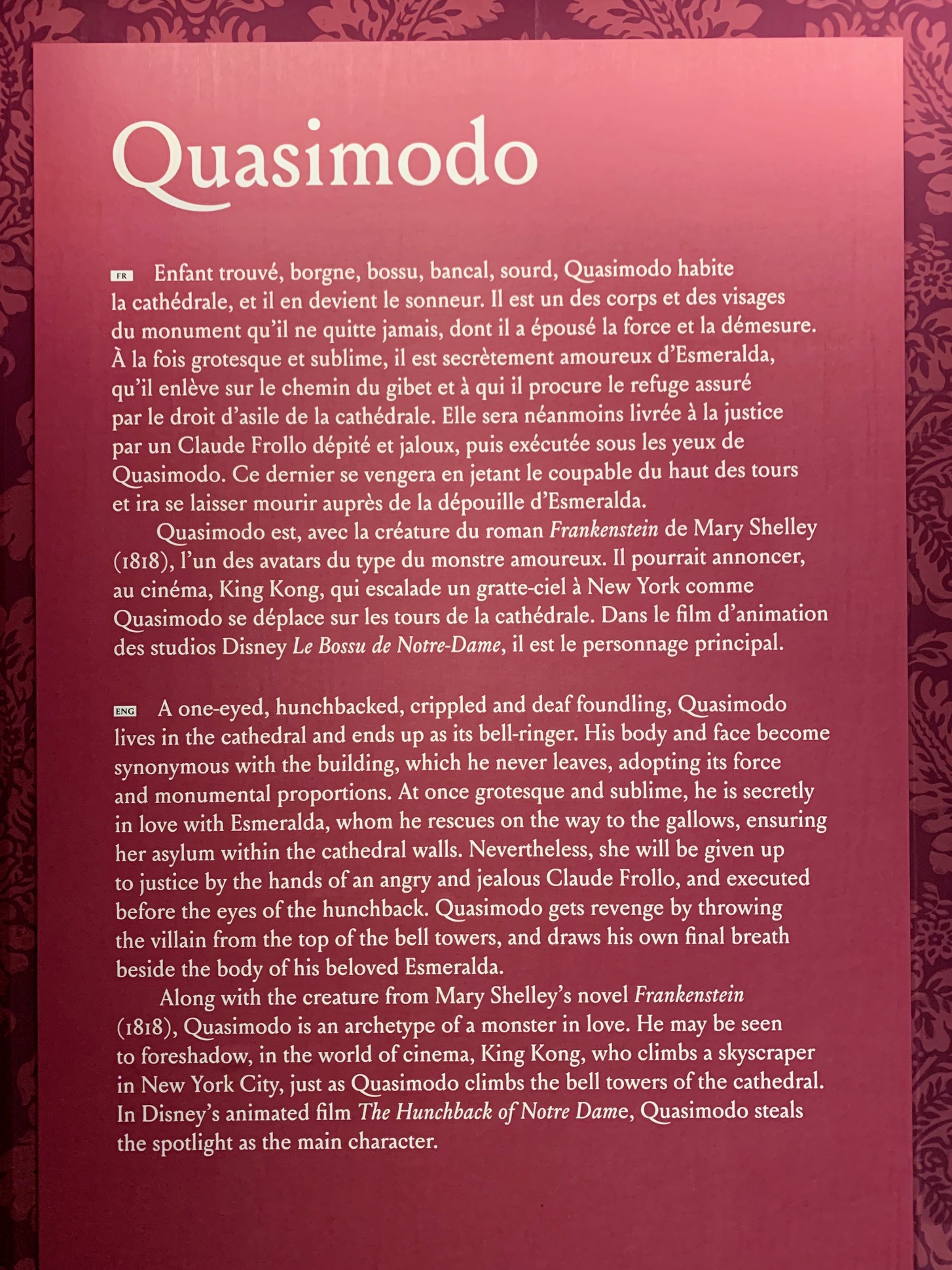
Of course, there’s the now-famous Quasimodo, not to mention “La Esmeralda.”
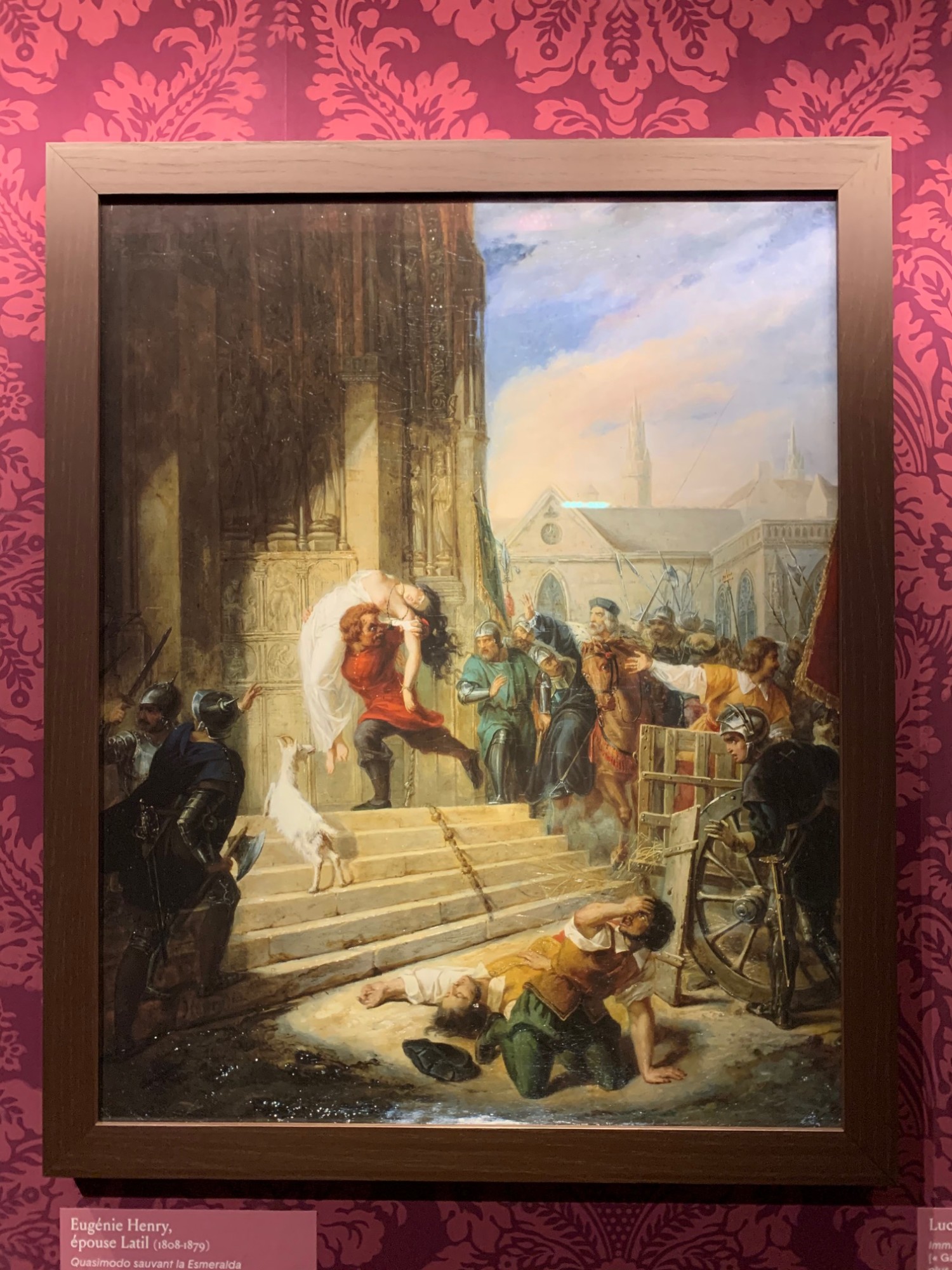
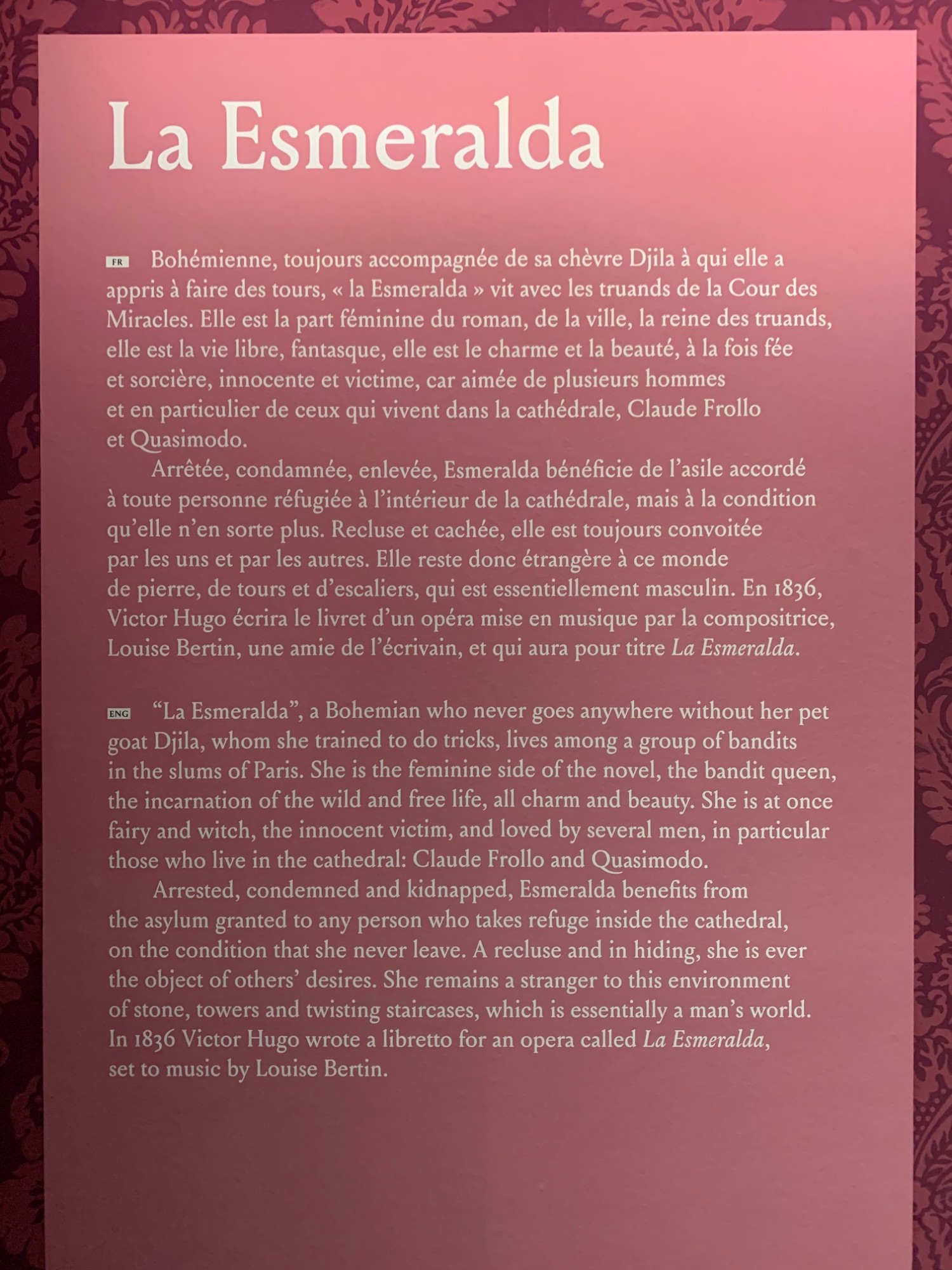
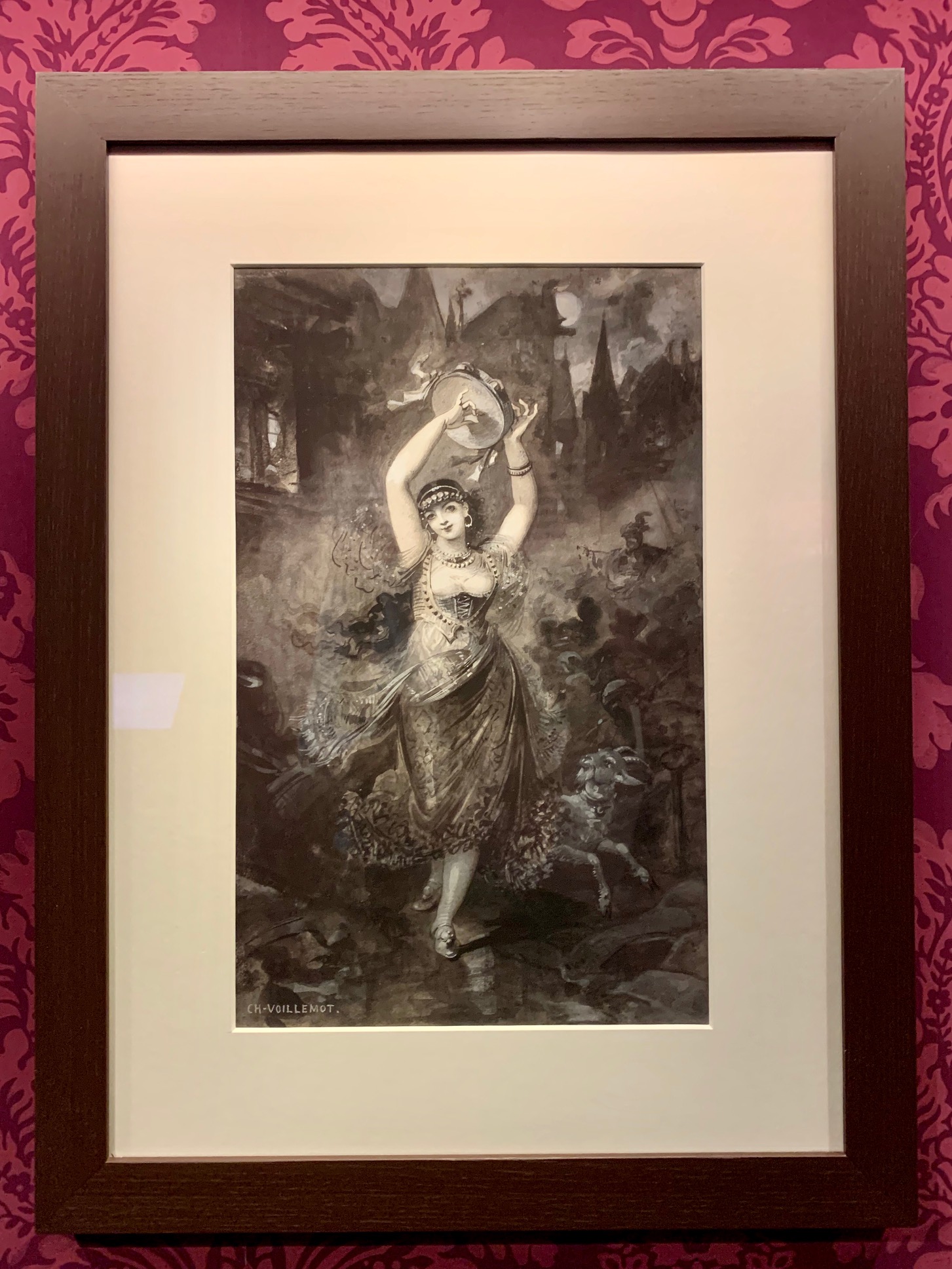
But the cathedral is at the heart of the plot, of the whole story. Thanks to Victor Hugo, a cathedral became a national monument. In his book, its presence is felt above all across Paris. Fiction became reality, and the cathedral became an enduring symbol of the capital.
And What About Eugène Viollet-Le-Duc?
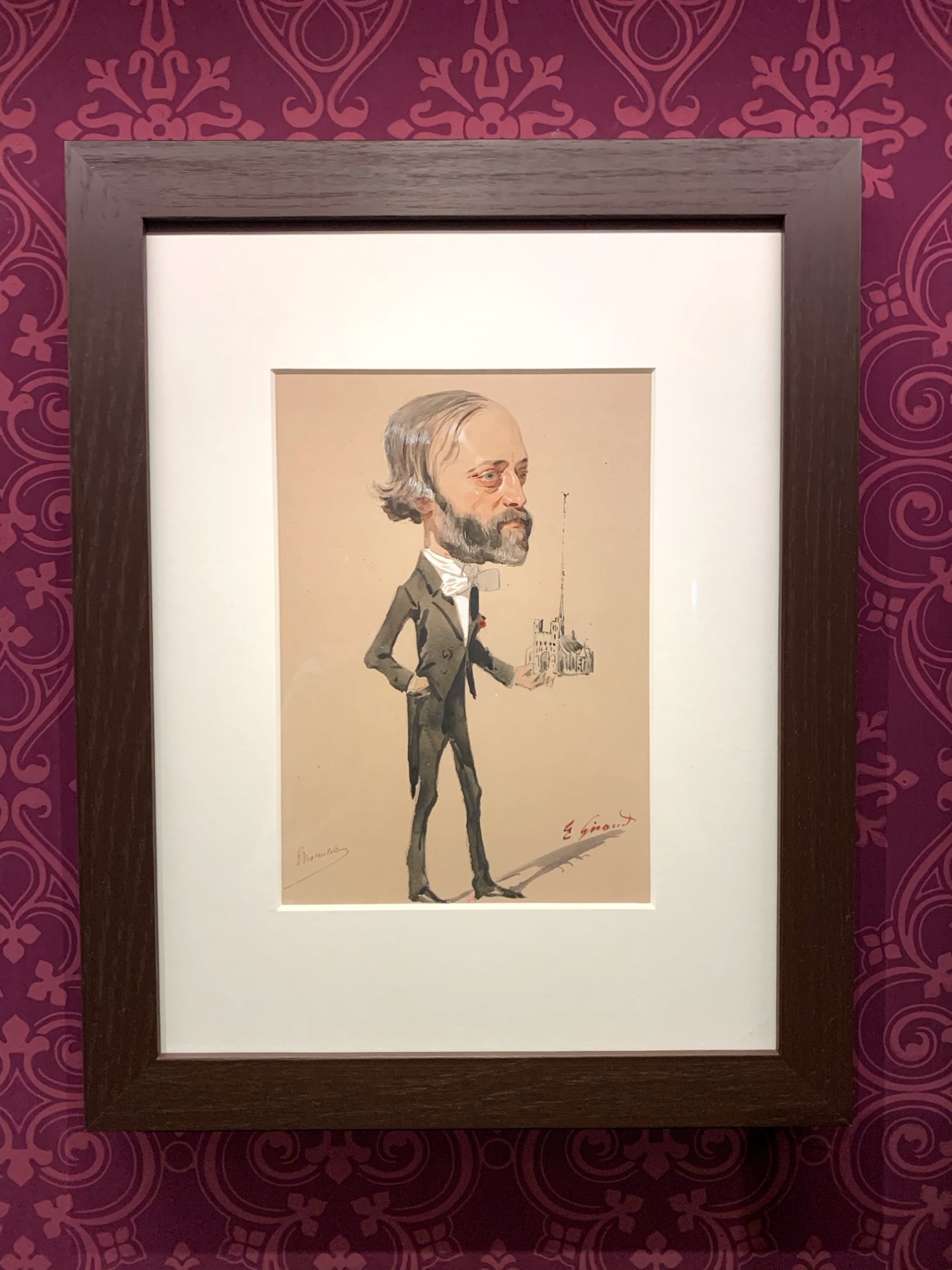
After The Hunchback of Notre-Dame was published in 1831 and caused such a stir, plans to demolish the cathedral were dropped for good. Eugène Viollet-Le-Duc became the lead architect in charge of the restoration.
He oversaw all the work, from repairing the building’s structure to completely reassembling the great south rose window.
He used to say…
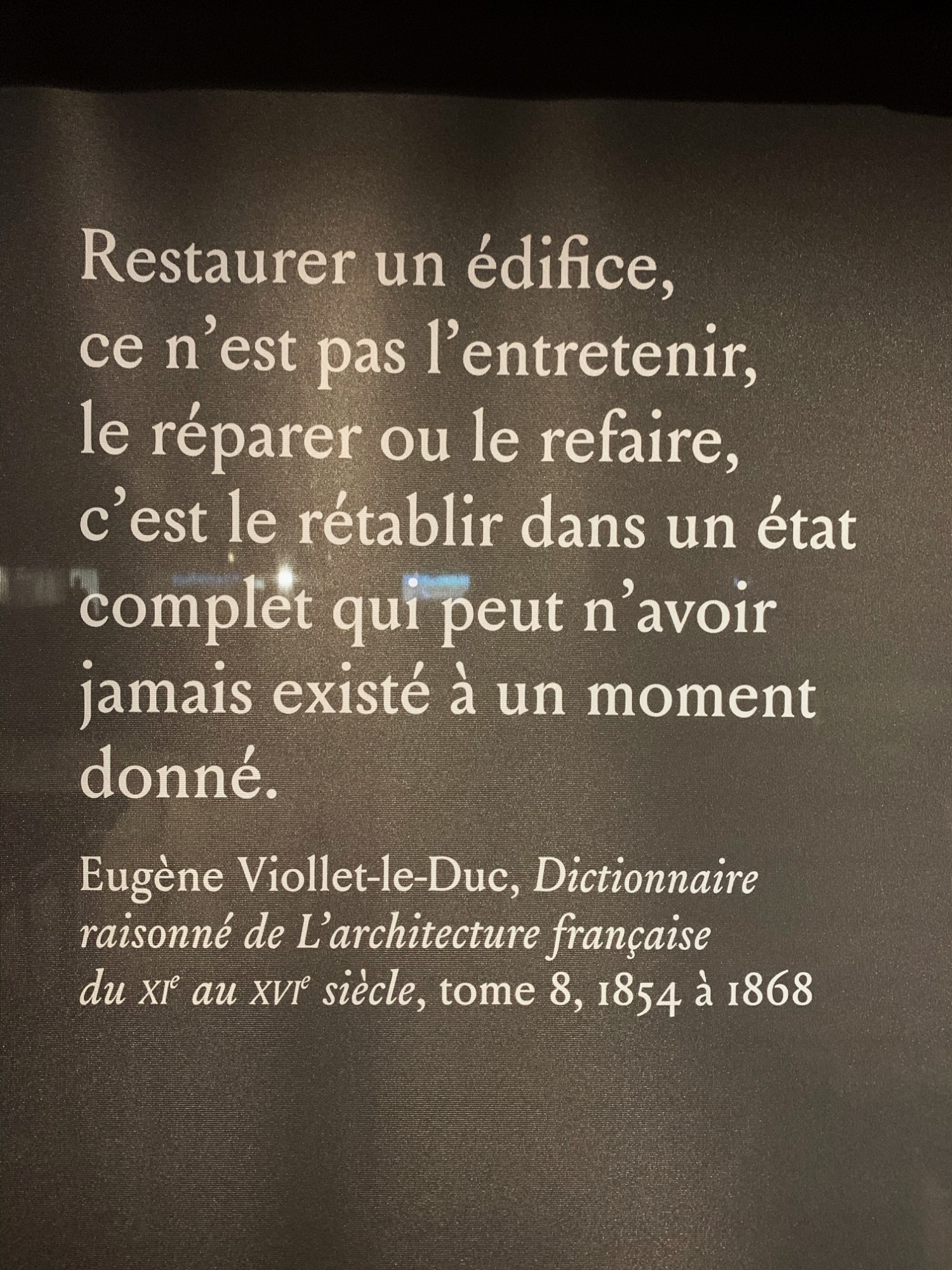
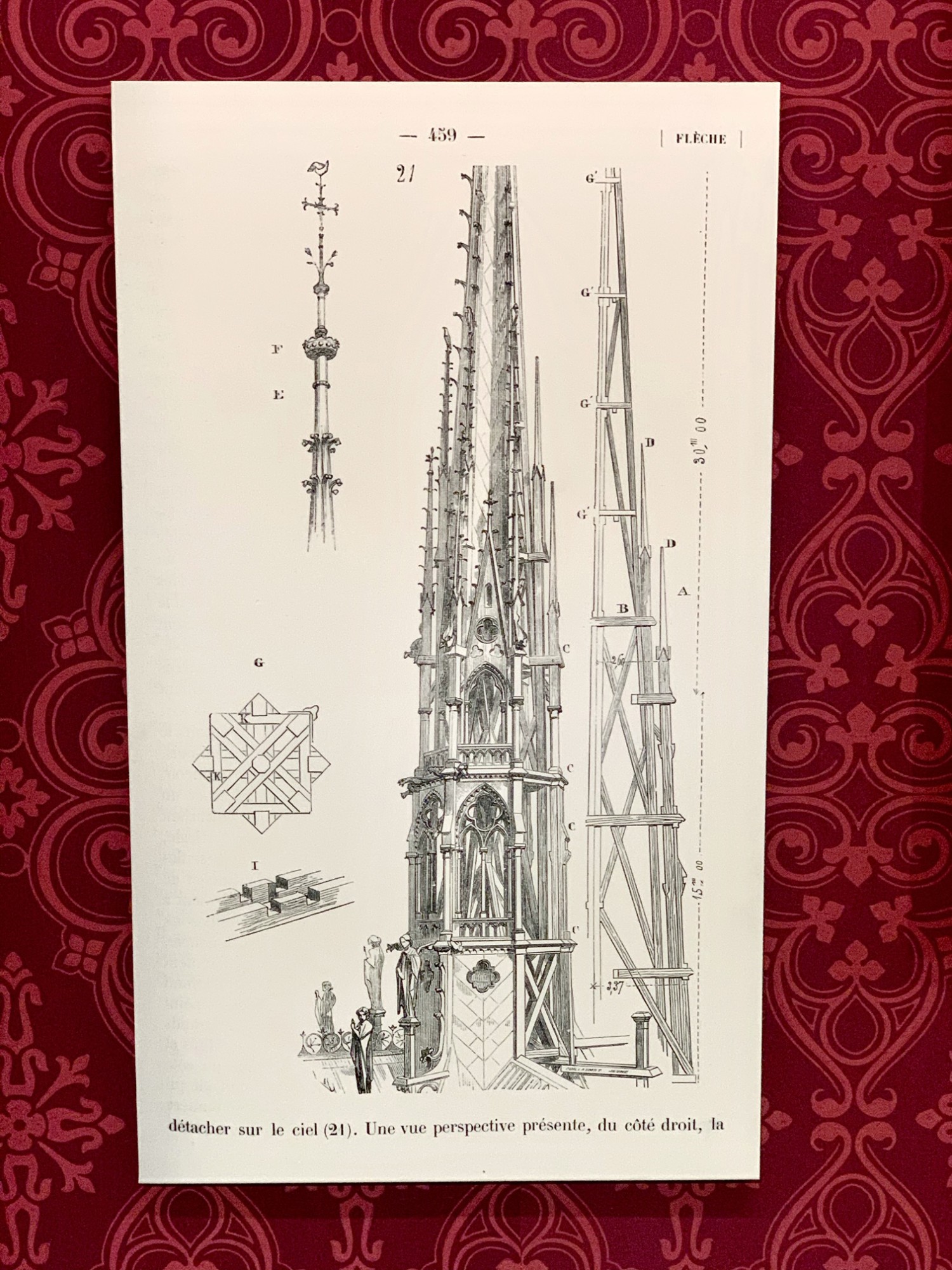
And yet he was the one who suggested rebuilding the spire, making it bigger and more spectacular.
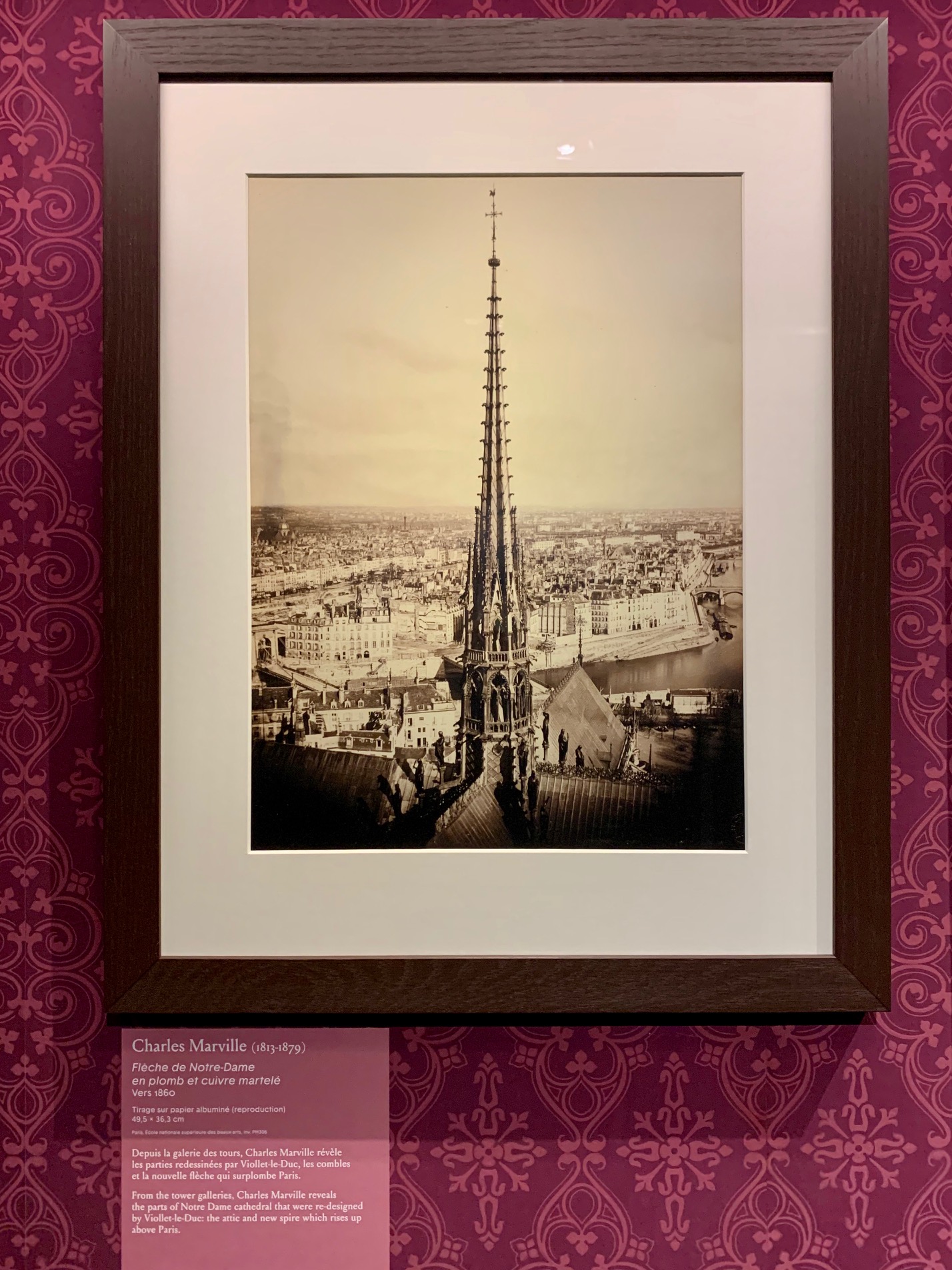
The restoration of Notre-Dame coincided with the birth of photography. So the work was extensively documented by photographers who captured every stage. The cathedral would continue to fascinate some of the greatest photographers over the centuries.
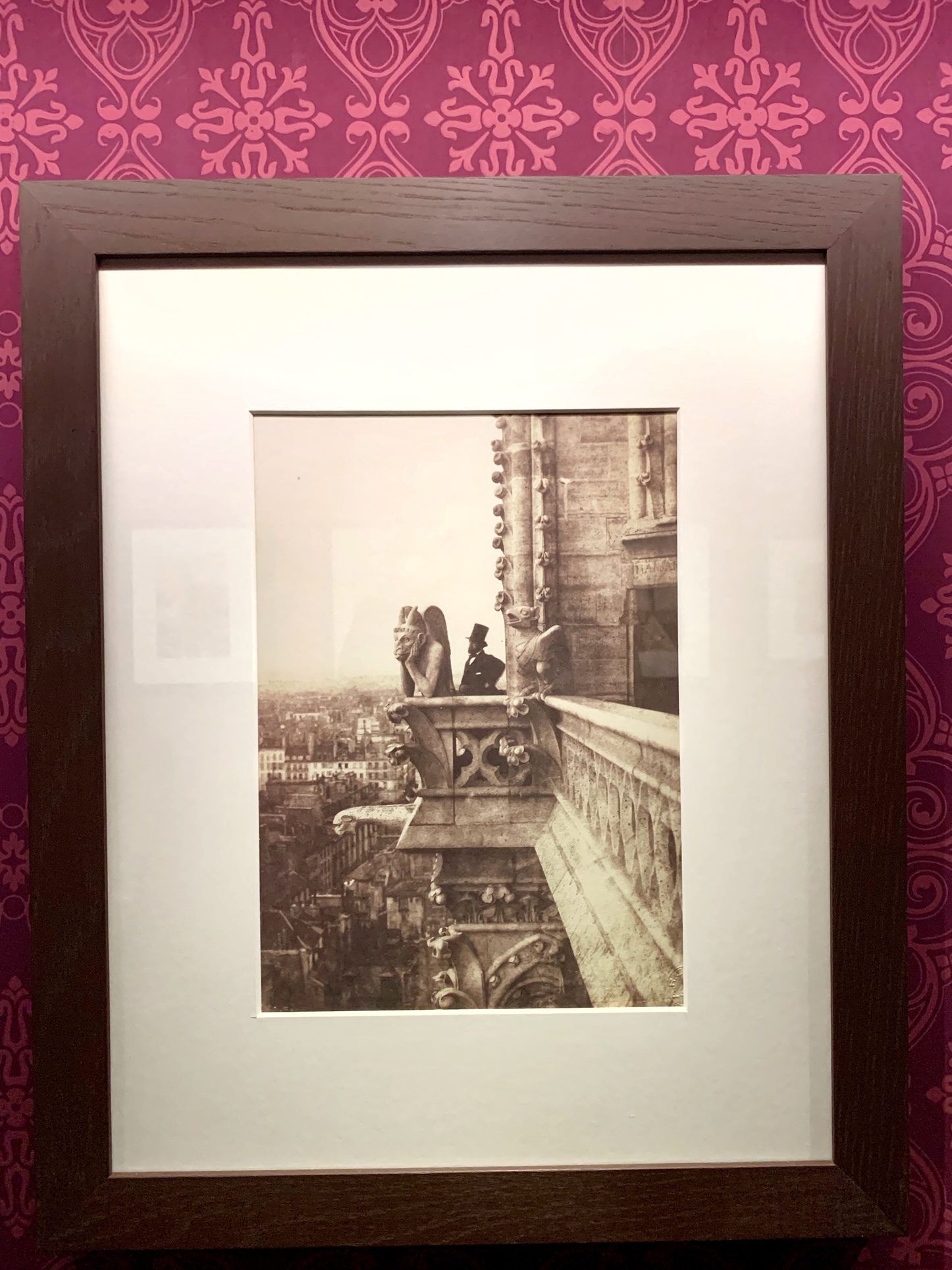
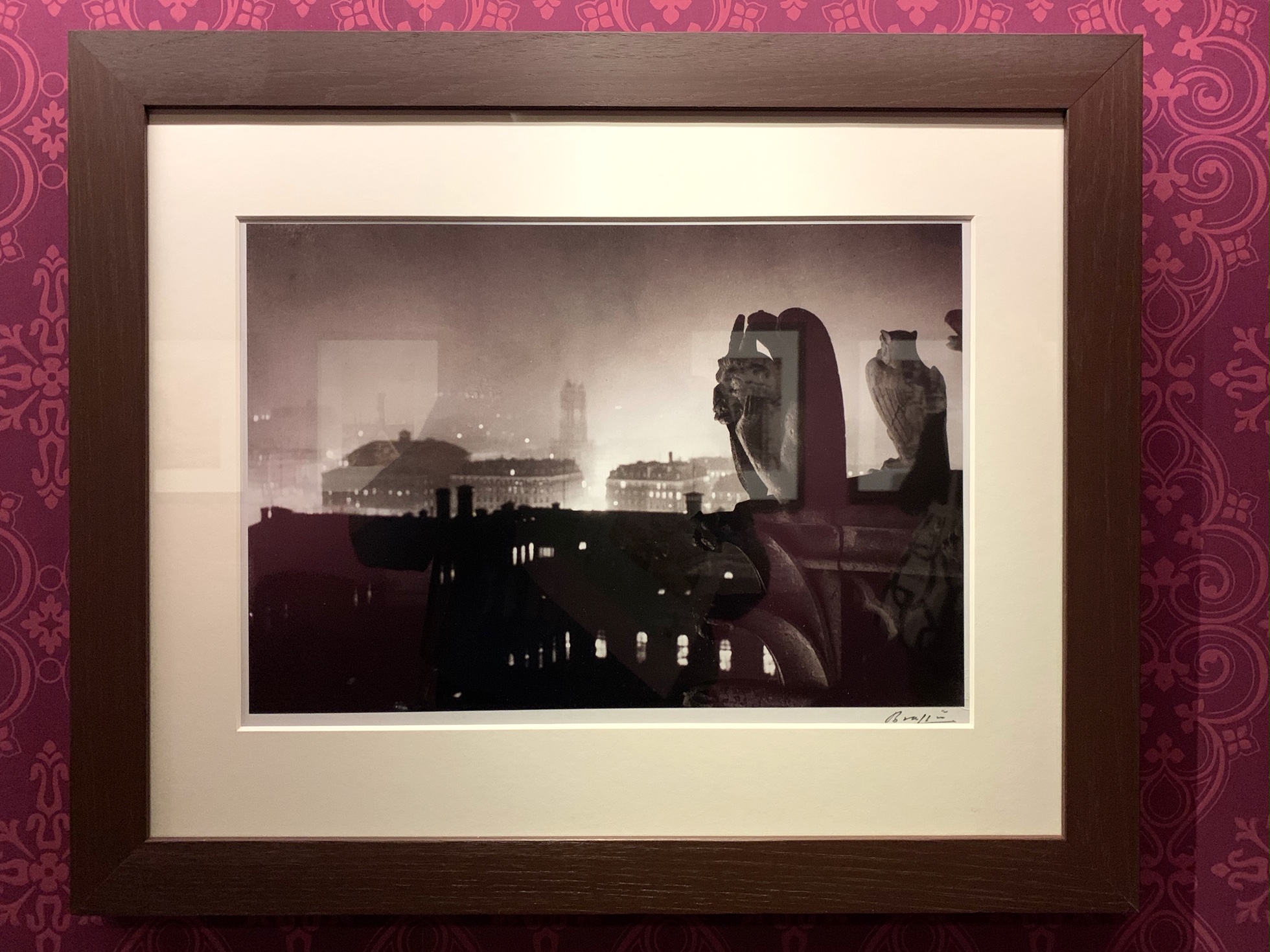
And that fascination with the cathedral is still going strong today!
It’s now been more than a year since that terrible fire at Notre-Dame de Paris. After much back-and-forth, the decision was made to rebuild the spire exactly as it was under Viollet-le-Duc. But the question remains: what would he have decided to do?
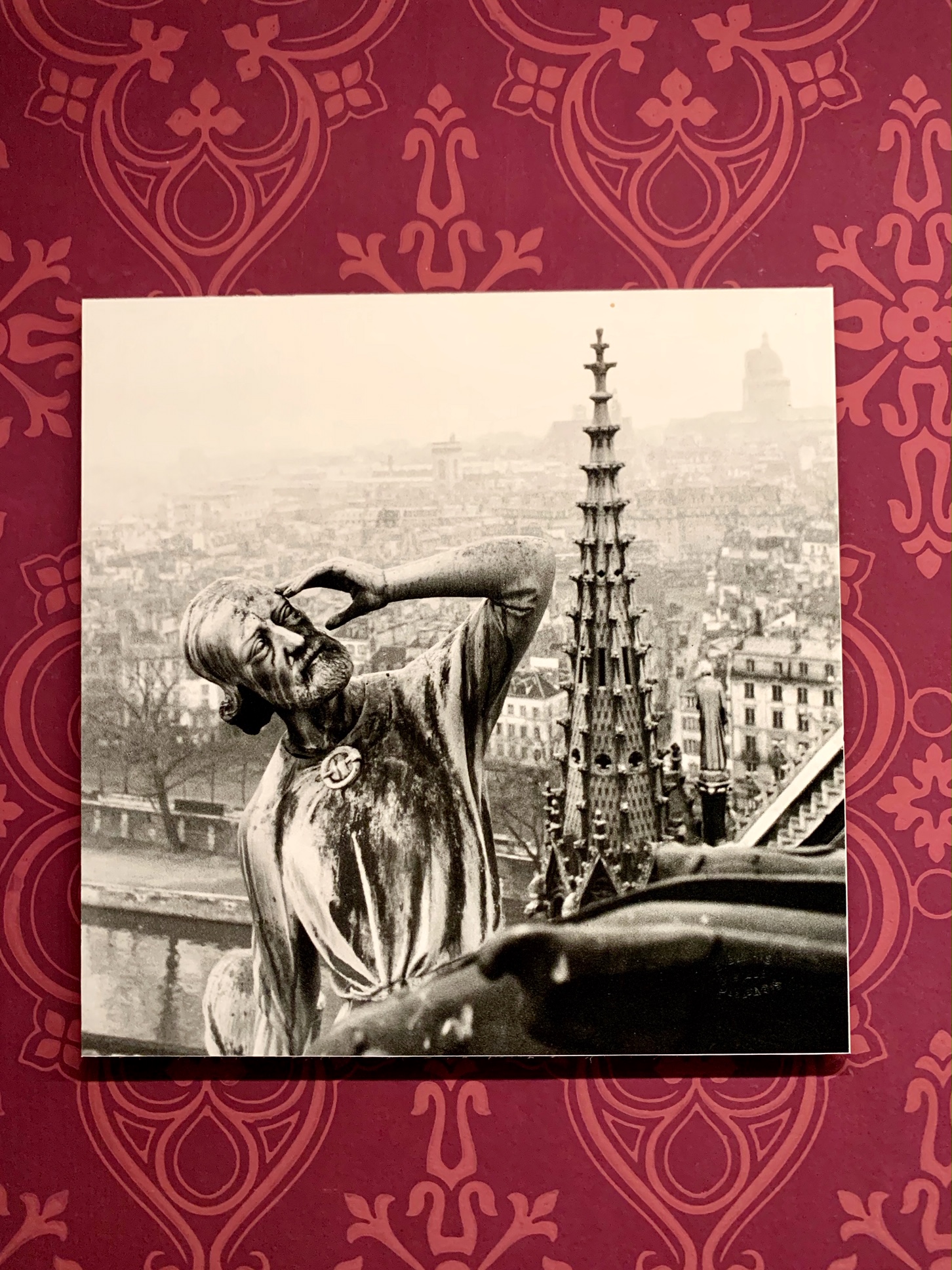
Exhibition: Notre-Dame de Paris, From Victor Hugo to Eugène Viollet-le-Duc
Starting September 9
Archaeological Crypt of the Île de la Cité
7, place Jean-Paul II
Parvis Notre-Dame
75004 Paris
Phone: 01 55 42 50 10
Book at https://www.crypte.paris.fr/