We left off in the 3rd century, when barbarians from the north forced the inhabitants of Lutèce to leave the Left Bank and take refuge on l'Ile de la Cité, making sure to destroy all the bridges. What happened next? What became of the island?
L'Ile de la Cité: Paris’s First City Wall
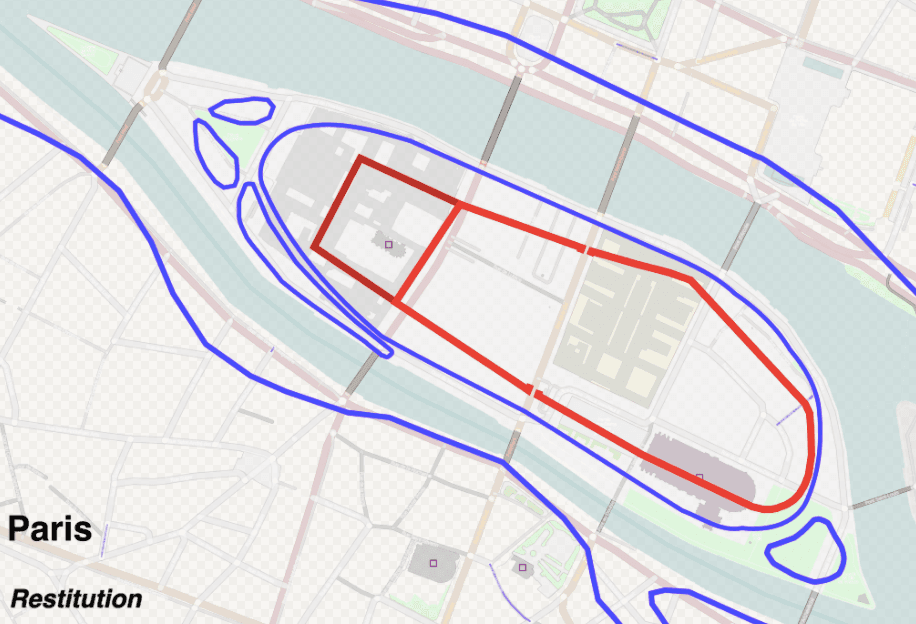
So it was in the early 4th century that the inhabitants protected the eastern part of the island with a stone wall. Two meters thick, it was built about 30 meters from the banks of the Seine.
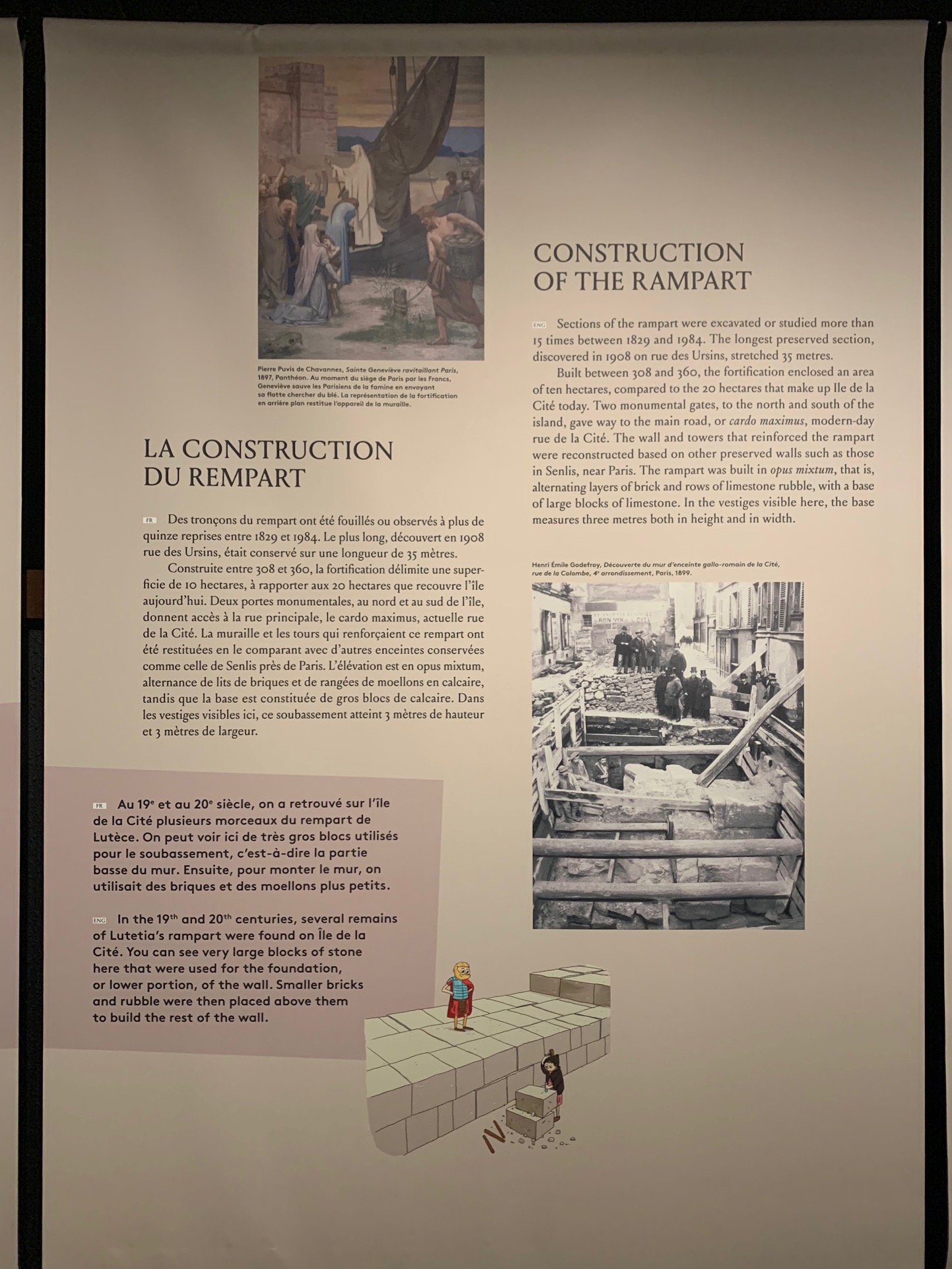
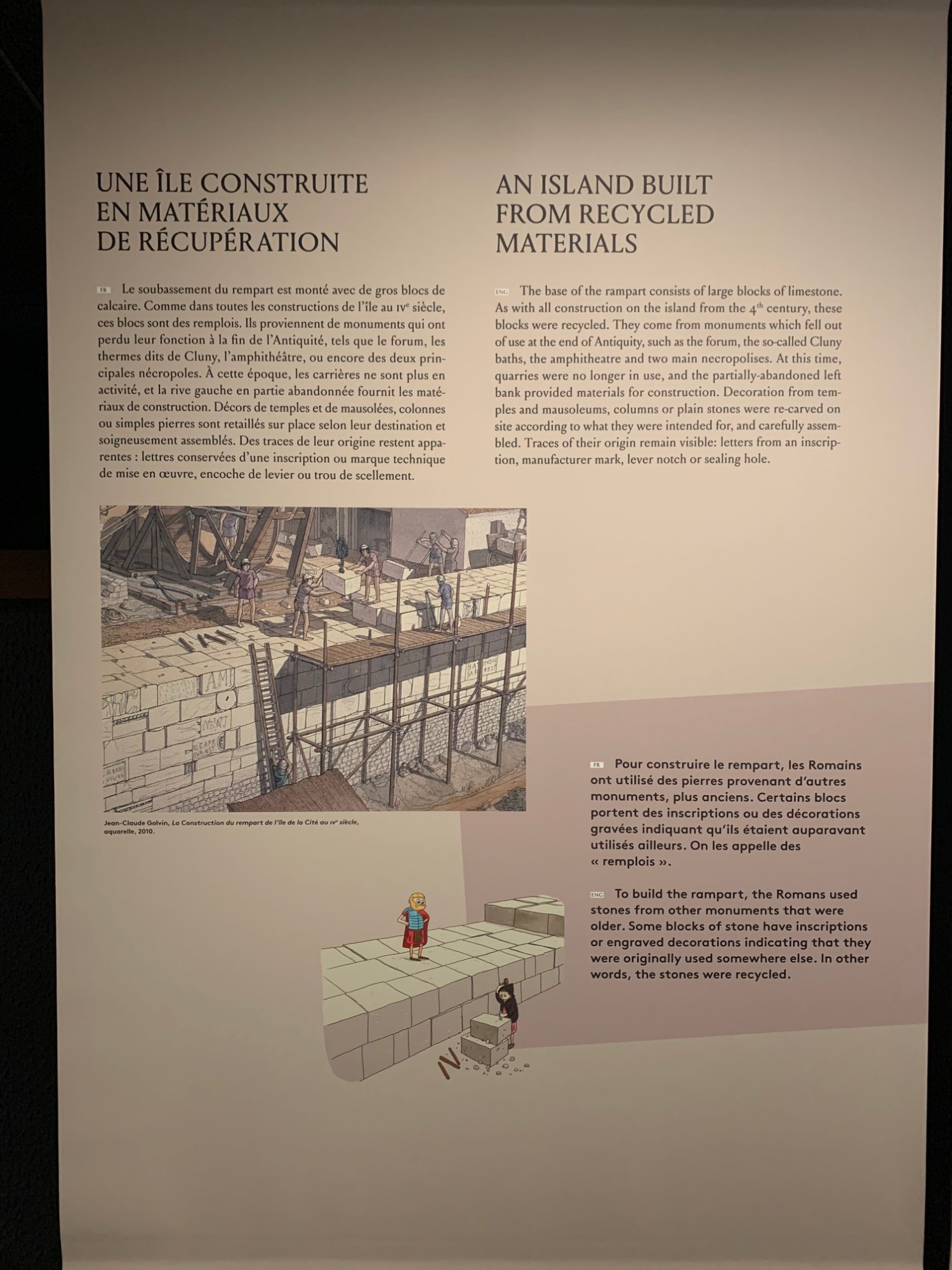
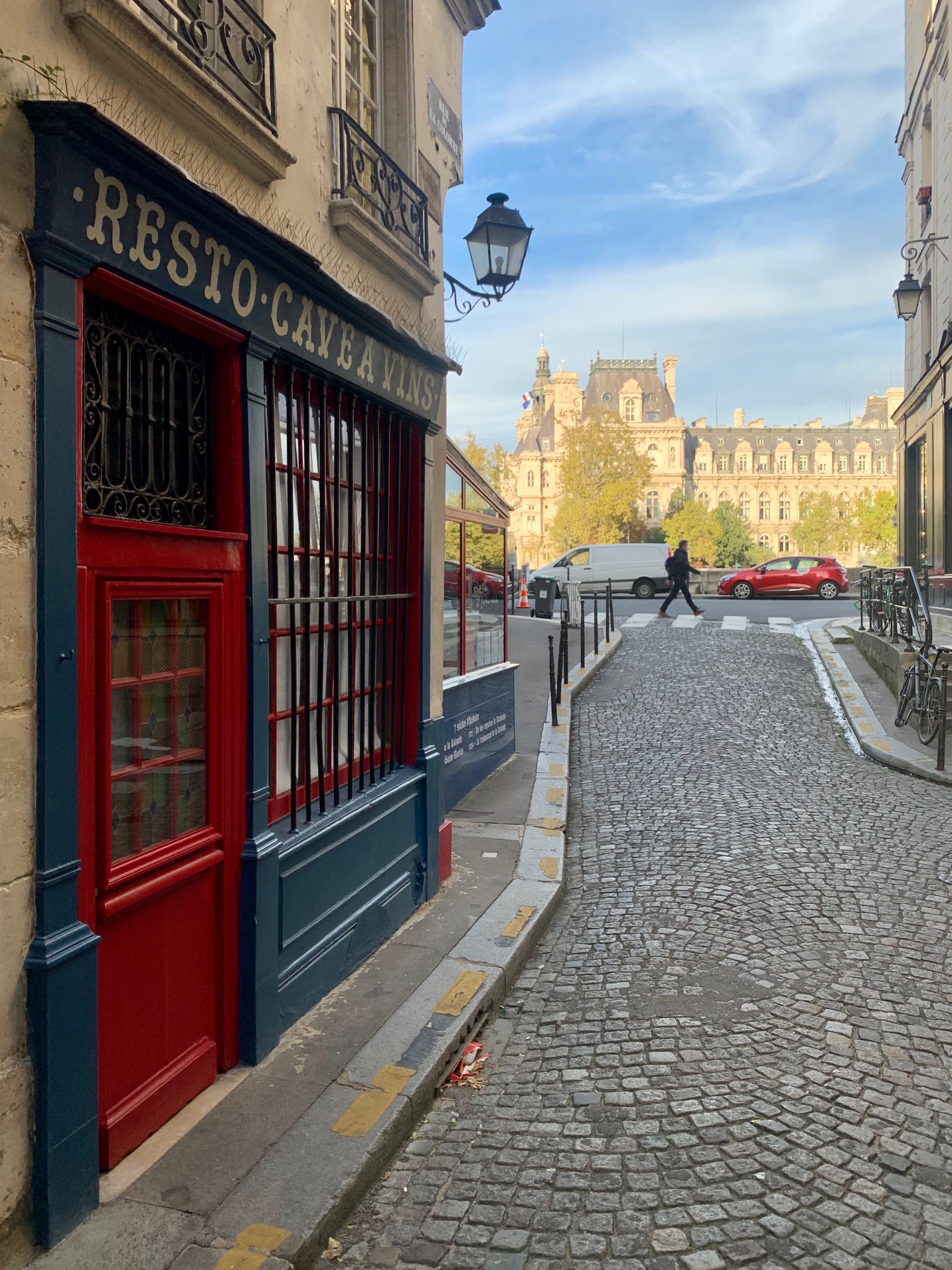
And, as was typical at the time, the stone blocks they used were what’s known as “spolia.” In other words, they reused materials from abandoned buildings on the Left Bank. So old temple decorations, sections of columns, and recut stones all went into building the wall. To get a better sense of where it ran, start on rue de la Colombe. Look down and you’ll see the outline of one section.

Let’s keep walking.
Keep going and take the street just to your right, rue des Ursins, and it feels like you’ve stepped straight into medieval Paris. You can also picture where the Gallo-Roman wall continued, since it followed the same route.
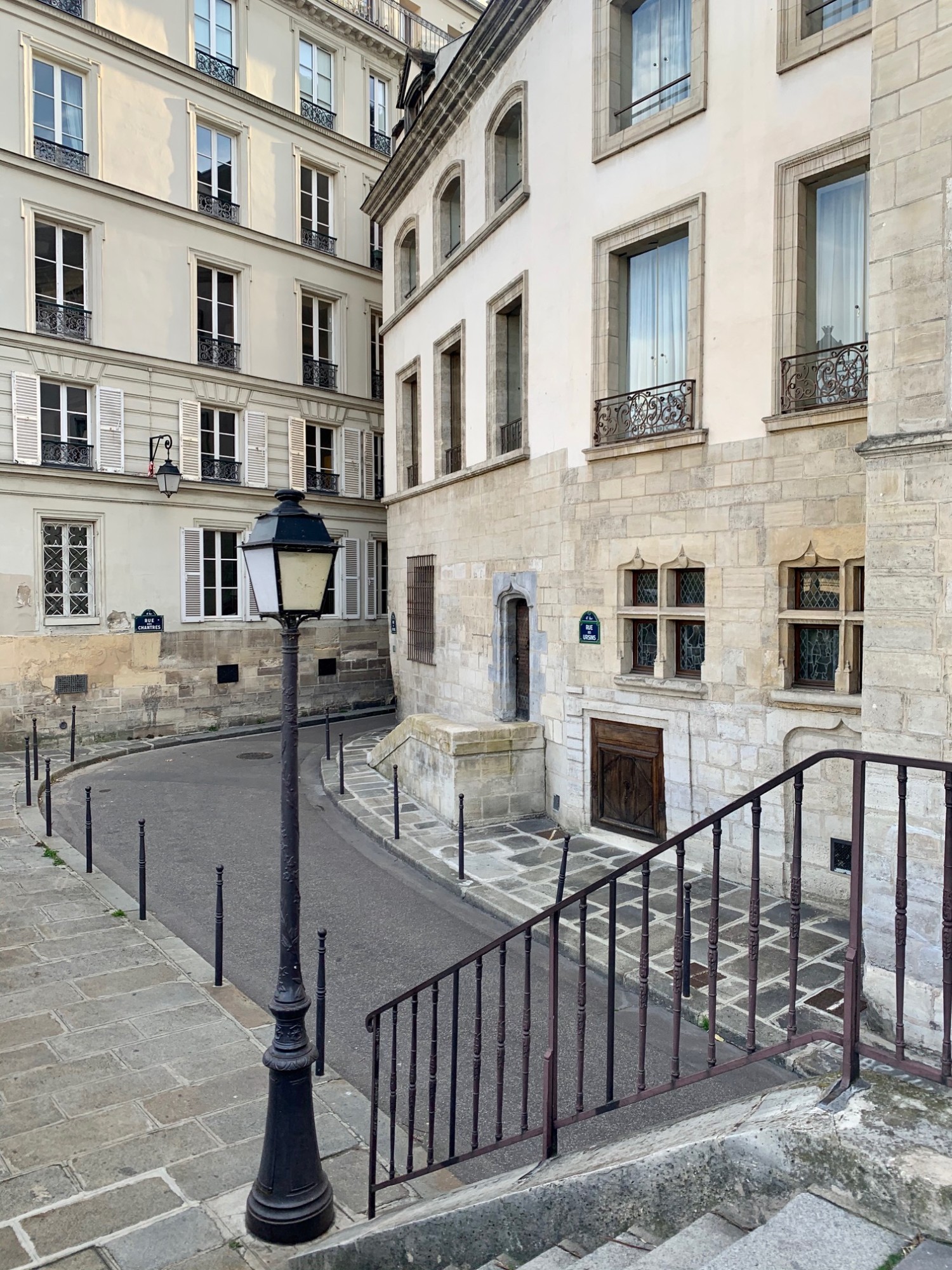
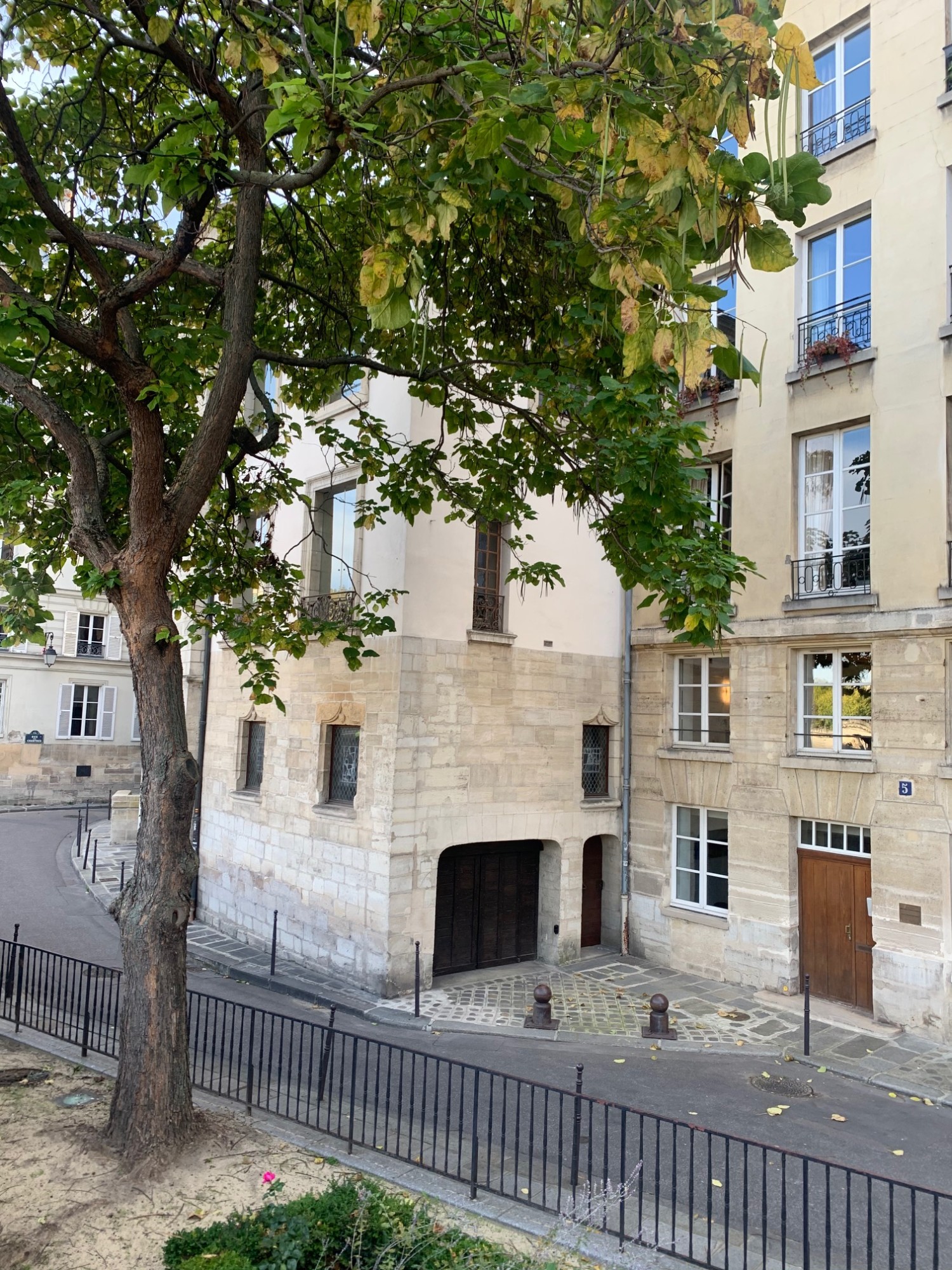
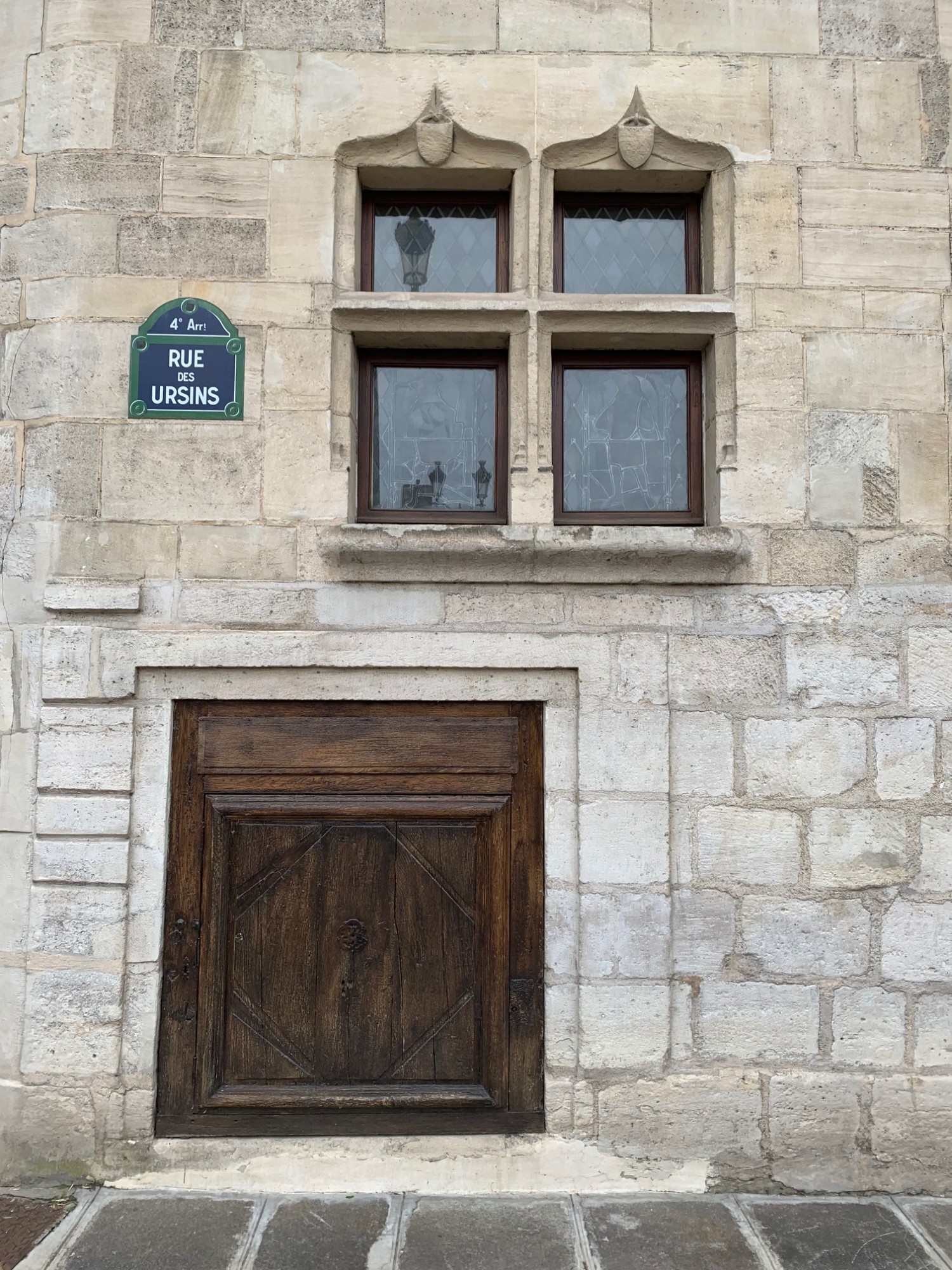
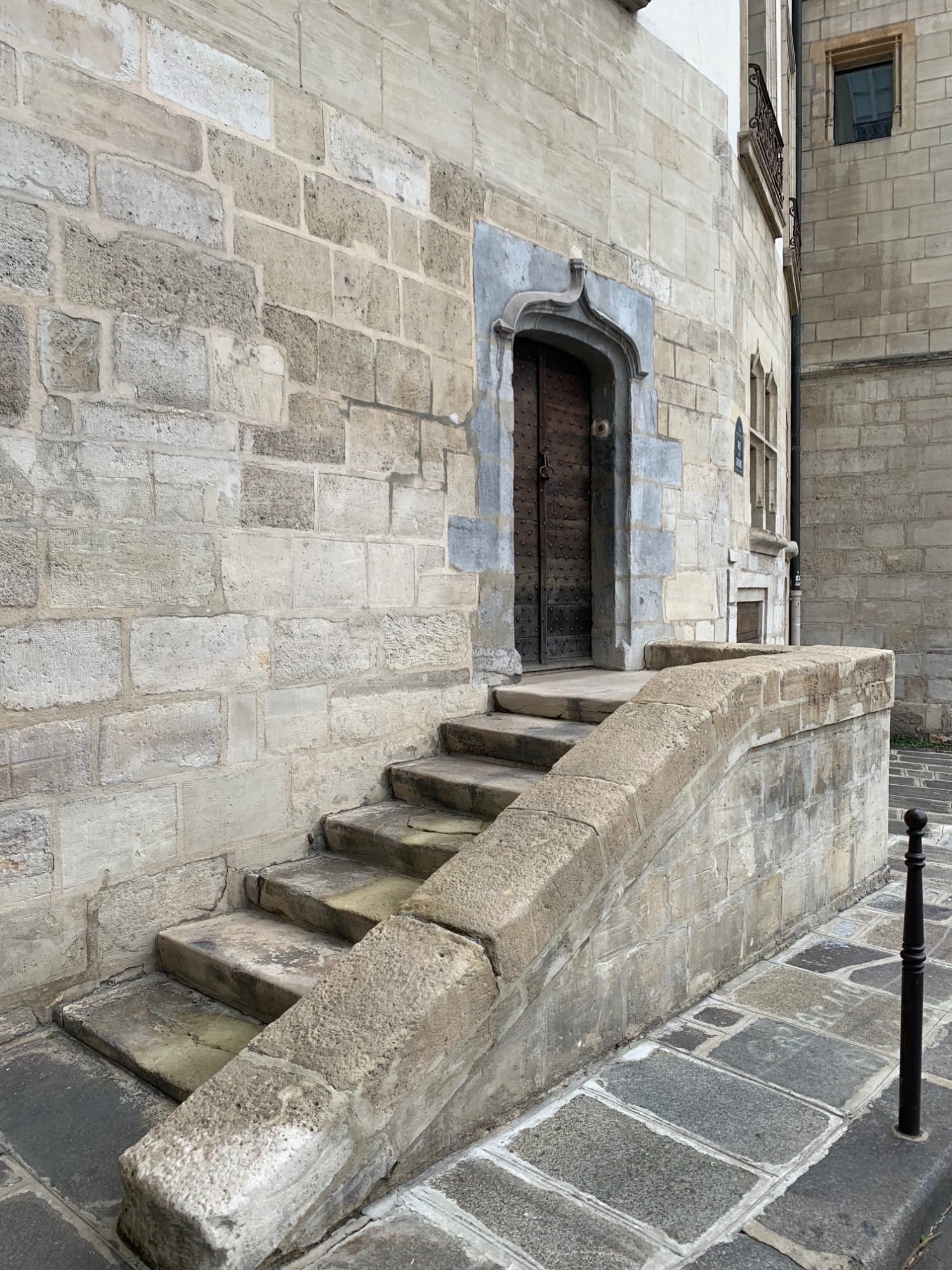
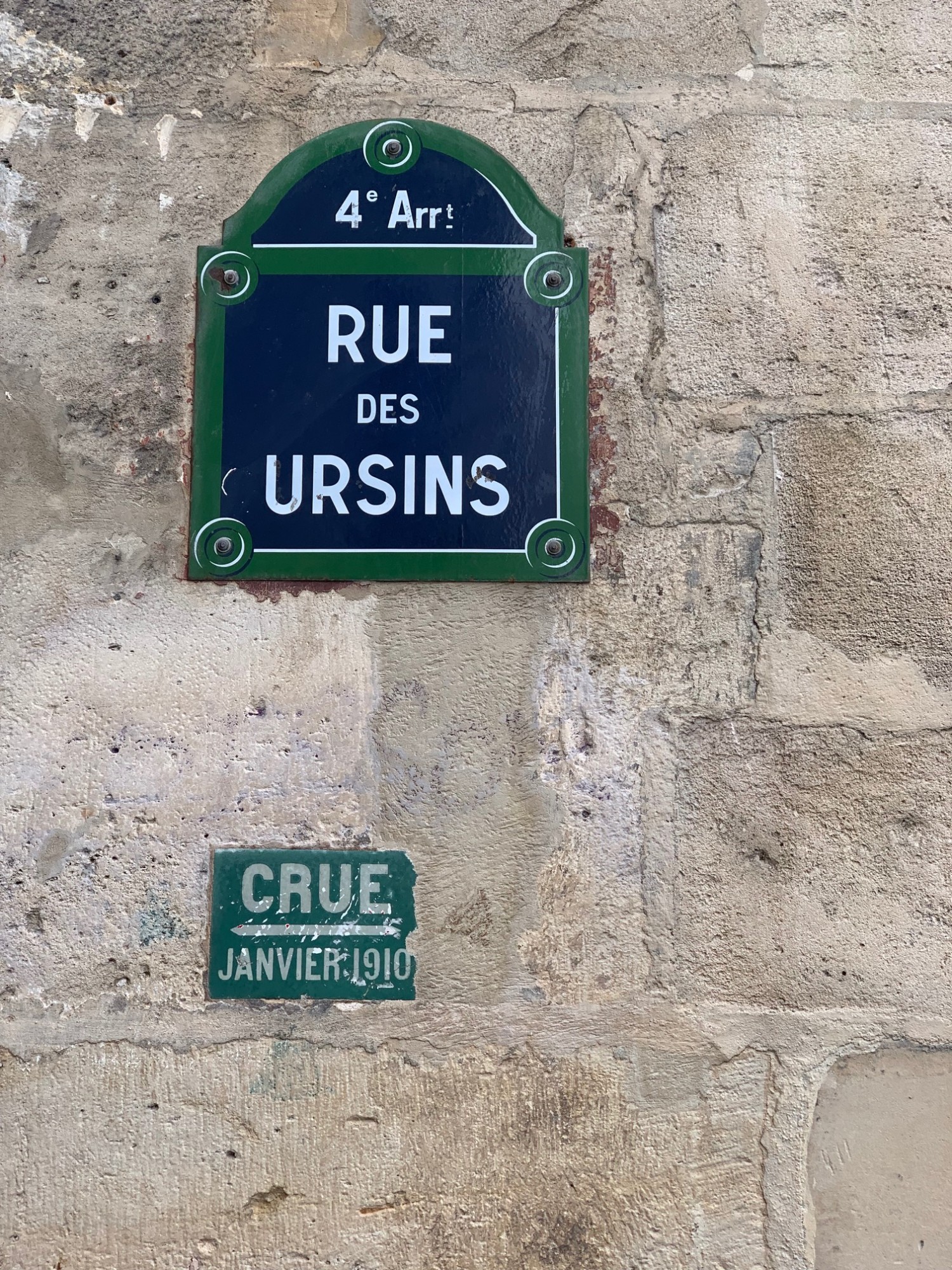
The gap between the wall and the Seine left room for a patrol path along the riverbank. And what better moat than the river itself!
We don’t know exactly when the wall came down. But the layout from Roman times survives to this day: on the west side of the island, the seat of power, and on the east side, faith. That’s because before Notre-Dame de Paris, another cathedral had already been built by Clovis, a recent convert to Christianity.
L'île de la Cité: The Age of Cathedrals
Today, Notre-Dame de Paris takes up all the space, not just on the island but in our collective memory, too. It was built in 1163, but it was simply taking the place of the cathedral that had paved the way: cathédrale Saint-Etienne.
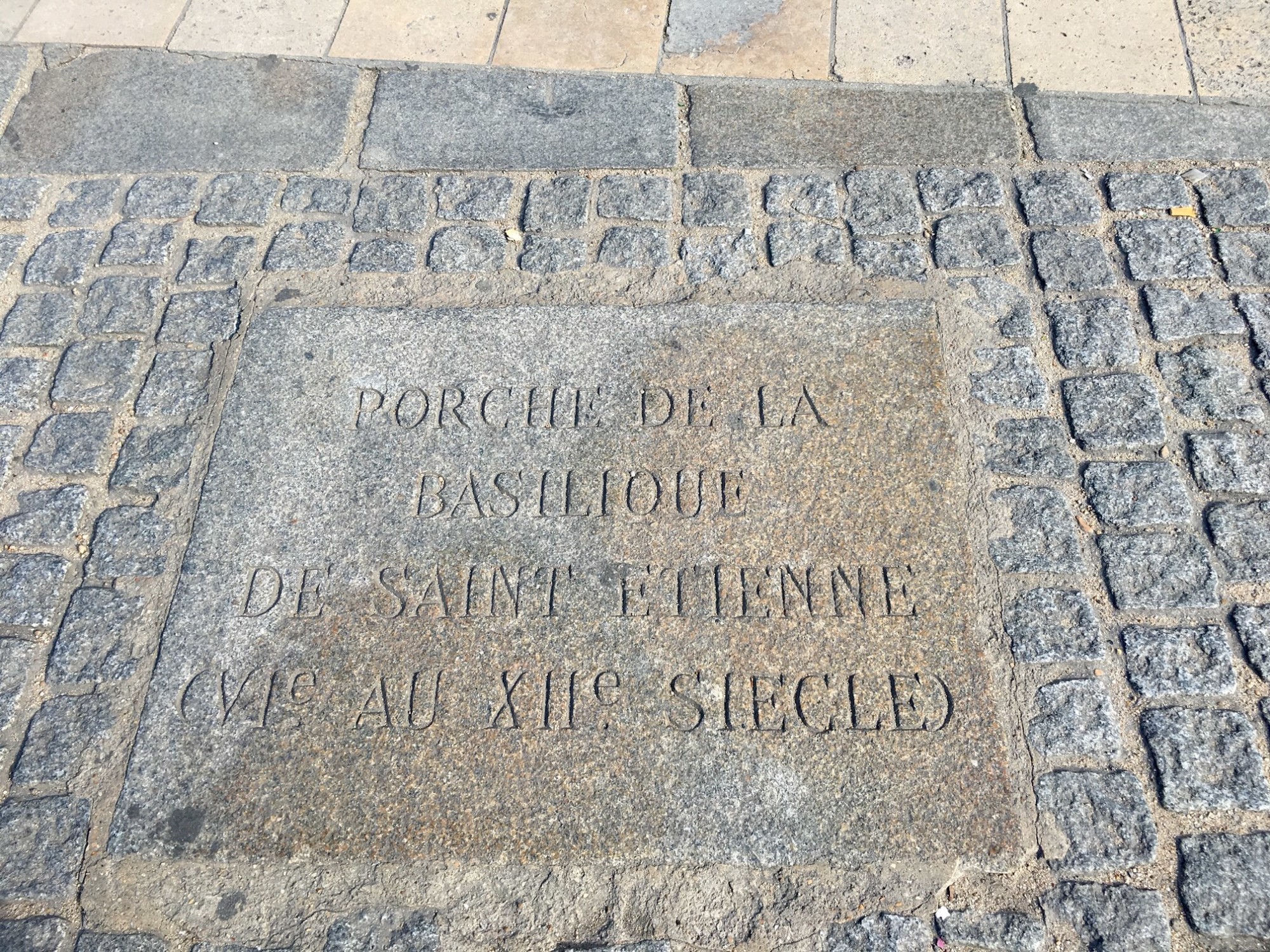
But how did Christianity take hold in Lutèce? We owe this upheaval to a duo: Clovis, king of the Franks, and a young woman who would become a saint: Sainte Geneviève. And let’s not forget the support of the king’s wife: Clotilde.
Unlike his wife, Clotilde, Clovis isn’t a Christian. But Geneviève lives in Lutèce, and the young king wants to make it his capital after his victory over the Huns. So the future saint insists on converting these pagans before she’ll let them into the city. And in 496, after his conversion and accession to the throne, Clovis makes Lutèce his capital. To mark the occasion, he renames the city Paris, after its original inhabitants, the Parisii.
Today, the cathedral of Notre-Dame de Paris is a vivid reminder of the legacy Sainte Geneviève left behind. As for Geneviève herself, she’s still keeping an eye out for the enemy from the pont de la Tournelle, where she stands in a statue by Paul Landowki. But there’s no photo to go with that last sentence: I really don’t think this stiff, soulless statue does justice to a young woman who gave herself heart and soul to protecting the city and its people!