Well, it’s official: season 2 starts today. Paris is back in lockdown. For season 1, I used my blog as a “personal diary.” For season 2, I’m changing things up. Paris will be in the spotlight, and this time I’ll be exploring its history. That’s the upside of living in a city with such a rich and varied past.
Lockdown in Paris – In the Beginning, There Was…
Before you set out on a journey, you need to know where you’re starting from. And with Paris, it all starts in Lutèce. It was in 51 BC that we first hear of a city Caesar calls Lutèce in his book The Gallic War. This oppidum (fortified town) was then home to a Gaulish people: the Parisii. But the town soon disappears in a fire set by its own inhabitants, who are determined to keep it from falling into Roman hands at all costs. It’s barely made it into the record before it vanishes, and yet we’ll never forget it. Nor will we forget its inhabitants, who would never know that they gave the city the name it still bears today.
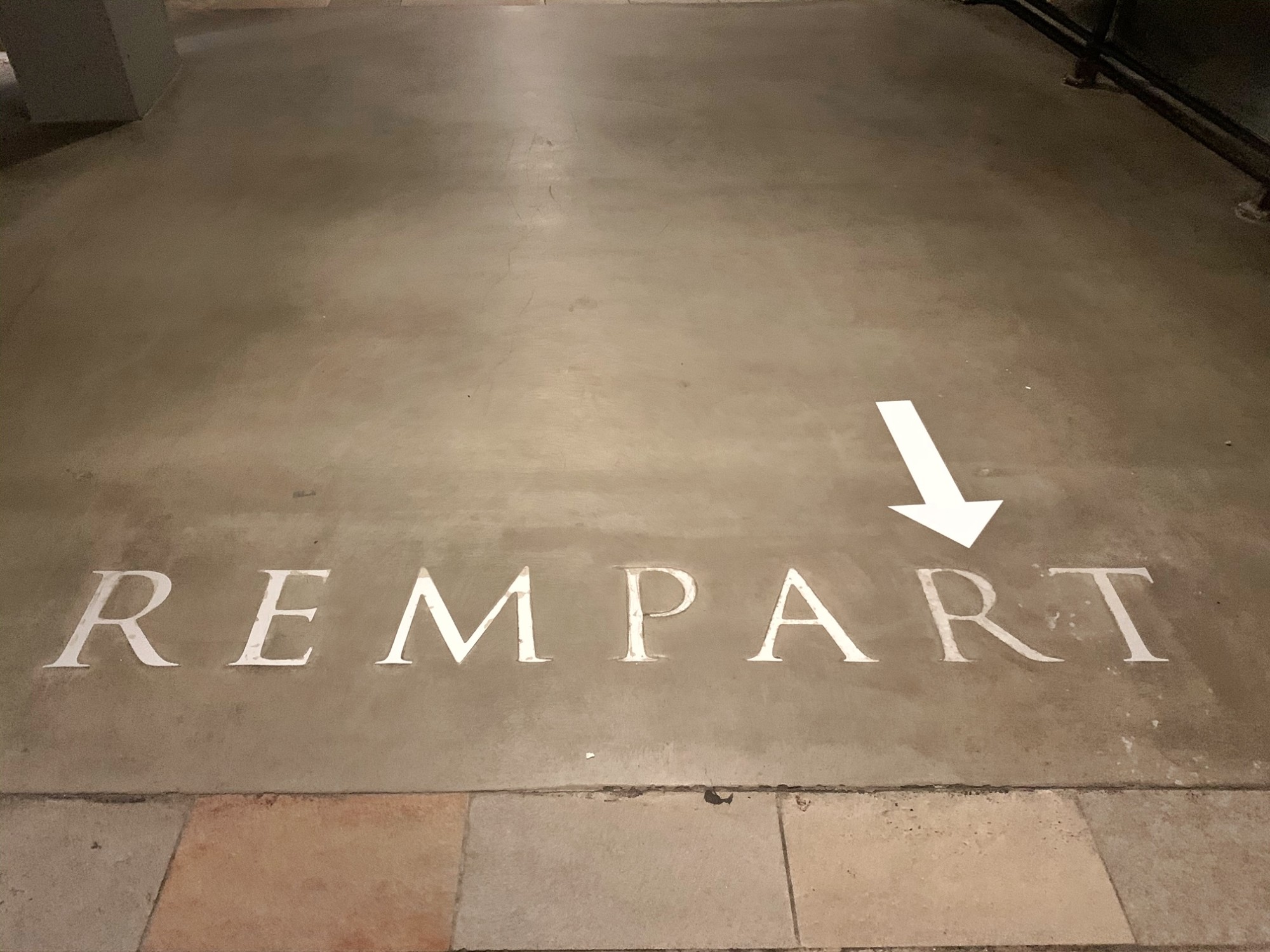
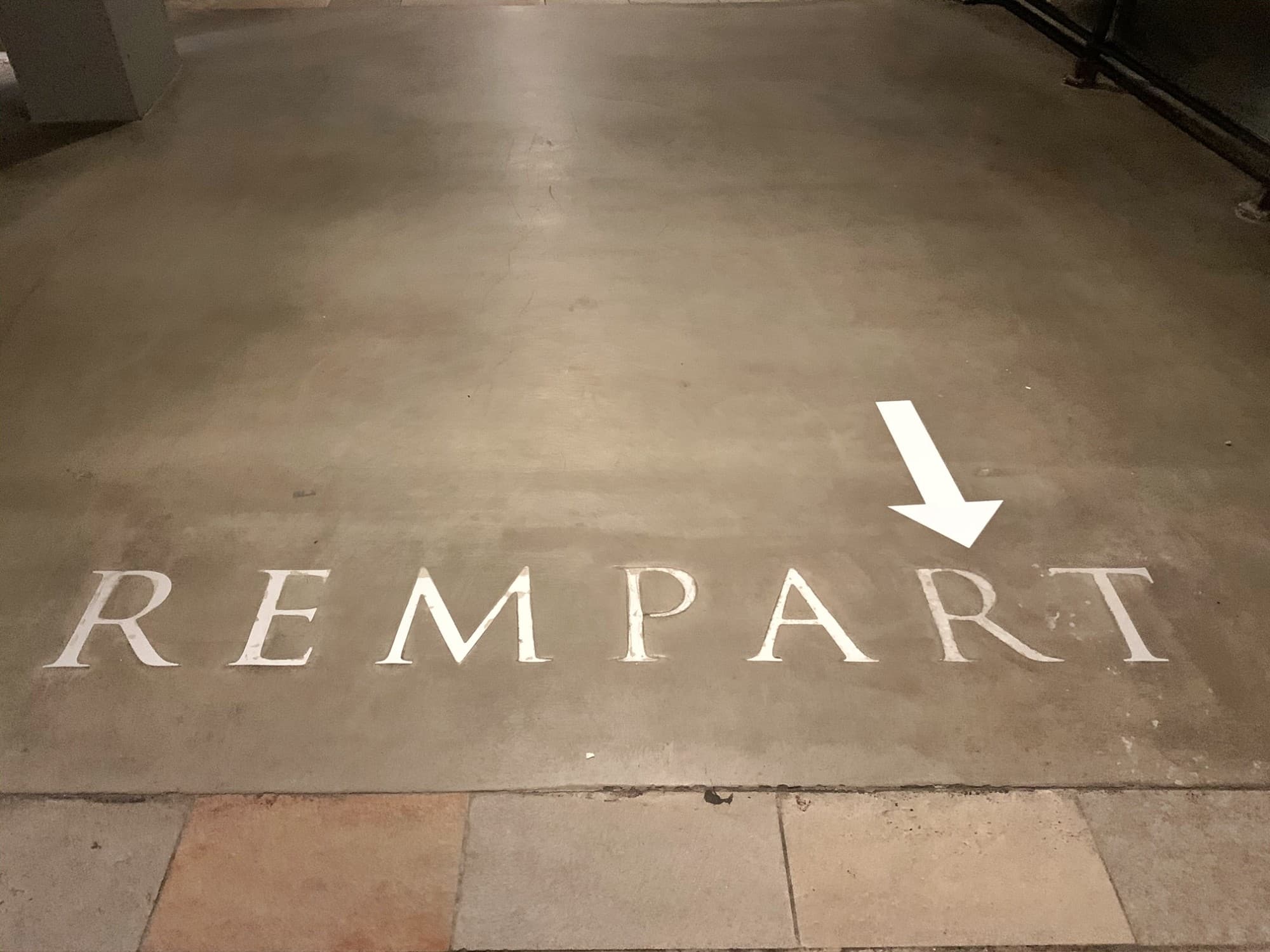
Where was this famous Lutèce? It’s always been associated with the île de la Cité. For proof, I’d point to the remains of the ramparts you can see in the crypt beneath the square in front of Notre Dame.
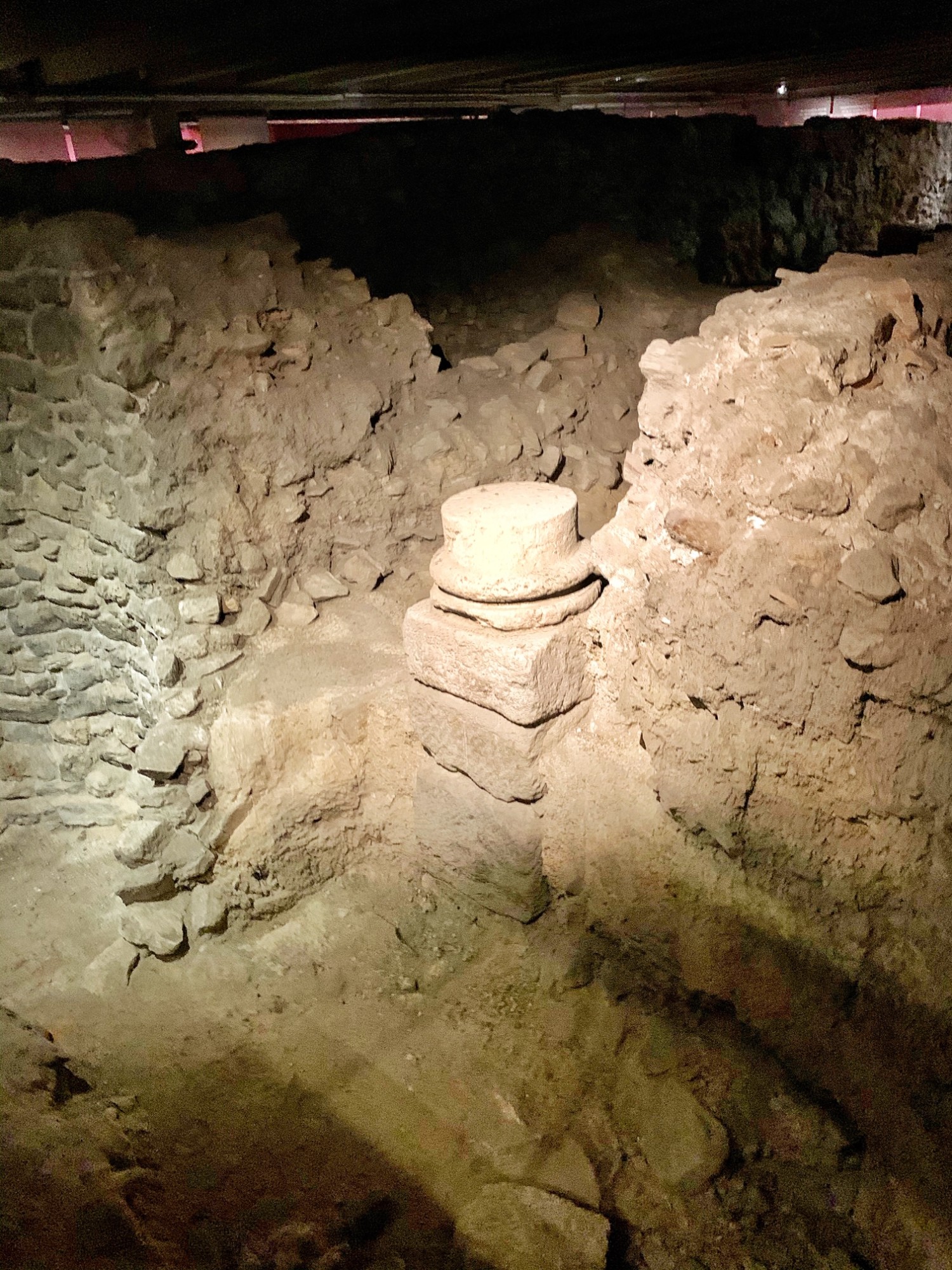
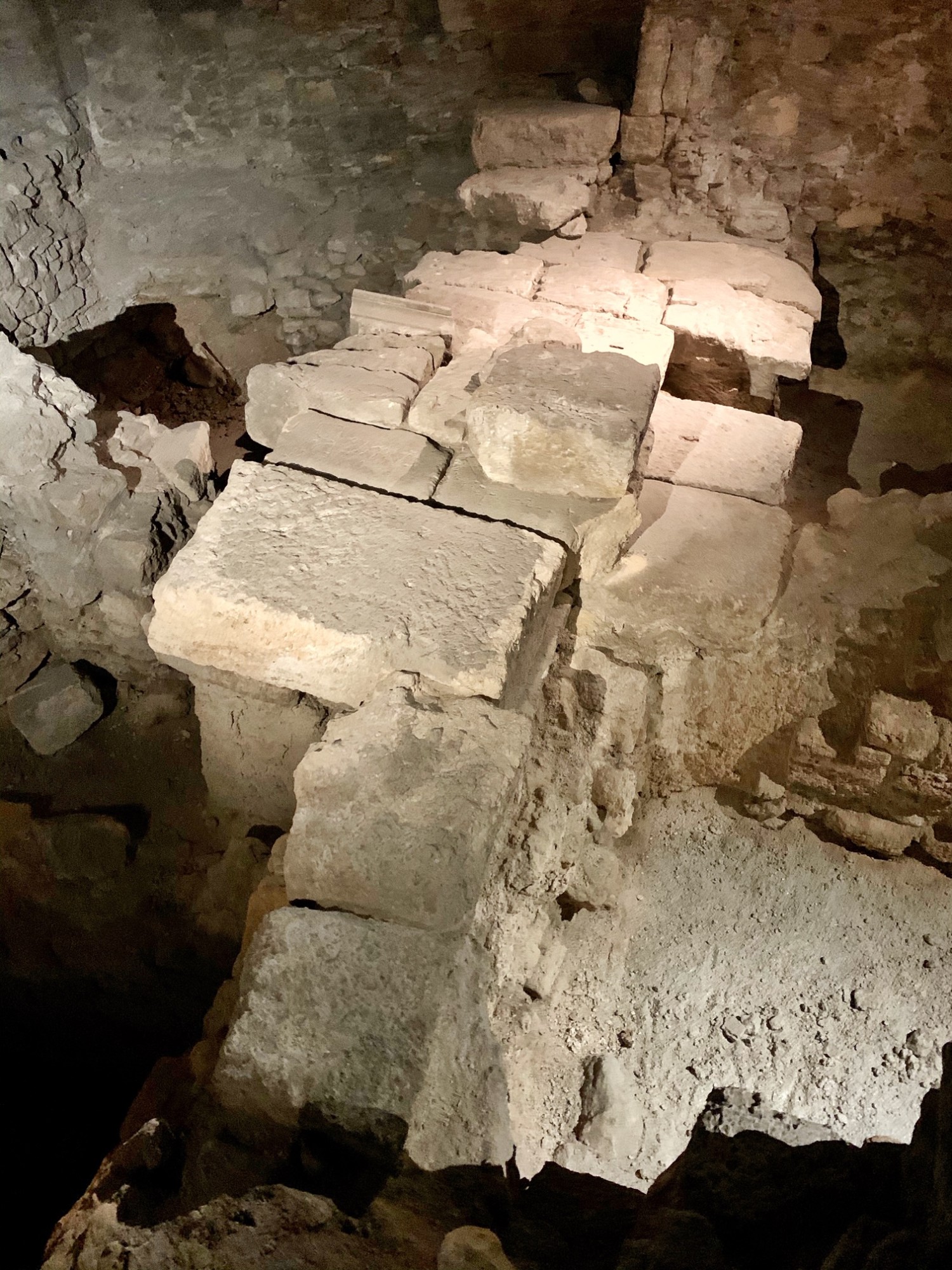
But in 2003, excavations in Nanterre uncovered the remains of a major Gaulish town. Some have looked into whether Gallo-Roman Lutèce might lie beneath those stones, but no one has been able to prove it. So what’s the truth? We’ll never know. As for me, I’ve decided to wave away that second option!
Lutèce – Beneath the Cobblestones, the Gallo-Roman City
Back to Lutèce, gone before its time. It rises from the ashes under Augustus, who reigned from 27 BC to AD 14. The Romans are in charge, and the Parisii have returned to their land. They build their homes on the Left Bank, on what is now the montagne Sainte-Geneviève.
Lutèce is in an ideal spot, so the Romans build it in the image of their own cities. A central road, the Cardo, shapes the layout of the main buildings. You can get a sense of where it ran by looking at how today’s rue Saint-Jacques lines up with rue de la Cité. Like any self-respecting Roman city, it has a forum at its political heart.
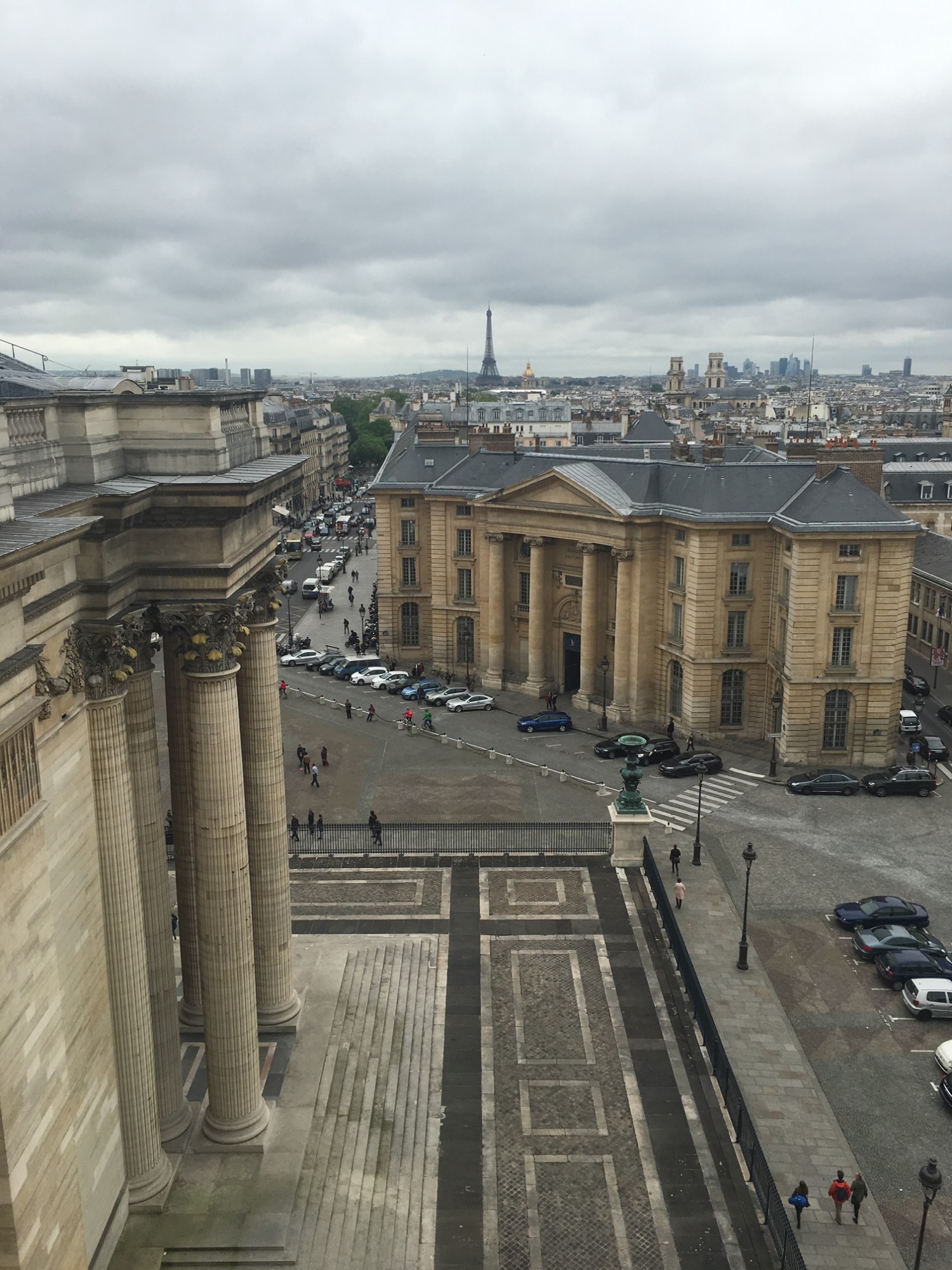
It stood around what is now rue Soufflot. The Romans also build public baths, the only surviving traces of which are the ruins of the thermes de Cluny. And what would a Roman city be without its arenas? So it’s on rue Monge that the arènes de Lutèce are built. Today you can barely tell they’re there behind those ridiculously small entrances, but back then they boasted one of the largest amphitheaters in Gaul. These days, weather permitting, you can see neighborhood locals playing boules there. It’s a far cry from the gladiators and wild beasts that put on a show for more than 15,000 spectators.
By then, Lutèce had a reputation that drew travelers from all over the region. But fate strikes again in the third century, when barbarian raids threaten the city. The inhabitants take refuge behind the defensive walls of the île de la Cité. The city on the Left Bank is destroyed.
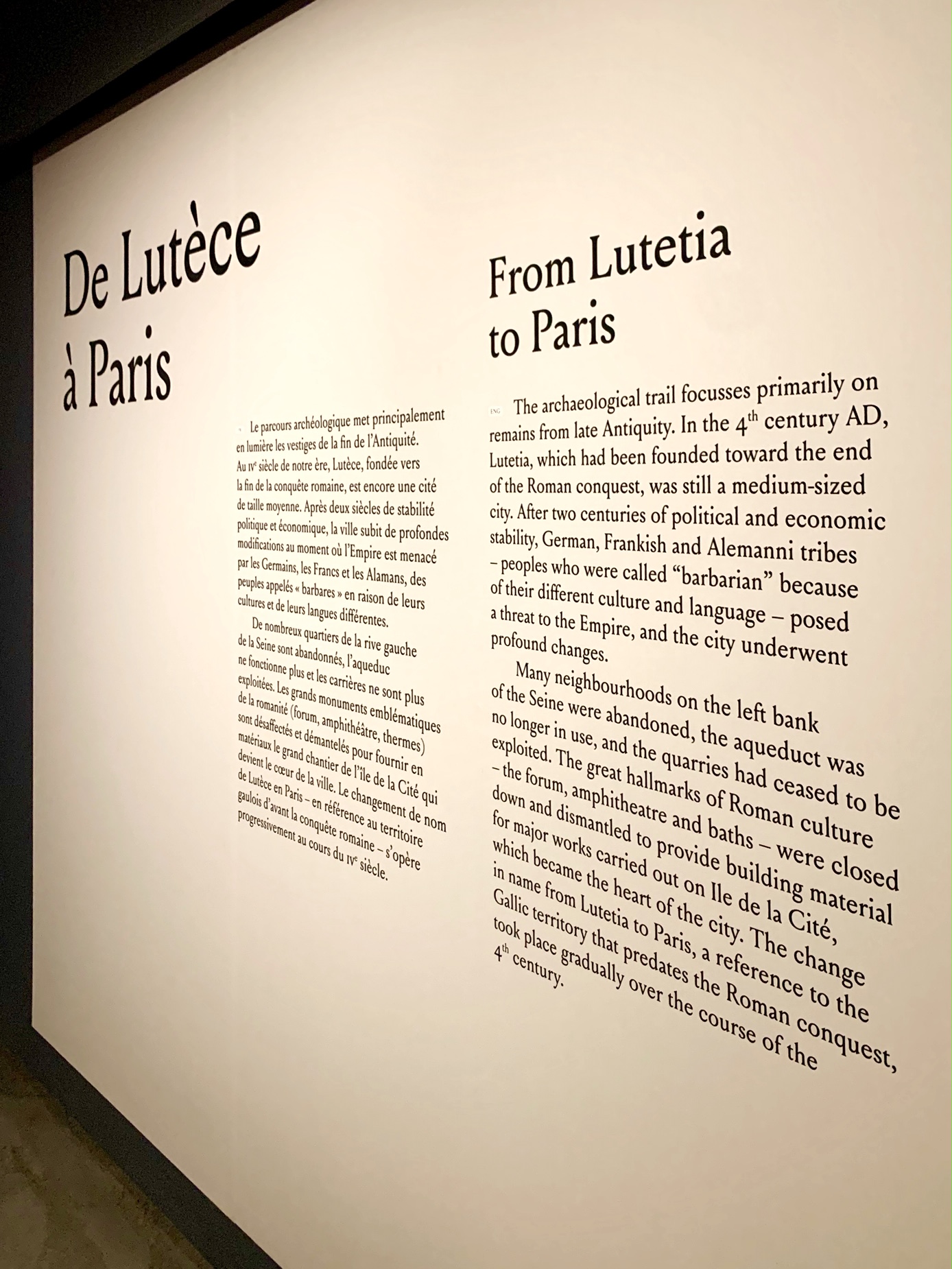
If you want to get a better sense of this period, the archaeological crypt on the Île de la Cité is a gold mine.
On our next walk, I’ll take you to the île de la Cité, where it all began again in the fifth century.