France’s Fall Literary Season 2016
It’s a fixture on the cultural calendar, the event everyone’s talking about in salons around town and in literary circles.
This year, the prize announcements kick off on October 25 with the Prix Femina and run through November 3, when the Goncourt and Renaudot will be announced.
The juries have already announced their selections, including the jury for the Goncourt.
So here are a few picks from C Lui. We’ll see in November which of them take home a prize!
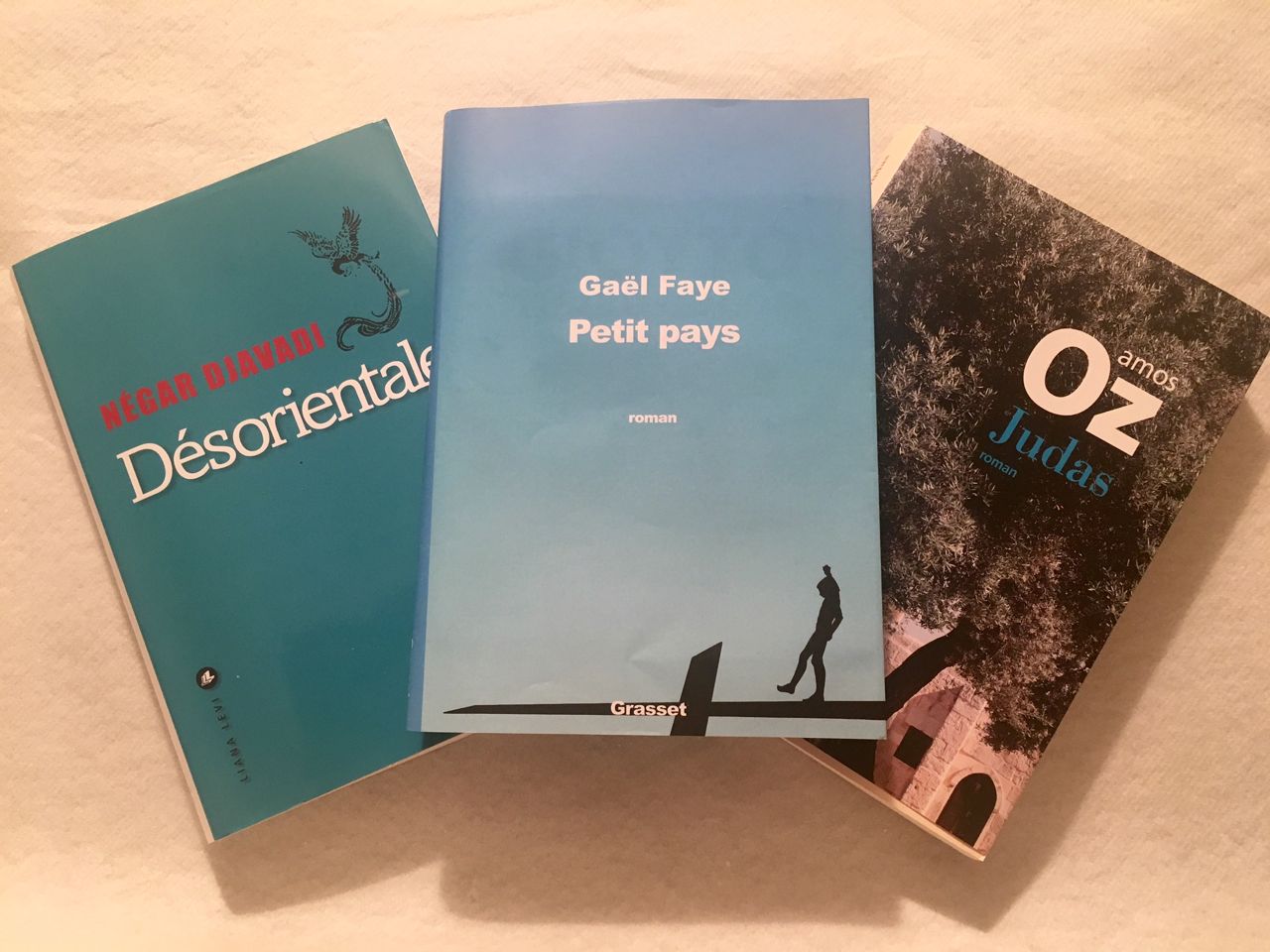
The fall literary season explores 20th-century conflicts
This fall’s crop of books, like every year’s, has a little bit of everything. Stories of love and infidelity, deeply personal reflections, and sweeping sagas that span generations. Authors also turn to recent history for the material for their stories. And so three novels by writers from elsewhere take us into the wake of conflicts that marked the second half of the twentieth century, right up to its end.
Jérusalem. Téhéran. Kigali. Scenes of war, coups, and massacres, but amid those conflicts there are also family stories, children whose lives take shape among the dreams and hatreds of adults, and, like a kind of remedy, the need to write, to pass these stories on, to understand.
Jérusalem.
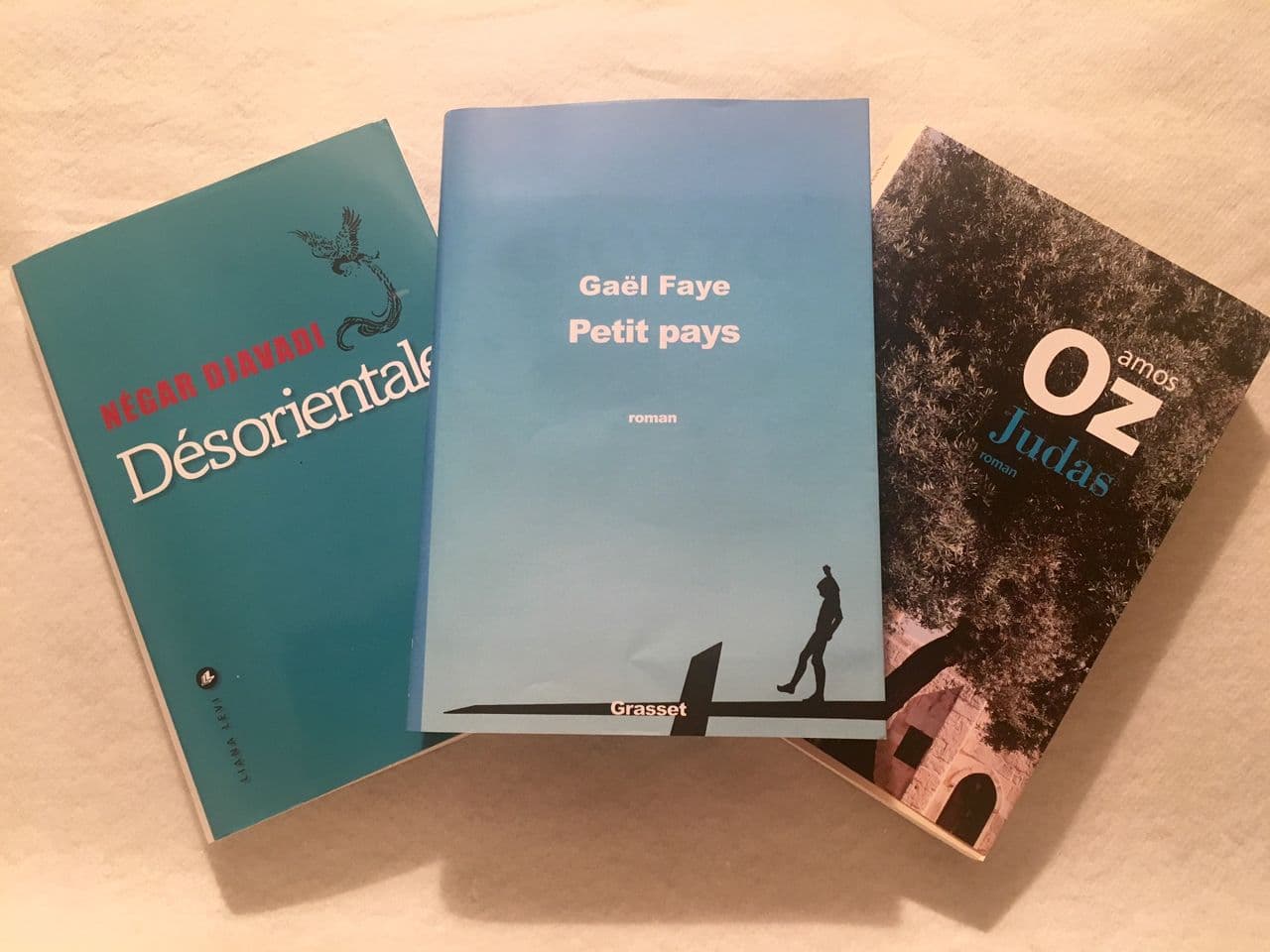
The late 1950s. Ten years after Israel’s War of Independence, the city is split in two by a wall. Shmuel, a shy, awkward young student, has just dropped out of school and abandoned the thesis he’d started on Jesus in Jewish tradition. He takes a job in the home of Gershon Wald, a frail, eccentric, talkative old man. His job is to keep him company and make sure he has a steady supply of tea. Wald shares the house with its owner, Atalia Abravanel, a woman in her forties to whom Shmuel is soon powerfully attracted. In this intimate drama, which unfolds to the rhythm of Shmuel’s nighttime walks through Jérusalem and the old man’s monologues, we gradually learn why these characters have chosen to shut themselves away. A coming-of-age novel, a love story, and a reflection on the figure of the traitor, on war, and on relations between Jews and Christians and between Arabs and Jews, Judas, by Amos Oz, is the kind of novel you have to let breathe like a fine wine.
Téhéran.
Kimia was born there, as were her two sisters. All three had to flee with their mother, by car, on horseback, and on foot, across the mountains that separate Iran from Turkey. Their father, Darius Sadr, went on ahead to France to escape the country’s new rulers, who hate him as much as the old ones did. Disoriental, by Négar Djavadi, tells the story of several generations of the Sadr family and, through them, the political history of Iran, from feudalism to monarchy, from the megalomania of empire to Islamic dictatorship. But the thread that runs through the story is the role of girls and women and the place they occupy. The grandmothers, the aunts, the mother, the sisters: all the women in the book give off a particular strength, an energy that helps them break free of men’s control, or save the men themselves. With its maze of stories tucked inside other stories, this novel reflects the complexity of the East.
Kigali.
Gabriel’s mother, grandmother, and uncles. They all dream of going back there one day. Driven out by conflict and pogroms, they’ve found refuge in Bujumbura, in neighboring Burundi. But war will catch up with them there, too. Gabriel doesn’t understand the hatred he sees in the adults around him. His father is French and his mother is Rwandan, but she’s a Rwandan Tutsi, he learns one day. And the Hutus hate the Tutsis. Gabriel doesn’t understand these ethnic distinctions. His world is his dead-end street, the mango trees he picks fruit from, the vacant lot where he plays with his gang of friends, and the Greek neighbor who lends him her books. In Small Country, Gaël Faye takes us back through the tragedy of the Rwandan genocide as seen through a child’s eyes. The simple, moving, almost innocent language contrasts so sharply with the staggering violence of what happened that it makes it unbearable. A truly beautiful book.
Jérusalem. Téhéran. Kigali. In the thick of these conflicts, weighed down by their families’ histories, Shmuel, Kimia, and Gabriel still have lives of their own to invent. That’s what literature is for!
Judas, Amos Oz, Gallimard, 352 pages.
Small Country, Gaël Faye, Grasset, 224 pages.
Disoriental, Négar Djavadi, Liana Levi, 352 pages.